
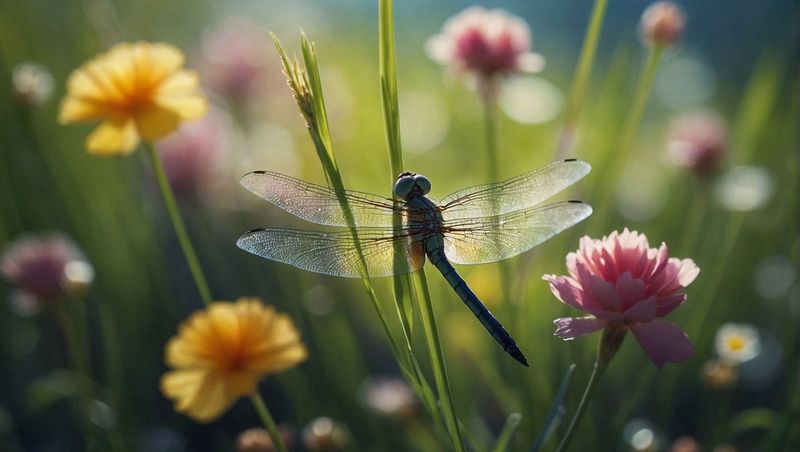
Dragonflies zipping over a California yard in autumn feel like a gift, and it is tempting to believe they are cleaning up the mosquitoes for you. The real story is more interesting and a little more complicated.
Some dragonflies do pass through parts of the state in fall, and their young can eat mosquito larvae in water. Here is what that means for your yard, your pond, and your mosquito plan.
Some dragonflies migrate through parts of California in fall
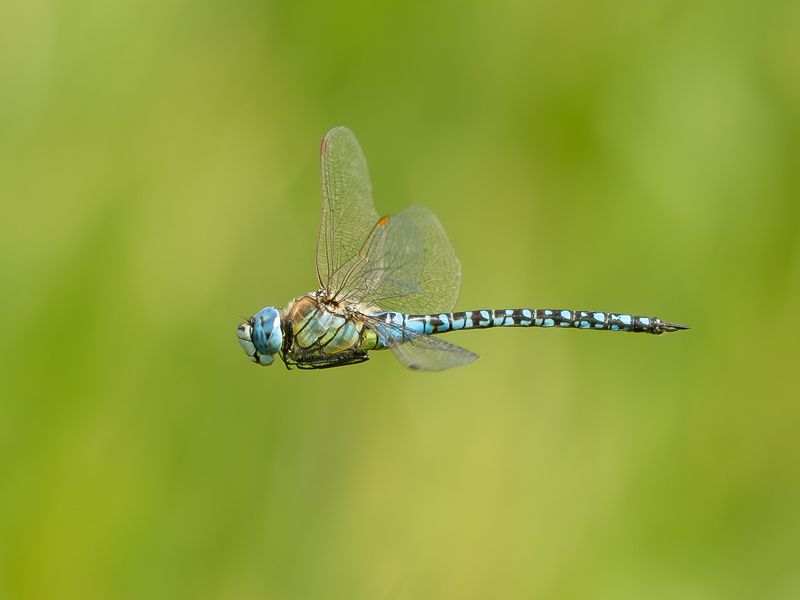
Fall dragonfly sightings in California are real, but they are patchy. Bay Nature reports that at least nine migratory dragonfly species pass through the San Francisco Bay Area in autumn.
Some of those travelers stop to rest, feed, and keep moving south.
That is the documented part. The evidence is specific to the Bay Area, so it does not tell us what is happening over a backyard in Fresno, San Diego, or Redding.
Activity changes with species, location, weather, and the week you happen to be outside.
It also helps to separate two ideas. A dragonfly passing through is not the same as a dragonfly patrolling your yard every day until winter.
Some days you may see several, and some days none, and both are normal.
So the claim that dragonflies guard California yards all fall goes further than the facts. A fair version is simpler: some dragonflies may be around in parts of the state in fall, and that is a nice bonus for anyone who enjoys watching wildlife.
The rest of this article builds on that qualified answer. You will see where dragonflies really do connect to mosquitoes, how a pond fits in, and what to do about standing water and sprays so your yard stays friendly to wildlife without becoming a mosquito nursery.
The strongest mosquito link begins underwater
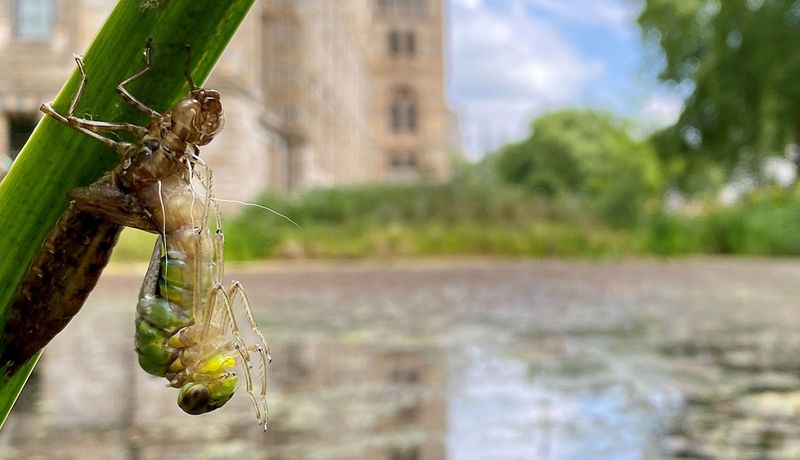
Dragonflies spend their early life in water. The young, called naiads, live and hunt underwater, then climb out and become the flying adults we see overhead.
That underwater stage is where the clearest mosquito connection sits.
A 2023 meta-analysis of 31 studies found that a single naiad ate about 40 mosquito larvae per day on average. Those numbers came from experimental containers, though.
They show what naiads are able to do, not how many mosquitoes disappear from a real yard.
Adults are a different story. They are generalist predators that grab whatever flying insects are available.
In one study of adult dragonflies and damselflies, researchers found mosquito remains in only 4 of 41 insects tested. The sample was small, but it is a good reason not to picture adults as dedicated mosquito hunters.
Lab results also do not carry over neatly to the field. A Massachusetts task-force review describes strong reductions in some simulated tests but lower predation in a field study.
It also notes that mosquito eating depends partly on what other prey is available.
In practice, that means you cannot count on dragonflies to lower bites, disease risk, or neighborhood mosquito numbers. Think of naiads as a promising predator in the water, and treat everything else as a bonus.
A maintained pond can support dragonflies but still needs mosquito management
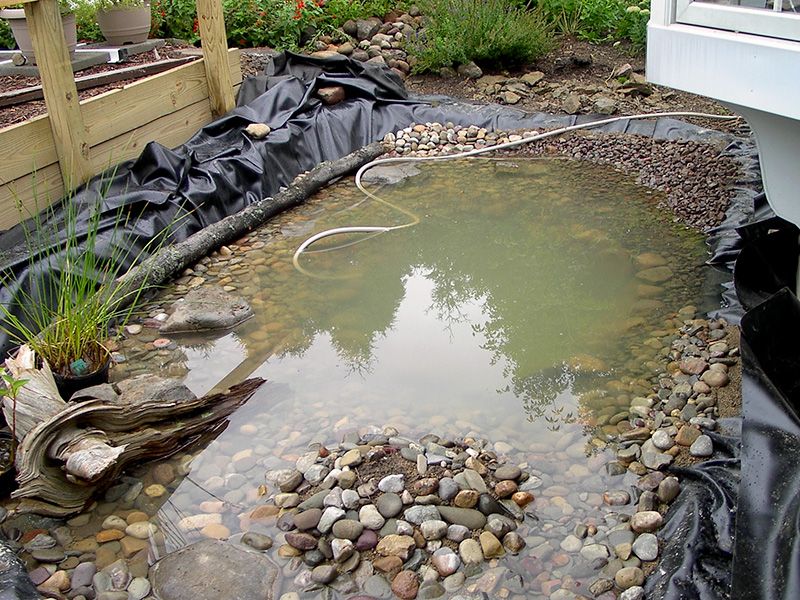
If you want to give dragonflies a place to breed, a purpose-built pond is the realistic route. Penn State Extension recommends a mix of native submerged, emergent, and floating plants, which gives young dragonflies and damselflies cover and adults places to perch and lay eggs.
Seeing adults over your pond does not prove they bred there. Over time, though, plant variety and clean, well-kept water give you better odds of attracting them.
A pond is not automatically mosquito-free, even with plenty of wildlife. UC IPM advises managing ponds for mosquitoes, which can include fish or mosquito-specific Bti where appropriate.
It also notes that predators alone generally may not be enough to remove the need for other control.
This is where a maintained pond differs from a forgotten bucket. A pond has a plan behind it: moving water, healthy plants, regular checks, and a response if larvae show up.
A neglected tub of stagnant water has none of that.
Before choosing any control, call your local mosquito and vector control district. Rules and risks vary across California, and the district can tell you what is allowed and what works nearby.
Remove small water sources mosquitoes can use
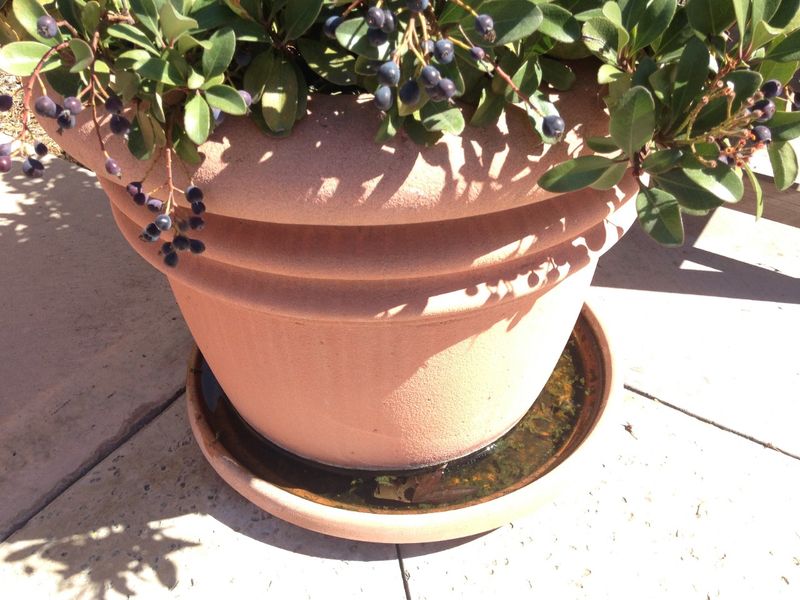
Mosquitoes can breed in surprisingly small amounts of water. California’s Department of Pesticide Regulation, in its mosquito guidance for homes, lists simple habits that cut off those sources.
Start with a lap around the yard once a week. Dump buckets, tarps, toys, and anything else that has collected water.
Empty the saucers under potted plants, since they fill after watering or a rain.
Next, look up. Clogged gutters hold water for days, so clear them.
Check that yard drains are working and not leaving puddles behind.
Birdbaths deserve their own reminder. Change and scrub the water at least weekly, and more often in hot weather, so any eggs or larvae are removed before they mature.
A quick scrub also keeps the bath healthier for the birds that use it.
None of this conflicts with having a managed wildlife pond. The difference is purpose.
Small, unmanaged containers give mosquitoes a breeding spot with no benefit to wildlife, while a pond you maintain is a deliberate habitat you check and care for. Emptying the first does nothing to the second.
Use pesticides only when needed and where needed
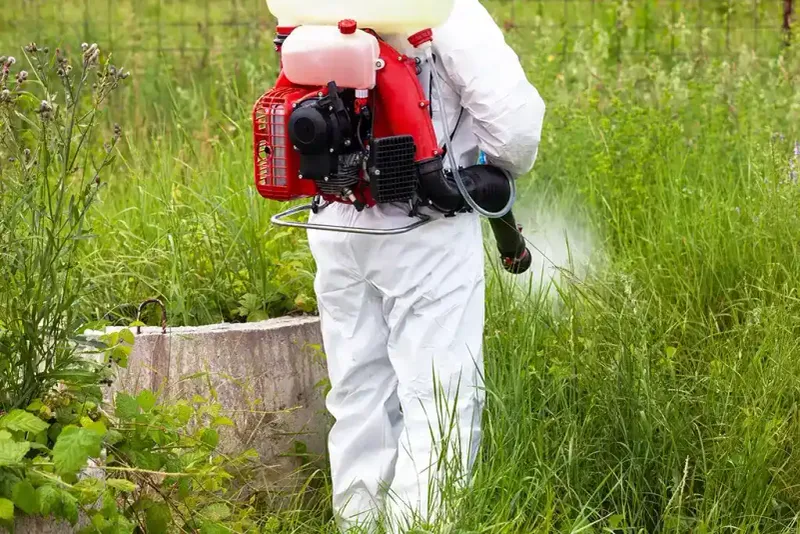
Pesticides are designed to kill insects, and they do not always stop at the target. The EPA says pesticides can harm non-target wildlife, including aquatic invertebrates, which is the group dragonfly and damselfly young belong to.
That does not mean every spray drives dragonflies away. The effect depends on the product, how it is applied, and how much wildlife is exposed.
It does mean that drift and runoff into water are worth avoiding.
The EPA advice is practical. Use a pesticide only when necessary, treat only the area that needs it, keep it out of water, and follow the label exactly.
If you have a pond, keep a generous buffer around it.
Spraying is also a short-term fix. UC IPM says outdoor sprays may temporarily reduce adult mosquitoes but have no lasting effect.
Mosquitoes can return quickly if the water they breed in is still there.
So put your effort upstream. Remove breeding water first, then reach for treatments only if mosquitoes remain a problem.
Your local vector control district can also tell you what is being done in your area.
Treat dragonflies as a wildlife benefit, not a mosquito-control plan
Keep habitat where you can manage it, clear out small unmanaged water, and use mosquito controls only as needed. State guidance and UC IPM are good starting points, and your local California mosquito and vector control district can add advice for your area.
Research shows dragonflies have predation potential, not dependable mosquito control for a yard. Enjoy them for what they are.