
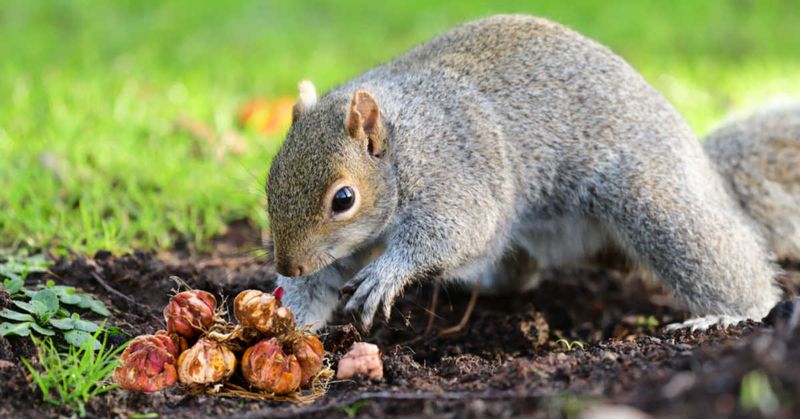
You walk out to your garden bed and find fresh holes, upturned soil, and half-eaten bulbs scattered like someone raided the pantry overnight. Squirrels and chipmunks are common suspects, but figuring out which animal is responsible – and what to do about it – takes more than just grabbing the nearest spray bottle.
A peppermint-based repellent may help reduce visits, but pairing it with the right physical barrier is what gives your bulbs a real fighting chance.
Identify the animal before choosing a remedy
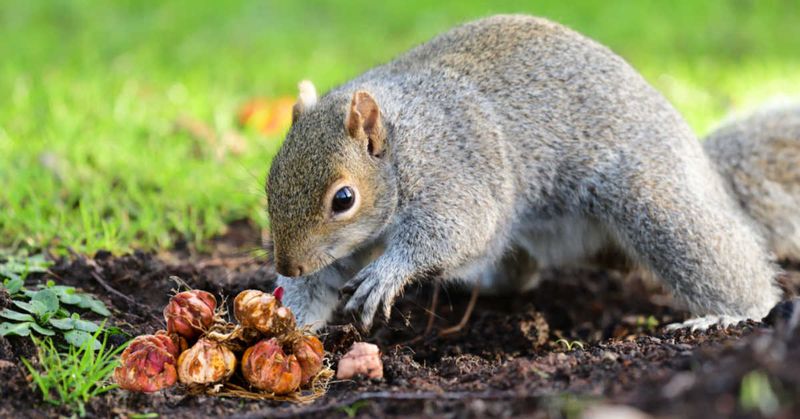
Disturbed soil and missing bulbs are frustrating to find, but the damage alone does not tell you who did it. Squirrels, chipmunks, skunks, voles, moles, and even dogs can all produce disturbances that look confusingly similar at first glance.
University of Georgia Extension guidance on resolving wildlife conflicts recommends examining hole shape, the presence or absence of excavated soil mounds, tracks, bite marks on plant material, and direct observation before naming the culprit.
Squirrels and chipmunks do share some habits. Both can dig up and eat flower bulbs, seeds, and seedlings.
Penn State Extension’s chipmunk resource also notes that chipmunks may burrow under patios, retaining walls, and foundations, which creates a different kind of structural concern beyond the garden bed itself.
Regional identification matters too, especially in Texas. Eastern chipmunks are common across much of the eastern United States, but they are not a uniform pest across every Southern state.
Texas landscapes may involve ground squirrels or other squirrel species depending on your location, so the animal causing damage in a Texas yard may not match what gardeners in Florida are dealing with. Slow down and gather a few clues before selecting any product or strategy.
Why peppermint is one scent worth considering
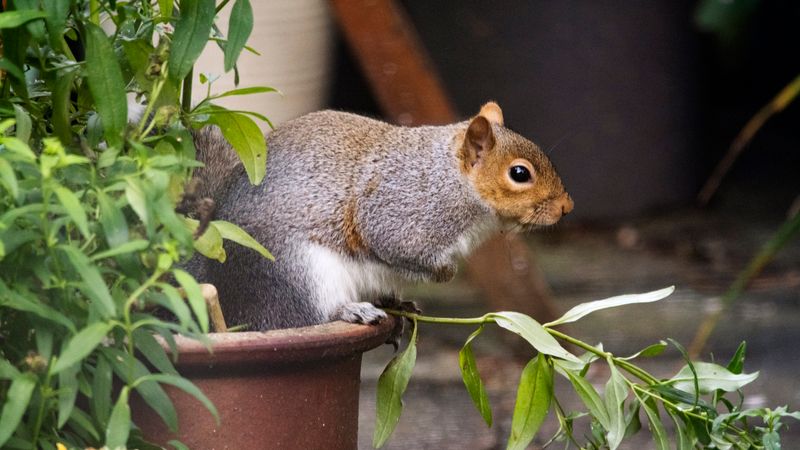
Peppermint shows up in wildlife repellent discussions for a practical reason: extension guidance has identified mint-based products as potentially useful around rodents, gardens, and structures. University of Minnesota Extension’s garden animal guidance lists mint among possible repellent components alongside garlic, cinnamon, cloves, hot pepper, and egg solids.
That list reflects the range of ingredients found in commercially formulated products, not a ranking of what works best.
Peppermint is the article’s chosen focus because UF/IFAS guidance on deterring nuisance wildlife lists peppermint-active products among those labeled for squirrels and chipmunks. That listing is informational, not an endorsement, and the honest expectation from the available guidance is that a peppermint-based repellent may deter or may reduce visits – not that it will send every animal away for good.
One distinction worth keeping in mind: not all repellents work the same way. Odor repellents rely on a strong scent to discourage an animal from approaching.
Taste repellents, like those using capsaicin, may work partly after an animal has already nibbled treated material and developed an aversion. Some formulations combine both mechanisms.
Knowing which type you are using helps set realistic expectations about where and how to apply it.
Read the label before buying a repellent
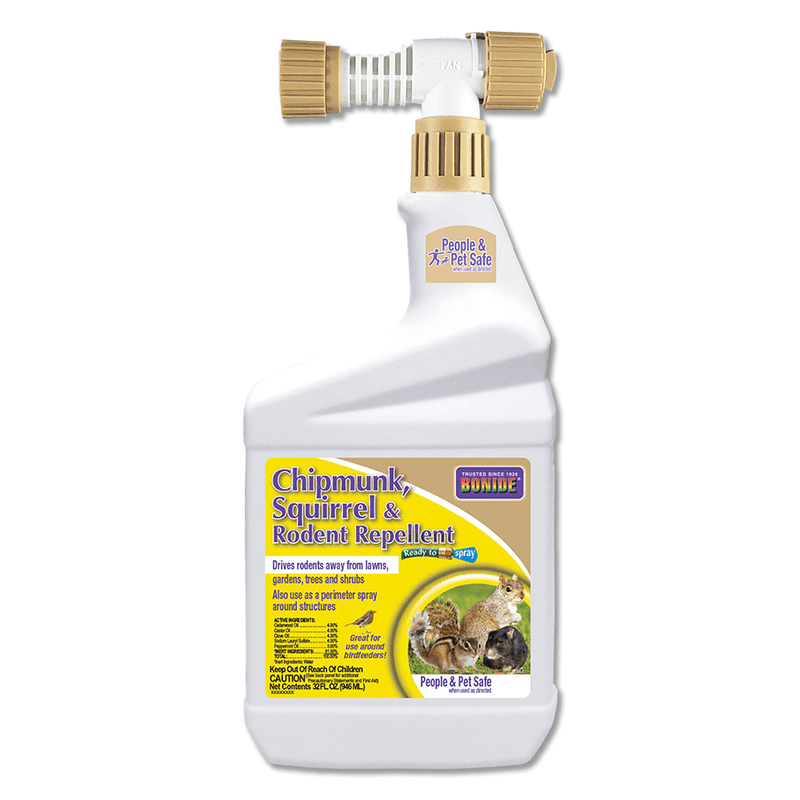
A product’s ingredient list is only the starting point. The label is the legal document that determines where you can apply a repellent, which animals it covers, and exactly how to use it.
Before purchasing anything, confirm that the label specifically names squirrels or chipmunks – whichever animal you suspect – and that it lists the intended site, whether that is garden beds, ornamental plantings, soil surface, or an absorbent carrier near the bed.
Active ingredients vary widely across registered repellents. Peppermint, garlic, capsaicin, egg solids, and thiram are among the ingredients found in products that UF/IFAS has listed for nuisance mammals, but sharing an ingredient does not mean two products have identical legal uses or the same effectiveness.
EPA pesticide labeling guidance makes clear that the approved label controls every use decision, and using a product in a way its label does not permit is a federal violation.
Florida and Texas gardeners should take one extra step. Verify that the product is currently registered and approved for use in your state, because state requirements can differ from federal registration.
The EPA Pesticide Product Label System is a useful starting point, but confirm with your state pesticide regulatory authority – Florida’s Department of Agriculture and Consumer Services or the Texas Department of Agriculture – before applying any product. UF/IFAS product listings are informational references, not product endorsements.
Keep the application off plants unless the label allows it
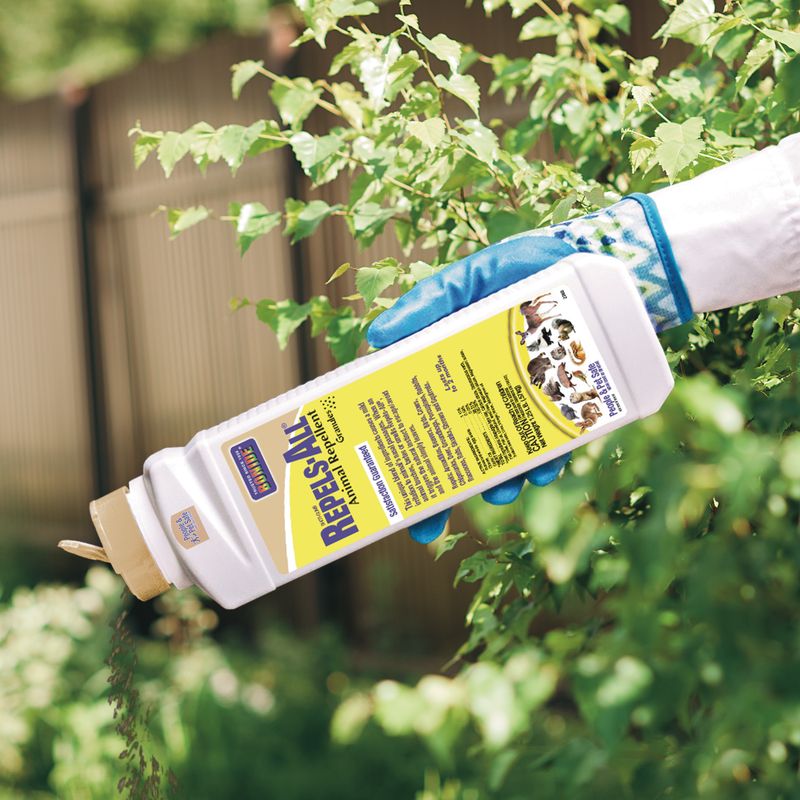
One of the most common mistakes gardeners make with scent-based repellents is treating them like ordinary sprays that can go anywhere. The product label sets the boundary.
Apply a repellent around the perimeter of the protected area, or to an absorbent nonplant carrier such as cotton balls or fabric strips, only when the label specifically permits that method for the target animal and site.
University of Maryland Extension guidance on squirrels in containers notes that when plant safety has not been established for a peppermint product, applying an alcohol-based formula to nonplant surfaces is the appropriate approach. That advice points to a wider principle: a homemade peppermint or pepper essential-oil mixture is not a registered pesticide, and treating it as one by spraying it directly on bulbs, ornamentals, or edible crops without specific label approval is not a safe or legal substitute.
Capsaicin products add another layer of complexity. Some are registered for use on certain ornamental or food-crop plants, but the permitted crop, concentration, timing, and application method are product-specific.
EPA product label records for registered animal repellents show how narrowly some uses are defined. Always treat the label as the authority, not a general recipe or a gardening tip you read online.
If the label does not list your plant or site, do not apply the product there.
Reapply according to the label and the weather
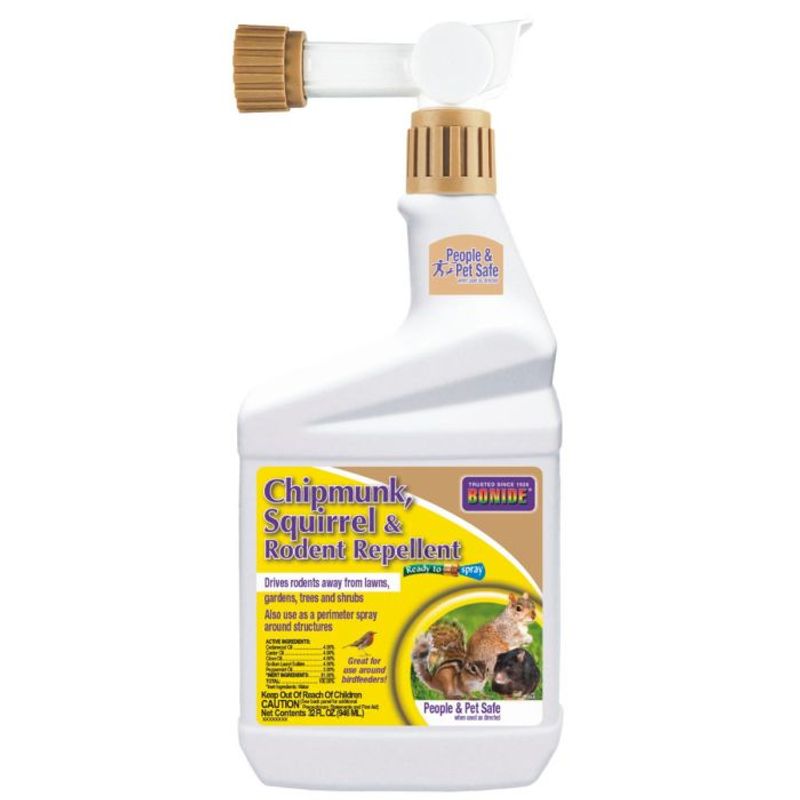
A single application rarely holds. Rain breaks down scent-based repellents faster than almost any other factor, and the outdoor exposure that comes with warm, humid Southern summers adds additional wear.
Minnesota Extension’s garden animal guidance mentions reapplication as a consistent requirement for repellent effectiveness, though the right interval depends entirely on the product’s label rather than a general rule. Do not convert extension references to “reapply after rain” into a single universal schedule – your product may specify different triggers or timelines.
Timing the first application also matters. UF/IFAS deterrent guidance notes that repellents tend to work better before animals become accustomed to feeding at a site.
Starting before damage appears, or at the very first sign of digging, gives the scent the best chance of discouraging interest before a feeding habit forms.
Even with perfect reapplication, some conditions can overwhelm a scent treatment. Severe hunger, a high density of animals in the area, and limited alternative food sources can push squirrels or chipmunks to push past a repellent they would normally avoid.
University of Missouri Extension’s nuisance wildlife guidance is direct about the limits of repellents: no product reliably eliminates wildlife pressure, and results depend on multiple factors that shift with the season and the local animal population.
Protect newly planted bulbs with buried mesh
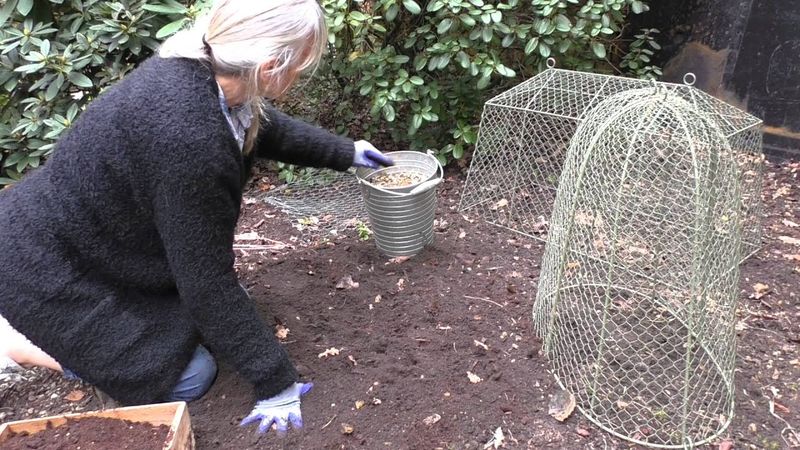
Hardware cloth and poultry wire do something that scent cannot: they stay in place through rain, heat, and repeated animal pressure without requiring reapplication. Burying a physical barrier above newly planted bulbs is the most dependable defense the available evidence supports, and it works alongside a repellent rather than replacing it.
The installation is straightforward. After placing bulbs at the correct depth, lay the mesh parallel to the soil surface directly above them.
Leave enough space between the mesh and the soil surface so emerging shoots can push through the openings without obstruction. UF/IFAS deterrent guidance recommends half-inch mesh placed parallel to the soil surface and extended at least one foot beyond the edges of the planting area to prevent animals from tunneling in from the sides.
Mesh size matters when you know which animal is the primary problem. Penn State Extension’s chipmunk guidance points to approximately one-quarter-inch mesh as the appropriate choice when chipmunks are the main concern, since their smaller bodies allow them to slip through the openings that would stop a squirrel.
Half-inch mesh handles squirrels well but may leave a gap for determined chipmunks.
The practical takeaway from Minnesota Extension’s animal exclusion advice is worth repeating plainly: scent does not make mesh unnecessary. When a repellent’s effectiveness fades between applications, the barrier keeps doing its job.
Use both layers together for the best outcome.
Remove nearby food and hiding cover
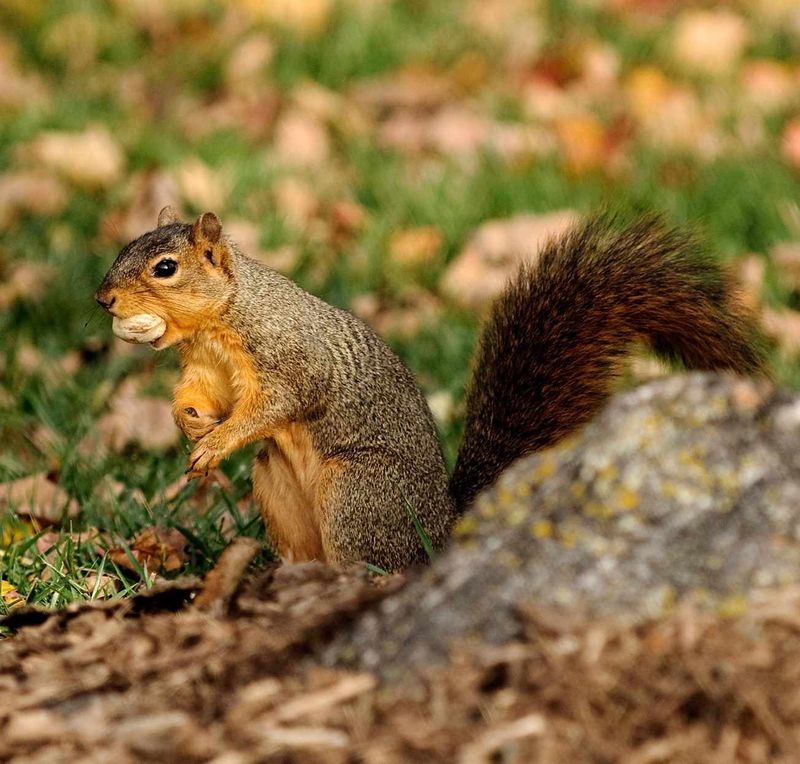
Squirrels and chipmunks do not arrive in your garden bed randomly. They go where food is easy to find and where cover makes them feel safe.
Cleaning up the conditions that invite them in reduces pressure on the bed, even if it cannot remove animals from a yard that already suits them.
Start with the obvious attractants. Spilled birdseed beneath feeders is one of the most consistent draws for chipmunks and squirrels in residential yards.
Penn State Extension’s chipmunk management guidance recommends cleaning up seed regularly, securing pet food that is left outdoors, and reducing the brush piles, woodpiles, and dense connected plantings that give small animals convenient cover and travel corridors near garden beds.
These habitat changes can make the area less convenient and less appealing, but they work gradually and incompletely. A Southern yard with mature trees, warm temperatures, and year-round food availability is always going to attract wildlife.
The goal of reducing attractants is to make your bed a less obvious target, not to eliminate every animal from the property. Pair these changes with your repellent and your mesh for a defense that addresses the problem from multiple angles rather than depending on any single strategy.
Use scent as one layer of a realistic defense
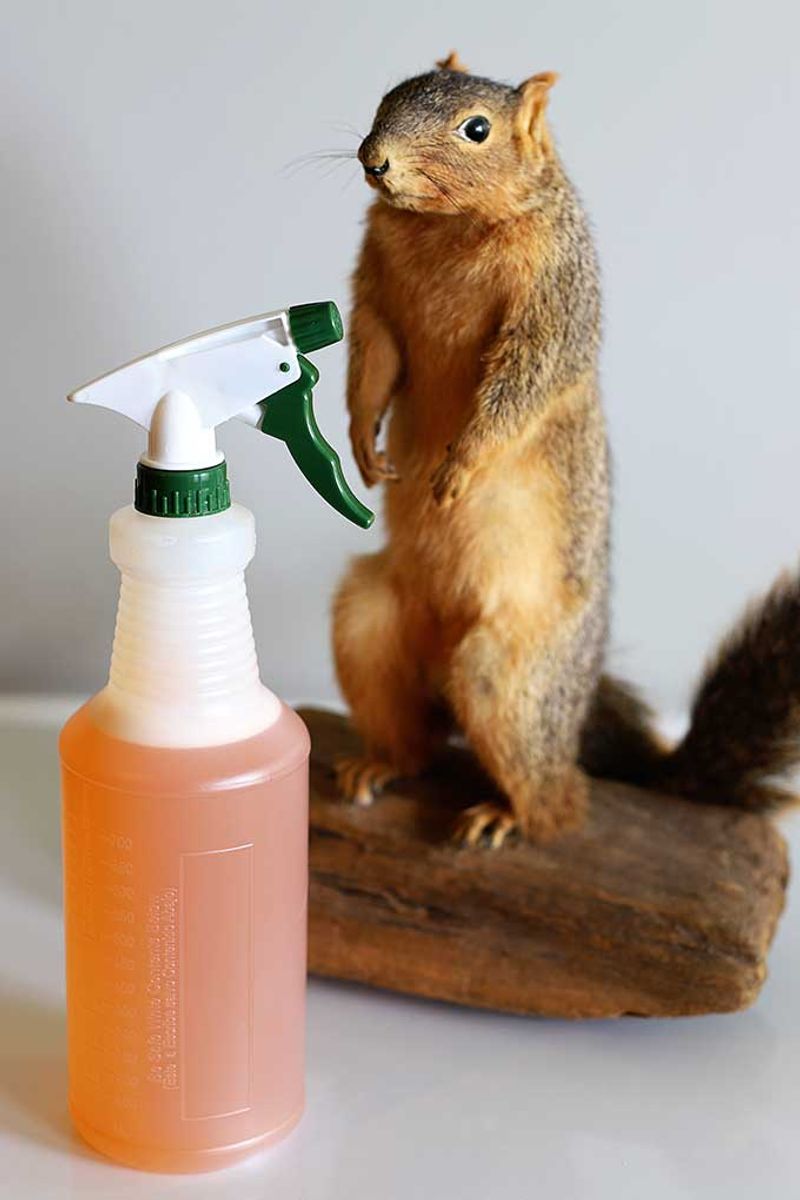
A practical defense starts with confirming the likely animal through direct observation, tracks, or hole shape – not assumption. From there, select a commercially formulated repellent whose label covers your specific animal, garden site, and application method.
UF/IFAS deterrent guidance and Minnesota Extension’s animal management resource both treat reapplication and barrier use as essential parts of any repellent strategy, not optional add-ons.
Verify federal label requirements and confirm state registration with your Florida or Texas pesticide authority before applying anything. Apply the product only as directed, reapply on the label’s schedule, clean up nearby attractants, and cover vulnerable bulbs with the appropriate mesh size.
Skip the hazardous shortcuts entirely: NPIC guidance on mothball misuse is clear that mothballs are not animal repellents, should not be used outdoors where people or animals can be exposed, and using them that way violates federal pesticide law.
The honest goal of this approach is reduced damage, not a yard cleared of every squirrel or chipmunk. Scent may temporarily discourage visits; mesh keeps protecting bulbs when the odor fades.
A yard with fewer easy meals and one more obstacle between the animal and the bulb is a yard where your planting has a much better chance of surviving the season.