
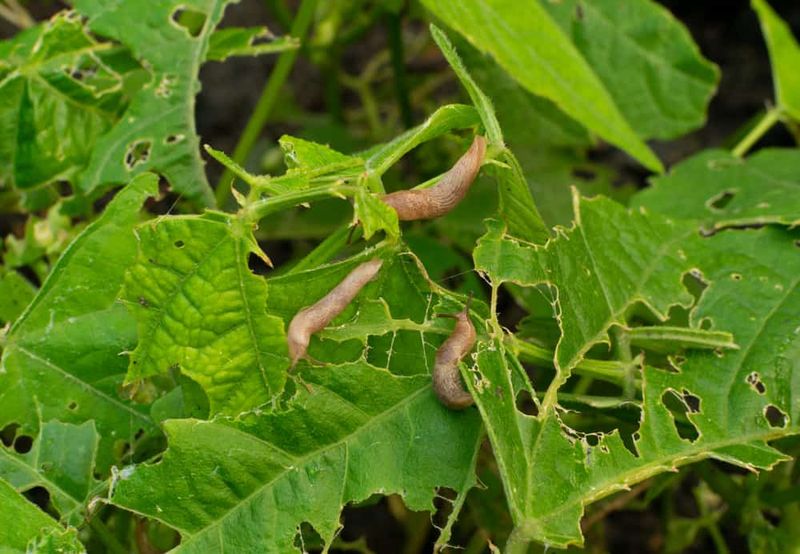
You head out to check your bean plants in the morning and find ragged holes, missing leaves, or whole seedlings gone — and no pest in sight. That kind of mystery damage can feel urgent, especially when young plants are involved.
The good news is that the injury pattern itself gives you real clues, and matching what you see to the right suspect is the first step toward protecting your bean bed.
The damage pattern narrows the suspect
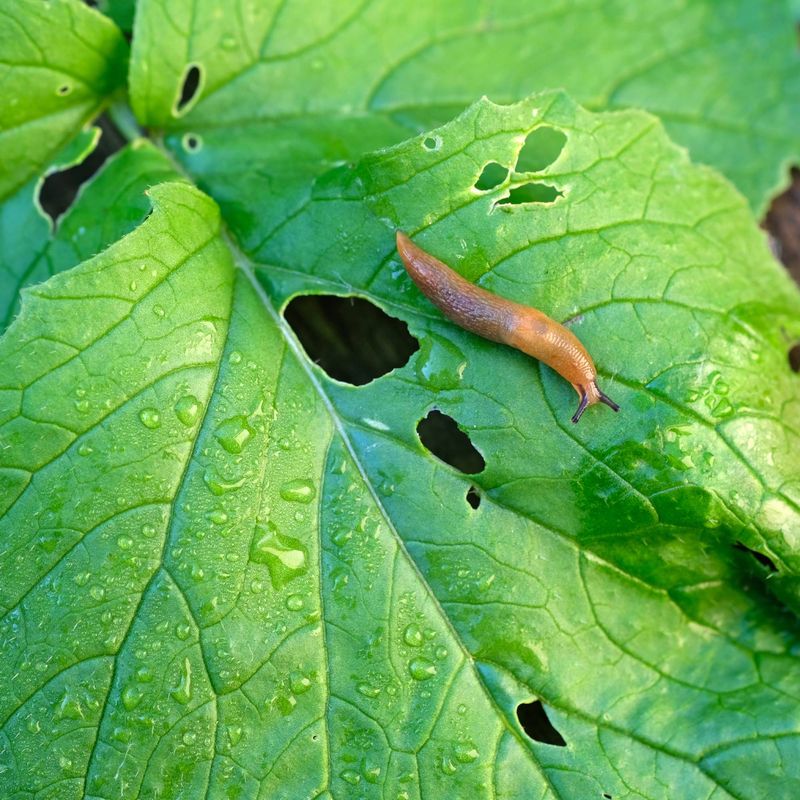
Morning damage does not point to a single overnight culprit. What the injury actually looks like, combined with the conditions in your garden bed, is far more useful than the time of day you spotted it.
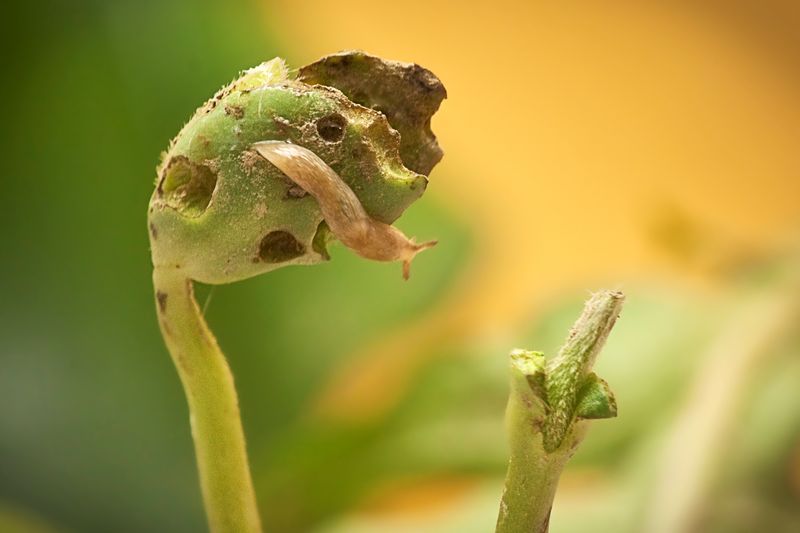
Irregular holes with ragged or torn edges, especially when paired with a shiny slime trail on the leaf surface or nearby soil, are the strongest visual clue pointing toward slugs or snails. University of Minnesota Extension guidance on slugs confirms that slugs feed at night and can damage beans, with young plants most vulnerable.
Beds that are damp, shaded, or covered in heavy mulch favor slug activity, and because slugs hide during daylight, their feeding often goes unnoticed until a morning check reveals the results.
Not every hole means slugs, though. UF/IFAS guidance on terrestrial slugs in Florida specifically warns that snails, beetles, grasshoppers, and caterpillars can produce similar-looking leaf injury, so the damage pattern alone rarely closes the case.
Cleanly clipped leaves or stems, seedlings eaten down to the ground, and pea-sized droppings nearby shift suspicion toward rabbits. Mississippi State Extension’s bean growing guide and UF/IFAS coverage of the Mexican bean beetle both highlight insect alternatives worth considering: small, round holes suggest bean leaf beetles, while a lace-like or skeletonized leaf surface, often on the underside, points toward Mexican bean beetle feeding.
Bean leafrollers, a Southern possibility, fold or web leaves into shelters. UGA Extension rabbit identification materials remind gardeners that rabbits are most active around dawn and dusk, meaning damage discovered at sunrise may not have happened in full darkness at all.
A flashlight check can test the diagnosis
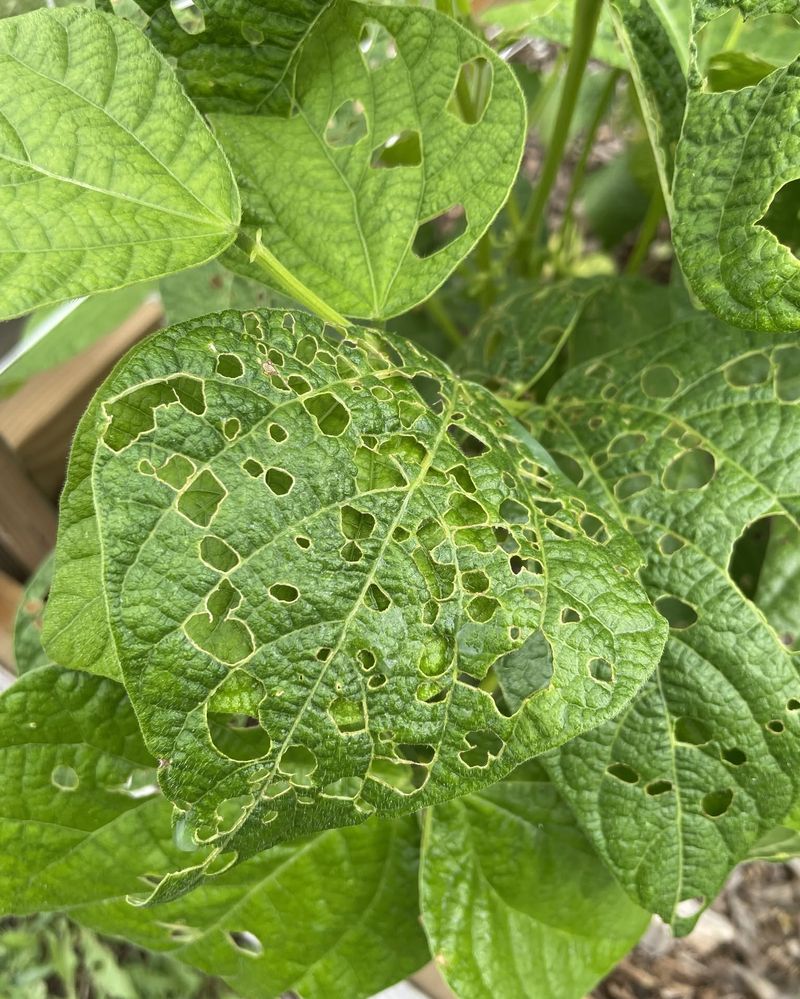
Reaching for a spray bottle before you know what you are dealing with is one of the most common mistakes home gardeners make. A targeted response starts with a confirmed diagnosis, and that means going outside after dark.
Bring a flashlight and check the bean plants thoroughly once night has settled in. Work slowly: look at the upper and lower surfaces of leaves, the plant crown where the stem meets the soil, the soil surface itself, and any mulch, boards, stones, or debris lying nearby.
Slugs cling to leaf undersides and hide in tight, moist spaces, so a quick glance at the tops of leaves is rarely enough. UMN Extension’s slug scouting guidance recommends checking beneath deliberately placed boards or damp newspapers during the day as well, since slugs retreat to dark, damp shelter once temperatures rise.
If the nighttime check turns up nothing, try a daytime inspection too. Penn State Extension’s slug control resource supports using shelter traps as a daytime detection method alongside after-dark scouting.
Bean leaf beetles, for instance, are often spotted during daylight hours, so limiting your search to nighttime hours alone can cause you to overlook insect pests entirely.
When the pest itself stays hidden, photograph the injury pattern, the underside of affected leaves, and the surrounding soil. That record can help you compare against extension resources or share with a local cooperative extension office for a second opinion.
Penn State Extension’s pest identification guidance and their natural-enemies resource both stress identifying the organism first, because many insects found on bean plants are beneficial or simply passing through, and treating without a confirmed target can eliminate the allies you want to keep.
When slugs fit, reduce shelter and scout repeatedly
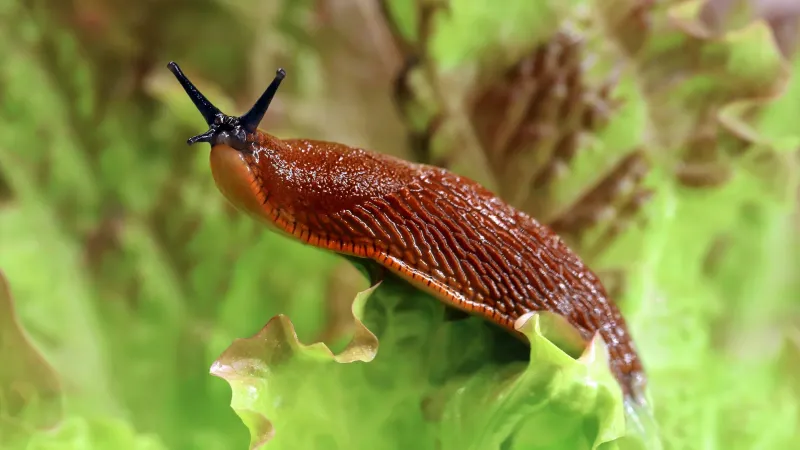
Finding slugs during a nighttime check, or matching the injury pattern closely enough that slugs seem like the most likely explanation, gives you a reasonable starting point for action. The first practical step is making the bed less hospitable to them.
Remove anything near the bean plants that could serve as daytime shelter: weeds, boards, stones, piles of debris, and excess organic material around the bed perimeter. Penn State Extension’s slug control guide and UMN Extension’s slug resource both identify habitat reduction as a practical first step when slugs are confirmed or strongly indicated.
Reducing overly damp shelter does not guarantee elimination, but it can lower the number of slugs taking up residence near your plants.
Hand-picking is the most direct follow-up. Go out after dark, collect visible slugs from the plants and from any shelter traps you have placed, and drop them into a container of soapy water.
Plan on repeating this over several nights rather than treating one collection as a permanent fix. Slug populations can rebound, and repeated scouting helps you gauge whether the pressure is actually declining.
Beer or yeast traps offer an optional extension-backed approach. Oregon State University Extension’s slug control publication describes setting containers level with the soil surface so slugs can reach the liquid; check and refill them regularly.
Copper barriers may deter slugs in some situations, but the band needs to be wide enough to contact the slug’s body, and not every product sold as copper slug tape delivers consistent results. Copper is more practical for containers or small beds than for a full garden row.
Diatomaceous earth is another option some gardeners try, but its effectiveness drops sharply once it becomes wet. UMN Extension’s diatomaceous earth overview notes that dust formulations can irritate the respiratory tract, so read the product label and follow the protective directions before applying.
Reapplication after rain, irrigation, or heavy dew is necessary to maintain any effect.
Clean cuts point away from slug feeding
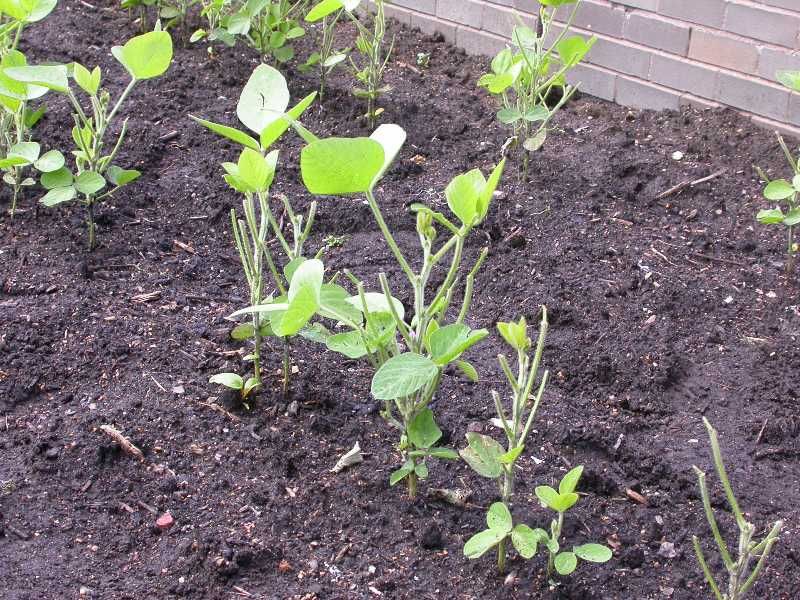
Ragged, irregular holes are a slug signature. When the damage looks different, the diagnosis should shift accordingly.
Rabbit browsing tends to produce a distinctly cleaner injury. Seedlings that vanish entirely, leaves or stems cut with a neat edge rather than torn, and damage concentrated near ground level are all signs that point away from slugs and toward a browsing animal.
Pea-sized droppings on or around the bed, or signs of rabbit activity in nearby cover such as dense shrubs or brush piles, add weight to that suspicion. UGA Extension’s rabbit damage identification materials note that rabbits are generally most active around dawn and dusk, which means a gardener discovering clean-cut damage during a morning check is not necessarily looking at feeding that happened in the middle of the night.
Physical exclusion is the most dependable response when rabbits are the likely culprit. Scent-based repellents are less reliable, particularly after rain, and they require repeated reapplication to maintain any deterrent effect.
Fencing around the vulnerable planting is a more consistent solution. UGA Extension’s rabbit exclusion guidance recommends wire fencing at least 2 feet high with the bottom edge buried 8 to 12 inches below the soil surface to prevent rabbits from pushing underneath.
Even well-installed fencing does not stop every wildlife encounter, so check for gaps or disturbance regularly, especially after heavy rain or soil shifting.
Round holes and skeletonized leaves signal bean pests
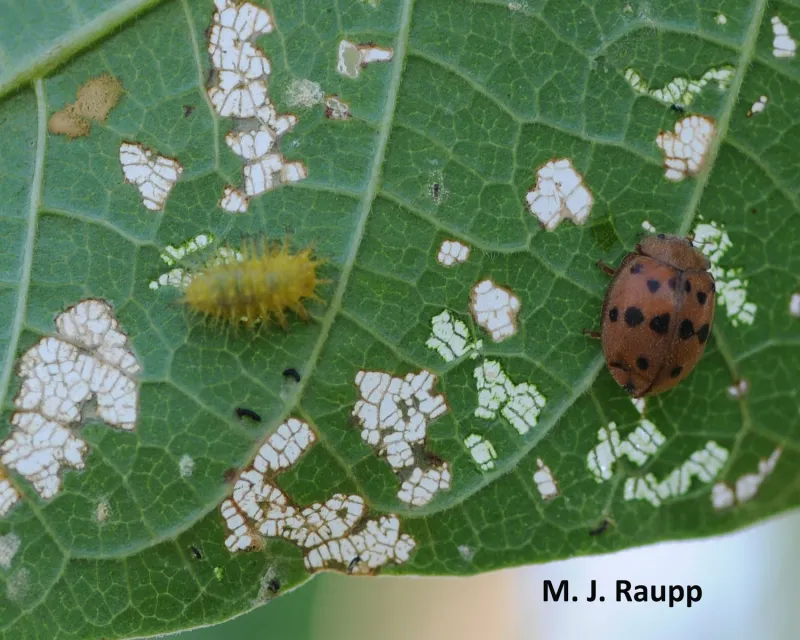
Insects are serious bean pests across the South, and their damage patterns differ enough from slug or rabbit injury that a careful look at the leaf can help you sort out which group you are dealing with.
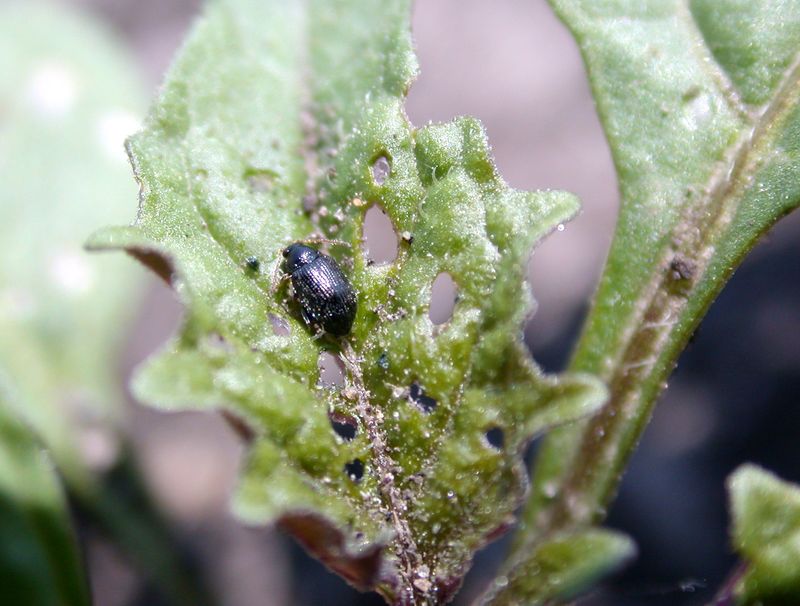
Small, round holes punched through the leaf blade are a characteristic sign of bean leaf beetle feeding. Mississippi State Extension’s bean growing guide and their home vegetable garden pest publication both identify bean leaf beetles as a threat to young seedlings in particular.
Adults are active and can be spotted during daylight hours, so do not limit your inspections to after-dark checks if round-hole damage is what you are seeing.
A lace-like or skeletonized appearance, especially on the undersides of leaves, points instead toward Mexican bean beetle. UF/IFAS coverage of the Mexican bean beetle explains that both adults and larvae feed on beans, but larvae generally cause more damage and tend to stay on the lower leaf surface.
Established plants can tolerate some defoliation, but heavy larval feeding on young plants warrants closer attention.
Bean leafrollers are worth adding to the suspect list for Florida gardeners and others in humid parts of the South. UF/IFAS bean leafroller guidance describes larvae that fold or web leaves into shelters and feed nocturnally, meaning the folded leaves may be more visible than the caterpillars themselves.
Row covers can help protect emerging seedlings from adult bean leaf beetles before they establish on the plants. UMN Extension’s bean leaf beetle resource identifies row covers as a cultural control option for early pressure.
Once flowers appear, covers must be removed or opened regularly so pollinators can reach the blooms, since blocking pollination will reduce your harvest regardless of how well the plants look.
Let the evidence determine whether you treat
Seeing a hole in a bean leaf can feel like a call to action, but reaching for a product before you have confirmed the pest and assessed the overall situation often causes more problems than it solves. Broad-spectrum treatments can kill beneficial insects, including predators that help keep pest populations in check naturally.
Mississippi State Extension’s home vegetable garden pest guide recommends identifying the pest before treating and avoiding unnecessary broad-spectrum applications. Established bean plants can tolerate a reasonable amount of leaf loss, particularly once they are past the seedling stage.
Young plants need closer monitoring, but even then, the right question is whether pest numbers and defoliation are increasing, not simply whether any damage is present. UF/IFAS Mexican bean beetle guidance notes that treatment decisions should weigh both defoliation level and pest numbers together rather than responding to the presence of an insect alone.
Agricultural thresholds for soybeans and field beans are not direct rules for every backyard bean variety, so use them as general orientation rather than fixed triggers.
If a bait or pesticide becomes necessary after scouting confirms a pest and damage is progressing, the product label is the legal and practical guide. EPA guidance on reading pesticide labels and EPA pesticide labeling questions and answers both confirm that if a crop is not listed on the label, the product cannot legally be used on it.
Check that the label specifically permits use on beans and on the target pest, and follow all application rates, precautions, harvest intervals, and any regional restrictions.
Pet safety deserves precise language rather than reassurance. NPIC’s snail bait FAQ identifies metaldehyde as highly toxic to dogs and other animals if ingested.
Iron-phosphate baits are generally considered less hazardous, but NPIC’s iron phosphate fact sheet makes clear that ingestion can still cause illness, especially in larger amounts, and some products contain additional ingredients that raise the risk further. Keep all baits away from areas where pets can reach them, and store products according to label directions.
Keep scouting until fresh damage declines
A single nighttime inspection or one round of hand-picking is rarely the end of the story. Pest pressure can persist or shift, and the only reliable way to know whether your response is working is to keep checking.
Build a simple routine: photograph the injury when you first find it, inspect after dark and again during daylight hours, and match what you see to the most likely suspect before making any control decision. Remove shelter, install exclusion where the evidence supports it, and then go back out and look again.
Penn State Extension’s pest identification guidance reinforces that repeated observation is more useful than a one-time check followed by a blanket treatment.
Southern conditions vary enough that no single seasonal rule applies everywhere. UF/IFAS terrestrial slug guidance for Florida notes that slug activity can be higher during cooler, wetter spring and early-summer periods and lower during the hottest summer weather, while UMN Extension observes that slugs generally avoid plants growing in full sun.
A humid, mulched bed in coastal Florida behaves very differently from a hot, dry, exposed bed in central Texas, and the pest most likely to be responsible will differ accordingly.
Define success by what you can actually observe: less fresh damage appearing overnight or in the morning, and new growth coming in without immediate injury. That is a more honest measure than expecting every pest to disappear.
A garden that shows steady improvement over repeated checks is one that is moving in the right direction.