
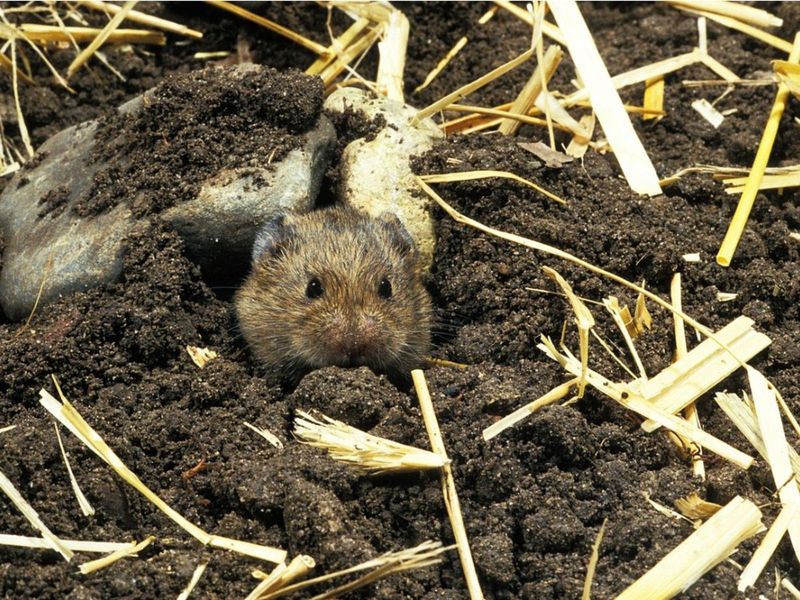
Your tomatoes are wilting, a bulb bed looks like something chewed through it underground, and you keep finding small holes near the mulch. Before you blame the usual suspects, the real culprit tunneling through your beds may be voles – small rodents that feed on roots, bulbs, and bark rather than just digging for grubs.
Knowing how to read the damage correctly is the first step toward protecting the plants you’ve worked hard to grow.
Tunnels Are a Clue, Not a Verdict
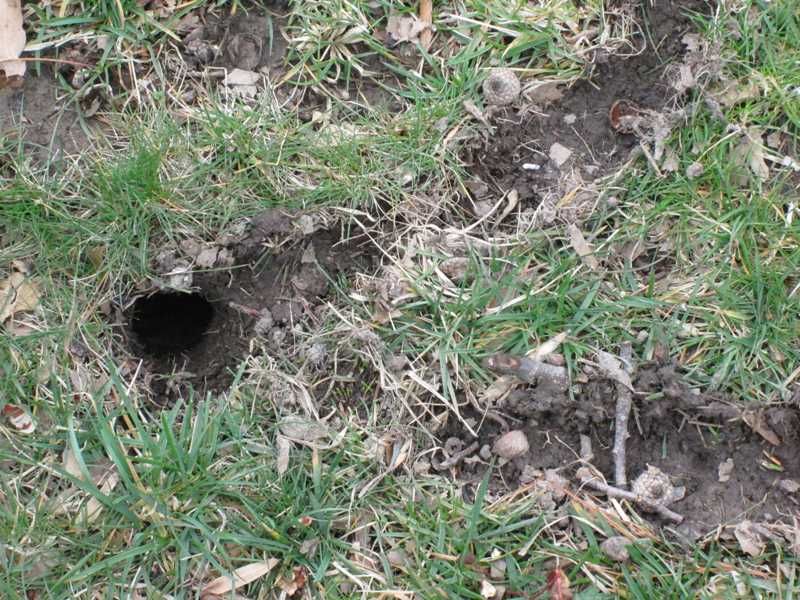
Finding a hole or an underground path in your garden bed feels like a smoking gun, but the tunnel itself cannot tell you which animal made it. Voles, moles, pocket gophers, mice, chipmunks, and even shrews can all produce openings or underground passages that look similar at first glance.
Extension specialists confirm that overlapping physical evidence makes tunnel appearance alone an unreliable basis for identification.
Voles become a credible suspect when you combine fresh, vole-compatible activity with characteristic plant damage. That means looking for gnaw marks on roots or lower bark, clipped stems, or chewed bulbs alongside the tunnels or openings you found.
Droppings near a burrow opening can confirm that an animal is active in that spot, but they do not tell you which species left them or what the animal was eating.
The practical takeaway is to treat the tunnel as a starting point rather than a conclusion. Move from the hole to the nearest plant and inspect it carefully.
Penn State Extension guidance on voles reinforces that pairing ground signs with feeding damage is what moves voles from a possibility to the leading suspect worth acting on.
The Damage Pattern Points Toward Voles
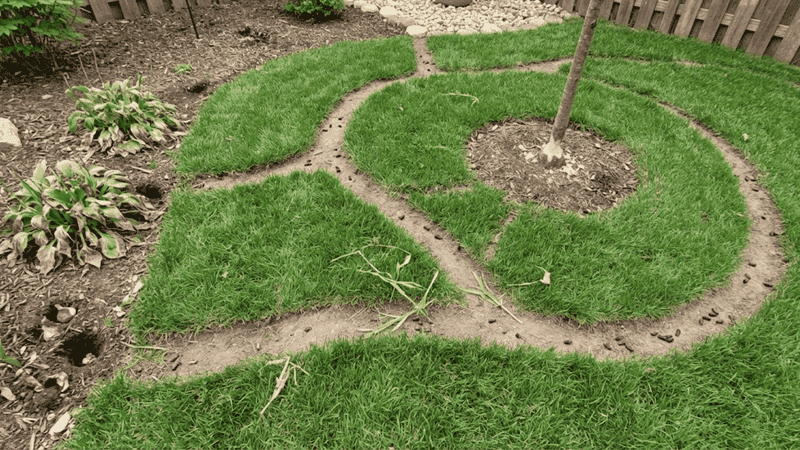
Voles leave a recognizable pattern when they move through a yard regularly. Look for narrow, well-worn runways pressed into grass or mulch, roughly an inch to two inches wide, connecting burrow openings across the bed.
Clipped grass or plant stems near those paths, combined with small round droppings along the edges, tells you an animal is using the area consistently.
The feeding damage is where voles stand apart from other suspects. Penn State Extension’s vole resource describes chewing on roots, bulbs, vegetables, stems, and the lower bark of trees and shrubs as characteristic vole behavior.
That bark damage can girdle a trunk or root just below the soil line, cutting off the plant’s water and nutrient supply and killing it even when the top growth looks fine at first.
Droppings near a runway or opening confirm that an animal visited that spot, but they carry no diagnostic weight on their own. The feeding evidence does the real work: gnaw marks with the rough, uneven texture of rodent incisors on a root or bark surface are a far stronger indicator than any hole or dropping alone.
Keep in mind that not all vole species behave identically. Meadow voles tend to create visible surface runways, while woodland or pine voles may stay mostly underground and feed on roots without leaving obvious above-ground paths, so the absence of surface runways does not rule voles out.
How Voles Differ From Moles and Gophers
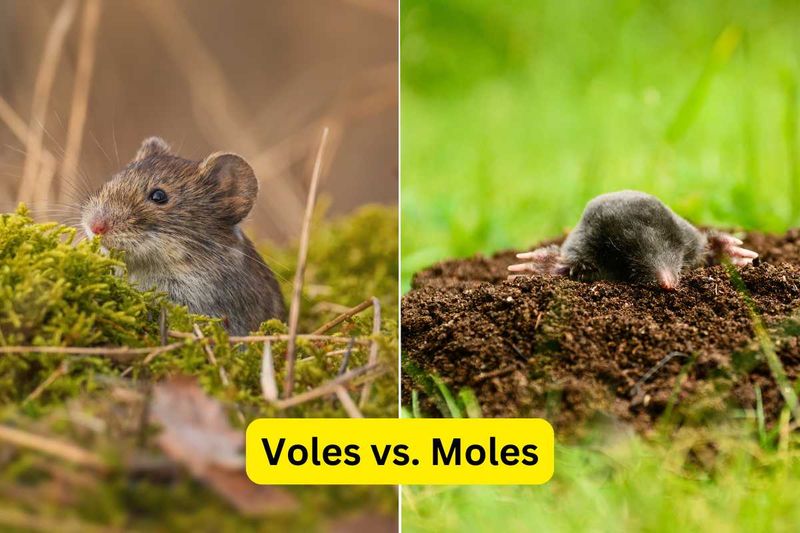
Sorting out which animal is responsible saves you from wasting time on the wrong fix. Voles are mouse-sized rodents with blunt faces, small ears, short tails, and visible front teeth built for chewing plant material.
Moles look nothing like them: Penn State Extension’s mole profile describes highly enlarged paddle-like forefeet and a pointed snout adapted for pushing through soil. Moles primarily eat earthworms, grubs, and other invertebrates, so root or bark chewing is not their work, even though their tunneling can loosen soil and expose roots to drying or secondary damage.
Pocket gophers are a separate story, particularly relevant to Texas gardeners. UC IPM’s vole management guide notes that gophers commonly leave fan-shaped or crescent-shaped soil mounds as they excavate, which differ from the small, round openings associated with vole burrows.
Gophers can damage roots underground, but the mounding pattern and the absence of surface runways help separate them from voles. Ask Extension specialists note that vole activity more often shows up as surface runways, clipped vegetation, and gnawing near the soil line rather than large displaced mounds.
Mice and chipmunks can also dig small holes and occasionally nibble plant material, adding to the confusion. When signs do not fit neatly into any one category, or when a plant is wilting without obvious gnaw marks on roots or bark, hold off on blaming any animal.
Root rot, drought stress, irrigation failures, and insect injury can all cause sudden decline that looks identical to vole damage on the surface.
Fresh Activity Tells You Where to Act
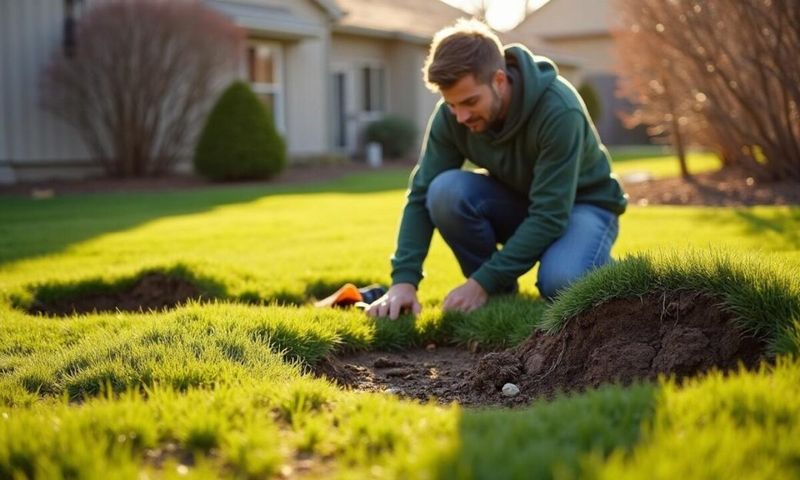
Treating an area based on old signs wastes effort and can lead you to protect the wrong plants. Before choosing any control, spend a few minutes checking whether the runways and openings you found are actually in use right now.
Press a small amount of loose soil or a bit of grass lightly over a suspected runway entrance and check it again in 24 to 48 hours. Fresh disturbance tells you the area is active; an undisturbed plug suggests the animal has moved on.
UC IPM’s integrated vole management guidance recommends checking adjacent areas of tall grass, dense weeds, heavy mulch, and accumulated plant litter as part of the inspection. These spots can serve as food sources and shelter, and they often act as staging areas from which voles move into beds.
Mapping those nearby cover zones alongside your active burrow locations gives you a clearer picture of where pressure is coming from.
While you are inspecting the ground, pull back mulch and look directly at roots, lower stems, and bulbs for current gnaw marks. A wilting plant alone is not enough to confirm vole feeding, since Mississippi State Extension’s guide to abiotic plant disorders lists root rot, drought, and mechanical injury as common causes of the same symptoms.
Fresh, rough-edged chewing on plant tissue is the detail that ties the ground signs to the feeding damage and tells you where to focus first.
Remove the Cover That Makes Your Garden Easy to Occupy
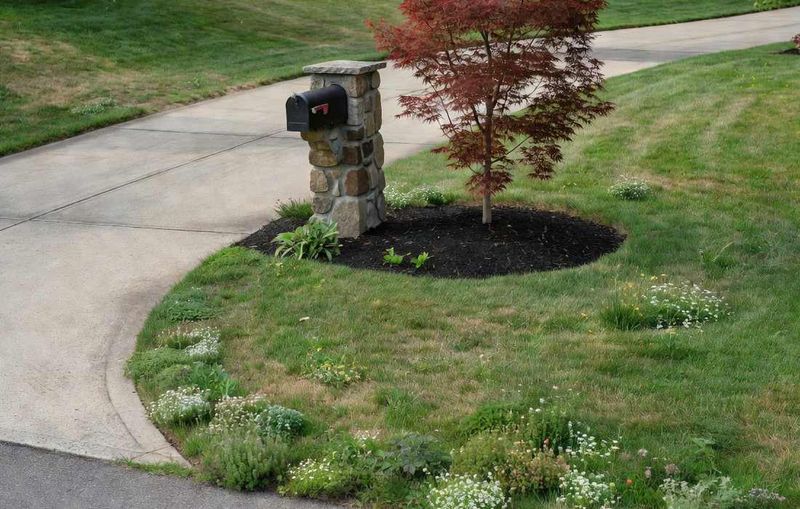
Voles thrive where they can move and feed without being seen. Tall grass, dense weeds, piles of plant debris, and thick mulch layered right up against tree trunks all provide the concealment and food sources that make a yard easy to occupy.
Reducing that cover is one of the most straightforward ways to make the garden less attractive to them.
Regular mowing along bed edges and fence lines matters more than most gardeners expect. Keeping grass short removes the overhead cover that voles rely on when traveling between a nearby field or brushy area and your vegetable bed.
Pulling weeds before they form dense mats, clearing accumulated leaf litter after fall, and thinning any ground cover that has grown too thick all work toward the same goal. Penn State Extension’s vole management guidance specifically calls out vegetation-free zones around vulnerable tree trunks as a way to reduce both concealment and feeding opportunities near the bark.
Mulch is worth addressing carefully. Heavy layers of mulch piled against a trunk or left undisturbed for years can create ideal runway conditions just inches from the bark.
The practical fix is not to strip every bed bare, since mulch conserves moisture and suppresses weeds that benefit your plants. Pull mulch back several inches from trunk bases and aim to keep the layer at a reasonable depth rather than letting it build up season after season.
Habitat modification like this reduces reinvasion pressure, but an established population nearby may still push animals back into a cleared area, which is why it works best alongside other steps.
Physical Barriers Save the Plants You Most Want to Keep
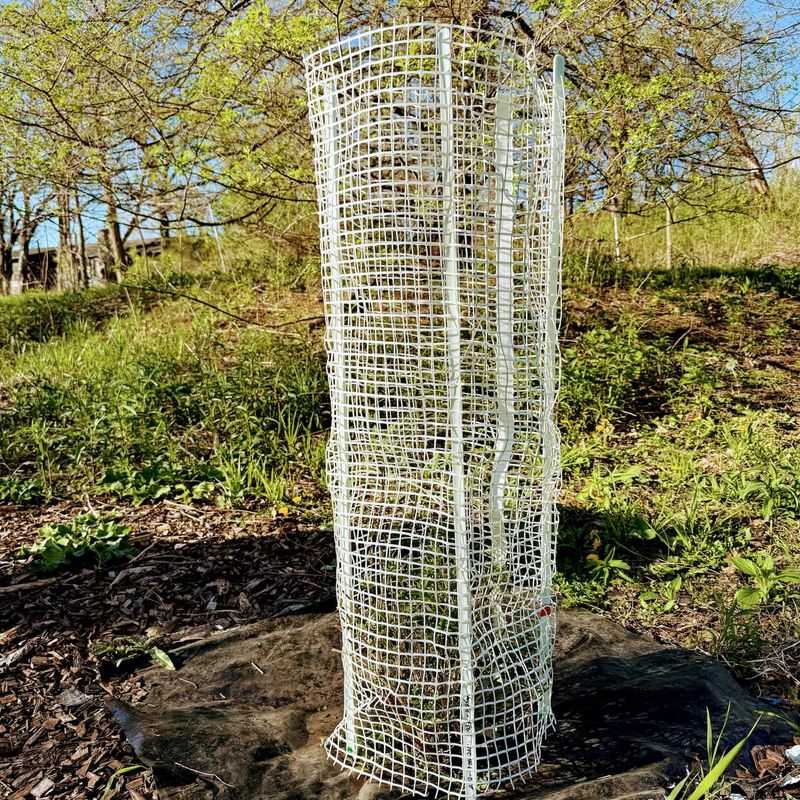
Hardware cloth guards offer the most reliable protection for individual trees and shrubs that voles have targeted or that sit close to active runways. The mesh size matters: use approximately one-quarter-inch hardware cloth, which is small enough to block voles while still allowing air circulation around the trunk.
Form the mesh into a cylinder that stands roughly 18 to 24 inches above the soil surface, giving enough height to stay above typical snow accumulation in northern gardens and above the reach of voles working at the soil line in Southern ones.
Penn State Extension’s vole guide recommends securing or burying the lower edge of the guard several inches into the soil so voles cannot simply push underneath it. Keep the cylinder wide enough that it does not press against the bark now or after a season of growth, and check it at least once a year.
A guard that constricts a growing trunk can cause its own damage, so periodic inspection is not optional.
Raised beds with documented rodent tunneling underneath are another candidate for hardware cloth. Laying a layer beneath the bed frame before filling it can reduce tunneling up into root zones.
UMN Extension’s raised bed guidance notes that a poorly fitted barrier can interfere with root growth, so the design needs to account for drainage and depth. A barrier beneath a bed makes most sense when you have confirmed active tunneling nearby, not as a precaution for every new bed.
Barriers protect specific plants; they do not remove voles from the surrounding area.
Trapping Works Best as a Small-Area Follow-Through
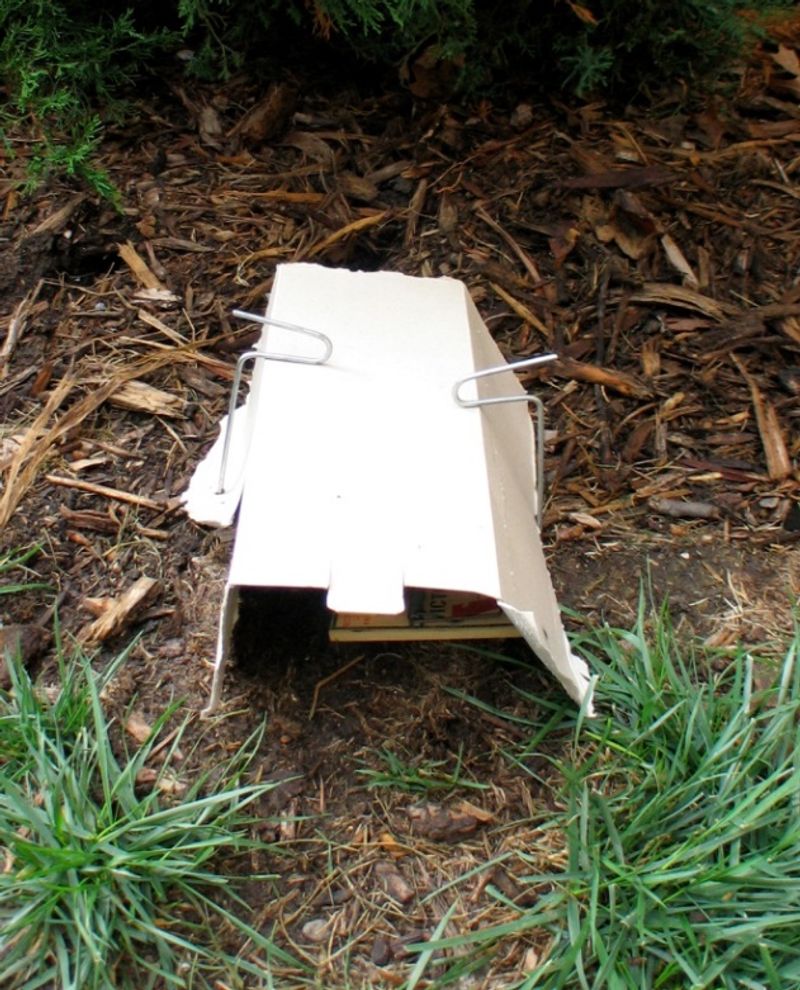
Snap traps sized for mice are a practical, low-cost option when you have confirmed vole activity in a limited area. Place them directly in active runways or just outside burrow openings, oriented so the trigger sits across the path the animal is using.
Bait is not always necessary since voles running a familiar runway will often trigger a trap without it, but a small amount of peanut butter or apple slice can improve contact.
Penn State Extension recommends checking traps at least once daily, removing any caught animals promptly, and continuing until you see no new activity for several days. Leaving traps unchecked leads to waste and can attract other animals to the area.
Protect traps from children, pets, and nontarget wildlife by covering them with a board, a tile, or a simple wooden box with openings only large enough for a vole to enter.
OSU Extension’s guide to managing garden rodents is clear that trapping is most effective when populations are still small and localized. A large, property-wide infestation is much harder to manage with snap traps alone.
When the damage is extensive, when activity covers a wide area, or when local rules govern trapping or animal relocation, contact your county Extension office or state wildlife agency before proceeding.
Why Poison and Miracle Repellents Should Not Lead the Plan
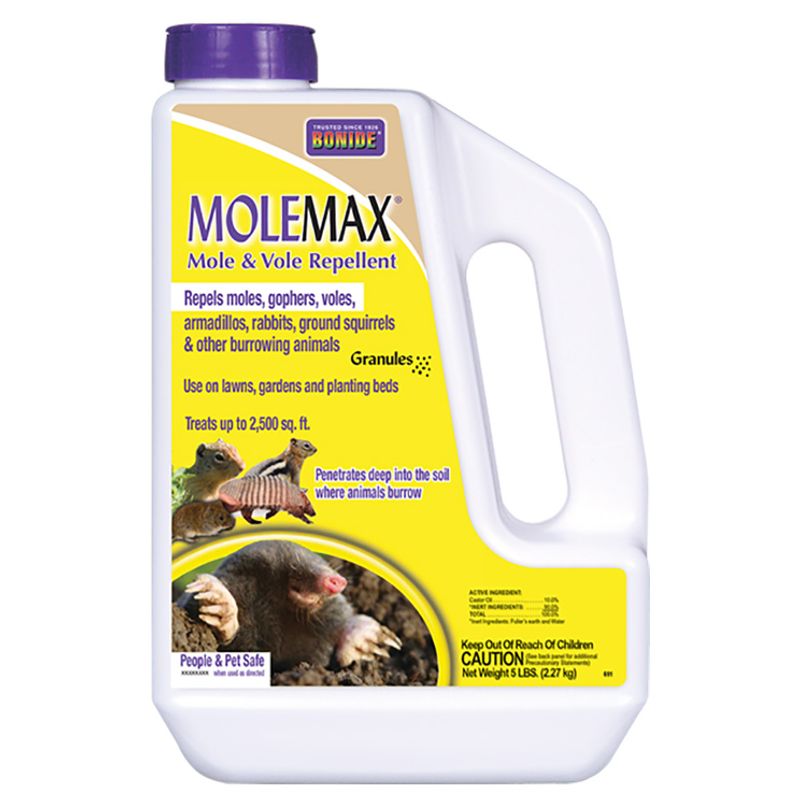
Repellents marketed for vole control sometimes contain capsaicin or thiram, and a handful of these products are registered for specific uses. Penn State Extension describes the effectiveness data for repellents as limited, meaning they may offer some deterrence in certain situations but should not be treated as a reliable standalone solution.
Always check the product label for permitted application sites, crop restrictions, and any harvest waiting periods before using a repellent near edible plants.
OSU Extension specifically cautions that ultrasonic devices, homemade mixtures, and strong-smelling plant remedies have not been shown by scientific research to control voles reliably. Skip those and put the time toward the habitat and barrier steps that have a clearer track record.
Rodenticides are a different category entirely and carry real risks that make them a poor first choice for most home gardeners. EPA guidance on safe rodenticide use requires that consumer products be sold with approved bait stations and that labels be followed exactly, including placement rules that keep bait away from children, pets, livestock, and wildlife.
EPA restrictions on rodenticide products outline which active ingredients are available to homeowners and under what conditions. Rodents that die after eating bait can poison pets, hawks, owls, foxes, and scavenging birds that find and eat the carcass.
EPA’s bait station selection guidance and product labels require prompt collection of carcasses using gloves and secure disposal in the trash to reduce that secondary exposure risk. When in doubt about which products are legal in your state or county, check with local Extension or your state wildlife agency before purchasing anything.
Use an Integrated Plan Instead of Chasing One Perfect Fix
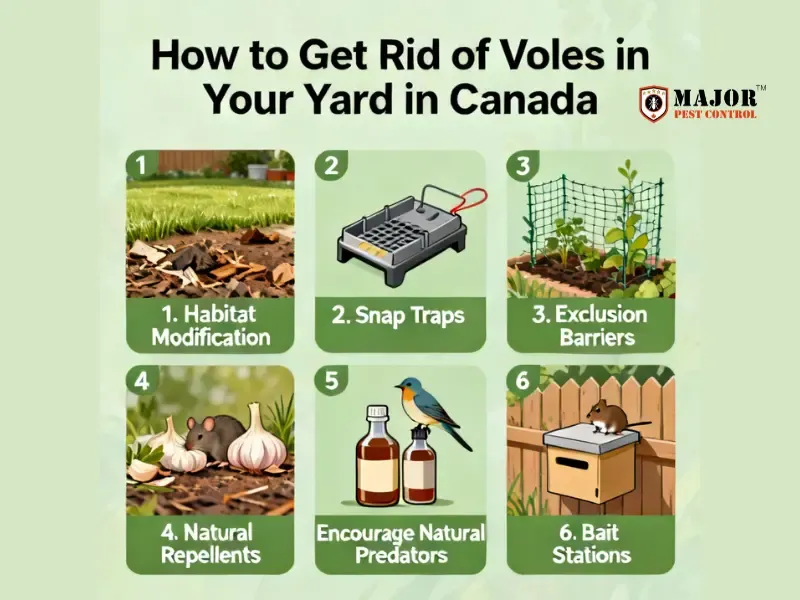
Managing voles is most effective when several steps work together rather than relying on any single remedy. Start by confirming fresh activity and characteristic feeding damage before committing to any control.
Then reduce the excessive cover and nearby vegetation that allow voles to move in and reestablish after you have reduced their numbers. Protect your highest-priority plants with properly fitted hardware cloth guards, and use snap traps in active areas when the infestation is still small and contained.
The realistic goal is reducing damage and reinvasion pressure, not a permanent guarantee that voles will never return. Penn State Extension and OSU Extension both note that voles reproduce rapidly, and populations near your property can rebound or push back in from adjacent areas.
When damage is extensive, identification is uncertain, or local rules affect your next step, your county Extension office or state wildlife agency is the right place to call. A yard that is harder to occupy is a yard with healthier roots.