
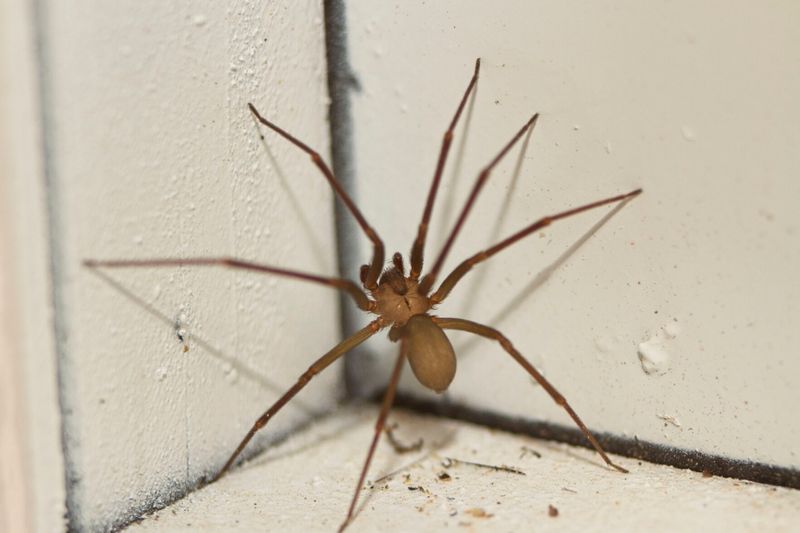
You flip on the garage light, spot a small brown spider, and wonder if something is going on this fall. Garages do give some spiders the quiet, cluttered corners they like.
But the sources we checked do not show that Texas has more brown recluses right now. Here is what is known, what is not, and how to handle a garage spider calmly and safely.
Why garages can suit recluse spiders
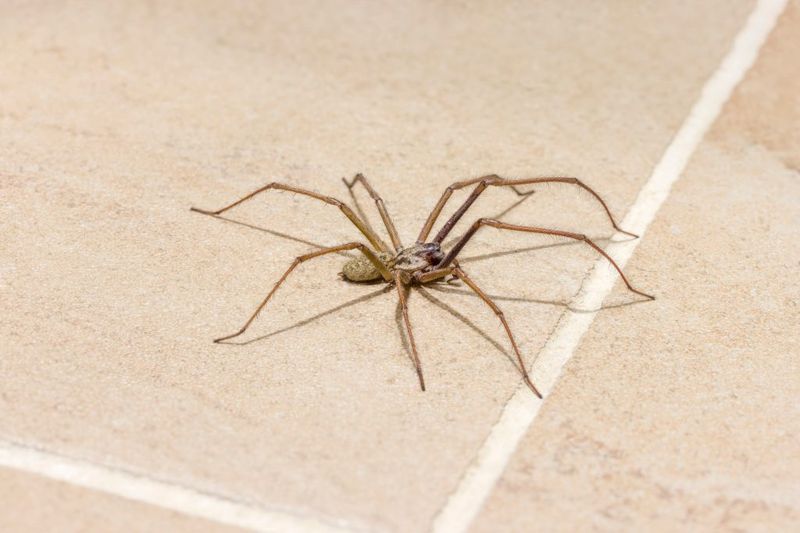
Think about how a typical Texas garage works. Boxes sit on shelves for years, old coolers collect in corners, and nobody moves the holiday bins until December.
That kind of quiet clutter is just what recluse spiders favor.
Texas A&M AgriLife Extension lists cluttered garages, closets, crawl spaces, and attics among the secluded places where recluse spiders turn up. They like spots that people rarely disturb.
These spiders are nocturnal hunters. They do not depend on a big, obvious web to catch dinner, so you will not necessarily see a neat web announcing their presence.
Instead, they roam at night and tuck away during the day behind stored items, in folds of cardboard, or along edges where wall meets floor.
That is why a garage can be suitable habitat. It offers shelter, little foot traffic, and plenty of crevices.
Still, suitable habitat is not the same as proof of a big problem. Seeing one spider tells you a garage has hiding places, not that dozens are living in it.
Many other spiders also live in garages, and most are harmless to people. So a sighting is a reason to look around and tidy up, not a reason to panic.
The next sections cover what the seasonal evidence says, how to identify what you found, and what to do about it.
What the evidence says about fall sightings
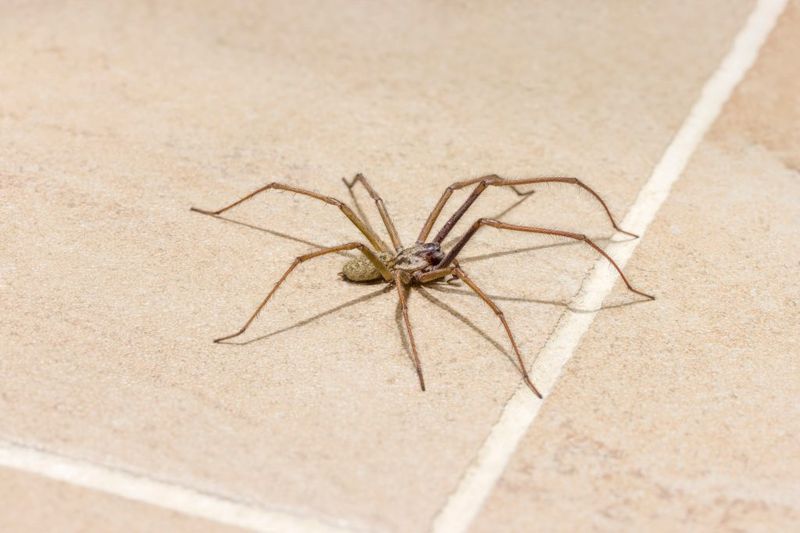
Plenty of people assume spiders rush indoors as the weather cools. For brown recluses, the Texas sources we reviewed do not show that.
We also found no current count or year-over-year numbers showing more of them this fall.
What Texas A&M does say is useful. In its spring pest outlook, adults are most often seen in spring.
Its brown recluse control guide adds that outdoor activity can continue through fall, and that spiders living in climate-controlled homes and garages may be active year-round.
That last point matters for your garage. A spider already living inside does not need a cold snap to appear.
You may simply be noticing one because you are out there more, cleaning up, or pulling out decorations.
A study of seasonality, published in the research literature, looked at spider submissions. It found activity peaks in summer and few submissions in winter.
Because it counted spiders people sent in, it does not measure how many spiders live in Texas, and it does not describe a current fall trend or a move indoors.
So the fair takeaway is simple: garages can host these spiders, and they may be around in any season, but nothing here shows a fall surge.
Brown spiders are not all brown recluses
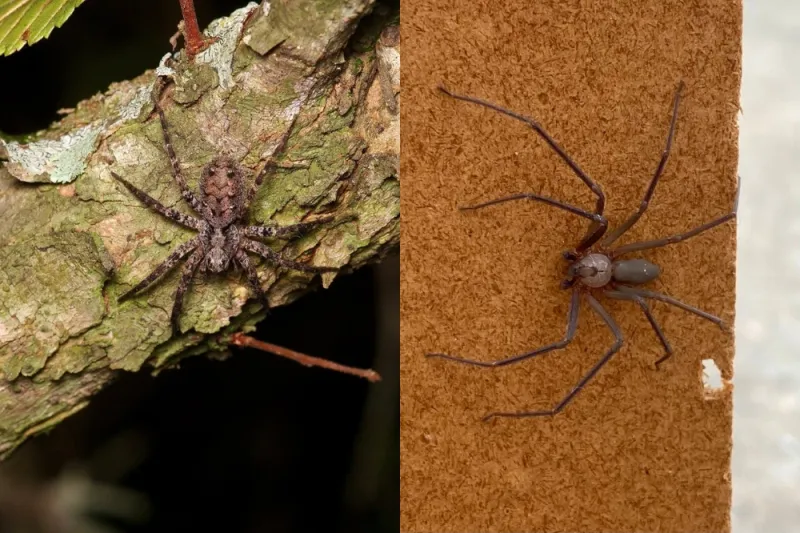
Lots of Texas spiders are brown. Wolf spiders, grass spiders, and many house spiders all fit that description, and most are not recluses at all.
Even among recluses, Texas has more than one species. Texas A&M’s field guide lists the brown recluse as a Texas species but also records other recluse species in the state.
Telling them apart can take a close look at body features under magnification.
The famous violin-shaped mark is a poor shortcut. University of California, Riverside spider experts explain that many harmless spiders have markings people mistake for a violin.
Eye arrangement and expert review are more useful clues.
If you find a spider you are worried about, resist the urge to pick it up or squash it against a surface bare-handed. Use a jar and a piece of card, or a sturdy tool, and keep your skin away from it.
Then ask an expert. Your county Texas A&M AgriLife Extension office or a licensed pest professional can help identify it.
A confirmed identification keeps you from either ignoring a real concern or worrying over a harmless neighbor.
Reduce hiding places and accidental contact
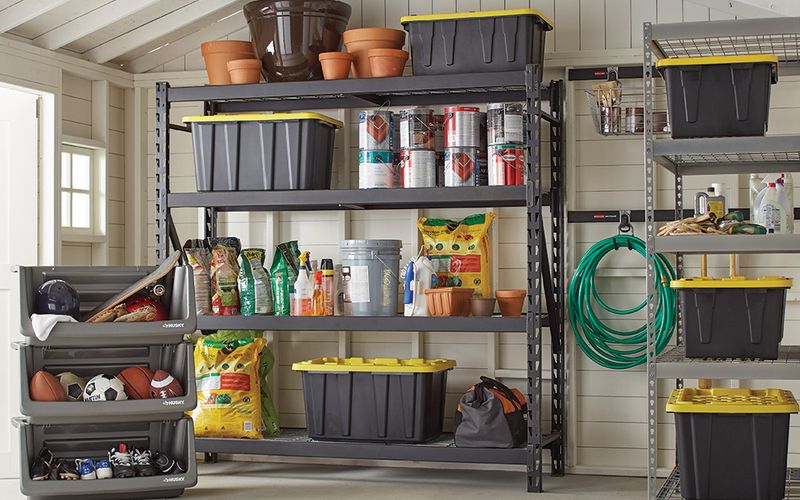
A weekend of tidying does more good than most people expect. The goal is fewer places to hide and easier places to inspect.
Start by clearing out what you do not need. Texas A&M’s control guidance points to reducing clutter, and the Journal of Integrated Pest Management review backs sanitation as part of managing these spiders.
Next, vacuum around and behind stored items, along baseboards, and in corners. Move boxes away from the wall a bit so you can see behind them.
Seal cardboard boxes with tape, or better, switch to plastic bins with tight lids. Keep rarely used belongings in those closed containers.
Then build a habit of shaking things out. Before you wear them, shake out stored shoes, work boots, gloves, jackets, and similar items.
Poison Control and Texas A&M’s field guide note that bites tend to happen when a spider is trapped against skin, such as inside clothing or bedding.
Wearing gloves while moving old boxes is a smart extra step. None of this promises a spider-free garage.
What it does is cut down hiding opportunities and lower the odds of an accidental squeeze.
Use sticky cards to monitor activity
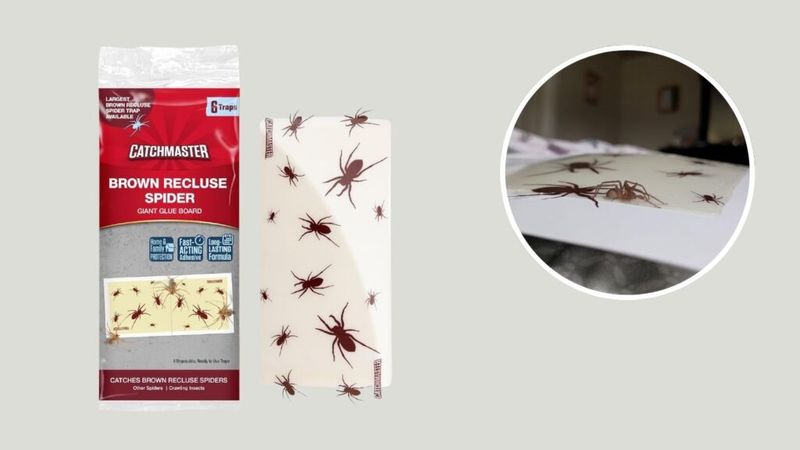
Sticky cards are a simple way to see what is actually moving around out there. They are flat, glue-coated cards that catch crawling arthropods, and they cost very little.
Place them along walls and in out-of-the-way spots, such as behind stored boxes, in corners, and near storage shelves. Spiders often travel along edges, so those are good places to try.
Texas A&M’s recluse control guide describes sticky traps as a way to catch spiders and watch for activity.
Check the cards every week or two and note what shows up. A card that catches crickets, beetles, and a spider or two tells you the garage has normal creepy-crawly traffic.
It does not by itself prove a widespread infestation. If you are unsure what you caught, take it to an expert for identification.
For more on how these tools work, see Texas A&M’s explainer on sticky traps.
Safety matters here. Keep cards where children and pets cannot reach them, since they can stick to skin, fur, and paws.
Swapping in fresh cards on a schedule gives you a clearer picture over time.
When to consider professional pest control
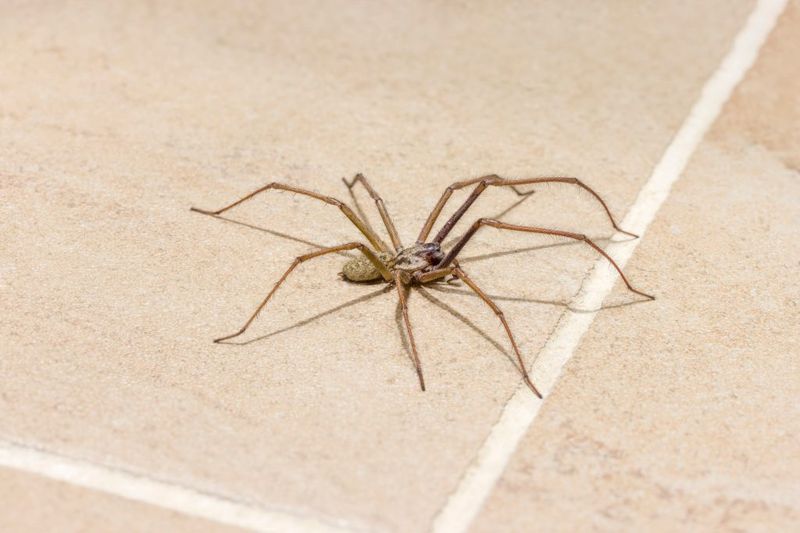
Some situations are beyond a weekend cleanup. If you keep finding recluse spiders indoors, or the problem is substantial and does not fade after you tidy up, a professional is a sensible next call.
Texas A&M says established infestations can be hard to manage and may need both sanitation and treatment. You can read that advice in its brown recluse control guide.
The integrated pest management review likewise describes a combined approach rather than a single fix.
A professional can confirm what the spider is, inspect hidden areas, and choose treatments suited to your space. No one can promise every spider will disappear, so be wary of anyone who does.
Routine broad spraying or fogging is not a good do-it-yourself answer. Texas A&M notes that aerosols alone are unlikely to control spiders, and spraying around stored belongings, kids, and pets brings its own risks.
If you do use a pesticide, follow the product label exactly. The EPA’s pesticide safety tips advise using products only for the pests and locations listed on the label, and following every precaution printed there.
Get guidance for a suspected bite
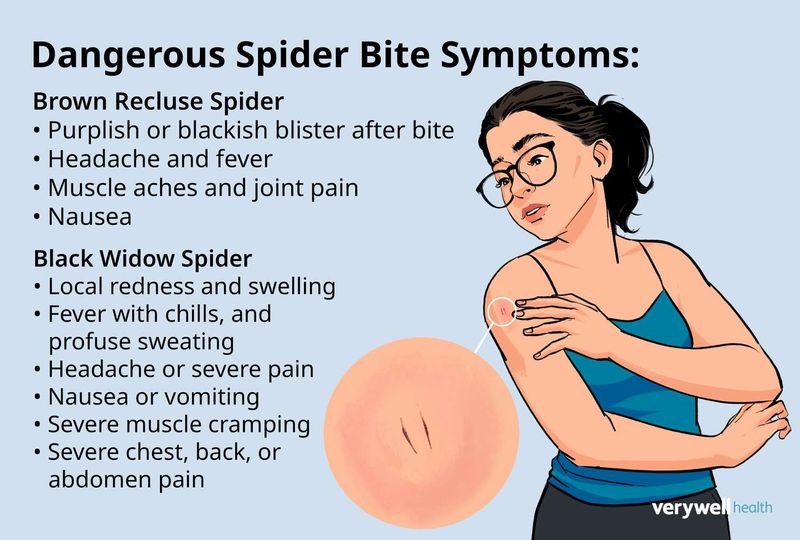
Bites are far less common than sightings. Recluse spiders are non-aggressive, and Texas A&M says bites usually happen when a spider is injured, trapped, or pressed against a person.
The Texas Department of State Health Services also covers spider bites in the state. Seeing one in your garage does not mean a bite is likely.
If you think you were bitten, wash the area with soap and water. Then contact Poison Control at 1-800-222-1222 or a medical professional for guidance.
Do not wait to see whether it worsens.
Resist the urge to diagnose it yourself. Poison Control explains that infections, other bites, and medical conditions can look like a recluse bite, and that a skin lesion alone cannot confirm one.
If you can safely catch the spider, keep it for identification. That can help a medical team, but never risk another bite to get it.
Inspect the garage without assuming a surge
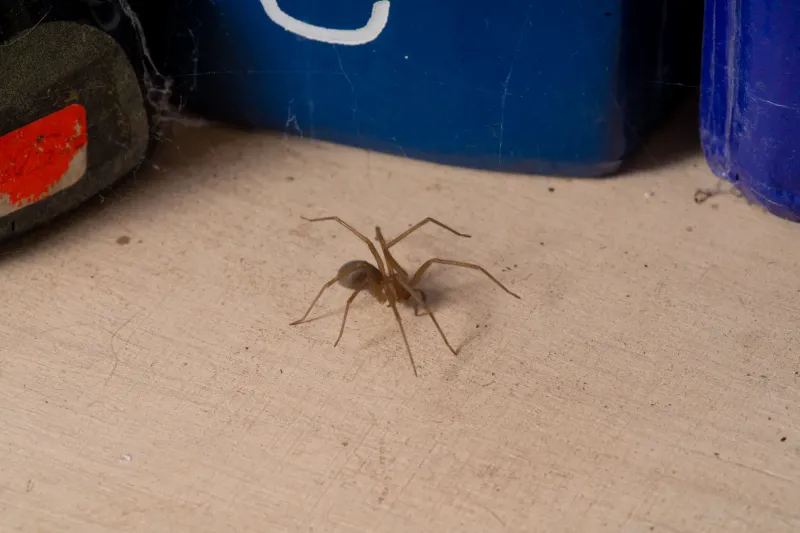
Garages can offer quiet hiding places, but the sources we reviewed do not show a Texas fall surge. Texas A&M’s recluse guidance and its spring outlook point toward steady habits, not a seasonal alarm.
Clear the clutter, check stored items before using them, and keep an eye on activity. A tidy garage gives spiders fewer places to settle and gives you a clearer view of what is there.
A calm flashlight check beats a panic every time.