
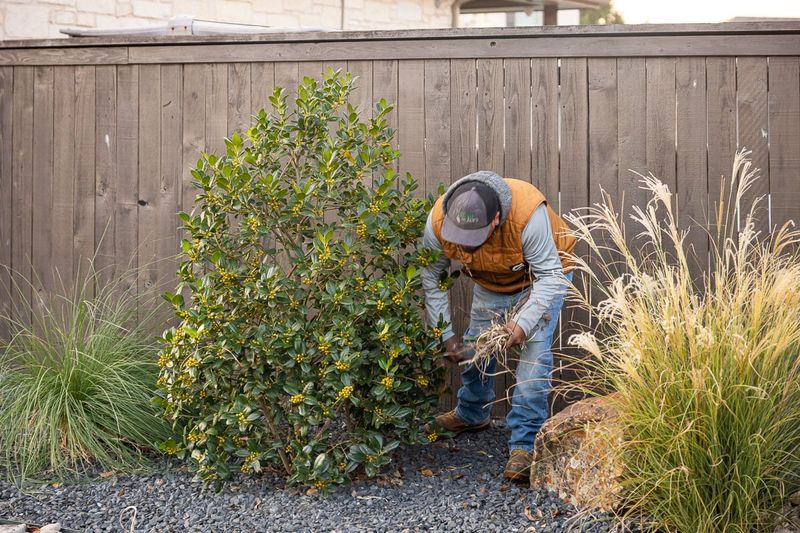
Around early September in Central Texas, a lot of gardeners get the urge to grab their pruners and start cutting things back. That urge can cost you next spring’s flowers, trigger soft new growth right before a cold snap, or permanently damage shrubs that can’t bounce back from a hard cut.
Knowing which plants can handle a trim right now and which ones will make you regret it is the difference between a tidy yard and a yard full of expensive mistakes.
Early fall is a cleanup window, not a haircut season
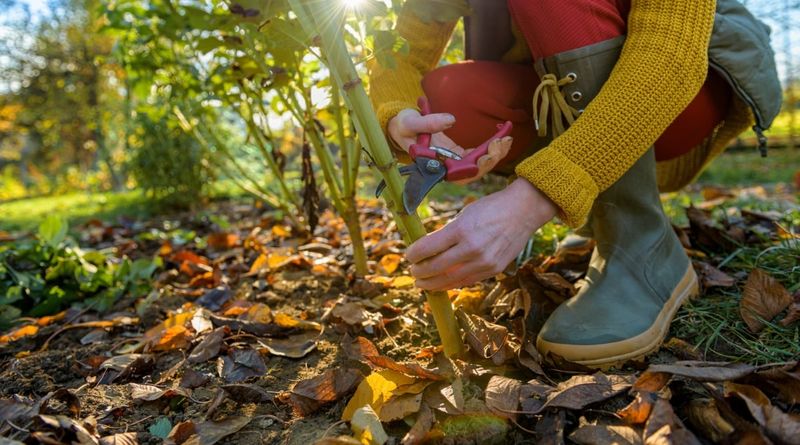
September in Central Texas does not arrive with a cool breeze and a green light for general pruning. The region can still be pushing triple-digit temperatures well into the month, and shrubs that have been grinding through drought and heat stress are not in the mood for a major haircut.
Using September 5, 2026 as a planning reference is useful, but it is not a guarantee that your specific yard is ready for anything beyond careful, selective work. Before you pick up your pruners, check whether the plant is still pushing new tender growth, whether the soil is bone dry, and whether a cold front is showing up in your local forecast.
Central Texas Master Gardener September guidance recommends removing dead and diseased wood now but postponing heavy pruning until midwinter. That advice exists for a reason: late-season cuts can push out a flush of soft, immature growth that has no time to harden before the first frost arrives.
That tender growth becomes frost bait, and the plant pays the price twice – once from the cut and once from the cold.
The right mental model for early fall is a targeted cleanup pass, not a shaping session. Deadheading spent flowers, removing a clearly dead limb, or cutting out a branch that is rubbing against your house – those are legitimate tasks.
Shearing a shrub into a tighter ball, shortening every branch by a third to make the plant look neater, or launching a renovation of an overgrown screen are all jobs that belong in midwinter. Bell County Master Gardeners’ monthly checklist reinforces the same boundary: tidy up where you must, but save the structural work for later.
The goal right now is to protect the plant through the coming season, not to reshape it for your own satisfaction.
Use the four Ds to decide what can come off now
The most reliable early-fall pruning method is also the simplest: look for wood that is dead, diseased, dying, or damaged, and remove it. This is not a style choice or an aesthetic preference – it is basic plant maintenance that applies year-round and carries far less risk than any cut made purely for shape.
A fifth category worth adding is hazardous wood, meaning branches that have cracked after a storm, limbs leaning against a fence or structure, or anything that poses a physical risk to people walking by.
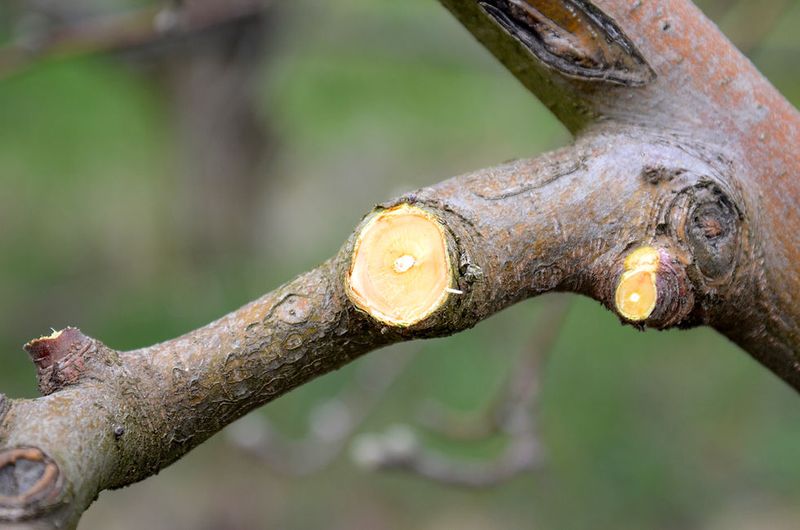
UGA Extension’s pruning guidance confirms that removing the four Ds is the most defensible early-fall pruning task for woody shrubs. When you find a problem branch, cut it back to where healthy tissue begins or all the way to the branch’s point of origin – the spot where it attaches to a larger stem or the main trunk.
Do not leave a stub sticking out into open air, because stubs die back, invite disease, and never seal over cleanly. Cutting to the right point lets the plant’s natural compartmentalization process close the wound on its own schedule.
Removing one dead limb is fundamentally different from reshaping the entire plant. A targeted cut solves a specific problem without sending the plant into a growth response across its whole canopy.
Tool hygiene matters here too, especially if disease is the reason for the cut. Wipe your blades with a disinfecting solution – diluted bleach works, as does isopropyl alcohol – between plants whenever you are cutting out diseased wood.
Texas A&M AgriLife’s pruning technique guidance emphasizes sharp, clean tools throughout, because a ragged cut from a dull blade creates a larger wound surface and slows the plant’s response. A few minutes spent cleaning and sharpening before you start pays off every time.
Repeat-blooming roses are the narrow early-fall exception
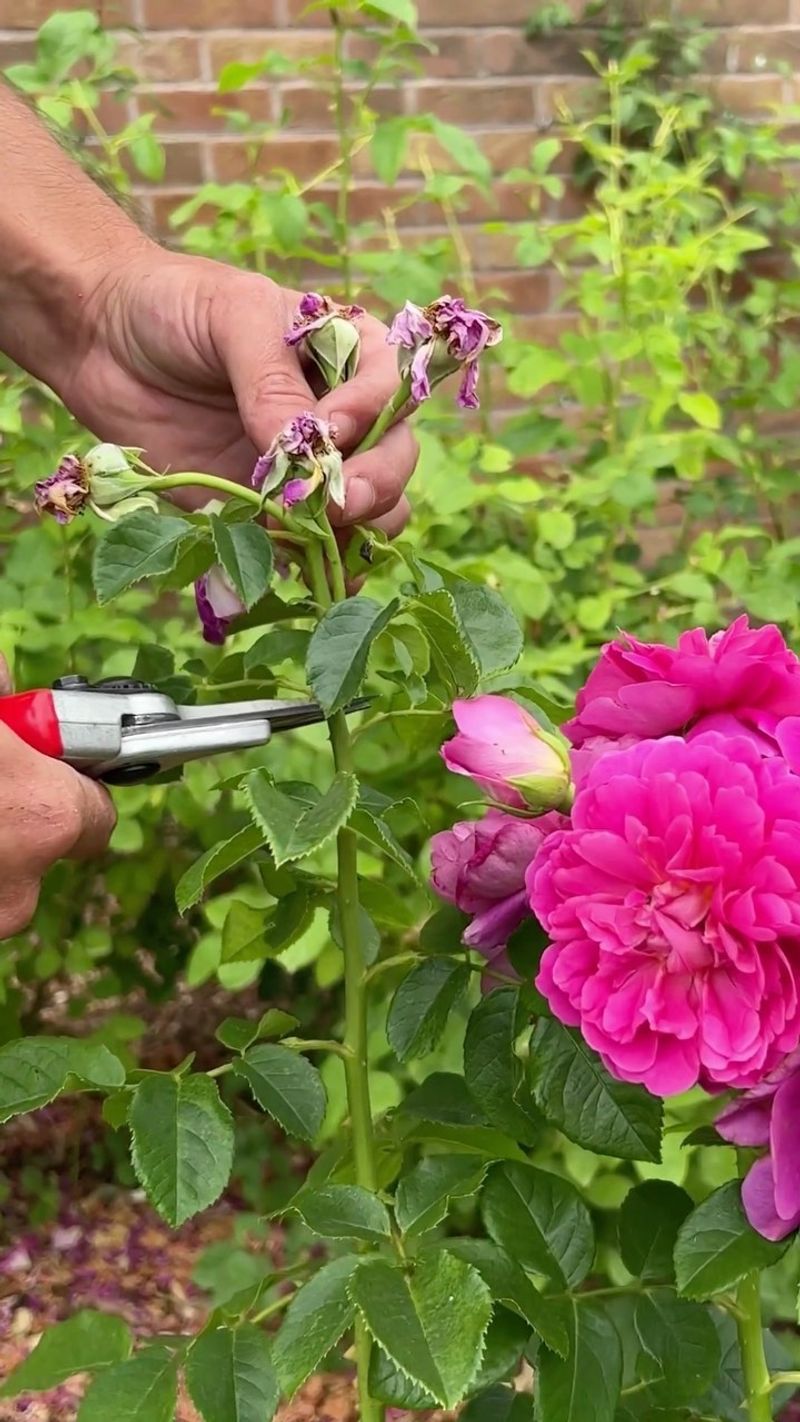
Repeat-blooming roses are one of the few shrubs where a limited early-fall pruning pass makes genuine sense in Central Texas. Bell County Master Gardeners identify late August and early September as an appropriate window for end-of-season pruning of ever-blooming roses, with the specific goal of removing dead canes, spent growth, and unproductive wood before the plant moves toward winter.
The key phrase in their guidance is “end of season” – this is a closing pass, not an opening move for a fresh growth cycle.
Keep the task narrow. Pull out canes that are clearly dead or diseased, cut back spent flower stems to a healthy outward-facing bud or leaf, and remove any crossing or rubbing wood that is wasting the plant’s energy.
What this should not become is a hard renovation cut that removes a significant portion of the plant’s living structure. That kind of reset belongs in late winter, several weeks before the average last killing frost, when the plant is genuinely dormant and ready to respond with vigorous new growth.
Whatever pruning you do on roses now should be the last cut of the year. New growth that sprouts after a September trim needs time to harden off before cold weather hits, and if you keep cutting, you keep pushing out soft tissue that frost will damage.
Deadheading individual spent blooms throughout the season is a lighter and lower-risk task than even this end-of-season pass – pulling or snipping a finished flower does not carry the same wound and regrowth implications as cutting back to older wood. September Central Texas guidance includes deadheading roses and removing unproductive growth as appropriate tasks, but that language does not extend to shearing or severely shortening the plant.
Old-wood bloomers can lose next spring’s flowers
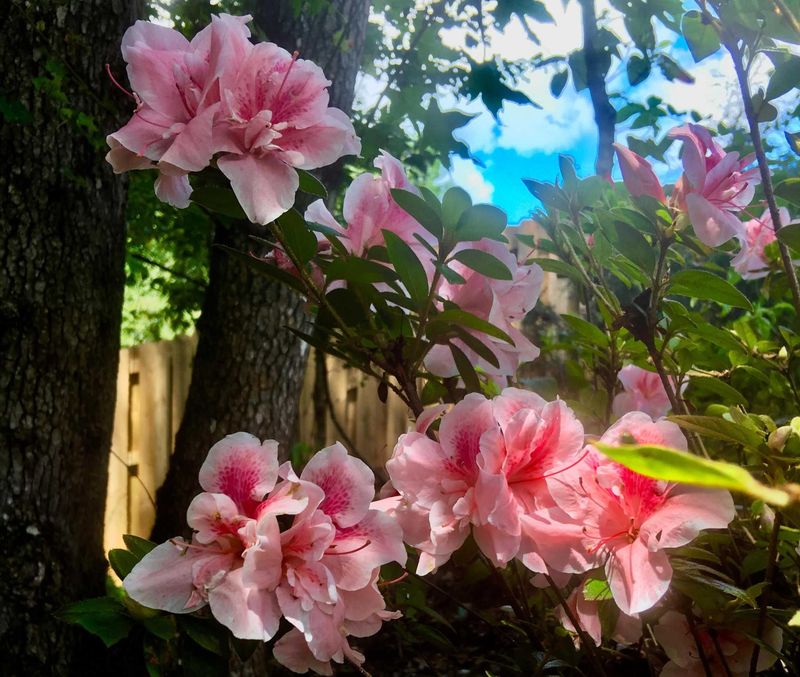
Some of the most beloved flowering shrubs in Central Texas yards are already working on next year’s flowers right now, and cutting into them in early fall means cutting off next spring’s display before it ever opens. Azaleas, forsythias, camellias, bigleaf hydrangeas, oakleaf hydrangeas, and many viburnums all fall into this category.
These plants set their flower buds on wood that grew during the previous season – what horticulturists call old wood – and by the time September arrives, those buds may already be present, even if they are too small to see easily.
UGA Cooperative Extension’s ornamental pruning guide explains that spring-flowering shrubs generally bloom on wood produced the previous year and should be pruned immediately after flowering – not in fall. For azaleas specifically, many cultivars finish setting next year’s buds by mid- to late summer, which means a shaping cut in September can easily remove the buds you are counting on for April color.
Late-flowering azalea cultivars are an exception and should be pruned after they finish blooming, but the safe approach with any azalea you cannot positively identify is to leave it alone until after it flowers.
Hydrangeas deserve special attention because the rules genuinely differ by type. Bigleaf hydrangeas (Hydrangea macrophylla) and oakleaf hydrangeas (Hydrangea quercifolia) bloom on old wood and will lose next year’s flowers if cut now.
Smooth hydrangeas (Hydrangea arborescens) and panicle hydrangeas (Hydrangea paniculata) bloom on new wood and have more flexibility, though Central Texas gardeners should still direct major cuts on those types toward late winter. UGA Extension’s hydrangea pruning explainer makes the type distinction clearly: the answer always depends on which hydrangea you actually have.
A blanket fall pruning rule applied to all hydrangeas will cost you flowers on the old-wood types almost every time. For any of these shrubs, removing a dead or diseased branch remains acceptable; the warning applies to cuts made into living, flower-bearing wood.
New-wood bloomers still do not need an early-fall haircut

Knowing that a shrub blooms on new wood can lead gardeners to a logical-sounding but risky conclusion: if it flowers on this year’s growth, cutting it now must be fine. That conclusion skips an important part of the picture for Central Texas conditions.
Crape myrtles, abelias, butterfly bushes, and some roses do produce flowers on current-season growth, but the timing for major cuts on those plants is still late winter or early spring – not September.
Texas A&M AgriLife’s pruning technique guidance lists summer-flowering shrubs as plants whose principal pruning window falls in late winter or early spring, before new growth begins. The reason matters: a hard cut in early fall can push out a flush of soft new growth that has no time to mature before cold weather arrives.
That tender growth is vulnerable to frost damage, and the plant enters winter in a weakened position rather than a hardened one. UGA Extension’s fall pruning overview flags the same concern, noting that late-season pruning can stimulate tender growth or delay dormancy even in new-wood bloomers.
Crape myrtles deserve a direct word here because the temptation to cut them hard is so common. Severe shortening – sometimes called crape murder – does not improve flowering and is not necessary for the plant to bloom.
UGA’s crape myrtle culture guide recommends late-winter or early-spring pruning and specifically warns against early-fall pruning before the first frost because it can force new growth and delay dormancy. If a crape myrtle branch is dead, remove it.
If the plant’s overall structure needs attention, mark it for a selective thinning cut in late winter. Spent flower clusters can be removed for appearance if desired, but that lightweight task is not the same as a structural cut.
Texas sage and evergreen screens need restraint
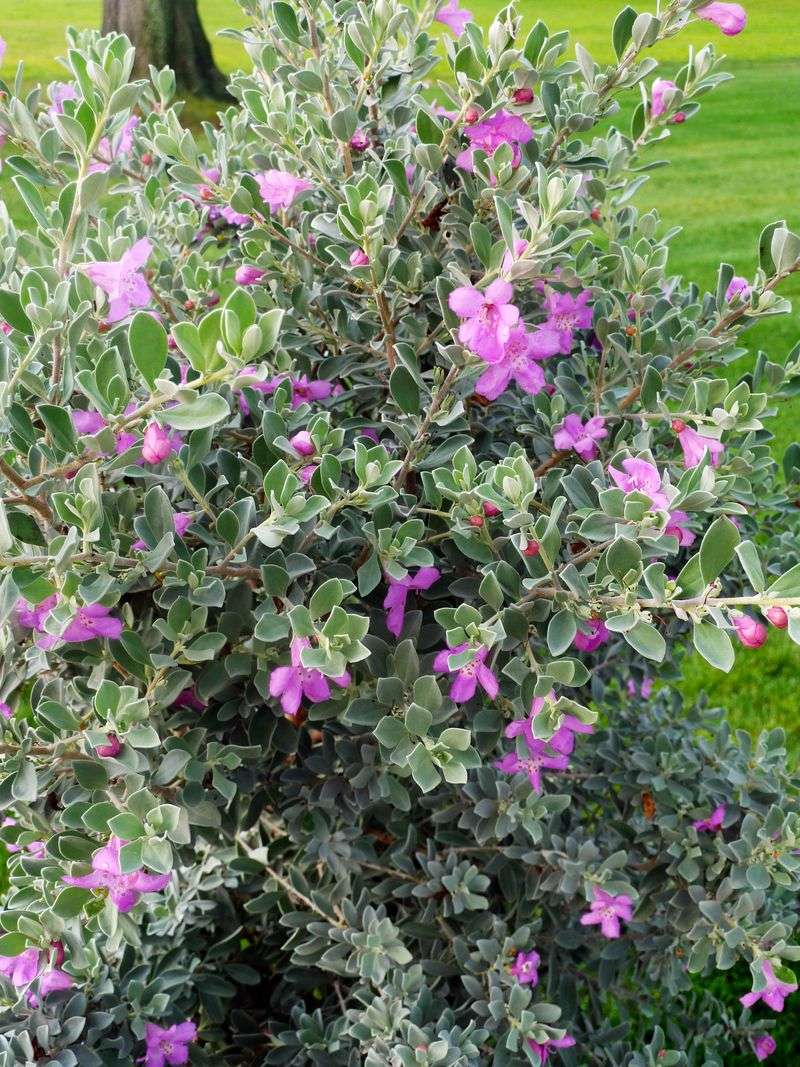
Texas sage (Leucophyllum frutescens), also called cenizo, earns its place in Central Texas yards by thriving on neglect and blooming after rain without any prompting from the gardener. What it does not need is a fall haircut.
Texas A&M AgriLife guidance on Texas sage is clear: prune it in early to mid-spring, maintain its shape lightly during the growing season if needed, and discontinue pruning in fall as the plant approaches winter dormancy. Routine fall shaping or renovation pruning on Texas sage risks stimulating new growth at exactly the wrong time and can reduce flower production by disrupting the plant’s natural growth rhythm.
The exception, as always, is dead, diseased, broken, or hazardous wood – removing that kind of problem growth is appropriate at any time of year.
Narrow-leaved evergreens including junipers, arborvitae, pines, cypress, and cedar require a different kind of caution. These plants do not regenerate from bare, leafless interior wood the way broadleaf shrubs often can.
Cut them back past the zone of active green growth and you may be left with a permanent brown patch that never fills in. Texas A&M’s proper pruning techniques warn specifically against severe pruning into old wood on these plants, because the damage can be irreversible.
Shaping cuts on junipers and similar evergreens should stay within the outer green canopy and should be timed for the growing season rather than fall.
A final stop sign applies to any shrub that is already under stress. Brazos County Master Gardeners’ monthly to-do list emphasizes continued watering for evergreen plants and newly established shrubs through the fall season.
A plant that is drought-stressed, newly planted, diseased, or visibly heat-damaged is not a candidate for cosmetic renovation right now. Give it water, give it time, and save any corrective pruning for a season when it has the reserves to respond.
Make every permitted cut clean and selective
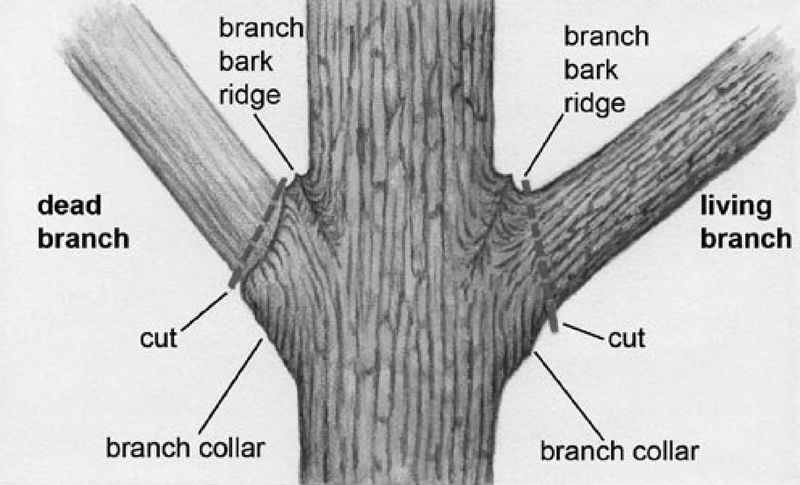
Once you know which cuts are justified, the way you make them matters as much as the decision to cut at all. The standard to aim for is a clean cut just outside the branch collar – the slightly swollen ring of tissue where a branch meets the stem it grows from.
That collar contains the cells the plant uses to seal over the wound, and cutting into it or leaving a stub beyond it slows or prevents that process. A flush cut against the main stem is equally wrong in the other direction.
Find the collar, cut just beyond it, and move on.
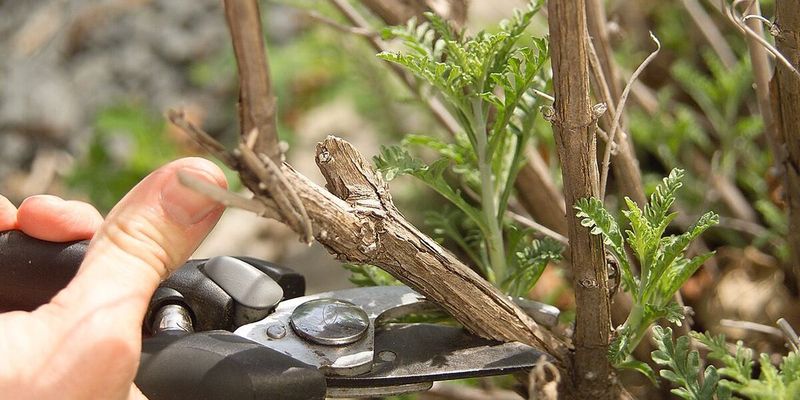
Texas A&M AgriLife’s pruning technique guidance recommends thinning cuts – removing selected branches at their point of origin – rather than heading cuts that shorten every stem to the same height. Thinning preserves the shrub’s natural form, improves airflow, and avoids the dense outer shell of weak regrowth that repeated shearing produces.
When you shear a shrub’s exterior repeatedly, you train it to push a thick mat of short twiggy growth at the surface while the interior becomes increasingly bare. Thinning avoids that problem entirely.
Tool sanitation is not optional when disease is involved. Wiping blades with diluted bleach or isopropyl alcohol between plants keeps you from spreading fungal or bacterial problems from one shrub to the next.
UGA Extension’s pruning guide includes disinfecting tools as a standard step when disease-related pruning is underway. Skip the pruning sealer on ordinary shrubs – Texas A&M describes wound dressings as unnecessary and potentially counterproductive for normal shrub wounds, because they can trap moisture and interfere with the plant’s natural compartmentalization.
One related note on oaks, which are trees rather than shrubs: the Texas Oak Wilt Coalition recommends painting every fresh oak wound immediately to block the beetle vectors that spread oak wilt. September falls outside the highest-risk February through June window, but summer heat and tree stress still make unnecessary oak pruning a poor choice.
If you must prune an oak now, paint the cut within minutes. That paint rule is specific to oaks and does not apply to your shrubs.
When in doubt, protect the next season’s growth
A simple decision rule works well at the shrub: remove dangerous or diseased wood now, lightly tidy repeat-blooming roses or spent flowers when the plant and goal support it, and for everything else, identify where the plant forms its flowers before touching it. That single question – does this plant bloom on old wood or new wood, and when does it set those buds – will protect you from most early-fall pruning mistakes.
UGA Cooperative Extension’s ornamental pruning bulletin frames the old-wood and new-wood distinction as more reliable than any calendar rule, and that holds especially true in a region like Central Texas where fall can arrive late, heat lingers, and frost timing varies by year. Current conditions in your yard – ongoing drought stress, active tender growth, an unusually warm stretch – may justify even more restraint than this guide recommends as a baseline.
Waiting costs you almost nothing. A shrub left alone through September and October will be ready for a well-timed, properly placed cut in midwinter.
A shrub cut at the wrong time can lose a season of flowers, push frost-vulnerable growth, or sustain damage that takes years to correct. The pruners will still be there in February, and the plant will be better for it.
Patience, in Central Texas gardening, is its own form of skill.