
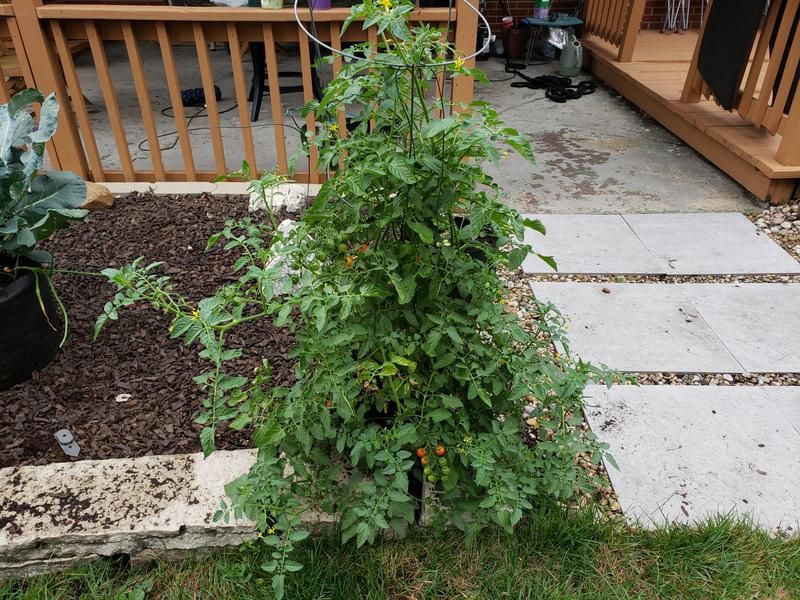
Most patio pots are filled with plants you can only look at. The Everglades tomato offers something different: tiny, flavorful fruit on a vigorous vine you can grow in a container.
It is not a Florida native, and it will not feed you nonstop, but it can make a pot do real work. Here is how to grow it well and what to expect.
The Everglades tomato is not a Florida native
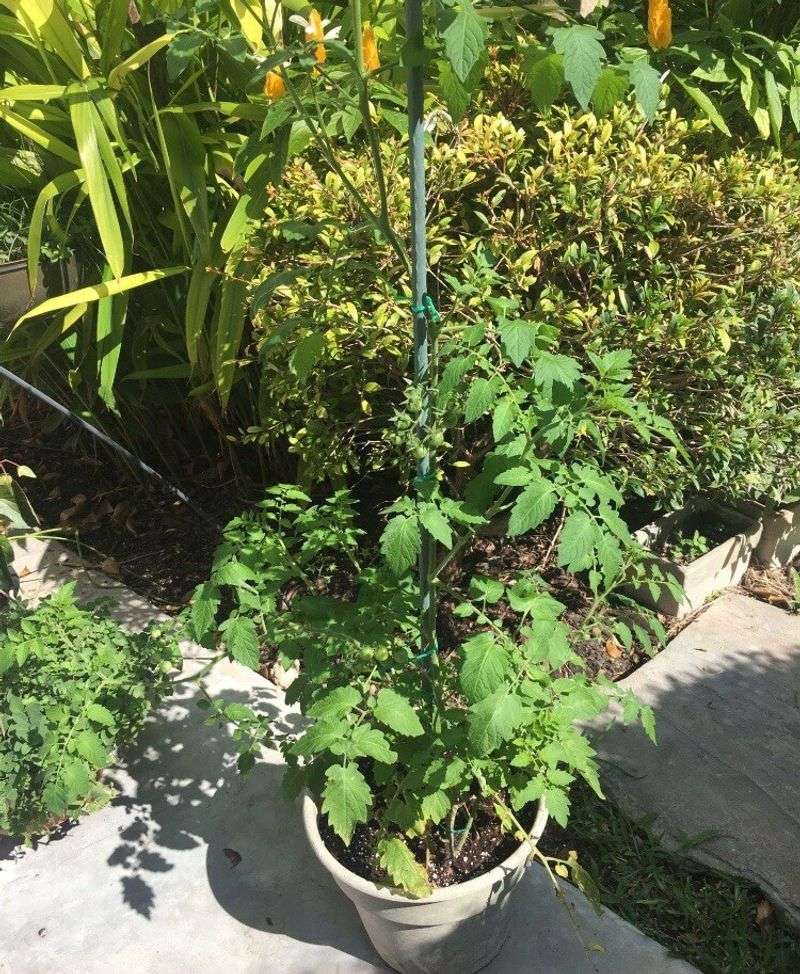
Plenty of garden talk calls this plant a Florida native, and that label does not hold up. The 2026 Flora of Florida treats the Everglades tomato as a form of cultivated cherry tomato, Solanum lycopersicum var. cerasiforme, that sometimes naturalizes in the state.
Naturalized and native are not the same thing. A naturalized plant came from somewhere else and now survives on its own in places.
A native plant was growing here before people moved plants around. So this tomato should not be sold as a native alternative, and you should not expect the wildlife and habitat benefits that come with true Florida natives.
Botanical names vary by source. A UF/IFAS Hillsborough County article calls it Solanum pimpinellifolium and says it originated in the Andes.
The Flora of Florida calls that name a misapplied one for this plant, and UF/IFAS Gardening Solutions notes that its exact identity is uncertain.
Because of that mix-up, this article sticks with the common name, Everglades tomato. The good news is that the confusion does not change how you grow it.
It is still a tomato that does well in a big Florida pot.
Let the edible fruit do the ornamental work
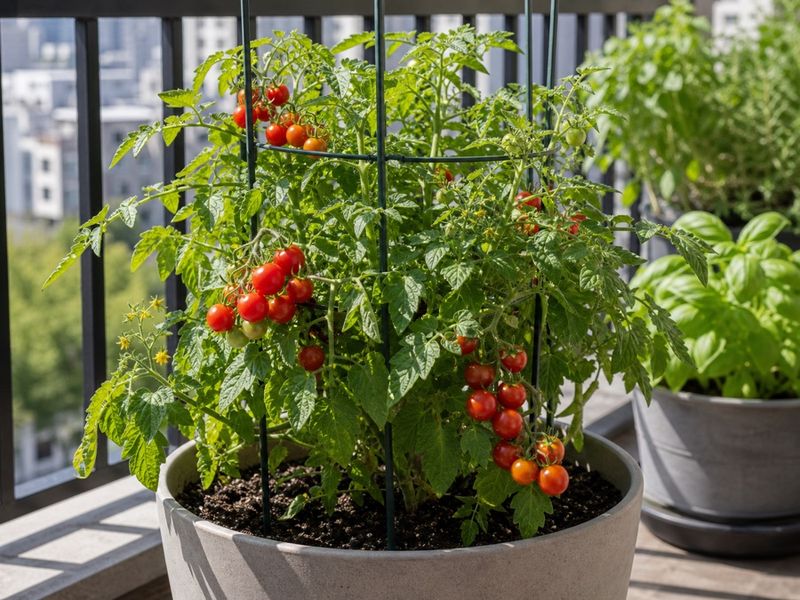
A pot of petunias gives you color and nothing else. A pot of Everglades tomato gives you a leafy vine and a snack.
That is the whole appeal: the fruit earns the space.
UF/IFAS describes the fruits as tiny, flavorful, and thin-skinned, and says the plant produces prolifically through summer. Picture a handful of bite-size tomatoes you can pop into your mouth while watering nearby plants.
Do not expect a showpiece in the way a flowering shrub is. Claims about flower color or a guaranteed good-looking display are not backed up, so judge this plant by what it produces.
Think of it as an edible patio option rather than a pure decoration.
Size matters for placement. The vine grows large, so the pot belongs where it has room, such as a corner of the patio, beside a railing, or near a fence.
Skip tight spots by a doorway, where a sprawling plant would get in the way. If you want productive greenery close to the kitchen, this is a practical swap for one decorative pot.
Give the vine room to grow and something to climb
Here is where expectations need adjusting. Everglades tomato is indeterminate, meaning it keeps growing and sending out new shoots instead of stopping at a set size.
It sprawls, and it is not a tidy mound.
According to UF/IFAS, it can reach 6 to 10 feet if staked. That is taller than most doors, so plan upward space before you buy a plant.
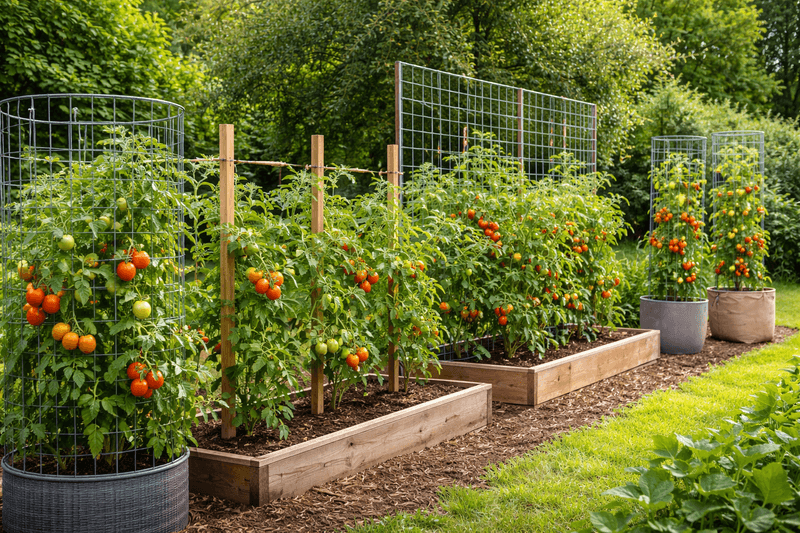
UF/IFAS cherry tomato guidance says indeterminate types need support and may need pruning. A sturdy cage, a trellis, or a tall stake system set up at planting time works better than trying to add support later, when roots and stems are already tangled.
Ask yourself a few questions before choosing a spot. Do you have a wall, fence, or railing to anchor the support?
Can you reach the whole vine to pick fruit? Will a long stem block a walkway?
If the answer is no, a smaller tomato may suit you better. If yes, tie stems loosely as they grow and trim crowded shoots so air can move through the leaves.
Start with a large pot that drains freely
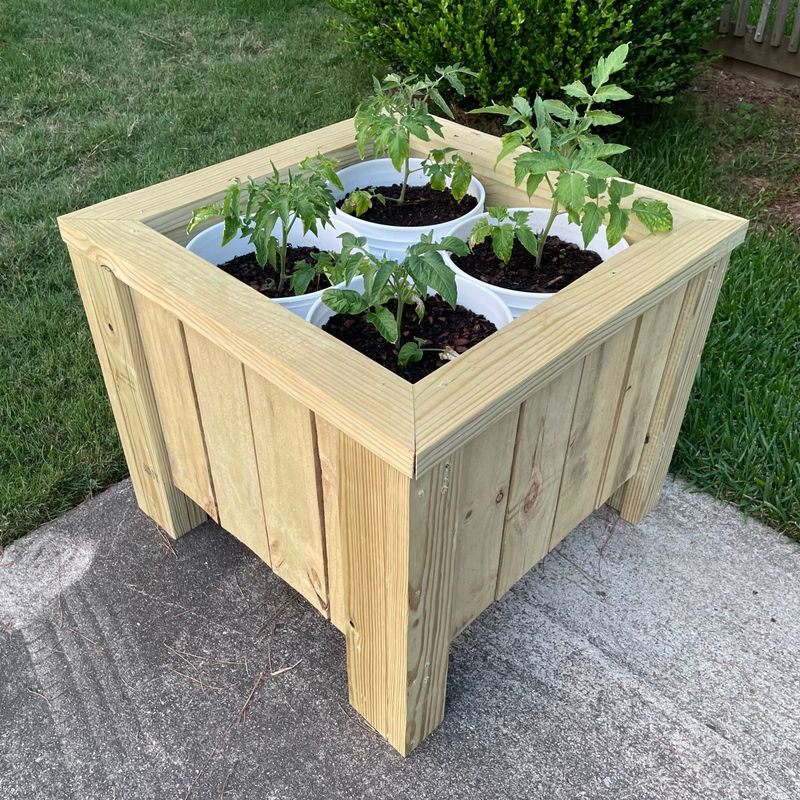
A vigorous vine needs a roomy home. UF/IFAS recommends a container of at least five gallons with drainage.
Bigger is fine, and a heavier pot also helps keep a tall, supported plant from tipping in a gusty afternoon storm.
Drainage holes are not optional. Florida downpours can fill a pot fast, and roots sitting in standing water struggle.
Make sure holes are open, and lift the pot onto feet or bricks so water can escape instead of pooling underneath.
Fill the pot with rich, well-drained potting mix, not soil dug from the yard. UF/IFAS container vegetable guidance points gardeners toward quality potting media, because garden soil tends to compact in pots and drain poorly.
Set up the support while you plant. Push the cage or stakes into the mix near the edge of the pot, away from the main root ball, or place the pot right against a trellis.
Putting everything in place at the start saves you from damaging roots later as the vine takes off.
Check sun and moisture as Florida weather changes
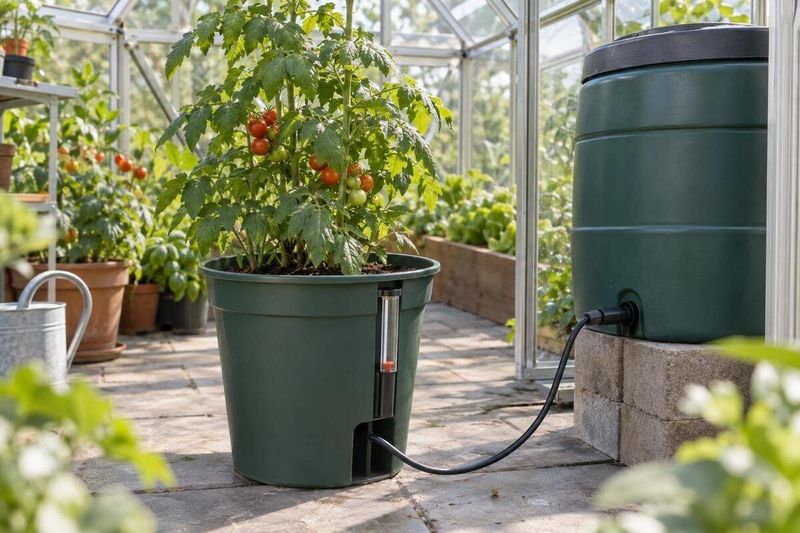
Sunlight comes first. UF/IFAS says to give the plant at least six hours of sun.
Watch your patio for a day to see which corner really gets it before you settle on a spot.
Potting mix dries out much faster than ground soil, especially in hot weather. UF/IFAS container guidance stresses checking moisture regularly, so make it a habit rather than guessing from the calendar.
Use a simple finger test. Push a finger an inch or so into the mix.
If it feels dry just below the surface, water thoroughly until it runs out the bottom. If it still feels damp, wait.
After watering, empty any saucer. A pot sitting in drained water keeps roots too wet.
On a rainy week you may skip watering altogether, and on a hot, windy day you may need to check twice.
This routine is basic care, not a shield. Heat can still hurt fruit set on tomatoes, and a well-watered plant can still have a slow stretch, so treat the schedule as a way to give it a fair chance.
Harvest gently and keep summer production in perspective
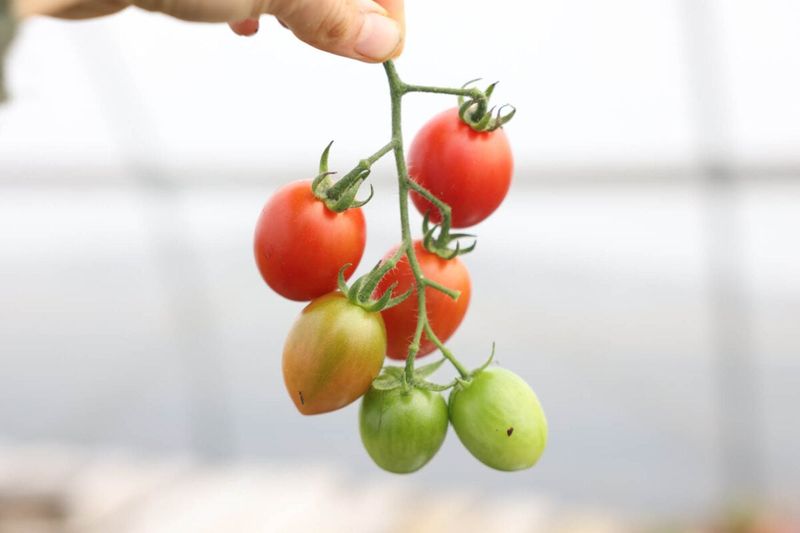
These fruits are small and delicate. UF/IFAS describes them as thin-skinned, so they split and bruise easily.
Pick ripe ones with care, and consider taking whole clusters with the stems attached, which can reduce damage.
The same source reports fruiting through summer. That is useful, but it is not a promise of year-round tomatoes.
UF/IFAS tomato guidance notes that heat limits fruit set in general, and its summer vegetable advice shows that tomatoes in Florida summers can be hit or miss. Some weeks bring plenty, and others bring little.
Eat only ripe fruit from a plant you know is a cultivated tomato. Wash it first.
Do not eat the leaves or stems, which University of Delaware Extension advises discarding.
Never snack on unidentified berries that merely look tomato-like. UF/IFAS lists American black nightshade as poisonous, a common Florida yard weed whose leaves and berries are especially toxic.
If you are unsure what a volunteer plant is, leave it uneaten and pull it out.
Scout for pests instead of relying on the plant’s tolerance
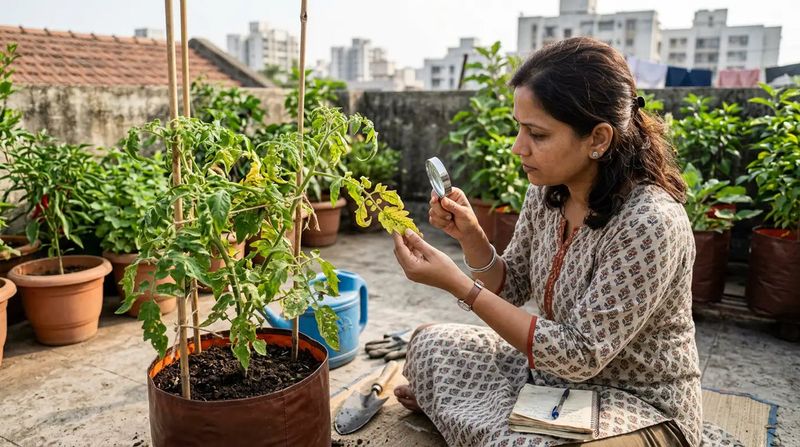
UF/IFAS describes Everglades tomato as tolerant of alkaline soil, brackish water, and salt winds, and relatively resistant to pests and disease. Read that as an edge over other tomatoes, not as immunity.
Florida has tomato pests all year, and UF/IFAS tomato pest guidance recommends regular scouting and integrated pest management. In practice, walk past the pot a few times a week.
Flip leaves, check new growth and stems, and look for chewed foliage, sticky residue, webbing, or odd spots.
When you find a problem, start with the gentlest fix. Remove damaged leaves, knock insects off with a stream of water, and pick off larger pests by hand.
Pesticides are a last resort.
If you do spray, use only a product labeled for edible tomatoes and follow the label exactly. UF/IFAS container advice also warns that heat and sunlight can make some sprays injure plants, so avoid applying in strong midday sun.
One more thing to watch: fruit that falls can sprout. UF/IFAS says the plant can self-seed, so you may find volunteer seedlings.
That is a housekeeping detail, not a sign the plant is invasive. Pull extras or pot them up.
Choose it for an edible patio feature, not a native-plant claim
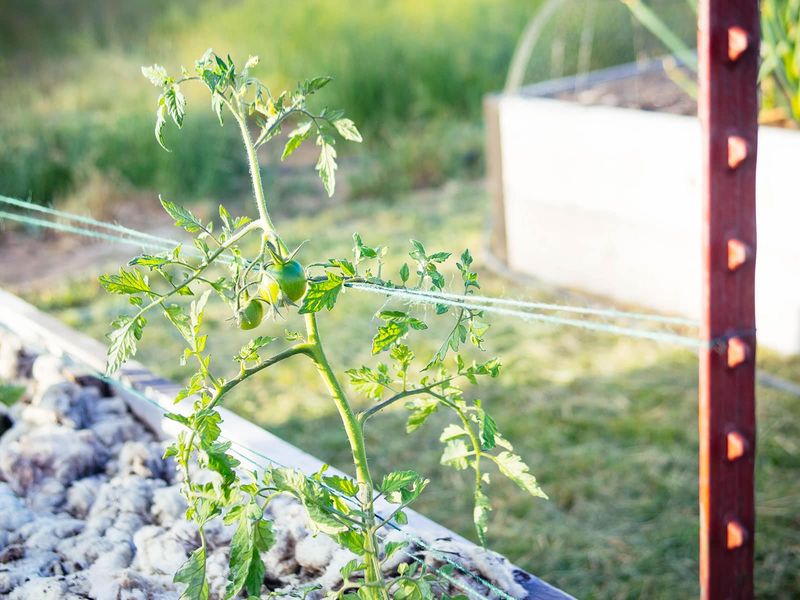
Pick Everglades tomato if you want a productive, supported vine in a pot and can offer space, sun, drainage, moisture checks, and pest scouting. Its fruit can make a container more useful than a purely decorative planting.
Skip it if you want a neat, low-fuss mound, a true native, or a harvest that never stops.
It is a cultivated tomato that has naturalized, not a Florida native. Give it a tall support and a steady eye, and a single pot can pay you back in small, sweet fruit.