
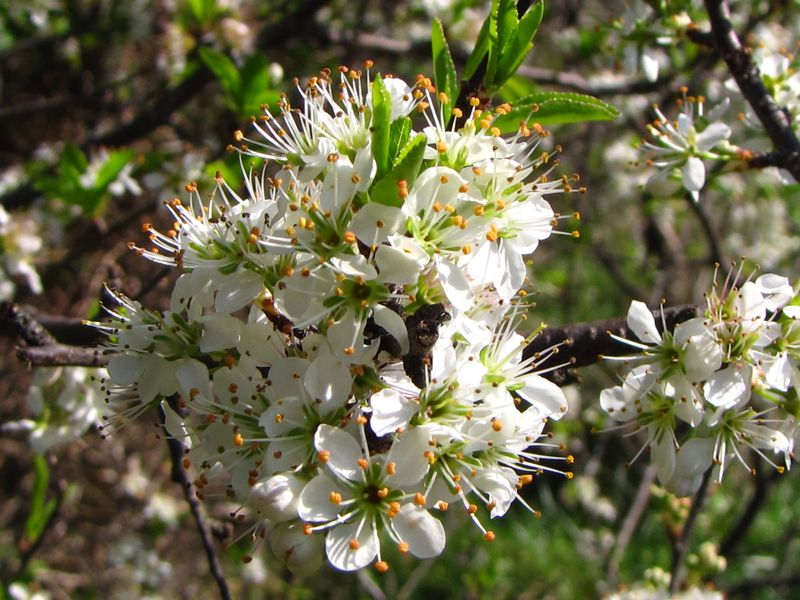
Every spring, Bradford pears light up North Carolina roadsides with white blooms that smell like something went bad in the fridge. They also split in storms and spread into wild areas where native plants should grow.
The good news is that our state has native trees that bloom just as pretty, feed birds and pollinators, and hold up far better. You may have to call a few specialty nurseries to find them, but the hunt is worth it.
1. Fringetree
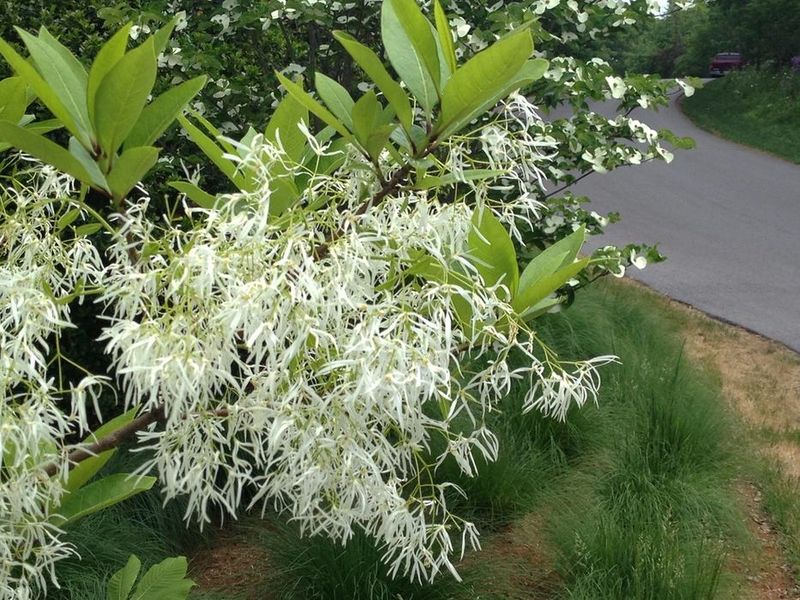
Picture a small tree wearing a cloud of white shredded ribbon in May. Old-timers in the mountains called it Grancy Graybeard, and once you see it in bloom, the nickname makes perfect sense.
Fringetree tops out around 12 to 20 feet, so it fits neatly near a porch or patio where a Bradford pear would outgrow its welcome. The flowers carry a light, sweet scent instead of that famous pear funk.
Female trees produce dark blue fruit in late summer that songbirds may gobble up. Plant it in sun to part shade across the Piedmont or coastal plain, and look for it at native plant sales, since big-box stores rarely carry it.
2. Eastern Redbud
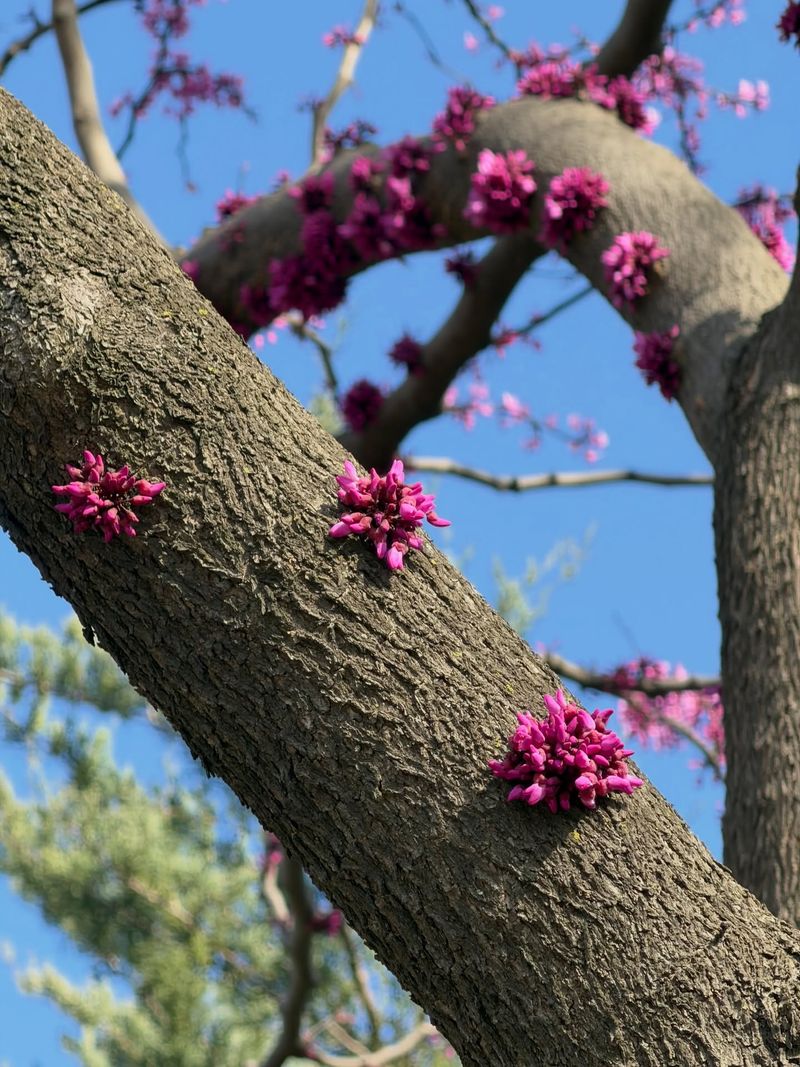
Bees wake up hungry in March, and redbud is often one of the first meals waiting for them. Tiny magenta flowers cling right to the bare bark, even on the trunk.
Redbuds are easier to find than some trees on this list, but the native straight species often hides behind fancy cultivars. Ask for local-source stock when you can.
Heart-shaped leaves follow the blooms, and the tree stays under 30 feet. It handles clay soil, which makes it a solid swap for Piedmont homeowners pulling out a split pear.
3. Downy Serviceberry
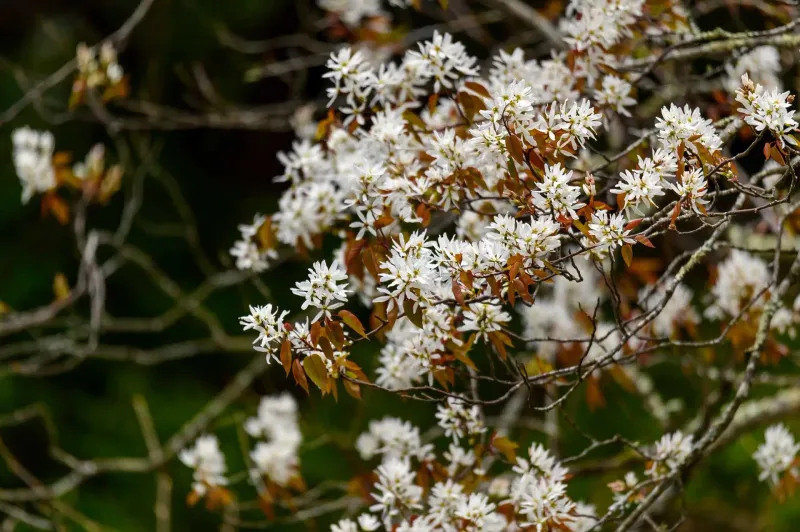
Here is the tree that does everything a Bradford pear promised, then adds dessert. White starry flowers show up in early spring, often blooming at nearly the same moment pears do.
By June, small reddish-purple berries ripen, and you will have competition. Cedar waxwings, bluebirds, and mockingbirds may strip a tree in days, which is a pretty fun show from the kitchen window.
Fall brings orange and red leaves. Look for Amelanchier arborea at native nurseries, and give it moist, well-drained soil with some afternoon shade in hotter coastal areas.
4. Carolina Silverbell
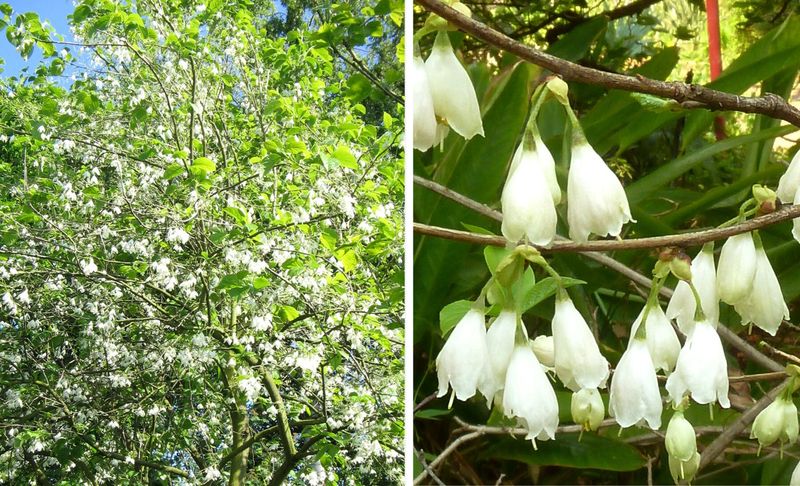
Walk under a silverbell in April and you get the feeling someone strung hundreds of tiny white lanterns from the branches. The bell-shaped flowers dangle below the limbs, so the best view is standing right beneath them.
Native to the North Carolina mountains, silverbell also grows well in the Piedmont when it gets rich, slightly acidic soil and a bit of shade. Few nurseries stock it, which is exactly why it turns heads.
Bees visit the blooms, and odd four-winged seed pods hang on into fall. Treat it as a woodland-edge tree rather than a hot parking-strip tree.
5. Flowering Dogwood
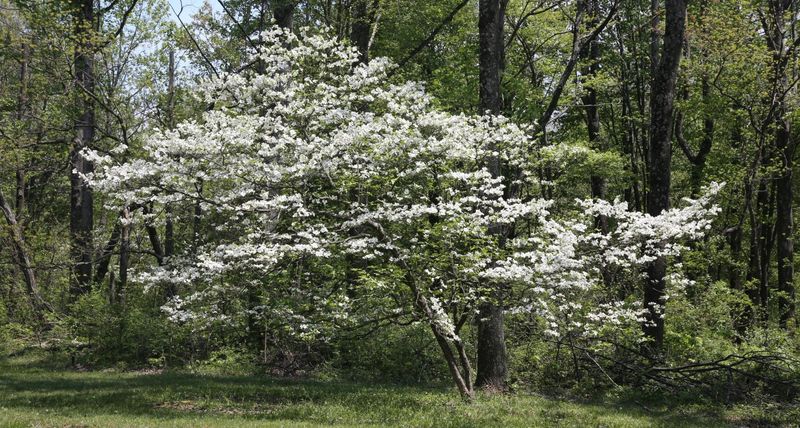
North Carolina already picked its state flower, and plenty of folks forget the tree it grows on. Wild dogwoods have struggled with disease, so healthy native seedlings are tougher to source than they used to be.
The payoff is huge. White spring bracts give way to glossy red berries that birds may rely on before fall migration.
Plant it in dappled shade with mulch over the roots and avoid nicking the bark with mowers. Under a pine canopy, a dogwood looks right at home in a way a pear never will.
6. Sourwood
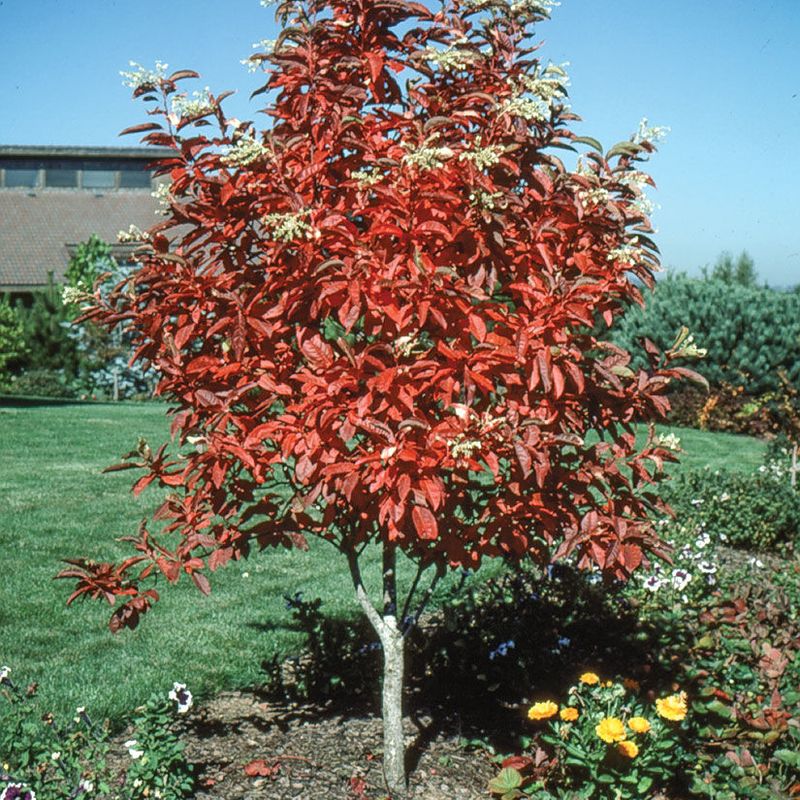
Ask a beekeeper in the Blue Ridge about sourwood and watch their eyes light up. Sourwood honey ranks among the most prized in the South, and the tree blooms in midsummer when little else does.
Long curving sprays of white flowers look like lily-of-the-valley hung from the branches. Then the leaves turn deep scarlet in fall, often before any other tree.
Sourwood wants acidic, well-drained soil and dislikes being moved, so buy a small container plant. It is slow, but it gives you two seasons of drama where a pear gives one.
7. Pawpaw
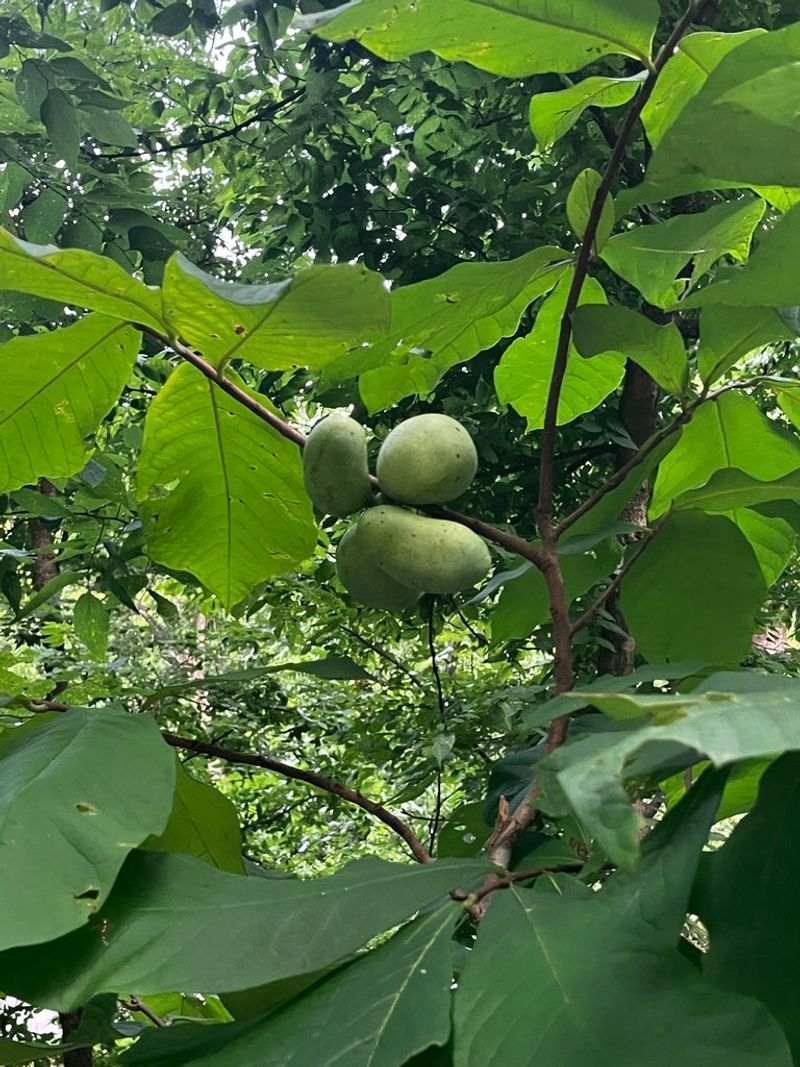
Few people realize a native fruit tasting like banana custard grows wild along North Carolina creeks. Pawpaw is the largest edible fruit native to the country, and most neighbors have never heard of it.
Its maroon spring flowers are subtle, so this pick wins on other merits. Pawpaw leaves are the only food for zebra swallowtail caterpillars, which means you may see those striped butterflies drifting through your yard.
Plant two different trees for better fruit set. It loves moist soil and part shade, making it ideal for that soggy back corner.
8. American Fringed Hawthorn
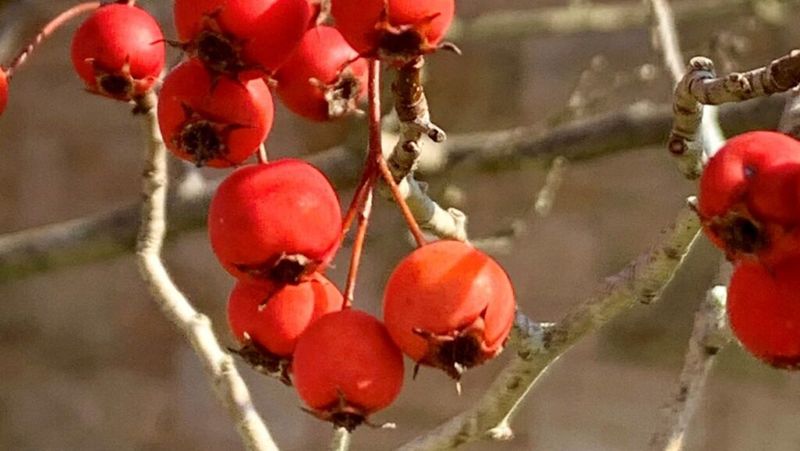
Thorny trees get a bad rap, but songbirds see them as safe houses. Native hawthorns like green hawthorn give nesting cardinals and mockingbirds protection from hawks and cats.
White flower clusters cover the branches in spring. Bright red fruit then hangs on deep into winter, feeding birds when pickings get thin.
Choose a spot away from walkways, or look for nearly thornless native selections like Winter King. It tolerates heat, drought, and clay once settled.
9. Chickasaw Plum
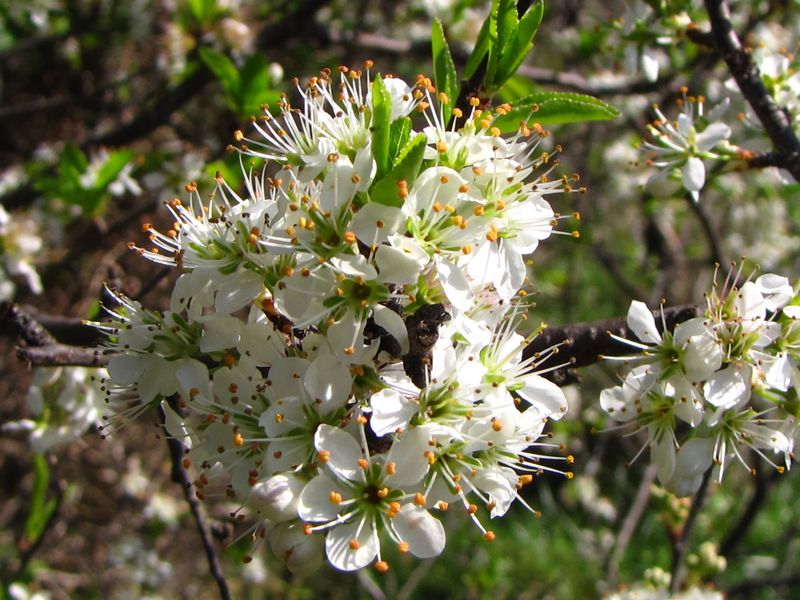
Want white spring flowers that smell sweet? Chickasaw plum blooms in a flurry right about when Bradford pears do, minus the stink.
It forms small thickets, so think of it as a living hedge for a sunny property line. Bees work the blooms, small red-yellow plums follow, and birds may nest inside the tangle.
Sandy coastal plain soil suits it well. Pair a few plums with the other trees here and your yard can feed wildlife from March through winter, and no tree will snap in the next thunderstorm.