
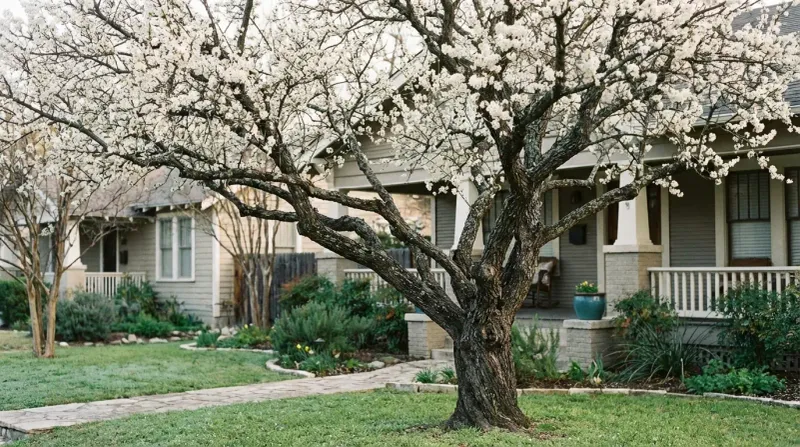
Before most Central Texas trees even think about leafing out, Mexican plum is already covered in fragrant white blossoms. It is a native small tree that fits the region’s heat, clay, and limestone better than many imports.
Come late summer, it may offer fruit for birds and other wildlife. Here is what it really delivers, what it asks of you, and how to plant one this month.
Mexican plum offers seasonal interest, not instant shade
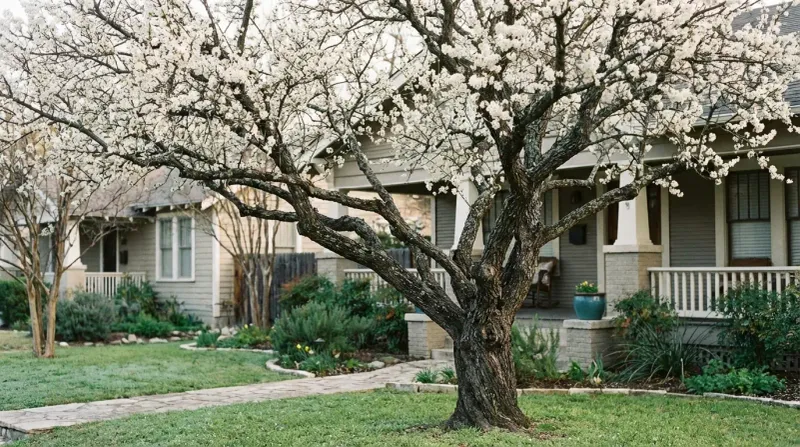
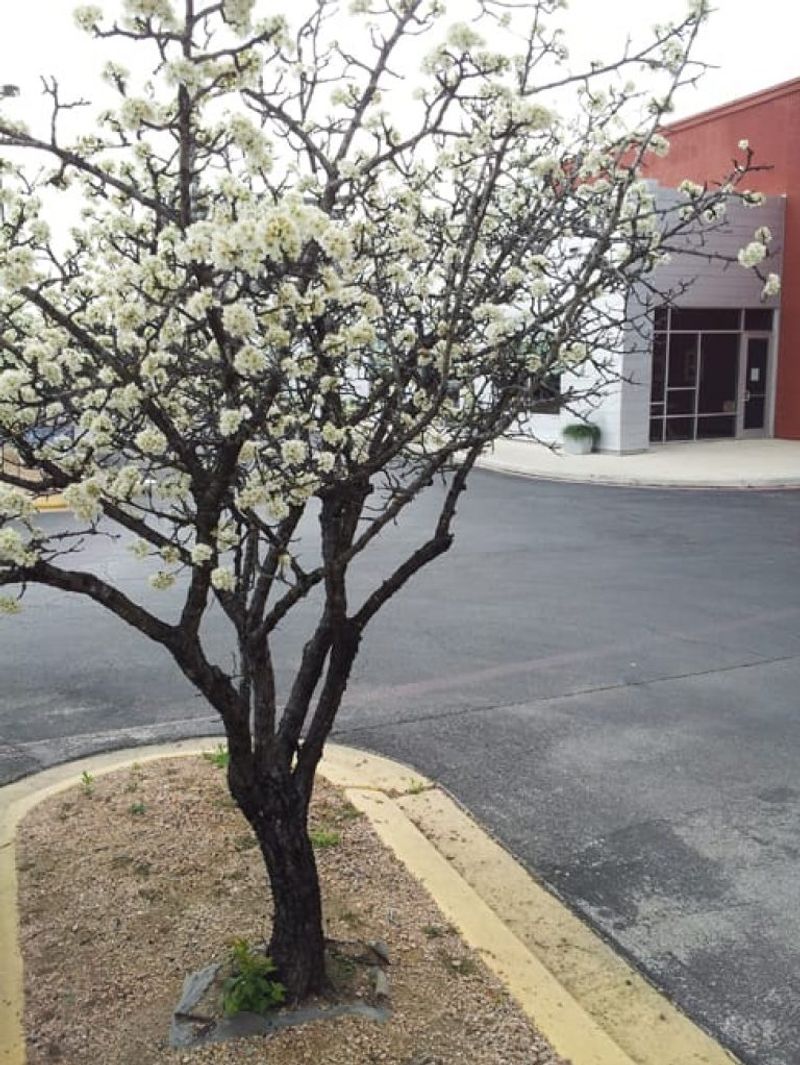
Picture a bare February branch in Central Texas suddenly dusted with white. That is Mexican plum (Prunus mexicana).
According to Texas A&M Forest Service, it flowers in early spring before the leaves appear, and the blossoms range from white to pale pink with a sweet fragrance.
Those flowers draw pollinators when little else is blooming. Later, small plums may ripen from late summer into fall.
A Texas Parks and Wildlife planting guide notes that birds and mammals eat the fruit, and the leaves can feed butterfly larvae.
Keep expectations realistic, though. Wildlife use is a possibility, not a promise, and no tree can guarantee which birds will stop by.
Fruit crops vary from tree to tree and year to year, so do not count on a heavy harvest.
Shade is the slow bonus here. This is a small, deciduous tree, so its cover builds over the years and disappears when the leaves drop in winter.
If you want spring fragrance, a possible snack stop for wildlife, and a modest canopy down the road, it is a strong Central Texas candidate.
Does your yard have room for a small, spreading tree?
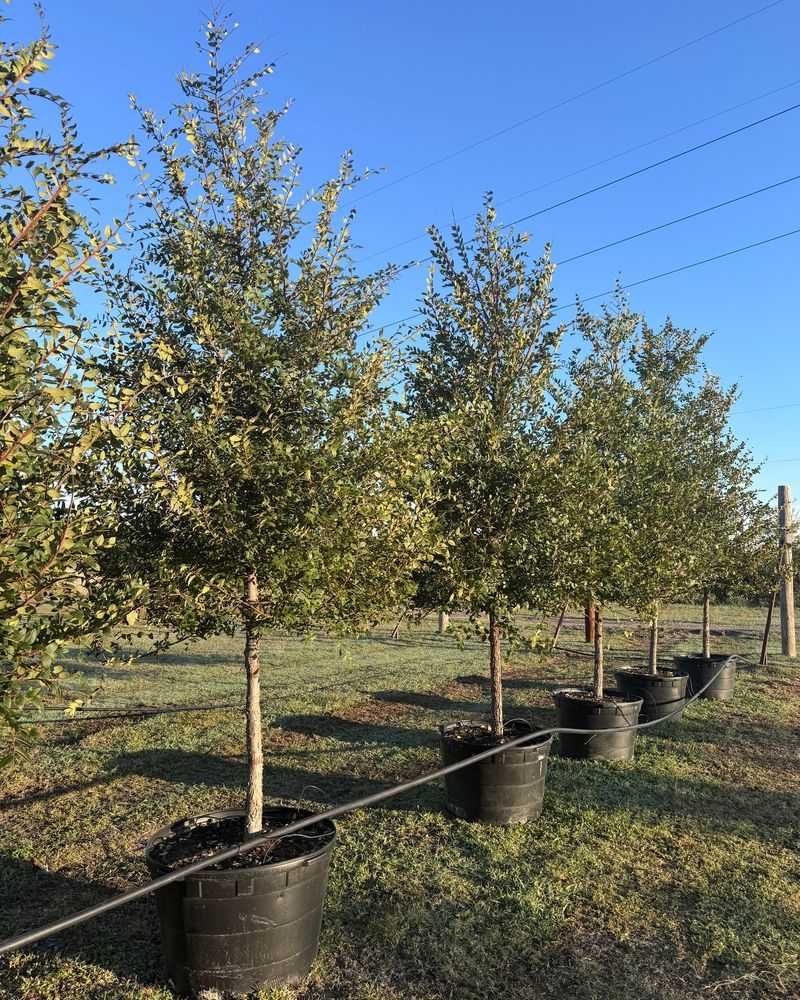
Walk your yard with a tape measure before you buy anything. Mexican plum wants sun to part shade and soil that drains well, and it needs elbow room for a wide, spreading crown.
The Texas Tree Selector lists it as a small tree suited to a range of Texas conditions.
Mature size is best treated as a ballpark. Texas A&M puts it around 25 feet, and Texas Trees Foundation describes growth of roughly 12 inches or less per year with a canopy spread that may approach 25 feet.
Other references give a wider range, so leave generous space instead of planning around one exact number.
That slow pace matters. You will not get quick shade, and because the tree is deciduous, you will not get year-round cover either.
Think of it as a long project that pays off in flowers first.
Placement also depends on fruit. In the wild, this plum grows on moist slopes, creek bottoms, and fencerows, as the Texas Parks and Wildlife guide notes for related habitats.
In a yard, keep it off driveways, walkways, and patios where dropped plums would stain or get tracked indoors. A corner of the lawn or a spot along a back fence works nicely.
Late fall fits Central Texas’s planting window
Mid-November can feel late for gardening, but in Central Texas it sits comfortably inside the cool-season planting window. The City of Austin’s 11 steps for planting a tree points to October through March as the season for getting trees in the ground.
The city’s Central Texas tree guide narrows it slightly, listing October 15 through March 15. Both ranges agree on the big idea: plant while temperatures are mild and the tree is dormant or slowing down, rather than during triple-digit summer heat.
That does not make late fall the only good moment. Early winter and late winter work too, and a tree planted in February is not doomed.
Late fall simply gives roots a head start before spring growth and flowering.
Before you dig, settle on the spot. Confirm sun, drainage, and space for a spreading crown, and keep it clear of paving where fruit will fall.
With the site chosen, the planting itself comes down to a few careful steps.
Keep the root flare at the soil surface
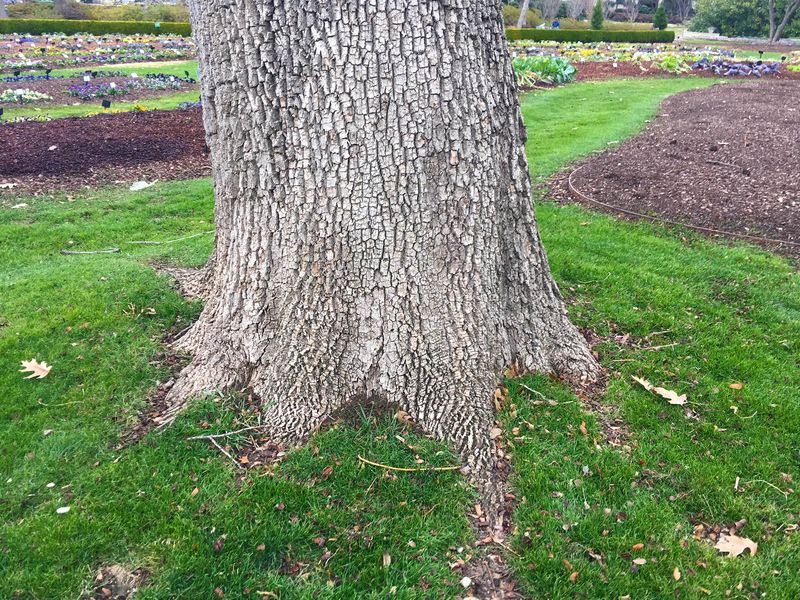
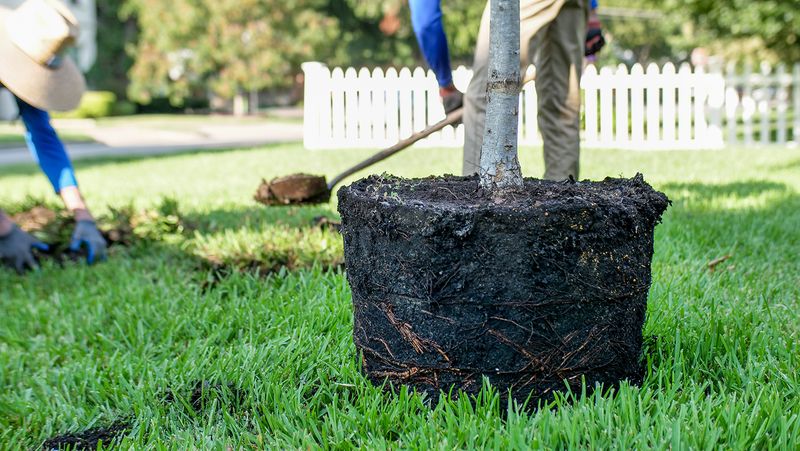
Start by finding the root flare, the spot near the base where the trunk widens as it meets the roots. Nursery soil often buries it, so brush away the top layer until you can see it.
That flare should end up at or just above the surrounding soil surface.
Dig the hole as deep as the root ball and wider than it, following the steps in the City of Austin’s tree planting guide. Planting no deeper than the root ball keeps the trunk from sitting in damp soil, which can cause problems later.
Set the tree upright, backfill with the soil you removed, and water thoroughly to settle it. Then spread mulch in a wide ring, but keep it a few inches back from the trunk.
Mulch piled against the bark holds moisture where you do not want it.
The city’s Central Texas tree guide backs this same approach for local soils.
Good planting gives the tree its best shot, but it does not end the job. A young plum still needs steady follow-up water, which is where most new trees succeed or struggle.
Watering matters most while the tree establishes

Here is the catch behind the drought-tough reputation: it applies once the tree is established. A newly planted Mexican plum has a small root system and cannot yet reach what it needs on its own.
Drought tolerant does not mean drought-proof.
The Texas Trees Foundation notes that new trees need regular irrigation and may need it for about two years. The Native Plant Society of Texas also points to watering during establishment.
Instead of a rigid calendar, watch the tree and the weather. Check the soil a few inches down near the root ball.
If it is dry, water slowly and deeply, and expect to give extra during hot, dry stretches when leaves look limp or the ground cracks.
You may notice sources describe its water needs differently. The Texas Tree Selector lists moderate needs, while Austin guidance calls them low, yet both recognize drought tolerance.
The practical way to reconcile them is establishment versus maturity: more help early, much less later.
Once the tree has settled in, it should handle typical dry spells far better. A prolonged summer drought can still stress it, so a deep soak now and then is cheap insurance.
Low-maintenance still comes with a few tradeoffs
Low-maintenance is not the same as no-maintenance. Mexican plum is not pest-free; the Texas Tree Selector mentions borers and notes that some branches can be thorny.
Occasional checks of the trunk and branches are worth the few minutes.
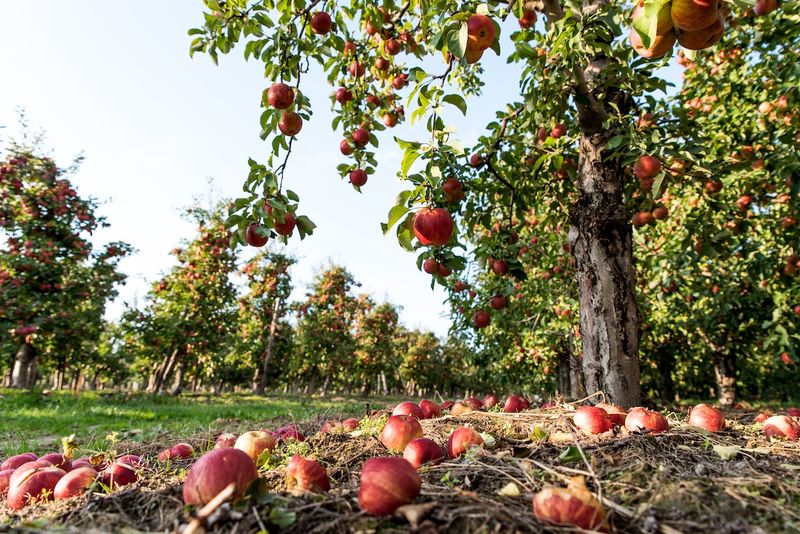
Fruit is the other tradeoff. Ripe plums drop and can get messy on patios, walks, and parked cars, which is why placement matters.
Some gardeners see the drop as a feature because it feeds wildlife, but it only works if the tree sits away from places you want clean.
Pruning needs timing. Shaping or raising the canopy may be useful as the tree grows, and the Native Plant Society of Texas notes flowers form on old wood.
A late-winter cut can remove that spring display, so prune after bloom if flowers are your goal.
If you want to taste the fruit, the flesh is edible, but the kernel inside the pit is a different story. Poison Control explains plum seeds contain amygdalin and advises discarding them, never chewing or grinding the seed.
Plant for the long-term payoff
Mexican plum suits a yard with space for a small, spreading tree and an owner willing to water through the first couple of years. Late fall sits inside the local planting window, so a November planting is a sound choice.
Per Texas Trees Foundation, growth is relatively slow, which means patience is part of the deal.
What you get in return is fragrant spring bloom, possible wildlife use, and shade that arrives gradually. Plant it, water it, and give it years.
A tree like this rewards the gardener who plays the long game.