
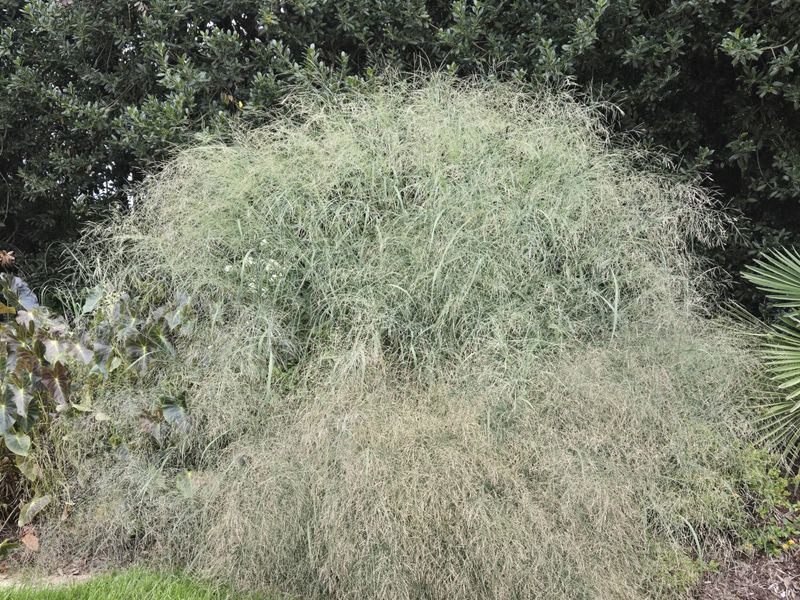
If you’ve heard that one native grass can single-handedly keep fleas out of your backyard, the truth is more useful than that promise. Switchgrass, a warm-season perennial native to North Carolina, is a genuinely worthwhile landscape plant, but no reliable evidence shows it repels or prevents fleas.
What does work is a coordinated plan covering your pets, your yard’s shaded resting spots, and a few targeted maintenance habits. This article gives you both the honest plant story and the practical flea-management steps that actually protect your animals.
Switchgrass belongs in the landscape story—not the flea-repellent story
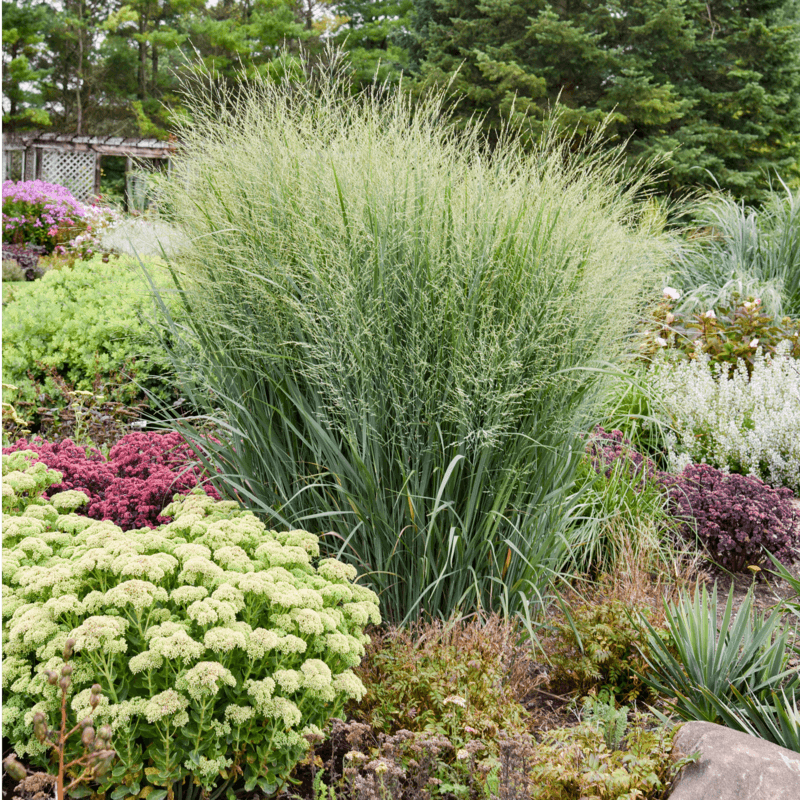
Switchgrass, known botanically as Panicum virgatum, is a legitimate native grass with a real place in North Carolina yards, but its reputation as a flea-fighting plant is not backed by evidence. NC State Extension’s plant profile identifies it as a warm-season perennial native to the state, well suited to full-sun sites with moist clay or sandy soil.
What it does not do, according to any reliable source, is repel, kill, or prevent fleas.
Planting switchgrass will not reduce flea pressure on your pets or in your yard. The claim in headlines like this one makes for an appealing promise, but the actual science of flea management points elsewhere entirely.
Flea control depends on treating your animals, cleaning their resting areas, limiting wildlife access, and targeting the shaded, damp spots where fleas actually develop.
That correction matters because homeowners who rely on a landscape plant for pest control may skip the steps that genuinely protect their dogs and cats. NC State’s flea biology and control guidance makes clear that effective management requires coordinated action across pets, indoor spaces, and outdoor resting zones.
Switchgrass belongs in the landscape conversation for its ornamental value and ecological contribution, and the rest of this article will show you how to use it well while building a flea-management plan that actually works.
Grass species alone cannot determine flea risk, but habitat conditions matter
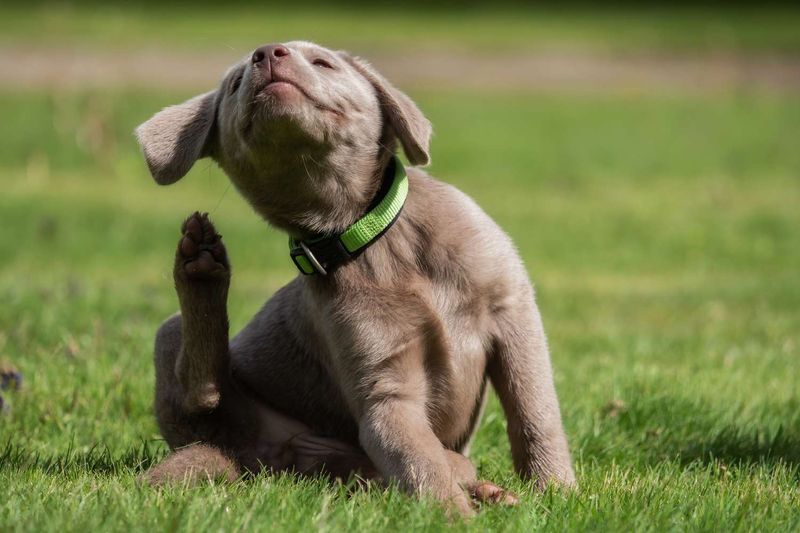
Blaming a specific grass species for flea problems misses the bigger picture. Fleas are not drawn to a particular plant; they thrive wherever shade, humidity, organic debris, and host activity combine to support their immature stages.
NC State Extension points to opossums, raccoons, rodents, and stray animals as common sources of flea introduction, and the cat flea (Ctenocephalides felisCtenocephalides canis) and dog flea () are the principal species affecting North Carolina homes, even though both can feed on multiple mammal hosts despite their names.
Flea larvae need protection from drying out and from direct sunlight. Texas A&M AgriLife Extension’s flea control guidance identifies pet bedding areas, ground beneath decks, doghouses, and spots under dense shrubs as the most likely outdoor development zones, not open sunny lawn.
A well-maintained, sunny grass area is generally less hospitable to immature fleas than a persistently damp, shaded corner where a dog or cat likes to nap.
Vegetation structure and maintenance do affect habitat suitability, even if plant identity does not. Dense, tall, poorly maintained growth near pet resting areas can create the kind of sheltered, moist microclimate that favors flea development.
Oregon State University Extension notes that keeping grass mowed, improving sunlight penetration, and reducing excess moisture are reasonable cultural steps that can make conditions less favorable, though none of them guarantee a flea-free yard. A native grass’s wildlife value is a separate matter from whether the planting shelters fleas, and conflating the two leads to misplaced confidence.
Choose switchgrass for the site and the look you want
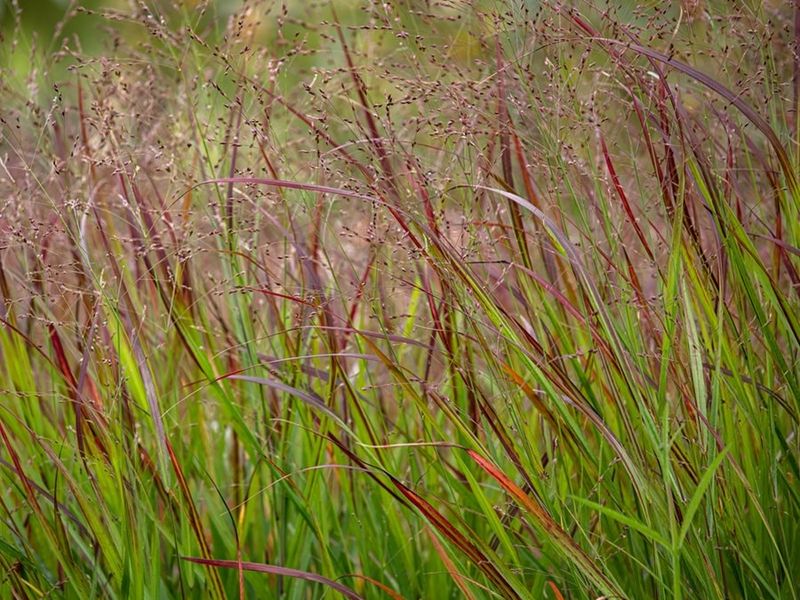
Once the flea-repellent claim is set aside, switchgrass stands on its own merits as a genuinely useful landscape plant. NC State’s plant profile describes it as a warm-season perennial that typically grows 3 to 4 feet tall, though flower plumes can push it closer to 7 feet at maturity.
It prefers full sun and tolerates both moist clay and sandy soils, which makes it adaptable across much of the state’s varied terrain.
Its clumping, upright form suits specific landscape jobs better than others. Switchgrass works well in borders, habitat plantings, rain gardens, and screening rows where its height and seasonal interest are assets.
It is not a substitute for a short-mown play lawn where kids and pets need open, level ground, and planting it in partial shade tends to produce a less upright, floppier plant that may need staking or frequent cutting back.
Regional conditions across North Carolina also influence how well it performs. Piedmont clay soils and the coastal plain’s sandy loams are generally compatible with switchgrass, while mountain sites with heavier shade or poorly drained spots may limit its vigor.
NC State Extension Gardener’s ornamental grass guide lists related native grasses, including little bluestem, muhly grass, and river oats, as additional options when the site or intended use does not suit switchgrass. Matching the plant to the actual conditions you have, rather than the pest-control promise, is the most reliable path to a planting that earns its place in your yard.
Design and maintain plantings without creating sheltered flea habitat
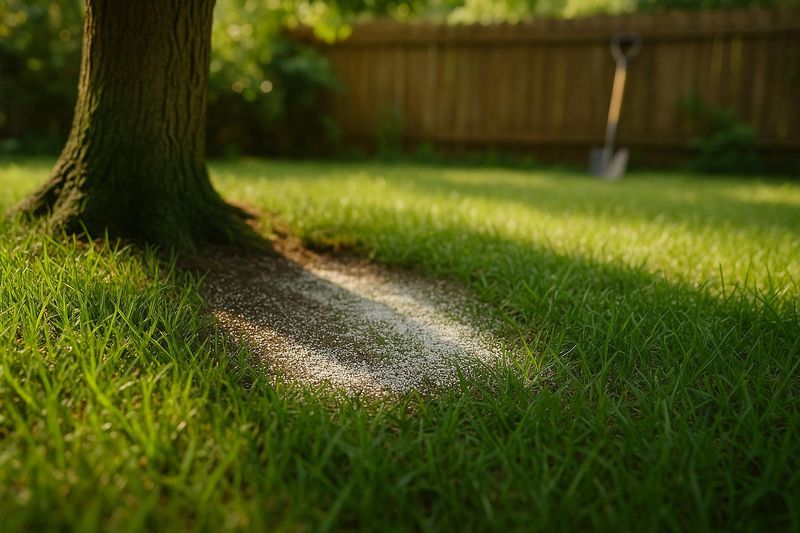
Where you place a planting matters as much as what you plant. Switchgrass performs best in full sun, and locating it in open, well-drained areas away from spots where pets regularly sleep or rest reduces the chance that the planting itself becomes a sheltered, damp pocket.
Texas A&M AgriLife Extension identifies pet bedding areas, ground under decks, and places beneath dense shrubs as the zones most likely to support flea development, so keeping ornamental grasses and other dense plantings out of those same zones is a reasonable precaution.
Maintenance habits shape the microclimate around any planting. Cutting back switchgrass clumps to a few inches in late winter or early spring removes accumulated dead material that can trap moisture and organic debris.
Mowing nearby lawn areas regularly, trimming low-hanging shrub branches to improve sunlight and airflow, and fixing drainage problems that create persistently wet soil can all make conditions less favorable for immature fleas. Oregon State University Extension notes that reducing moisture and improving sun exposure in problem areas are among the more practical cultural steps available to homeowners.
Cleaning pet resting areas outdoors deserves the same attention as the plantings nearby. Washing or replacing bedding in doghouses, removing leaf litter from beneath decks, and raking organic debris from spots where pets nap regularly can reduce the organic material that flea larvae depend on.
NC State Extension reinforces that these sanitation steps work alongside, not instead of, proper pet treatment. None of these measures promise a flea-free yard, but together they can make the outdoor environment less welcoming to flea development.
Pet prevention and indoor cleanup do the heavy lifting
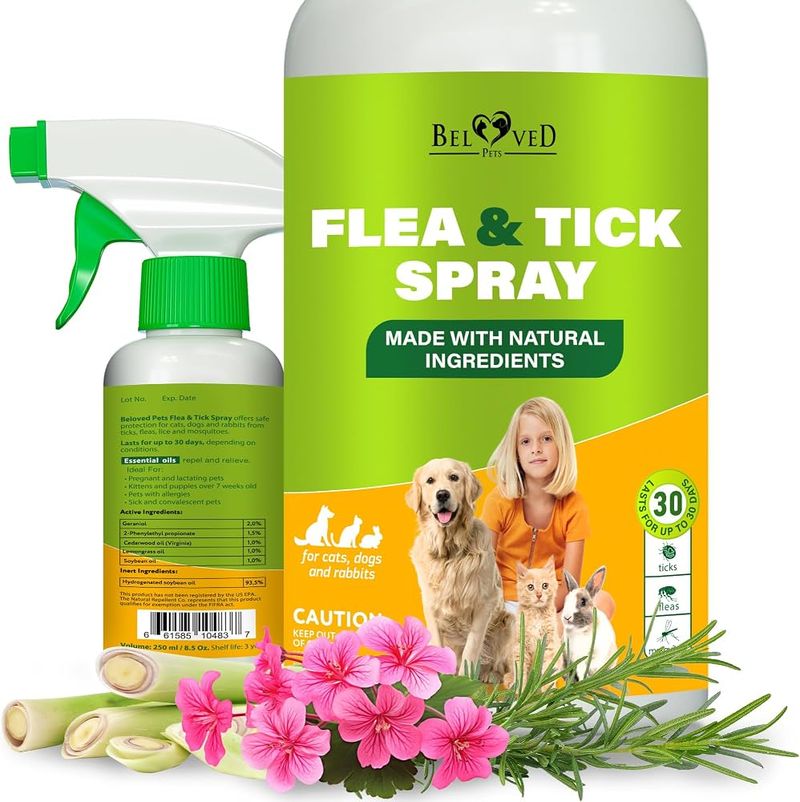
No amount of landscaping replaces what happens at the veterinarian’s office and in your home. CDC guidance on flea prevention recommends keeping dogs and cats on a veterinarian-approved prevention program year-round, following product directions carefully, and consulting your vet about the right product for each animal.
Flea populations can persist through North Carolina winters in protected indoor and outdoor environments, so seasonal-only treatment often leaves a window for reinfestation.
Product selection requires attention to species, age, size, and weight. EPA guidance on flea and tick products explicitly warns never to use a product labeled for dogs on a cat, and never to apply a product outside its labeled species, age range, or weight class.
Some ingredients that are tolerated by dogs can cause serious reactions in cats, so following the label is not optional. If you have both dogs and cats in your household, confirm with your vet that the products you choose are appropriate for each animal individually.
Indoor cleanup is equally non-negotiable. UC IPM’s flea management guidance and NC State Extension both emphasize that effective control requires treating pets, cleaning indoor resting areas, and washing or replacing pet bedding simultaneously.
Vacuuming carpets, upholstered furniture, and baseboards regularly removes flea eggs and larvae before they develop. Washing pet bedding in hot water and drying it on a high heat setting disrupts the cycle at the source.
Outdoor yard work without this indoor foundation leaves the most significant flea reservoir untouched.
Target identified or likely outdoor problem areas instead of the whole lawn

When fleas persist outdoors despite pet treatment and indoor cleaning, the response should be proportionate and precise. Texas A&M AgriLife Extension directs attention to the spots where pets actually spend time: bedding areas, the ground beneath decks, doghouses, shaded runs, and areas under dense shrubs.
Treating these identified or likely problem areas is more effective than blanket spraying across the entire lawn, and it reduces unnecessary exposure for people, pets, beneficial insects, and other wildlife.
Removing outdoor pet food at night is a simple step that discourages wildlife visits. NC State Extension Gardener’s pest alert advises this directly and also recommends limiting access to areas frequented by stray animals or wildlife.
Fencing, hardware cloth under decks, and removing brush piles or wood stacks near the house can reduce the chance that raccoons, opossums, rodents, or stray cats repeatedly move through the yard and reintroduce fleas.
Oregon State University Extension notes that common lawn pesticides can harm beneficial insects and pollinators, a concern that applies equally in North Carolina yards where native bees and other beneficials are active. EPA guidance reinforces the importance of reading and following every label instruction, including re-entry intervals and pet-safety precautions, before applying any outdoor product.
When the problem is persistent or widespread, consulting your local NC State Extension office or a licensed pest management professional gives you a more accurate assessment than guessing at treatment zones. Targeted, label-compliant treatment of identified hotspots is a more defensible approach than routine whole-lawn spraying.
Build a wildlife-friendly yard without promising a flea-free one
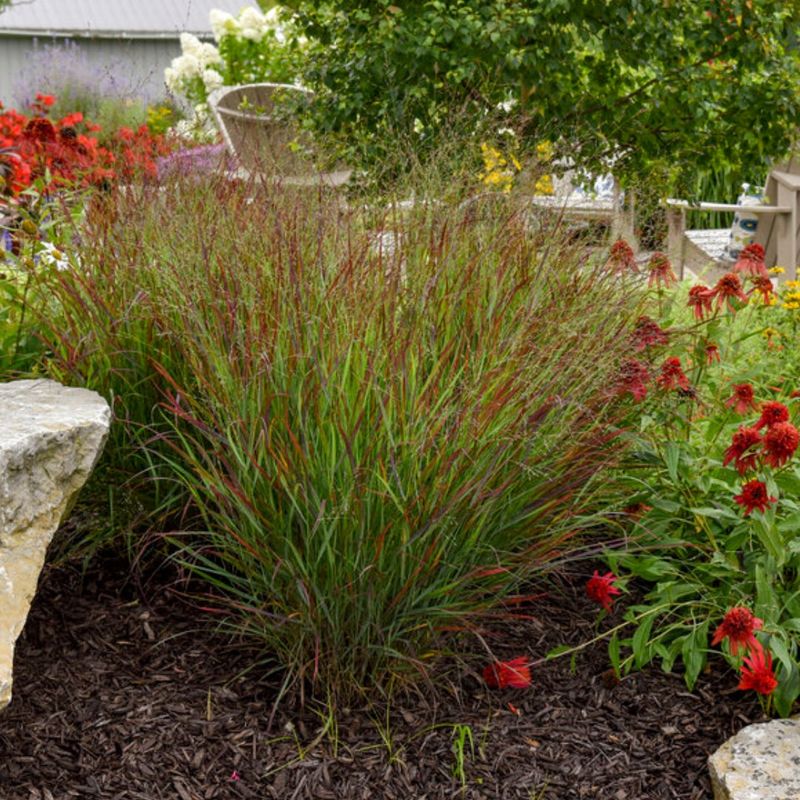
Switchgrass earns its place in a North Carolina yard through its ornamental structure, seasonal interest, and support for native wildlife, not through any pest-control function. NC State Extension Gardener’s ornamental grass resource describes native grasses like switchgrass as contributors to habitat value, erosion control, and lower-maintenance landscape design.
Those are real and worthwhile benefits that hold up without any flea-repellent claim attached.
A coordinated approach is what actually protects your pets. Keep dogs and cats on year-round, veterinarian-approved prevention as CDC recommends, clean indoor and outdoor resting areas consistently, limit wildlife and stray-animal access to your property, and treat identified or likely outdoor problem areas rather than assuming a planting will handle the job.
NC State Extension and its switchgrass plant profile both point in the same direction: choose plants for the right site and ecological role, then build flea management separately on proven practices.
The honest decision rule is straightforward: plant switchgrass in a full-sun border or rain garden where its height and clumping form work for your yard, protect your pets with veterinarian-approved products, and keep shaded resting zones clean and dry. A native landscape and a flea-managed yard are compatible goals, but they require different tools, and knowing which tool does which job is what keeps your animals genuinely safe.