
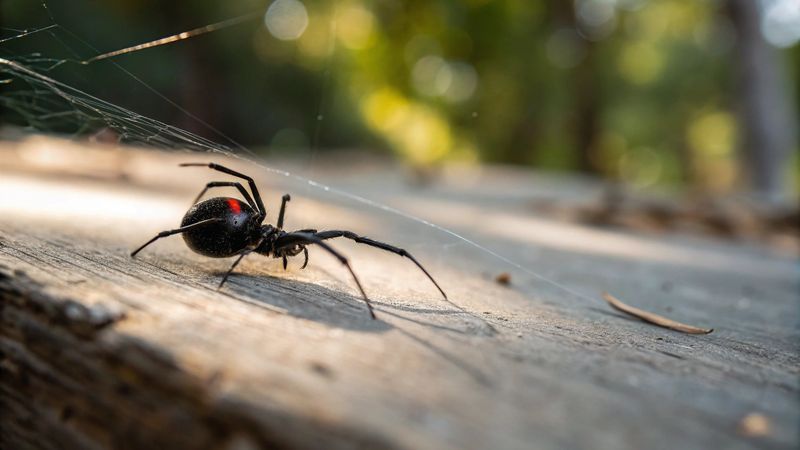
Black widows are real residents of North Carolina gardens, hiding in woodpiles, under pots, and inside stored gloves. Getting bitten while working outdoors is frightening, and knowing the right first move can make a meaningful difference in how the next hour goes.
The answer is not to wait and watch, and it is not one single action either – it is a short sequence of clear steps starting with the right phone call for your situation.
Choose the right first call for a suspected bite
Reaching for your phone is the right instinct the moment you suspect a black widow bite, but which number you dial first depends on what is happening right now. If the person is having trouble breathing, is collapsing, shows severe weakness, or has symptoms that are worsening rapidly, call 911 immediately.
Do not stop to look up another number or wait to see whether things settle down – emergency services come first when those signs are present.
When no immediate emergency is visible, the clearest first call is North Carolina Poison Control at 1-800-222-1222. Poison Control specialists can assess the situation using details you provide on the spot – the person’s age, current symptoms, how much time has passed since the bite, and what the spider looked like.
That case-specific guidance is more useful than a generic checklist because it accounts for real variables in your situation.
Poison Help is free, confidential, and available around the clock, so there is no reason to hesitate before calling. Keep in mind that calling Poison Control is the article’s clearest recommended first move when no emergency is present, but it is not the only thing to do.
While you are on the phone or waiting for a callback, MedlinePlus advises seeking immediate medical help for a suspected black widow bite, so arranging professional evaluation should happen alongside – not after – the call. Poison Control can help you decide whether that means driving to urgent care or calling 911.
Call 911 when serious symptoms appear
Not every suspected black widow bite requires an ambulance, and saying so plainly matters because unnecessary panic can cloud judgment. Severe outcomes are possible but not guaranteed, and many cases are managed with supportive care rather than emergency intervention.
What matters is recognizing the signs that do cross the line into emergency territory – and acting on them without delay.
Call 911 immediately if the person has trouble breathing, loses consciousness or collapses, develops severe or rapidly spreading muscle weakness, or shows any other serious systemic distress that is worsening by the minute. North Carolina Poison Control identifies spreading pain, severe muscle cramps, abdominal or back pain, nausea, heavy sweating, weakness, elevated blood pressure, and breathing difficulties as possible effects of black widow venom.
Any of those symptoms moving quickly toward the serious end of the scale is a reason to call emergency services right away.
A critical rule: do not delay calling 911 while trying to reach Poison Control. If the situation looks like an emergency, treat it as one.
Poison Control’s own guidance on black widow bites makes clear that severe effects are possible, and waiting to confirm a diagnosis before dialing 911 is the wrong trade-off when breathing or consciousness is at stake. Once emergency services are on the way, someone else in the household can contact Poison Control for additional guidance while help arrives.
Wash, cool, and steady the area while help is arranged
While you are making calls or waiting for guidance to arrive, a few simple steps at the bite site can reduce discomfort and keep the situation from getting worse. These actions do not replace medical advice – they run alongside it.
Starting them promptly means you are doing something useful during what might otherwise feel like helpless waiting.
Wash the bite area thoroughly with soap and water. MedlinePlus recommends this step as part of immediate bite care, and both the CDC and North Carolina Poison Control echo the same advice.
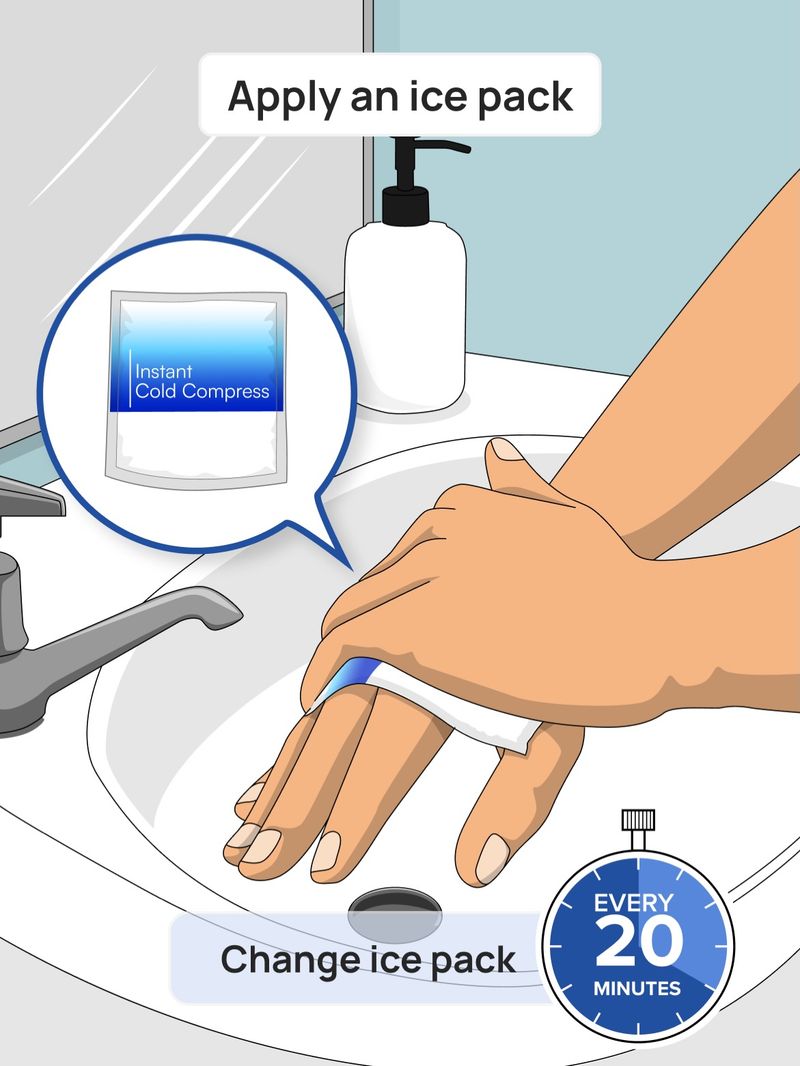
After washing, apply a cold damp cloth or an ice pack wrapped in a thin cloth – never place ice directly against skin. A 10-minutes-on, 10-minutes-off approach helps manage pain and limit swelling without causing frostbite or skin irritation.
Cold may ease discomfort, but it does not remove or neutralize venom, so do not rely on it as a treatment in itself.
Limit movement of the affected limb as much as practical, and elevate it gently if that is comfortable. Remove rings, bracelets, or any tight jewelry near the bite before swelling makes that harder to do.
CDC guidance for workers exposed to venomous spiders supports keeping the area still and avoiding unnecessary activity. Staying calm and seated also helps – moving around briskly increases circulation, which is not ideal while venom may be spreading.
Let the professionals direct next steps once you have made contact.
Do not wait for symptoms to become obvious
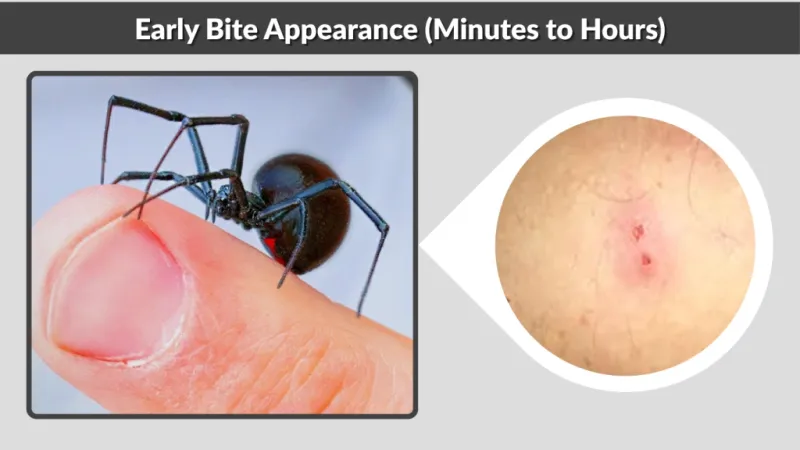
One of the most common mistakes after a suspected spider bite is deciding to watch and wait before doing anything. A bite that barely stings at first can still be a black widow bite, and the window for getting ahead of the symptoms is shorter than most people assume.
North Carolina Poison Control notes that symptoms typically begin within the first three hours, though the initial bite may cause little pain or go unnoticed entirely. Pain and cramping can start at the bite site and then spread toward the abdomen, back, chest, or limbs – sometimes making it feel like a separate problem rather than a reaction to the bite.
By the time those spreading symptoms are obvious, time has already passed.
Contact Poison Control or a healthcare professional as soon as a bite is suspected, not after symptoms escalate. MedlinePlus advises seeking immediate medical help for any suspected black widow bite, regardless of how mild it looks at the start.
If you have already called and symptoms change – new pain locations, increased cramping, nausea, sweating – report those changes promptly. The symptom timeline is not a waiting period; it is a reason to stay in contact with professional guidance throughout.
Treat the spider as a clue, not a diagnosis

Spotting a dark spider near the bite site feels like confirmation, but spider identification is genuinely difficult – even for experienced observers. Rushing to conclude that a bite is definitely from a black widow can lead to overconfidence in one direction or the other, and neither outcome helps the person who was bitten.
A prospective emergency-department study found that only 3.8% of patients presenting with a self-reported spider bite were actually diagnosed with one; 85.7% were diagnosed with skin and soft-tissue infections instead. That does not mean spider bites never happen – it means the label “spider bite” gets applied far more often than it is confirmed.
Treating the wound as a suspected bite, rather than a certain one, keeps the medical evaluation open and accurate.
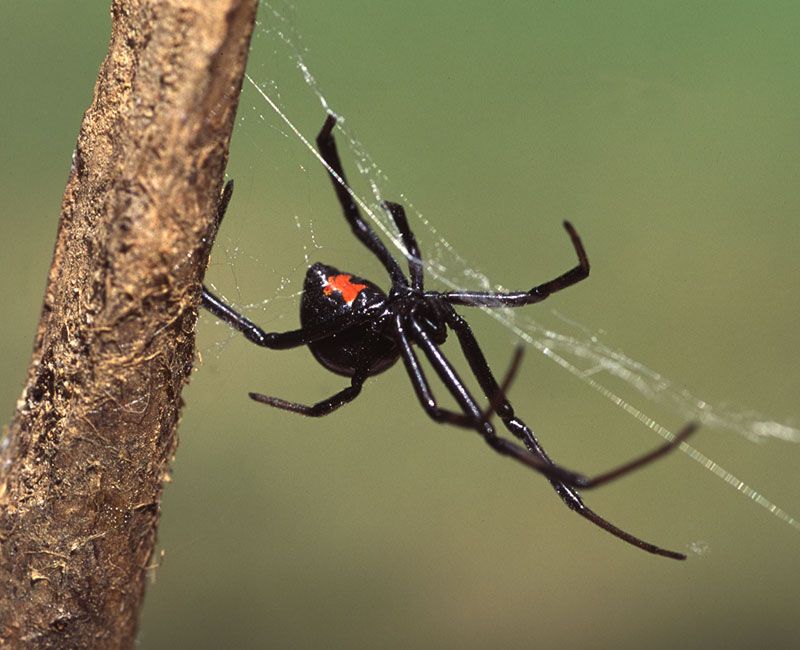
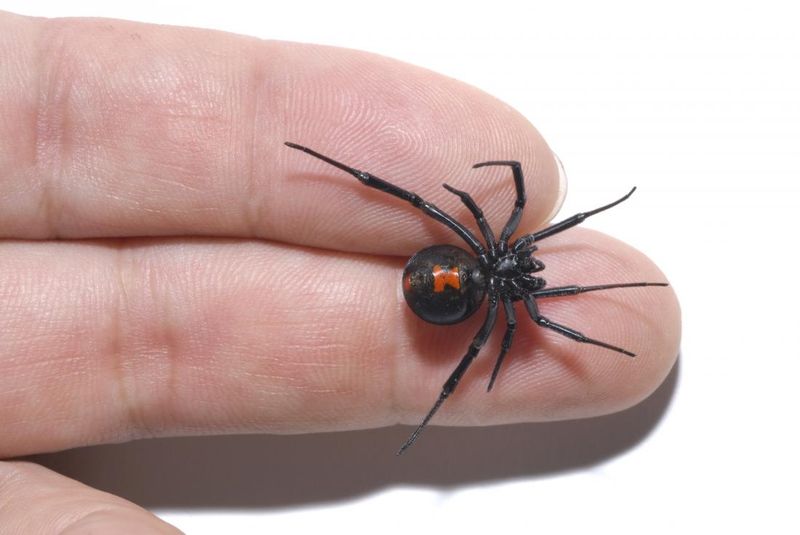
NC State Extension identifies both southern and northern black widows in North Carolina, along with brown widows, which are less common. Markings vary by species, sex, and age – young spiders and males can look quite different from the classic shiny black female with a red or orange hourglass.
NC State researchers caution against treating the hourglass as a foolproof test. If the spider is still visible, photograph it from a safe distance using your phone’s zoom – that image may help medical staff later.
CDC guidance is clear: never pick up, trap, or handle a live or dead spider.
Let clinicians decide on treatment and follow-up
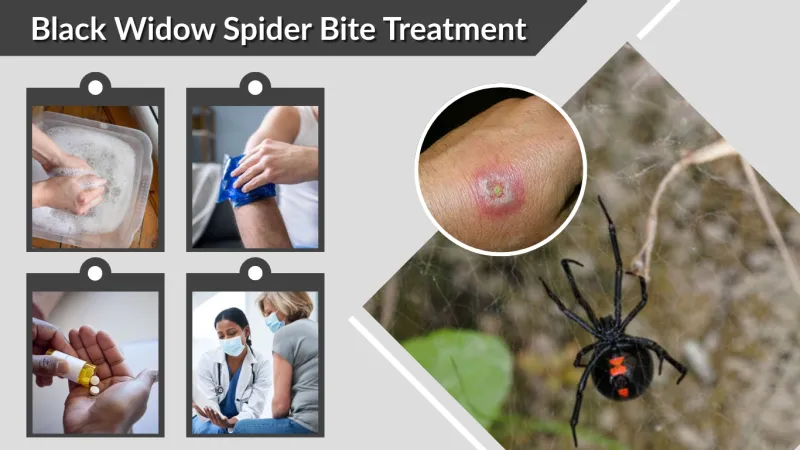
Getting to a healthcare provider is not just about reassurance – it adds real medical value that first aid at home cannot replicate. A clinician can examine the wound, monitor vital signs, order labs if needed, and make treatment decisions based on the full picture of what is happening in the person’s body.
A published review of black widow spider bite management describes treatment as generally supportive, meaning clinicians focus on controlling symptoms rather than reversing the venom directly. Pain control, muscle relaxants, and sedatives are among the tools available.
Antivenom exists and can be effective, but it is reserved for more serious or treatment-resistant cases and must be administered by medical professionals – it is not something to seek out or request based solely on a suspected bite at home.
Ask the treating provider about tetanus status while you are there. CDC occupational guidance advises keeping tetanus boosters current for workers exposed to spider bites, and a clinician can review vaccination history and recommend a booster if appropriate.
Do not make that call yourself based on generic advice. Young children, older adults, and pregnant people may need particular urgency or closer monitoring – MedlinePlus notes that pregnancy-related contractions can occur, while Poison Control identifies children and older adults as groups at greater risk of serious effects.
If the bitten person falls into any of those categories, lean toward earlier and more thorough evaluation rather than waiting to see how things develop.
Reject folk remedies and misleading assumptions
Bad advice travels fast after a frightening moment outdoors, and some of the most commonly repeated suggestions for spider bites are not just unhelpful – they can make things worse. Knowing what not to do is just as important as knowing the right steps.
Do not cut the skin at or near the bite. Do not try to suck out venom with your mouth or a suction device.
Do not apply a tourniquet to the limb. Do not use electric shock in any form.
Cleveland Clinic’s guidance on black widow bites specifically warns against attempting to remove venom – cutting or suction can deepen the wound, introduce infection, and expose anyone helping to additional risk. None of those methods have medical support.
Do not wait to see whether symptoms show up before contacting Poison Control or a medical provider. MedlinePlus is direct that a suspected bite warrants prompt professional attention, not a monitoring period at home.
Do not self-prescribe pain relievers, antihistamines, or other medications based on generic internet searches – dosing and appropriateness depend on the individual’s age, health, and current symptoms, and that decision belongs with a clinician or Poison Control.
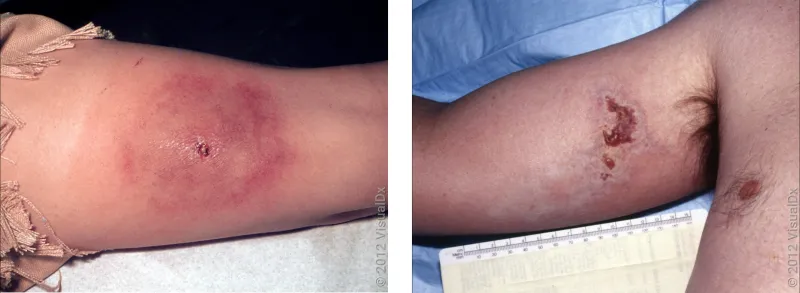
If a skin sore appears days later and it is growing, warm to the touch, draining fluid, or forming an ulcer, do not assume it is a normal black widow reaction. That pattern is more consistent with infection or another diagnosis and needs medical evaluation.
Finally, Poison Control notes that severe effects are possible but fatal outcomes are rare – so take the bite seriously without assuming the worst.
Reduce encounters in the North Carolina garden
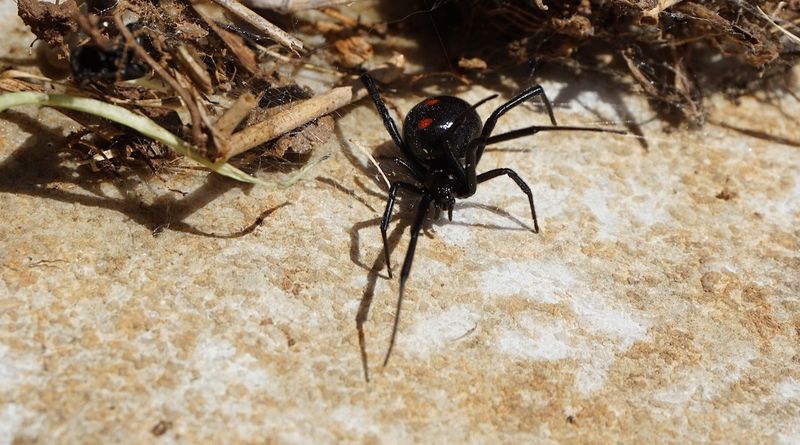
Black widows are not aggressive, but they share the same spaces where gardeners reach, lift, and rummage. Understanding where they prefer to hide makes it easier to build habits that lower the chance of an accidental encounter.
Woodpiles, sheds, crawl spaces, dense low-growing vegetation, stored boots, gloves left sitting in the garage, and equipment that has not been moved in weeks are all potential hiding spots. MedlinePlus identifies dark, sheltered, undisturbed locations as typical black widow habitat – exactly the corners of a working garden.
Before putting on gloves or shoes that have been stored, shake them out firmly and check inside. Wear gloves whenever moving wood, mulch, pots, or debris.
CDC guidance for outdoor workers reinforces those same precautions as practical, supported measures for reducing exposure.
Check stored items before use, especially at the start of gardening season or after equipment has sat untouched for a while. These habits cost almost nothing and significantly reduce the odds of a surprise contact.
And if a bite does happen despite all precautions: call 911 for trouble breathing, collapse, or rapidly worsening symptoms – and call Poison Control at 1-800-222-1222 for prompt, case-specific guidance when no immediate emergency is present. Prevention is the easier path, but knowing the right response is the backup every North Carolina gardener should carry.