
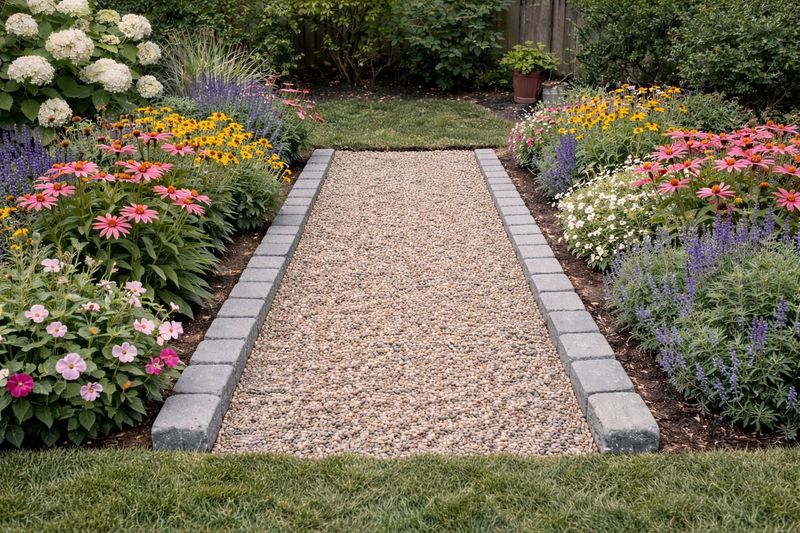
A gravel path looks tidy in October, but by April it can look like a green carpet of chickweed and crabgrass. In North Carolina, many of those spring weeds actually sprout in fall and winter, quietly waiting for warm weather.
That means the best time to stop them is now, before the first freeze rolls in. A few simple fall tricks can save you hours of pulling and keep your paths clean when spring arrives.
1. Pull Cool-Season Weeds While They Are Tiny
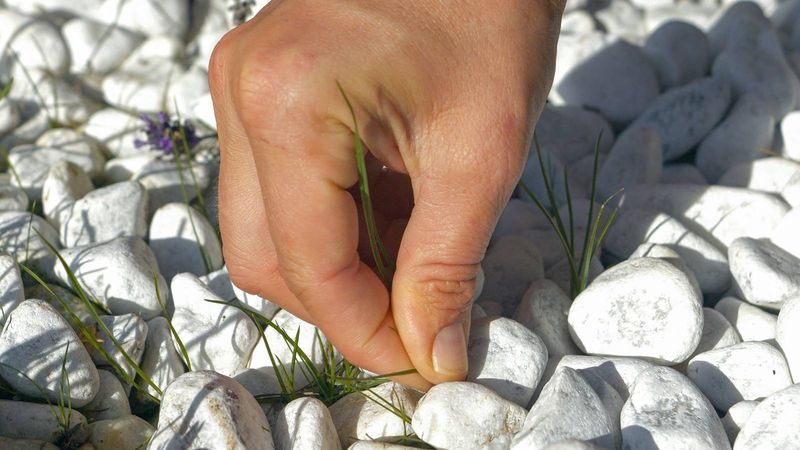
Henbit, chickweed, and annual bluegrass are sneaky. They germinate in North Carolina gravel from late September through November, when soil cools and fall rains return.
At this stage, the seedlings are about the size of a fingernail, and their roots barely grip the gravel. A quick weekly walk with a hand weeder can clear a whole path in minutes.
Wait until March, and those same plants may be blooming and dropping seed for next year.
Mountain gardeners usually see these sprouts a few weeks earlier, while coastal plain paths may keep sprouting into December. Pick a regular day, grab a coffee, and make it a short habit rather than a big chore.
2. Rake Leaves Off the Gravel Every Week
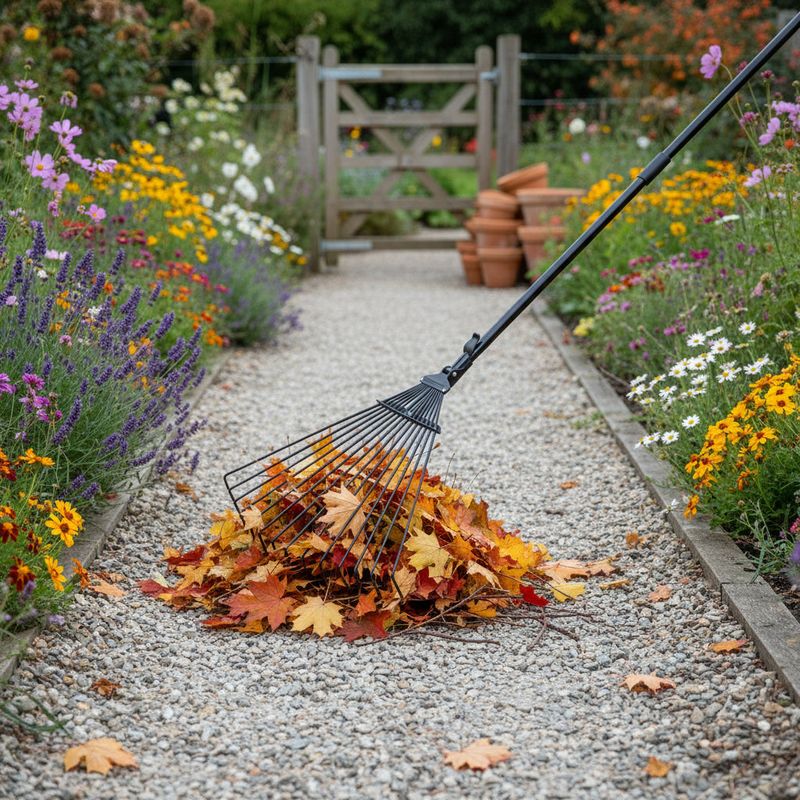
Picture a gravel path under a big red maple in November. Within two weeks, the stones disappear under a soggy blanket of leaves.
That blanket breaks down into rich organic matter, which is basically potting soil sitting on top of your gravel. Weed seeds love it.
Clearing leaves weekly with a leaf rake or blower keeps the path lean, dry, and unfriendly to new sprouts.
The good news is that those leaves are valuable elsewhere. Pile them under shrubs or along native beds, where they can shelter overwintering fireflies, butterflies, and beneficial insects.
Your path stays clean while your garden gets free mulch.
3. Apply a Fall Pre-Emergent at the Right Time
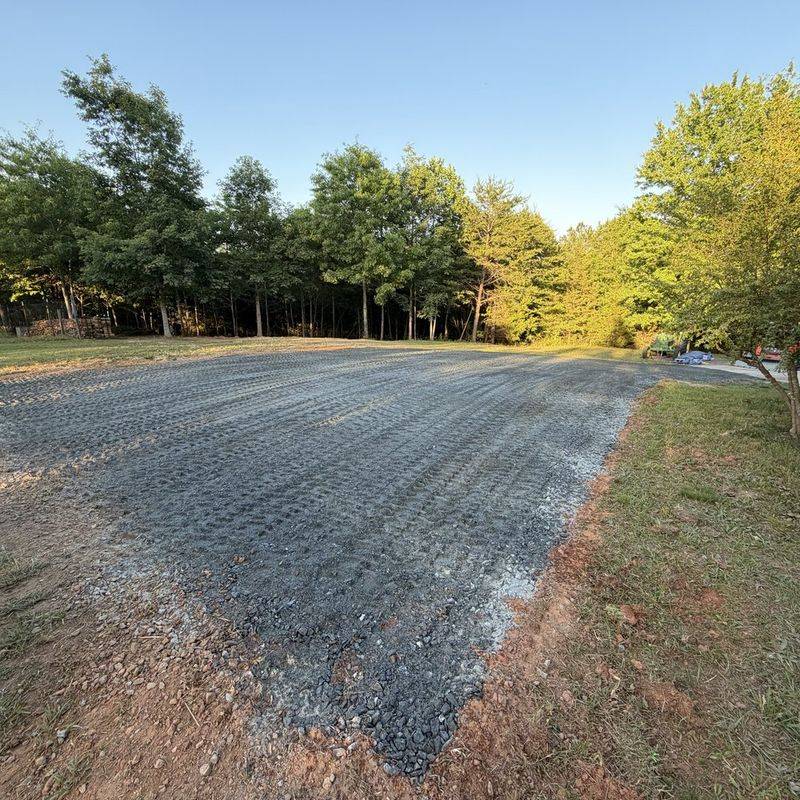
Timing is everything with pre-emergents. These products work by stopping seeds from developing roots, so they do nothing against weeds that are already up.
In much of North Carolina, the fall window falls roughly in mid-September to early October, when nighttime temperatures start dipping into the 50s and 60s. Mountain areas may need it a bit earlier, while the coast can often wait a little longer.
A light watering afterward usually helps activate the product.
Corn gluten meal is a gentler option some gardeners like, though results tend to be modest. Whatever you choose, follow the label closely and keep it off nearby flower beds where you plan to sow seeds.
Used well, a fall application can noticeably reduce the winter weed crop.
4. Top Off Thin Gravel
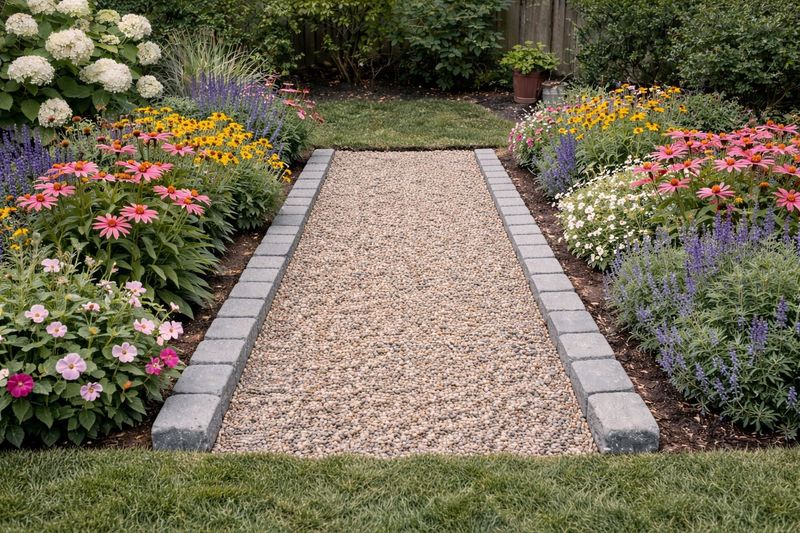
Thin gravel is an open invitation. When the stone layer wears down to an inch or less, sunlight reaches the soil, and seeds find an easy home.
Most gravel paths look best and resist weeds better with about 2 to 3 inches of stone. Fall is a smart time to add more, since the weather is mild and garden centers often have plenty in stock.
Rake the new gravel evenly so there are no bare low spots.
Here’s a fun detail: Red clay soil, famous across the Piedmont, slowly works its way up into gravel after heavy rains. A fresh top layer buries that clay again and gives the path a crisp, just-finished look by spring.
5. Check and Repair Landscape Fabric
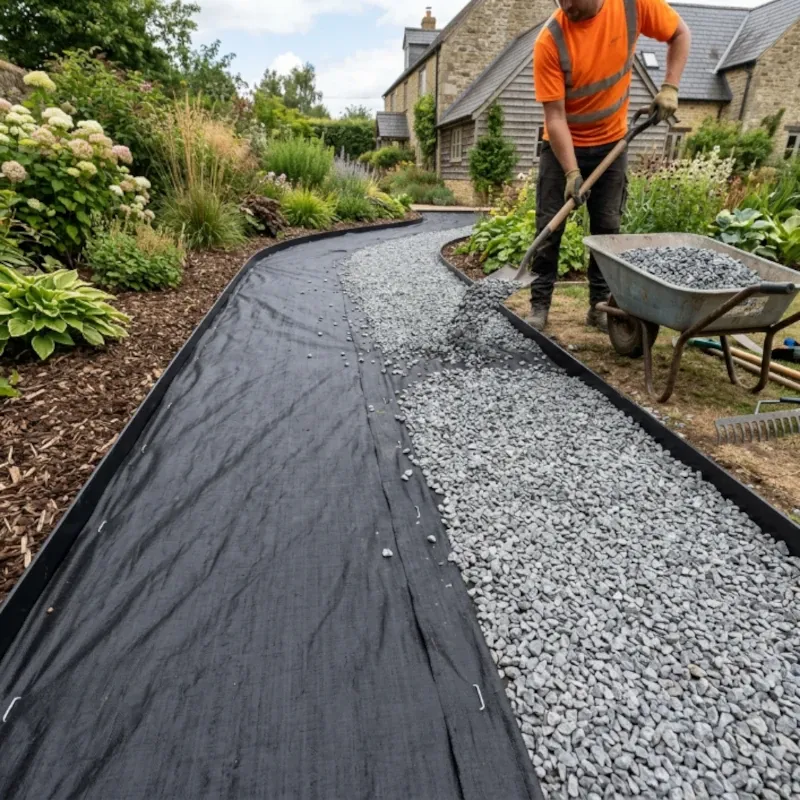
Ever notice weeds growing in a perfect line? That usually means a tear or gap in the fabric underneath.
Landscape fabric under gravel can help block weeds coming up from the soil, but it isn’t forever. Edges pull loose, roots poke through, and soil can build up on top.
In fall, rake gravel back from problem spots and look for holes.
Patch tears with an overlapping piece of fabric and pin it with landscape staples. Then replace the gravel.
A pro tip from experienced gardeners: overlap seams by at least 6 inches so weeds cannot find a seam to slip through.
6. Install or Fix Path Edging
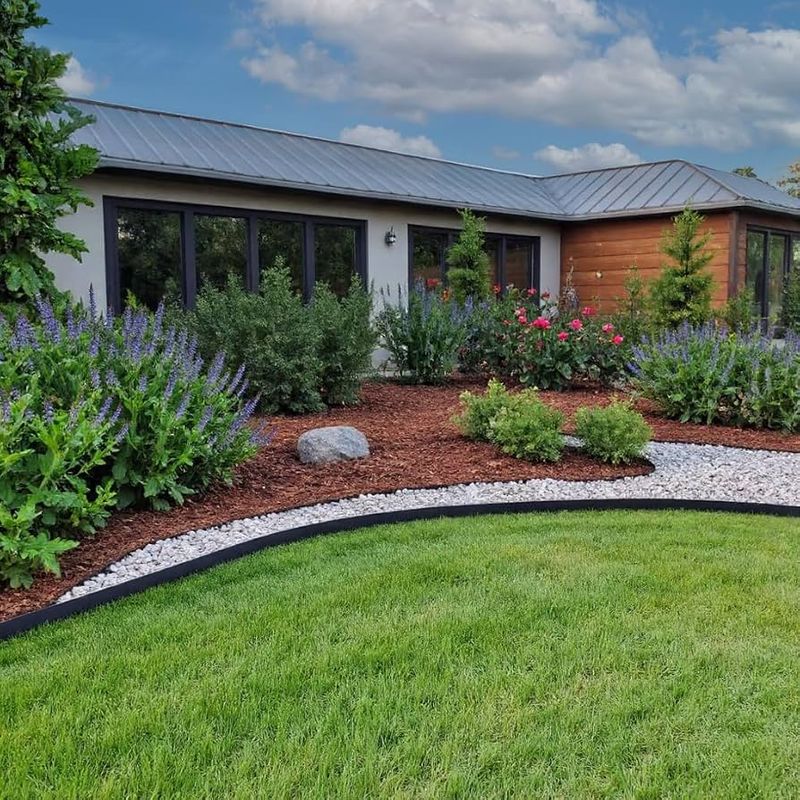
Grass is a terrible neighbor to gravel. Bermuda grass in particular, common across North Carolina lawns, sends runners right into paths and spreads fast.
A sturdy edge of steel, stone, or brick creates a barrier that may slow those runners down. Aim for edging that sits a few inches deep in the soil.
Shallow plastic strips often heave up over winter freezes.
Fall works well for this job because the soil is softer after rain, and you are not racing summer heat. Once edging is in, a quick trim along the line every few weeks keeps things sharp.
Your neighbors will notice the curb appeal too.
7. Use Boiling Water or Vinegar on Spot Weeds
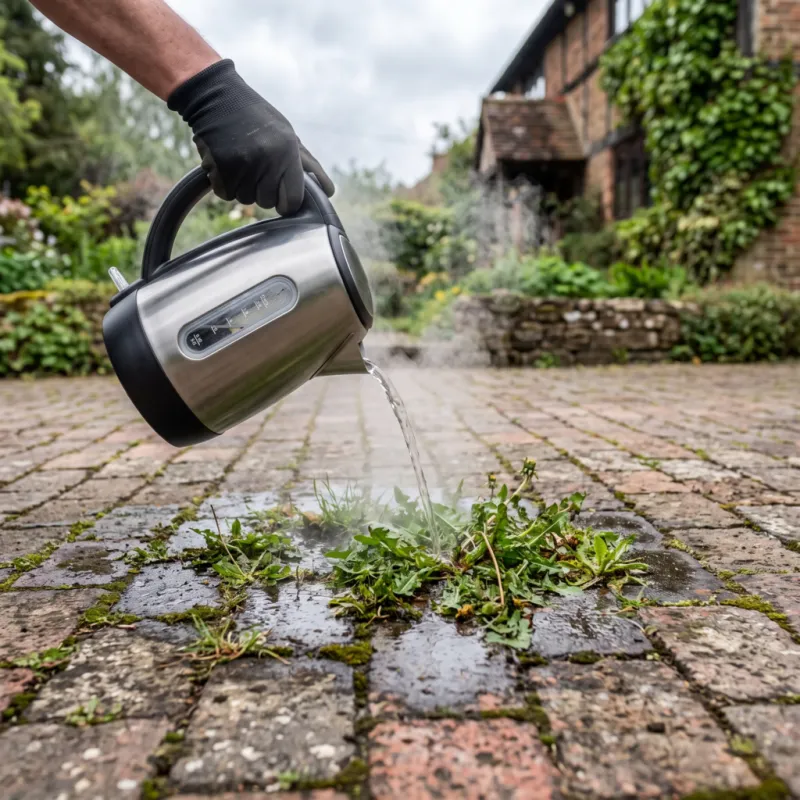
Got a few stubborn weeds and no desire to haul out chemicals? Your kitchen kettle might help.
Pouring boiling water directly on weeds in gravel can scald the leaves and young roots. It works best on small annual weeds and needs repeating for tough perennials like wild garlic.
Horticultural vinegar is another option, though household vinegar is often too weak to do much.
Both methods are non-selective, so keep them away from nearby plants you love. Gravel is the perfect place for this trick because there are no roots you want to protect.
Stick to calm days, wear closed shoes, and pour slowly.
8. Plant Native Groundcovers Along Path Edges
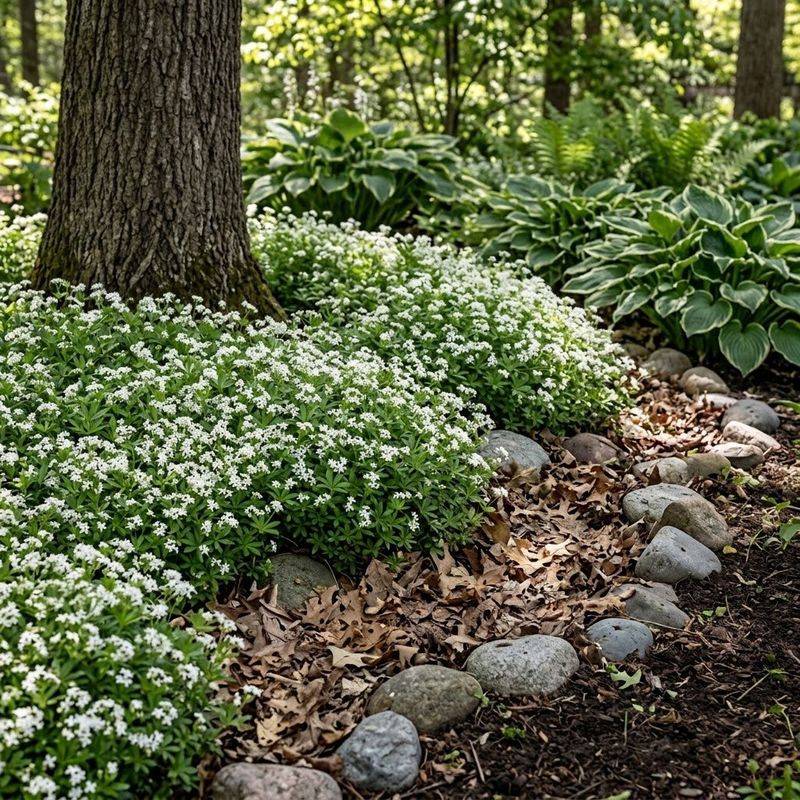
Bare soil is a weed’s best friend, and many gravel paths are lined with empty strips. Filling those edges with native groundcovers can crowd out weeds before they spread onto the stones.
Green and gold, moss phlox, and native sedges like Pennsylvania sedge are solid North Carolina choices. They handle local soils and give pollinators something to visit in spring.
Skip invasive options like English ivy or vinca, which can become a bigger problem than weeds.
Fall planting gives roots time to settle before summer heat, especially across the Piedmont and coast. By next spring, your path may have soft green borders, fewer weeds, and a little more life for bees and butterflies.