
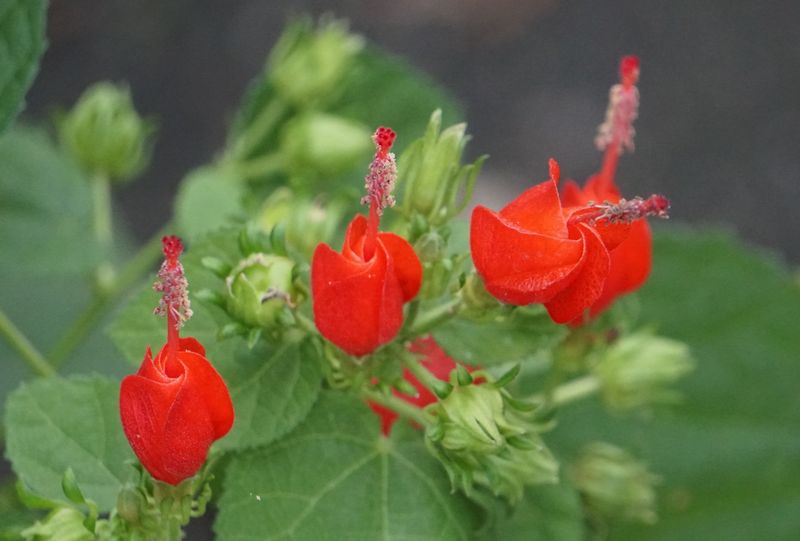
By late August, a lot of Texas yards look tired, crispy, and ready to give up. But when the first cool front rolls through and a little rain falls, some native plants wake up fast and put on a second show.
Knowing which ones rebound quickest helps you skip replacing plants and enjoy color, blooms, and wildlife all the way into November. Here are ten Texas natives that tend to snap back first once triple-digit days finally fade.
1. Cenizo (Texas Sage)
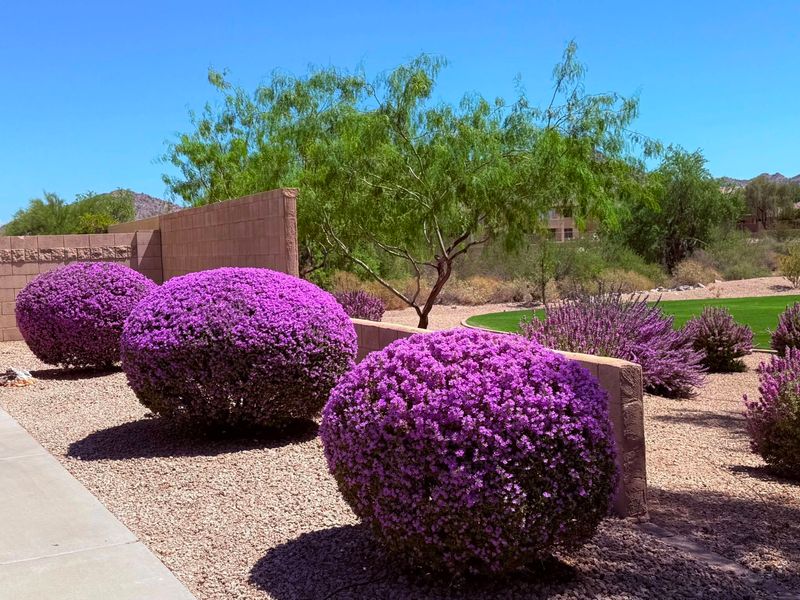
Old-timers call it the barometer bush, and for good reason. Cenizo can sit silver and quiet for weeks, then burst into purple flowers within days of a good rain or a humidity spike.
That fast flowering response makes it one of the most dramatic rebounders in any Texas landscape. It handles alkaline soils, reflected heat from driveways, and strict watering schedules without much fuss.
Plant it in full sun with sharp drainage, and skip the fertilizer. Too much water or rich soil may actually make it leggy and less likely to bloom after those fall storms.
2. Turk’s Cap
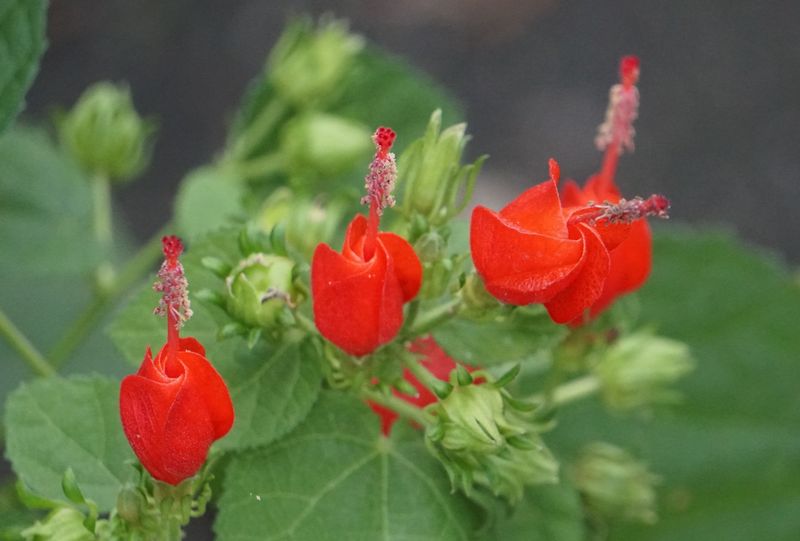
Shade gardeners, this one is your secret weapon. Turk’s cap often wilts and drops a few leaves in August, especially in dry spots, yet perks up almost overnight once nights cool into the 70s.
Its little red swirled blooms keep coming into fall, right when migrating hummingbirds pass through Texas. Butterflies and bees visit too, and birds eat the small red fruits later.
Give it a deep soak after the heat breaks and trim any scraggly stems. It grows well under oaks, along fences, and in clay soils where fussier plants struggle.
3. Gregg’s Mistflower
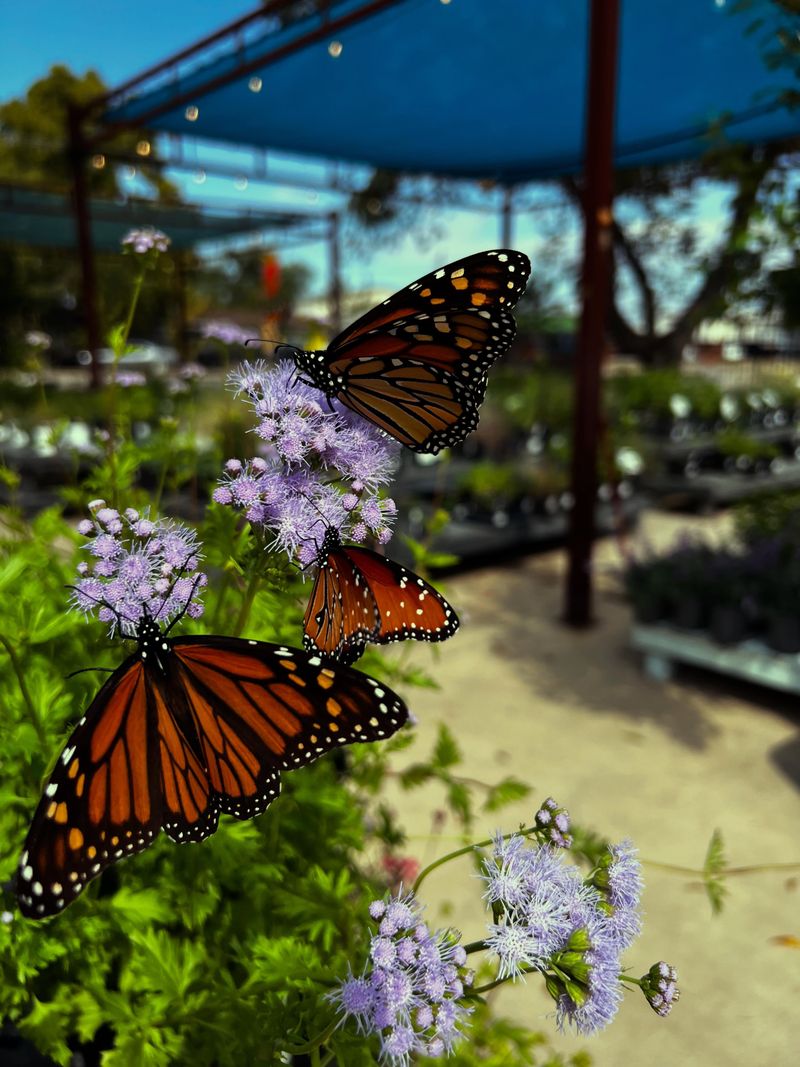
Want to see a butterfly cloud? Plant Gregg’s mistflower and wait for October.
The fluffy lavender blooms pull in queen butterflies, monarchs, and skippers by the dozen.
During peak summer it may look a bit thin and stop flowering. A light shearing in late August, plus the first cooler stretch, usually triggers a flush of new growth and heavy blooming within a couple of weeks.
It spreads by roots, so give it room or use it as a groundcover near a sidewalk. It’s especially valuable along monarch migration routes through Central and South Texas.
4. Autumn Sage (Salvia greggii)
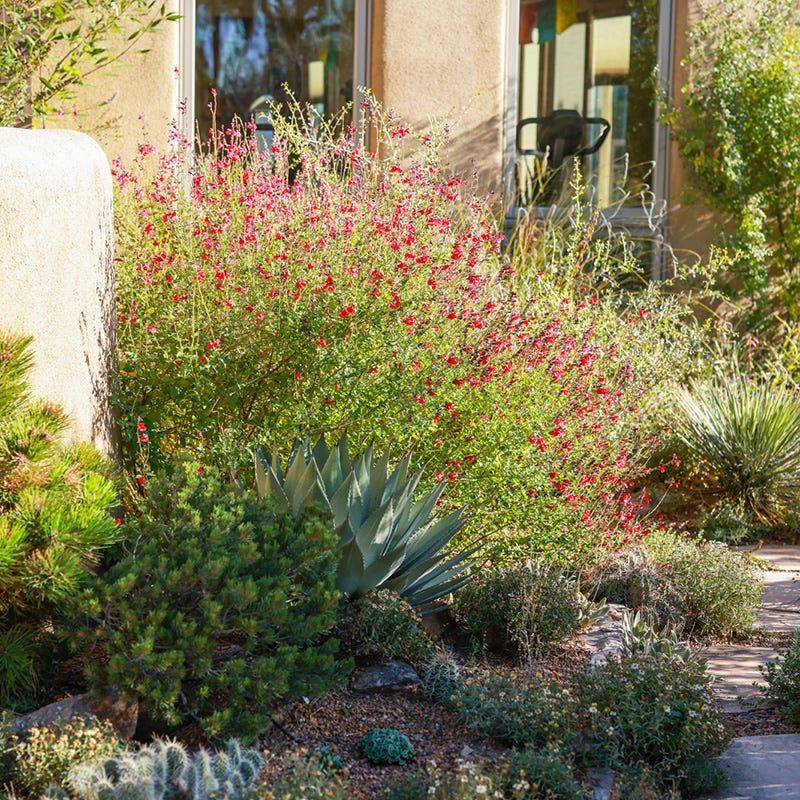
The name gives it away. Autumn sage blooms off and on all year, but fall is when it truly shines.
Hot summers often slow it to a few scattered flowers. Once temperatures drop, the small shrub fills back out with red, pink, coral, or white blooms that hummingbirds chase all day.
A quick trim of about one-third in late summer may help it come back fuller. It thrives in rocky, well-drained soil and handles deer pressure better than many flowering shrubs, which matters in Hill Country neighborhoods.
5. Blackfoot Daisy
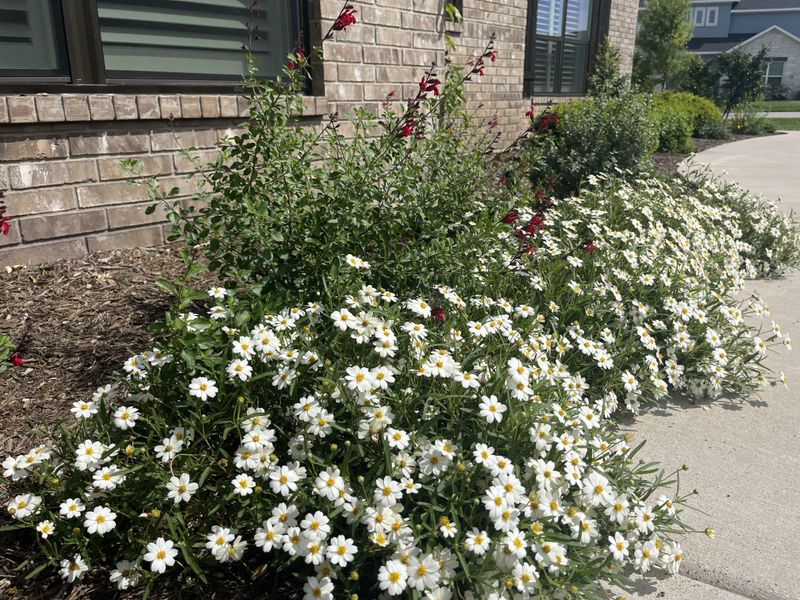
Small but tough as boot leather, blackfoot daisy grows in places that would cook most flowers. Think gravel beds, rock gardens, and hot curbside strips.
It keeps a low profile through extreme heat, then covers itself in honey-scented white daisies when fall arrives. The mound stays only about a foot tall, so it works nicely at the front of a border.
The main way to lose it is overwatering. Let the soil dry out between drinks, and it will reward you with blooms until the first hard freeze.
6. Fall Aster
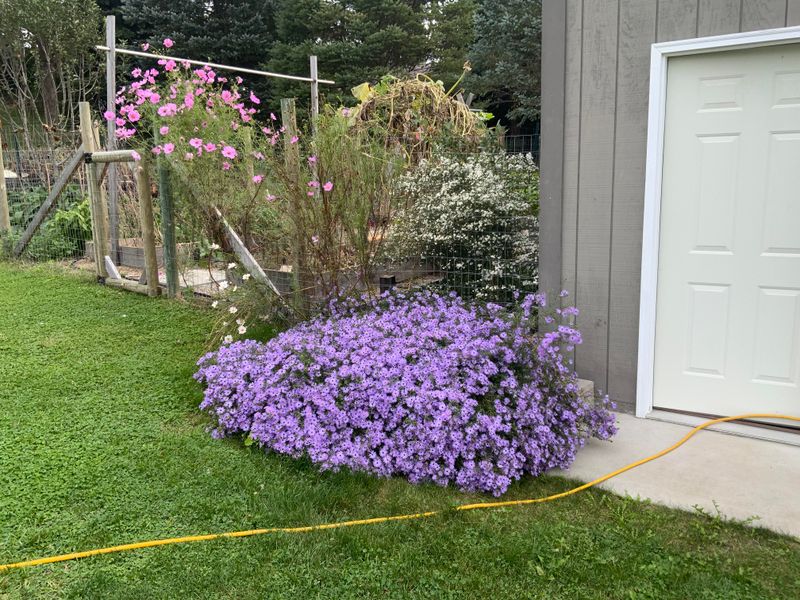
Picture a green mound that sits quietly all summer, then turns completely purple in October. That’s fall aster, and it surprises neighbors every year.
Since it naturally waits for shorter days to bloom, summer heat barely affects its fall show. It holds steady through drought, then explodes with daisy-like flowers just as most gardens fade.
Pinch it back a couple of times before mid-July to keep it compact. Pair it with yellow-blooming natives for a classic Texas fall combo near a porch or mailbox.
7. Flame Acanthus
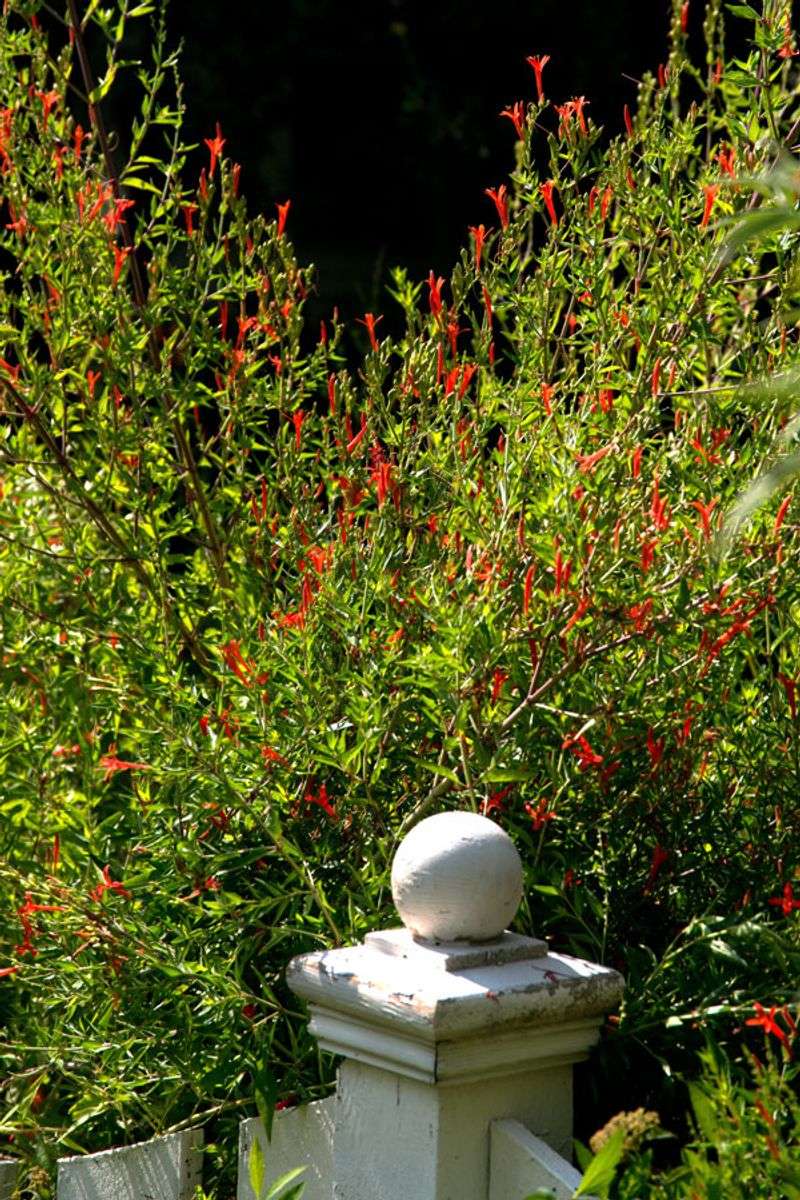
Hummingbird fans across Texas swear by flame acanthus. Its orange tube-shaped flowers are like a fuel station during fall migration.
The shrub handles drought and heat well, though blooming can slow in the worst stretches. After the heat breaks, it often pushes out fresh flower clusters quickly, sometimes within a week of a soaking rain.
It grows 3 to 5 feet tall and wide in full sun. Cut it back hard in late winter so you get a bushy, flower-packed plant for the next season.
8. Zexmenia
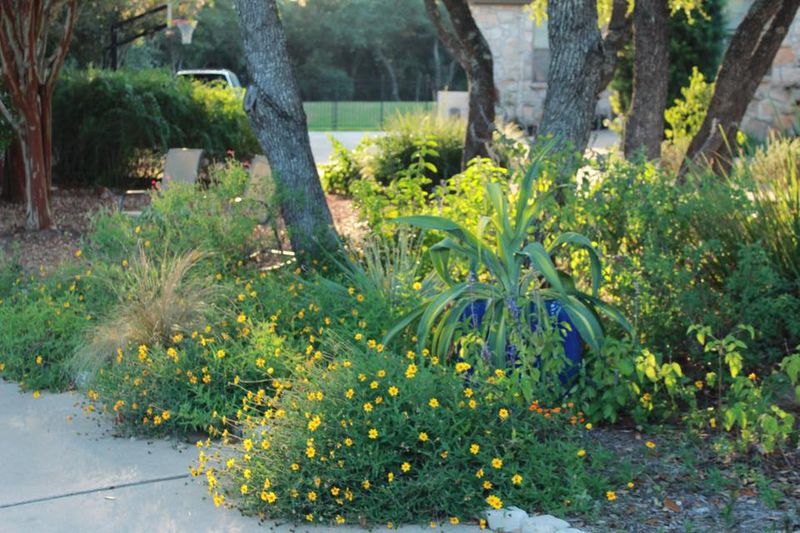
Here’s a plant few people know by name, though plenty of Texans have walked past it on roadsides. Zexmenia makes cheerful orange-gold daisies on a low, spreading shrub.
It may go a little dormant during the hottest weeks, looking dull and sparse. Cooler weather and a bit of moisture bring it back in a hurry, often covered in flowers again by mid-September.
It’s deer-resistant, drought-tough, and good for slopes where you want color without weekly watering. Butterflies like it, too.
9. Lindheimer’s Muhly
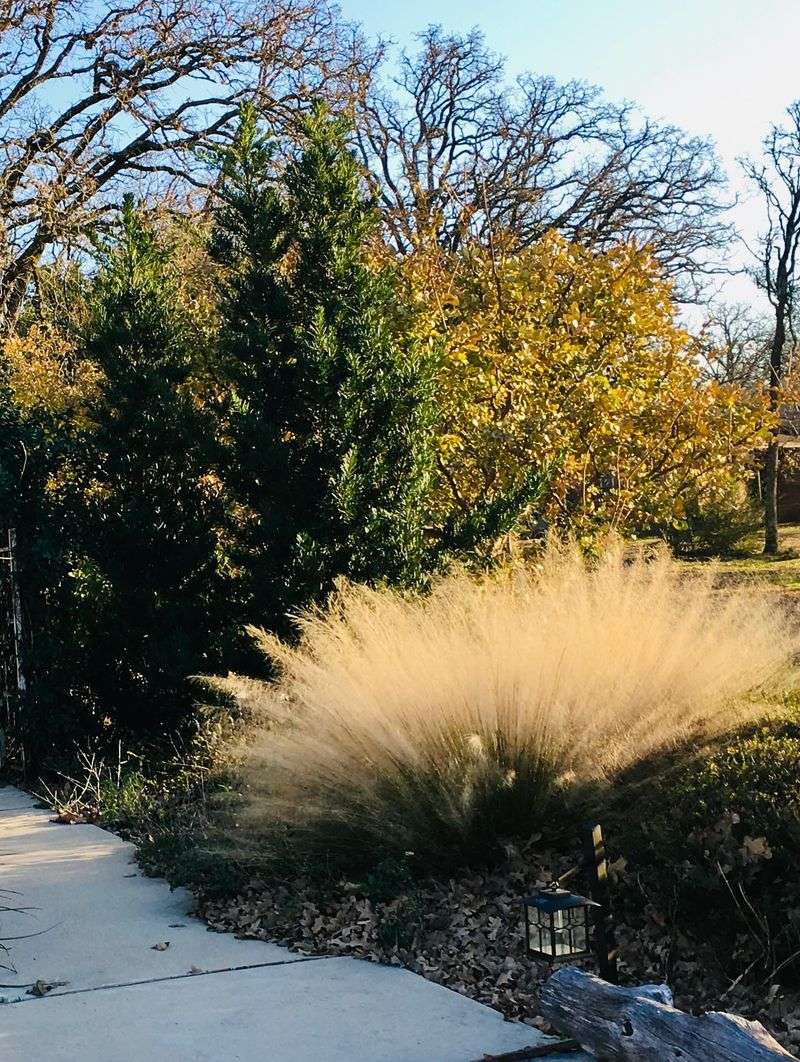
Grasses deserve a spot on this list, and Lindheimer’s muhly earns it with style. In fall, it sends up tall silvery plumes that glow in the evening light.
All summer it holds its blue-green fountain shape even with limited water. Then cooler days trigger those airy seed heads, giving the yard movement and texture fast.
Use it as a screen, a lawn alternative focal point, or a soft backdrop for flowers. Birds may pick at the seeds in winter, adding another small wildlife payoff.
10. Frostweed
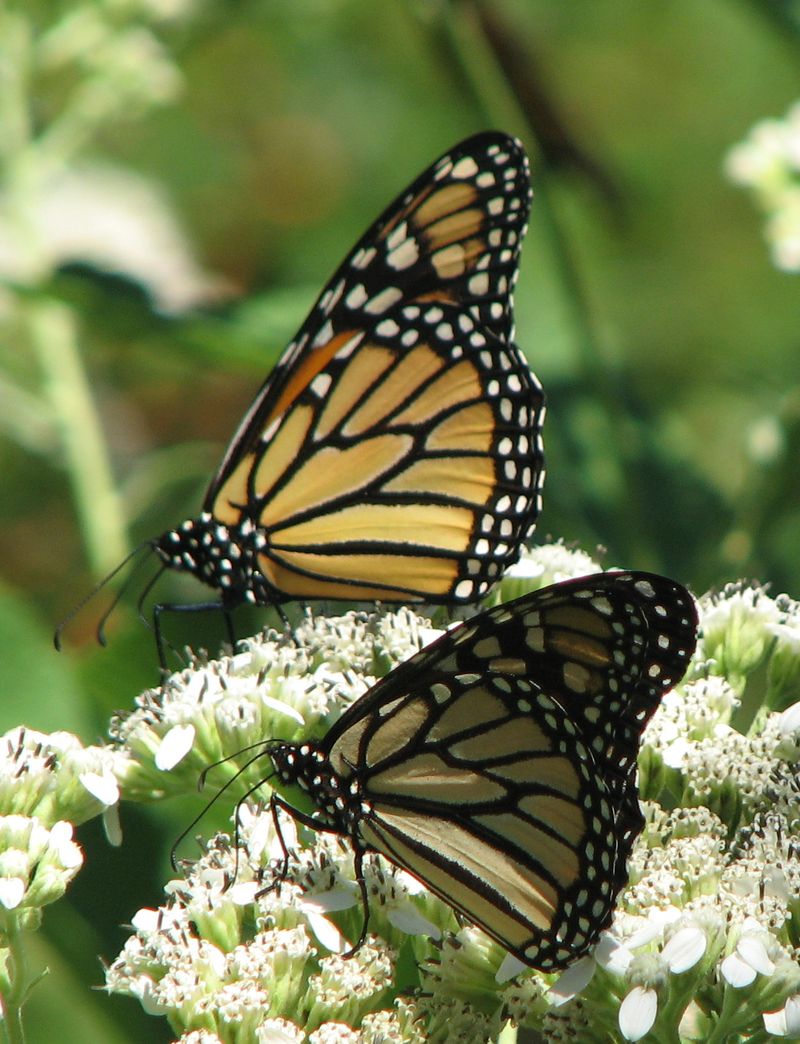
Monarchs passing through Texas in October often head straight for frostweed. The tall plant’s white flower clusters are one of their favorite nectar stops.
It may look floppy in late summer, especially in part shade. Once the heat lifts, it grows quickly and blooms heavily right on time for migration.
Fun fact: on the first freeze, its stems can split and push out curly ribbons of ice. Plant it along a shady fence line and enjoy both the butterflies and the winter surprise.