
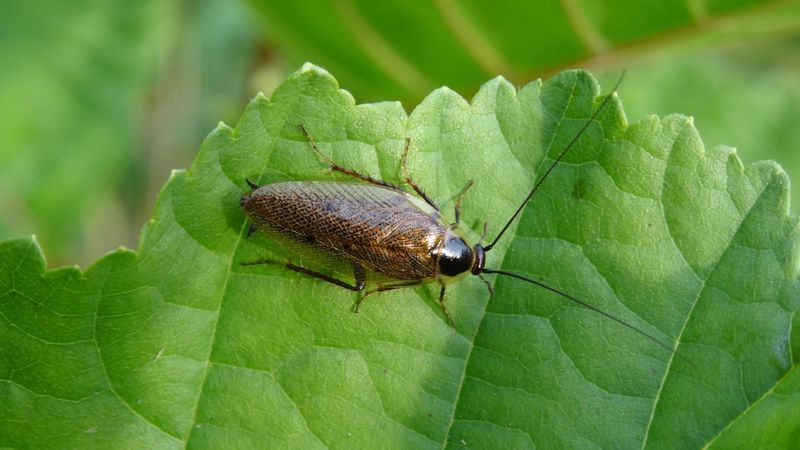
A popular claim circulating among Texas homeowners says that placing a certain porch plant near your front door will make cockroaches stop in their tracks before they ever get inside. That idea sounds appealing, but the real story is more complicated and more useful.
Understanding what the research actually shows, and which steps genuinely reduce roach entry, can save you frustration and keep your threshold properly protected.
Mint may decorate the entry, but it is not a proven roach barrier
Right away, one thing deserves to be said plainly: the article title overstates what the evidence supports. No available research shows that a living mint plant causes cockroaches to refuse crossing between a yard and a front door.
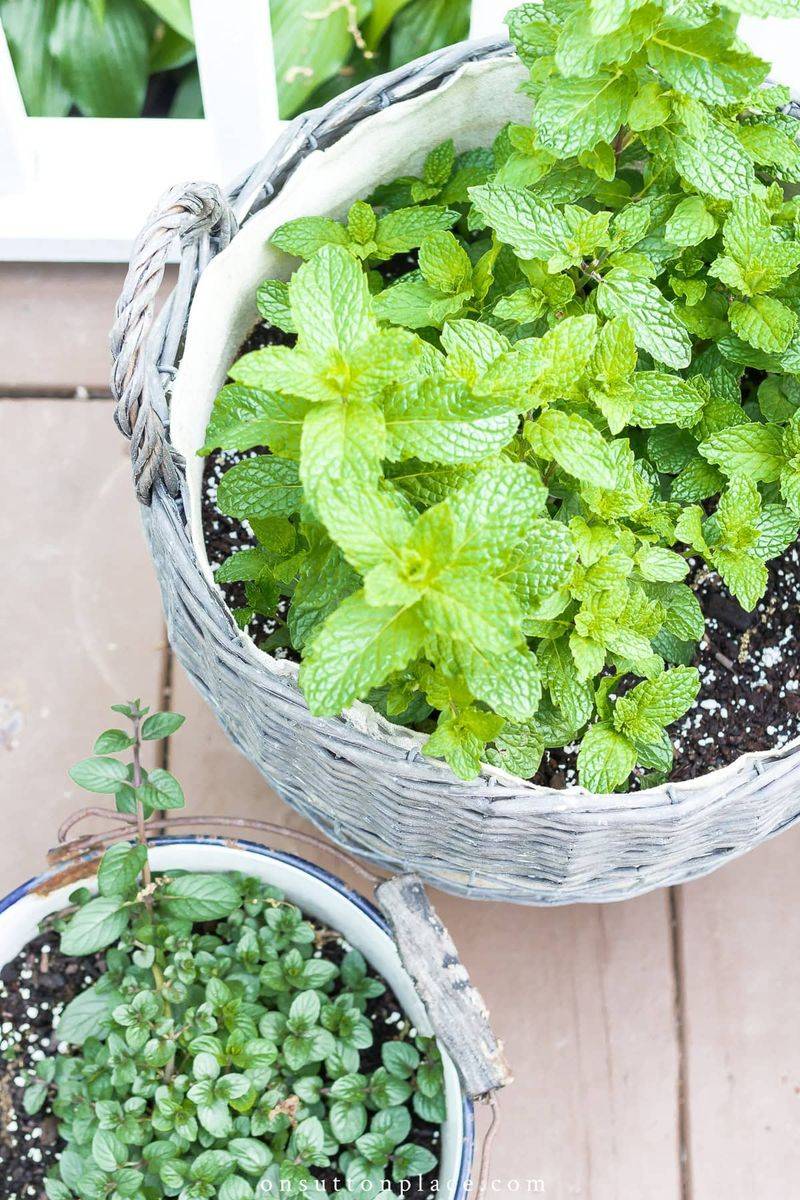
Readers who enjoy the look and fragrance of mint are welcome to place a container-grown spearmint plant near the approach to their front entry, but that choice belongs in the category of ornamental gardening, not pest control.
If you do decide to grow a pot of spearmint, keep it roughly 1 foot from the structure. That distance follows a general vegetation-clearance guideline, cited by Texas A&M school IPM guidance, that recommends keeping plants away from walls and foundations to avoid creating contact with the structure or providing damp, sheltered hiding spots.
The spacing is not a scientifically established repellent radius. Pressing the pot against siding, tucking it under a porch overhang, or setting it beside damp leaf litter could invite roaches rather than discourage them.
Washington State University Extension guidance on companion planting notes that aromatic plants have not been confirmed by field research as reliable pest repellents, even when their scent is noticeable to humans. The volatile compounds responsible for mint’s fragrance dissipate quickly outdoors, which limits any potential effect at the threshold.
The plant may brighten your porch and smell pleasant on a warm Texas evening, and those are reasonable reasons to grow it. Exclusion measures, not the plant, supply the meaningful protection against cockroach entry.
Mint oil—not a porch plant—shows laboratory repellency

The connection between mint and cockroach control comes from real science, but that science describes something quite different from a potted plant on your porch. Researchers have tested concentrated mint oil and mint-derived chemical compounds in controlled laboratory settings, and the results attracted attention for good reason.
An Auburn University study on mint-oil repellency reported approximately 100 percent repellency from mint-oil deposits against American and German cockroaches during a 14-day laboratory test. That figure sounds dramatic, but the conditions matter: the oil was applied at concentrated levels to surfaces inside a controlled chamber, not diffused into open outdoor air around a living plant.
The study does not establish that a potted mint plant on a porch produces the same concentration or the same persistence of scent.
A separate Japanese study on mint-oil compounds identified specific chemical constituents in Japanese mint and Scotch spearmint oils that triggered olfactory repellency responses in German and smoky-brown cockroaches. Again, the research examined isolated compounds and concentrated oils rather than a living plant exposed to wind, heat, rain, and open-air dilution.
These studies support continued interest in mint-derived compounds as potential ingredients in pest-control products. They do not support the claim that growing spearmint beside your front door creates a functional scent barrier outdoors.
A living plant, fresh mint leaves, concentrated essential oil, and a commercial mint-oil pesticide are genuinely different things, and laboratory findings from one cannot be transferred automatically to another.
Outdoor conditions weaken the live-plant claim

Even if mint oil reliably repels cockroaches in a sealed chamber, that finding cannot be applied directly to a pot sitting outside your front door in Texas summer heat. The gap between laboratory results and field performance is where many natural pest-control claims fall apart, and mint is no exception.
Washington State University Extension’s companion planting guidance addresses this directly: aromatic plants, including mint, have not been confirmed by field research as reliable pest repellents in gardens and landscapes. The reason is straightforward.
Volatile compounds, the chemicals responsible for the scent that laboratory studies tested, disperse rapidly in open outdoor air. Wind, heat, and the sheer volume of open space around a porch reduce any localized concentration to levels that have not been shown to affect cockroach behavior in real-world conditions.
There is no published field study establishing a measured scent range, an effective outdoor dose, or a confirmed failure rate for live mint plants at entryways. That absence of evidence is not a technicality.
It means readers have no reliable way to know whether their plant is doing anything useful against roaches or whether it is simply a pleasant-smelling container herb. Growing spearmint near the front door is a reasonable ornamental choice, but treating it as a pest-management strategy sets an expectation the plant cannot reliably meet outdoors.
Seal the threshold and remove outdoor shelter
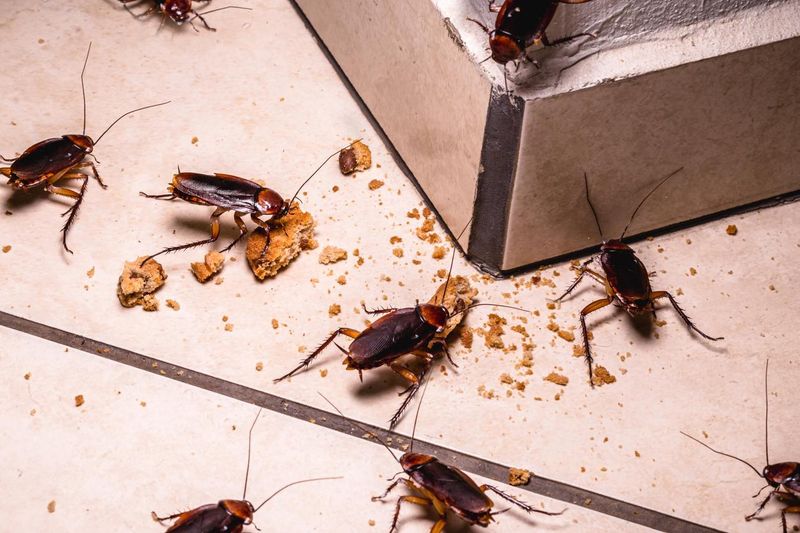
Door sweeps and sealed gaps do something a potted plant cannot: they physically close the routes cockroaches use to get inside. Texas A&M Urban Entomology’s cockroach prevention guidance puts exclusion at the top of the list for good reason.
A tight door sweep and a properly seated threshold seal eliminate the gap at the base of the door that large outdoor roaches exploit on warm nights.
Beyond the door itself, inspect the full perimeter of your porch. Cracks where the threshold meets the siding, gaps around utility penetrations and pipe entry points, and openings around window frames all provide access.
Expanding foam or appropriate caulk closes those routes without requiring any ongoing maintenance. Roaches that cannot find an opening cannot enter, regardless of what is planted nearby.
Moisture and debris management matters just as much as physical sealing. Texas A&M’s cockroach biology and management publication explains that outdoor cockroaches rely on protected, moist harborages: mulch beds, leaf litter piles, stacked firewood, cardboard, compost heaps, and other organic material close to the house.
Moving those materials away from the foundation removes the staging areas roaches use before making the trip to your door.
Fix any dripping outdoor faucets, improve drainage in low spots near the foundation, and address standing water in saucers, gutters, or low-lying areas of the yard. Dry conditions near the structure make the environment less hospitable for the large peridomestic roach species common in Texas.
These steps address actual entry routes and harborage conditions rather than simply adding fragrance near the threshold, and they work regardless of which cockroach species is involved.
Choose a contained mint and adapt its care to local conditions
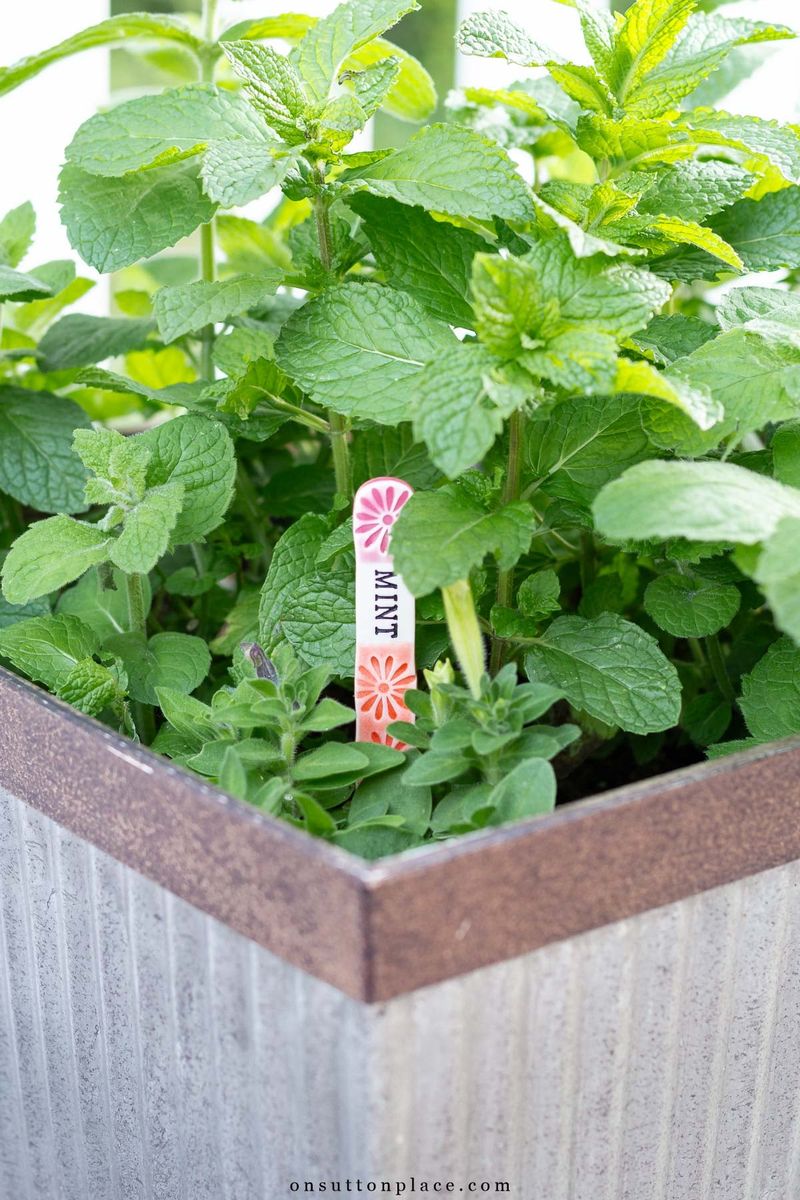
Growing spearmint as a porch herb is a practical choice for many Texas gardeners, provided expectations stay focused on the plant’s ornamental and culinary value rather than any pest-control role. Texas A&M AgriLife’s Texas gardening guidance identifies spearmint as the easiest mint to grow and notes that peppermint is more difficult.
That relative ease makes spearmint the more practical starting point for Texas gardeners, though “easier” does not mean effortless, and performance still depends on your specific local conditions, drainage, watering habits, and exposure.
Container culture is strongly recommended regardless of which mint variety you choose. University of California Agriculture and Natural Resources guidance on containing mint and University of Maryland Extension’s mint-growing resource both note that mint spreads aggressively through underground runners and can overtake beds quickly when planted in the ground.
A container keeps the plant manageable and easy to move.
Choose a pot with drainage holes and fill it with a well-drained soilless or quality potting mix rather than dense garden soil, which can compact and hold too much moisture. Texas A&M AgriLife container gardening guidance for South Texas advises checking soil moisture frequently during hot weather, since containers dry out much faster than in-ground beds during Texas summers.
Move the pot to a sheltered location during extreme heat, unexpected late freezes, or severe weather rather than leaving it exposed. None of this horticultural care is connected to cockroach prevention; it simply keeps the plant healthy so you can enjoy its fragrance and appearance through the growing season.
Account for species, entry routes, and porch lighting
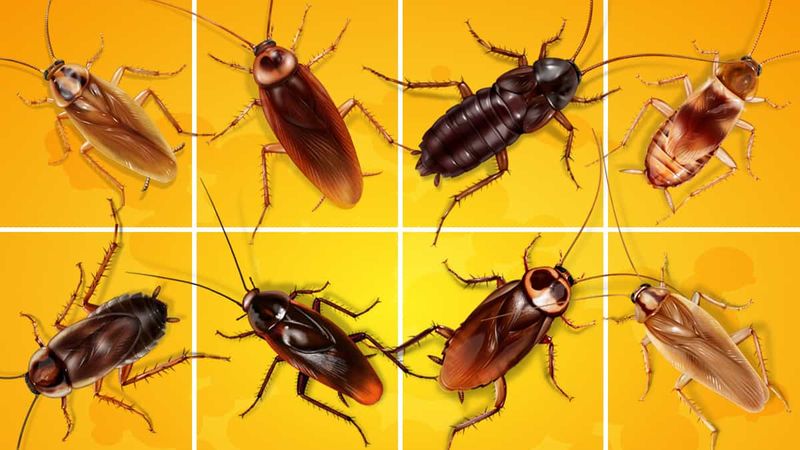
Texas hosts a wide range of cockroach species, and understanding which ones you are dealing with shapes every prevention decision. Texas A&M landscape IPM’s cockroach identification resource lists American, smoky-brown, oriental, Asian, Surinam, and Cuban cockroaches among the outdoor species that occasionally wander into buildings.
German cockroaches, by contrast, are primarily indoor pests that spread through infested items and rarely come from the yard. An optional spearmint pot would not be expected to address German cockroach problems at all, since those roaches are not crossing the porch threshold from the lawn.
Large outdoor species enter through more routes than just the front door gap. Texas A&M’s cockroach biology and management publication identifies poorly sealed soffits, floor drains, weep holes, utility penetrations, and gaps around HVAC equipment as common access points.
A decorative plant beside the entry cannot substitute for checking and sealing those routes throughout the structure.
Porch lighting deserves separate attention. Some outdoor cockroach species respond to light, and an uncovered or brightly lit entryway can draw them toward the door before any other factor comes into play.
Switching to a yellow or amber bulb, repositioning the fixture, or using a motion-activated light that stays off between visits may reduce the attraction. That adjustment addresses a real behavioral driver and has nothing to do with what is planted nearby.
Pot placement also matters for a different reason. A container pressed against the wall, tucked under a porch overhang, or set next to damp mulch creates exactly the kind of sheltered, moist microhabitat that outdoor cockroaches seek.
The pot’s position should keep it away from the structure and away from wet debris, not just for any clearance guideline, but to avoid making the entry more attractive to roaches than it would otherwise be.
Monitor the doorway before escalating control
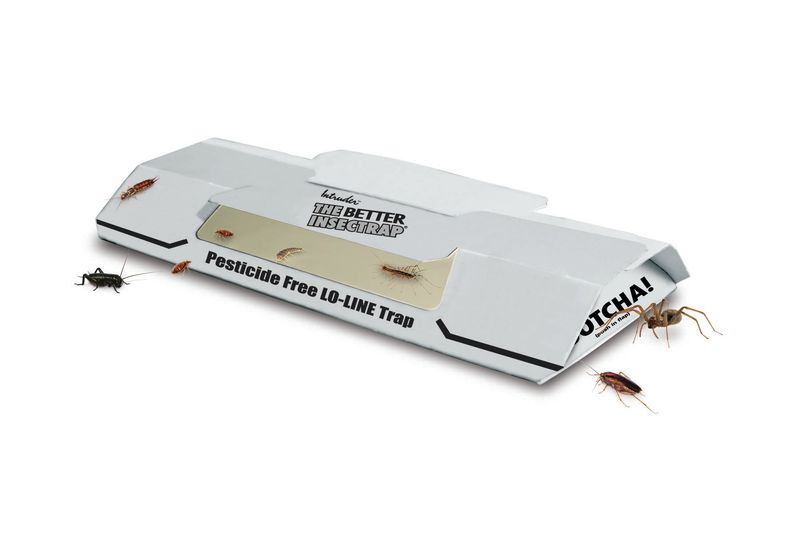
Before reaching for any product, find out whether your front door is actually the entry point. Sticky monitoring traps placed close to exterior doors give you a reliable picture of cockroach activity at that specific location.
Check them after several days and note the species and numbers. If you catch nothing, the door threshold may not be the primary route, and your attention is better spent elsewhere around the structure.
When traps confirm that roaches are moving through the front entry, the results connect directly to action steps: tighten the door sweep, seal any gaps identified during the inspection, address moisture sources near that side of the house, and clear debris from the adjacent beds. Texas A&M Urban Entomology’s prevention guidance and the cockroach biology and management publication both treat monitoring as the step that tells you where to focus exclusion and sanitation work rather than applying treatments broadly.
If monitoring shows an ongoing problem after exclusion and sanitation improvements, labeled baits or other registered pest-control products may be warranted. Follow the product label completely, including application site, concentration, re-entry interval, ventilation requirements, and pet-safety instructions.
EPA guidance on using pesticide products safely and effectively makes clear that the label is the law. Do not assume that a mint-based or otherwise “natural” treatment will substitute for a registered product when monitoring indicates a real infestation.
Treat mint and essential oils as exposure risks, not automatically safe remedies

“Natural” does not mean risk-free, and mint is a clear example of why that distinction matters. The ASPCA identifies mint as toxic to dogs, cats, and horses when ingested in large amounts, with essential oils named as the toxic principle.
A living potted spearmint plant on a porch presents a lower exposure risk than concentrated oil, but households with pets that chew plants or investigate containers should place the pot out of reach or reconsider the choice entirely.
Concentrated essential oils carry additional risks beyond what the plant alone presents. ASPCA guidance on essential oils around pets warns against applying them directly to animals and notes that even diffused oils in enclosed spaces can cause problems for cats and dogs.
Do not apply peppermint oil or any other essential oil to a pet’s coat as a pest deterrent, and store concentrated oils where animals cannot reach them.
The broader regulatory picture reinforces this caution. EPA guidance on minimum-risk pesticides explains that products in that category are not reviewed by EPA for efficacy in the same way as fully registered pesticides. “Minimum risk” refers to a regulatory classification, not a guarantee of safety or proven effectiveness.
Homemade peppermint-oil sprays should not be treated as automatic substitutes for registered pest-control products. If you use any commercial product, follow its label for use site, application rate, ventilation, re-entry timing, and pet-safety precautions, regardless of whether it is plant-based or synthetic.
Enjoy the plant, but trust the sealed threshold
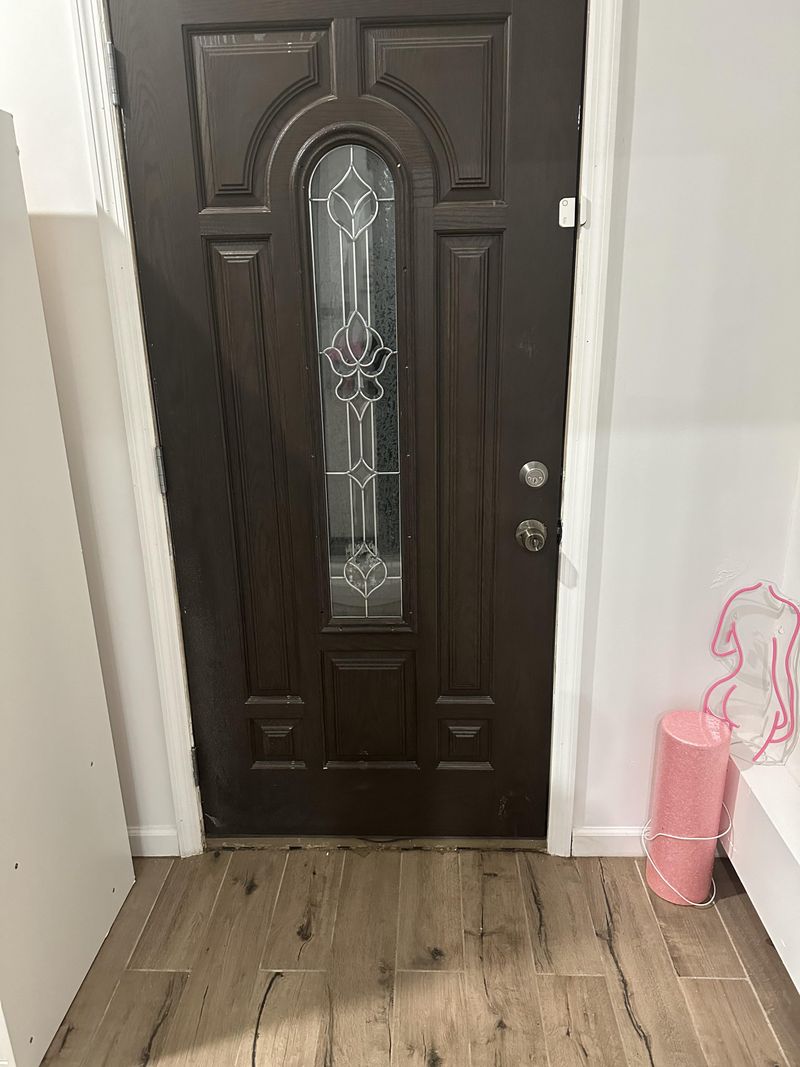
A container-grown spearmint plant near your front entry can be a genuinely pleasant addition to a Texas porch. Keep it in a pot with drainage holes, position it roughly 1 foot from the structure as a general clearance practice, and tend to its watering and shade needs during the hottest months.
Those choices reflect good container gardening, not cockroach management. Enjoy the fragrance and the curb appeal for exactly what they are.
The steps that can more reliably reduce roach entry are the ones that close routes and remove harborage. Texas A&M’s cockroach prevention guidance and the Texas A&M school IPM strategies consistently point to the same core actions: install a tight door sweep, seal gaps around the threshold, foundation, and utility penetrations, reduce moisture near the structure, move mulch and debris away from the house, and use sticky traps to confirm where activity is concentrated before choosing a treatment.
A well-sealed door does what no plant can: it physically prevents entry. The spearmint pot beside it adds color and scent.
Both can share the porch without confusion about which one is doing the real work.