

Rosemary has been showing up in Texas gardening conversations lately, often paired with bold claims about sending rats and roaches running. The truth is more interesting and more useful than the headline suggests. Rosemary is a genuinely solid porch herb for many parts of Texas, but the science behind its pest-deterrent reputation comes from lab work with concentrated essential oil, not from a potted plant sitting by your front door. Understanding what the research actually says helps you grow a great herb and handle pests the right way.
Rosemary belongs on the porch for its gardening value
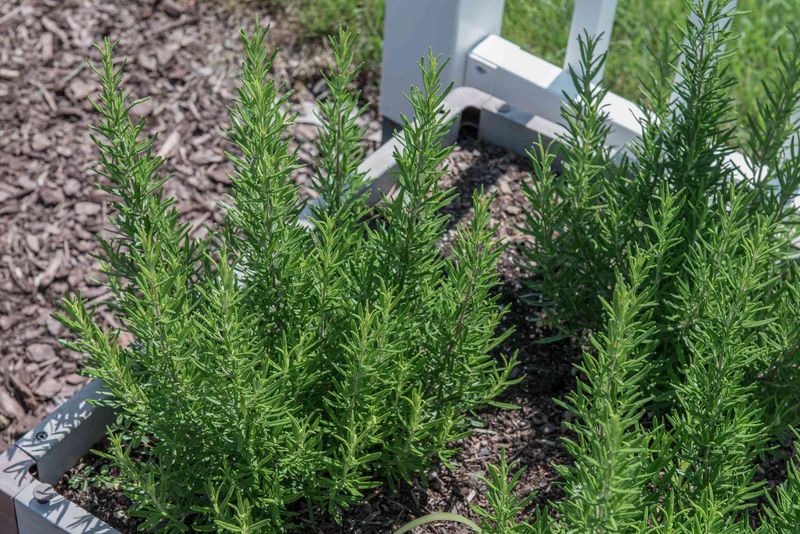
Before getting into pest claims, the most useful thing to know about rosemary is that it earns its place on a Texas porch entirely on its own merits as a herb. Few plants hold up as well in the kind of relentless summer heat that bakes Central and South Texas porches from June through September. Rosemary is drought-tolerant once established, handles full sun without flinching, and smells good every time you brush past it on the way inside.
That said, “thrives in Texas” needs a qualifier. Texas A&M AgriLife Extension’s rosemary growing guide is direct about the two most common failure points: overwatering and poor drainage. A rosemary plant sitting in soggy soil will decline quickly, no matter how much sun it gets. In container growing, this means choosing a pot with at least one drainage hole and resisting the urge to water on a fixed schedule when the soil is still damp.
Regional variation matters too. Rosemary performs well in much of Texas, but a hard freeze in the Panhandle or an unusually wet Gulf Coast winter can set plants back. High humidity in Houston-area summers can encourage fungal problems if air circulation around the plant is poor. None of that makes rosemary a bad choice; it just means you grow it with your local conditions in mind rather than treating it as a guaranteed success statewide.
The genuine payoffs are real. Rosemary is relatively low-maintenance once established in the right spot, it looks attractive in a container, and it gives you a fresh culinary herb within arm’s reach of the kitchen. Those are the reasons to grow it. Any conversation about pest control is a separate question entirely, and one the evidence handles much more cautiously.
The cockroach evidence comes from concentrated essential oil
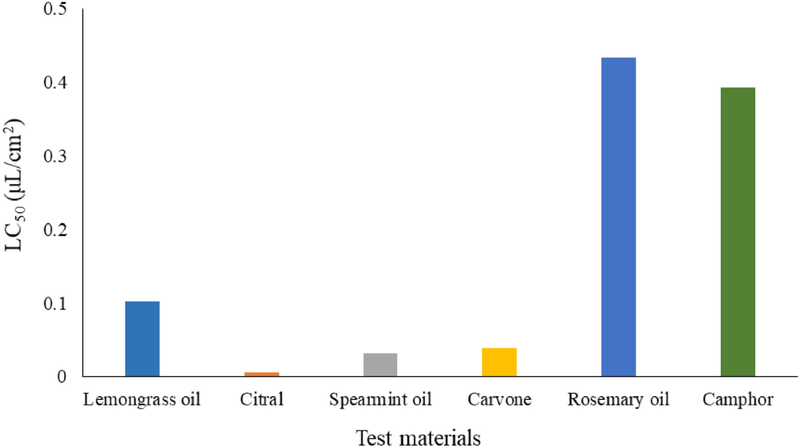
A study published in a peer-reviewed journal tested several plant essential oils against the brown-banded cockroach, Supella longipalpa, one of the species found in Texas homes. Rosemary oil stood out. The brown-banded cockroach essential oil study reported that rosemary oil achieved 94.5% repellency at a 2.5% concentration, and it also showed strong contact and fumigant toxicity against the insects under controlled conditions.
Those numbers sound striking, and within the limits of what was tested, they are. Repellency above 90% at a defined concentration is a meaningful laboratory result. The study also found that rosemary oil performed comparably to or better than some other plant oils tested in the same protocol, which is why it gets cited when people discuss botanical pest control.
What the study actually tested, though, is critical to understand. Researchers worked with measured concentrations of extracted essential oil applied in a controlled laboratory environment. The cockroaches were brown-banded cockroaches specifically, not the German cockroach, the American cockroach, the smoky brown cockroach, or the other species that show up regularly in Texas kitchens and garages. Results from one species in one setting do not automatically transfer to other species in different conditions.
The study did not test a potted rosemary plant. It did not test fresh foliage placed near a cockroach harborage. It did not simulate a porch, a doorway, or any real-world household scenario. The researchers used extracted, concentrated oil at defined application rates, which is standard procedure for this type of research but means the findings describe what the oil does in a lab, not what a herb on your porch does around your home.
Reading the study carefully produces a narrower and more honest conclusion: rosemary essential oil, at the concentrations tested, repelled and harmed brown-banded cockroaches in laboratory conditions. That is a genuinely interesting finding. It is not the same thing as proof that rosemary plants keep cockroaches away from Texas homes.
A potted plant cannot stand in for the study
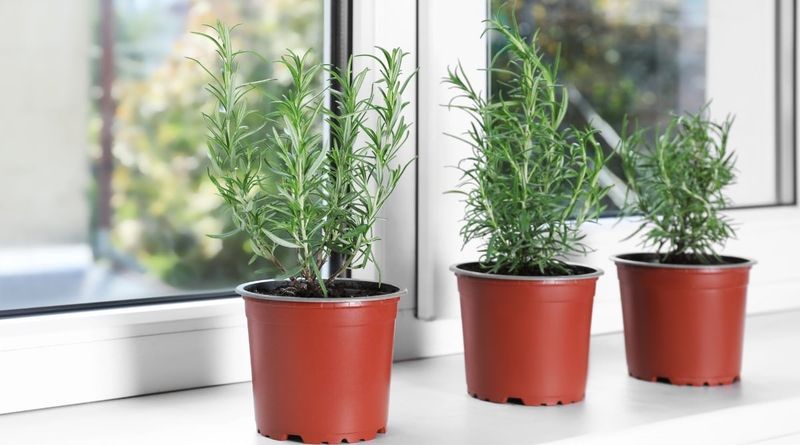
One of the most common misreadings of botanical pest research is assuming that if an extracted oil does something in a lab, the plant it came from does the same thing in your yard. The gap between those two situations is wide, and it matters for anyone trying to make a practical decision about pest management.
The cockroach study used concentrated rosemary essential oil at a 2.5% measured concentration. A living rosemary plant releases aromatic volatile compounds through its foliage, but the amount released into the open air around a porch is small, variable, and influenced by temperature, wind, humidity, and how recently the plant was disturbed. The study did not test fresh rosemary foliage, a container plant, or any outdoor setting, and its measured oil concentrations cannot simply be assumed to occur in the air around a doorway just because a plant is growing nearby.
Leaf brushing gets mentioned sometimes as a way to release more scent from rosemary. Rubbing the leaves does release a burst of aromatic compounds, and the smell is noticeable. What has not been established is whether that short-lived scent release reaches the concentrations used in the laboratory study or produces any measurable effect on cockroach behavior around a real home. Calling it a scent barrier overstates what the evidence supports.
Placement of plants matters even less than people assume. Positioning one or several rosemary pots near a door might look attractive and make the space smell pleasant, but no field evidence supports the idea that plant placement creates a reliable cockroach exclusion zone. The study found a laboratory oil effect; it did not find a porch-plant effect, because that was not what it tested.
The honest read on the evidence is this: rosemary essential oil showed cockroach-repellent activity under controlled conditions, and a living rosemary plant is not the same thing as a controlled application of concentrated oil. Growing rosemary for its culinary and aesthetic value is well supported. Growing it specifically to repel cockroaches is not.
Rodent research does not support a rosemary promise
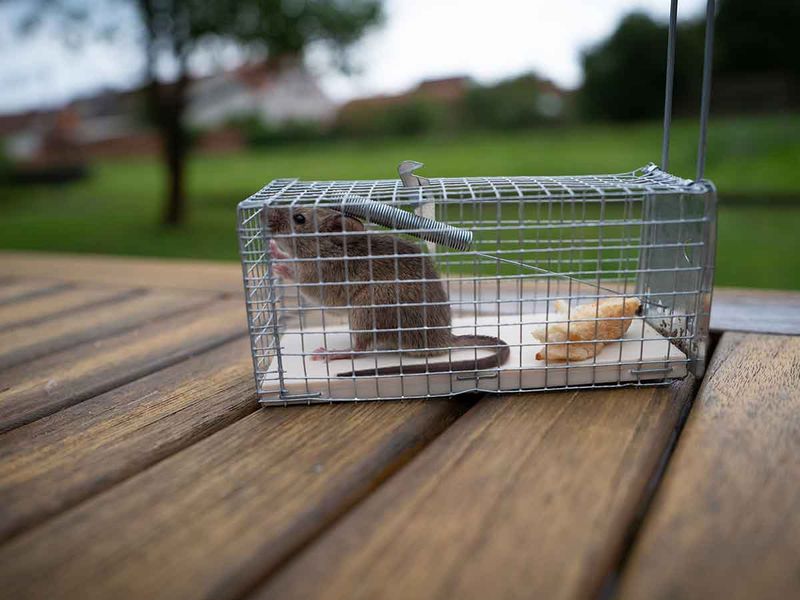
Rats are a different problem from cockroaches, and the research on plant-based rodent repellents leads to a different and more cautious conclusion. A systematic review of plant secondary metabolites as rodent repellents found that while some plant compounds and essential oils showed repellent activity in laboratory tests, results were inconsistent when those same approaches were applied in enclosure or field conditions. What works on a rat in a controlled setting often does not hold up when the rat has access to real food, real shelter, and real escape routes.
Part of the problem is that “rats” covers very different animals with different habits. Roof rats, Norway rats, and other rodent species common in Texas behave differently, nest in different places, and respond differently to environmental cues. A finding about one species in a laboratory cage does not reliably predict how another species will respond in a garage, under a porch, or along a fence line.
Rosemary specifically has not been established as a rat repellent in any field study available in the research dossier for this article. The systematic review’s broader conclusion about plant-based rodent repellents is that the laboratory-to-field translation problem is real and consistent enough to treat plant scents as unreliable primary rodent control. Saying that rosemary keeps rats away is not supported by the evidence, and presenting it that way to Texas homeowners dealing with an actual rodent problem could delay the inspections and structural fixes that would actually help.
Roof rats in particular are a significant concern in many Texas cities. They are agile, they exploit small entry points in soffits and rooflines, and they are drawn to food sources and water far more powerfully than they are deterred by plant scents. A rosemary plant near the front door does nothing about a roof rat entering through a gap in the eave above it.
The practical takeaway is straightforward: treat rodent concerns with exclusion and sanitation, not with plants. Rosemary is a fine herb for a sunny porch, but it should not substitute for sealing entry points or removing food and water sources when rodents are actually active around a home.
Grow rosemary successfully through Texas heat
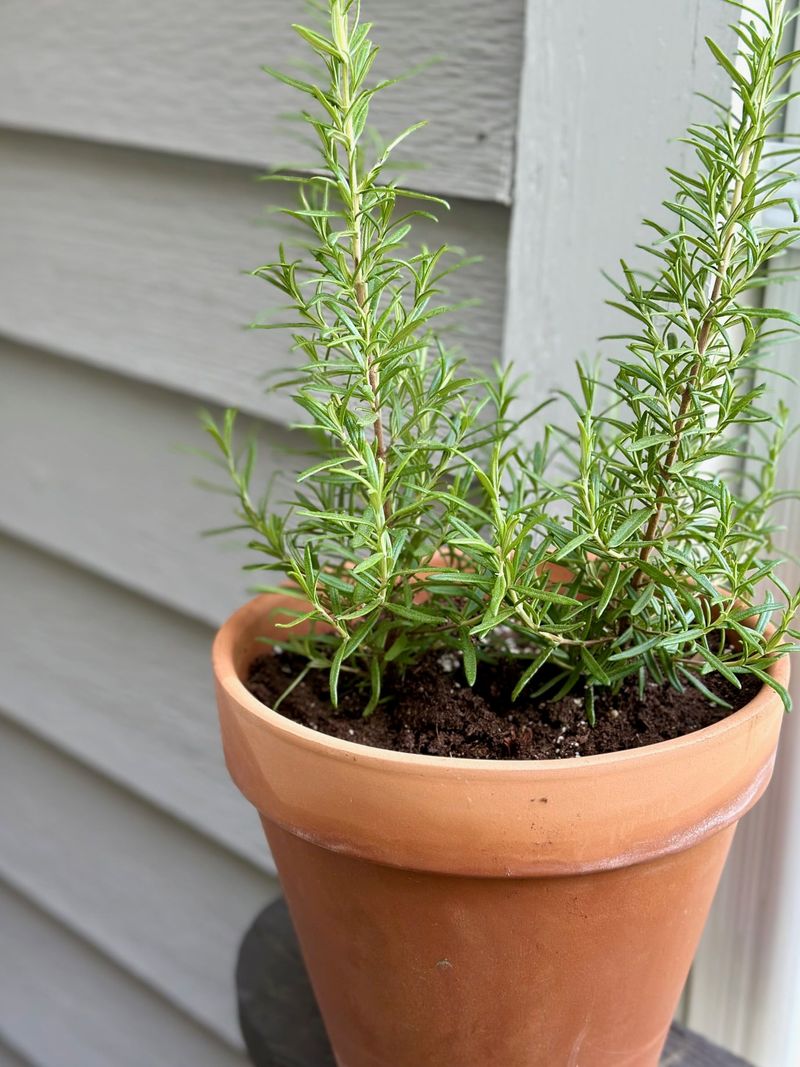
Setting aside the pest question, rosemary is genuinely worth growing on a Texas porch if you set it up correctly from the start. Container growing gives you control over two of the most important variables: drainage and soil. Use a pot with at least one drainage hole at the bottom, and choose a well-draining potting mix rather than dense garden soil that holds moisture. Rosemary roots do not tolerate sitting in wet conditions, and a container without drainage is one of the fastest ways to lose the plant.
Sun exposure is the other non-negotiable. Rosemary performs best with six or more hours of direct sun per day. A porch that faces south or west in Texas typically delivers that without any adjustment. East-facing porches can work if morning sun is strong and the plant gets some afternoon light.
A deeply shaded porch is not a good fit for rosemary regardless of how well everything else is managed.
Watering takes some judgment. During triple-digit Texas summers, containers dry out faster than they do in cooler weather, so you may need to water more frequently than you expect. The test is simple: push a finger an inch into the soil, and water when it feels dry at that depth. When temperatures drop in fall and winter, reduce watering accordingly.
Overwatering in cooler months is a common mistake, especially in years with more rainfall than usual along the Gulf Coast or in Central Texas.
Freezes are a real consideration in northern parts of the state. A hard freeze can damage or kill rosemary, particularly younger plants. Container growing helps because you can move the pot to a sheltered spot or indoors during a freeze event. If you are in the Panhandle or North Texas, treat rosemary as a plant that may need winter protection rather than one that handles every Texas winter without help.
In San Antonio, Austin, and South Texas, rosemary typically comes through mild winters without any intervention at all.
Use exclusion and sanitation to solve porch pest problems
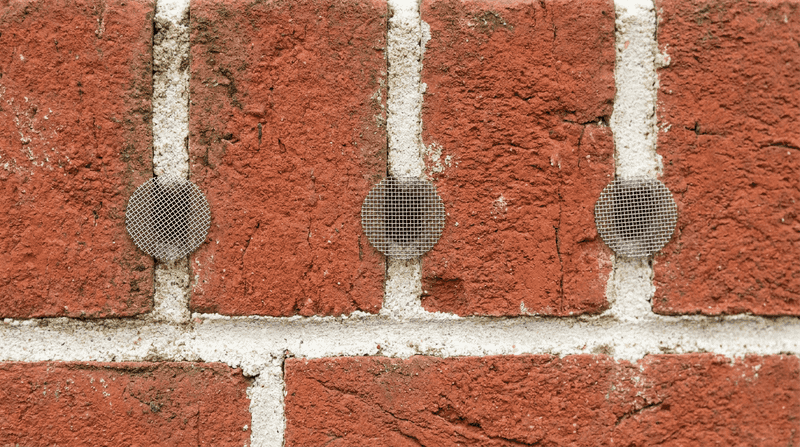
Cockroaches and rodents are not drawn to a porch because it lacks a rosemary plant. They are drawn by food, water, shelter, and access points. Addressing those factors is what actually reduces pest activity, and the good news is that most of the steps are straightforward and inexpensive.
For cockroaches, start with the gaps. Door sweeps and weather stripping on exterior doors are among the most effective and overlooked cockroach exclusion tools available. Cockroaches can squeeze through surprisingly small openings, so gaps at the base of doors, around utility penetrations, and between window frames and walls are all worth sealing. Integrated pest management guidance consistently identifies moisture correction as equally important: fix dripping hose bibs, address drainage problems near the foundation, and make sure the porch area does not stay damp after rain.
Food debris is a cockroach magnet. Outdoor pet food left in a bowl overnight, birdseed spilled under a feeder, and trash cans without tight lids all provide reliable food sources. Removing those sources is more effective than any scent deterrent. Clutter under and around the porch gives cockroaches harborage, so clearing stored items, stacked wood, and leaf litter from the perimeter reduces the places they can hide and breed.
For rodents, CDC integrated pest management resources point to the same core approach: remove accessible food, water, and shelter, and seal structural entry points. Rat-sized gaps are larger than most homeowners expect. A gap the diameter of a quarter is enough for a young rat, and roof rats can enter through openings in soffits, rooflines, and around pipe penetrations that may not be visible from the ground. Snap traps placed along walls and in areas with evidence of activity remain one of the most reliably effective control tools available to homeowners.
When cockroach or rodent activity persists despite sanitation and exclusion, appropriately labeled baits, traps, or professional pest management are the next step. Recurring activity is a signal to inspect for structural gaps, hidden moisture, food sources, clutter, or neighboring-property conditions that are sustaining the population. Adding more plants is not a substitute for that inspection.
Keep the plant and the pest plan in their proper roles

Rosemary earns a spot on a sunny Texas porch as a culinary herb that looks good, smells pleasant, and handles heat reasonably well when it gets proper drainage and sun. Those are solid reasons to grow it. Pest deterrence is not a solid reason, because the evidence does not support using a living rosemary plant as a cockroach or rodent barrier around a home.
If you are thinking about using rosemary essential oil or other plant-derived products as part of a pest control effort, read the label first and follow it exactly. EPA guidance on pesticide product claims notes that many plant-derived or “natural” products have not been evaluated for effectiveness, and the absence of synthetic ingredients is not a safety guarantee. Concentrated essential oils can irritate skin, harm pets, and affect beneficial insects. Do not improvise sprays or diffuser applications around children, animals, food surfaces, or indoor living areas without checking both the product label and, for pets, veterinary guidance.
If you find rodent droppings or nesting material on or near your porch, do not sweep or vacuum them dry. CDC cleanup guidance for rodent contamination recommends wetting the material thoroughly with a disinfectant solution, allowing the recommended contact time, and then wiping it up while wearing gloves. Dry sweeping or vacuuming can aerosolize particles that carry health risks, including hantavirus, which has been reported in Texas.
Recurring cockroach sightings or signs of rodent activity after basic sanitation steps are a prompt to inspect more carefully, not to plant more herbs. A pest management professional can identify entry points, moisture problems, or harborage conditions that are not obvious from a casual walkthrough. Rosemary on the porch and a solid pest prevention plan are not in conflict; they just belong in separate categories. One feeds the kitchen, and the other actually protects the home.