
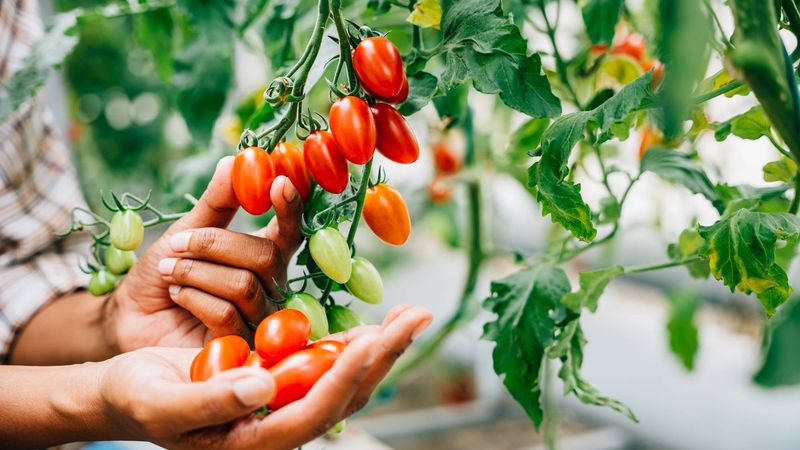
Your tomato plants looked amazing in June, but now they seem stuck, with pale leaves and hardly any new fruit. July heat can slow tomatoes way down, and hungry plants often stall out just when you want them to explode with growth. The good news is that the right feeding tricks can wake them back up fast. Below you will find 17 simple, hands-on ways to feed your tomatoes and get them growing strong again.
1. Give a Balanced Liquid Feed First
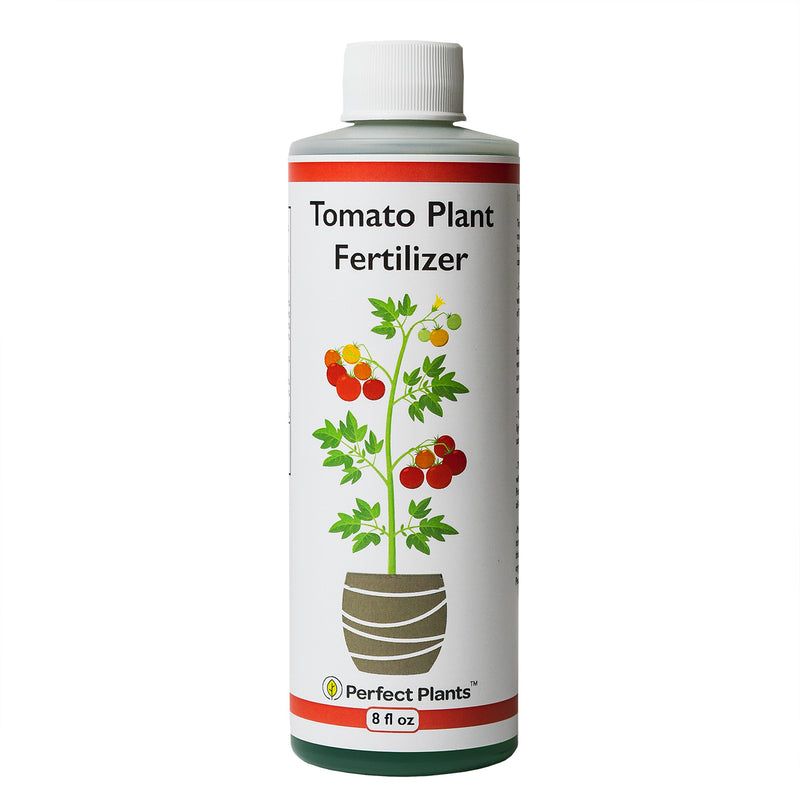
Before you reach for anything fancy, a plain balanced liquid fertilizer is the quickest way to jump-start a stalled tomato. Roots take in liquid nutrients almost right away, so a plant that has been coasting on empty often perks up within a few days.
Mix a water-soluble food with even numbers, like a 10-10-10 or 8-8-8 blend, at the label strength. Pour it slowly at the base early in the morning while the soil is still cool. Doing this once a week during July gives your plants a steady, gentle push instead of one big shock.
Why start here instead of a specialty product? A balanced feed covers the basics of nitrogen, phosphorus, and potassium all at once, so you fix several possible shortages in a single step. That makes it the best first move when you are not sure exactly what your plant is missing.
Watch how the newest leaves respond over the next week. If they green up and start growing again, you know hunger was part of the problem and you are on the right track.
2. Switch to a High-Potassium Fruiting Feed
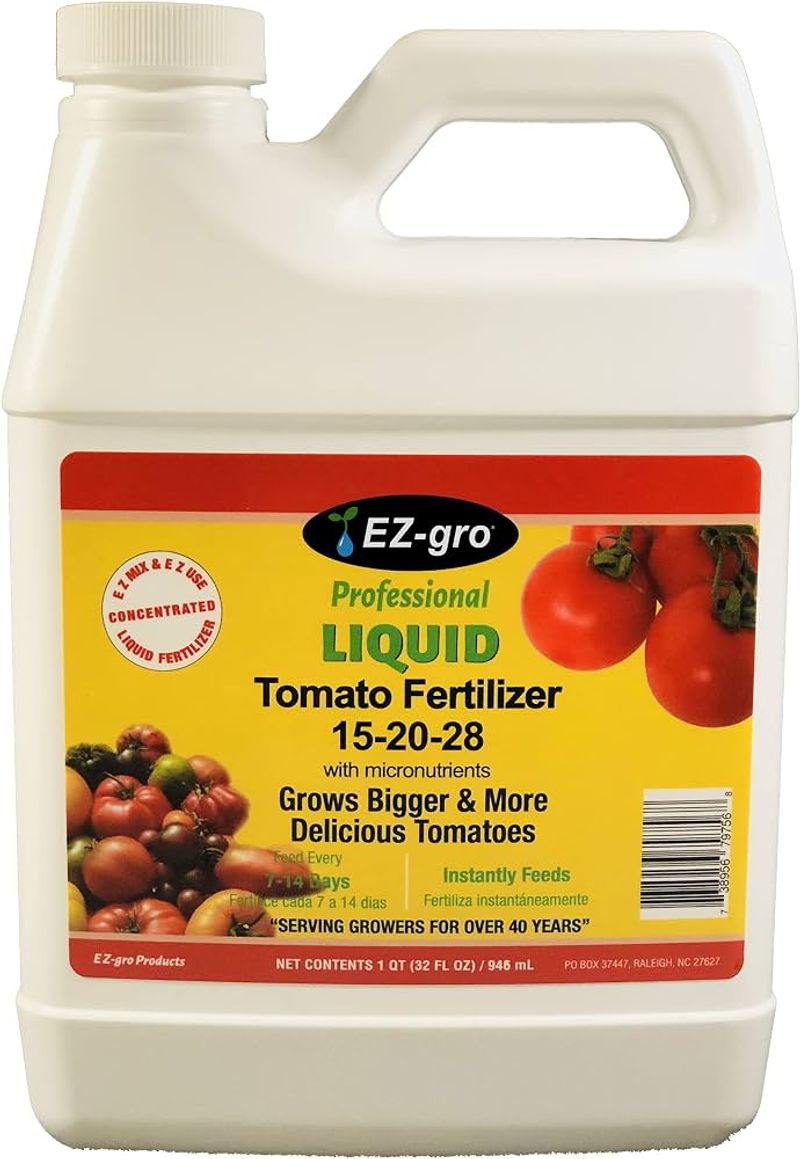
Ever notice how a tomato plant can grow tons of leaves but forget to make fruit? That usually means it has had plenty of nitrogen but not enough potassium, the nutrient that drives flowering and fruiting.
In July, when you want tomatoes and not just a jungle of foliage, swap your general feed for a high-potassium formula, sometimes sold as tomato food or bloom booster. The middle and last numbers on the label should be higher than the first. This tells the plant it is time to shift energy from growing leaves toward setting and ripening fruit.
Feed once a week and you may see more flowers holding on instead of dropping. Potassium also helps fruit color up evenly and can improve flavor, so the payoff is more than just quantity.
A stalled plant that is all green and no blossoms is practically begging for this change. Giving it the right ratio at the right time often flips the switch back to fruit production, which is exactly what most July gardeners are hoping to see.
3. Brew a Compost Tea
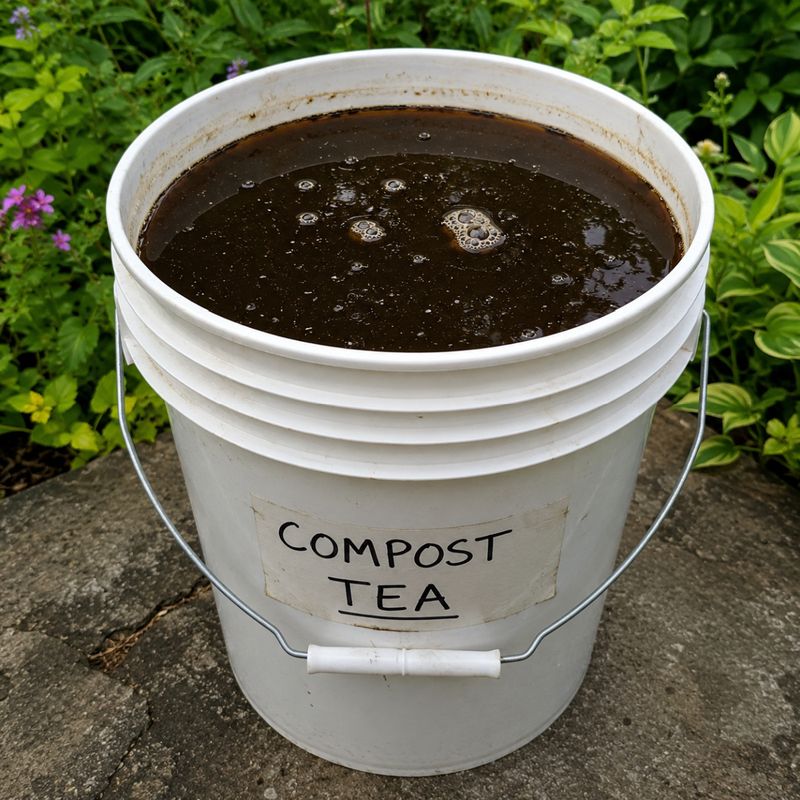
There is something satisfying about making plant food out of your own compost pile. Compost tea is basically a nutrient-rich brown liquid you steep and pour around your tomatoes, and it feeds the soil life as much as the plant itself.
To make it, scoop a few shovelfuls of finished compost into a bucket, fill with water, and let it sit for a day or two, stirring now and then. Strain out the chunks, then dilute it until it looks like weak tea before watering it in at the base.
What makes this different from a bagged fertilizer is the boost of helpful microbes. Those tiny organisms can improve how well roots pull in nutrients, so a sluggish plant often responds better afterward.
Use it every week or two through July. It will not overwhelm your plants the way a strong chemical dose might, which makes it a gentle option for tomatoes that already look stressed.
Old-timers swear by this trick, and it costs almost nothing if you already keep a compost bin going in the backyard.
4. Side-Dress With Aged Manure
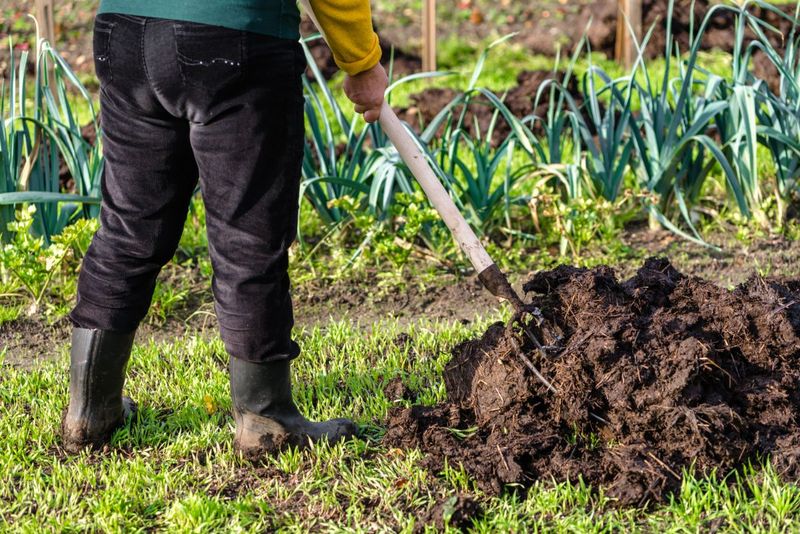
Farmers have leaned on manure for centuries, and your July tomatoes can benefit from it too. Side-dressing simply means laying a band of aged manure around the plant, a few inches out from the stem, so nutrients seep down as you water.
Only use manure that is well-rotted, dark, and crumbly with no strong smell. Fresh manure is too hot and can burn roots or introduce disease, so patience matters here. A one to two inch ring worked lightly into the topsoil is plenty.
Because manure releases its nutrients slowly, it works differently from a quick liquid feed. It keeps feeding the plant over several weeks, which helps a stalled tomato build steady, lasting growth instead of a short burst.
It also improves the soil itself, adding organic matter that holds moisture during hot spells. That extra water-holding power can be a lifesaver in the peak of summer.
Water thoroughly after applying so the goodness starts moving toward the roots. Within a couple of weeks you may notice thicker stems and greener, healthier-looking new growth.
5. Feed a Magnesium Boost With Epsom Salt
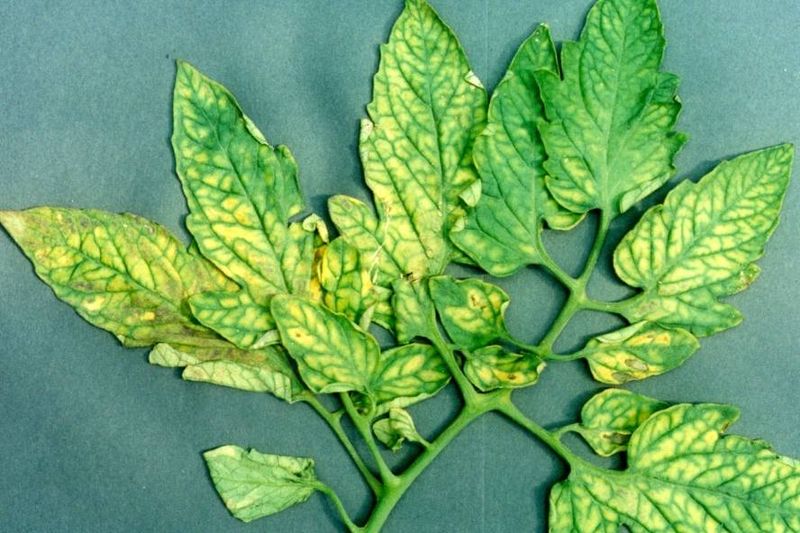
Yellow leaves with green veins are a classic cry for help, and they often point to a magnesium shortage. Epsom salt, which is magnesium sulfate, is a cheap fix many gardeners keep on hand for exactly this moment.
Dissolve about a tablespoon in a gallon of water and pour it around the roots, or spray it lightly on the leaves for faster uptake. Doing this once or twice in July may help green up that older foliage and support better fruit set.
Magnesium sits at the center of chlorophyll, the stuff that makes leaves green and lets the plant turn sunlight into energy. When it runs low, the plant simply cannot power its own growth, so it stalls.
Keep in mind this is not a cure-all. If your leaves are yellowing for another reason, Epsom salt will not do much, so only use it when you see that telltale green-vein pattern.
Used the right way, though, it is one of the fastest, lowest-cost tricks for nudging a tired tomato back into action during the hottest part of summer.
6. Correct Calcium With a Foliar Spray
Blossom end rot, that ugly black patch on the bottom of your tomatoes, is heartbreaking to find in July. It usually signals that calcium is not reaching the fruit, even if the soil has plenty.
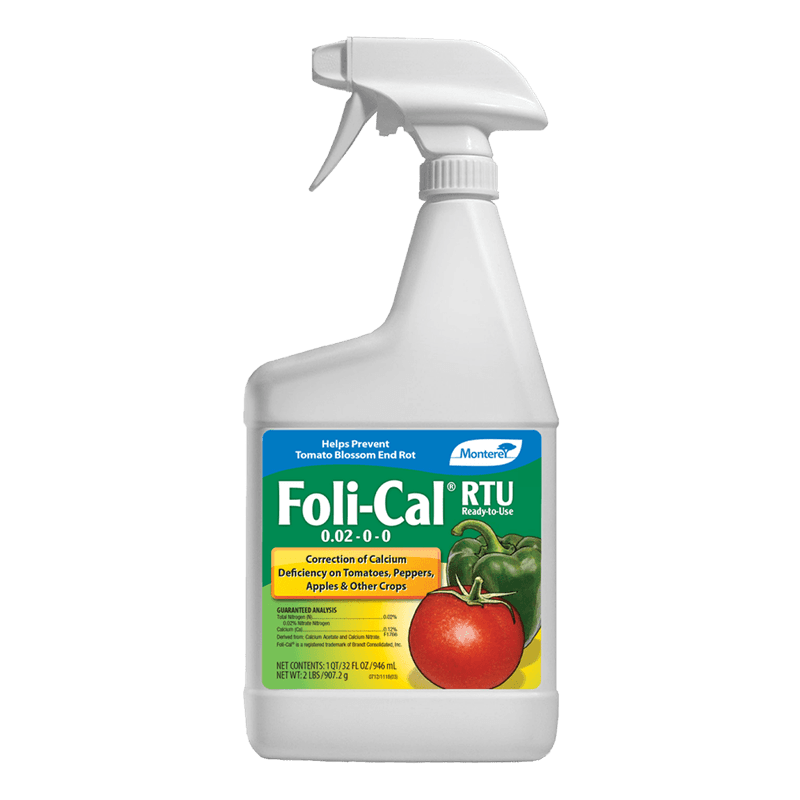
A calcium foliar spray can help by delivering the nutrient straight to the leaves, where the plant can use it quickly. Look for a ready-made calcium product or a diluted calcium chloride solution, and mist it on in the cool of early morning.
What sets this trick apart is speed. Soil amendments take time to travel up the plant, but a spray gets calcium into the system within days, which matters when fruit is actively forming.
Steady watering matters just as much, since calcium moves with water inside the plant. Uneven moisture can block calcium even when it is present, so pair the spray with consistent watering for the best shot at stopping the rot.
Treating a plant this way may not save fruit already damaged, but it can protect the tomatoes still developing. That alone makes it worth adding to your July routine when end rot shows up.
7. Bury a Banana Peel Potassium Trick
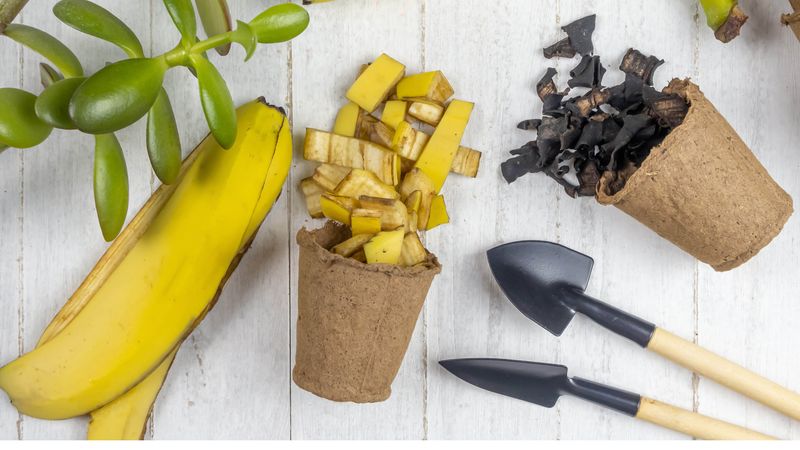
Instead of tossing banana peels in the trash, put them to work near your tomatoes. Peels are rich in potassium, the very nutrient stalled, non-fruiting plants tend to crave in midsummer.
Chop a peel or two and bury the pieces a few inches deep near the root zone, or dry and grind them into a powder to sprinkle around the base. As they break down, they slowly release potassium and a little phosphorus into the soil.
The charm of this trick is that it is nearly free and turns kitchen scraps into plant fuel. It will not flood the plant with nutrients overnight, but it offers a gentle, ongoing supply that pairs nicely with your regular feeding.
Bury the peels rather than leaving them on the surface, since exposed scraps can attract flies and critters in warm July weather. Tucking them under a couple inches of soil keeps things tidy and speeds up decomposition.
Try it alongside a potassium-focused feed and you give your fruiting tomatoes a steady background boost without spending an extra dime at the garden store.
8. Add Fish Emulsion for a Nitrogen Kick
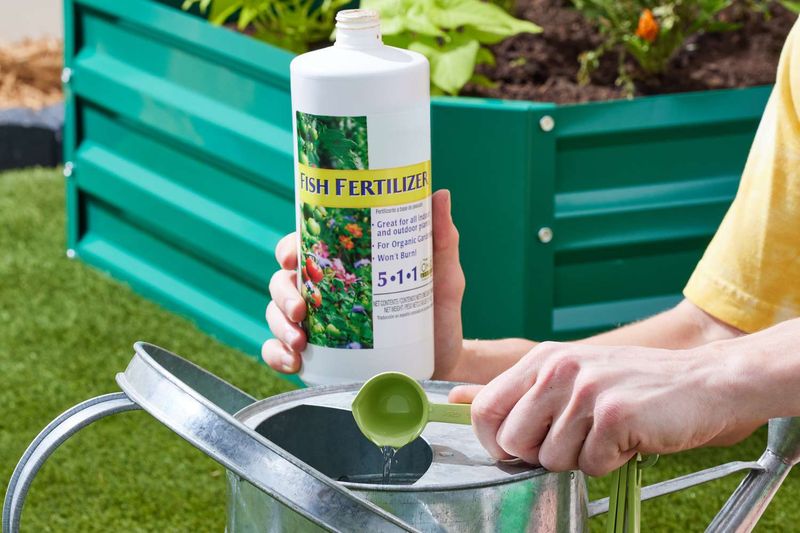
Some plants just need a burst of energy, and fish emulsion delivers it with a smell that lets you know it means business. This fast-acting organic liquid is loaded with nitrogen, which pale, slow-growing tomatoes often lack.
Mix it according to the bottle, usually a couple tablespoons per gallon, and water it in around the base. Within a week you may see fresh green growth and deeper leaf color as the plant refuels.
What makes fish emulsion useful in July is how quickly plants can use it compared to slow granular feeds. When a tomato has clearly run out of gas, this gives it a rapid pick-me-up.
Go easy, though. Too much nitrogen pushes leafy growth at the expense of fruit, so use it to green up a genuinely hungry plant, not one that is already lush and leafy.
The odor fades in a day or so, and pouring it at soil level keeps the smell down. If you can get past the fishy scent, it remains one of the most trusted organic tricks for reviving a struggling tomato mid-season.
9. Sprinkle Coffee Grounds Around the Base
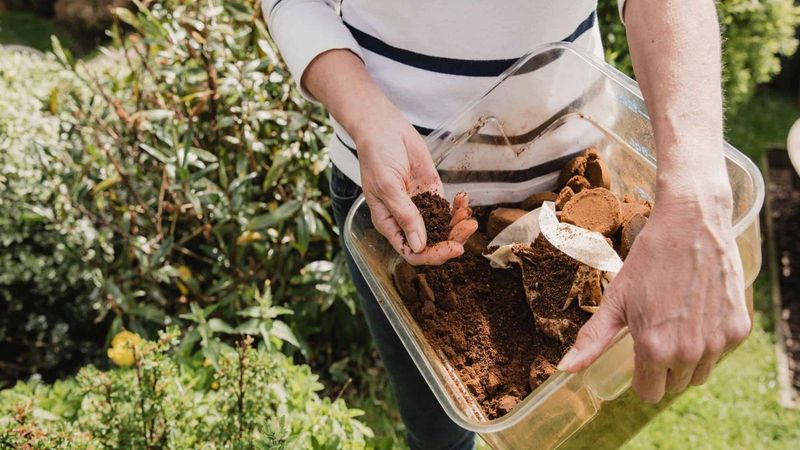
Coffee lovers, your morning habit can help your tomatoes too. Used coffee grounds add a small dose of nitrogen and improve soil texture, and they are one of the easiest scraps to recycle into the garden.
Sprinkle a thin layer of grounds around the base and scratch them lightly into the top of the soil. Keep the layer thin, because a thick mat can clump and repel water instead of helping.
Beyond the nutrients, grounds encourage earthworms and beneficial microbes that keep soil loose and alive. Healthy, active soil helps roots pull in food more easily, which can gently coax a stalled plant back into growth.
Do not rely on coffee grounds alone to fix a hungry tomato. Think of them as a soil conditioner and a mild supplement rather than a full meal, best used alongside your main feeding routine.
Save your grounds through the week in a container, then spread them on watering day. It is a simple way to cut kitchen waste while giving your July tomatoes a little extra support at the roots.
10. Work in Bone Meal for Root Power
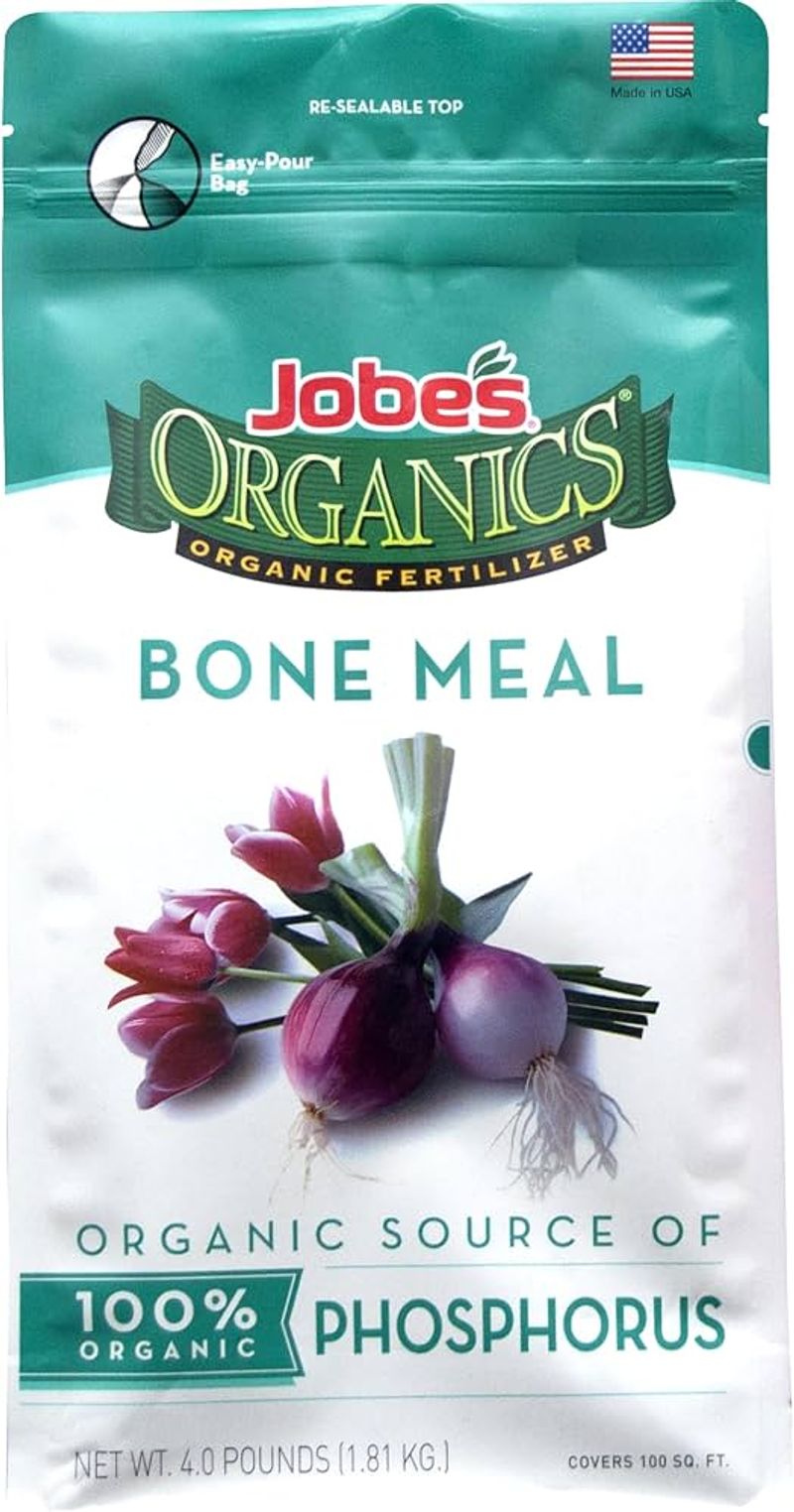
When a plant looks weak below the soil line, its problem may be underground. Bone meal, a slow-release source of phosphorus, feeds root development and flowering, both of which matter when a tomato has stalled.
Scratch a couple tablespoons into the soil around the drip line and water it in well. Because phosphorus moves slowly through soil, getting it close to the root zone helps the plant actually reach it.
Unlike quick liquid feeds, bone meal works over weeks, quietly building a stronger root system that can support more fruit. That long, steady release makes it a smart partner for the faster tricks on this list.
Strong roots mean better water and nutrient uptake, so this trick tackles the foundation of the problem rather than just the symptoms up top. A plant that stalled from weak roots often turns around once phosphorus is available again.
Fun fact: bone meal is literally ground animal bone, a garden staple for well over a century. Gardeners kept using it because it simply works, especially for encouraging blooms and deep, healthy roots.
11. Use a Diluted Seaweed Extract
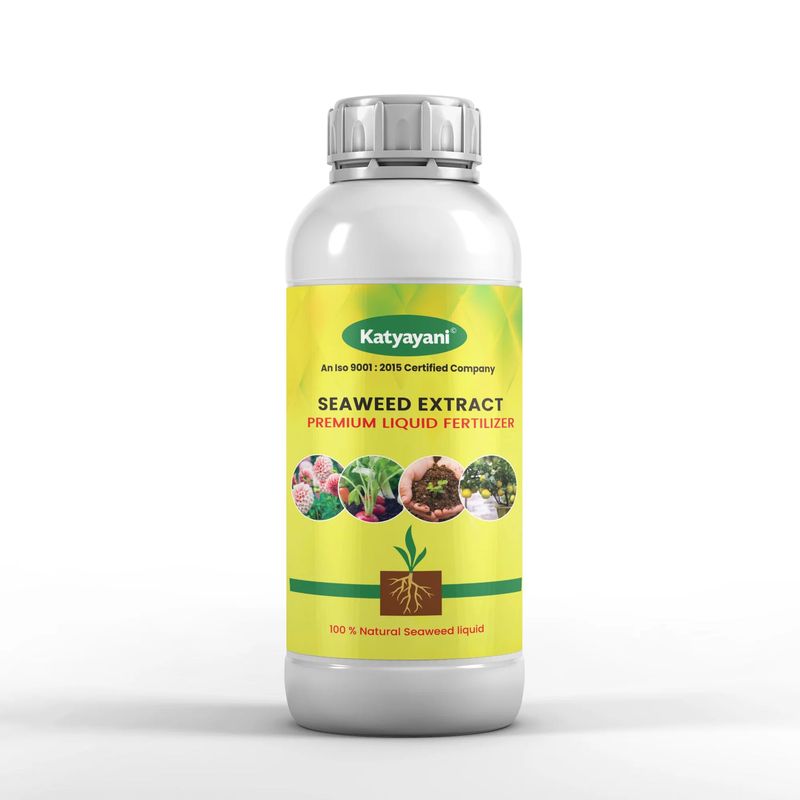
Think of seaweed extract as a multivitamin for stressed tomatoes. It is packed with trace minerals and natural growth hormones that help plants handle the heat and bounce back from a July slump.
Mix it thin, following the label, and either water it in or spray it on the leaves. A light dose every week or two can support better root growth and help the plant cope with hot, dry days.
What sets seaweed apart from standard fertilizers is that it is less about heavy feeding and more about resilience. Those trace elements fill in the tiny gaps that ordinary feeds miss, which can matter for a plant that seems stuck for no obvious reason.
Because it is so gentle, seaweed extract is nearly impossible to overdo at recommended strength. That makes it a safe choice for tomatoes already showing signs of stress.
Pair it with a balanced feed for the best results, letting the seaweed handle the micronutrients while the main fertilizer covers the heavy lifting. Together they may give your stalled plant the well-rounded support it needs to restart.
12. Refresh Mulch Before You Feed
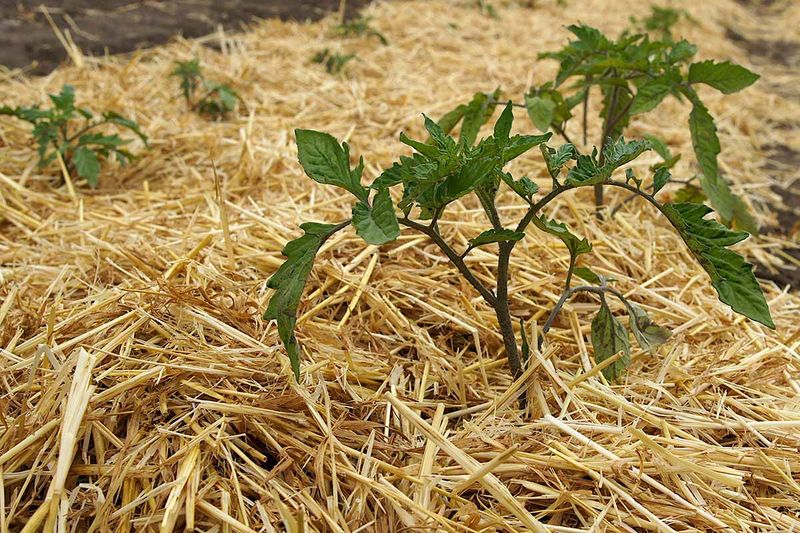
Here is a trick people forget: feeding works better when the soil stays cool and evenly moist. A fresh layer of mulch around your tomatoes locks in water and steadies soil temperature, so the nutrients you add actually get used.
Spread two to three inches of straw, shredded leaves, or grass clippings around the base, keeping it slightly away from the stem. This blanket slows evaporation during scorching July days and keeps roots comfortable.
Why does this matter for a stalled plant? Roots baking in hot, dry soil struggle to absorb food, so even the best fertilizer falls flat. Cooler, moister roots take up nutrients far more efficiently.
Mulch also cuts down on weeds that would otherwise steal water and nutrients from your tomatoes. Fewer competitors means more of your feeding goes straight to the plant you care about.
Lay the mulch down first, then apply your chosen feed and water it through. Setting the stage this way often makes every other trick on this list work harder, turning a good feeding into a great one.
13. Try a Molasses Soil Drench
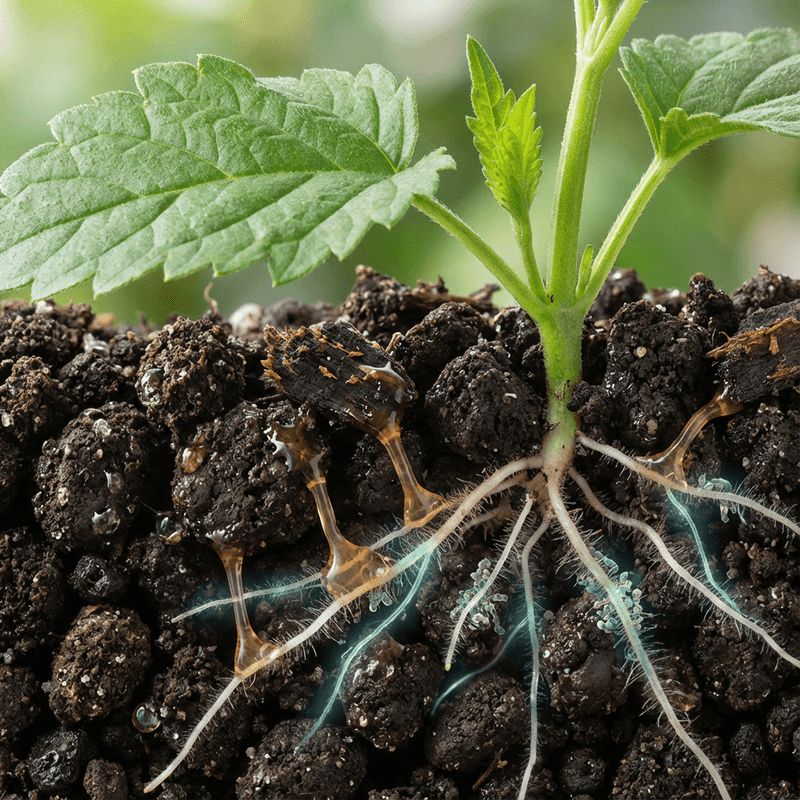
Sweeten the deal for your soil microbes with a molasses drench. Unsulfured blackstrap molasses feeds the beneficial bacteria and fungi living around tomato roots, and lively soil makes for healthier plants.
Stir a tablespoon or two into a gallon of water until it dissolves, then pour it slowly at the base. Doing this every couple of weeks in July gives soil life the quick energy it needs to multiply and thrive.
The idea behind this trick is a little different from most feeds. You are not feeding the plant directly so much as feeding the tiny organisms that break down nutrients and make them available to roots.
Molasses also carries a bit of potassium and other minerals, so there is a small direct benefit too. When paired with compost or compost tea, it can really get soil biology buzzing.
A plant sitting in tired, lifeless soil often stalls simply because the underground helpers have gone quiet. Waking them back up with a sweet drench may be exactly the nudge your midsummer tomatoes need to start growing again.
14. Feed Container Tomatoes More Often
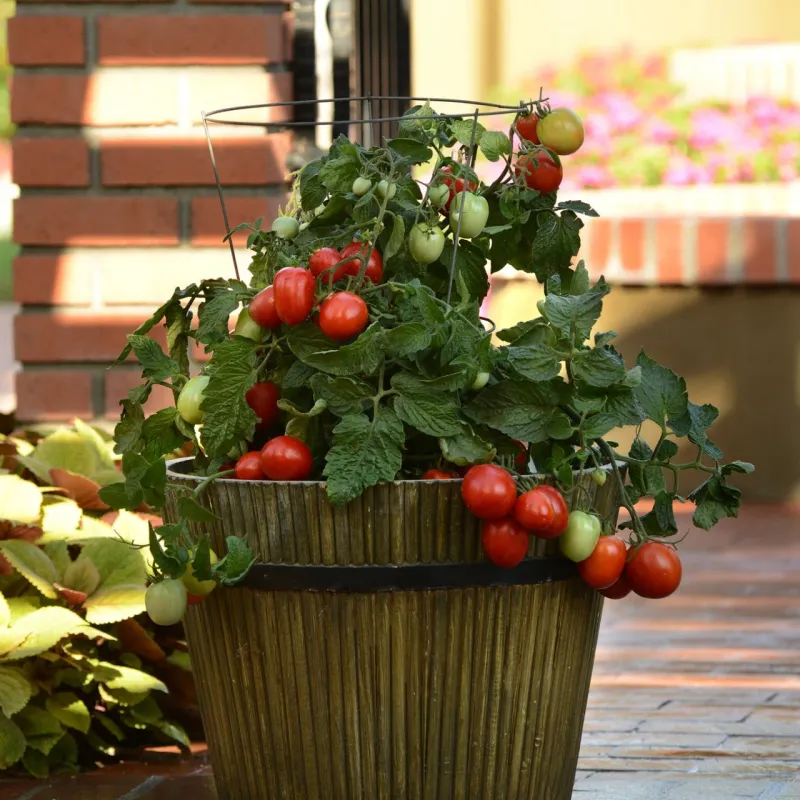
Potted tomatoes live by different rules, and July is when that really shows. Frequent watering flushes nutrients out of the bottom of the container fast, so a plant that looked fine in June can suddenly stall from plain hunger.
Feed container tomatoes with a diluted liquid fertilizer more often than in-ground plants, sometimes twice a week at half strength. Little and often beats one heavy dose, since the limited soil cannot store much at once.
The reason this deserves its own spot is that pot size limits everything. There simply is not enough soil to act as a nutrient bank, so the plant depends on you to keep the supply steady.
Watch for water running out clear and fast, a sign nutrients are washing away too. Slow-release granules mixed into the top of the potting mix can help catch what liquid feeds miss between waterings.
Keep an eye on the leaves, since container plants show hunger quickly. A fast return to weekly or twice-weekly feeding often revives a potted tomato that seemed to give up in the heat.
15. Check Soil pH Before Adding More
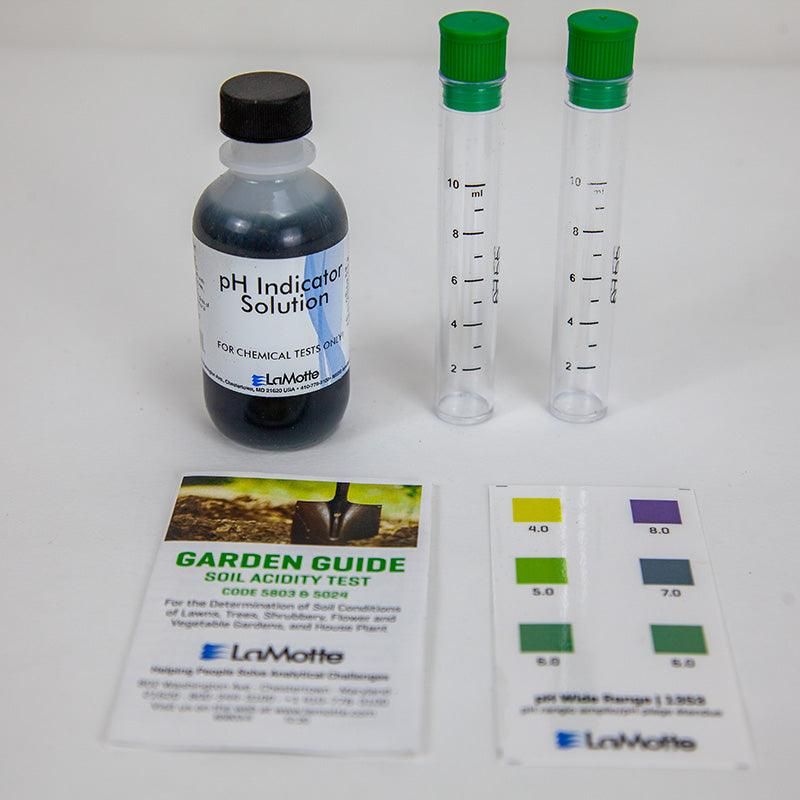
Sometimes the problem is not too little food but food the plant cannot reach. If your soil pH drifts too high or too low, tomatoes struggle to absorb nutrients even when they are sitting right there in the ground.
Grab an inexpensive test kit and check your soil. Tomatoes like a slightly acidic range around 6.0 to 6.8, and staying in that window keeps nutrients unlocked and available.
What makes this step so valuable is that it saves you from wasting money and effort. Piling on more fertilizer into badly balanced soil does little good and can even make things worse.
If the pH is off, small adjustments help. A bit of garden lime can raise soil that is too acidic, while sulfur or organic matter can lower soil that is too alkaline. Make changes gradually and retest.
Fixing pH is less flashy than pouring on a feed, but it may be the hidden reason your tomato stalled. Get this right and every other feeding trick you try suddenly works far better than before.
16. Flush Overfed Soil With Plain Water
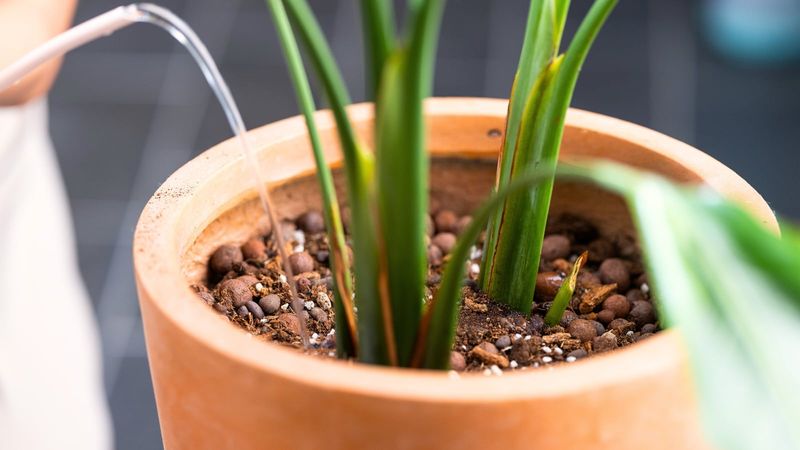
Believe it or not, too much fertilizer can stall a tomato just as badly as too little. When salts from heavy feeding build up in the soil, roots get stressed and stop taking up water and nutrients properly.
Signs of overfeeding include a white crust on the soil surface, leaf edges that look burned, and growth that stops even though you keep feeding. If that sounds familiar, ease off the fertilizer right away.
The fix is simple: flush the soil with plenty of plain water. Slowly running water through the root zone helps wash away excess salts and gives the roots a fresh start.
This trick earns its place because more feeding is not always the answer. Recognizing when to stop and reset can save a plant that other gardeners might accidentally push over the edge.
After flushing, hold off on feeding for a week or two and let the plant recover. Once new growth appears healthy again, return to a gentle, measured schedule so you do not repeat the same mistake during the rest of July.
17. Time Every Feeding for Early Morning
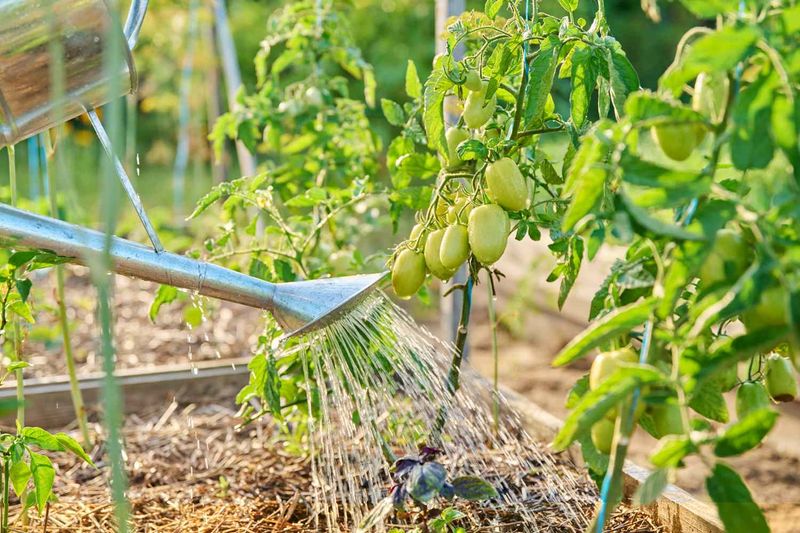
The clock on the wall matters more than you might think when feeding tomatoes in July. Watering and feeding early in the morning, before the heat climbs, gives roots the best chance to drink up nutrients before the sun drives moisture away.
Feed at midday and much of your effort evaporates or runs off before the plant can use it. Roots also slow down when soil bakes, so nutrients just sit there unused during the hottest hours.
Morning feeding lands differently because everything lines up. Cool soil, active roots, and a full day of sunlight ahead mean the plant can immediately turn that food into growth and fruit.
Early feeding also lets the foliage dry quickly if you sprayed the leaves, which lowers the risk of fungal problems that thrive on wet, warm evenings.
Make it a habit to grab your coffee and feed the tomatoes at the same time each morning. This one small change in timing can quietly boost the results of every other trick on this list and help your stalled plants start moving again.