
If you love a colorful garden but hate the endless upkeep, perennials are your best friends. These plants come back year after year, so you plant once and enjoy the payoff for seasons to come.
The eight picks below thrive in Southern heat, shrug off dry spells, and keep blooming while you relax on the porch. Here is what to plant, where it shines, and why each one earns a spot in your beds.
1. Daylily
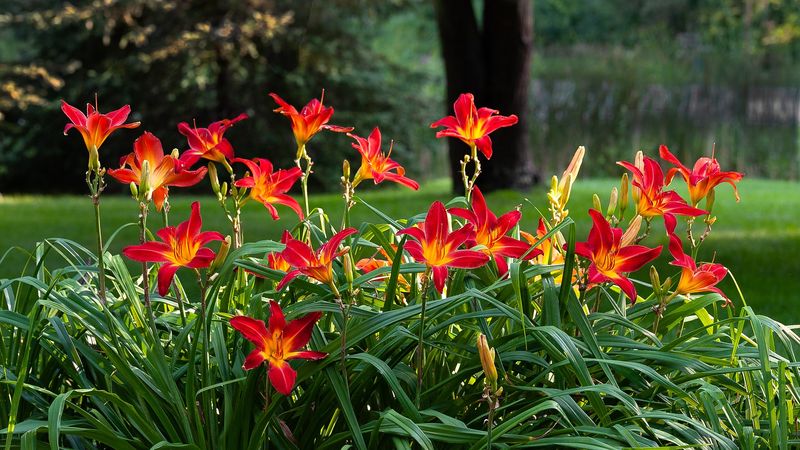
Ask any Southern gardener for a plant that survives neglect, and the daylily usually tops the list. Its nickname, the perfect perennial, is well earned because it laughs off heat, poor soil, and the occasional forgotten watering.
Each flower lasts a single day, but a healthy clump pushes out dozens of buds, so the show rolls on for weeks. Colors range from creamy yellow to deep burgundy, and reblooming types like Stella de Oro flower from spring straight into fall.
Plant them along borders, mailbox beds, or slopes where you want quick, dependable color. They tolerate full sun in Florida and Texas but appreciate a little afternoon shade in the hottest zones.
Dividing crowded clumps every few years keeps them vigorous and gives you free plants to spread around. Beyond that, they barely ask for anything.
Fun fact: daylilies are not true lilies at all, and many varieties are edible, though you should always confirm the type before tasting. For color that keeps coming with almost zero fuss, few plants deliver like this one.
2. Black-Eyed Susan
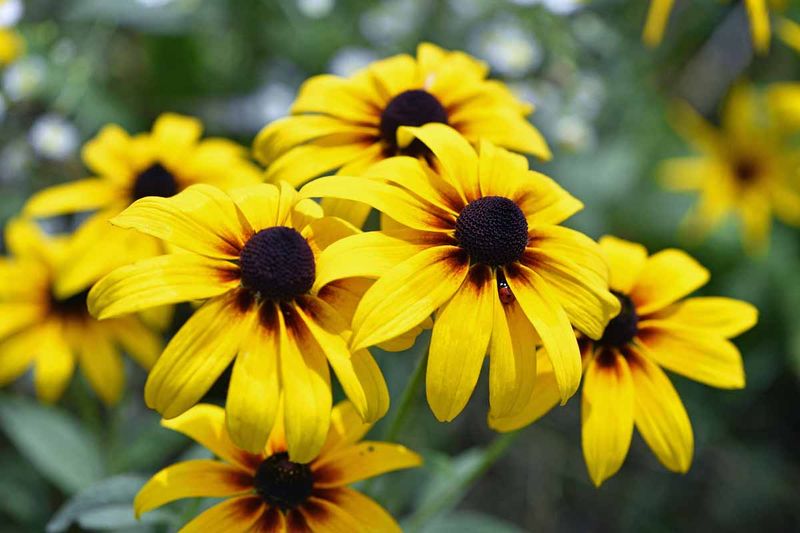
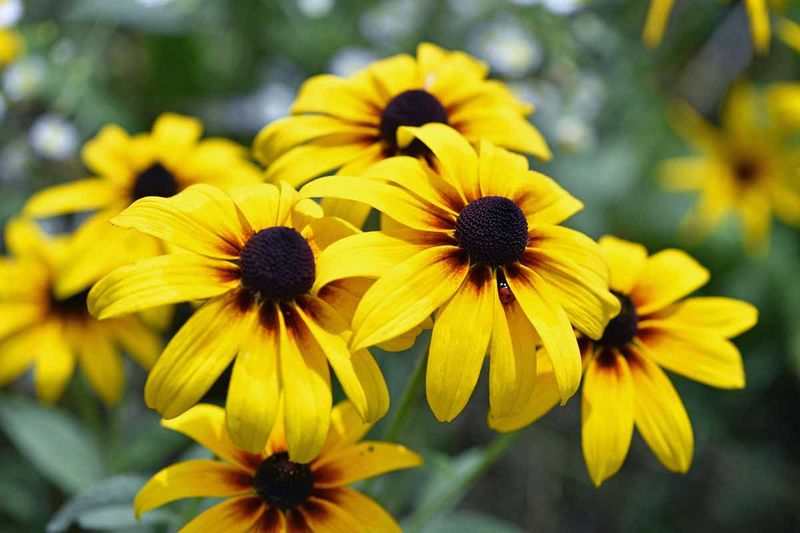
Golden petals circling a chocolate-brown center make black-eyed Susan look like a burst of sunshine planted in the ground. Native across much of the country, it feels right at home in Southern yards and asks for very little in return.
Once established, these plants handle drought like champs and keep blooming from early summer through fall. Pollinators adore them, so expect bees and butterflies to turn your bed into a busy little airport.
They spread by seed and slowly form cheerful drifts, which makes them ideal for filling awkward gaps or naturalizing a sunny corner. Deadheading tidies things up, but even left alone the seed heads feed goldfinches through winter.
Poor soil does not bother them, and they rarely need extra fertilizer to put on a strong display. Full sun brings out the boldest color.
Pair them with purple coneflower or ornamental grasses for a prairie-style look that practically maintains itself. For gardeners who want maximum impact with minimum babysitting, black-eyed Susan is a reliable workhorse that never seems to run out of energy.
3. Coneflower (Echinacea)
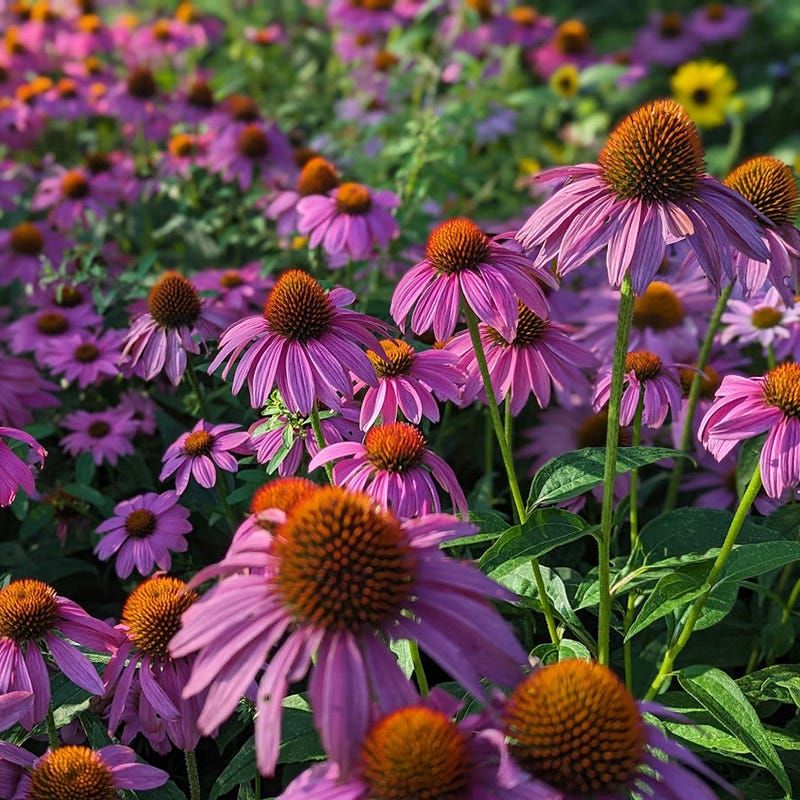
Sturdy stems, daisy-shaped blooms, and a spiky copper cone give the coneflower a personality that stands out in any bed. Long a favorite of butterflies, it brings movement and life to the garden all summer long.
Drought is no match for its deep taproot, which lets it thrive through dry Texas summers once it settles in. That same taproot means it prefers to stay put, so pick a spot and let it grow undisturbed.
Beyond the classic purple, newer varieties come in orange, coral, white, and even lime green, giving you plenty of ways to mix and match. Blooms hold up well as cut flowers too.
Leave the seed heads standing in fall and you will treat local finches to a winter buffet. It is a small kindness that also adds structure to the off-season garden.
Coneflowers were long valued in traditional herbal remedies, which is where the echinacea supplement name comes from. As a garden plant, though, its real gift is dependable color that keeps pollinators happy while asking almost nothing from you in return.
4. Coreopsis
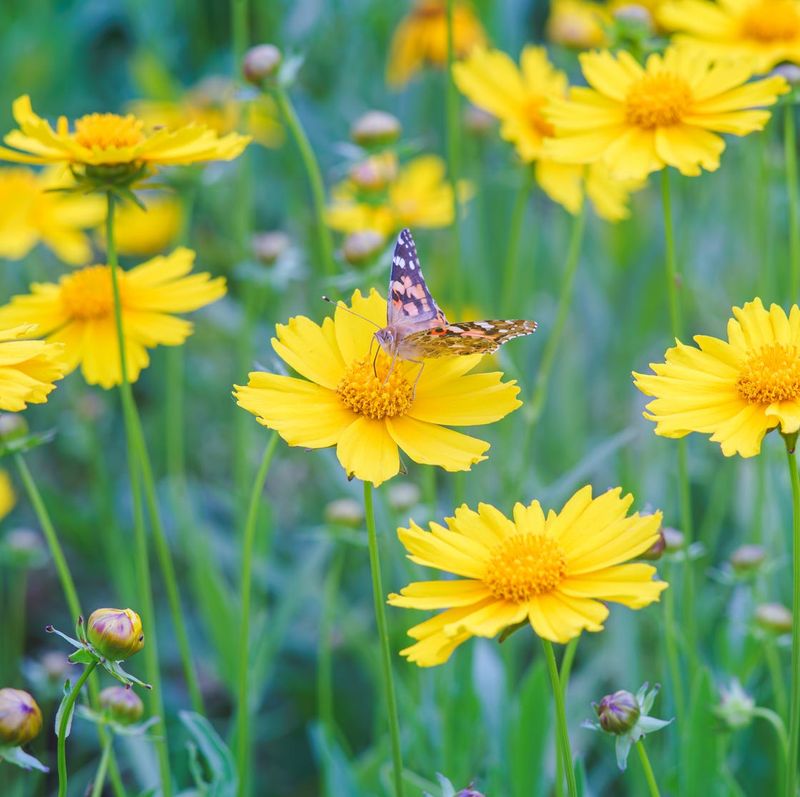
Sometimes called tickseed, coreopsis blankets a bed in dainty golden blooms that seem to hover above lacy foliage. Do not let the delicate look fool you, because this is one tough little plant.
Heat and drought barely register once it is rooted in, making it a natural fit for full-sun spots that fry other flowers. It blooms so heavily that the foliage nearly disappears under a carpet of color.
A quick shearing in midsummer keeps it neat and encourages a fresh flush of flowers right into fall. Beyond that occasional trim, it needs almost no attention.
Varieties range from sunny yellow to pink, red, and bicolor, so you can tuck it into cottage beds or modern borders alike. Its airy shape softens the edges of walkways and containers beautifully.
Bees and butterflies flock to the blooms, adding another layer of life to your yard. As a native wildflower in much of North America, coreopsis is even the state wildflower of Florida.
For gardeners chasing effortless, long-lasting color, this cheerful bloomer punches well above its weight.
5. Salvia
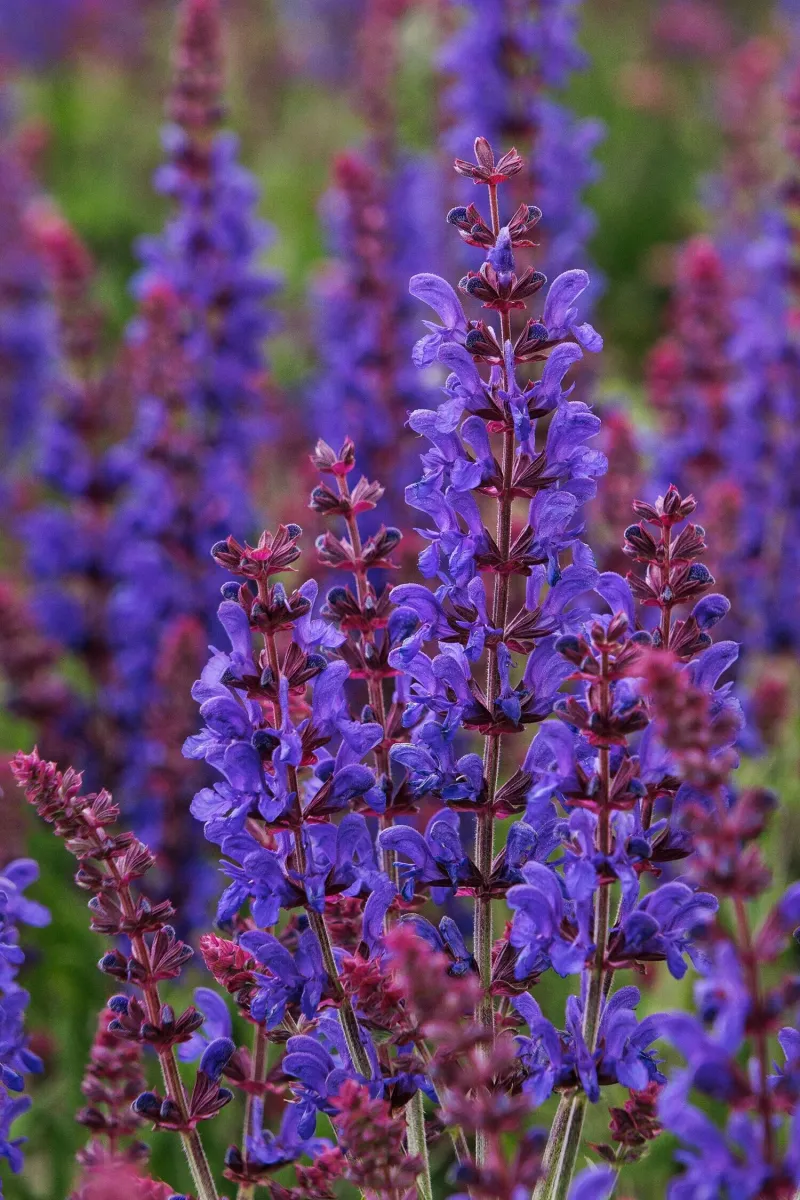
Spiky wands of purple, red, or blue rise above the foliage on salvia, giving your beds vertical drama that few easy perennials can match. Hummingbirds treat those blooms like a personal fuel station.
Built for heat, many salvias shrug off blazing sun and dry soil, which is exactly why they thrive across Florida and Texas landscapes. Once established, they rarely need supplemental water beyond the occasional deep soak.
Deadheading spent spikes keeps new flowers coming, and some types bloom nearly nonstop from spring until frost. That long season makes them a backbone plant for pollinator gardens.
Deer and rabbits tend to leave the aromatic foliage alone, which is a quiet bonus if critters usually raid your beds. Fewer nibbled plants means less replanting for you.
With hundreds of varieties, from low mounding types to towering four-foot spires, there is a salvia for nearly every spot in the yard. Pair them with coreopsis or daylilies for a hummingbird magnet that keeps buzzing all season.
For color, height, and wildlife appeal rolled into one low-effort package, salvia is hard to beat.
6. Lantana
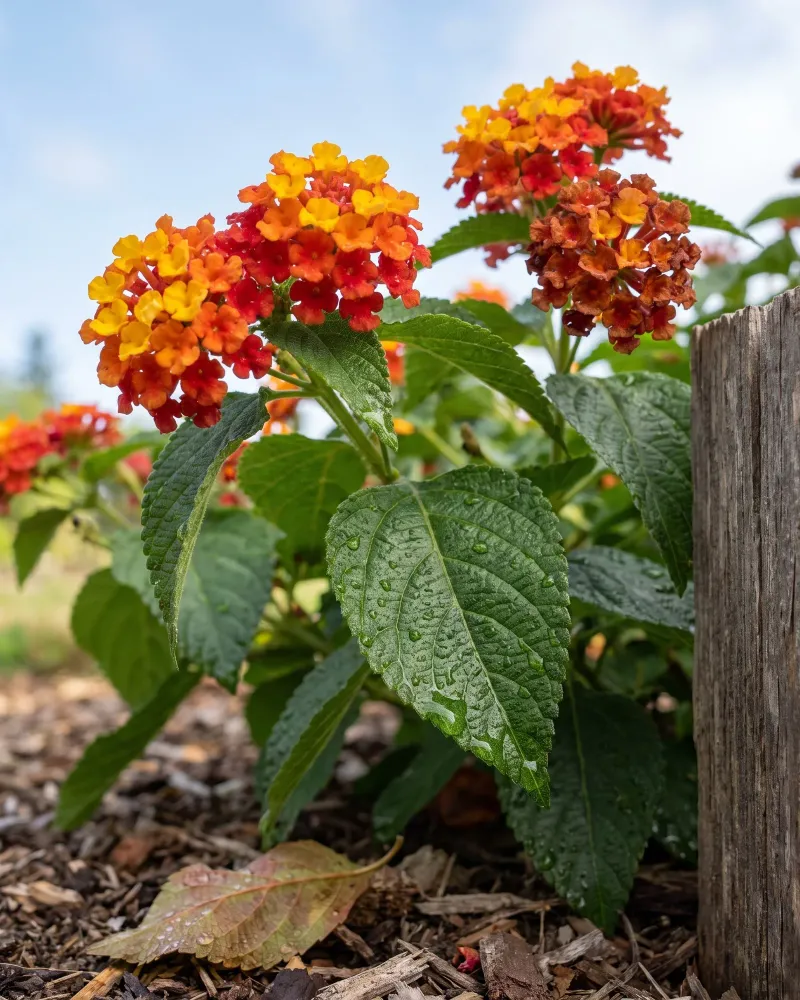
Few plants pack as much color into a heat wave as lantana, whose tiny florets cluster into cheerful pom-poms of yellow, orange, pink, and red. Butterflies simply cannot resist it.
The hotter and drier the weather, the happier this plant seems, which makes it a rock star in scorching Florida and Texas summers. While other flowers wilt by August, lantana just keeps pumping out blooms.
It works beautifully as a spreading groundcover, a mounding border plant, or a trailing filler spilling from containers and hanging baskets. That flexibility lets you use it almost anywhere the sun hits.
Watering needs are minimal once it is established, and it rarely asks for fertilizer to stay full and colorful. A light trim keeps it tidy if it gets ambitious.
Keep in mind that lantana can spread aggressively in warm climates, so choose sterile or well-behaved varieties if you want to keep it contained. The berries are also toxic if eaten, so plant thoughtfully around pets and children.
For nonstop butterfly traffic and color that thrives on neglect, lantana earns its place in any low-work Southern bed.
7. Sedum (Stonecrop)
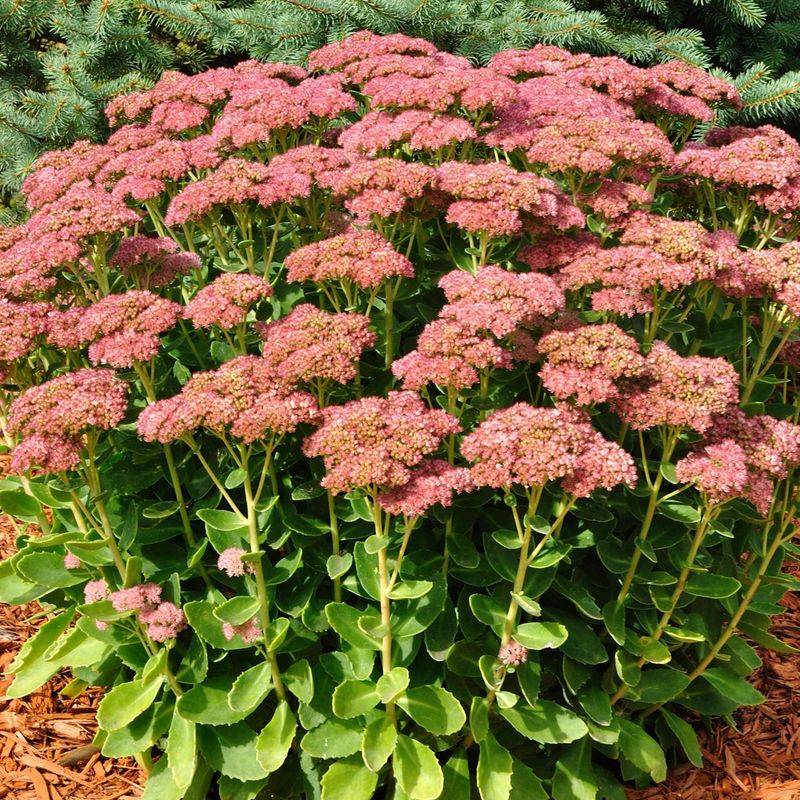
Thick, succulent leaves that store their own water make sedum one of the most forgiving perennials you can grow. Forget to water it during a dry spell, and it will quietly carry on without complaint.
Upright types like Autumn Joy form tidy mounds topped with broccoli-shaped flower heads that shift from soft pink to rich rusty red as fall arrives. That color change gives your beds a fresh look just as summer bloomers fade.
Bees and butterflies swarm the late-season flowers, making sedum a valuable food source when little else is blooming. It bridges the gap into autumn beautifully.
Low, creeping varieties spread into living carpets that suppress weeds and handle hot, rocky spots where nothing else grows. They are perfect for edging paths or filling cracks in stone.
Sun and well-drained soil are really all it asks, and soggy roots are the only thing that can do it in. Skip the heavy watering and it thrives.
The flower heads even hold their shape through winter, adding structure to the dormant garden. For drought-proof color that works from summer into fall, sedum delivers with almost no effort.
8. Shasta Daisy
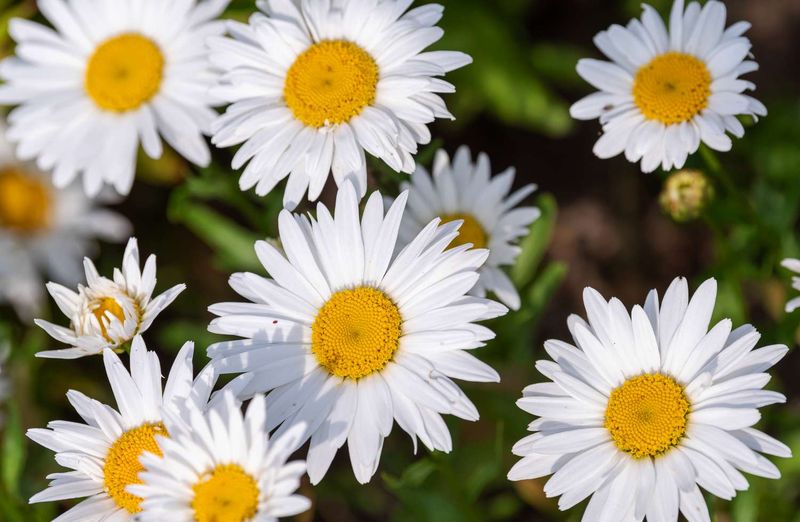
Crisp white petals around a sunny yellow eye give the Shasta daisy that timeless, storybook flower look everyone recognizes. It is the daisy of childhood drawings, brought to life in your own beds.
Reliable and unfussy, it returns every year and blooms for weeks through the heat of summer with very little help. Full sun and average soil are all it really wants.
The sturdy stems make it one of the best cut flowers on this list, so you can bring armfuls indoors without guilt. Regular deadheading keeps fresh blooms rolling in.
It forms tidy clumps that slowly widen, and dividing them every few years keeps the plants healthy and gives you more to share. That easy multiplication is a gift that keeps giving.
Butterflies visit the blooms, adding gentle motion to a bed that already feels bright and welcoming. Pair Shasta daisies with purple salvia or coneflowers for a fresh, classic combination.
Named for the snowy peak of California’s Mount Shasta because of its bright white petals, this daisy brings clean, dependable charm to any low-maintenance garden. For effortless cottage-style color, it is a longtime favorite for good reason.