
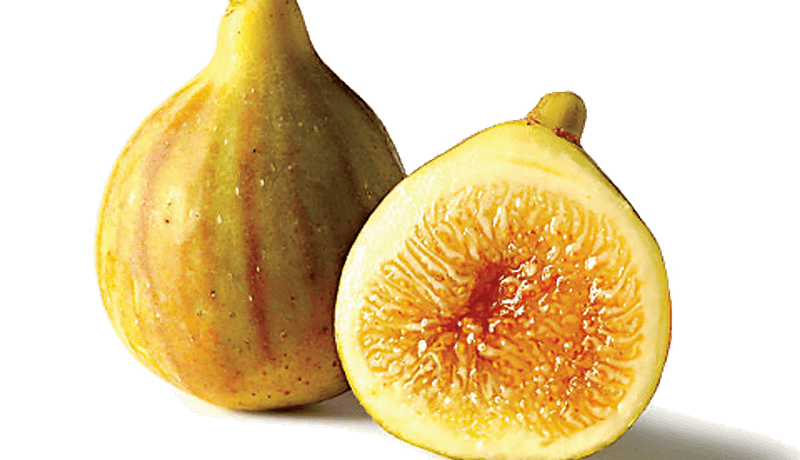
A fig tree can look dead after a hard January freeze, then surprise you with a basket of sweet fruit by August. The trick in North Carolina is picking the right variety, because some figs shrug off cold snaps while others sulk for years.
Whether you garden in the mountains, the Piedmont, or near the coast, the varieties below have earned their spot in local yards. Plant one this season and you may be sharing figs with neighbors, and the birds, sooner than you think.
1. Celeste
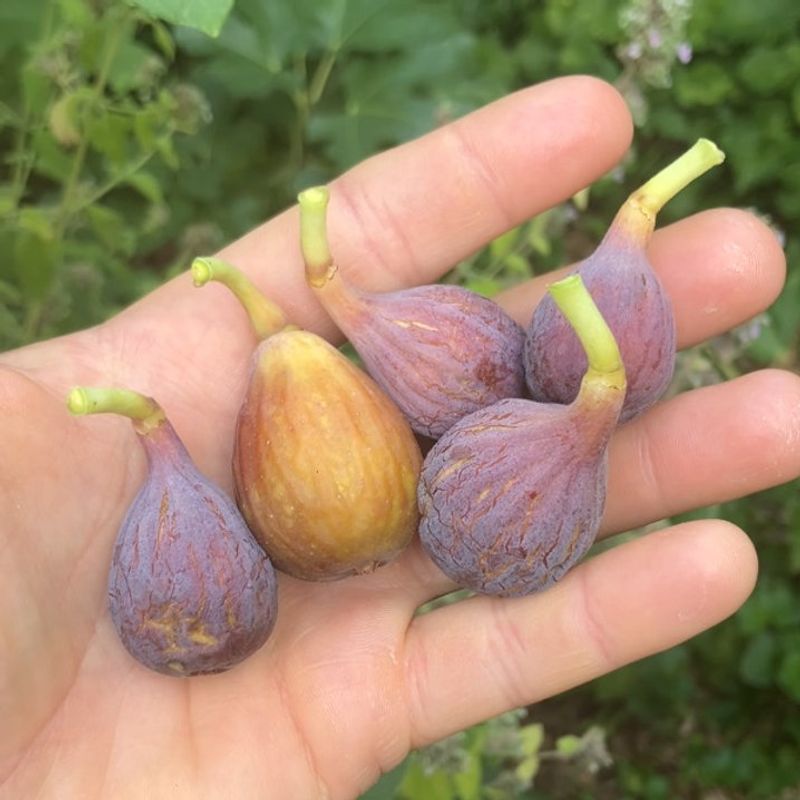
Ask an older Carolina gardener which fig grew behind grandma’s house, and there is a good chance the answer is Celeste. Often called the sugar fig, it produces small, violet-brown fruit with a honey-sweet center.
Many old trees around Raleigh and Charlotte have lived for decades with almost no care.
Celeste is prized for its tightly closed eye, the little opening at the bottom of the fruit. A closed eye helps keep out rain and souring insects, which matters in humid NC summers.
Fruit tends to ripen in a burst from midsummer into August.
Plant it in full sun near a south-facing wall for extra winter protection. Mature trees can often handle temperatures near 10 degrees Fahrenheit, though young plants benefit from a thick mulch ring their first few winters.
2. Brown Turkey
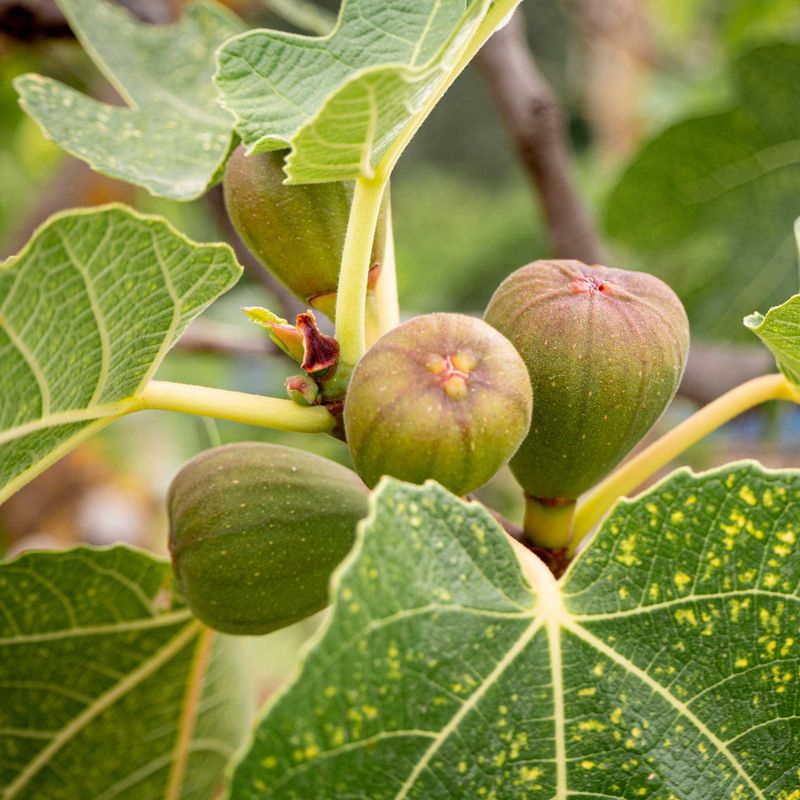
Freeze it to the ground, and Brown Turkey usually comes roaring back anyway. That stubborn streak is exactly why garden centers across North Carolina stock it every spring.
The fruit is medium to large with coppery skin and pinkish-amber flesh. It is not the richest-tasting fig on this list, but it makes up for that with dependability.
Brown Turkey often sets a small early crop, called a breba crop, then a heavier main crop in late summer.
Here is the key advantage for mountain and northern Piedmont gardeners: it fruits on new wood. So even if winter kills the top growth, spring shoots can still bear figs the same year.
Give it room, because a happy tree can sprawl 10 to 15 feet wide.
3. Chicago Hardy
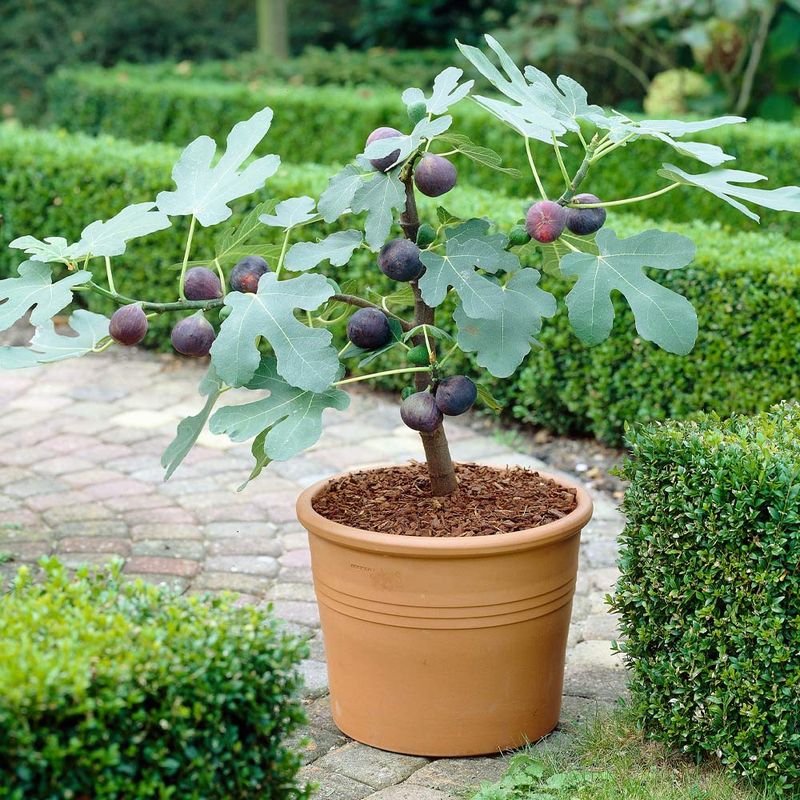
With a name like that, you would expect toughness, and Chicago Hardy delivers. Gardeners in Boone, Asheville, and other high-elevation towns lean on this variety when others fail.
The roots can often survive temperatures well below zero when well mulched. Tops may die back in a harsh winter, yet the plant regrows and fruits on fresh stems by late summer.
The figs are medium-sized, dark purple, and taste like berries mixed with brown sugar.
For the best crop in cold spots, pile 6 to 12 inches of shredded leaves over the base after the first hard freeze. Pull the mulch back in spring once new buds swell.
It is a simple chore that pays off in a full harvest.
4. LSU Purple
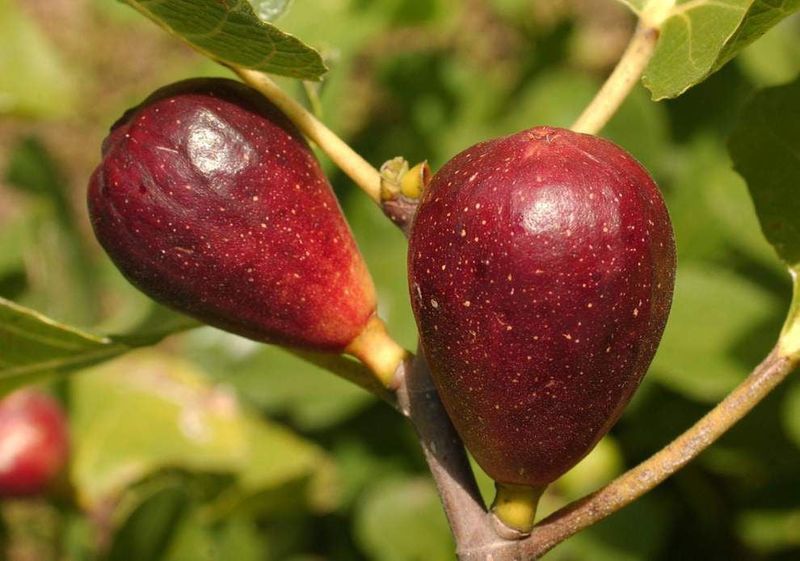
Bred at Louisiana State University for steamy Southern summers, LSU Purple feels right at home in eastern North Carolina. Humidity, afternoon storms, and leaf spot problems that bother other figs tend to bother this one less.
Its fruit is medium-sized with shiny purple skin and strawberry-red flesh. Some years it sets a light spring crop, a main summer crop, and even a few figs into fall.
That long season is a treat for anyone who likes fresh figs on cereal.
Cold tolerance is solid, with established trees typically hardy into the low teens. Coastal plain and Sandhills gardeners will likely see the best results.
Water deeply during dry spells, since figs drop fruit when stressed.
5. Hardy Chicago’s Cousin: Marseilles
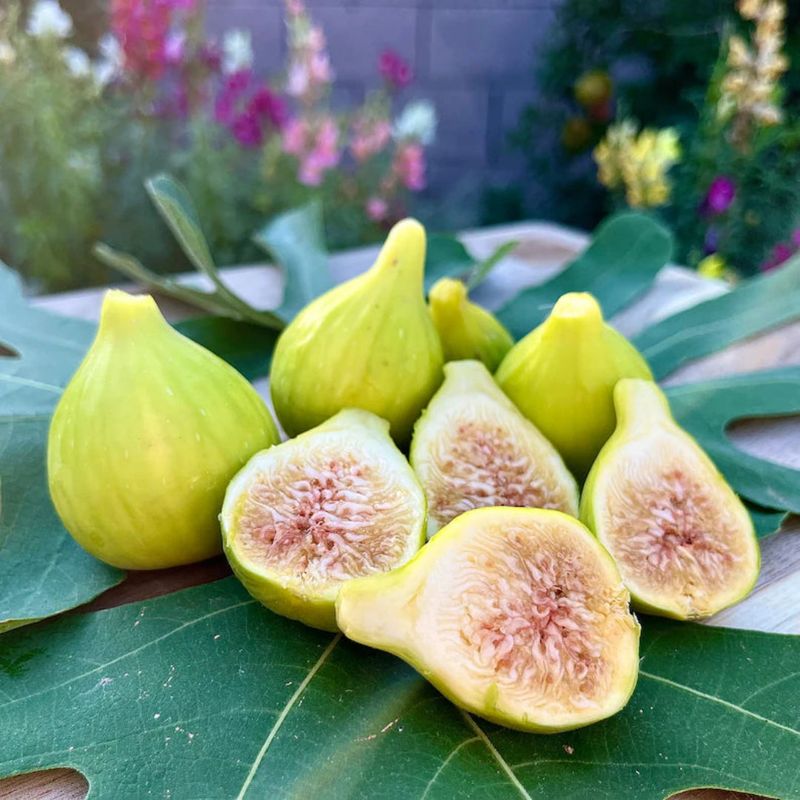
Most people picture figs as purple, so Marseilles throws them a curveball. Its fruit ripens pale green to yellow, with creamy white flesh that tastes mild, sweet, and a little nutty.
A fun bonus is that birds often overlook green figs, mistaking them for unripe fruit. That means more harvest stays on the tree for you.
It is a small trick, but backyard growers in the Piedmont swear by it.
Marseilles, sometimes sold as White Marseilles or Lattarula, handles cold surprisingly well and regrows from roots after hard winters. It makes excellent fig preserves too.
6. Alma
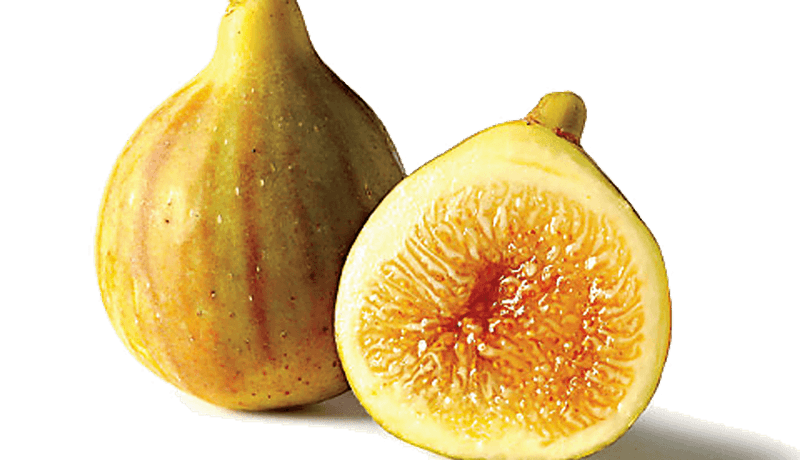
Sticky fingers come standard. Alma figs are so sugary they often drip a bead of syrup from the bottom when perfectly ripe.
Developed in Texas, Alma is a smaller tree that suits tight suburban lots. The golden-brown fruit ripens later in the season and has a closed eye that resists souring in wet weather.
Alma is a bit more tender than Celeste or Chicago Hardy, so it fits best in the coastal plain and warmer southern Piedmont. Plant it against a brick wall or garage for extra heat in winter.
Young trees may need frost cloth during sudden cold snaps.
7. Olympian
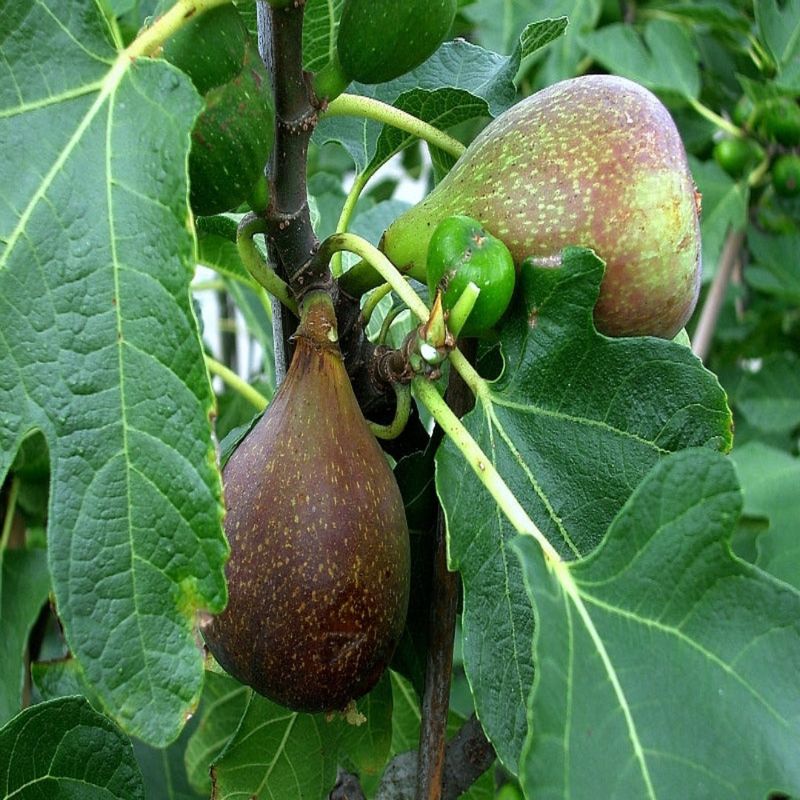
Picture a fig the size of a small plum, and you have Olympian. Found growing in Olympia, Washington, it was chosen because it ripened well in cool, short summers.
That background makes it a strong pick for gardeners in western North Carolina, where early fall chills can cut the season short. The fruit has purple skin with green shoulders and rich, jammy red flesh.
Olympian fruits on new growth, so winter dieback rarely wipes out a crop. It may take a couple of years to settle in before it produces heavily.
Patience usually rewards you with some of the biggest figs in the neighborhood.
8. Ronde de Bordeaux
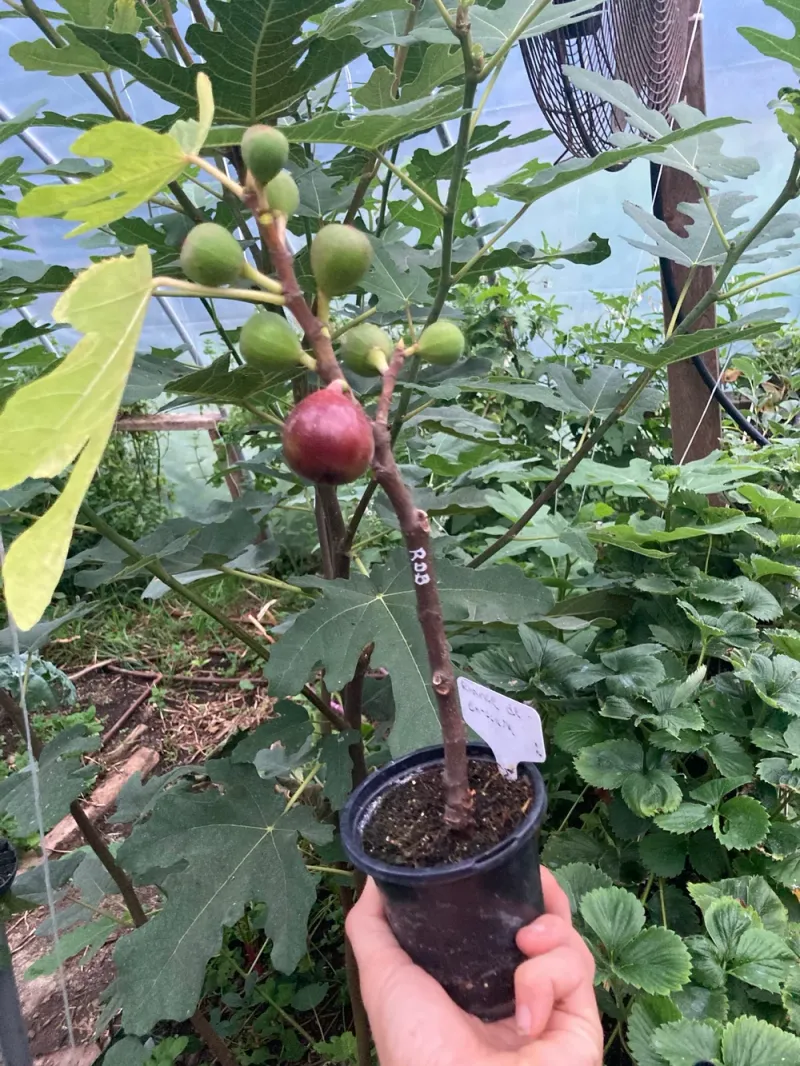
Early birds get the figs with this French heirloom. Ronde de Bordeaux is one of the first varieties to ripen, sometimes by mid-July in the Piedmont.
The fruit is small, round, and nearly black, with deep red flesh that tastes like berries and wine. Fig fans often rank it among the best-flavored figs anywhere.
Its compact habit also makes it a smart choice for large containers on a patio.
Potted trees can roll into a garage or unheated shed for winter, protecting them from the worst cold. In the ground, mulch heavily in colder areas.
Either way, the early harvest makes it a fun addition.