
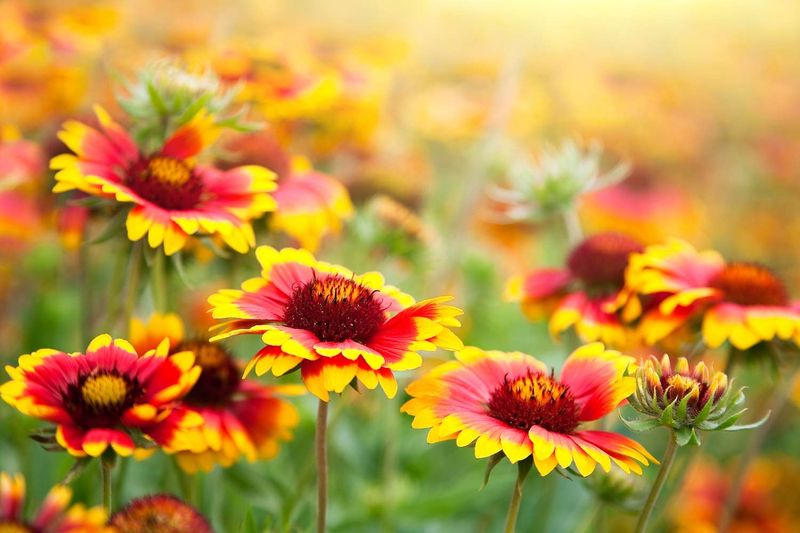
A colorful yard does not have to mean spending every Saturday pulling, pruning, and fussing over plants. The right perennials can handle Southern heat, bounce back from rough weather, and still put on a long show.
If you garden in places like Florida or Texas, picking plants that work with the climate can save time and frustration. Here are 10 dependable bloomers that keep beds, borders, and porch plantings lively without adding a pile of chores.
1. Lantana
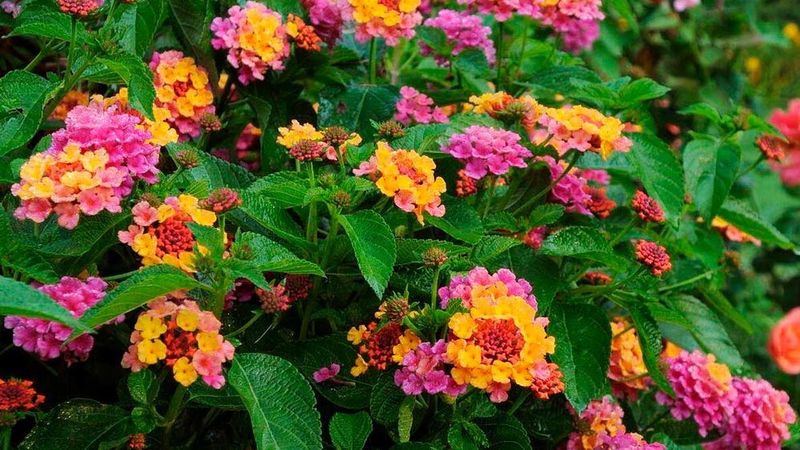
Nothing says low-stress color quite like lantana on a hot Southern afternoon. When many flowering plants start to look tired by midsummer, lantana usually keeps going, pushing out clusters of bright blooms that bring in butterflies and make a bed look cheerful even during long dry spells.
For gardeners in Texas and much of Florida, that toughness is the big selling point. Lantana thrives in full sun, handles reflected heat near driveways and sidewalks, and often performs well in average soil as long as drainage is decent.
Once established, it may need less watering than thirstier bloomers, which can lighten the load during stretches of high heat. Deadheading is helpful if you want a tidier look, but many gardeners simply shear it lightly when stems get leggy and let it rebound.
Another reason it earns a place on this list is flexibility. Mounding types work beautifully in borders and porch beds, while trailing forms spill nicely from raised planters or retaining walls.
If your goal is steady color without the feeling that every bloom comes with a new task, lantana is one of the smartest plants you can start with.
2. Autumn Sage
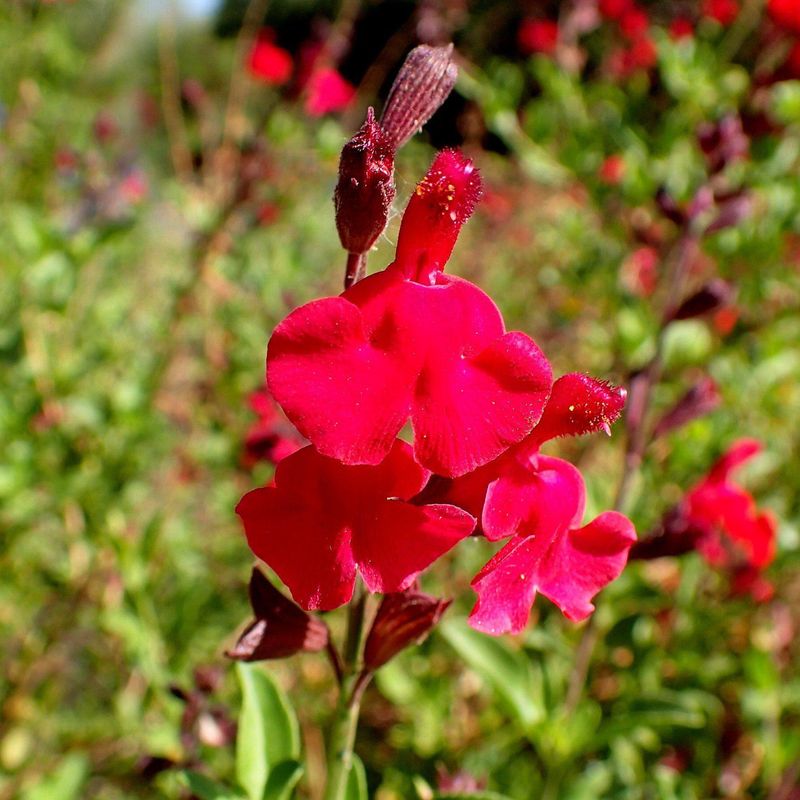
Some plants earn their keep by blooming hard when everything around them seems to pause. Autumn sage does exactly that, sending up waves of small, bright flowers that can carry a garden through warm months with surprisingly little effort from the gardener.
Especially useful in Texas and other hot Southern spots, autumn sage likes full sun and sharp drainage. It can handle leaner soil than many showier perennials, and that matters if you are tired of pampering plants that sulk unless the bed is rich and constantly moist.
Hummingbirds love the blooms, so it also adds motion and wildlife interest without needing special care. A light trim after a heavy flush often encourages another round, but it usually does not demand the constant deadheading that makes some flowering plants feel like part-time jobs.
Its biggest strength may be how neat it stays compared with floppier perennials. The small leaves and shrubby shape give garden edges a clean look, even in heat.
Red is the classic color, but pinks, corals, and purples are easy to find too. For a busy homeowner, autumn sage offers that rare mix of brightness, durability, and a naturally tidy habit.
3. Coreopsis
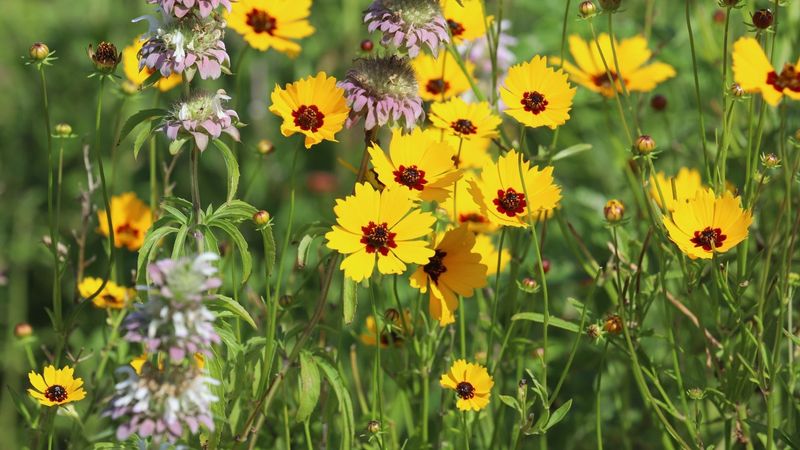
Bright as a pocketful of sunshine, coreopsis has a way of making a garden look happy without demanding much in return. Its daisy-like flowers bring a loose, relaxed feel that softens walkways, mailbox beds, and mixed borders where you want color to last but do not want to babysit every stem.
Gardeners across the South appreciate coreopsis because it settles in fast and keeps blooming with basic care. Most types prefer full sun and well-drained soil, and once established they can handle heat better than many people expect.
In Florida and Texas, that makes them useful for long warm seasons when high-performing color really matters. Some varieties bloom in strong flushes, while others seem to scatter flowers over many weeks.
A trim after the first big bloom cycle may help freshen the plant and encourage more buds, but the task is quick and simple.
Coreopsis also works well if you like a more natural look instead of a tightly clipped landscape. It mixes easily with grasses and other perennials, attracts pollinators, and does not usually become a high-maintenance diva.
If your beds feel dull by early summer, a patch of coreopsis can add lasting brightness without adding a demanding routine.
4. Daylily
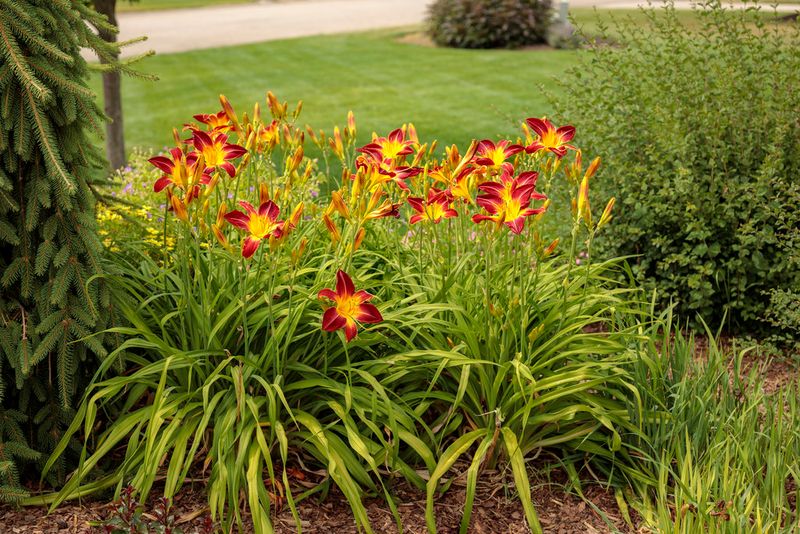
Plenty of gardeners remember daylilies from older yards, and there is a good reason they never really disappeared. They are among the easiest perennials for filling space with reliable color, and modern varieties offer far more bloom colors and reblooming habits than the common roadside types many people picture first.
What makes daylilies so practical is their forgiving nature. They handle heat, adapt to a wide range of soils, and usually come back year after year with little drama.
In the South, where summer can turn finicky plants into a headache, daylilies often keep their composure. Their strappy foliage helps beds look full even when flowers are between flushes, so you are not left with empty gaps.
A little cleanup of spent scapes can keep them looking sharper, but they are still manageable if you cannot get to them right away.
Another advantage is placement. Daylilies work along driveways, around mailboxes, at the edge of foundation beds, or in larger drifts where you want a strong visual block of color.
Reblooming selections are especially helpful for homeowners who want more than a one-and-done display. For steady performance without constant coddling, daylilies remain hard to beat.
5. Gaura
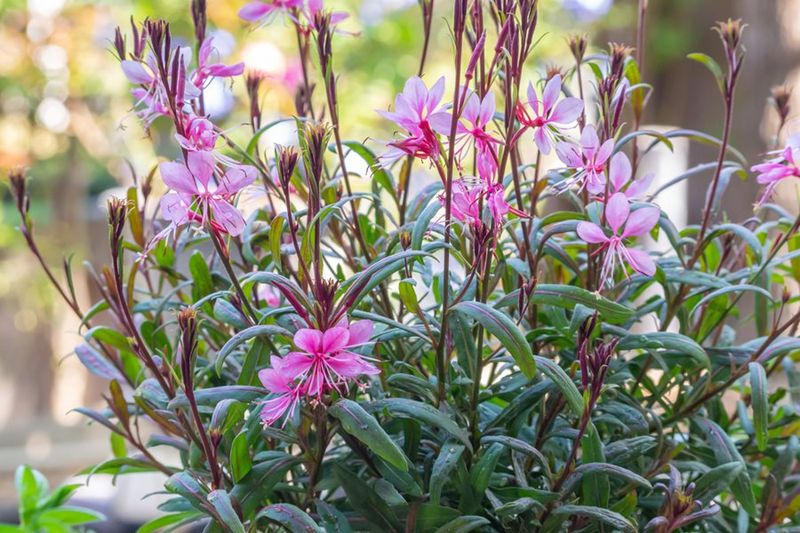
Airy and loose in the best possible way, gaura brings movement to a garden that can otherwise feel stiff or heavy. Its small flowers seem to float above the foliage, and that light, fluttery effect keeps beds looking lively for a long stretch without needing the kind of grooming that more formal plants demand.
Gaura shines in hot, sunny Southern landscapes because it does not ask for rich soil or frequent pampering. In fact, it often performs better when conditions are not overly lush.
Good drainage matters, especially in humid areas, but once the plant is settled it can handle heat and short dry spells with less complaint than many other bloomers. That makes it a smart option for gardeners in Texas and parts of Florida where summer weather can be rough on fussy perennials.
A light shearing now and then may help keep the plant compact and encourage fresh flowering.
Design-wise, gaura is especially useful because it softens bolder shapes. Pair it with daylilies, salvias, or ornamental grasses and the whole planting feels more relaxed and natural.
If your yard needs long color plus a sense of motion, gaura offers both, and it does so without turning the garden into extra weekend work.
6. Society Garlic
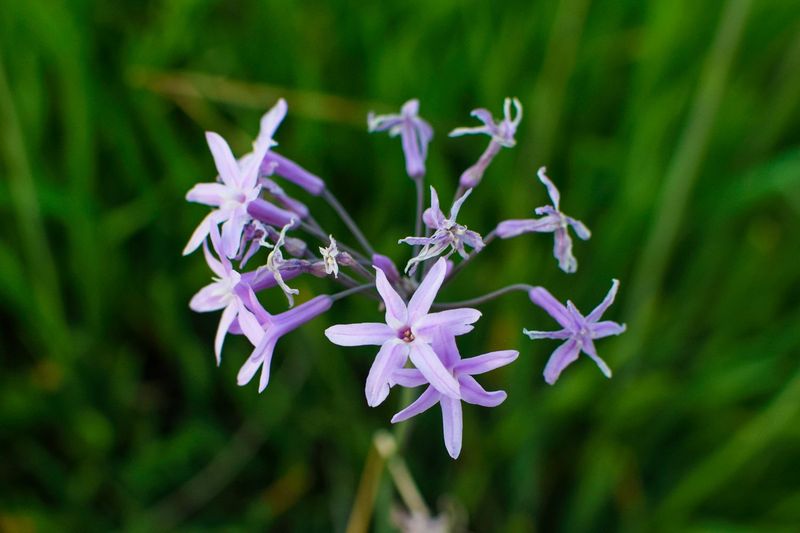
Here is a plant that quietly solves several garden problems at once. Society garlic gives you grassy foliage, cheerful lavender blooms, and a tidy clumping habit, all while asking for much less attention than many flowering border plants.
Home gardeners in Florida and Texas often appreciate how well society garlic fits everyday landscapes. It tolerates heat, likes sun, and works beautifully in edging, small beds, and containers near entrances where you want a neat appearance for months at a time.
Because the leaves stay attractive even when the plant is not in peak bloom, the bed still looks finished instead of bare. Flower stems rise above the foliage in waves, and light grooming can keep things crisp, but the maintenance stays simple.
In mild parts of the South, it may remain attractive for much of the year.
Another practical bonus is the plant’s structure. Society garlic does not usually flop all over neighboring flowers, so it is useful in tight spaces where every inch counts.
The blooms mix well with both cottage-style and modern landscapes, which makes design easier for homeowners updating older foundation beds. For anyone who wants dependable color with a clean outline and very little fuss, society garlic earns its spot with ease.
7. Black-Eyed Susan
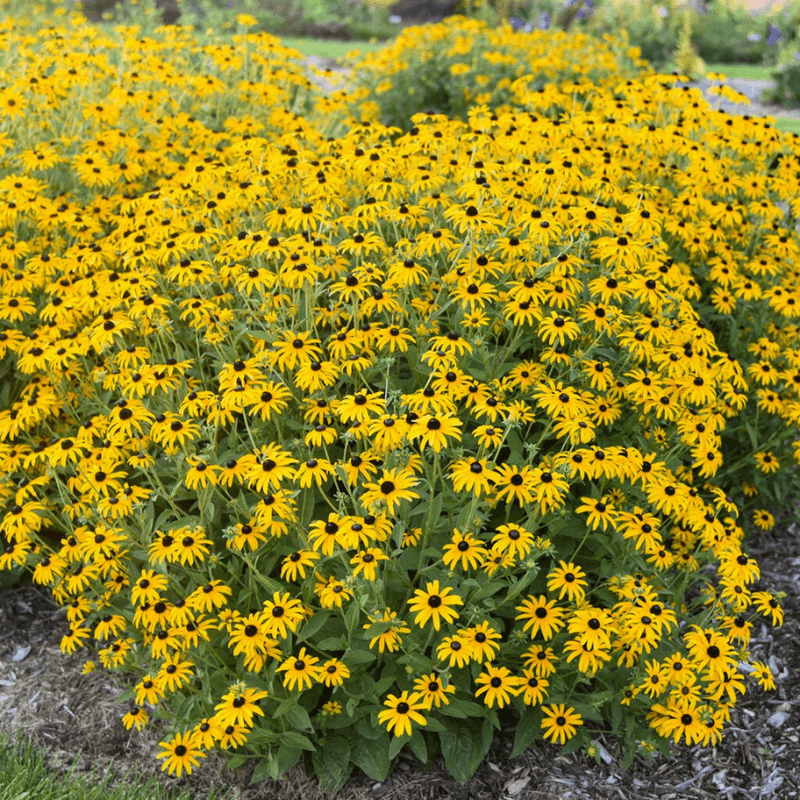
Golden petals and dark centers make black-eyed Susan one of those plants that reads clearly from across the yard. When a border needs a jolt of friendly, easy-to-see color, it steps up fast and gives the whole space a more cheerful, cared-for look.
What sets it apart from softer, more delicate perennials is its sturdy presence. Black-eyed Susan handles full sun well and often stands up nicely through Southern summer conditions, especially where soil drains reasonably well.
It is a strong choice for gardeners who want pollinator activity without the upkeep of plants that need frequent staking or constant fussing. In Texas and many other warm regions, it can be especially effective in larger drifts where the repeated yellow color ties a bed together.
Removing old blooms may extend the display, but even with minimal cleanup the plants usually provide a long, satisfying show.
There is also something refreshingly straightforward about it. The flowers pair easily with grasses, salvias, and purple coneflowers, and the color works with brick homes, white fences, and most common suburban hardscaping.
If your goal is to make the yard look brighter with a plant that feels dependable instead of delicate, black-eyed Susan is a very practical answer.
8. Purple Coneflower
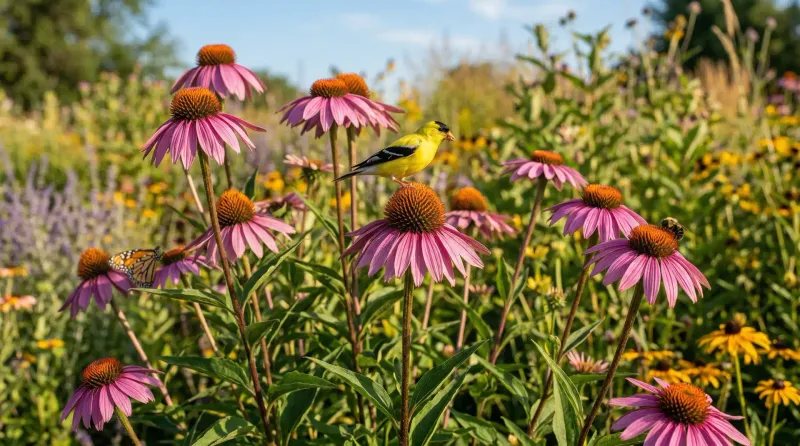
Few perennials balance toughness and good looks as smoothly as purple coneflower. It has the kind of bloom that feels substantial in the garden, with sturdy stems and raised centers that catch both the eye and plenty of visiting pollinators.
For Southern gardeners, the appeal goes beyond looks. Purple coneflower generally prefers full sun and decent drainage, and once established it can cope with heat far better than many people expect.
It may not love every soggy spot in the Deep South, but in the right place it offers weeks of color with a lot less maintenance than fussy flowering plants. The seed heads also add interest after the petals fade, so you are not forced into immediate cleanup if time is short.
That trait alone can make a yard feel easier to manage during busy summer stretches.
Another point in its favor is versatility. Purple coneflower works in pollinator beds, front-yard borders, and casual cottage-style plantings, yet it still looks at home in more orderly suburban landscapes.
Newer varieties come in additional colors, but the classic purple form remains one of the most reliable. If you want flowers that look bold, survive heat, and keep contributing even after bloom time, coneflower is an excellent pick.
9. Blanket Flower
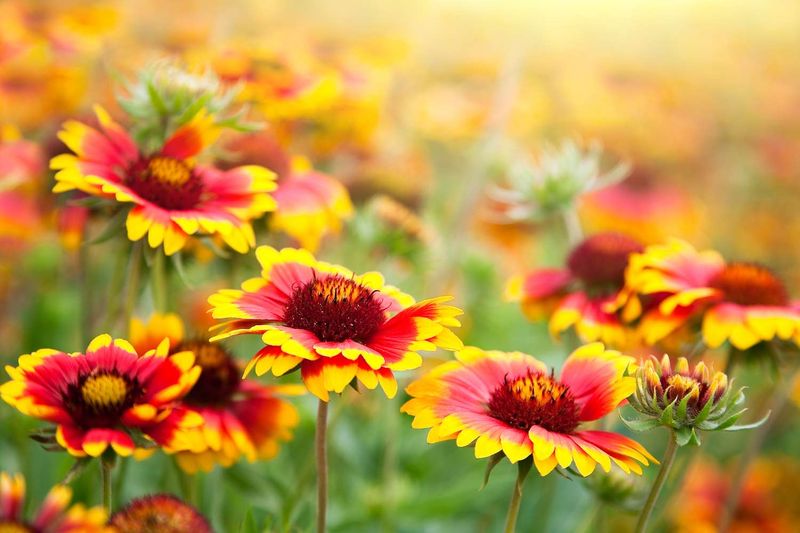
Hot colors seem to belong in hot climates, and blanket flower proves the point beautifully. With red, orange, and yellow tones that look almost sunbaked, it brings serious energy to a bed while asking for surprisingly little from the person growing it.
Blanket flower is especially useful when a yard has a baking spot that defeats softer perennials. Full sun suits it best, and lean, well-drained soil often keeps it happier than rich ground that stays too wet.
In Texas and warmer parts of the South, that rugged streak makes it a strong candidate for borders near pavement, curbside strips, or other hard-to-love areas. The flowers can keep coming over a long season, and while deadheading may improve the show, many gardeners find the plant still worthwhile with only occasional cleanup.
The overall look is a bit more spirited than formal, which is part of its charm. Blanket flower pairs well with ornamental grasses, salvias, and other drought-tolerant choices, creating combinations that feel bright without feeling overworked.
If your garden needs color that can stand up to heat and lean conditions, this is one of the friendliest ways to get it. It delivers the lively look of a summer bed without demanding a constant round of chores.
10. Bulbine
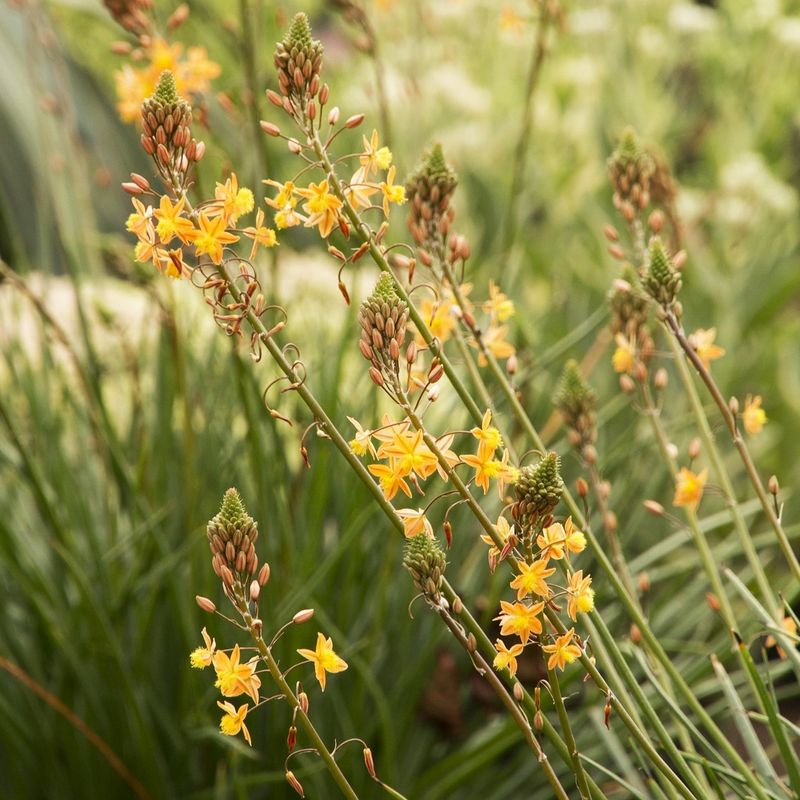
Not every dependable bloomer is a household name, and bulbine deserves more attention than it gets. Its succulent-like foliage stays neat and compact, while slender stems lift little yellow or orange flowers above the clump for a look that feels clean, modern, and incredibly easy to live with.
In warm Southern regions, especially parts of Florida and Texas, bulbine can be a smart answer for gardeners who want color without a thirsty plant list. It likes sun, appreciates good drainage, and often handles heat with very little drama once established.
Because the foliage remains attractive on its own, the plant still earns its space even between heavier bloom cycles. That gives the whole bed a more finished appearance and reduces the urge to keep replacing tired seasonal color.
Occasional trimming of spent stalks may help, but overall maintenance is light.
Bulbine is also useful where larger perennials would feel crowded. It fits narrow beds, mailbox plantings, and dry border edges where every plant has to justify the space it takes.
The texture pairs nicely with stones, gravel, and architectural grasses, making it a strong choice for homeowners leaning toward a lower-water landscape. For steady brightness in a small footprint, bulbine is hard to overlook.