
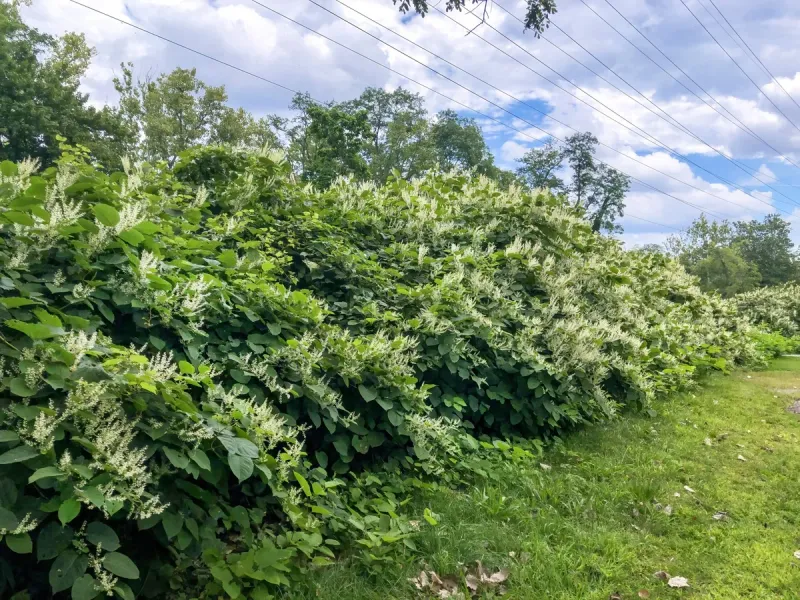
Some plants look pretty in the garden but cause big trouble once they escape into the wild. A few grow so fast and spread so aggressively that many states have made it illegal to plant or sell them.
If you garden in the South, especially Florida or Texas, some of these troublemakers may already be creeping through your yard. Here are the ones worth pulling before they take over your beds and your neighborhood.
1. Kudzu
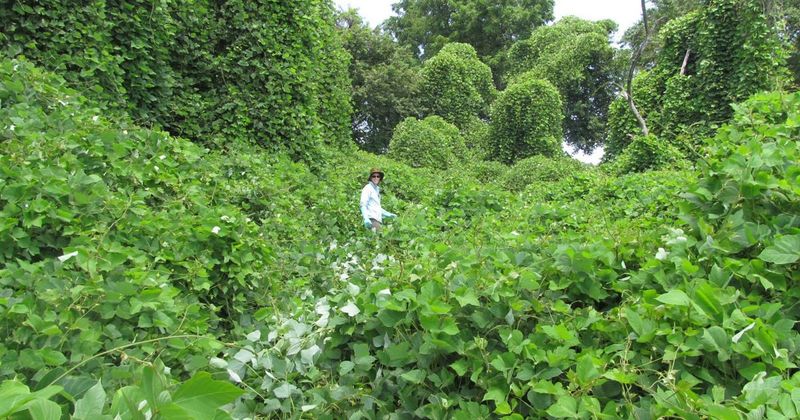
Folks in the South know kudzu by its nickname: the vine that ate the South. Brought to the United States in the late 1800s to control erosion, it turned into one of the biggest green nightmares gardeners have ever faced.
Given warm weather and rain, kudzu can grow up to a foot a day. It smothers trees, fences, sheds, and anything else standing still long enough.
Beneath that leafy blanket, native plants get choked out because no sunlight can reach them.
Several states, including parts of the Southeast, list kudzu as a noxious weed, making it illegal to plant or spread. If you spot its fuzzy vines and broad three-part leaves climbing something in your yard, act fast.
Digging out the deep taproot is the surest fix, though it may take repeated tries over a season. Cutting it back regularly can weaken the plant, and a targeted herbicide often helps on stubborn patches.
Pull it while it is small, because once kudzu settles in, reclaiming your yard becomes a long, sweaty battle.
2. Cogongrass
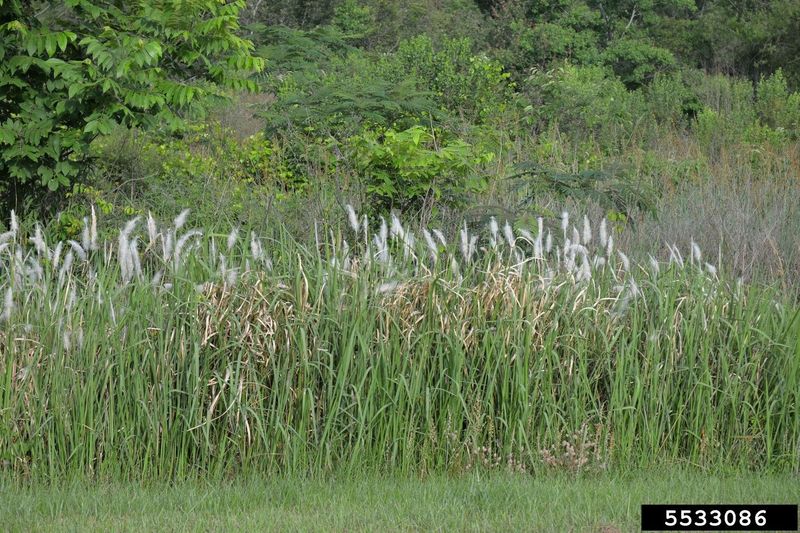
Looking harmless enough at first glance, cogongrass hides one of the meanest reputations in the plant world. It is considered one of the most invasive grasses on the planet, and Florida gardeners deal with it constantly.
What makes it so dangerous is how it burns. Cogongrass creates hot, fast-moving fires that can damage nearby trees and structures, turning an ordinary brush fire into something far worse.
Its sharp-edged blades also crowd out native grasses that wildlife depends on.
You can spot it by its yellow-green leaves with an off-center white midrib and fluffy, silvery seed heads in spring. It spreads through underground stems called rhizomes, so mowing alone just chops it into more pieces that keep growing.
Federal and state laws ban the sale and movement of cogongrass, so this is not one to keep around. Removing it takes persistence: digging out every bit of rhizome and treating regrowth over time.
If you catch a small patch early, you can often stop it before it claims a whole corner of your property.
3. Water Hyacinth
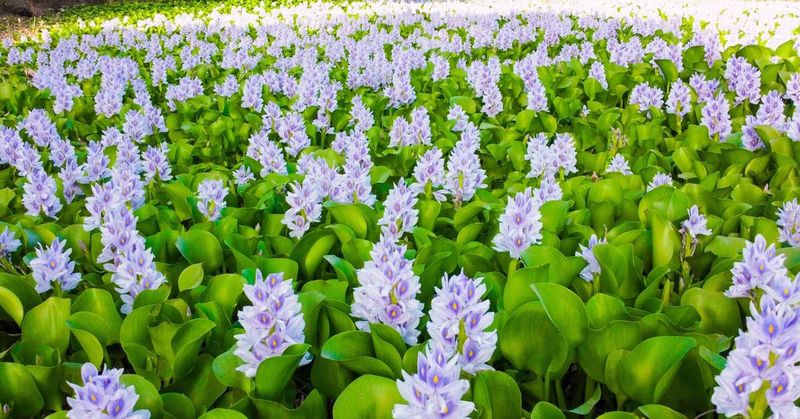
Few plants deceive gardeners quite like water hyacinth. Its lavender flowers and glossy round leaves look gorgeous floating on a backyard pond, which is exactly how it spread everywhere in the first place.
Behind that pretty face is a serious threat to waterways. Water hyacinth can double its numbers in about two weeks, forming thick mats that block sunlight and steal oxygen from the water.
Fish, frogs, and native plants suffer badly underneath.
Because it clogs canals and lakes across the South, especially in Florida and Texas, many states classify it as a prohibited plant. Owning or moving it can land you in legal trouble.
If it shows up in your pond or a nearby ditch, scoop it out by hand before it multiplies. Wear gloves and remove every floating piece, since even small fragments can start a new colony.
Dispose of it far from any water source, ideally by composting on dry land or bagging it. Keeping ponds clear of this floating beauty protects the fish and frogs that actually belong there.
4. Japanese Honeysuckle
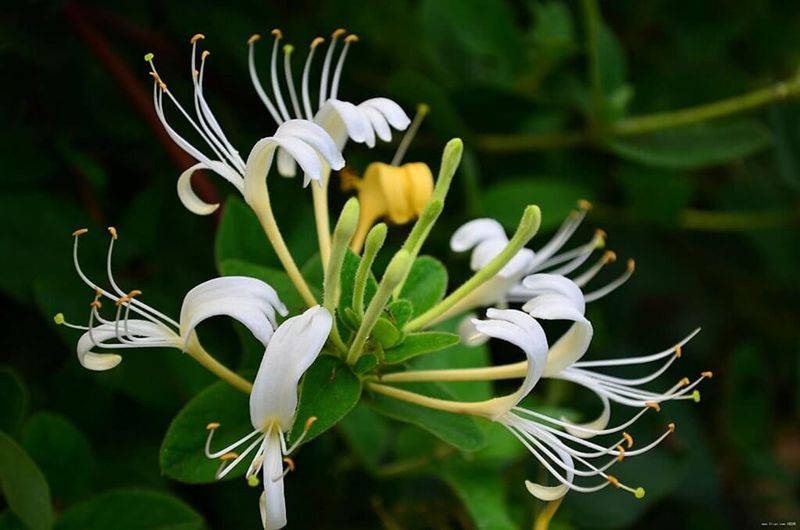
Sweet-smelling and nostalgic, Japanese honeysuckle brings back childhood memories of pulling flowers to taste the drop of nectar inside. That charm is exactly what makes it so hard to say goodbye to.
Sadly, this vine does not know when to stop. It climbs, twines, and sprawls over shrubs and small trees, wrapping so tightly it can strangle them.
Native wildflowers and young saplings lose the fight for sunlight and space.
Its ability to root wherever a stem touches the ground helps it spread across yards and into nearby woods with alarming speed. Several states restrict or discourage planting it because of the damage it causes to natural areas.
Telling it apart from native honeysuckle matters: the invasive kind has hollow stems and paired white-to-yellow flowers. To remove it, pull young vines by hand and dig out the roots when the soil is moist.
For older, woody growth, cutting the vine near the base and treating the stump can help stop regrowth. Swap it for a native coral honeysuckle, which hummingbirds love and your neighbors will thank you for.
5. Chinese Privet
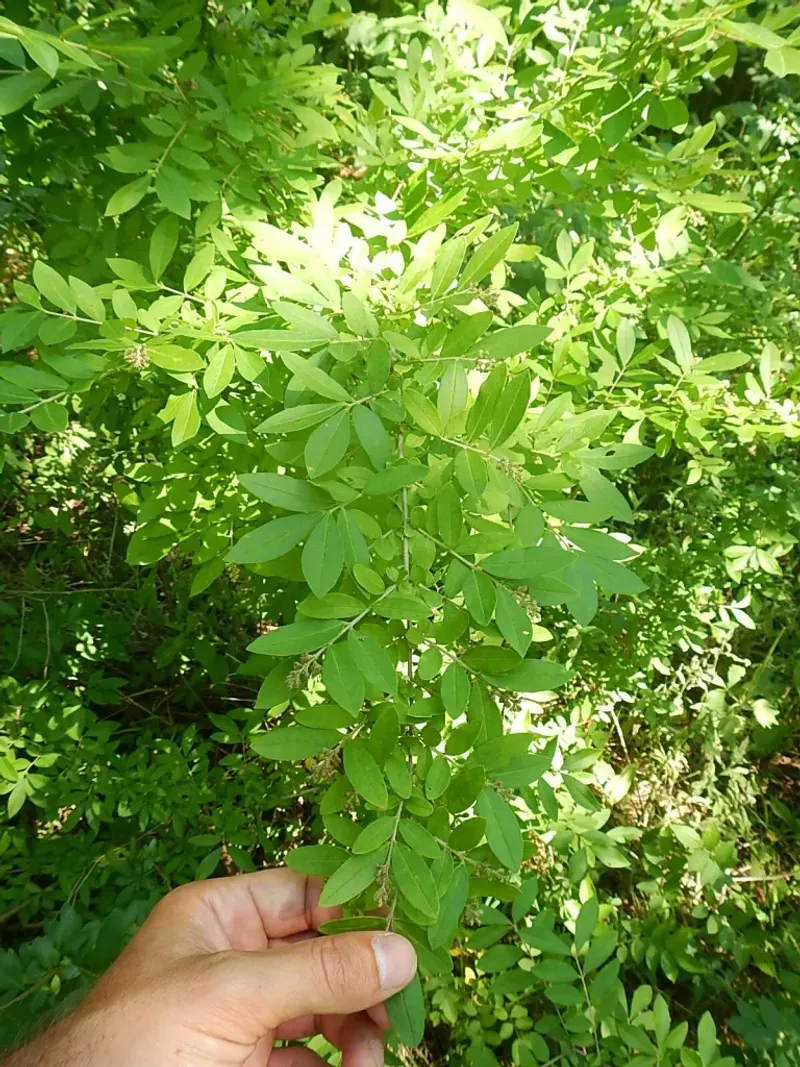
Once sold as a tidy hedge plant, Chinese privet has escaped countless yards and become a woodland bully across the South. What started as a neat green border now forms tangled thickets in fields and forests.
Birds eat its dark berries and scatter the seeds far and wide, which is how it spreads so easily beyond where it was planted. Dense privet stands shade out wildflowers and block the growth of native trees.
Because of this, it is listed as invasive in many Southern states, and some restrict its sale. Left alone, a few shrubs quickly become an impenetrable wall of green.
You can recognize it by its small oval leaves that stay green much of the year and clusters of white flowers with a strong scent in spring. Pulling seedlings by hand works well after rain when roots slide out easily.
For larger shrubs, cutting them low and treating the stump helps prevent stubborn resprouting. Replace it with native shrubs like wax myrtle or American beautyberry, which feed birds while staying put in your yard.
6. Purple Loosestrife
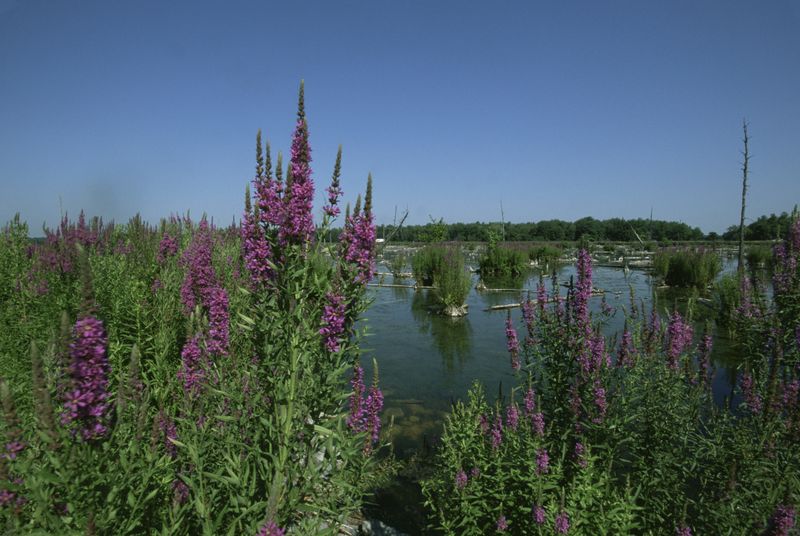
Standing tall with vivid purple flower spikes, purple loosestrife dazzles along ponds and ditches. That striking beauty tricked plenty of gardeners into welcoming it, and it repaid them by taking over every wet spot it could find.
A single plant can produce over two million seeds in one season, so it spreads through wetlands at a stunning pace. As it crowds out cattails and other native marsh plants, ducks, frogs, and other creatures lose the habitat they rely on.
Many states have banned selling or planting it because of the harm it does to wetlands and waterways. If you spot its square stems and long purple blooms near standing water, it needs to go.
Small plants can be dug out completely, roots and all, before they flower and set seed. Timing matters, so aim to remove it early in summer while it is still manageable.
Bag the flower heads to keep seeds from scattering during removal. For garden color that stays polite, try native blazing star, which offers similar purple spikes without the wetland destruction.
7. Giant Reed
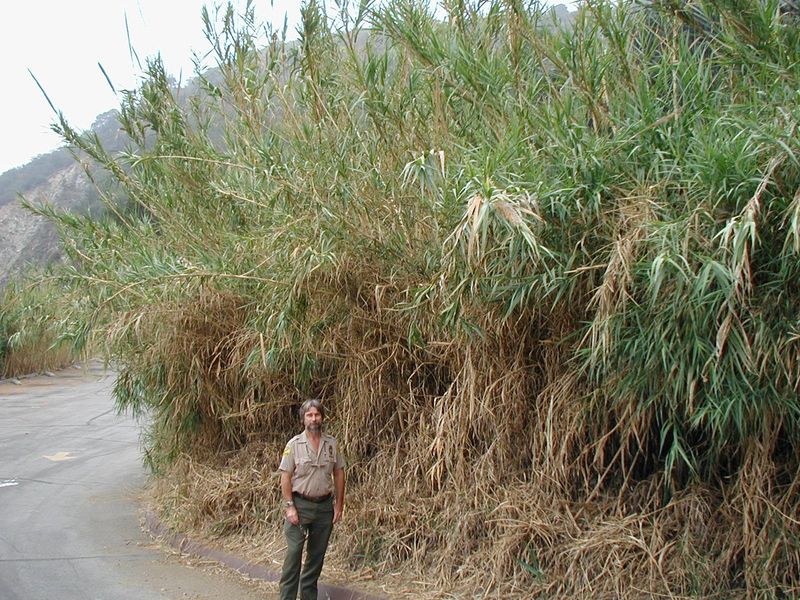
Rising up to twenty feet tall, giant reed looks like a cross between bamboo and corn, and it grows nearly as fast. Some folks planted it for privacy screens or windbreaks, not realizing what a monster they were inviting in.
Along rivers and creeks in Texas and beyond, it forms towering stands that drink up huge amounts of water. During dry spells, that thirst adds real strain to already-stressed streams and pushes out native plants.
Its dry stalks also catch fire easily, raising wildfire risk near homes and waterways. Because of these problems, several states list it as a noxious weed and restrict its planting.
Giant reed spreads through thick underground rhizomes and floating stem pieces that root downstream. That makes hand removal tough, since every fragment left behind can regrow.
Digging out the entire root mass gives the best results on small clumps, while larger stands often need repeated cutting and stump treatment. Keep an eye out for new shoots for a full season.
For a tall screen, native switchgrass or eastern gamagrass offers height without the invasion.
8. English Ivy
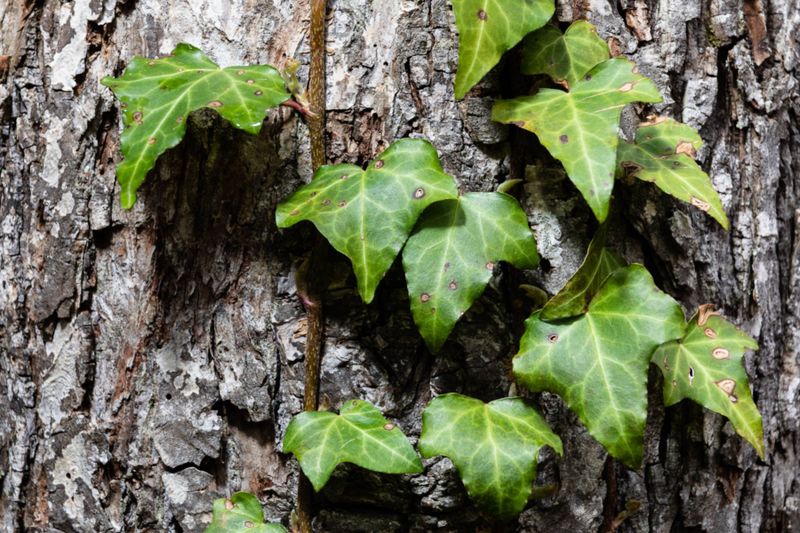
Classic and elegant, English ivy has draped garden walls and cottage fences for generations. That old-world charm hides a plant perfectly happy to swallow your entire yard if you let it.
On the ground, ivy forms a dense mat that smothers everything beneath it, leaving no room for wildflowers or seedlings. When it climbs trees, the added weight and shading can weaken and eventually kill even large, healthy trunks.
It spreads by creeping stems and by berries that birds carry into natural areas, which is why several states discourage or restrict planting it. What looks tidy on a wall quickly becomes chaos in the woods.
Pulling ivy off the ground is doable with steady effort, especially when the soil is damp and roots release more easily. For vines climbing trees, cut a band around the base of each vine and gently peel the lower sections away.
Leaving the upper vines to dry and fall on their own protects the tree bark from damage. Replace it with native groundcovers like green-and-gold or creeping phlox, which cover bare soil beautifully without the takeover.