
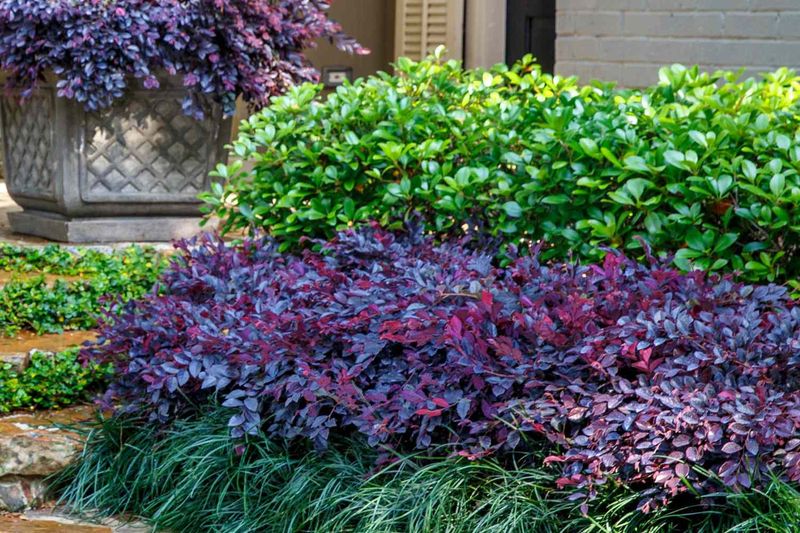
Hydrangeas are beautiful, but Southern summers can make them look tired fast. If you want big color without watching leaves droop by lunchtime, it helps to choose shrubs that handle heat better.
The good news is that plenty of flowering shrubs can keep your yard bright through long stretches of warmth. Here are eight strong picks that earn their spot in real Southern gardens.
1. Crape Myrtle
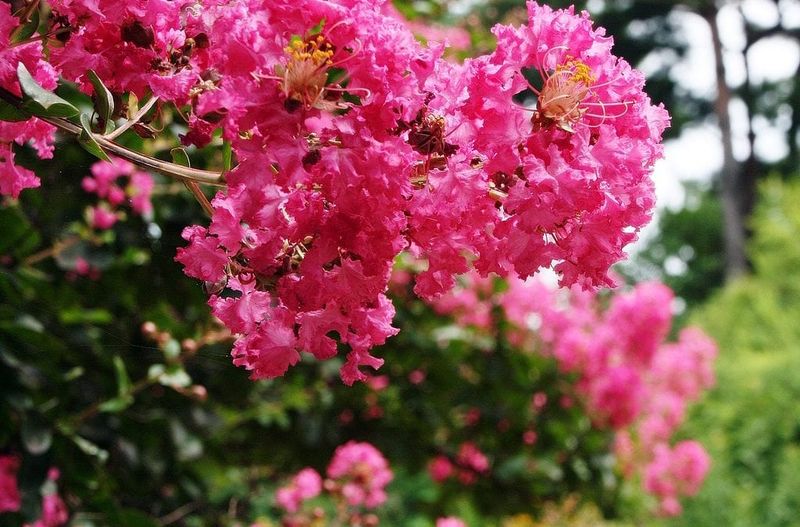
Nothing says summer confidence quite like a crape myrtle loaded with bloom when everything else looks a little tired. While hydrangeas often beg for extra water in peak heat, crape myrtle usually keeps pushing out color through the hottest part of the season.
Gardeners across Texas and the warmer parts of the South lean on this shrub or small tree for a reason. It thrives in full sun, handles reflected heat, and offers a long flowering window in shades of pink, red, lavender, and white.
Many newer varieties also stay compact enough for foundation beds, side yards, or mailbox plantings where oversized shrubs become a headache.
Another reason it belongs on this list is its reliable structure. Even when flowers pause, the smooth bark and neat branching still give the yard a finished look.
In Florida and the Gulf Coast, good air flow and careful watering at the base may help limit disease pressure.
If your hydrangeas slump by July, crape myrtle can be the color fix that changes the whole feel of your landscape. Plant it where it gets at least six hours of sun, skip heavy pruning, and let it become the heat-tough anchor your summer border has been missing.
2. Texas Sage
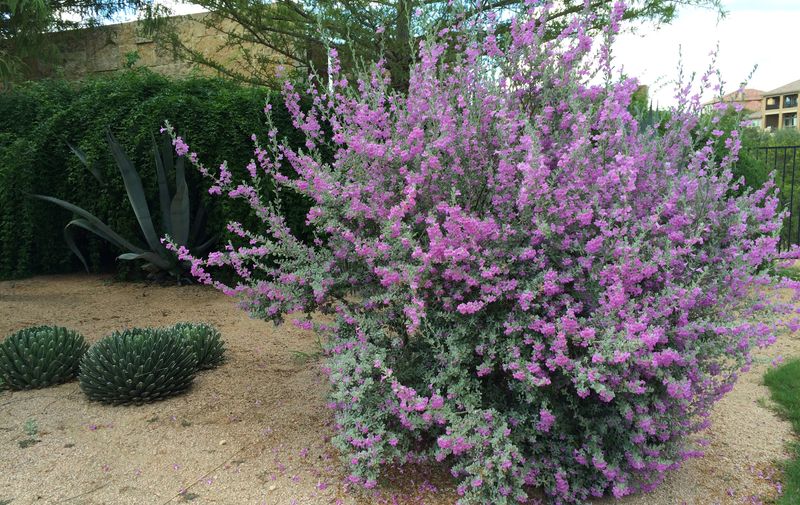
After a dry spell, then a burst of humidity or rain, Texas sage can suddenly light up like a purple cloud. That surprise performance is part of its charm, and it is one reason Southern gardeners love it in places where hydrangeas often melt down.
Texas sage stands out because its color show is matched by foliage that already looks attractive before a single flower opens. The soft silver leaves reflect sunlight, giving the shrub a cool look even in blazing weather.
In hot, sunny spots with lean soil and decent drainage, it often needs far less fuss than thirstier flowering shrubs.
For readers in Texas, this one is especially useful near driveways, sidewalks, and west-facing beds where reflected heat can punish more delicate plants. In Florida, it can still work in the right well-drained site, though heavy summer moisture may not suit every location.
Honest placement matters with this plant.
Texas sage earns its place on the list because it solves a specific problem: you want bold bloom without chasing droopy leaves all season. Give it sun, avoid overwatering once established, and let its natural shape stay slightly loose.
The result can be a bright, low-stress shrub that looks made for Southern weather.
3. Dwarf Bottlebrush
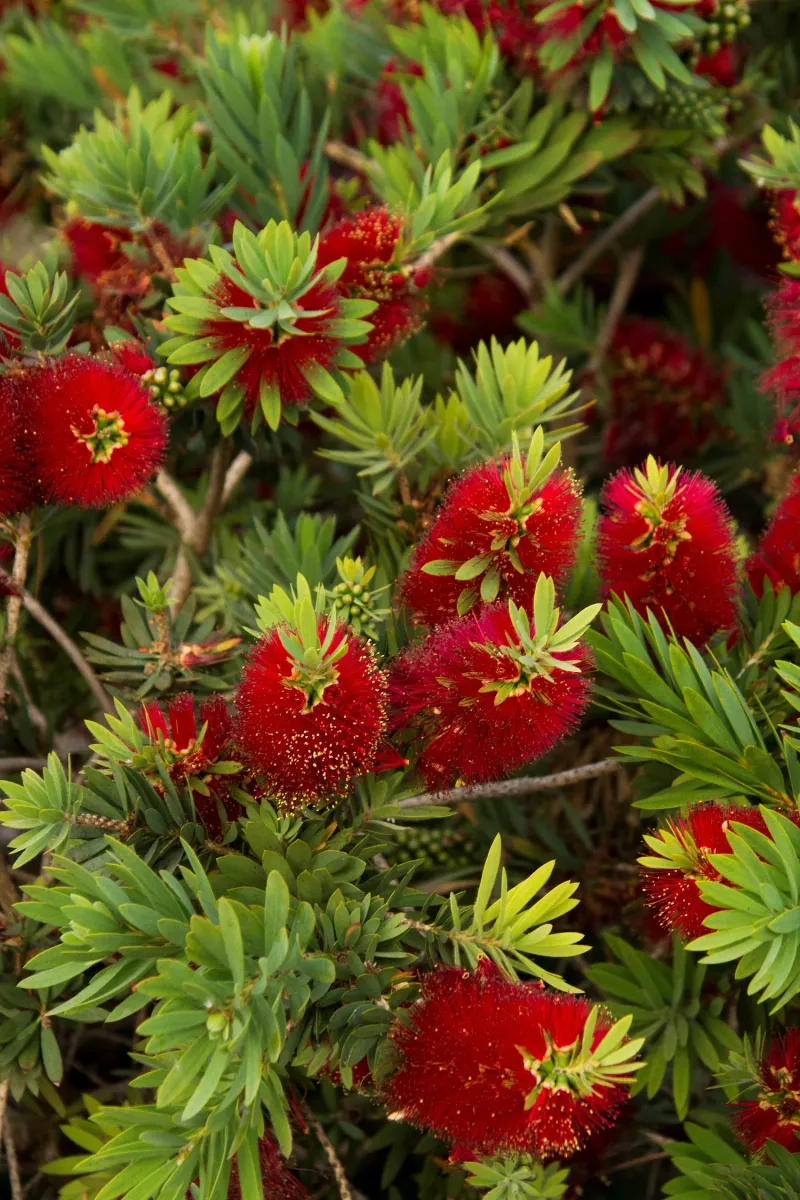
Hummingbirds notice bottlebrush before most people do, and that is usually a good sign. When the red bloom spikes start popping against evergreen foliage, the whole shrub looks lively instead of wilted, even during stretches of sticky Southern heat.
Dwarf bottlebrush makes this list because its flower shape brings a totally different texture than hydrangeas while still delivering real impact. The blooms look like bright little brushes, and they appear in flushes that can keep the plant colorful for a long season.
Compact forms are especially useful in entry beds, around patios, or along low borders where a full-size shrub would crowd the space.
Florida gardeners often get excellent mileage from this plant because it handles heat, humidity, and sun better than many classic flowering shrubs. In Texas, it can also shine in warm regions with protection from hard freezes.
Good drainage helps, and a sheltered spot may improve winter survival where cold snaps hit harder.
Another plus is the wildlife payoff. Nectar-rich flowers can help draw hummingbirds and pollinators without asking for constant rescue care from the homeowner.
If your goal is bold color with an easygoing attitude, dwarf bottlebrush offers a cheerful answer that stays handsome long after delicate summer bloomers have given up.
4. Abelia
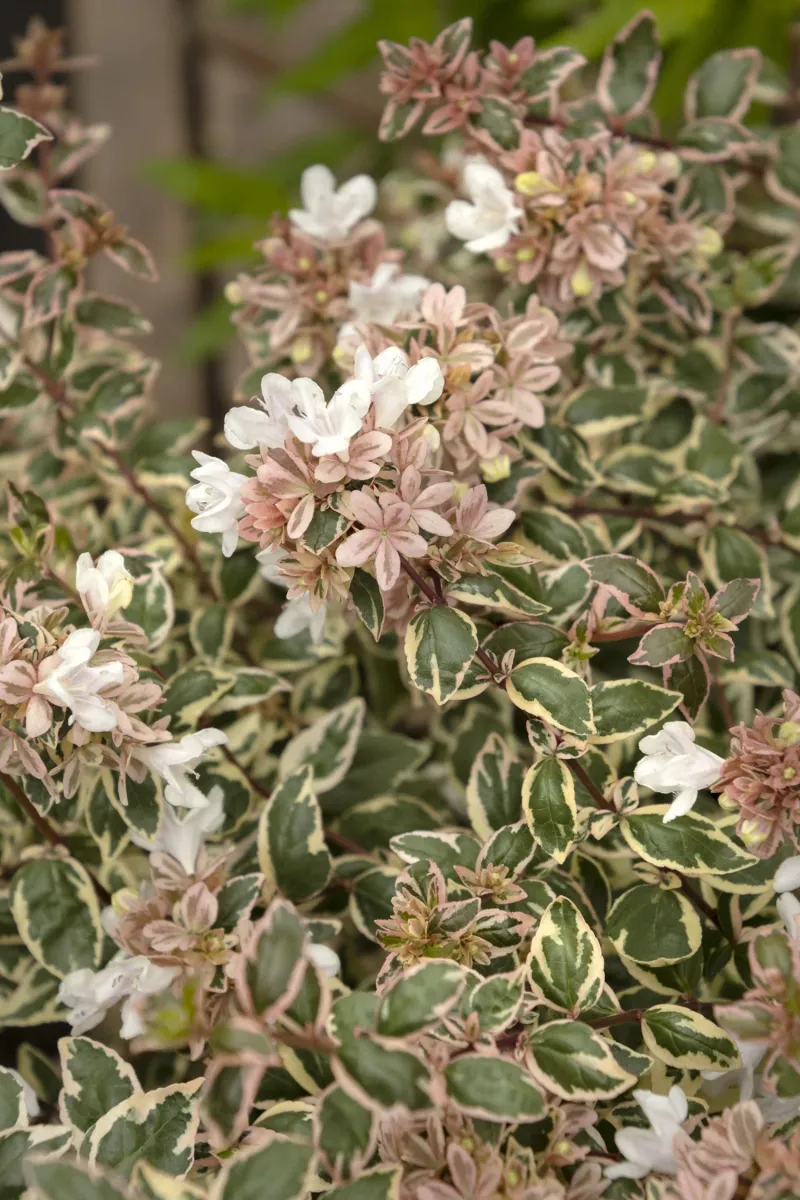
Abelia is the kind of shrub that quietly overdelivers. It may not shout from across the yard the way a giant hydrangea mophead does, but once it starts blooming and arching gracefully, the effect is soft, colorful, and impressively steady through summer.
What makes abelia different is the mix of bloom, foliage, and movement. The small tubular flowers attract bees, butterflies, and sometimes hummingbirds, while the shrub itself keeps a polished shape without needing constant trimming.
Many varieties also carry bronzy, chartreuse, or variegated leaves, so the plant contributes more than one season of interest.
Southern gardeners appreciate abelia because it tolerates heat and humidity better than many thirstier ornamentals. In Florida and parts of Texas, it can be especially useful in foundation beds where you want something dependable near the house.
Once established, it often handles ordinary summer stress with fewer dramatic wilt episodes than hydrangeas.
Abelia is also forgiving for beginners. If you miss a day of watering during a hot week, it usually does not punish you with a full collapse.
Give it sun to part shade, decent drainage, and room to fountain naturally. You get a shrub that looks relaxed, blooms for a long stretch, and keeps your yard from feeling flat.
5. Rose of Sharon
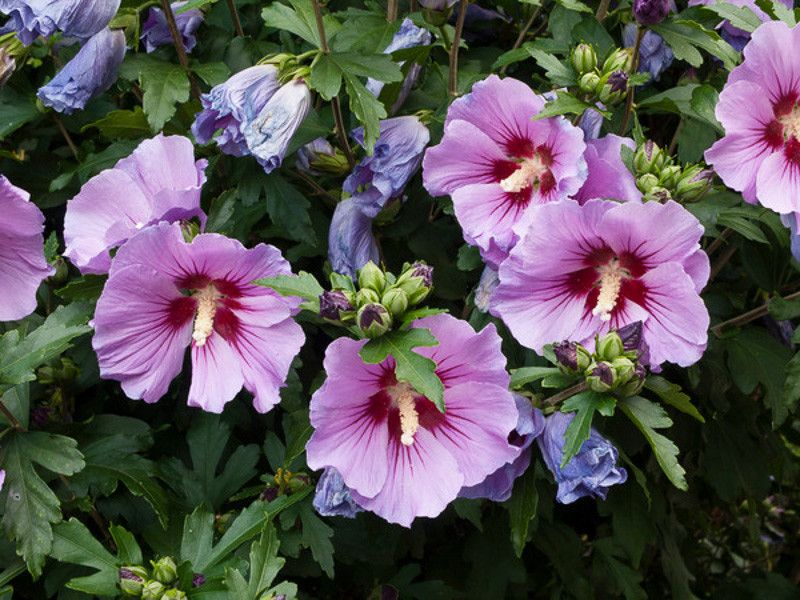
Big flowers in August can feel almost unfair in the South, especially when other shrubs have already peaked. Rose of Sharon steps into that late-summer gap with hibiscus-like blooms that keep a border from fading when heat has worn down less durable plants.
Its special strength is timing. Hydrangeas often give their best early, then struggle as summer drags on, but Rose of Sharon tends to bloom when many gardeners are desperate for fresh color.
The flowers come in white, pink, blue-lavender, and two-tone shades, and newer cultivars offer improved form, stronger branching, and better fit for smaller yards.
For practical homeowners, this shrub can solve a visible problem near patios, fences, or sunny property lines where you need height and season-long interest. It generally appreciates full sun and regular watering while getting established, yet it often handles hot afternoons with less drama than broad-leaved moisture lovers.
In parts of the South, it may even reseed, so choosing sterile or low-seed varieties can reduce surprise seedlings.
There is also a cheerful, cottage-garden feel to Rose of Sharon that softens tougher landscapes. Pollinators tend to visit often, and the upright habit helps fill awkward vertical spaces.
If you want bloom power deep into summer, this shrub makes a convincing case for replacing wilt-prone favorites.
6. Indian Hawthorn
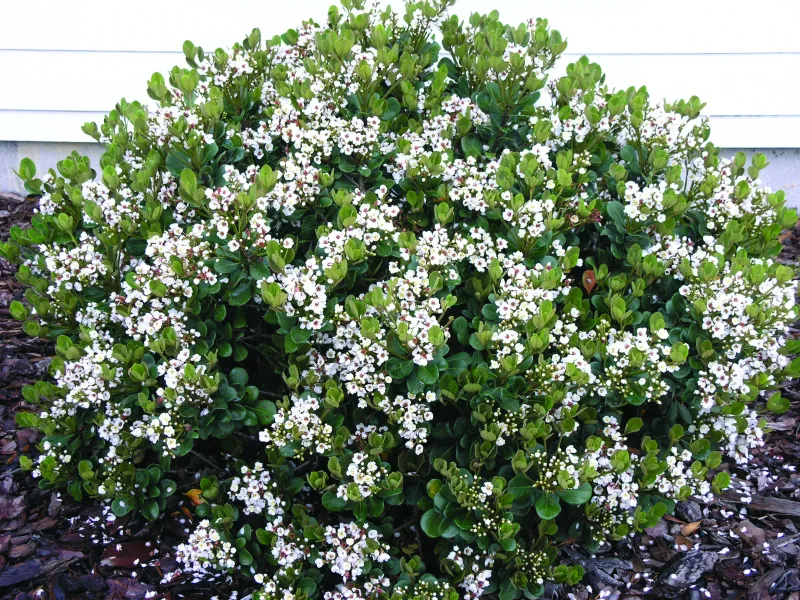
Front-yard gardeners often need a shrub that stays neat without acting fragile, and Indian hawthorn fills that role beautifully. It does not have the oversized bloom heads of hydrangeas, but its flower clusters still bring a generous wash of color while the evergreen form keeps beds looking finished year-round.
One reason it deserves a place here is balance. Indian hawthorn gives you blossoms, structure, and tidy scale in a single plant, which is useful around porches, walkways, and low foundation beds.
Pink or white flowers arrive in showy clusters, and the glossy leaves keep the shrub looking substantial even after bloom season passes.
Southern homeowners also like it because maintenance is fairly straightforward. In milder parts of the South, especially warm coastal areas, it can serve as a dependable evergreen accent with less thirst than many larger flowering shrubs.
In very humid regions, careful spacing and good air flow may help reduce fungal issues, so crowding it against walls is not the best move.
Indian hawthorn is not the wildest plant on the list, and that is exactly its strength. It brings calm, polished color instead of constant garden drama.
If your goal is curb appeal with fewer wilted afternoons and fewer rescue chores, this shrub can be a smart trade for fussier bloomers in sunny to lightly shaded spots.
7. Oleander
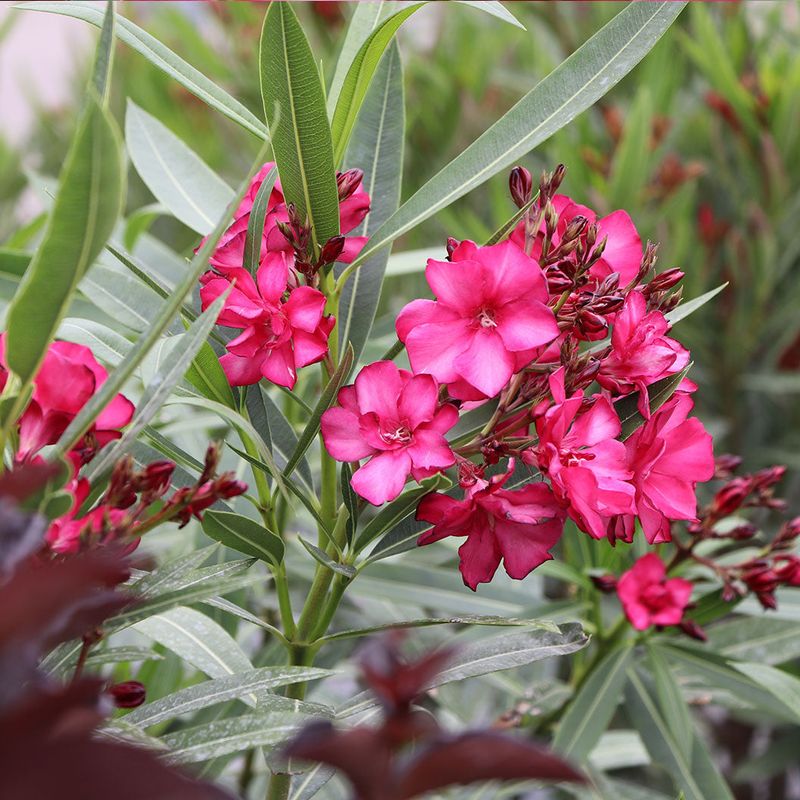
Few shrubs look more unfazed by brutal summer sun than oleander. When sidewalks shimmer and many flowering plants start asking for help, oleander often keeps blooming with a kind of stubborn ease that feels almost tailor-made for the hottest Southern yards.
Its claim to a spot on this list is simple: strong color under hard conditions. Large clusters of pink, white, red, or peach flowers can cover the plant for months, and the narrow evergreen leaves hold up well in heat.
For gardeners in warm parts of Texas and the Gulf Coast, that combination can create the lush, colorful feeling people want from hydrangeas without the same midday wilt cycle.
There are practical reasons to think carefully about placement, though. Oleander is toxic if eaten, so it may not suit every household, especially where pets or small children chew plants.
It also grows larger than many people expect, making it a better fit for screening, property edges, and wide sunny beds than tiny front-entry spaces.
Still, for the right yard, oleander can be a powerhouse. It handles salt, sun, and long warm seasons better than most flowering shrubs used for big impact.
If you need bold bloom and evergreen presence without constant summer triage, oleander may be one of the toughest candidates you can plant.
8. Loropetalum
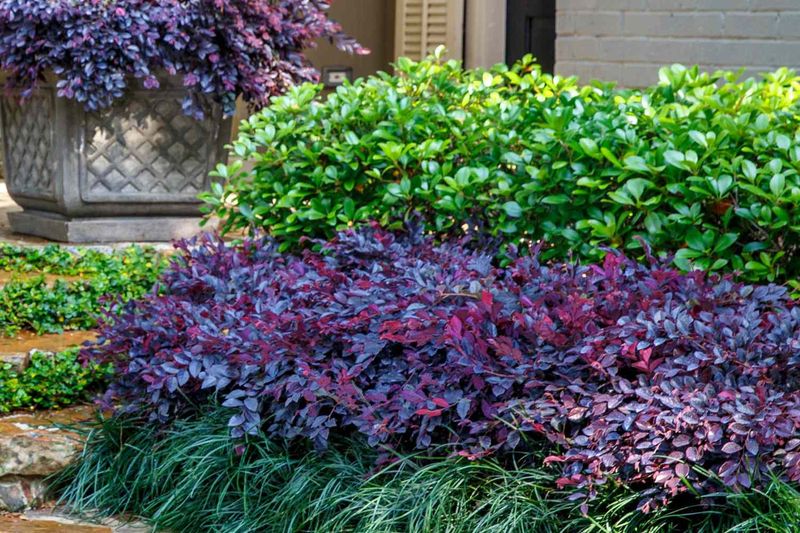
Color does not always have to come from flowers alone, and loropetalum proves that point brilliantly. With deep burgundy or plum foliage plus bright fringe-like blooms, it gives Southern yards a fuller color story than many shrubs that rely on one short floral moment.
That layered look is what makes loropetalum such a useful hydrangea substitute. Even when it is not in peak bloom, the dark leaves still create contrast against green lawns, pale stone, or lighter shrubs.
During flowering, the ribbon-like pink blossoms add a playful texture that feels airy and modern rather than heavy.
In warm parts of the South, especially across much of the Southeast and into milder Texas and Florida gardens, loropetalum often performs best with sun to part shade and decent drainage. It can handle heat, and many varieties stay colorful through long warm seasons without the dramatic leaf wilt that sends hydrangea growers reaching for the hose.
Choosing the right cultivar matters because sizes range from compact mounds to large screening shrubs.
Loropetalum earns its place because it solves more than one landscape problem at once. It gives bloom, evergreen or near-evergreen presence, and foliage contrast in a single plant.
For homeowners wanting easy visual payoff near entries, corners, or mixed borders, it can be one of the most effective upgrades in the whole list.