
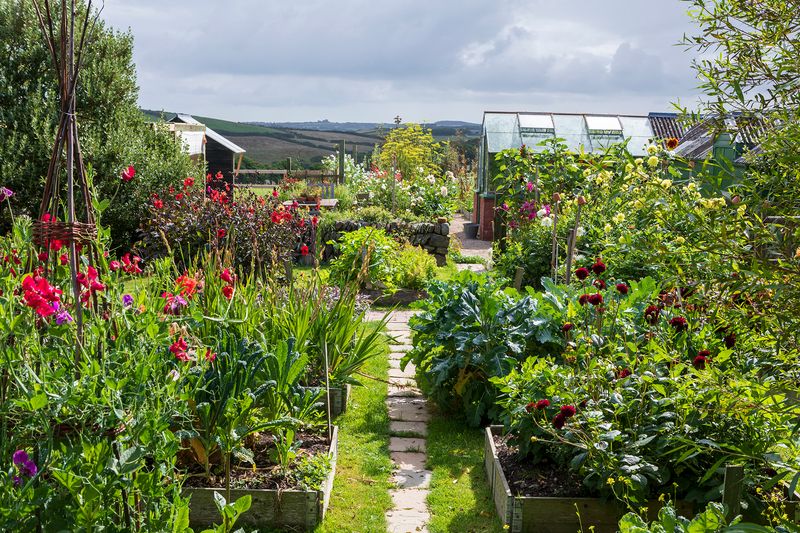
You might be surprised to learn that a few plants sitting in your Southern garden right now could actually get you in trouble. Some popular fruits and veggies are banned in certain states because they spread diseases, harm crops, or take over wild spaces.
If you grow food in Florida, Texas, or anywhere warm, it pays to know which ones are off-limits. Here is a friendly guide to the plants you may need to pull before they cause problems.
1. Currants and Gooseberries
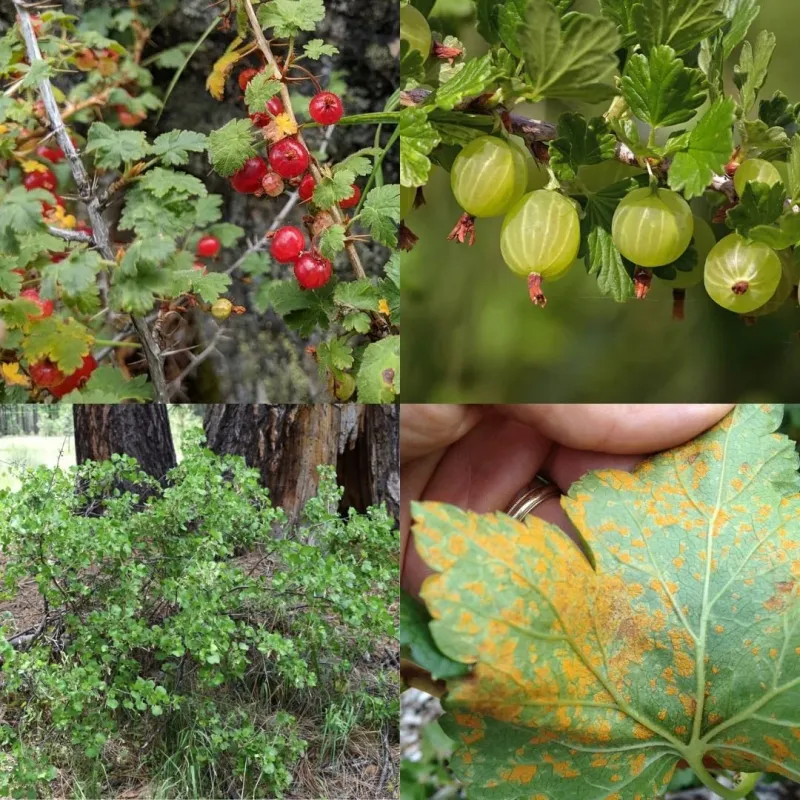
Few gardeners realize that these tart little berries carry a serious secret. Currants and gooseberries can host a fungus called white pine blister rust, which jumps to pine trees and kills them.
Because of that, several states restricted or outright banned growing them for decades. Even where rules have loosened, certain counties still forbid the black currant variety, which spreads the disease most easily.
If you live near timber land or in a state with active pine forests, check your local extension office before planting. The tricky part is that the bushes look perfectly harmless in a backyard bed, so many folks grow them without knowing the risk.
Pulling them may feel like a shame since the fruit makes wonderful jam, but protecting nearby trees matters more. Look for the telltale bright orange spots on the leaves, which signal the fungus is already active.
Fun fact: the federal ban started way back in the 1900s to save the logging industry. If your area still restricts them, swap in blueberries, which thrive in Southern heat and cause no such trouble.
2. Sugarcane (in Certain Areas)
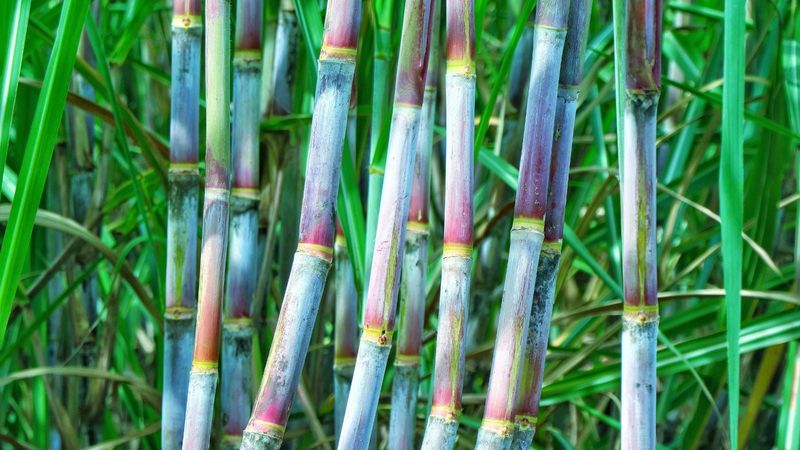
Towering and tropical, sugarcane looks like the perfect Southern showpiece, but it can land you in hot water. Some areas near commercial cane fields, especially in parts of Florida and Louisiana, restrict backyard planting to stop diseases and pests from spreading to the industry.
Home-grown cane can carry sugarcane mosaic virus or harbor borers that then attack nearby farms. Since one infected clump can quietly spread trouble for miles, officials take it seriously.
The plant also runs wild if you let it, sending up thick stands that crowd out everything else in a bed. Pulling it takes real effort because the roots dig in deep and resprout fast.
Before you plant a stalk you picked up at a market, call your county agriculture office to confirm it is allowed where you live. If it is banned, consider ornamental grasses that give the same lush, tall look without the legal headache.
Did you know? Florida grows most of America’s sugarcane, which is exactly why backyard growers there face the tightest rules.
3. Citrus Trees (Under Quarantine)
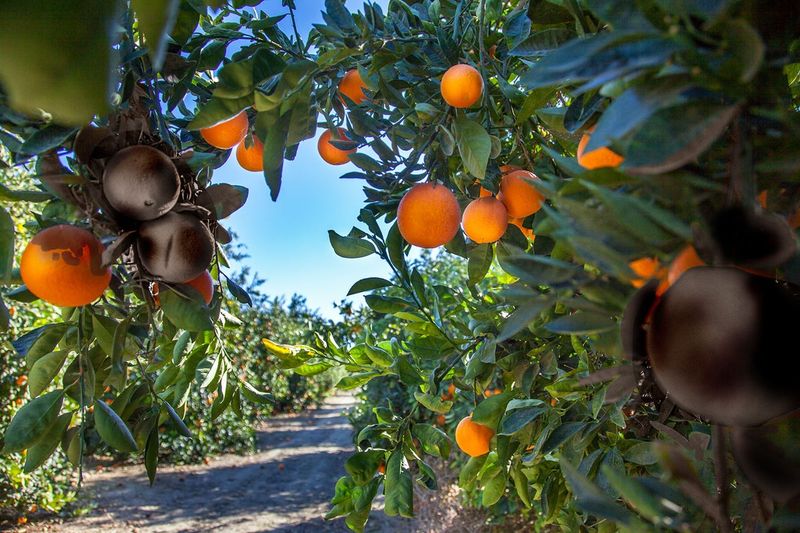
Nothing says Southern living like a lemon or orange tree by the porch, yet citrus is heavily regulated in many warm states. Florida, Texas, and others have quarantines meant to stop citrus greening, a bacterial disease that has devastated groves.
You generally cannot move citrus plants across county or state lines, and in some zones you cannot buy uncertified trees at all. The disease spreads through a tiny insect called the Asian citrus psyllid, and a single infected backyard tree can put whole orchards at risk.
If your tree shows yellow, blotchy leaves and bitter, lopsided fruit, it may already be infected and need removal. Reporting it to your local extension office is the responsible move.
Buying only certified, disease-free trees from licensed nurseries keeps you on the right side of the law. Never accept a citrus cutting from a friend across state lines, no matter how tempting.
Growers in Florida have pulled millions of trees fighting this disease, so the rules exist for good reason.
4. Barberry (Fruiting Varieties)
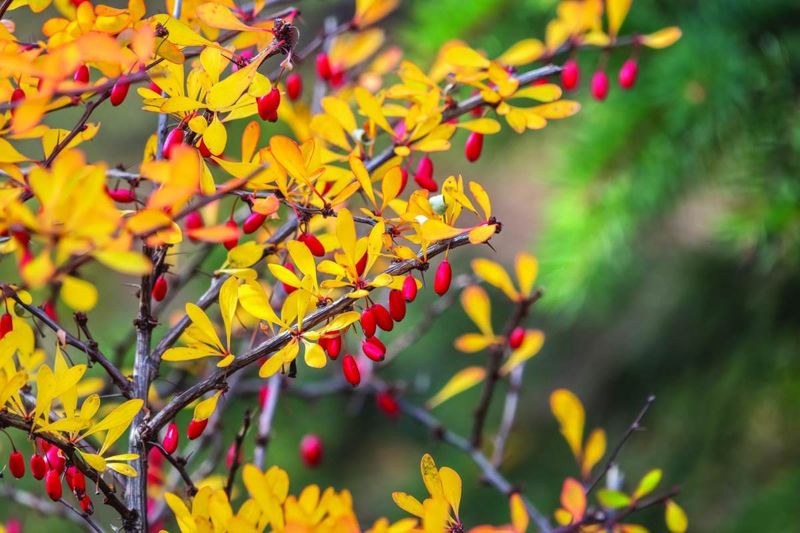
Prized for its ruby berries and thorny hedges, barberry hides a couple of serious problems. The common variety hosts stem rust, a fungus that ravages wheat and other grains, which is why it has been fought for over a century.
On top of that, many states now list Japanese barberry as invasive because it escapes gardens and smothers native plants. Some Southern and Northern states have banned its sale and planting outright.
Birds eat the berries and scatter seeds into woods and fields, where dense thickets take over fast. Those same thickets also shelter ticks, which raises the risk of Lyme disease in your area.
Pulling barberry means wearing thick gloves for the thorns and digging out the whole root crown so it cannot resprout. It is tedious work, but well worth it.
Fun bit of history: farmers once organized huge barberry eradication campaigns to protect their wheat harvests. For a safer look with red foliage, try native ninebark instead.
5. Wild Rice and Certain Aquatic Crops
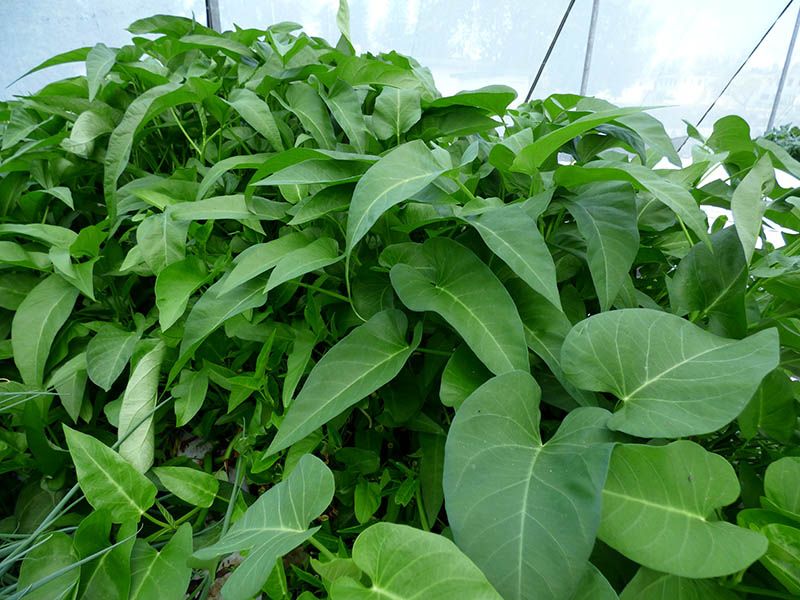
Think a backyard pond dressed with edible water plants sounds charming? Some aquatic food crops, including certain wild rice types and water spinach, are tightly controlled or banned.
Water spinach in particular is illegal to grow without a permit in several states because it clogs waterways and outcompetes native plants. Once it gets into a canal or lake, it forms floating mats that choke everything below.
Florida and Texas both watch these aquatic invaders closely since their warm water lets them explode all year. A single backyard pond can flood a nearby drainage ditch with seeds and fragments after one heavy rain.
If you have been growing water spinach for cooking, check whether your state requires a permit or bans it completely. Removing it means scooping out every floating piece, since even a stray fragment can restart the whole patch.
For a legal edible pond, stick with approved crops or native marsh plants that support frogs and dragonflies without the invasion risk.
6. Certain Hot Peppers and Nightshade Relatives
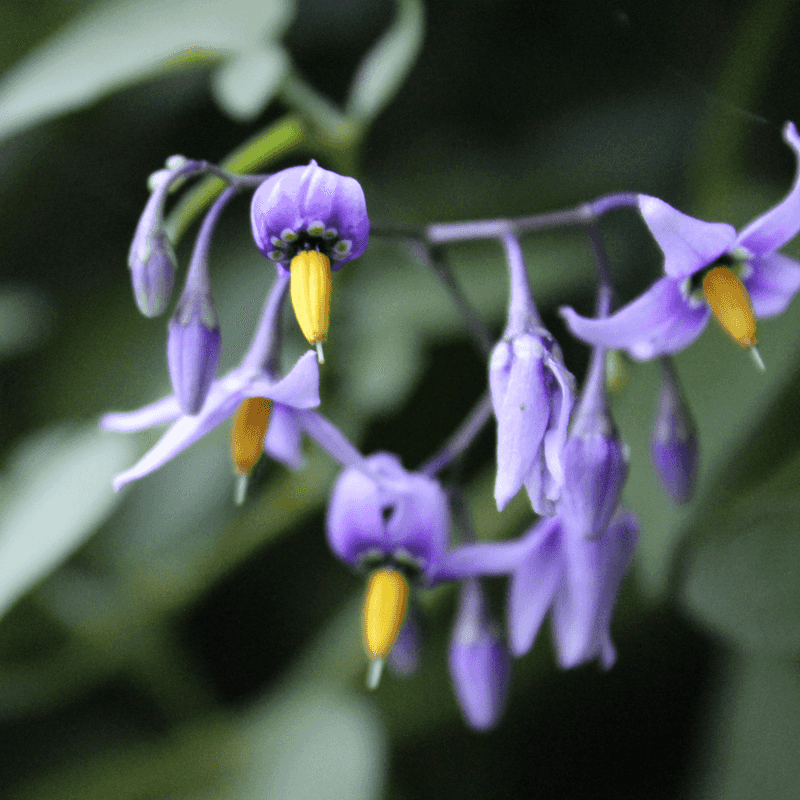
Peppers are the darling of Southern summer gardens, but a few wild nightshade relatives sneak in trouble. Some ornamental and wild pepper cousins, along with plants like bittersweet nightshade, are flagged as noxious weeds in various states.
The concern is not your favorite jalapeno, but the invasive nightshades that spread by seed and berry into pastures and fields. Livestock can be poisoned by the toxic berries, which is why agriculture departments keep them on watch lists.
These plants often show up uninvited, sprouting from bird-dropped seeds along fences and bed edges. They blend right in with tomatoes and peppers, so they are easy to miss until they take over.
Check the leaves and berries: bittersweet nightshade has purple flowers with yellow centers and shiny red fruit. Pull the whole plant, roots and all, and bag the berries so they cannot resprout.
Your edible peppers are fine to keep, so focus on the wild look-alikes creeping in around the margins of your garden.
7. Bamboo Shoots (Running Types)
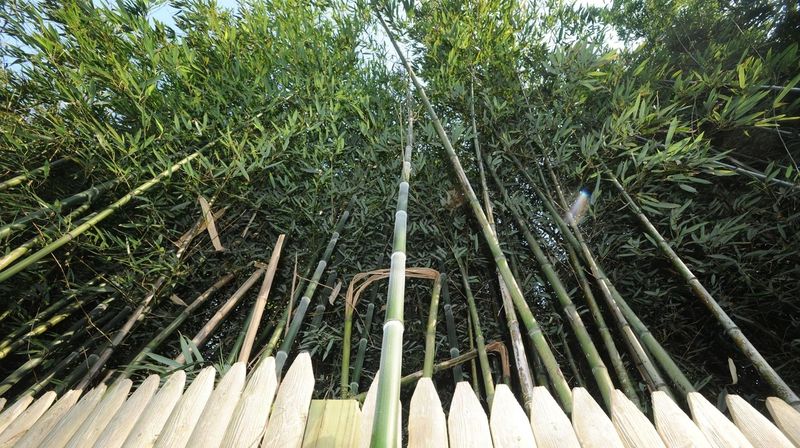
Harvested for tender shoots and loved for quick privacy screens, running bamboo has become a legal nightmare in many towns. Numerous communities across the South now restrict or ban the running types because they invade neighbors’ yards and public land.
Underground stems, called rhizomes, shoot out fast and pop up dozens of feet away, cracking driveways and fences along the way. Once established, it is one of the hardest plants on earth to remove.
Some cities fine homeowners who let it spread past property lines, and a few require deep root barriers around any planting. Edible shoots aside, the cleanup cost alone can run into thousands of dollars.
If you have running bamboo, dig out the rhizomes or hire a pro, and never simply toss cuttings into the yard where they can reroot. Clumping bamboo behaves far better if you still want the look.
Did you know? Some bamboo can grow nearly three feet in a single day, which explains why it gets away from gardeners so quickly.