
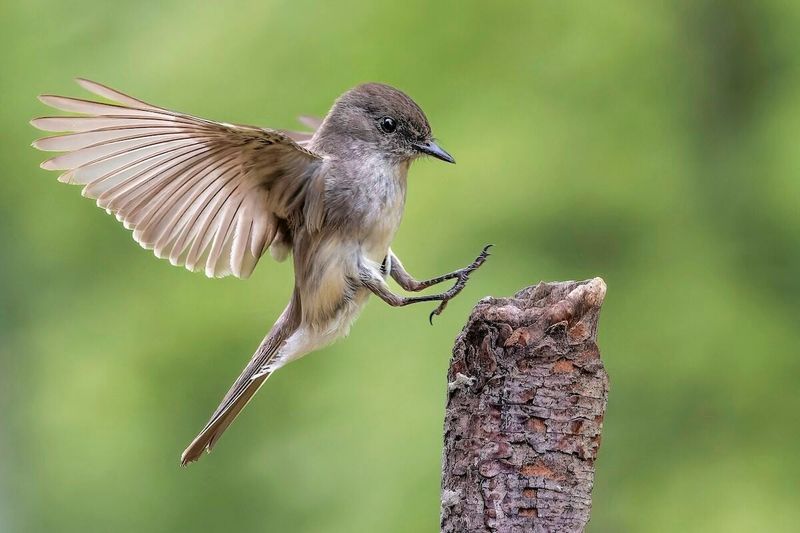
A flicking tail in the flower bed or a new face at the feeder can signal that Florida’s winter birds have arrived. From fall into early winter, migrating birds settle into yards that offer food, water, and safe cover.
A few simple changes can give them reasons to return throughout the season. You cannot stop their spring migration, but you can make your yard a welcome winter stop.
1. Yellow-rumped Warbler
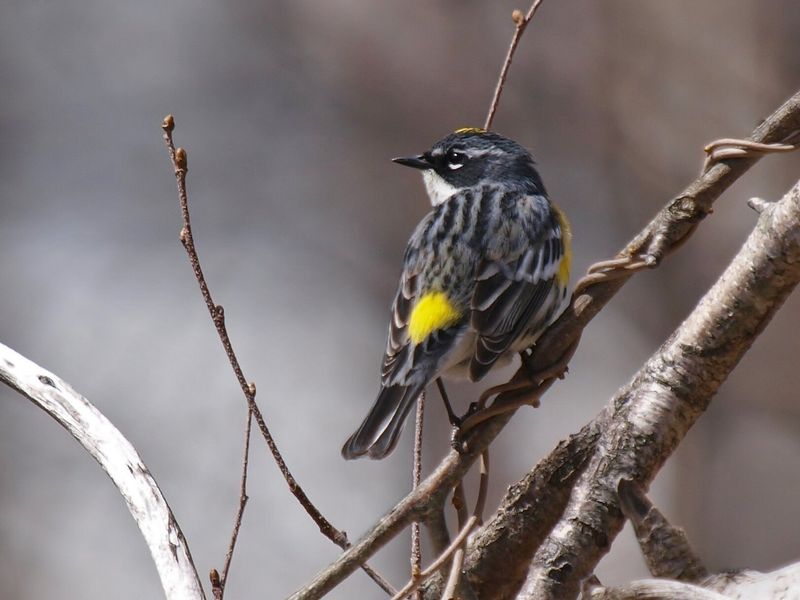
A flash of yellow above the tail can turn an ordinary shrub into the busiest spot in the yard. Yellow-rumped warblers arrive across Florida during fall and often gather where berries and small insects are plentiful.
Unlike many warblers, they can digest the waxy coating on wax myrtle fruit. That gives homeowners a useful planting choice: a native shrub that provides both food and shelter without needing a formal garden bed.
Plant wax myrtle where its mature size fits, and keep some nearby branches available as lookout perches. Female plants produce fruit when pollination occurs, so ask a nursery about choosing plants for berry production.
These birds also search oak leaves, twigs, and open ground for insects. Skip routine insecticide spraying and let a less-manicured corner supply natural food.
A shallow birdbath may bring them within easy viewing distance. Refresh the water daily, scrub the basin regularly, and keep cats indoors so a drink does not become a risky visit.
2. Palm Warbler
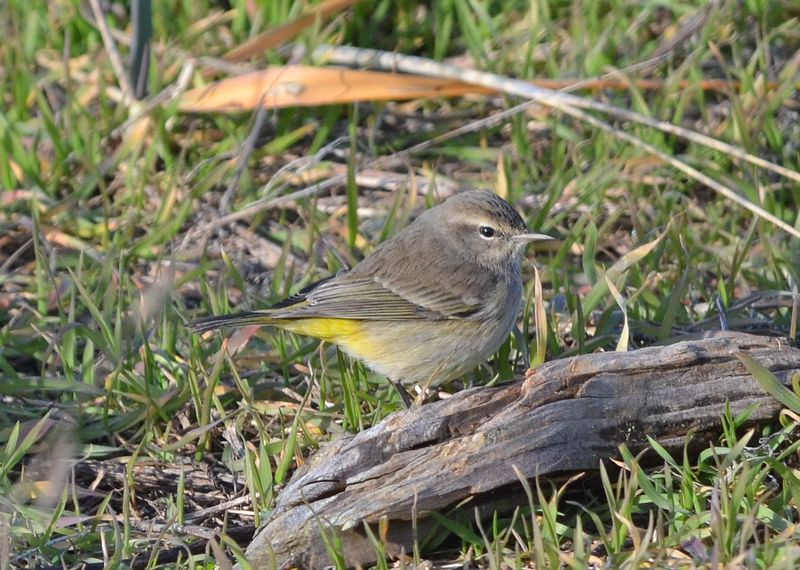
Watch the ground rather than the treetops, and you may spot a little bird bobbing its tail as it walks. That steady tail movement is a handy clue for identifying a palm warbler, a familiar winter visitor across much of Florida.
Despite its name, it does not need a palm-filled landscape. Open beds, grassy edges, and low plantings offer good places to hunt insects.
Give it a feeding area by leaving scattered leaves beneath shrubs instead of blowing every surface clean. Keep a nearby patch open enough for walking, since a thick wall of vegetation is less useful to this ground-level hunter.
Avoid treating the lawn and garden with broad-spectrum insecticides. Fewer insects mean fewer reasons for the bird to linger, even when the yard looks inviting.
Most palm warblers will not become regular seed-feeder customers. Spend your effort on living habitat instead: low cover, clean shallow water, and a quiet garden edge where people and pets are not constantly passing.
3. Pine Warbler
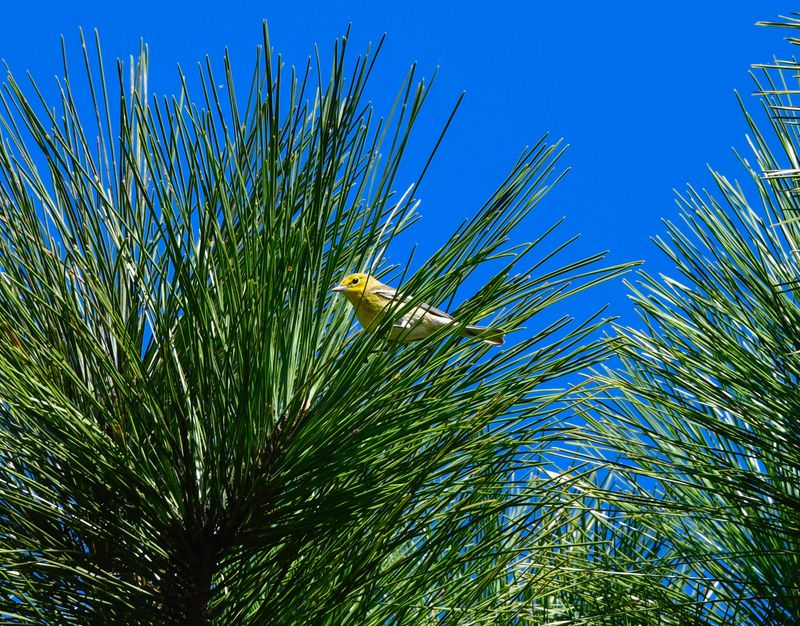
Keeping a healthy pine tree can do more for some winter birds than adding another feeder. Pine warblers spend much of their time searching pine branches and needle clusters, making established trees the main attraction.
Florida has resident pine warblers, and northern migrants add to their numbers in winter. A new arrival at your feeder may therefore be a seasonal visitor rather than a species that disappears statewide each spring.
Protect suitable existing pines and the root area beneath them. Where space allows, choose a Florida-native pine suited to your region and soil, with help from your county Extension office.
Among warblers, this species is unusually willing to eat seeds and feeder foods. Small amounts of sunflower hearts or fresh suet may bring one down where you can see it.
Florida’s warm spells make food care essential. Offer suet labeled for warm weather in a shaded spot, discard anything spoiled, and clean feeding surfaces regularly rather than letting greasy residue collect.
4. Ruby-crowned Kinglet
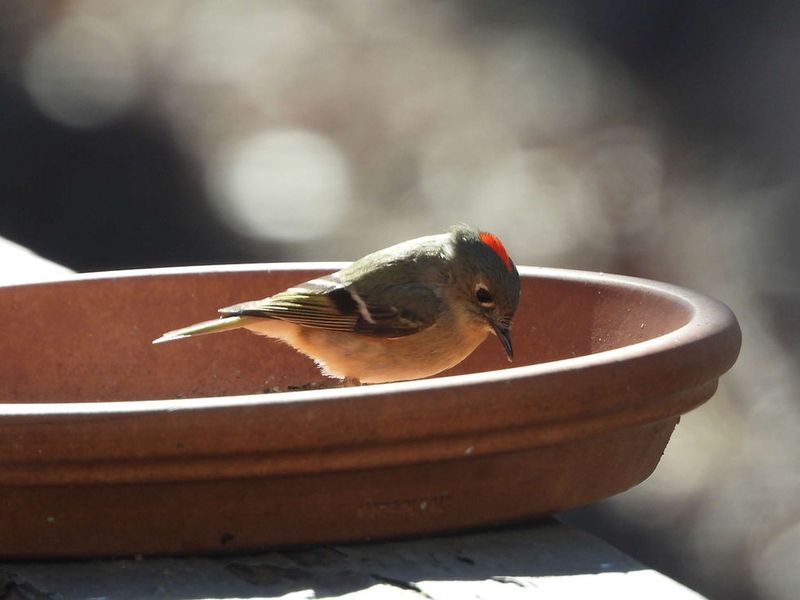
Barely bigger than a leaf, a kinglet can make an entire shrub seem to twitch. Ruby-crowned kinglets flick their wings and hop rapidly through foliage while picking off tiny insects and spiders.
They winter regularly in northern and central Florida, with fewer reaching the far south. The male’s red crown often stays hidden, so look instead for the broken white eye ring and restless feeding style.
Build their winter dining room in layers. A small tree above shrubs, with lower plants beneath, offers more feeding surfaces than a lawn bordered by a single clipped hedge.
Keep some fine twigs and leafy growth rather than shearing every shrub into a tight shape. Healthy native oaks and locally suitable native shrubs support the small prey these birds need.
Do not worry if a kinglet ignores your seed feeder. Its visits are more likely to depend on insects, sheltered foliage, and a quiet water source than a particular seed blend, so focus on the planting around the feeder.
5. Orange-crowned Warbler
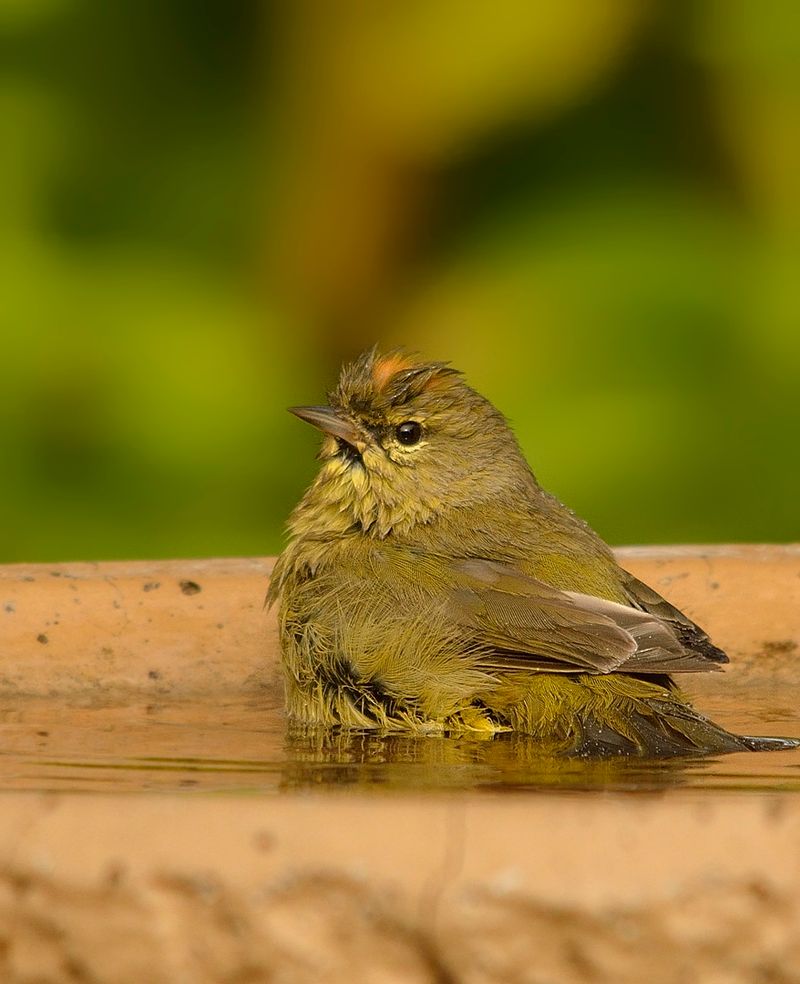
Not every winter guest arrives wearing bright colors. An orange-crowned warbler may look like a small olive-gray shadow slipping through the shrubs, and its namesake crown is usually hidden.
That understated appearance makes it easy to overlook. During Florida’s cooler months, watch for a slender bird carefully checking leaves and stems, especially in dense, sheltered planting beds.
Its special request is cover with a food supply inside it. Keep a leafy shrub border rather than removing all lower branches to expose bare trunks.
Choose region-appropriate native plants and let them grow in loose, overlapping groups where space permits. A mix of leaf shapes and branch sizes creates more places for small insects to live.
Resist spraying at the first sign of minor leaf damage. Identify the cause first and use targeted pest control only when needed, since a few chewed leaves can signal that the garden is supporting the food web that brings insect-eating birds back.
6. Eastern Phoebe
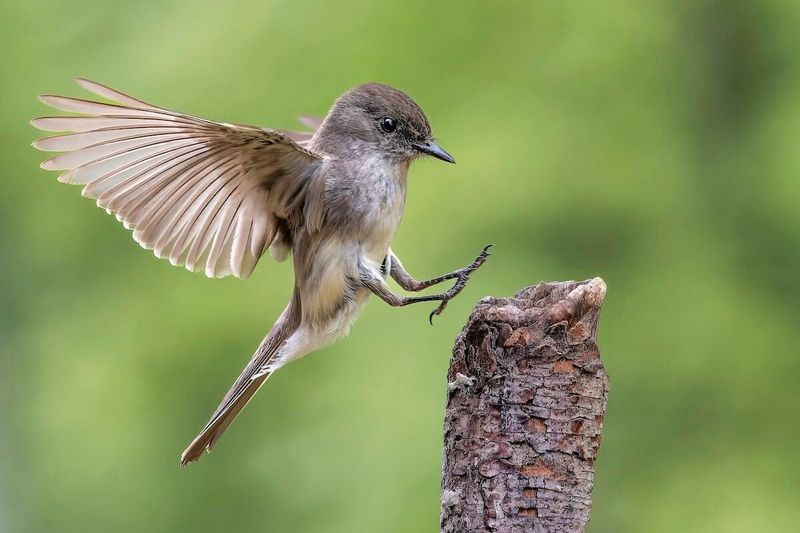
A plain garden stake can become a prized hunting seat. Eastern phoebes use low, open perches to watch for insects, then dart out to catch a meal before returning to their lookout.
These flycatchers are widespread winter visitors in Florida. Their dark heads, pale undersides, and repeated tail dips help separate them from the smaller birds moving through nearby foliage.
Make room for one by placing a sturdy perch beside an open patch of garden or lawn. A fence rail, low branch, or simple untreated stake can work without adding clutter.
Keep flowering native plants nearby to support insects through Florida’s mild winter weather. Choose plants suited to your county and site, rather than assuming every native thrives in every Florida yard.
Give the hunting area some breathing room. Phoebes need space for short flights, so pair the perch with open air, not a solid thicket, and avoid insect sprays that remove their meals or expose them to pesticide residues.
7. Gray Catbird
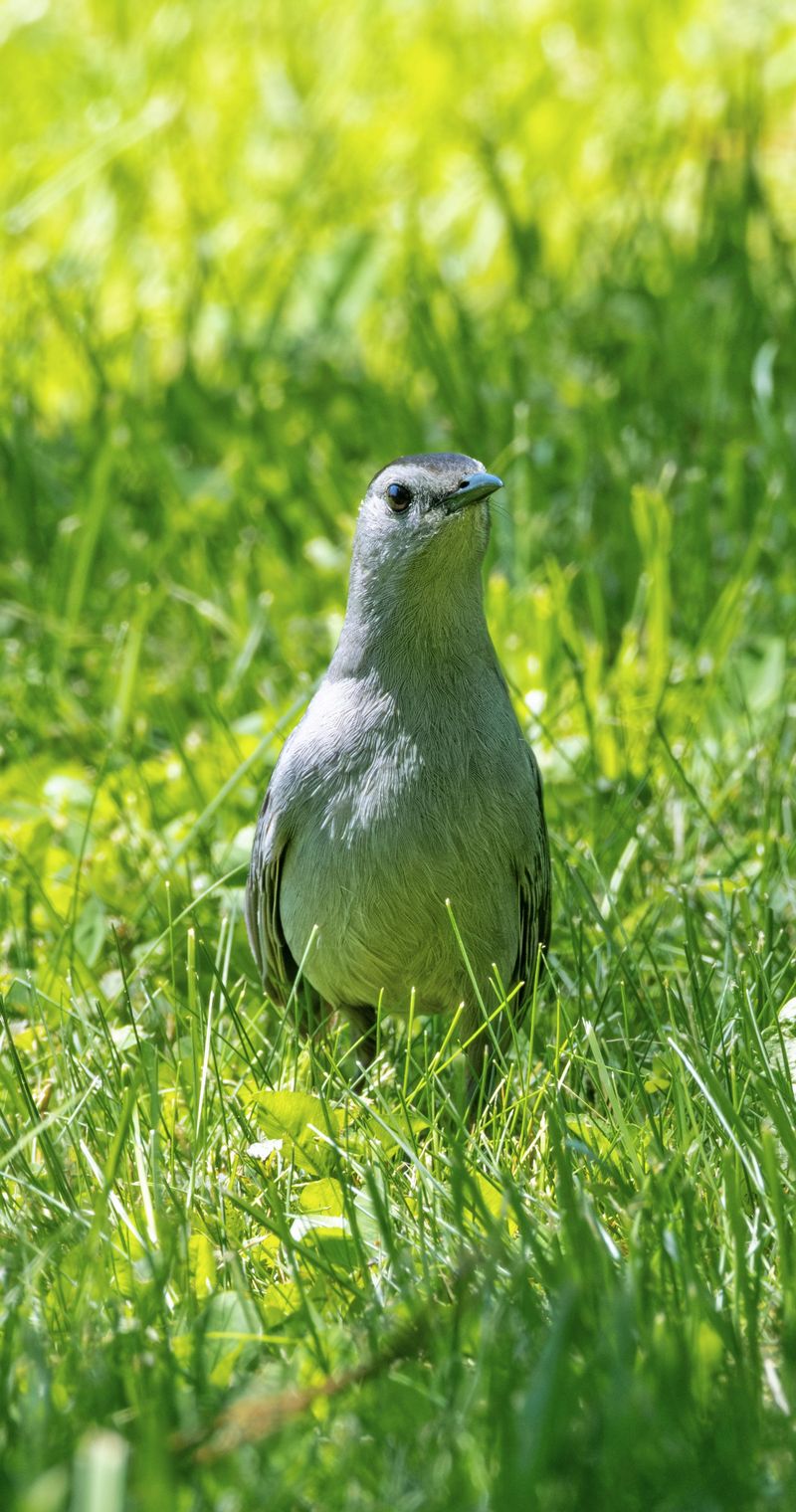
A raspy little meow from the hedge may have feathers behind it. Gray catbirds often announce themselves from cover long before stepping into view, bringing a bit of mystery to Florida’s winter garden.
Migrants increase their numbers during the cooler months, although some remain year-round in parts of the state. Look for a gray body, black cap, and rusty patch beneath the tail.
For this bird, a berry-bearing thicket is more tempting than a feeder standing alone. American beautyberry can provide seasonal fruit, while other locally suitable native fruiting shrubs help extend the menu.
Group shrubs near a sheltered yard edge and leave a leaf layer beneath them. Catbirds can forage for small animals in the litter as well as eat fruit above it.
Do not clear the whole border at once during winter cleanup. Prune selectively and keep some dense cover intact, giving a cautious bird somewhere to retreat when a hawk passes or activity increases near the house.
8. Painted Bunting
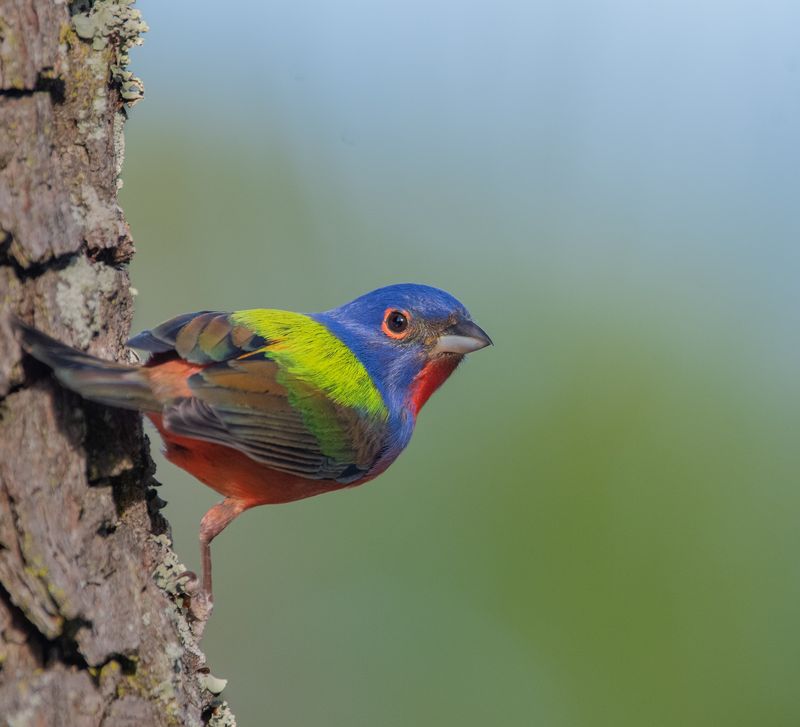
Blue, green, and red on one tiny bird can stop you halfway through your morning coffee. Male painted buntings bring remarkable color, while females and young birds wear a much quieter yellow-green.
Winter sightings are most expected in southern Florida, though distribution varies. Parts of northeastern Florida also have breeding birds, so this is not strictly a winter-only species everywhere in the state.
Offer white proso millet in a small, clean feeder close to dense shrubs. Keep seed dry and provide only what birds use promptly, rather than allowing wet leftovers to pile up.
A protective cage around a feeder can give small birds access while limiting larger visitors. It does not replace nearby escape cover or protection from outdoor cats.
Native grasses add a longer-term food source and make the bed attractive even without birds. Leave their seed heads standing, avoid unnecessary trimming, and give shy buntings a quiet approach that does not force them to cross a broad, exposed lawn.
9. American Goldfinch
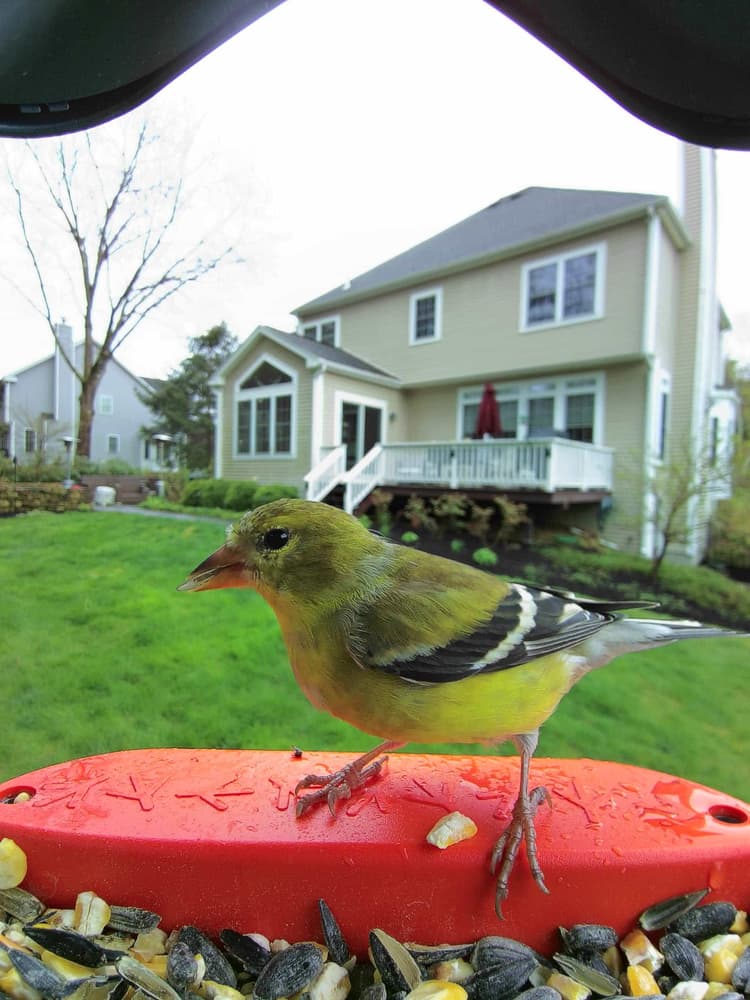
The bright yellow bird you remember from summer photos may arrive dressed in tan and olive. American goldfinches wear subdued winter plumage, but their black wings and light wing bars still stand out at a feeder.
They visit Florida in winter, especially the northern and central parts of the state. Numbers vary between years, so an empty feeder does not necessarily mean your setup is wrong.
Try fresh nyjer seed in a suitable feeder or sunflower hearts in a clean tube feeder. Buy modest amounts, since old seed that sits through damp weather can become unappealing or unsafe.
Leave seed heads on native flowers and grasses where practical. A winter bed with standing stems offers food and texture, saving you some cutting back at the same time.
Watch for sick birds and remove feeders temporarily if illness appears. For routine cleaning, scrub away debris, disinfect according to wildlife-agency guidance, rinse thoroughly, and dry before refilling so a popular feeding station stays safer.
10. Chipping Sparrow

A few small sparrows shuffling along the lawn edge can turn a quiet yard into a lively breakfast spot. Chipping sparrows often feed in groups, searching open ground for small seeds.
They are regular winter visitors in northern Florida, with fewer farther south. Winter faces are less crisp than breeding-season faces, so use a field guide and watch the whole bird rather than relying on a bright rusty cap.
Leave a small patch of seed-bearing grasses beside shrubs or trees. This gives the flock an open feeding area with a quick escape route nearby.
If you offer millet, use a low tray with good drainage instead of scattering large amounts directly onto the soil. Remove leftovers and droppings often, especially after rain, to avoid creating a crowded, dirty feeding patch.
Finish the setup with safer surroundings: keep cats indoors and make nearby windows visible with exterior bird-safe markings. Food brings birds close, but clean feeding areas and fewer hazards give them better reasons to keep returning.