
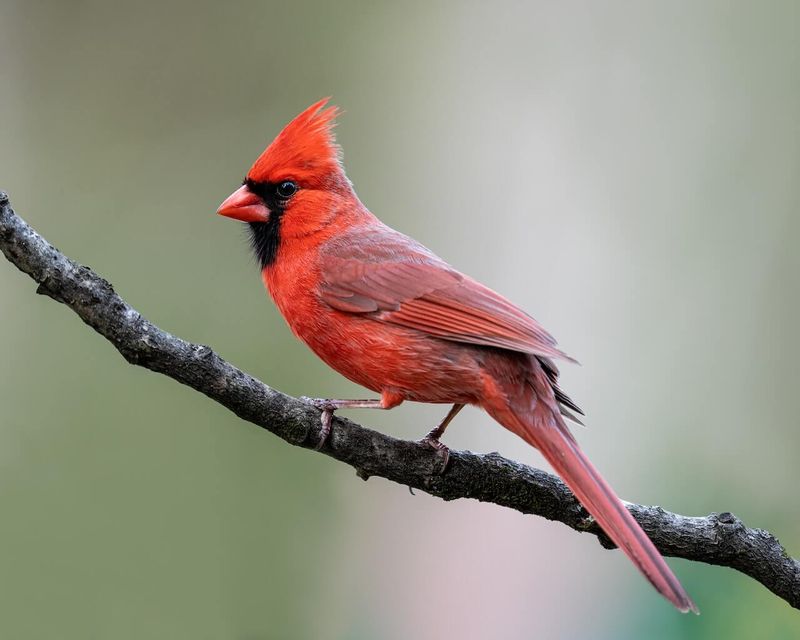
A busy feeder can tell you more about your yard than a perfect lawn ever will. Florida’s winter birds look for food, fresh water, and safe places to hide between meals.
The visitors below offer clues that your garden is meeting those needs, though no single sighting proves the whole habitat is healthy. Watch who shows up, then use their habits to make your yard even more welcoming.
1. American Goldfinch
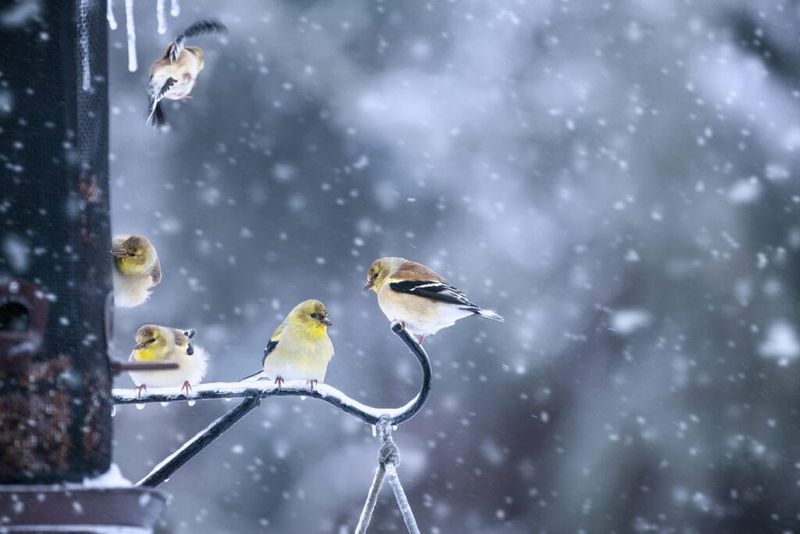
A flash of pale yellow at the feeder can turn an ordinary January morning into something worth watching. American goldfinches trade their bright breeding colors for softer winter shades, but their black wings and white wing bars still stand out.
In Florida, these birds are winter visitors, with numbers changing by location and year. A small flock suggests your feeding station offers the tiny seeds and comfortable perches they need, especially when fresh food stays available.
Offer sunflower hearts or fresh nyjer seed in a suitable tube or mesh feeder. Buy modest amounts so seed does not sit through Florida humidity, and replace anything damp or moldy rather than topping it off.
For a longer-lasting improvement, let native wildflowers form seed heads instead of cutting every stem after bloom. Keep a shallow birdbath nearby, change its water daily, and clean feeders regularly.
Goldfinches often arrive in groups, so spreading feeding spots apart can reduce crowding and give smaller birds room to eat.
2. Chipping Sparrow
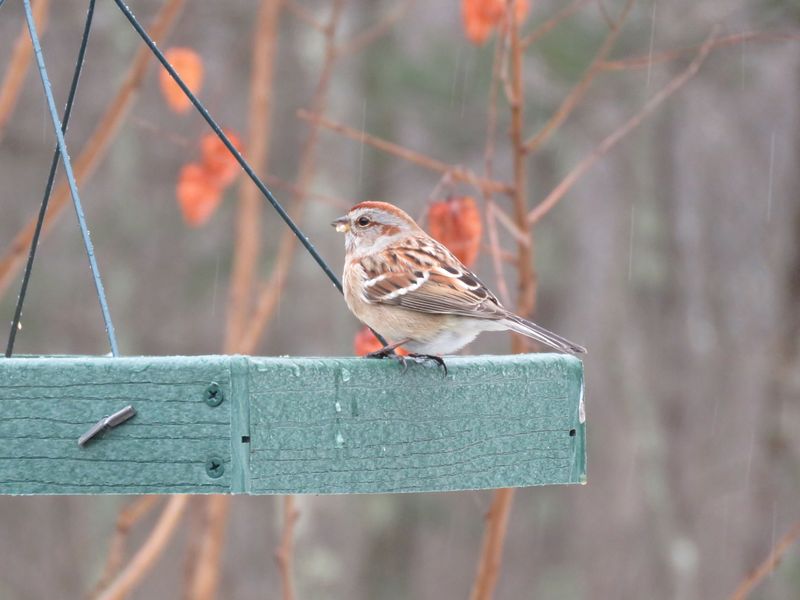
Watch the ground beneath the feeder, and you may find the quietest guests getting breakfast. Chipping sparrows often gather in small winter flocks, picking up seeds while larger birds claim the higher perches.
Look for a small, trim sparrow with a plain breast, a dark line through the eye, and a rusty cap that can look duller in winter. They are especially familiar around open, grassy places with nearby trees in northern Florida, though winter sightings extend farther south.
Their presence points to a useful balance: open feeding space with cover close enough for a quick escape. Offer white proso millet in a low, well-drained platform feeder rather than scattering large amounts over damp soil.
Leave a modest patch of native grasses standing through winter so birds can find natural seeds, too. Remove wet leftovers and rake away accumulated hulls beneath feeders.
A tidy feeding area does not require a stripped-bare yard; it means keeping food clean while allowing useful plants and shelter to remain.
3. White-throated Sparrow
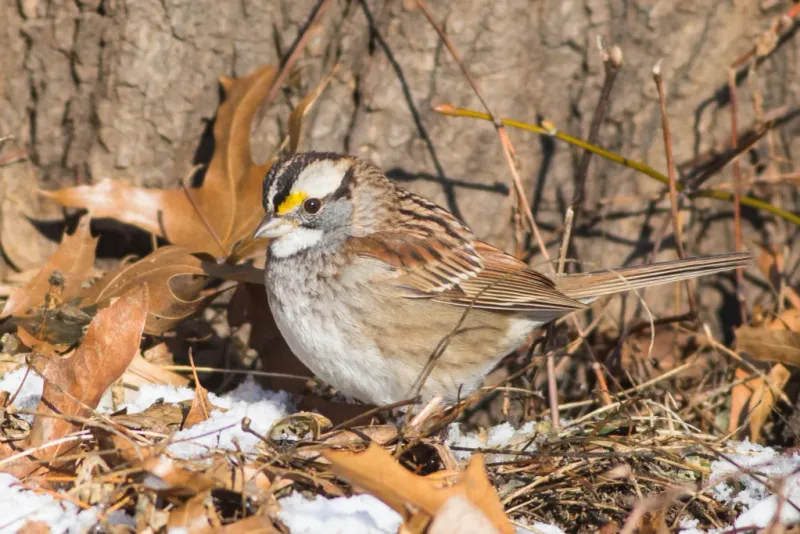
A little rustling under the hedge may reveal a bird you would miss by watching only the feeder. White-throated sparrows prefer searching low, often scratching through leaves for seeds and other food.
These winter visitors are most expected in northern Florida and become less regular farther down the peninsula. Their white throat, striped head, and yellow patches near the bill help separate them from other backyard sparrows.
A visit suggests your yard has something a lawn alone cannot provide: a sheltered ground layer. Keep fallen leaves beneath shrubs or trees where they will not cover sidewalks, smother small plants, or collect against the house.
Place a low seed tray near, but not buried inside, that cover, and offer a little white proso millet. Keep cats indoors and leave enough visibility around the tray to spot an approaching predator.
For this shy visitor, the best upgrade may be resisting the urge to blow every leaf out of a quiet garden corner.
4. Painted Bunting
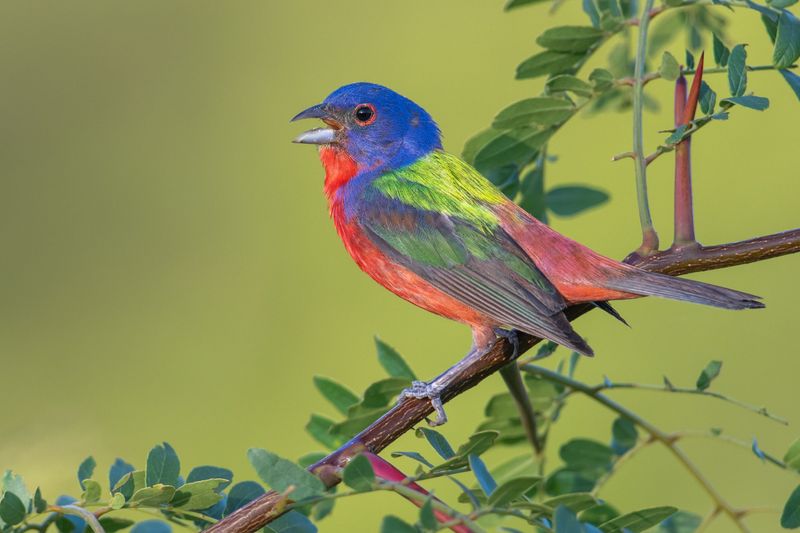
Few feeder moments stop you faster than a bird wearing blue, green, and red all at once. A male painted bunting brings those colors, while females and young birds wear a quieter green that blends beautifully into shrubs.
During winter, painted buntings are most expected in southern Florida, although their range and seasonal movements vary. Even an excellent yard may never host one, so treat a sighting as a special reward rather than a habitat test.
What often matters is security. Offer white proso millet in a protected feeder near dense shrubs, while leaving clear sightlines immediately around the feeding spot.
A properly designed caged feeder can give these small birds space away from larger competitors.
Build shelter with regionally appropriate native shrubs, such as firebush where it suits the climate and site. Keep a consistent supply of clean food, avoid broad insecticide use, and provide shallow water.
A quiet, layered border is far more useful to this cautious bird than a feeder standing alone in open turf.
5. Yellow-rumped Warbler
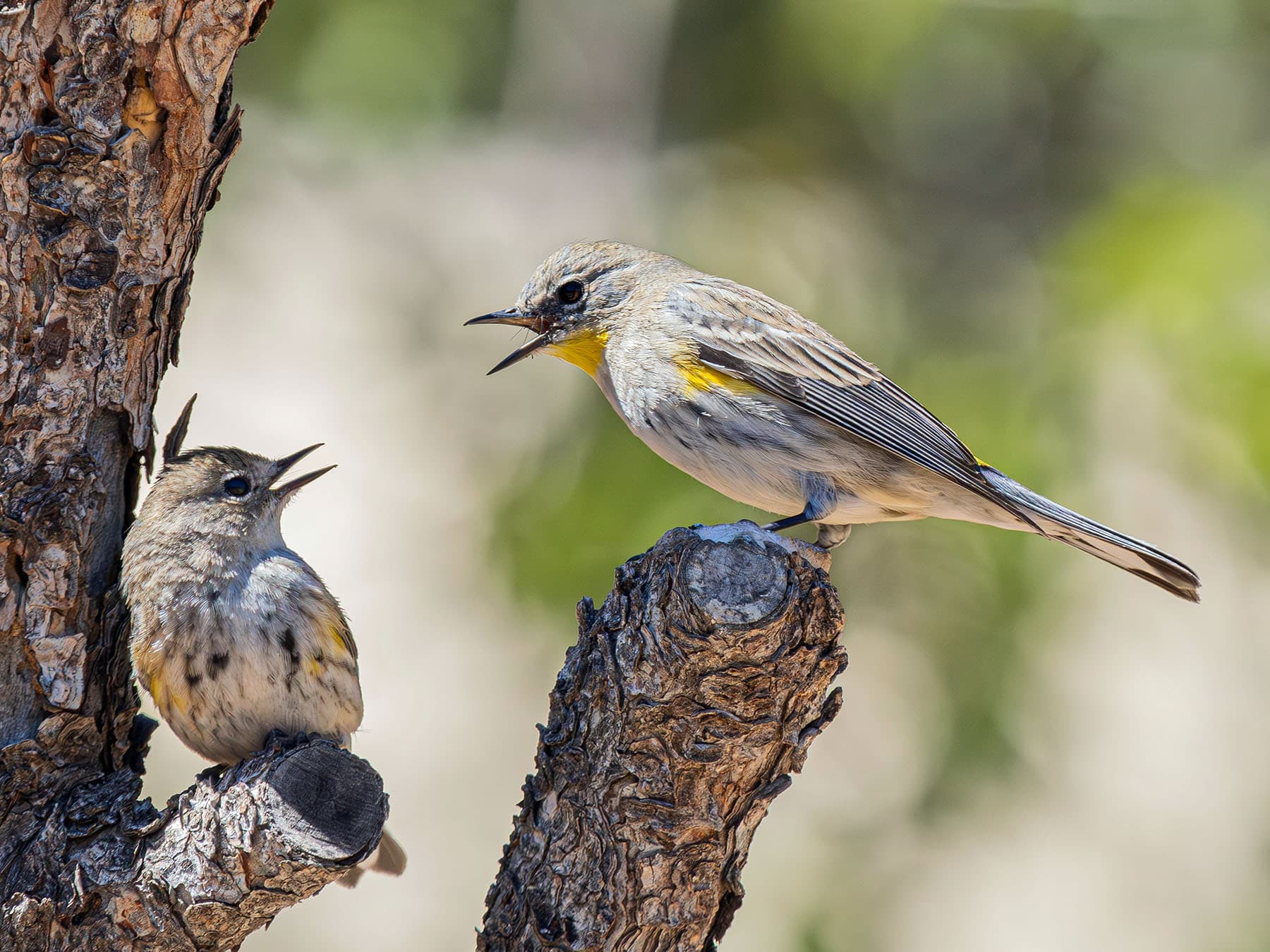
That tiny yellow patch above the tail is a handy clue when a busy gray bird will not sit still. Yellow-rumped warblers are widespread winter visitors in Florida, moving through trees, shrubs, and sometimes feeding stations.
Unlike many warblers, they can digest the waxy coating on certain berries. That ability makes native wax myrtle especially useful and helps explain why a berry-rich yard can stay lively even when a seed feeder is quiet.
Some individuals take suet or sunflower chips, but they are not guaranteed feeder customers. Seeing them nearby may tell you more about your shrubs and insect supply than about the seed mix you bought.
Plant wax myrtle where its mature size fits, choosing a site appropriate to local conditions. Female plants produce fruit when pollinated, so ask a knowledgeable nursery about fruiting plants.
Leave room for branches to develop naturally rather than shearing every shrub into a tight ball. Pairing natural fruit with clean water makes your garden useful beyond the feeder itself.
6. Pine Warbler
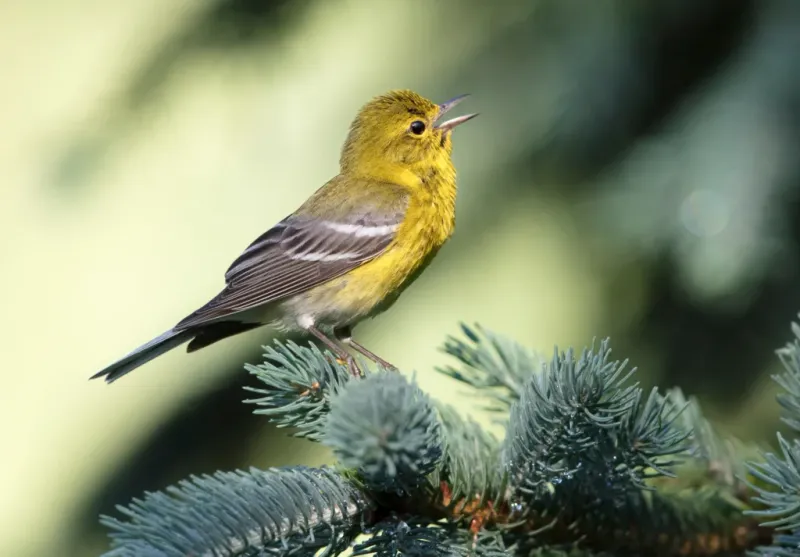
Look up into the pines before assuming every small yellow visitor is a goldfinch. Pine warblers have slimmer bills and a different feeding style, often working along branches before dropping to a feeder.
Florida supports resident pine warblers, and winter brings additional birds from farther north. Unlike many insect-eating warblers, they also eat seeds and may accept sunflower hearts, peanut pieces, or suet.
Their visits can reflect a yard that connects feeding stations with real tree habitat. Healthy mature pines provide places to forage and shelter that a newly installed feeder cannot replace.
If you have suitable pines, protect their root areas from heavy equipment and unnecessary digging. Add locally appropriate native understory plants where light allows, rather than extending lawn right to every trunk.
Offer small portions of fresh food in a feeder that drains well. During warm spells, use suet intended for higher temperatures and remove it if it becomes spoiled or greasy.
Supporting this bird starts above your head, with the trees that make your yard part of its everyday route.
7. Ruby-crowned Kinglet
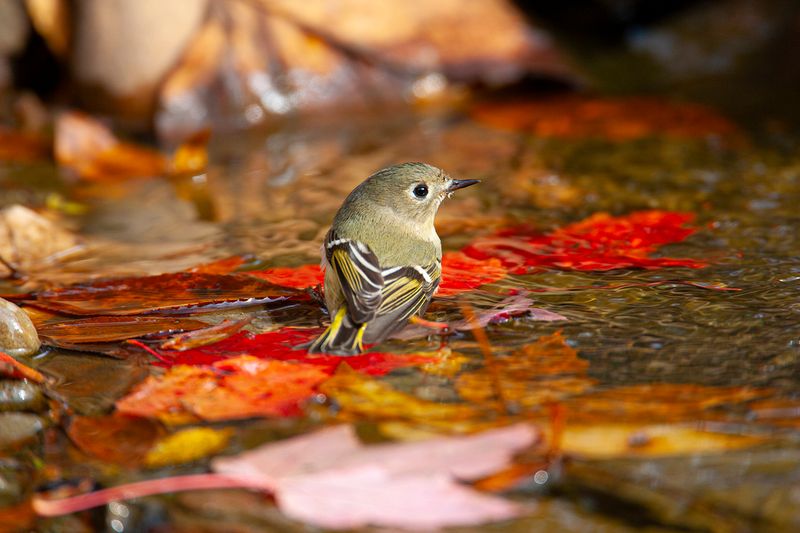
Barely larger than a ping-pong ball, a restless visitor flicks its wings and disappears behind a twig. Ruby-crowned kinglets bring almost nonstop motion to Florida gardens during the cooler months.
Their pale eye ring and wing bars are usually easier to see than the red crown, which is often hidden and occurs only on males. Wintering birds search leaves and twigs for tiny insects and may occasionally investigate suet.
A kinglet near your feeding station is a reminder that bird food is not always something you pour from a bag. Shrubs and trees that support insects help feed birds that rarely rely on seed.
Keep a mix of plant heights, including small trees and leafy shrubs, and avoid routine broad-spectrum insecticide spraying. Treat a confirmed plant problem with a targeted approach instead of trying to remove every insect.
Set any suet offering close to useful vegetation without creating a hidden cat ambush. Even if the kinglet ignores the feeder, its steady hunting suggests the surrounding garden offers a living pantry.
8. Gray Catbird
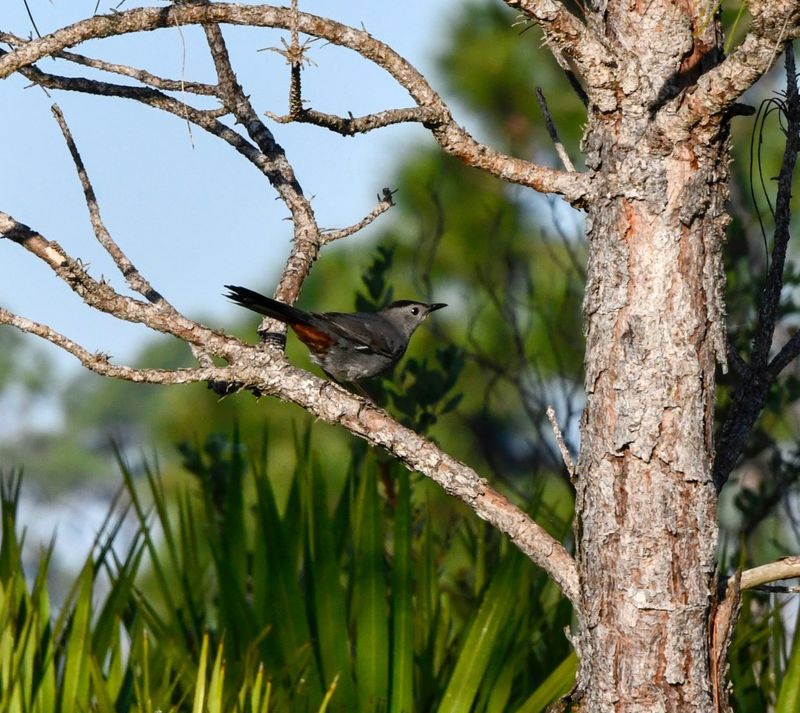
A scratchy little meow from the shrub border may belong to a bird, not a wandering kitten. Gray catbirds often stay partly hidden, slipping out to inspect fruit, water, or an inviting feeding platform.
Much of Florida hosts these birds in winter, with seasonal patterns varying across the state. Their slate-gray bodies, black caps, and rusty patches beneath the tail help confirm an identification.
Catbirds reward yards with fruiting shrubs and tangled shelter rather than seed alone. Florida beautyberry and regionally suitable native hollies can help build a changing supply of natural food, though fruit availability depends on season and growing conditions.
For an occasional feeder offering, put out a small amount of fresh berries or chopped apple on a washable platform. Remove leftovers promptly in Florida warmth, and skip sweetened dried fruit or processed snacks.
Allow one shrub border to grow with a loose, natural shape. Add fresh water nearby, and you create a useful resting and feeding corner without needing to turn the whole property into a thicket.
9. Northern Cardinal
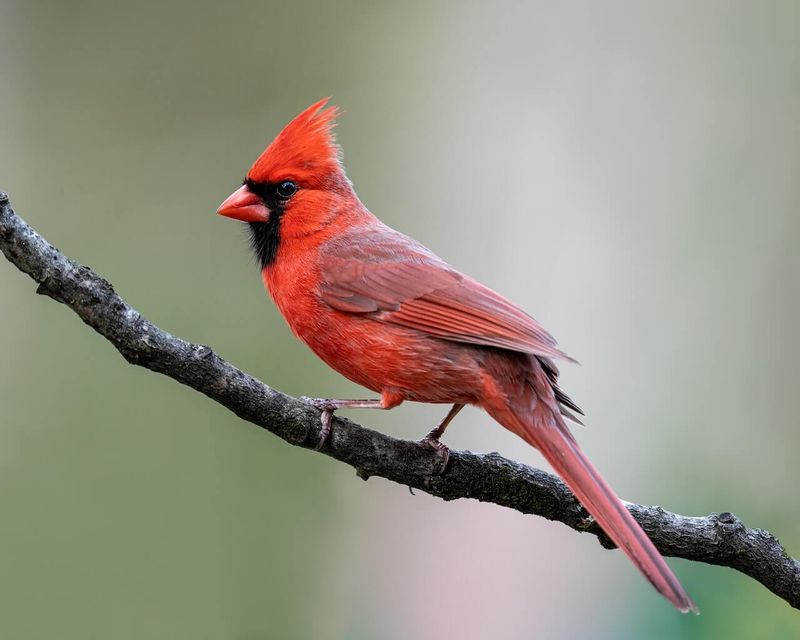
Before the yard gets busy, a red silhouette may already be waiting for breakfast. Northern cardinals are year-round Florida residents, but their steady winter visits make them useful clues about whether a feeding setup works.
They need room to land and balance, so narrow perches can be less inviting than a hopper or platform feeder. Black-oil sunflower seed is a dependable choice, and safflower is another food many cardinals accept.
A pair returning often suggests that food and nearby shelter fit into their daily routine. It does not prove they are nesting in your yard, especially during winter.
Keep dense native shrubs within a short flight of the feeder, while maintaining an open view around the feeding area. Choose plants for your part of Florida rather than assuming every native suits every county or soil condition.
Place feeders within 3 feet of windows to reduce collision impact, or well away from glass, and add effective exterior window treatments where needed. A safe approach matters just as much as a full seed tray.
10. Red-bellied Woodpecker
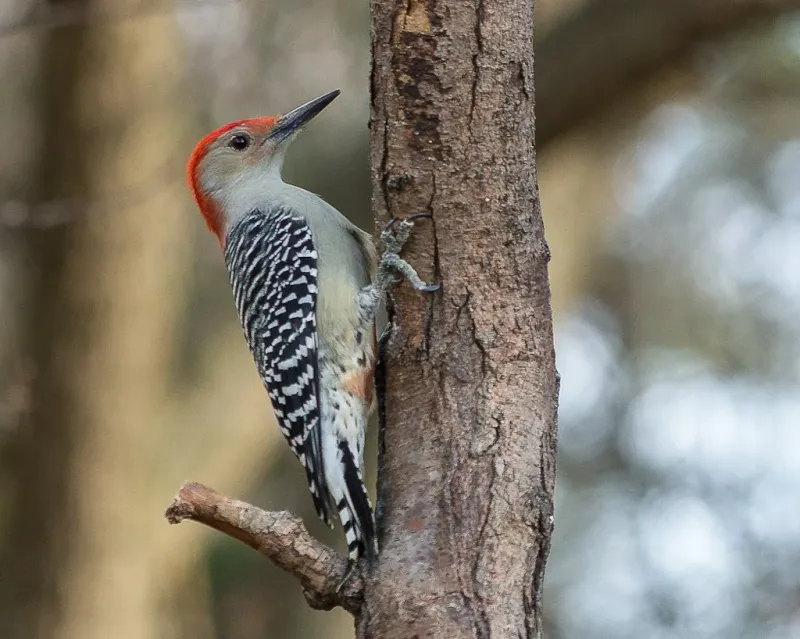
Knock, pause, shuffle: a woodpecker brings a different rhythm to the feeding station. Red-bellied woodpeckers live in Florida year-round and may visit for peanuts, sunflower seeds, or suet during winter.
Despite the name, the faint reddish belly is often hard to see. The barred black-and-white back and red on the head are much more obvious, helping you recognize this bold visitor from across the yard.
A strong clinging surface makes feeding easier. Use a sturdy suet holder, ideally with tail support, and offer fresh, unsalted peanuts only in a suitable feeder that keeps them dry.
The bigger habitat lesson sits in your trees. Woodpeckers find food and nesting sites in wood, so retain healthy mature trees and consider keeping dead limbs or standing dead trees only where a qualified arborist says they are safe.
Never leave a hazardous snag near a house, walkway, or utility line just for wildlife. Combine safe tree care with clean feeders, and your yard can support this energetic resident far beyond the winter feeding season.