
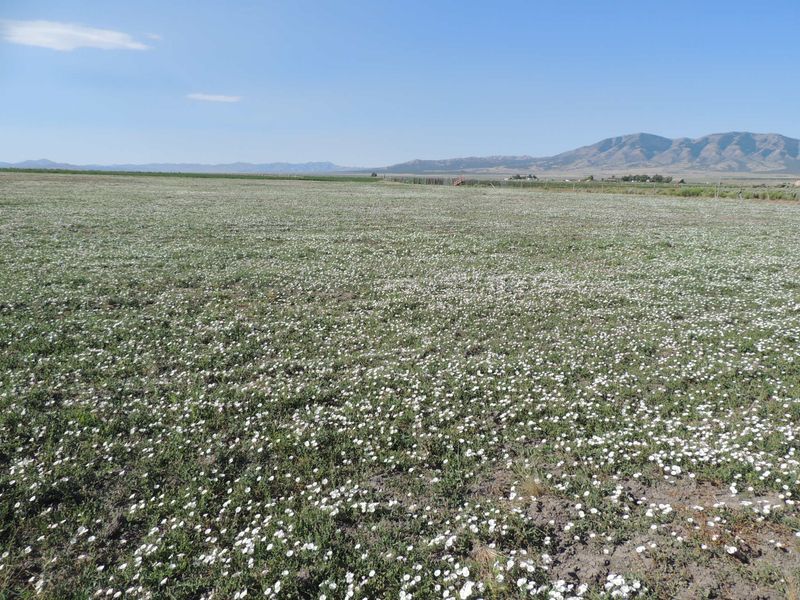
You yank a bindweed vine out of your bed, and a few weeks later it is back, twisting around your salvia like nothing happened. The reason is hiding underground, where field bindweed keeps a root system that can regrow the plant again and again.
Many California gardeners hope winter will finally starve it out, but the real fix works a little differently. Here is how to tell what you are dealing with and how to wear it down over time.
Confirm the vine is field bindweed
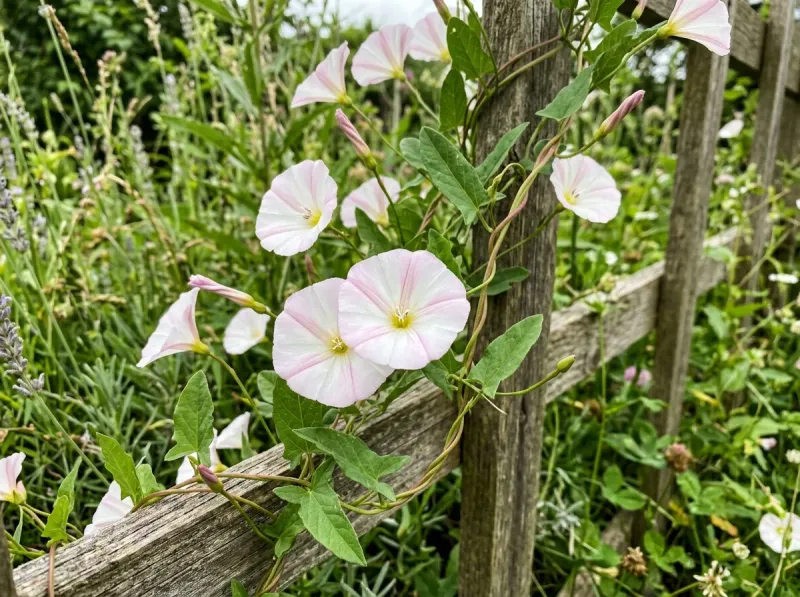
Before you pick a control method, make sure you have the right plant. Field bindweed is common in California below about 5,000 feet, so it turns up in most coastal, valley, and foothill yards.
UC IPM’s identification gallery describes small white or pink flowers and an extensive underground root system.
Look at the leaves and flowers up close. Field bindweed has smallish, arrowhead-shaped leaves and trumpet flowers about an inch across.
The vines trail along the ground or climb whatever they touch.
The main lookalike is hedge bindweed. It has bigger flowers and larger leaves with pointed, angular lobes at the base.
Its rhizome system is generally shallower, as described in Cornell’s bindweed identification guide, so it can behave differently in the ground.
If your vine has small flowers and keeps returning from the same spot no matter how often you pull it, field bindweed is the likely culprit. Take a photo to your local UC Cooperative Extension office if you are unsure.
A correct ID keeps you from wasting a season on the wrong plan.
Why a clean pull often leaves the plant behind
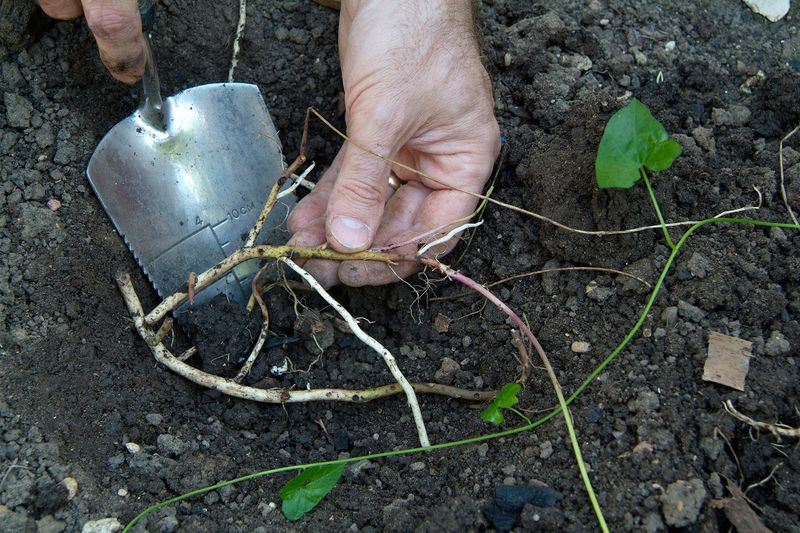
Most of a bindweed plant lives where you cannot see it. The vine on top is just the part that is easy to grab.
Underneath, a network of roots and rhizomes stores energy and sends up fresh shoots whenever the top growth is removed.
That is why UC IPM calls it a persistent perennial. UC reports roots capable of producing buds as deep as 14 feet, and root or rhizome pieces as short as 2 inches can grow into new plants.
So a pulled vine often snaps off, and the buried roots simply start over.
Keep those numbers in perspective. The 14-foot figure is a documented maximum, not what you will find in a typical yard, and it is not a depth to dig toward.
What it tells you is that removing every root by hand is unrealistic for an established patch.
A single pull will not finish the job, but pulling is not useless. Repeated pulling or cutting can wear the plant down over time, which is the idea behind the plan in the next sections.
Dig out what you can without chopping the roots
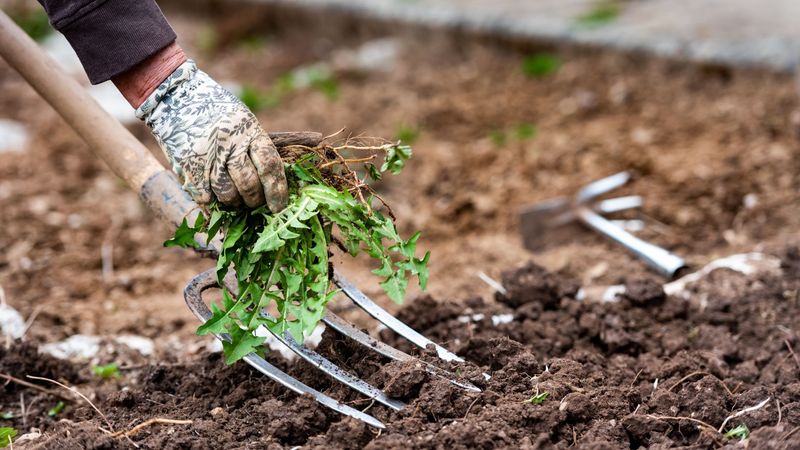
Digging is a sensible first move, as long as you treat it as the start of a plan. Slide a garden fork in beside the vine, loosen the soil, and lift out as much root as is practical.
A fork tends to pull roots free, while a tiller or a spade chops them into pieces.
Chopped roots are the risk. Because small fragments can sprout, casual cultivation can turn one patch into several.
Skip rototilling and quick hoeing through infested soil, and bag the roots you remove rather than tossing them in the compost pile.
Work slowly around plants you want to keep. Dig a little wider than the vine’s base and follow the white roots as far as they come up easily.
Stop when you start snapping pieces off, since pushing deeper rarely pays off.
Set your expectations honestly. Even a careful dig is unlikely to eradicate an established patch, a point echoed in Oregon State’s advice on bindweed persistence.
UC IPM likewise recommends following up on regrowth after digging, which is what makes the effort count.
Repeatedly remove regrowth while the plant is growing
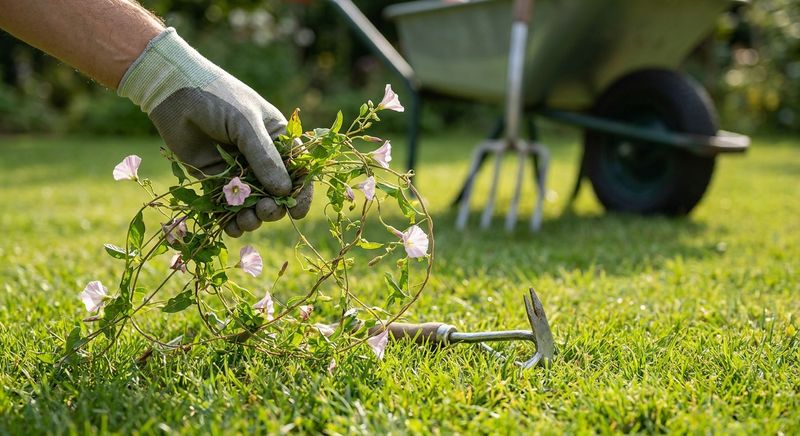
Here is the part that actually works: keep at it. Each time you remove new top growth, the plant has to spend stored root energy to send up more.
Do that often enough and the reserves slowly drain.
UC recommends removing or suppressing top growth about every 2 to 3 weeks during active growth. Mark it on your calendar like a lawn chore.
The UC IPM field bindweed page describes this repeated approach as the way to gradually exhaust root reserves.
Pull, snip, or cut the shoots at the soil line. Pulling gets a little extra root each time, while cutting is faster in tight spaces among your plants.
Either way, the key is not letting vines get long enough to photosynthesize and refill the roots.
Plan on more than one season. Researchers at Oregon State describe controlling perennial bindweed as a matter of persistence, and California gardeners should expect the same.
Many yards see a clear drop in vine numbers in year two, with a few stragglers lingering after that.
Skipping a month is the common failure. A missed round lets the roots recharge, and you lose ground you already gained.
Winter alone is not a reliable way to starve established bindweed
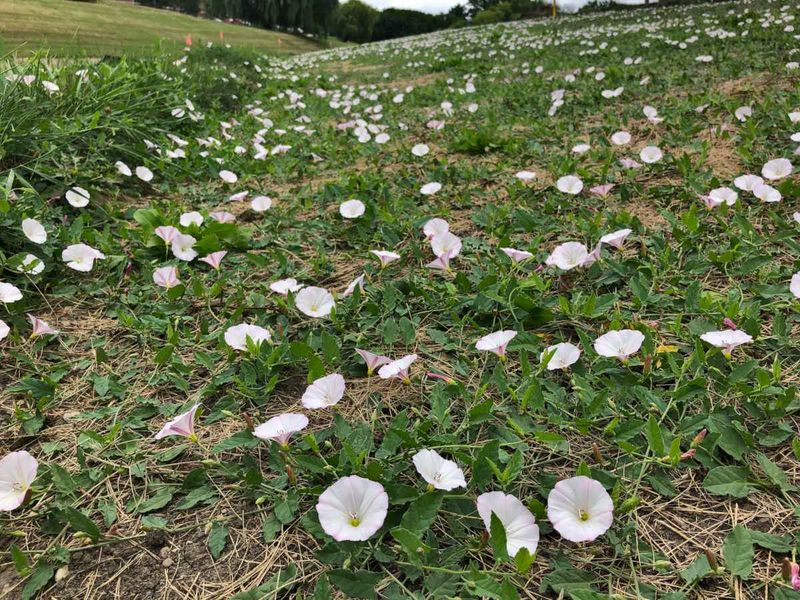
It is tempting to think cold weather will do the work for you. In practice, a winter weeding session is not enough to exhaust established roots.
The plant drains its reserves when you keep knocking back growth while it is actively growing, not while it sits dormant.
Winter pulling is not harmful, and removing vines you see is still a tidy move. It just should not be your whole strategy.
The approach UC IPM supports is repeated suppression through the growing season.
California is also not one calendar. A mild coastal yard may see bindweed growing nearly year-round, while an inland or higher-elevation yard may go quiet for months.
Watch your own plants and start your 2 to 3 week rounds when shoots are leafing out.
If you hear about fall herbicide timing, remember what it applies to. UC’s fall recommendation comes from orchard and vineyard guidance and targets plants that are still actively growing.
It is not a universal yard calendar, and it is not a dormant-season treatment.
Prevent seed production and use shade as a longer-term tool
Seeds give bindweed a second way to spread. Established plants can flower and set seed, so snip off flowers and seed capsules before they mature.
It takes a minute during your regular rounds and keeps the patch from growing new members.
Watch for seedlings too. According to UC IPM, seedlings are easier to control during roughly their first 3 to 4 weeks, before perennial buds form.
A small plant with two round seed leaves can usually be pulled with its short root intact.
Shade can help over the long haul. Dense, competitive plantings can reduce bindweed growth by crowding out light.
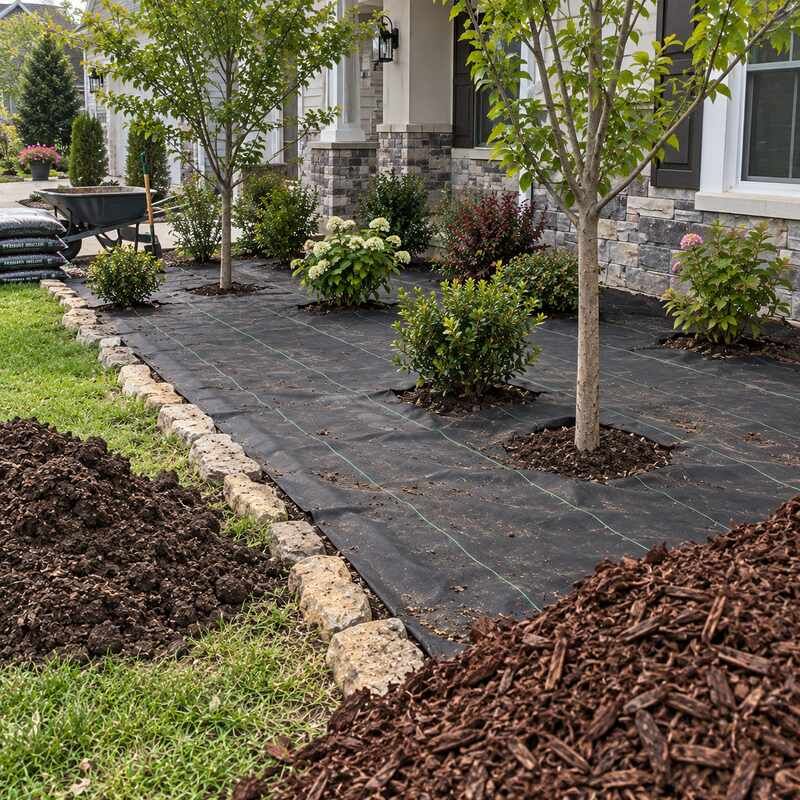
Complete light exclusion with fabric or another solid covering can also work, but slowly.
Set realistic expectations. UC’s landscape weed guidance and the field bindweed page note that established plants can take more than three years to die under a complete covering.
Shoots find gaps and seams, and ordinary mulch may not stop them. Seedlings can also appear once the covering comes off.
Use shade as a supporting player. Pair it with your regular regrowth checks, and seal edges and overlaps well so shoots have fewer ways out.
Treat herbicides as a site-specific option
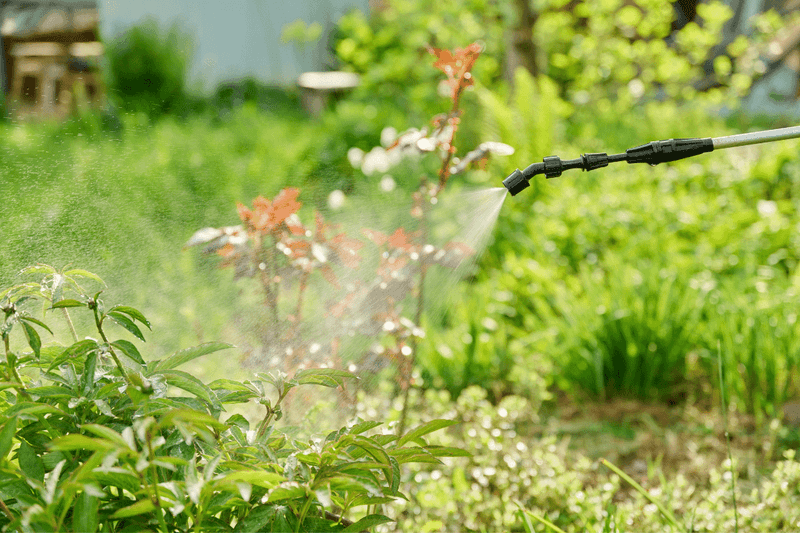
Herbicides are one possible tool, not a guaranteed cure. They make the most sense where nothing you value is growing nearby, such as a gravel strip or an open, cleared area.
UC lists glyphosate for actively growing bindweed in open areas without desirable plants, and notes that repeated treatments may be needed, according to UC IPM. In a mixed bed, the picture changes.
Spray drift or treated foliage touching your ornamentals can injure them, and bindweed often weaves right through the plants you are trying to protect.
For that reason, there is no blanket recipe here. Products, registrations, and labels change, so read the current label on whatever you buy and follow it exactly.
California has its own rules for pesticide use, covered in the California Department of Pesticide Regulation’s guide to using pesticides.
If you choose to treat, timing matters because the plant must be actively growing. Skip windy days, keep pets and kids out of the area, and expect to keep up your regular regrowth removal around it.
Many gardeners find hand methods are enough in beds and save chemicals for the hardest spots.
Make persistence the plan
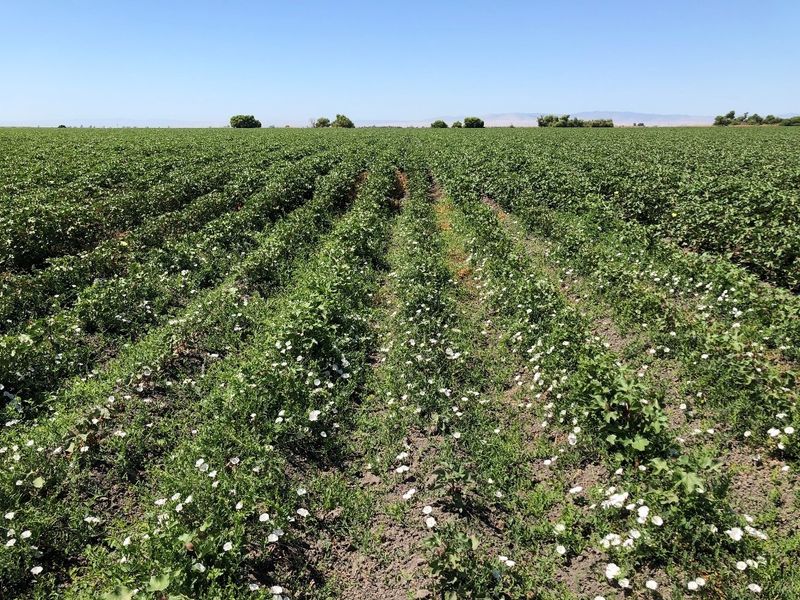
The routine is simple: dig out the root you can reach, keep cutting back regrowth every 2 to 3 weeks while it is growing, and stop seeds before they form. UC IPM backs this slow approach, and it can take several seasons.
Bindweed plays a long game, and the gardener who shows up most often wins it.