
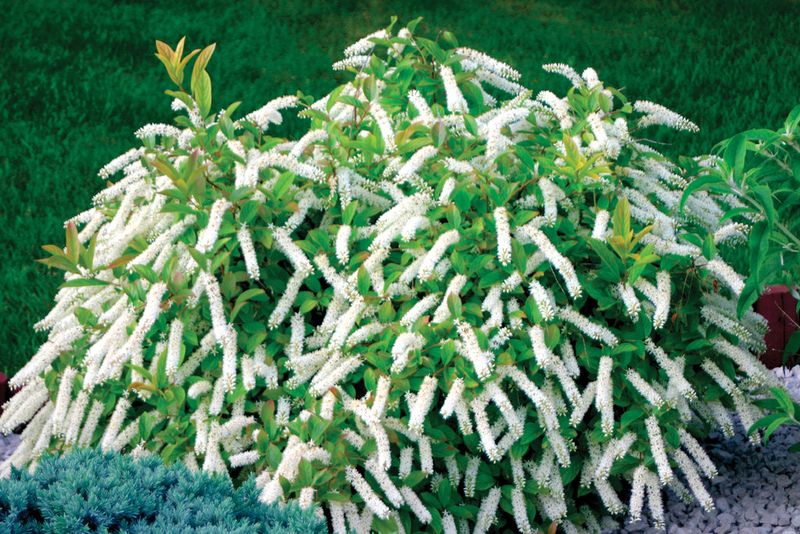
Hydrangeas can be beautiful, but they often leave Southern gardeners guessing about water, sun, pruning, and bloom problems. If your shrubs keep wilting, flopping, or refusing to flower, it may be time to stop fighting them.
Plenty of other flowering shrubs can give your yard big color and strong curb appeal without so much babysitting. Here are 10 easier picks that look impressive and fit real-life gardens in places like Florida and Texas.
1. Abelia
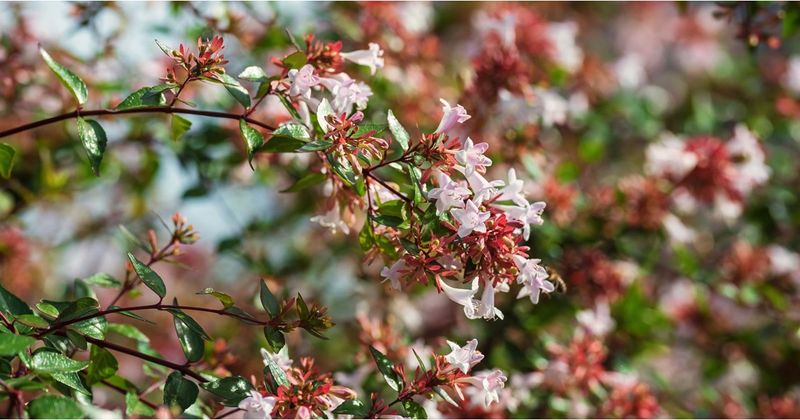
Nothing feels more relieving than planting a shrub and realizing it does not turn every hot week into a rescue mission. Abelia earns its spot because it keeps blooming for a long stretch, often from spring into fall, without demanding the constant moisture that makes hydrangeas so stressful in Southern yards.
Its shape is part of the charm. Instead of heavy flower heads that flop after rain, abelia forms a graceful mound with airy branches and small tubular blooms that attract bees, butterflies, and hummingbirds.
Many newer varieties also bring colorful foliage, from glossy green to bronze or chartreuse, so the plant still looks lively when flower power slows down.
For Florida and Texas gardeners, that long warm season is where abelia really shines. It handles heat well once established, tolerates ordinary pruning mistakes, and usually does best in full sun to part shade with decent drainage.
Use it along walkways, near porches, or in mixed foundation beds where you want a softer look.
If your hydrangeas keep acting dramatic, abelia may feel like a deep breath and a much easier path to dependable bloom.
2. Loropetalum
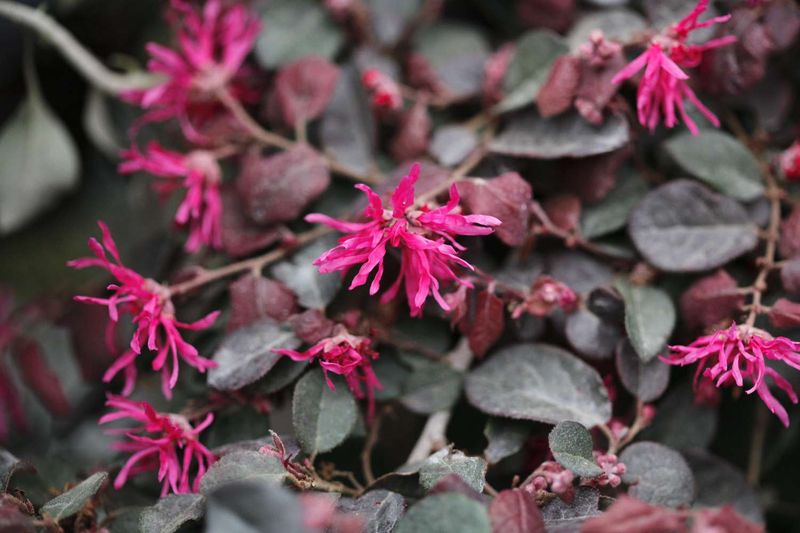
Few shrubs make a bigger first impression than loropetalum when it bursts into bloom. Those fringe-like flowers and deep burgundy leaves deliver the same eye-catching punch people want from hydrangeas, but the plant usually asks for far less pampering once it settles into the yard.
Color is its superpower. Even when blooms take a break, the foliage keeps the planting bed from looking plain, which solves one of the biggest hydrangea letdowns: long stretches of green with not much else happening.
Compact types work well by front entries, while larger forms can anchor corners, soften fences, or create privacy with a richer, moodier look than standard green shrubs.
Southern gardeners appreciate how loropetalum handles heat and humidity better than many classic flowering shrubs, though good drainage still matters. In parts of Florida and coastal Texas, it often grows fast and responds well to light shaping after spring flowering.
The trick is choosing a variety that fits the space so you are not stuck hacking it back every season.
If you want dramatic color, a polished shape, and far fewer wilt-and-worry days, loropetalum offers a strong trade for fussy hydrangea care.
3. Texas Sage
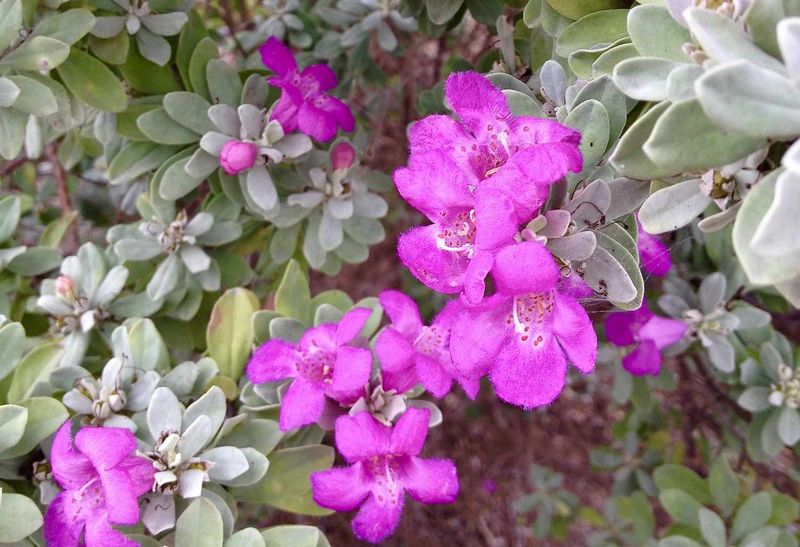
After a summer rain, Texas sage can put on the kind of show that makes neighbors slow down at the curb. That surprise flush of purple flowers, paired with soft silver foliage, gives it a wow factor hydrangea lovers can appreciate, but with a much tougher attitude for hot, dry spots.
Here is what sets it apart from everything else on this list: it thrives where many flowering shrubs struggle. Full sun, reflected heat, lean soil, and low water are often fine once the plant is established.
Instead of drooping in protest, Texas sage usually looks right at home in bright, exposed areas that would leave bigleaf hydrangeas miserable and scorched.
For readers in Texas, it is an especially smart choice for front beds, mailbox plantings, and xeric borders. In warmer inland parts of the South, it can also work beautifully where drainage is sharp and winter cold is not too severe.
Resist the urge to overwater, since too much moisture can cause trouble. If your goal is strong bloom color with a fraction of the fuss, Texas sage offers a practical answer that feels made for real Southern heat and a busy homeowner schedule.
4. Bottlebrush
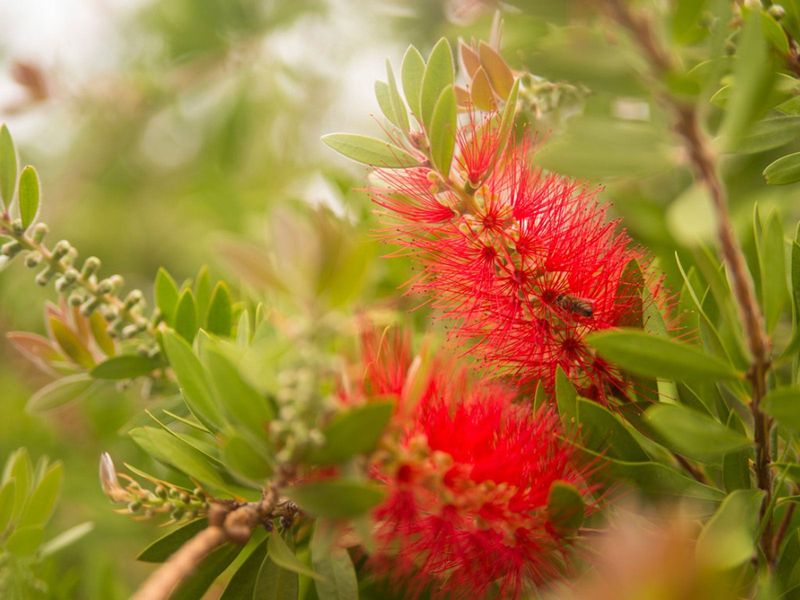
Hummingbirds tell the story before gardeners do. When bottlebrush lights up with its bright red flower spikes, the whole shrub feels alive, and that lively, tropical look can replace the drama of hydrangeas with something much easier to keep happy in warm Southern climates.
Texture makes bottlebrush stand out. Hydrangeas rely on large rounded blooms for impact, while bottlebrush creates bold color through fuzzy, brush-shaped flowers that repeat through the warm season in favorable conditions.
The narrow evergreen leaves give it a cleaner, tidier look year-round, which helps front beds stay attractive even when the plant is not in peak bloom.
Florida gardeners often have the best luck with it, and parts of coastal or mild Texas can enjoy it too. Full sun helps flowering, and once established, bottlebrush can handle heat and short dry spells much better than thirsty hydrangeas.
It also works nicely near patios, pool areas, and sunny corners where a splashy shrub is needed without constant wilt monitoring. Give it room, avoid soggy soil, and prune lightly after flowering if shaping is needed.
For a yard that wants color, wildlife activity, and less hand-holding, bottlebrush is a smart swap.
5. Firebush
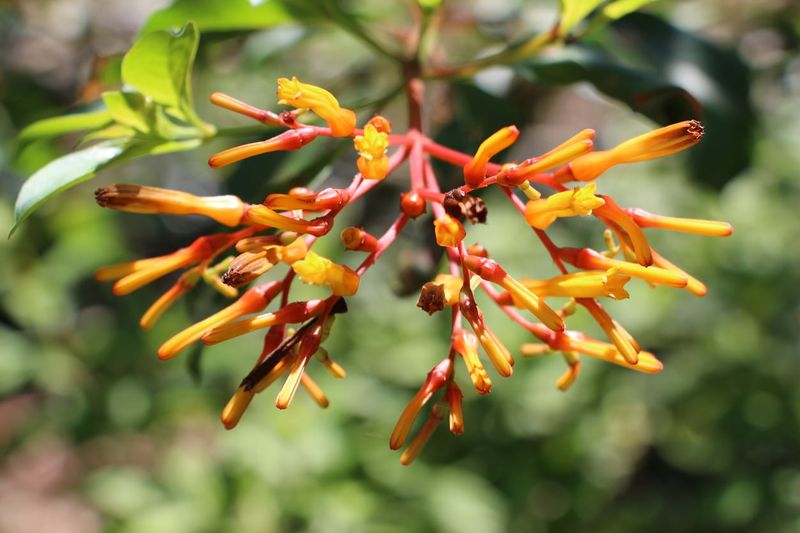
Some shrubs seem built for hot weather, and firebush is one of them. When summer turns harsh and hydrangeas start looking tired, firebush often does the opposite, pushing out fiery orange-red blooms that keep the garden bright and pull in butterflies and hummingbirds at the same time.
That nonstop energy is what makes it different. Rather than giving one big show and then fading into the background, firebush can flower over a long season in frost-free or near frost-free areas.
The color reads from a distance, so it works especially well when you need a visible punch near a driveway, fence line, mailbox, or back patio.
In Florida, it is one of the easiest bold-blooming shrubs for heat and humidity. Southern Texas gardeners can also use it well in warm regions, especially where a tropical look fits the yard.
Full sun usually brings the best bloom, though part shade can still work. Once established, it can handle periods of dryness better than hydrangeas, and it bounces back quickly from pruning.
If your yard needs a shrub that looks cheerful instead of stressed during the hottest months, firebush may be the simplest upgrade on the list.
6. Indian Hawthorn
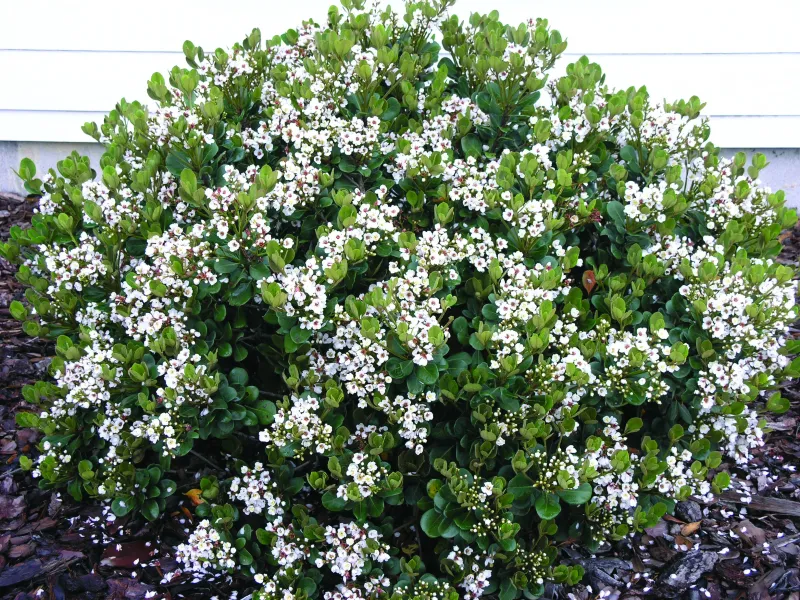
For gardeners who want order as much as color, Indian hawthorn brings a calmer kind of beauty. Its neat evergreen form and soft pink or white flower clusters offer a polished look that can echo the fullness people love in hydrangeas, but in a much more controlled and low-key package.
Unlike shrubs that grow wild and beg for constant trimming, Indian hawthorn usually keeps a naturally rounded shape. That makes it useful in foundation beds, along paths, or under windows where tidy structure matters every month of the year, not just bloom season.
The flowers arrive in spring, and many varieties also carry dark berries later, adding another layer of interest.
Warm Southern climates suit it well, especially in areas with sun and good air flow. It is often used in Florida and Texas landscapes because it can take heat better than hydrangeas and usually needs less water once established.
Good drainage is important, and avoiding overhead watering may help reduce leaf spot issues in humid places. Choose disease-resistant varieties when possible for an easier ride.
If your hydrangeas feel floppy or needy near the front of the house, Indian hawthorn offers a more buttoned-up answer with blooms, evergreen presence, and simpler upkeep.
7. Virginia Sweetspire
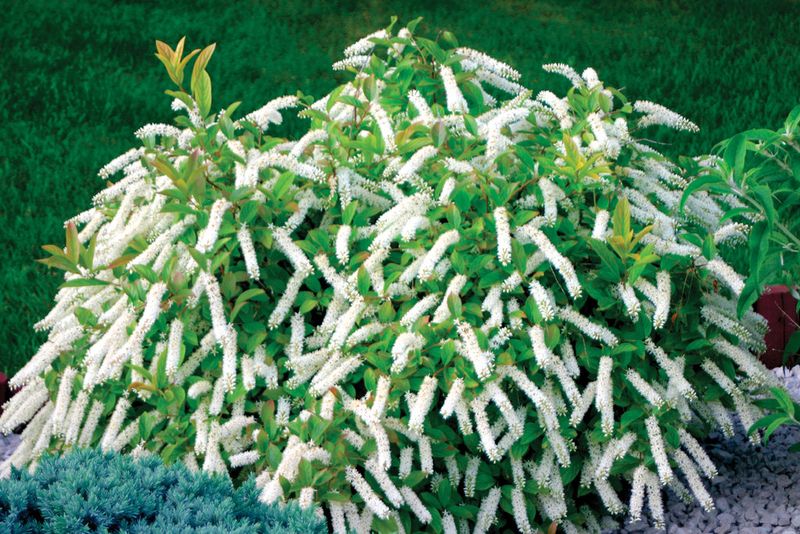
Shade can be a tricky spot when hydrangeas refuse to bloom well or crisp in afternoon heat. Virginia sweetspire steps into that problem beautifully, offering arching stems and fragrant white flower spires that bring movement and softness without the same level of fuss over timing, pruning, or perfect moisture.
Its special strength is adaptability. Sweetspire can handle more shade than several sun-loving bloomers on this list, yet it also tolerates decent sun if the soil does not dry out too hard.
That flexibility helps in real yards where light shifts through the day and one side of the bed never seems to match the care tags exactly.
Southern gardeners often appreciate another bonus: excellent fall color. Leaves can turn rich red, orange, or burgundy, giving the shrub a second season of value long after flowers fade.
It fits nicely in foundation plantings, woodland-edge borders, rain garden margins, or those awkward side yards where hydrangeas often sulk. Florida gardeners in the warmer parts of the state may need to match the variety carefully, while much of the broader South and parts of Texas can use it as a dependable, elegant option.
For part-shade charm with fewer headaches, sweetspire is hard to overlook.
8. Dwarf Crapemyrtle
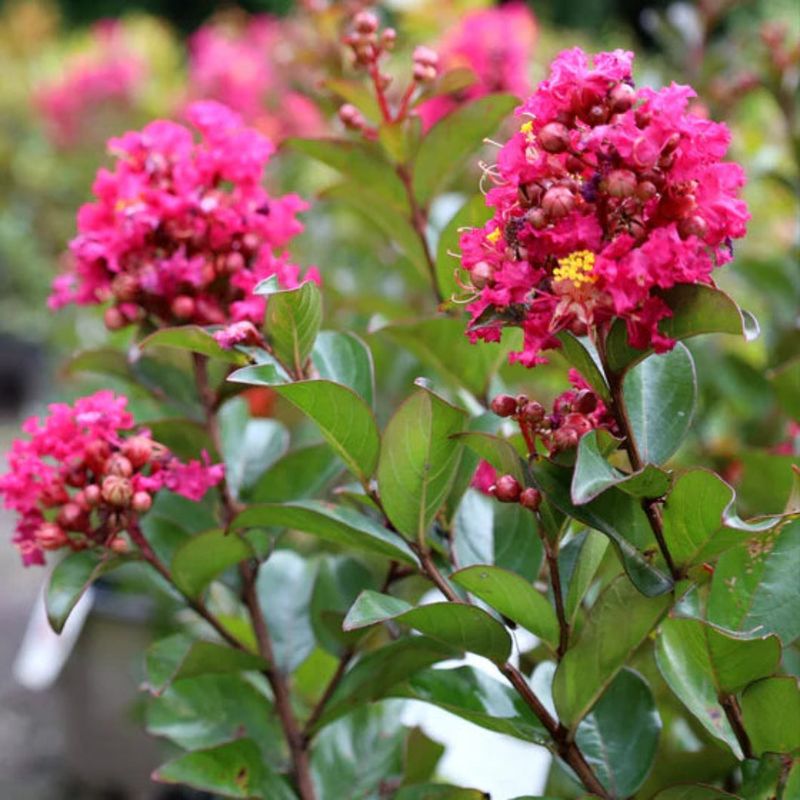
Summer color is hard to beat when dwarf crapemyrtle gets going. While hydrangeas often struggle through Southern heat, this shrub leans right into it, producing bright blooms when many yards need help the most and doing it with a level of toughness that busy homeowners can truly use.
What makes it a strong substitute is timing. Instead of peaking early and fading, dwarf crapemyrtle shines during long hot stretches, which is exactly when curb appeal can dip in Florida and Texas neighborhoods.
Newer compact varieties stay much easier to place than the old tree-sized kinds, so you can tuck them into foundation beds, island plantings, or poolside borders without creating a pruning nightmare.
Full sun is the main requirement, and good air flow helps keep foliage healthier. Once established, crapemyrtle generally handles heat, humidity, and short dry spells better than hydrangeas, though regular water can improve flowering in very dry periods.
Look for disease-resistant varieties if powdery mildew has been a local problem. The peeling bark and branch structure can even add winter interest after leaves drop.
For gardeners tired of coaxing weak blooms from a fussy shrub, dwarf crapemyrtle gives a more dependable path to bright, long-lasting summer drama.
9. Sweet Almond Bush
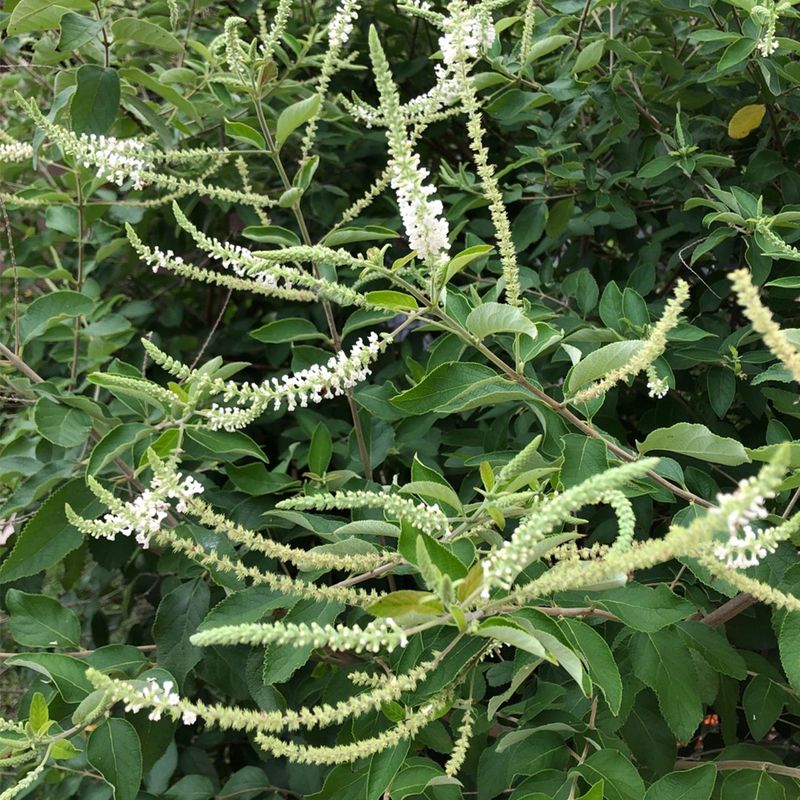
Fragrance can change the whole feel of a yard, and sweet almond bush proves it. One warm evening near the porch, and its vanilla-like scent can do more for your garden experience than a shrub that looks good for one short window but spends the rest of the season asking for rescue.
Unlike hydrangeas, which win mostly on flower size, sweet almond bush charms through abundance and perfume. The small white blooms are not huge up close, yet they appear in clusters and can repeat through the warm months, creating a cloudlike effect that feels loose, cheerful, and welcoming.
It is especially nice near seating areas, doors, and windows where the fragrance can be noticed instead of wasted in the far corner of the yard.
In frost-free or nearly frost-free parts of the South, especially Florida and along the Gulf Coast, it can be a standout low-fuss bloomer with a cottage-garden feel. Give it sun to part shade, decent drainage, and enough space for its informal shape.
Light trimming keeps it from looking ragged, but it does not need the constant bloom-protection mindset hydrangeas often do. If your idea of wow includes scent, pollinators, and a softer backyard mood, sweet almond bush deserves a close look.
10. Rose Creek Abelia
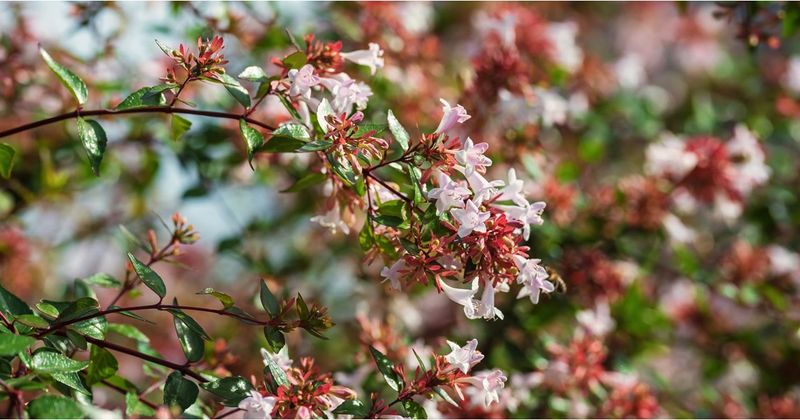
Sometimes the best answer is not a giant showpiece but a smaller shrub that keeps earning its place month after month. Rose Creek abelia does exactly that, pairing compact size with a long bloom season, which makes it ideal for gardeners who like the idea of hydrangeas but not the constant adjusting and second-guessing.
This variety deserves its own spotlight because it solves a common yard problem: scale. Standard hydrangeas can outgrow tight beds, flop over walkways, or look empty when cut back hard.
Rose Creek stays denser and more manageable, with white flowers, rosy sepals, and glossy leaves that often take on purple tones in cooler weather. That combination gives you color in more than one season without asking for a large footprint.
Use it where people actually notice plants up close, like near an entry, under front windows, or along a path. It handles Southern heat well once established and usually asks for less water and less drama than hydrangeas in similar conditions.
Full sun to part shade works, and light shaping is generally enough to keep it handsome. For a homeowner who wants bloom, tidy form, and fewer plant-care surprises, Rose Creek abelia feels practical in the best possible way.