
Imagine transforming your kitchen into a haven of sweet, natural flavors sourced straight from nature’s bounty.
Dive into the enchanting realm of natural sap collection and homemade syrup creation with our guide to 19 extraordinary trees.
Each tree unveils its own unique taste and character, offering you the perfect ingredients to craft delectable syrups that will elevate your culinary creations.
Whether you’re yearning for the rich sweetness of maple or the exotic notes of lesser-known varieties, discover which of these remarkable trees can solve your quest for authentic, homemade goodness.
Let’s embark on this flavorful journey and unlock the secrets to creating irresistible syrups right at home!
Sugar Maple
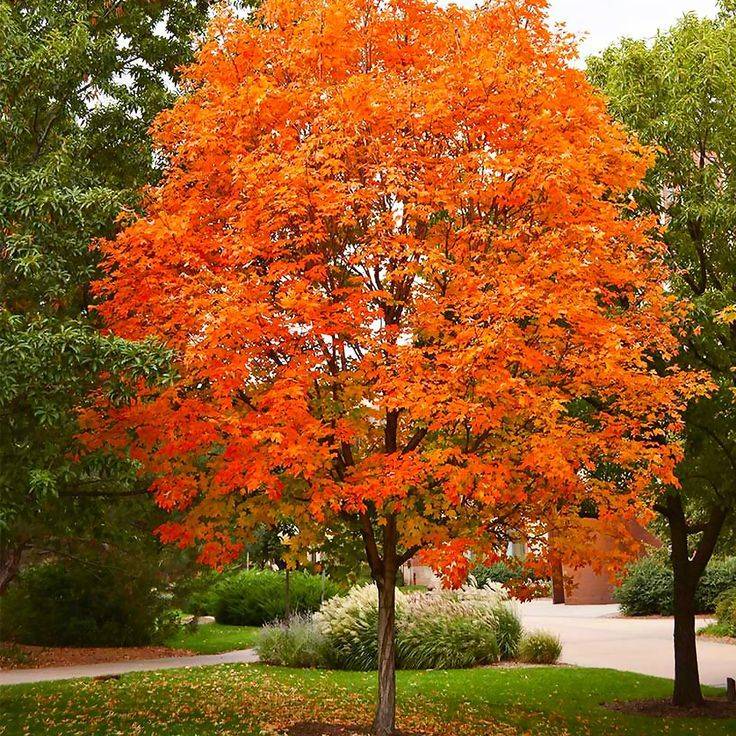
Sugar maples are the quintessential choice for syrup enthusiasts, known for their high sugar content and rich flavor. Found in northeastern North America, these trees are tapped in late winter to early spring for their sap.
Black Maple
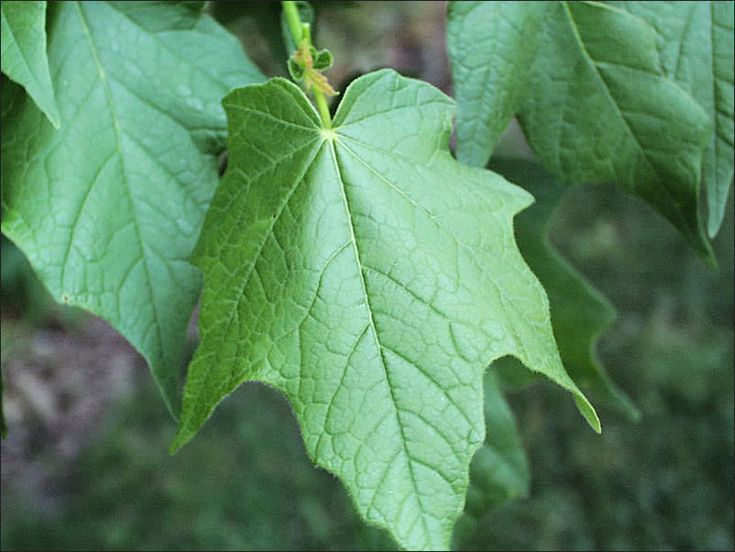
Closely related to the sugar maple, black maples also produce high-quality sap. They thrive in rich, moist soils and are commonly found in the Midwest and eastern United States.
Red Maple
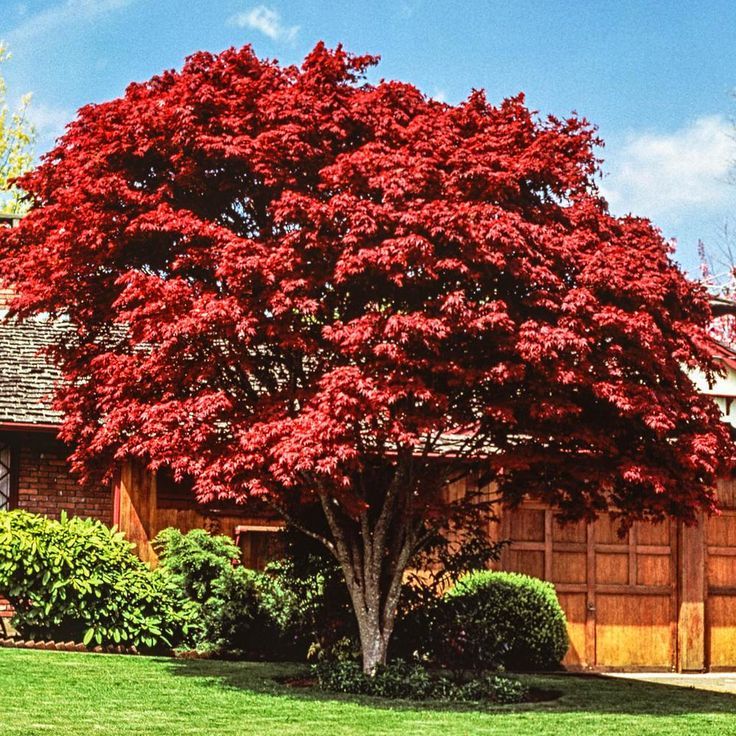
Red maples are versatile and can be found across North America. While their sap is less sweet than sugar maples, they still offer a unique syrup flavor enjoyed by many.
Silver Maple
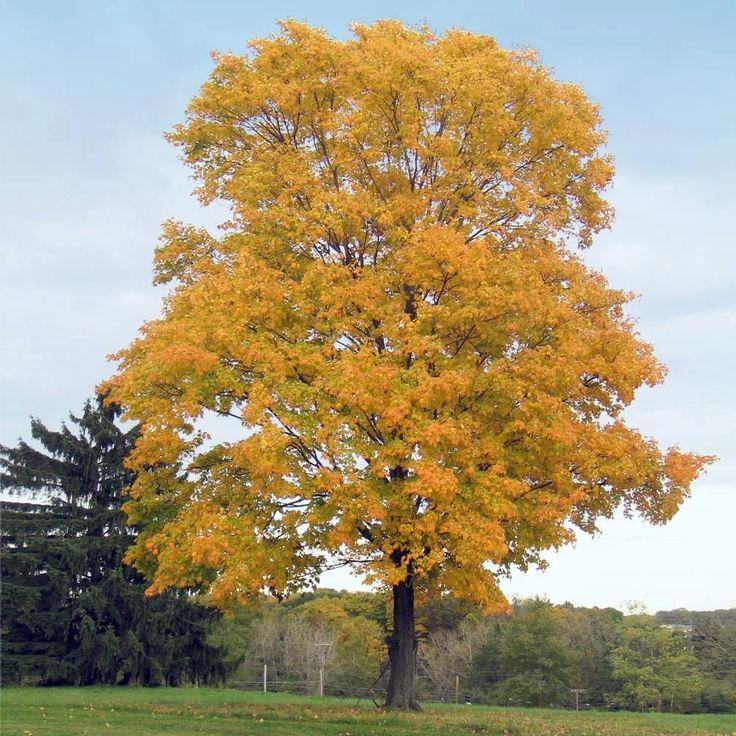
Silver maples are fast-growing trees that produce sap with a delicate, lighter flavor. They are often found near water bodies in the eastern United States.
Boxelder
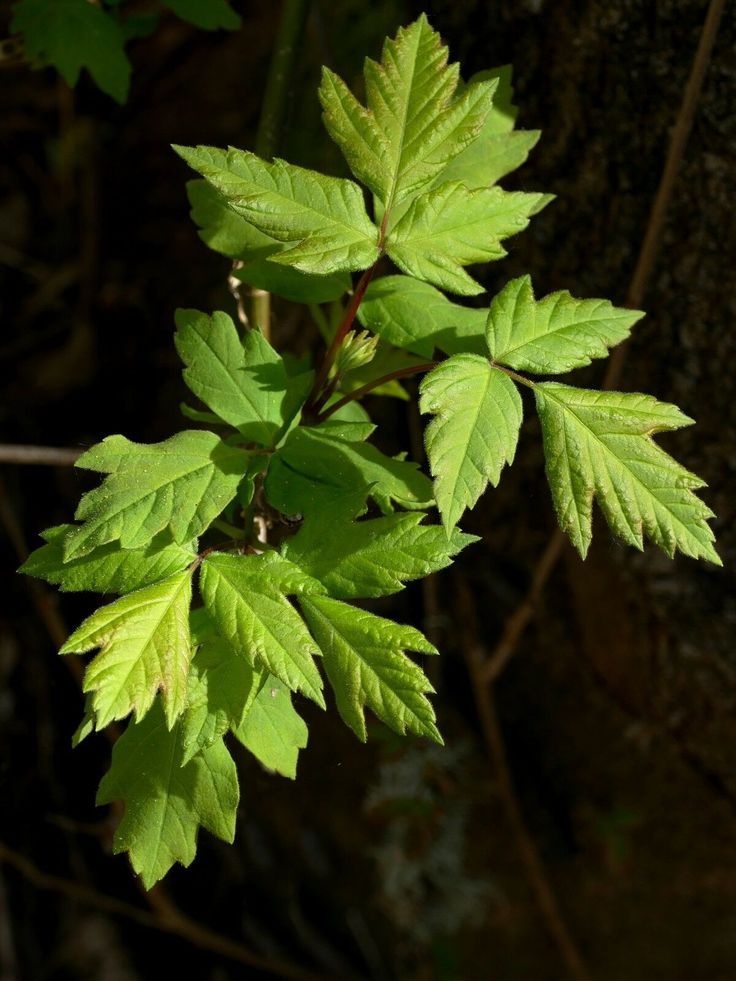
Boxelders, also known as ash-leaved maples, are adaptable and can grow in various environments. Their sap yields a mild, sweet syrup.
Norway Maple
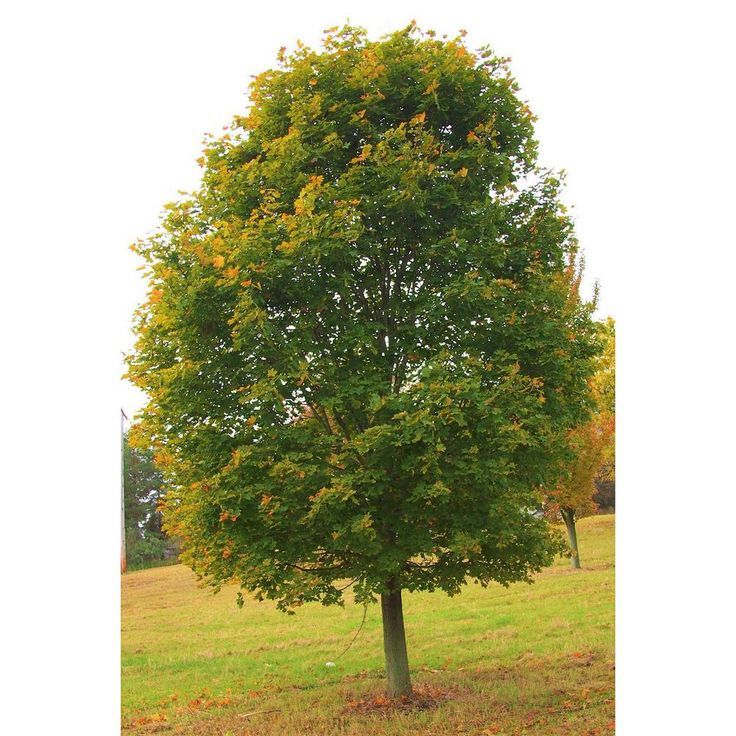
Originally from Europe, Norway maples have adapted well to North America, making them a viable option for sap collection despite lower sugar content.
Yellow Birch
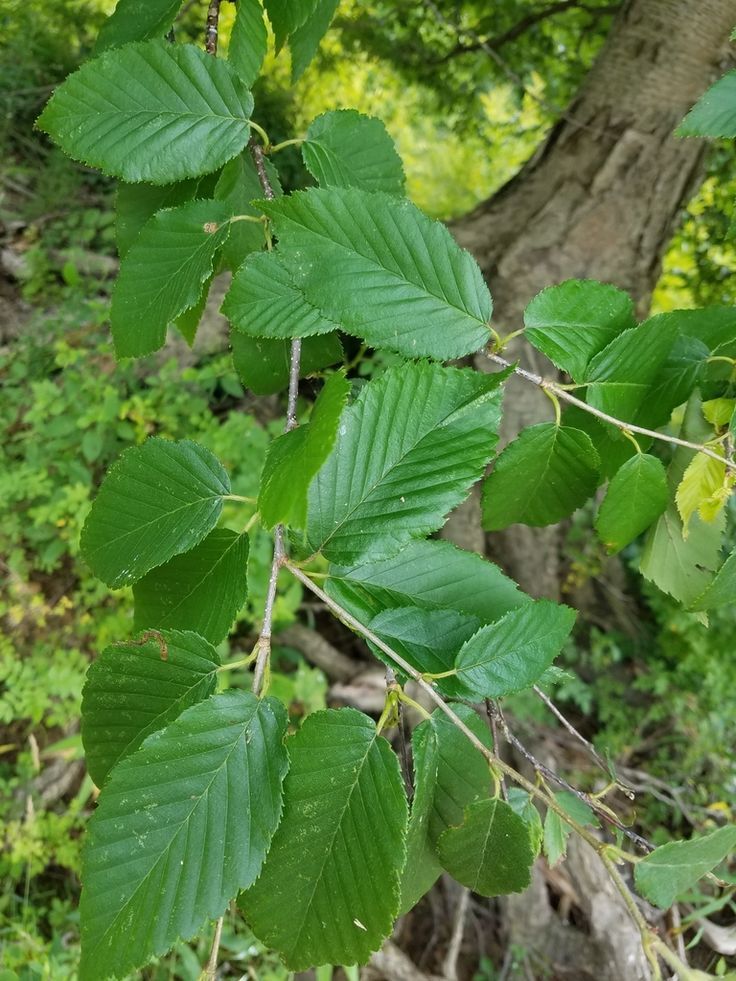
Yellow birches are known for their aromatic, wintergreen-flavored sap. They thrive in cooler climates and add a unique twist to homemade syrups.
Paper Birch
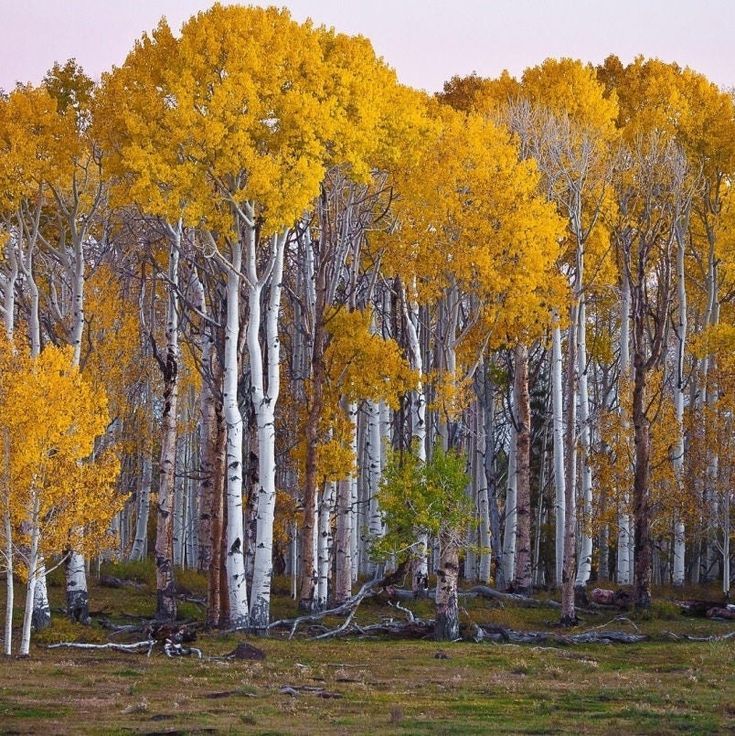
Paper birches are iconic for their beautiful white bark and are common in northern climates. Their sap provides a mild, sweet syrup.
River Birch
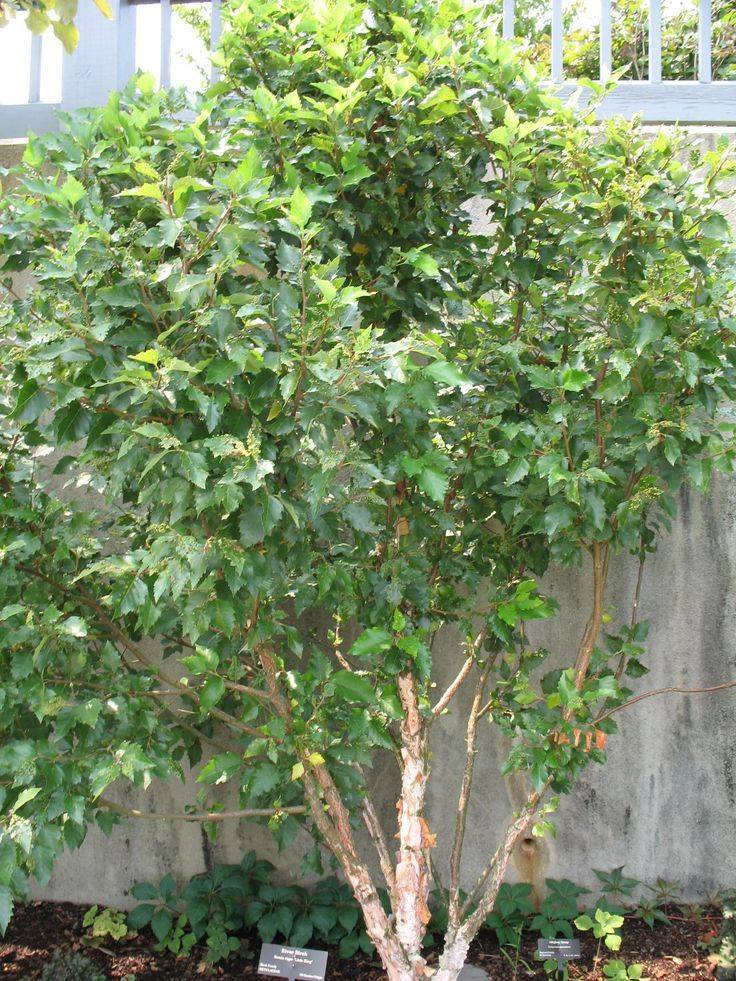
River birches are adaptable to wet environments, producing a sap with a slightly nutty flavor, perfect for adventurous syrup makers.
Sweet Birch
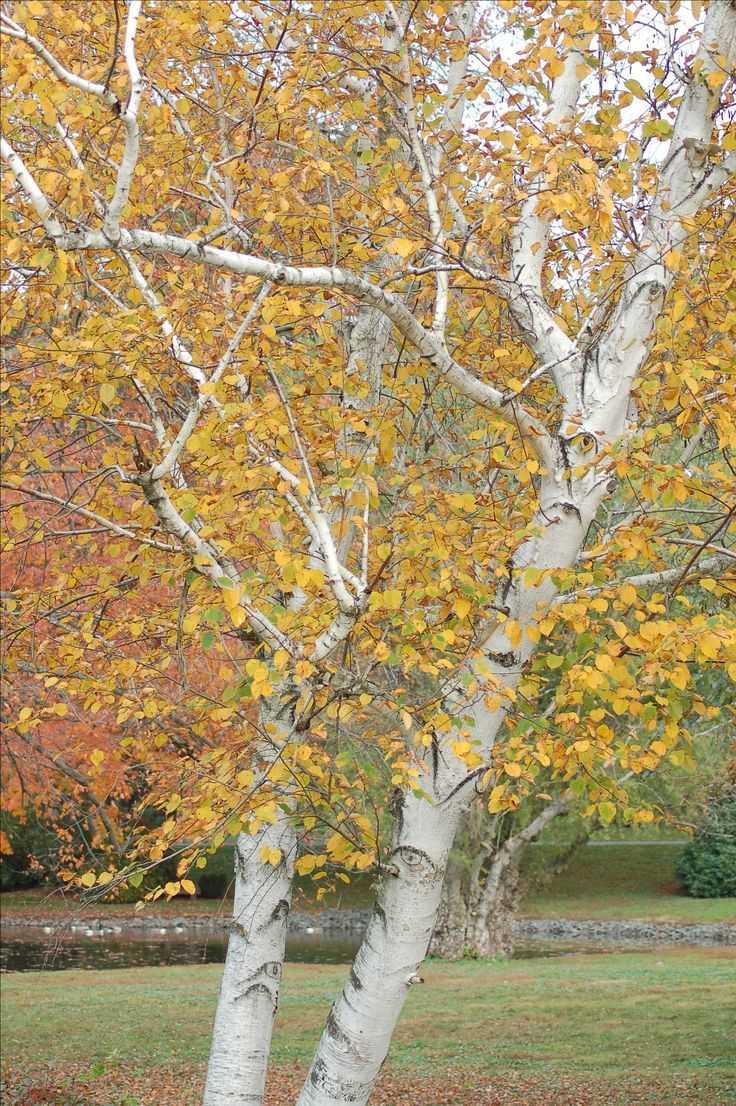
Sweet birches, also called cherry birches, black birch, mahogany birch, or spice birch,provide a distinctively sweet sap with wintergreen notes, ideal for unique syrup creations.
American Beech
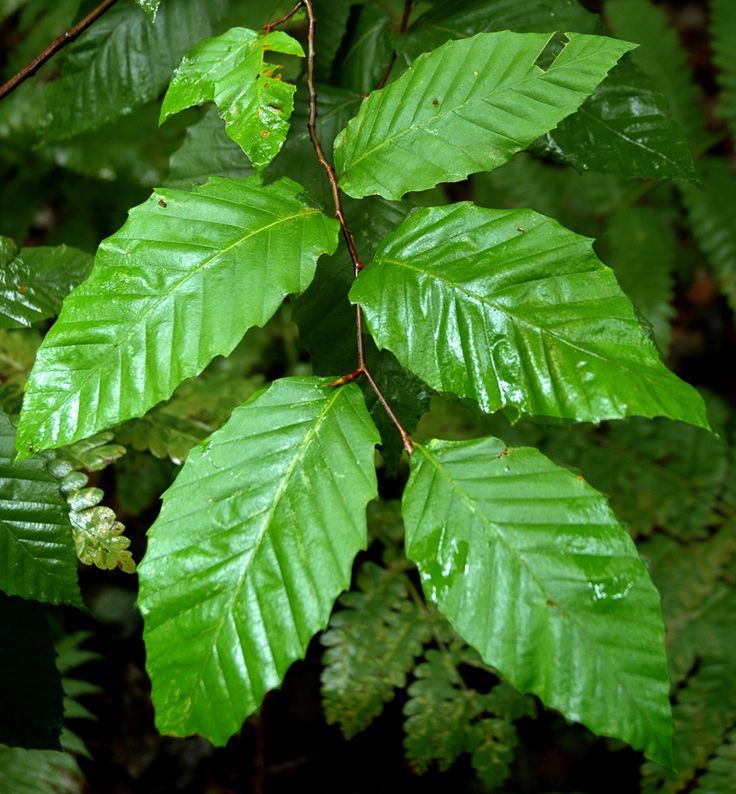
Although not traditionally used for syrup, American beeches can be tapped for sap that offers a pleasant nutty flavor, adding diversity to syrup blends.
Sycamore
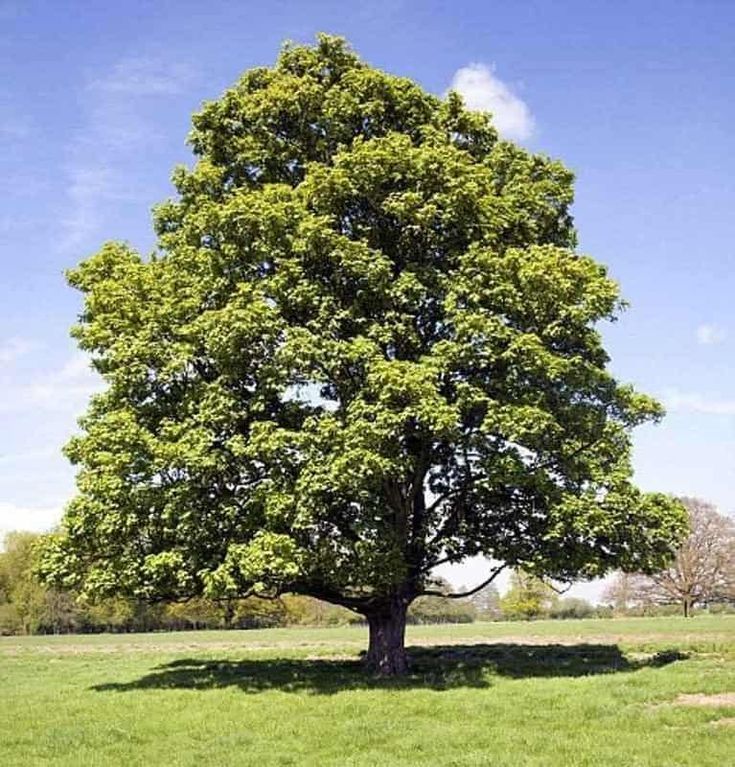
Sycamores, known for their distinctive bark, produce a sap that can be boiled down into a subtly sweet syrup, ideal for experimental syrup enthusiasts.
Walnut
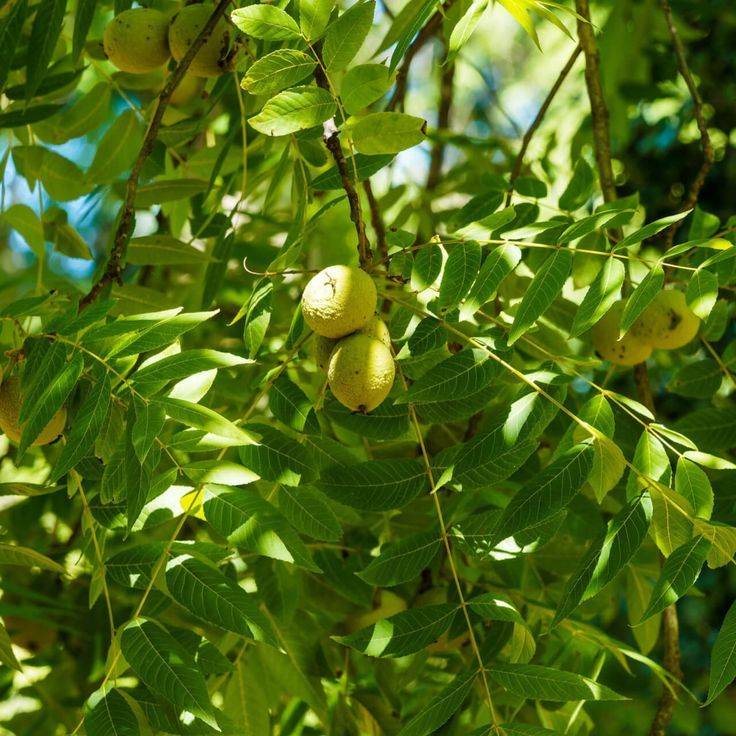
While primarily grown for nuts, walnut trees can also be tapped for their sap, which creates a rich, earthy syrup.
Butternut
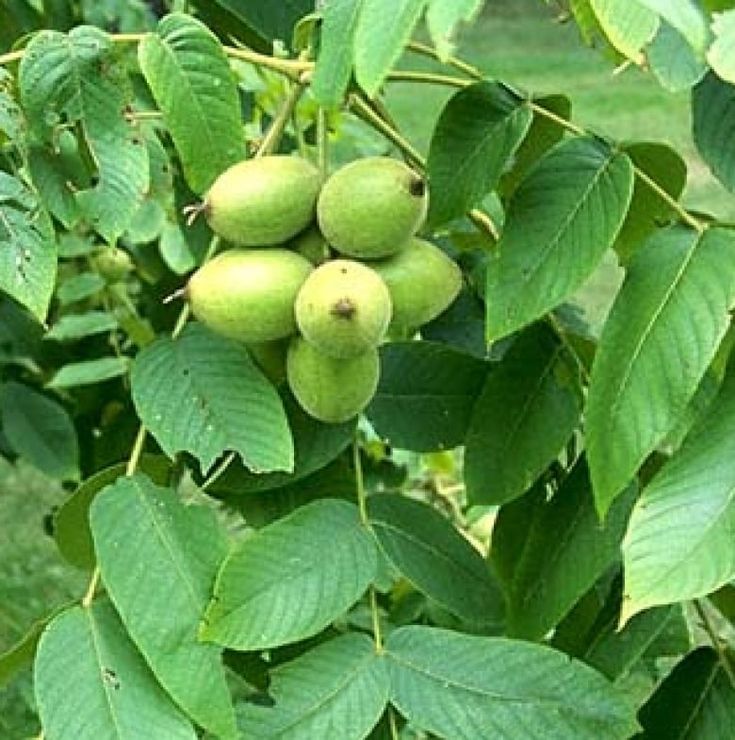
Butternuts, related to walnuts, produce sap with a distinct, buttery flavor, offering a unique syrup experience.
Shagbark Hickory
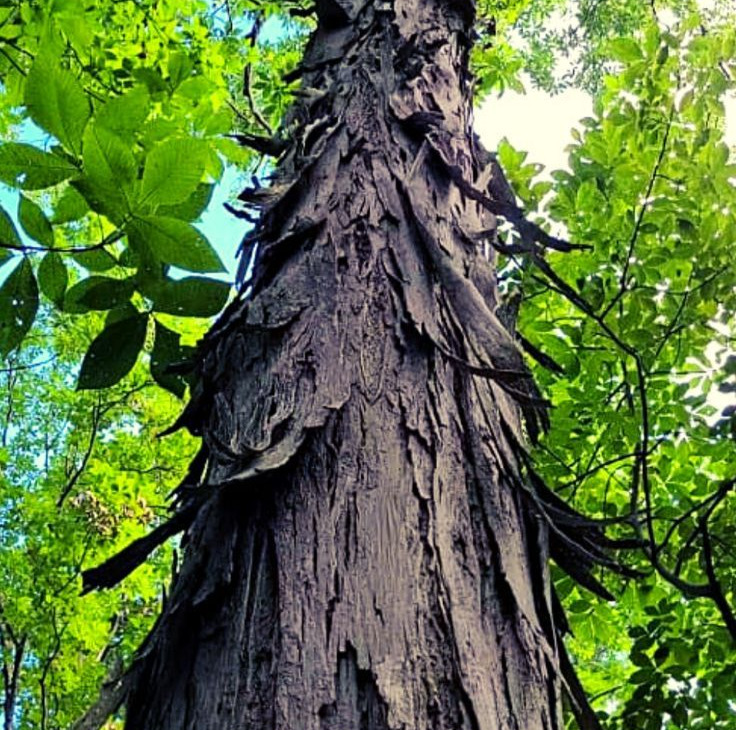
Shagbark hickories are known for their sweet, nutty sap, perfect for crafting flavorful syrups with a hint of hickory essence.
Bitternut Hickory
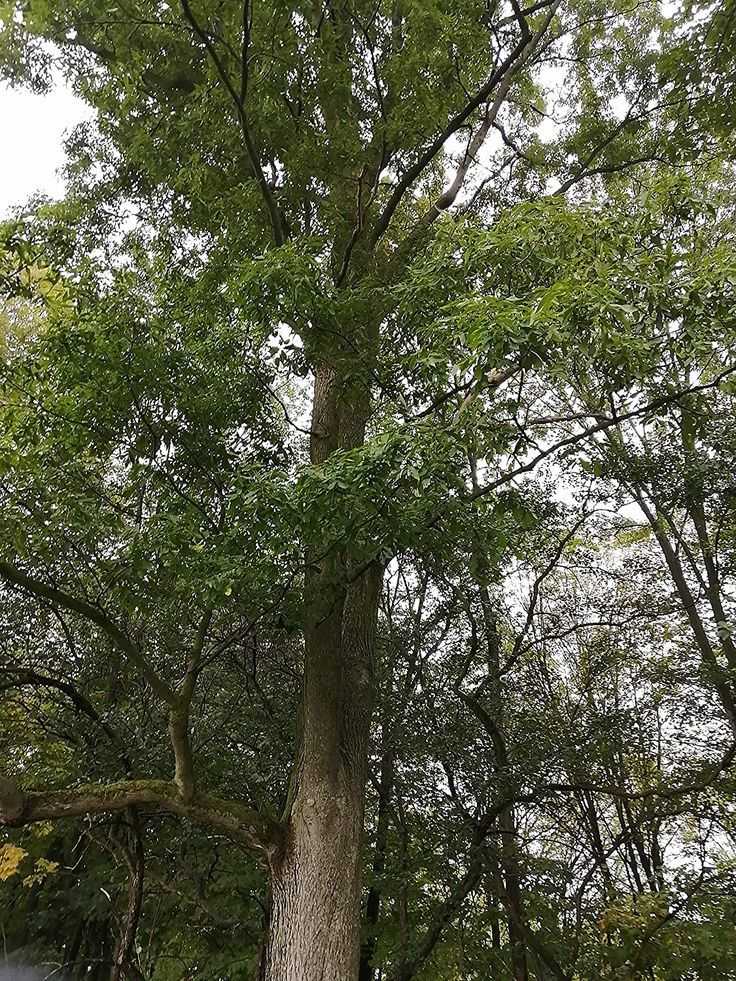
Bitternut hickories provide a milder sap, suitable for blending with other flavors to create balanced, intricate syrups.
Pecan
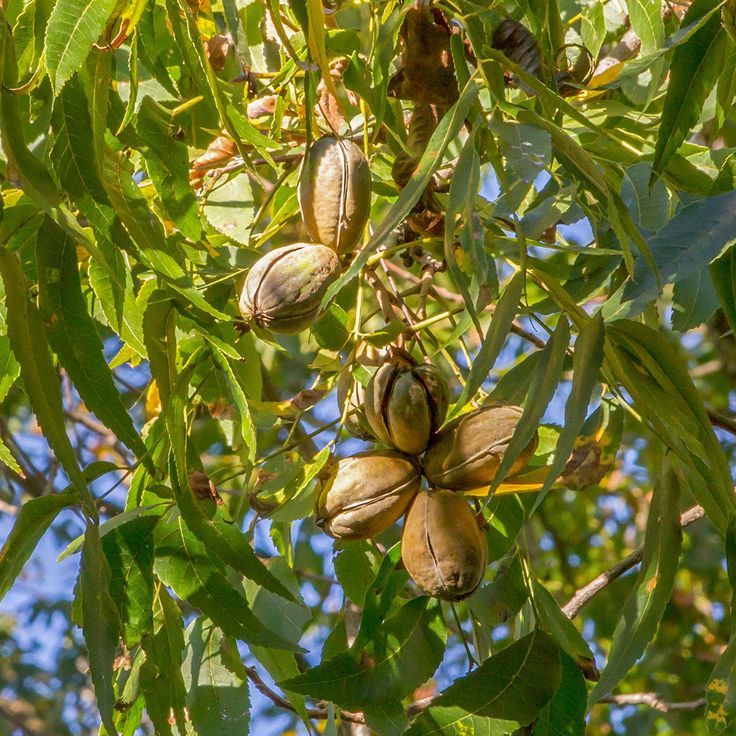
Pecan trees, famous for their nuts, also offer sap that can be transformed into a syrup with a rich, buttery taste.
Yellow Buckeye
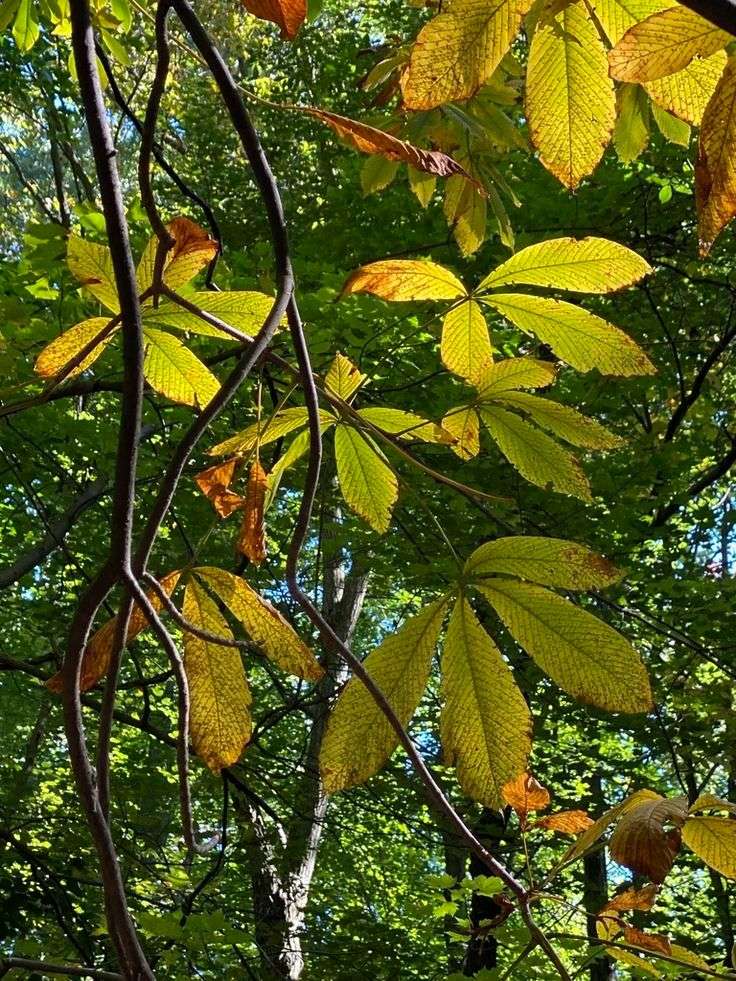
Yellow buckeyes are less common for syrup but their sap, when used, adds an interesting floral note to syrup blends.
Bigleaf Maple
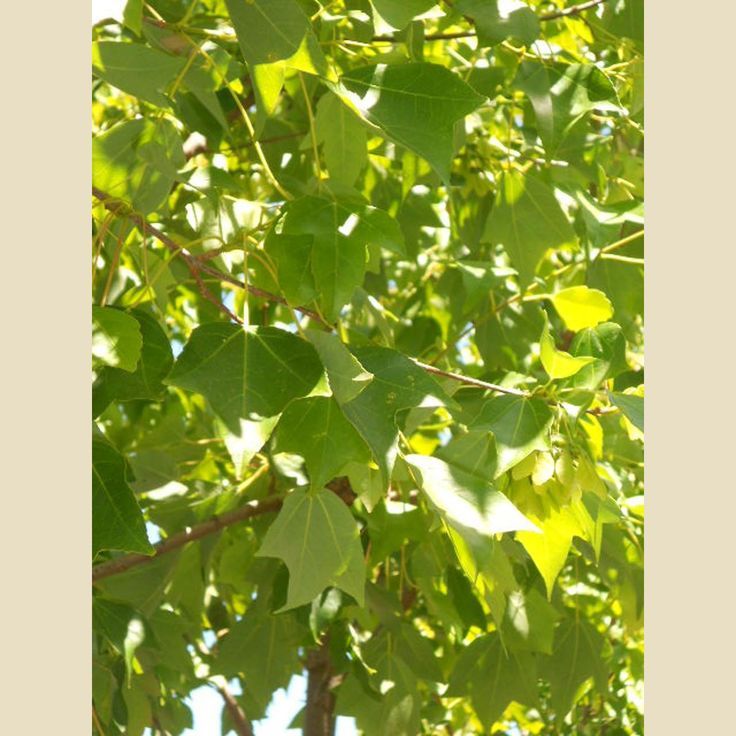
Native to the Pacific Northwest, bigleaf maples produce abundant sap used to make a syrup with a robust, hearty flavor.