
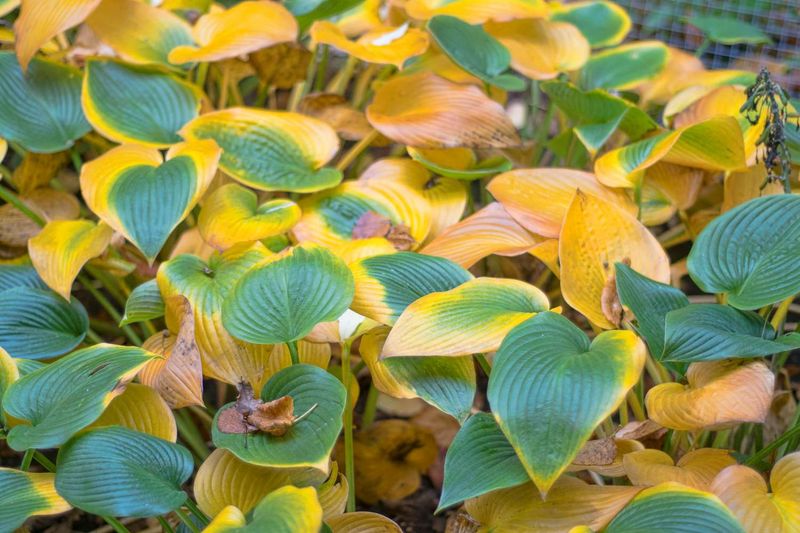
Hosta leaves start to flop and fade, and the urge to grab the shears hits hard. A clean bed looks nice, but not every leaf is ready to go.
Two quick jobs and one thing to leave alone make fall cleanup simpler. Here is what to do, what to skip, and how to read your plants.
Leave healthy green leaves in place
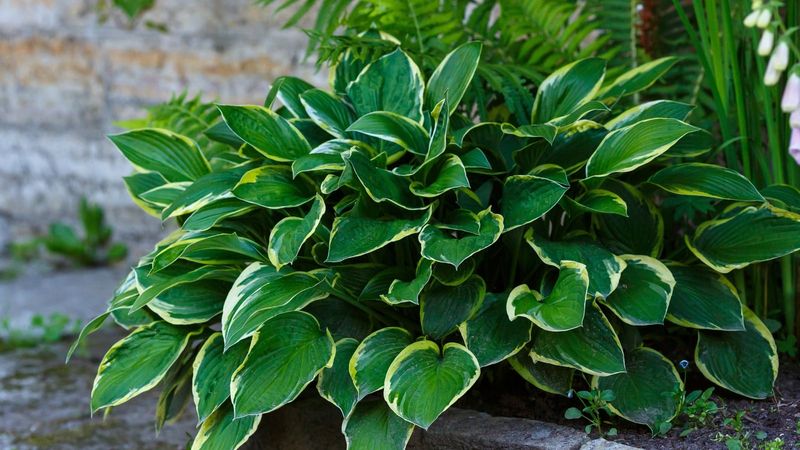
Here is the simple rule: if a hosta leaf is still healthy and green, leave it on the plant. Cutting it off only to make the bed look tidy does not help the plant.
Wait until the foliage has faded or died back on its own, then cut it if you want a clean look.
Think of two groups of leaves. Living leaves are green, firm, and still doing their job.
Spent leaves are yellow, brown, or flopped over and mushy, and those are the ones ready to come off.
Illinois Extension guidance says to cut hostas back once fall color subsides. The American Hosta Society is more cautious and suggests waiting until leaves are completely brown.
Both agree on the main point: do not rush to remove living foliage.
One honest note before you plan your weekend. Waiting is sound care advice, but nothing in the sources shows it makes the clump fuller next spring.
Treat it as a smart habit, not a growth trick.
Let the plant set the cleanup date
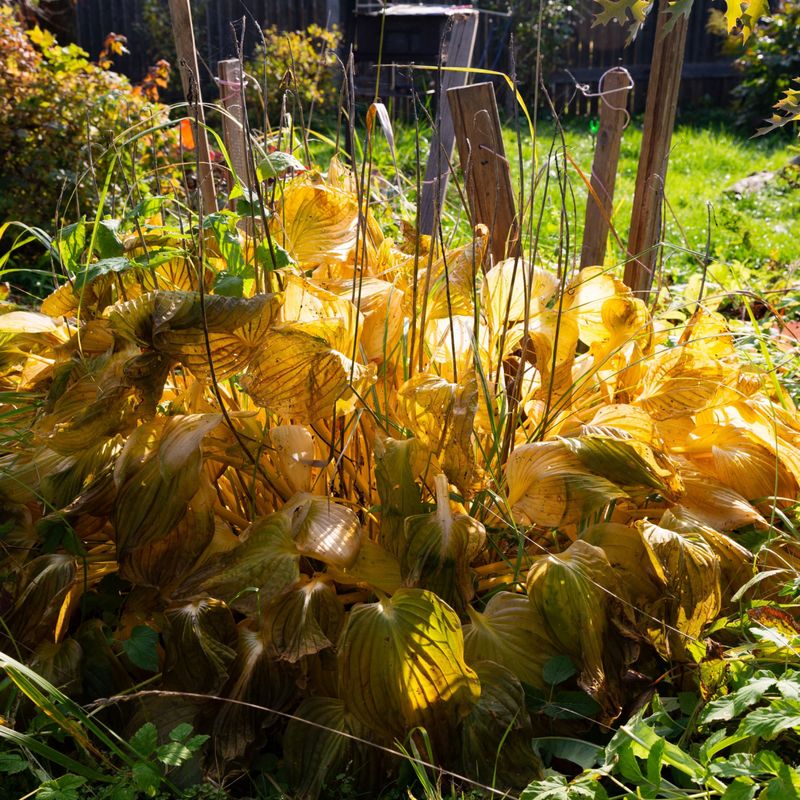
Your hostas will tell you when it is time. Skip the calendar and look at the leaves.
When they have turned yellow or brown and gone limp, the plant is shutting down for the season.
Experts differ a little on the exact moment. Illinois Extension says to cut back after fall color fades, while the American Hosta Society advises waiting until leaves are fully brown.
If you like an early tidy-up, the first approach works. If you prefer to be patient, the second is fine too.
Do not count on the first frost as a universal signal either. NC State Extension reports that foliage dies back at about 28 degrees Fahrenheit or below, and it notes that hostas need a period of winter chilling.
In much of the South, that cold may come late or arrive in short bursts.
Timing also shifts with the cultivar and your yard. A hosta in a sheltered corner may fade weeks after one in an open bed.
Walk the beds, check each clump, and cut only the ones that have clearly declined.
Remove soggy litter and diseased foliage
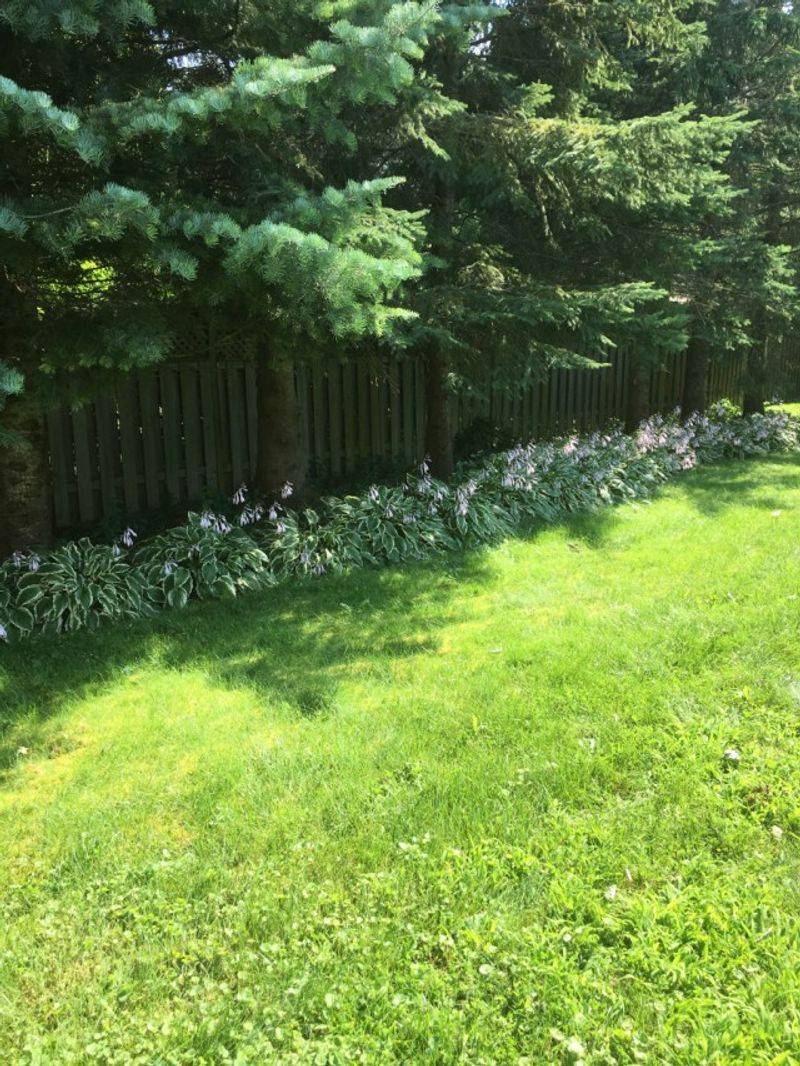
Two jobs are worth doing even before the whole plant fades. First, rake or pull away wet, soggy leaf litter piled around the crown.
Iowa State Extension notes that damp debris can give slugs places to hide, and cleanup may help with slug control. It will not wipe them out, but it takes away some cover.
Second, remove foliage that looks diseased. Spots, streaks, or slimy patches are warning signs.
Illinois Extension advises disposing of spent foliage when disease is present.
Bag that material and put it in the trash. Do not toss known diseased leaves into a typical backyard compost pile, because UNH Extension cautions that many home piles do not get hot enough to kill pathogens.
None of this means stripping every leaf. Healthy green foliage can stay, and some healthy material can remain until spring.
Aim at the soggy and the sick, and leave the rest.
Check why leaves are browning early
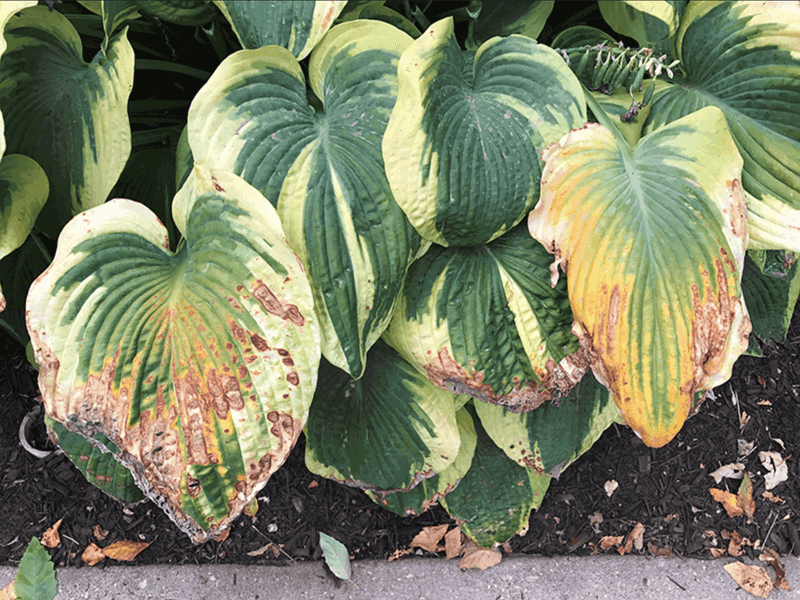
Brown leaves in July look a lot like brown leaves in November, but they do not mean the same thing. Late-season fading is normal dormancy.
Browning earlier in the year can point to something else.
Drought is a common cause. Iowa State’s AnswerLine explains that dry conditions can slow growth and scorch leaf margins.
Too much sun and heat can leave similar crispy edges.
Pests and diseases are other possibilities. NC State Extension lists several that can damage hostas, and Iowa State covers slugs and leaf diseases in its hosta pest guide.
Before you call it routine cleanup, ask a few questions. How much sun does the spot get?
Has it been dry or very hot? Are there holes, spots, or slime?
Browning alone cannot tell you the cause, so look at the conditions and the pattern of damage first.
Fall cleanup cannot promise a fuller clump
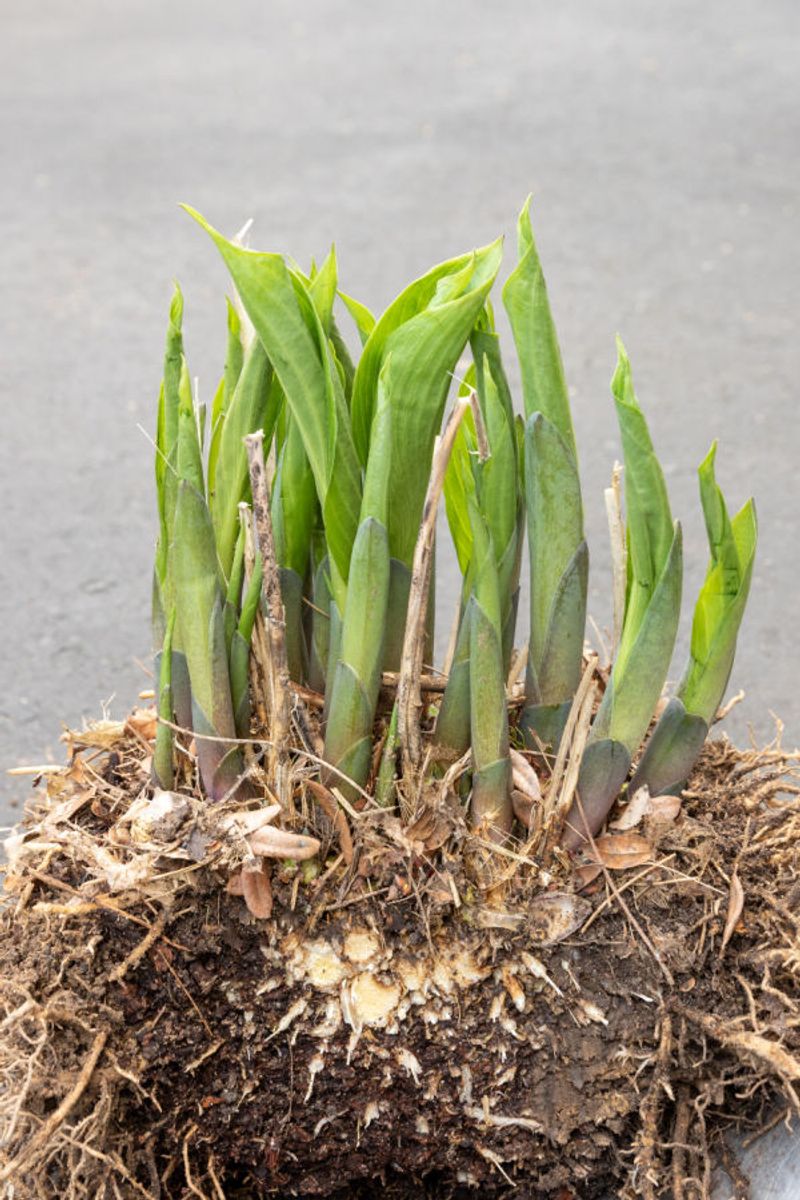
Plenty of gardeners hope that fall care will give them a bigger plant in spring. The sources reviewed do not show that leaving foliage longer changes next year’s clump size.
Cleanup choices help keep the bed healthy, but they are not a fullness tool.
Part of the answer is simply the plant itself. NC State Extension points out that hostas vary in mature size, so a compact variety will stay compact no matter what you do in October.
If your clump has gotten crowded or you want more plants, think spring. NC State recommends dividing every three to five years in early spring as leaves emerge.
Iowa State Extension also names spring as the best time.
So skip fall division as a quick fix. Mark the clumps you want to split, and plan the job for when the new shoots are coming up.
Match hosta care to Southern conditions
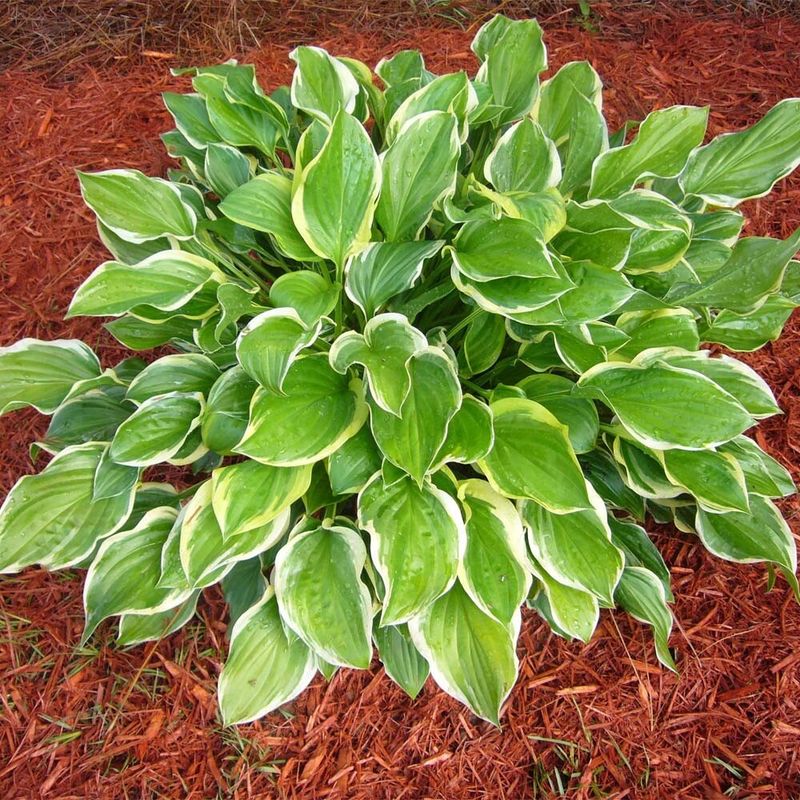
Hostas are not equally happy everywhere in the South. They need a stretch of winter chilling, and NC State Extension recommends full or dappled shade in Southern gardens.
Morning sun with afternoon shade is a good starting point.
Florida gardeners face the biggest challenge. UF/IFAS Extension in Charlotte County describes a low-chill SunHosta as an option for warmer conditions.
That is one cultivar, not a green light for every hosta at the garden center.
In Texas, heat matters. McLennan County Master Gardeners say hostas in Central Texas can struggle during long hot, dry stretches, so shade and steady moisture count.
Wherever you garden, the cleanup rule holds: leave healthy green leaves alone, then do targeted cleanup once they fade. Let the hosta decide the date.