
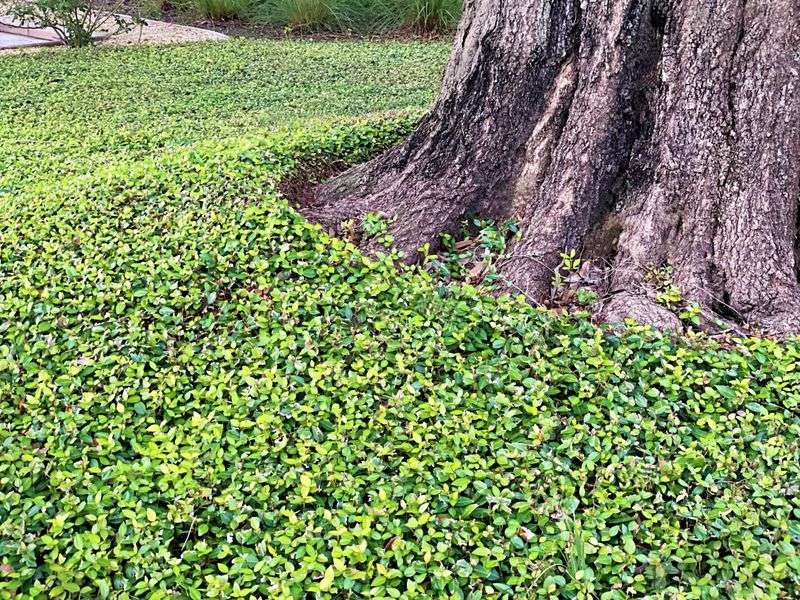
Bare soil is an open invitation for weeds, and many Southern gardeners spend whole seasons pulling the same ones. A glossy evergreen groundcover called Asiatic jasmine can fill those empty spaces and help crowd out some weeds.
It does not work overnight, though, and the timing may surprise you. Here is how to plant it, what to expect, and where it fits.
Asiatic jasmine offers foliage, not an overnight fix
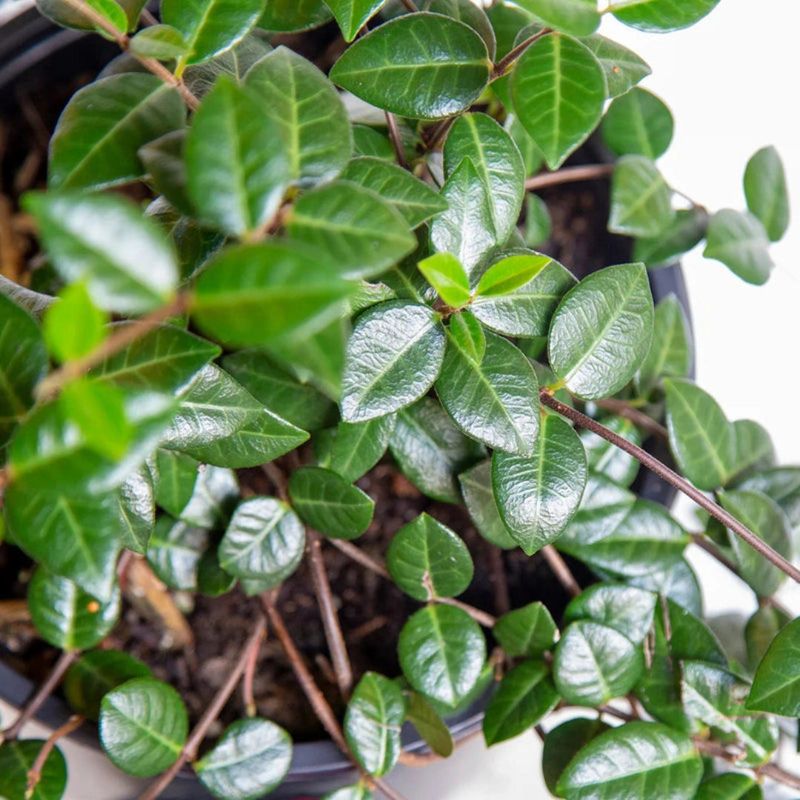
Picture a low carpet of glossy, dark green leaves spreading across a bed that used to be bare dirt. That is Asiatic jasmine (Trachelospermum asiaticum), an evergreen groundcover that UF/IFAS describes as forming a dense mat and tolerating sun or shade in Florida.
It is often used where turf struggles.
Here is the catch. The plant can reduce some weed growth only after it fills in, and that takes time.
It is a slow, steady groundcover, not a weed-killing treatment, and it will not cover your bed before spring.
Think of it as a possible choice for suitable Southern sites, not a plant for every yard. Its charm is the foliage and the tidy, ground-hugging habit.
If you want a flower show, look elsewhere, since blooms are rare in Florida.
A dense mat can shade open soil and limit some weeds
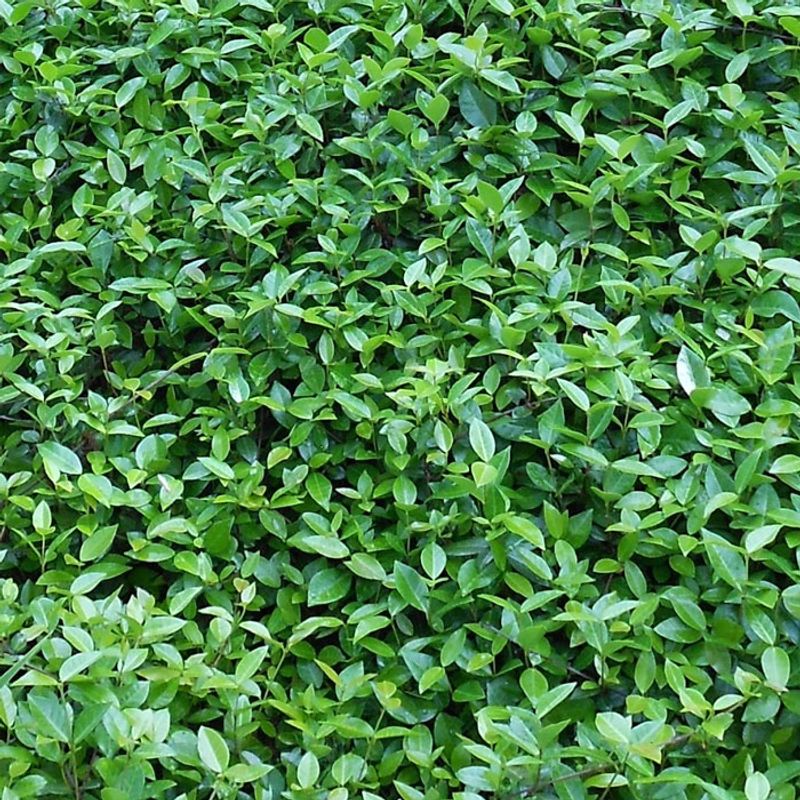
Many weeds sprout where sunlight hits open soil. Once groundcover leaves overlap and shade that soil, there is less room and less light for some of those seedlings.
UF/IFAS weed control guidance says dense groundcovers can potentially shade weeds this way.
Notice the word potentially. Shading open ground is not the same as killing weeds already growing there, and it will not block every weed that blows or creeps in.
UF/IFAS says Asiatic jasmine can suppress weed growth once established.
That is why prep matters. Weeds left in the bed will keep growing between young plants, so clear the site first.
Then keep pulling new sprouts while the jasmine spreads.
Fall can help plants establish, but it is not a spring deadline
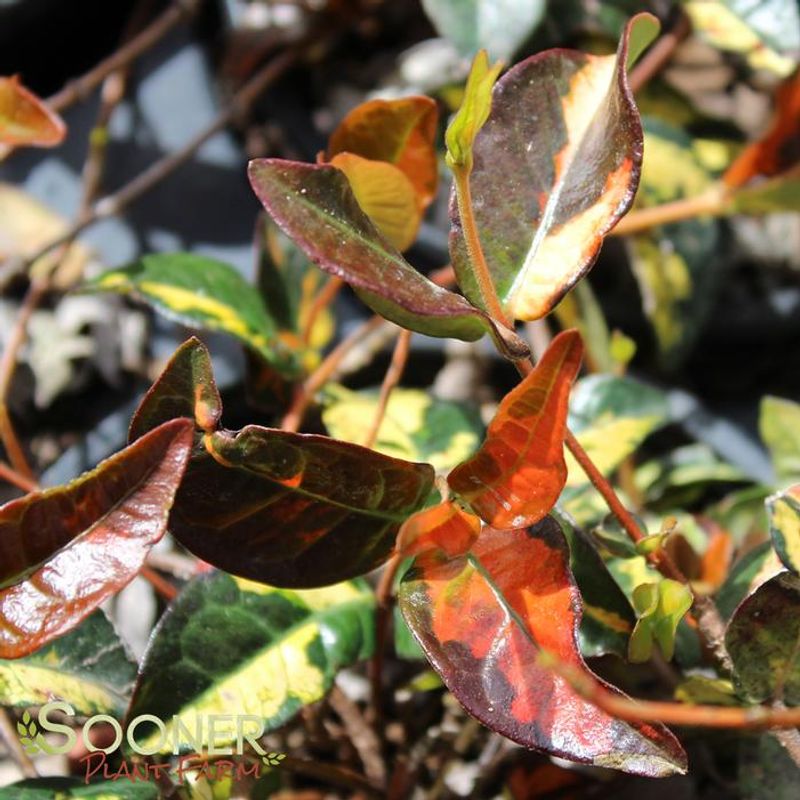
Fall is a handy time to plant groundcovers in many places. Clemson Extension notes that cooler temperatures and natural rainfall can help new plants establish.
In suitable parts of the South, that means less watering stress than a hot summer start.
That advice covers groundcovers in general. It is not a promise about Asiatic jasmine planted in fall.
For this plant, UF/IFAS estimates about two growing seasons for full coverage. So a fall planting will not smother weeds by spring.
It simply gives the roots a gentler start, and local climate still matters.
Clear the bed and space transplants about 18 inches apart
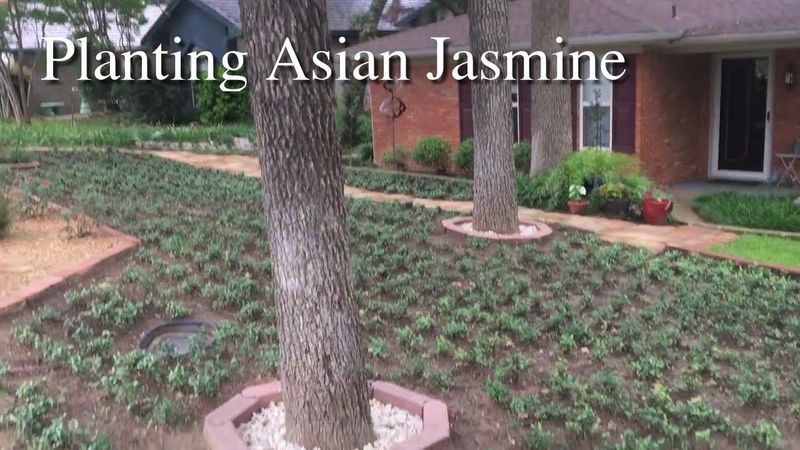
Start with the soil. Pull or dig out every weed, roots included, before a single transplant goes in.
UF/IFAS advises planting in cleared, weed-free soil, because weeds left behind will compete with young jasmine.
Next, set transplants about 1 1/2 feet apart. A tape measure or a garden stake cut to length makes the spacing easy.
At first the bed will look sparse, with plenty of bare soil between small plants. That is normal.
Keep the soil moist and well-drained while the plants establish. Soggy ground is a problem, and so is bone-dry soil.
Do not expect the gaps to close right away, and do not plant over existing weeds hoping the jasmine will win.
Keep managing weeds while the plants spread
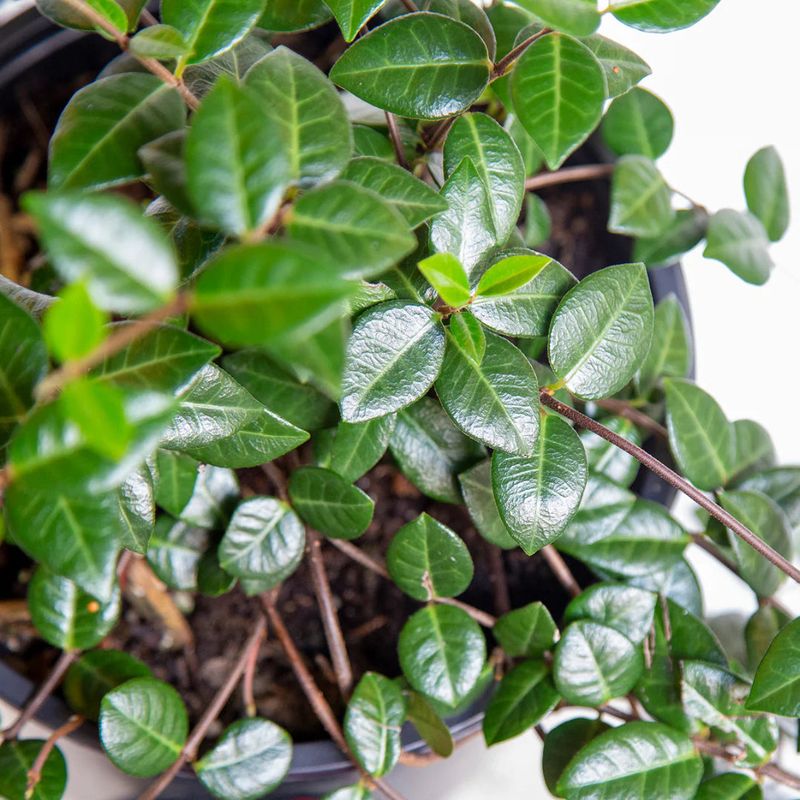
While the jasmine is still small, the open soil between plants is prime weed territory. Plan on hand-weeding regularly during establishment.
A quick walk through the bed every week or two catches seedlings before they get big.
Mulch can help in the gaps. UF/IFAS recommends 2 to 3 inches of organic mulch for landscape-bed weed control.
Keep it thin right around the plant stems so they are not buried.
Go slowly with herbicides. The same UF/IFAS publication warns that some products can injure ornamental plants or require a waiting period before transplanting.
Read the label closely, and when in doubt, pull weeds by hand around new jasmine.
Check whether Asiatic jasmine fits your yard
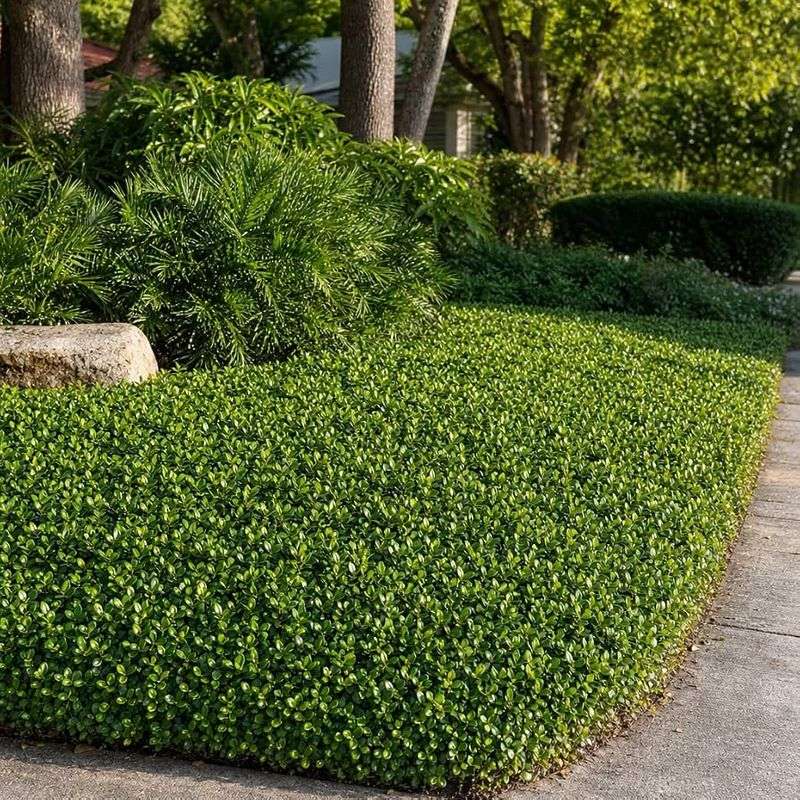
Before you buy flats of plants, weigh the limits. UF/IFAS notes that it does not tolerate foot traffic well, rarely blooms in Florida, and may become unruly with excess water, sun, or fertilizer.
Add stepping stones if you need a path, and go easy on feeding.
Location matters too. Florida guidance supports using it there, and the plant is nonnative.
UF/IFAS currently assesses it as not a problem species in the state.
In Texas, a Texas A&M transportation report documents Asian jasmine working as a groundcover against most weed invasion. It also shows bermudagrass pushing through.
That shows use in some Texas settings, not suitability everywhere in the state, so check local conditions.
Plan for gradual weed reduction, not a weed-free spring
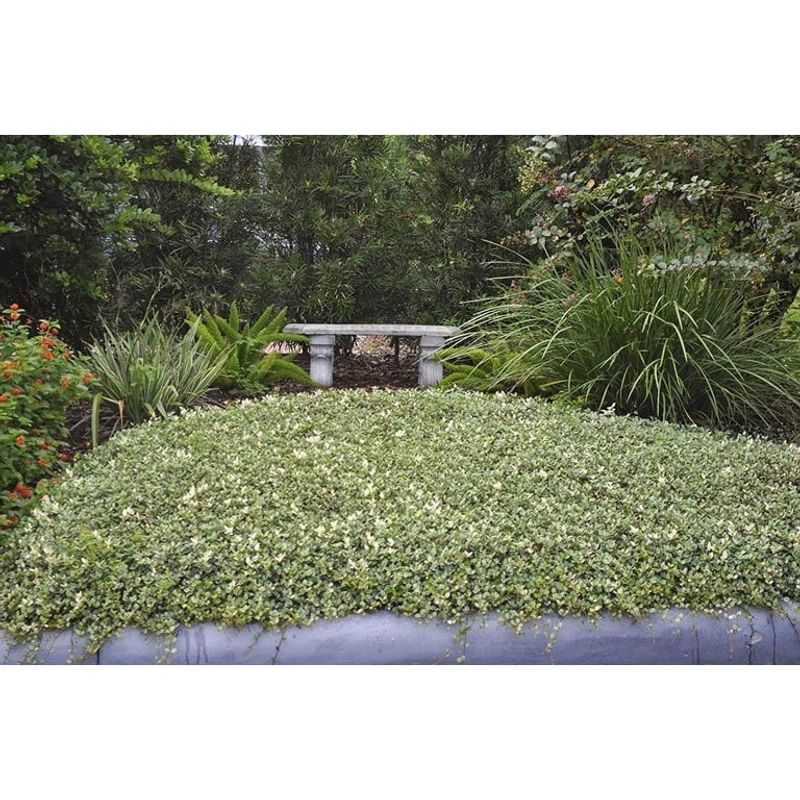
Choose Asiatic jasmine only where the site suits it, start with a weed-free bed, plant at the recommended spacing, and keep tending weeds as it fills in. Once established, it may reduce some weed growth.
UF/IFAS puts full coverage at roughly two growing seasons.
A bare bed rarely turns green overnight, but a patient planting can turn into a calm, leafy carpet.