
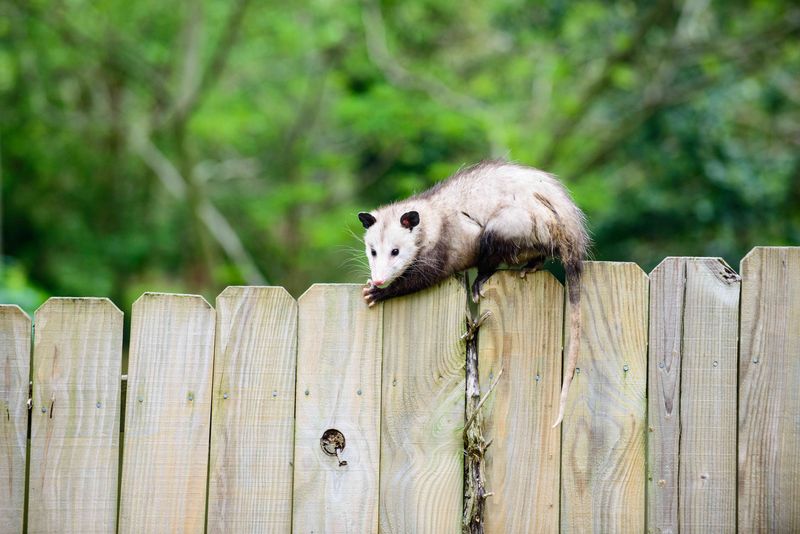
A shuffling shape crosses your patio after dark, and your porch light catches a pointed pink nose. Many gardeners wonder if that visitor is helping their beds or causing trouble.
The answer is more modest than the popular stories suggest. Here is what an opossum may eat, what it cannot promise, and what actually helps your yard.
Opossums may use yards and developed areas at night
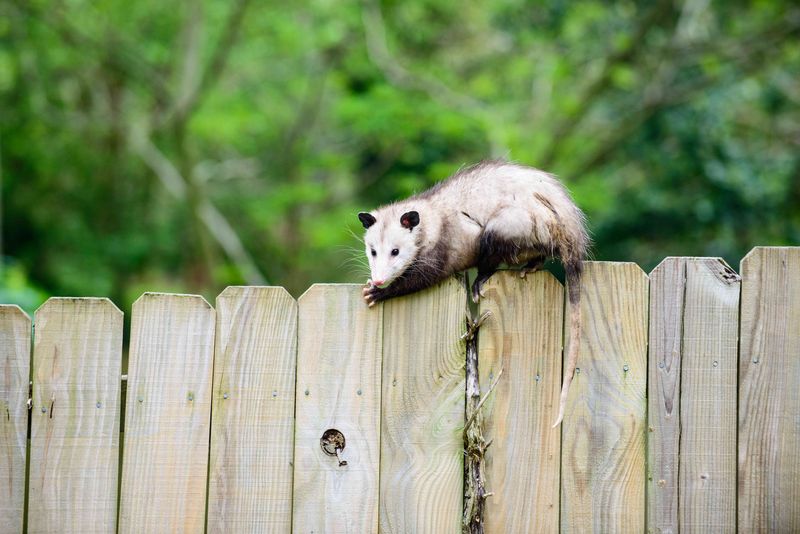
Spotting an opossum at 10 p.m. tells you where the animal is walking, not what it will do for your garden. Texas Parks and Wildlife describes Virginia opossums as active at night and says they live across most of Texas, except the dry Trans-Pecos and Llano Estacado regions.
In Florida, UF/IFAS reports that opossums use urban areas along with a variety of other habitats. That means a yard, a greenbelt edge, or a fence line can all be part of their nighttime route.
Neither source says how often any one yard gets a visit. Some yards may never see one, and others may see an animal passing through now and then.
A sighting is simply a clue that wildlife is moving through your space after dark.
An omnivore may eat some garden pests, but it is no dependable control
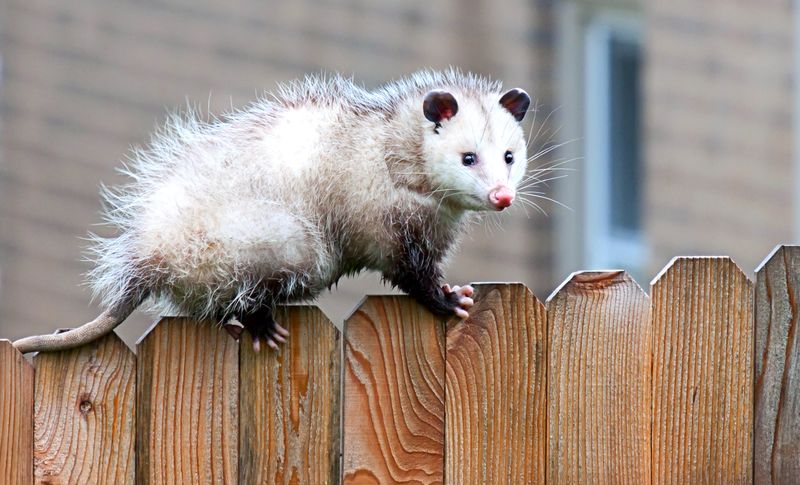
Opossums eat a little of almost everything. Texas Parks and Wildlife lists insects, rodents, and other animal and plant foods in their diet, and North Carolina wildlife officials also list snails and slugs among foods they may take.
That is a list of possibilities, not a job description. Nothing in these sources shows that an opossum will go looking for the pests in your beds, or that it will bring their numbers down.
The menu also stretches well beyond bugs. UF/IFAS notes that Florida opossums eat worms, small mammals, carrion, and human garbage, and Texas sources add fruit and vegetables.
A ripe tomato or a bowl of cat food may be just as interesting to one as a slug.
So if you spot damage or pests in your beds, plan to handle them yourself. Any help from a passing opossum would be a bonus at best, and you cannot predict it.
An opossum is not established as tick control
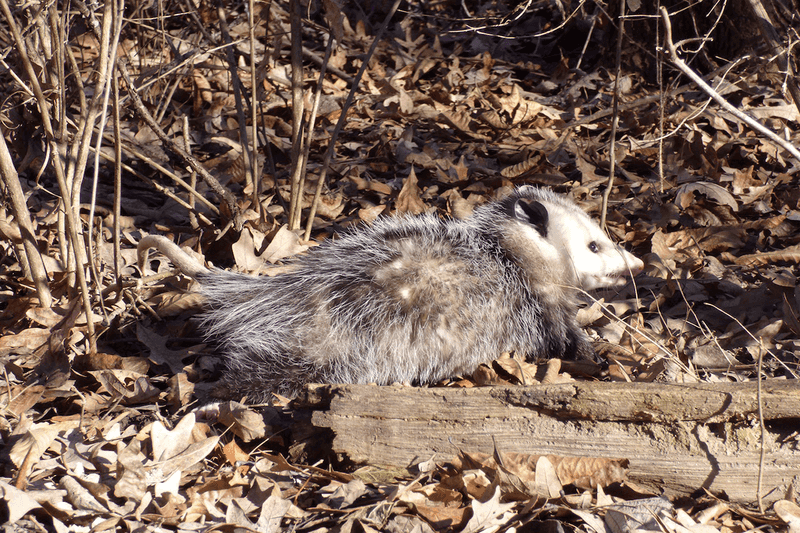
You may have heard that one opossum eats thousands of ticks. That number is not backed up by studies of opossums living in the wild.
The story began with lab work. A 2009 laboratory study found that many larval blacklegged ticks feeding on opossums did not survive long enough to finish feeding.
That result is about ticks on a host’s body, not about opossums eating ticks or lowering tick numbers around homes.
Then researchers checked real animals. A 2021 study examined stomach contents from 32 wild opossums in central Illinois and found no ticks or tick parts.
The authors also reviewed 23 earlier diet studies, and none reported ticks.
Neither finding proves an opossum never swallows a tick while grooming. A small stomach sample cannot prove that.
But nothing here shows opossums remove enough ticks to make your family safer, so tick prevention still has to come from you.
Reduce tick habitat with measures that target your yard

If ticks worry you, change the yard itself. CDC guidance recommends removing leaf litter, clearing tall grass and brush around the home, and mowing regularly.
CDC also suggests a 3-foot barrier of wood chips or gravel between your lawn and any wooded area. Picture it as a dry, open strip at the edge of your property, one that ticks may be less likely to cross.
Start with the spots your family uses most, such as the play area, the patio edge, and the path to the garden. A weekend of raking and trimming there can make a real difference.
Pesticides are another option. CDC says they may reduce ticks in treated areas, but they should not be relied on alone to prevent infection.
No single step removes the risk, so combine yard work with other tick precautions.
Secure food sources to discourage unwanted visits

Because opossums eat so many things, an easy meal can pull them closer. UF/IFAS recommends securing garbage and removing outdoor pet food, since both can attract them.
Try a tight-fitting lid or a bungee cord on the trash can, and keep bags inside until pickup day. Bring pet dishes in before dark, and sweep up spilled birdseed or fallen fruit under trees.
Deliberate feeding is a different matter. Texas Parks and Wildlife warns that feeding wildlife can contribute to conflicts between people and animals.
These steps lower the odds of attracting animals, but they are no guarantee. An opossum may still wander through on its way somewhere else, and that is fine as long as nothing invites it to linger.
Give wild opossums space and avoid handling them
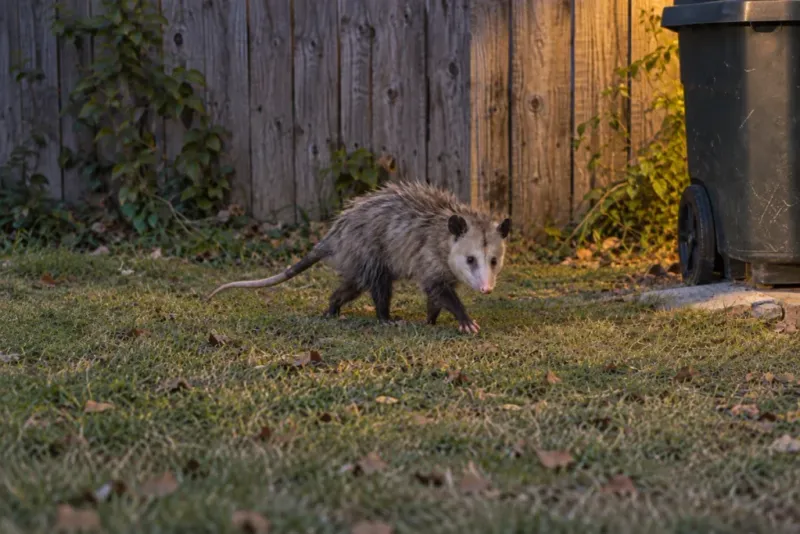
If you see an opossum, enjoy the view from a distance. CDC guidance on wildlife advises avoiding contact with wild animals, which means no feeding, no petting, and no picking one up.
Opossums are not harmless, and rabies cannot be ruled out in any wild mammal. A cornered or frightened animal may hiss, bare its teeth, or bite.
Keep children and pets back, and bring dogs inside until the animal moves along.
If someone is bitten or scratched, wash the wound with soap and water for 15 minutes. Then contact a healthcare professional or your health department promptly, as CDC rabies guidance advises, so they can assess the rabies risk.
Give the animal an open path away from you and it will usually leave on its own.
Value wildlife without relying on it for protection
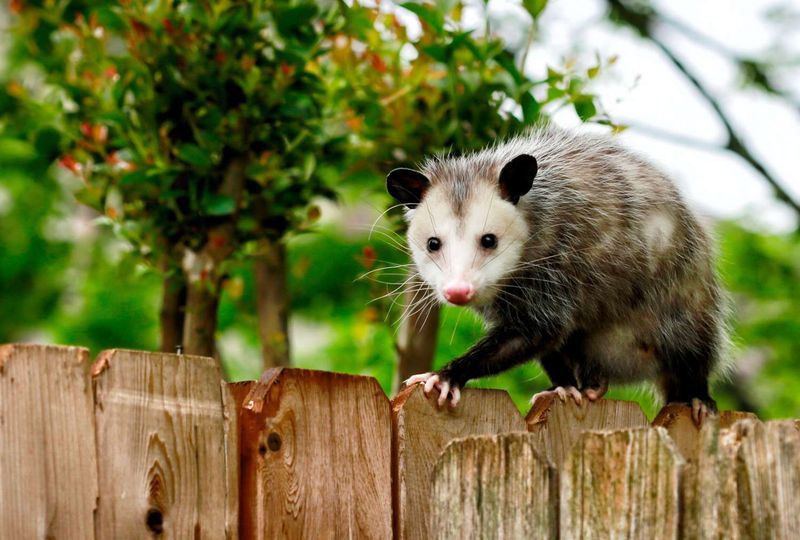
An opossum can be a small piece of your yard’s food web. UF/IFAS describes opossums in Florida edible landscapes as transitory wildlife, animals that pass through rather than settle in.
It may eat an insect or two along the way, but it is not a pest-control crew or a tick shield. Rely on CDC tick prevention steps for your yard, and follow CDC wildlife advice by watching from a distance.
The night visitor is a neighbor, not a bodyguard.