
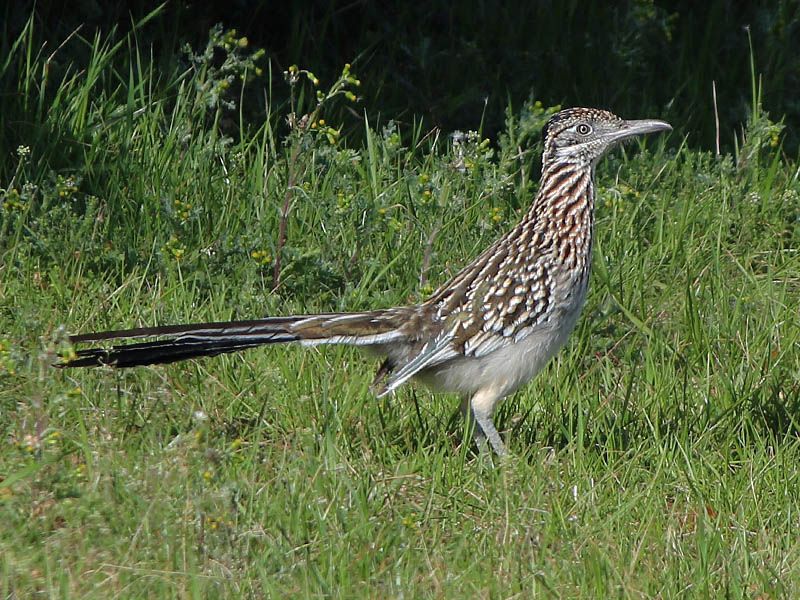
Spotting a roadrunner trotting through your Texas yard after a long stretch of quiet is the kind of moment that stops you mid-coffee. That long beak, the streaked brown feathers, the way it tilts its head before sprinting across the lawn, it feels personal. Many Texans wonder if the bird came back just for them, or if it carries some meaning beyond biology. The answer is more grounded, and honestly more interesting, than folklore suggests.
Renewed sightings suggest habitat use, not a verified return
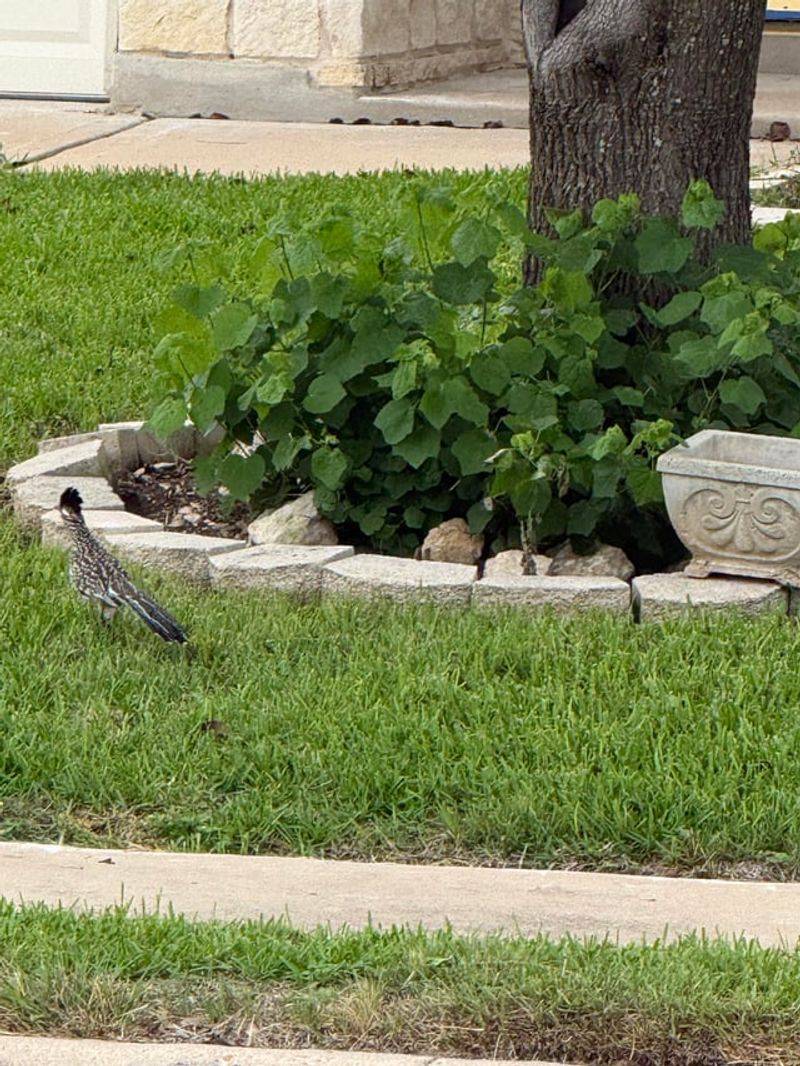
Seeing a roadrunner cross your yard repeatedly after years of absence feels like a reunion, but what you are most likely watching is a Greater Roadrunner, Geococcyx californianus, using resources or a travel route somewhere within its broader home range. The bird you see today may or may not be the same individual you remember. Without a photograph, reliable field marks, or another form of independent identification, there is no way to confirm it is the same bird, or even the same species with certainty.
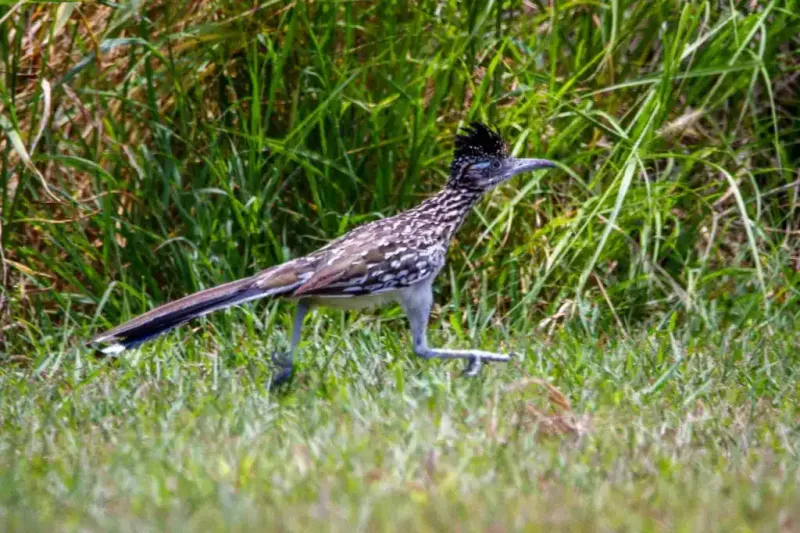
One thing that is well established: Greater Roadrunners are widespread across Texas, and they are not limited to desert scrub. Texas Parks and Wildlife documents them in East Texas pine and swamp country, Hill Country limestone and brush, and West Texas mesquite and prickly pear. They also turn up in suburban yards, school grounds, and vacant lots when the right mix of open ground and nearby vegetation is available. Your corner of Texas may simply fit that description right now.
Renewed sightings can mean the bird is moving through an area that includes your property, hunting in a patch of open ground nearby, or using cover that your yard provides. What they cannot confirm, on their own, is that the yard is the bird’s established territory or that the same individual returned after a deliberate absence.
Folklore about roadrunners runs deep in Texas culture. Stories link the bird to good luck, bad omens, guidance for lost travelers, and messages from beyond. The Texas Breeding Bird Atlas documents the bird’s wide presence across the state, but none of the biological research supports treating a sighting as a prophecy. Those traditions are a genuine part of Texas cultural history, and they are worth knowing, just not as a substitute for watching what the bird actually does.
When “patrolling” accurately describes the behavior
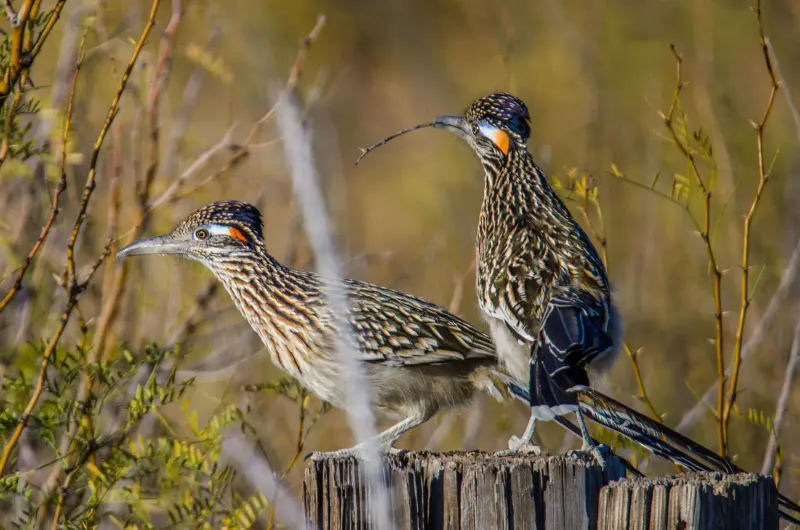
The word “patrolling” carries a specific meaning in wildlife biology, and it is worth applying carefully before using it to describe what you see. According to Cornell Lab of Ornithology, male Greater Roadrunners advertise territorial boundaries from elevated display sites such as fence posts and rocks. Both members of a mated pair may move through a shared territory and actively drive off intruders. Those behaviors, repeated display from fixed points, pair movement with a clear defensive purpose, or direct confrontation with another bird, are what justify calling the activity patrolling.
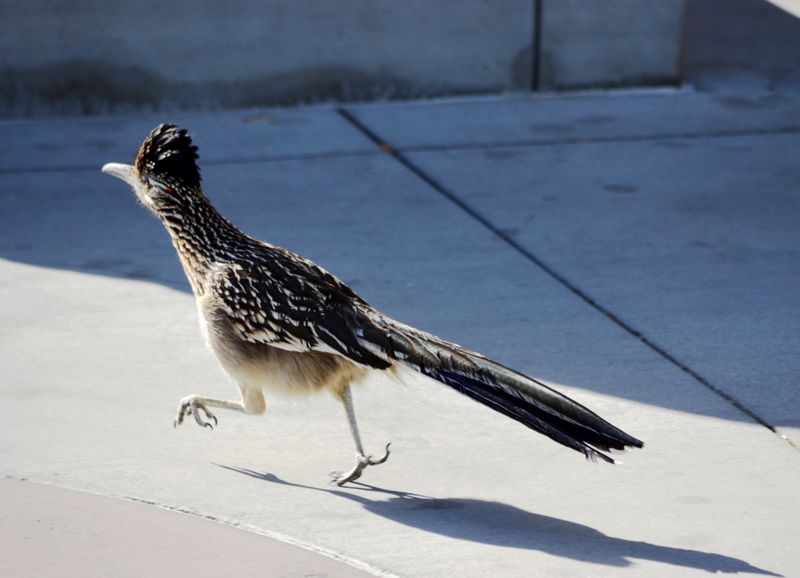
A single bird crossing your yard several times a week does not automatically meet that standard. What looks like a deliberate circuit may simply be a hunting run. Roadrunners move through open ground in search of prey, and they may follow the same general path repeatedly because the terrain suits them, not because they are defending it. Roads, paths, and streambeds can serve as practical movement corridors through a landscape, and a bird may use a yard the same way, as convenient open ground rather than a claimed space.
The practical test is observation. Watch for territorial displays: a raised crest, a cooing call from a high perch, or a bird actively chasing another roadrunner or a potential predator away. Watch for a second bird traveling consistently with the first. If those behaviors appear, “patrolling” fits.
If the bird moves through, hunts, and leaves without any of those signals, the more accurate description is that it is hunting in or traveling through your yard.
The Texas Breeding Bird Atlas notes that social behavior in Greater Roadrunners shifts with the season, meaning the same bird may behave very differently in spring than in fall. Repeated crossings alone do not prove territorial defense, breeding activity, or that your yard falls within a defended boundary.
What may make a Texas yard useful to a roadrunner
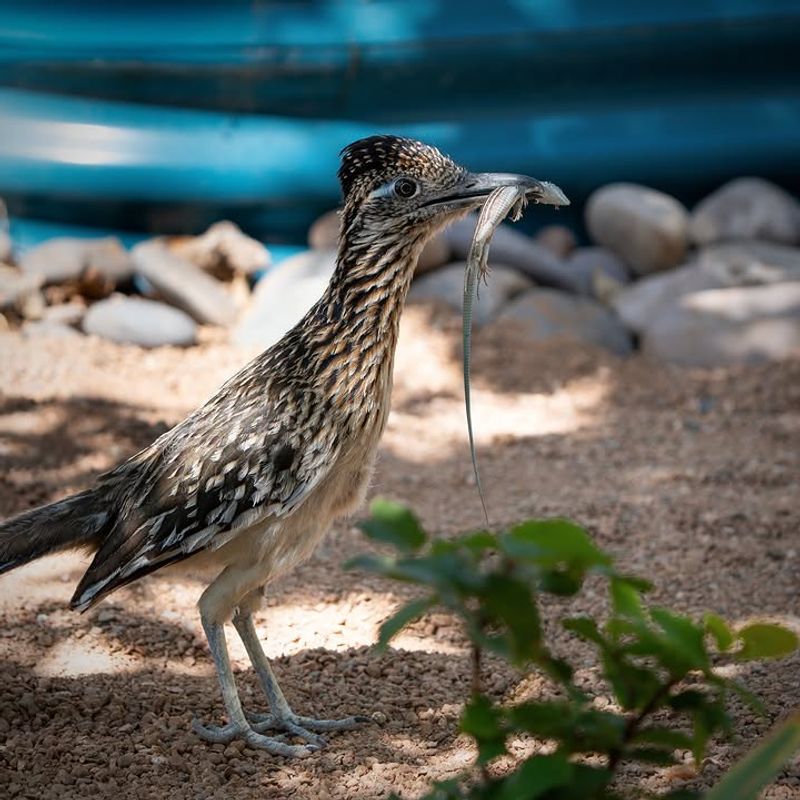
Roadrunners are built for a specific kind of landscape: open ground for running and hunting, with sturdy vegetation close enough to offer cover, a perch, or a potential nest site. A Texas yard that combines a patch of mowed or bare ground with nearby shrubs, native trees, cacti, or even a dense brush pile offers exactly that combination. The Texas Breeding Bird Atlas identifies open foraging areas alongside taller vegetation, including cacti, shrubs, trees, and sometimes suitable artificial structures, as the core habitat features the species uses for roosting and nesting.
A sighting suggests that some of those resources may be available in or near your property. It does not establish that your yard is especially healthy, pesticide-free, or ecologically balanced. Those are stronger conclusions than a single bird passing through can support.
The food list is impressively varied. Greater Roadrunners eat insects, lizards, small snakes, scorpions, rodents, and other small animals. They also consume fruit, seeds, and prickly pear when animal prey is scarce. Texas Parks and Wildlife describes the bird as an opportunistic predator that adjusts its diet to what is available.
That flexibility is part of what makes it so adaptable across different Texas landscapes.
The key word is opportunistic. A roadrunner eating a scorpion in your yard one afternoon does not mean it will work through your property systematically or that it will return whenever pest pressure rises. Prey availability changes with season, weather, and the bird’s own movement patterns. A sighting can hint at what resources the bird found useful at that moment, but it cannot predict what the yard will offer tomorrow or guarantee any specific level of pest reduction.
A large home range makes personal reunion impossible to prove
The emotional pull of a “returning” roadrunner is real. Many Texans grow up watching these birds and feel a genuine connection when one reappears after a long gap. That feeling deserves respect, even while the biology complicates the story.
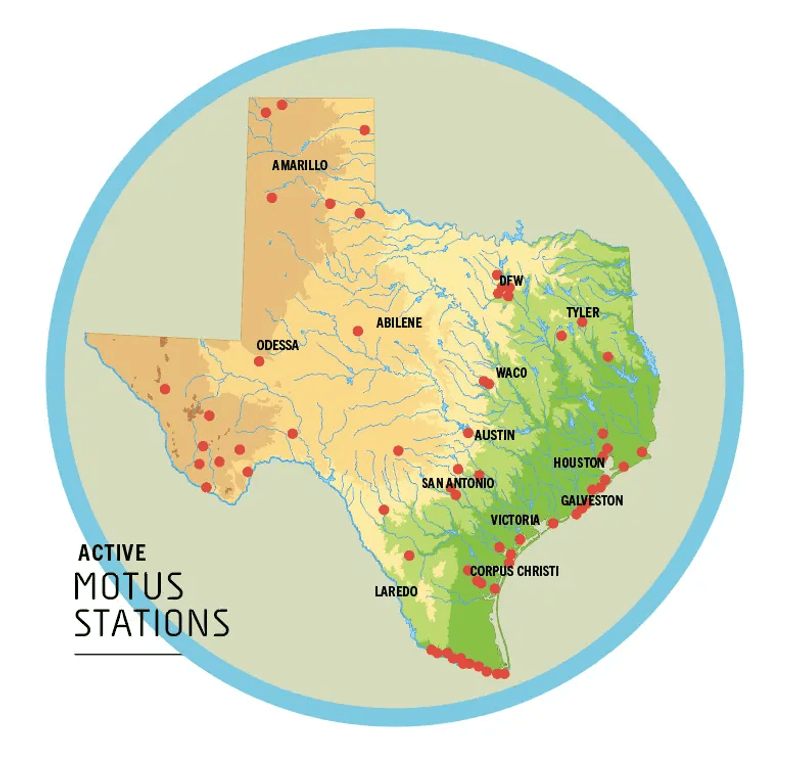
Telemetry research gives a clearer picture of how much ground these birds actually cover. A north-central Texas study found median home ranges of roughly 80 to 90 hectares, with core activity areas of about 17 to 19 hectares. A separate study of birds in west Texas, documented in USGS-published research on Greater Roadrunner home range dynamics, found mean home ranges of approximately 43 hectares. For comparison, a standard Texas suburban lot is a fraction of a single hectare.
Even the smaller of those study ranges would encompass dozens of typical yards.
At that scale, a yard represents a small slice of the bird’s potential landscape. The roadrunner you see this week may be the same individual you remember from years ago, a different bird whose range overlaps your property, a younger bird that dispersed from a nearby territory, or simply a bird that was always in the area but became easier to spot because something in the yard or your routine changed.
Field identification also matters here. Without a clear photograph or a careful look at field marks, a confident species identification can be difficult. A west Texas habitat study published in the Western North American Naturalist worked with marked, known individuals precisely because visual sightings alone cannot tell one bird from another. If the bird you are watching has not been banded or individually marked, there is no reliable way to confirm personal reunion, however satisfying that story might feel.
Season, yard changes, and observation habits can alter the pattern
Sometimes a roadrunner does not actually appear more often. You simply start seeing it more. A change in when you spend time outside, a new window with a better sightline, a cleared fence line that opens up the view, any of these can make a bird that was always nearby suddenly feel like a new arrival.
Yard changes can also shift where a bird moves. Brush removal opens up ground that was previously hidden cover. Drought can concentrate prey in spots near water or shade. Construction on a neighboring lot can push a bird toward quieter ground.
New plantings can add perching spots or hunting corridors. Research on Greater Roadrunner habitat selection supports the idea that birds respond to available resources and landscape features, though the studies do not establish a single cause for any one yard’s sighting pattern.
Season plays a role too. The Texas Breeding Bird Atlas reports that Greater Roadrunners tend to be more solitary from late fall through winter, while pairs and family groups are more visible during breeding season. Seeing a lone bird in summer does not automatically mean it is a permanent resident or a nesting parent. Seeing a pair in spring does not confirm that they are nesting in your yard.
Greater Roadrunners are widespread across Texas, and their social patterns shift with the calendar. The practical takeaway is to treat each sighting as a data point rather than a conclusion. Note the time of day, what the bird was doing, and whether its behavior changes over weeks. That kind of patient observation will tell you far more than any single sighting can.
Improve habitat without feeding or hiring the bird as pest control
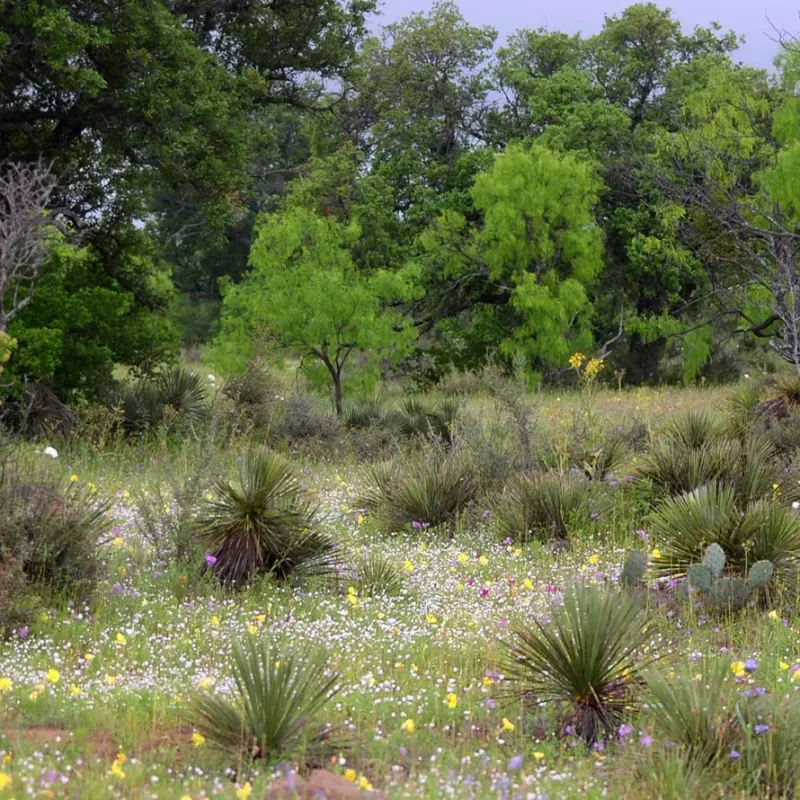
Supporting wildlife in a Texas yard works best when you think in terms of habitat rather than individual animals. TPWD’s Texas Wildscapes program recommends regionally appropriate native plants as the foundation of any yard designed to benefit wildlife. Native vegetation provides food sources, shelter, and structure that support the whole web of creatures a roadrunner might hunt, which is more useful than trying to attract the bird directly.
A yard that combines some open ground with nearby shrubs, native trees, or cacti gives a roadrunner the two things it needs most: room to run and hunt, and cover to retreat to or roost in. You do not need to transform your entire property. Even a modest patch of native groundcover next to an open lawn can make a difference for the birds and insects that a roadrunner might find attractive.
Water is worth offering carefully. TPWD’s general wildlife guidance recommends a container no more than three inches deep, cleaned and refilled regularly to prevent algae and bacteria. This applies to birds generally, and there is no guarantee a roadrunner will use it, but clean shallow water benefits many species during hot Texas summers.
Do not leave out meat, pet food, or other food as bait. TPWD warns clearly that feeding wildlife can attract rodents, spread disease, create unhealthy population concentrations, and encourage animals to associate humans with food in ways that cause conflict later.
On pest control: a roadrunner that eats a scorpion or a small snake in your yard is doing what roadrunners do, but TPWD’s roadrunner profile makes clear that the bird’s diet is opportunistic and variable. No source supports promising a specific or measurable reduction in snakes, scorpions, or rodents. Treat any pest-control benefit as an occasional bonus, not a service you can count on.
Observe young birds and nests without interfering
Finding a young roadrunner on the ground is one of the more alarming wildlife moments a Texas homeowner can have, especially if the bird looks too young to be alone. The instinct to help is understandable, but acting on it too quickly can do real harm. Fledgling birds routinely spend time on the ground while their parents remain close by, watching from nearby cover. A bird that hops, flutters, or moves away from you is almost certainly not abandoned.
TPWD’s guidance on orphaned and injured wildlife is the right first stop if you are genuinely concerned. Their orphaned and injured animal resources page can help you find a permitted wildlife rehabilitator in Texas if a bird appears sick, injured, or truly without parents after extended observation. Do not attempt to raise a young roadrunner yourself, feed it, or relocate it. Unauthorized possession of a native migratory bird is a federal matter, and hand-raised birds often cannot survive a return to the wild.
Nests deserve equal caution. Greater Roadrunners build nests in low shrubs, cacti, or small trees, sometimes close enough to a yard that a homeowner might discover one during routine trimming. Before cutting any vegetation during spring or summer, check carefully for eggs, chicks, or dependent young. The U.S.
Fish and Wildlife Service’s guidance on bird nests explains that most migratory bird nests are protected under the Migratory Bird Treaty Act, and destroying an active nest containing eggs or dependent young can create legal consequences.
The safest rule is simple: observe from a respectful distance, give the bird time, and contact a permitted rehabilitator if something clearly looks wrong. Patience is almost always the right call with wildlife.
Let the sighting sharpen observation, not create a prophecy
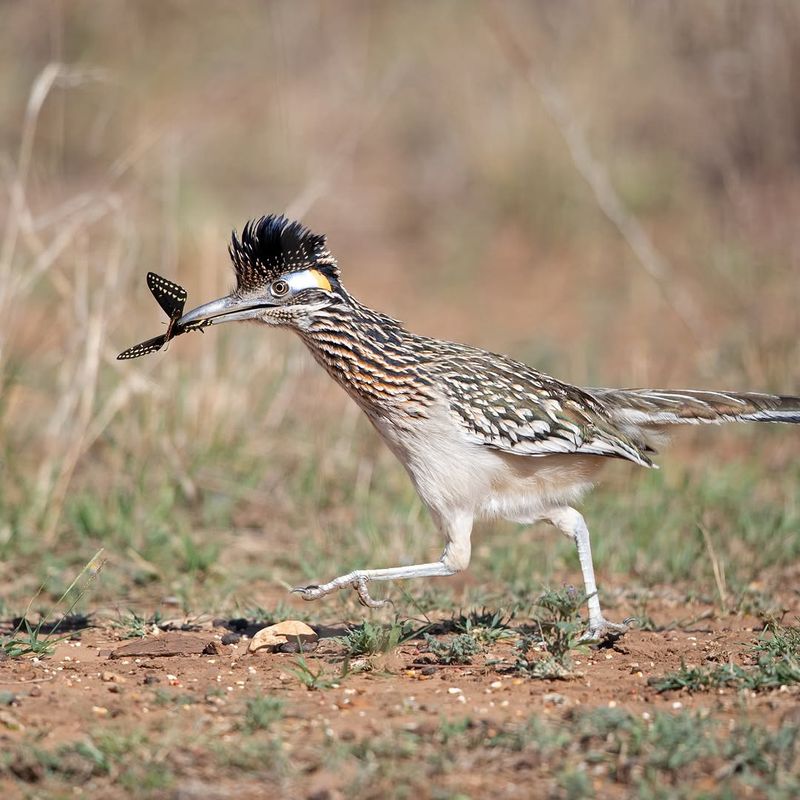
Renewed roadrunner sightings in a Texas yard are worth paying attention to, just not in the way folklore suggests. The Texas Breeding Bird Atlas and Cornell Lab research together describe a bird that uses large home ranges, responds to available resources, and moves through varied Texas landscapes including suburban ones. A sighting can hint that your yard or the surrounding area offers something useful: open ground, cover, prey, or a convenient route through the landscape.
What a sighting cannot do is verify a personal reunion, deliver a supernatural message, confirm that your yard is a model of ecological health, or promise that pests will be controlled. Note what changed recently in the yard, keep a respectful distance, and let the bird do what it came to do.
A roadrunner moving through a Texas yard is a small, vivid reminder that wild things are still working the landscape just outside the back door.