
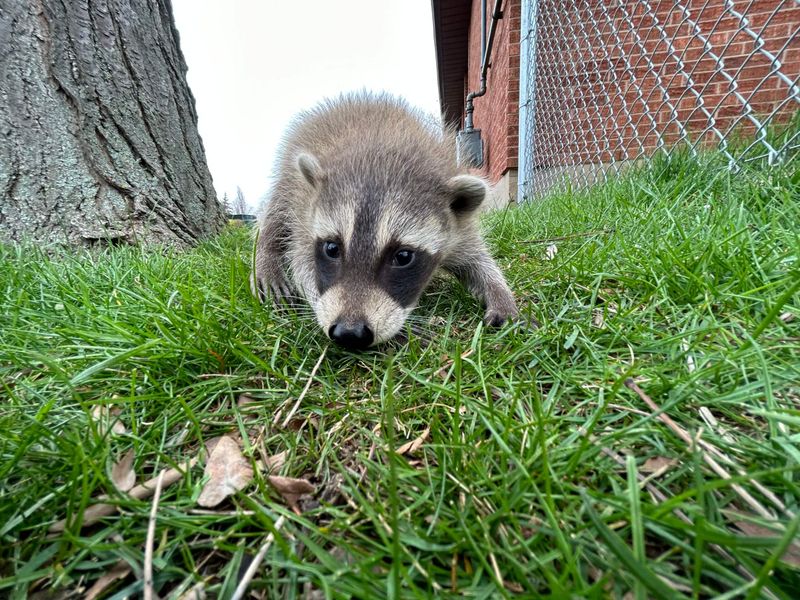
You hear the lid rattle, or you find a patch of lawn flipped over like a rug. Fall is when raccoons spend the night hunting for calories, and North Carolina yards are full of tempting options.
Repeated visits do not tell the whole story by themselves, but they do point to clues you can check. Here is how to read those clues, protect your family, and leave wildlife unharmed.
What recurring nighttime visits can—and can’t—tell you
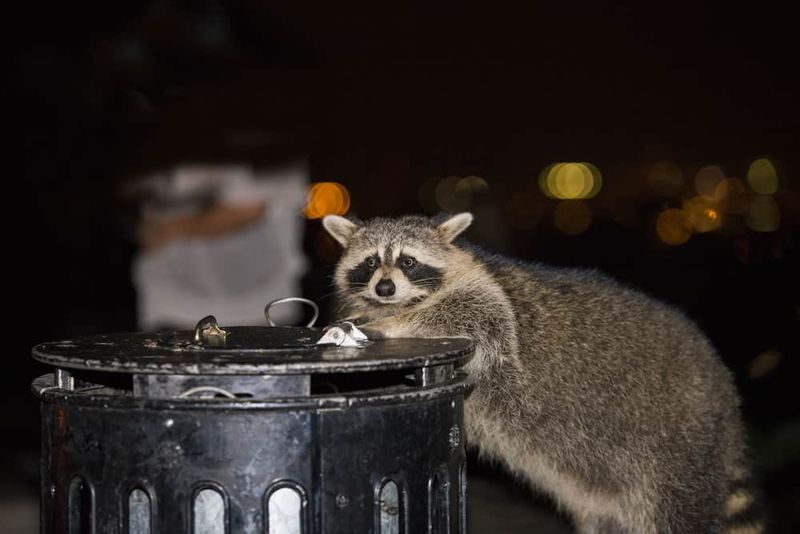
Raccoons are mainly active at night, so most people only meet them through evidence: an overturned bin, muddy paw prints, or a flash of eyes near the porch. They are opportunistic omnivores, which means they eat a wide mix of foods rather than sticking to one menu.
Fall adds some context. NC State Extension notes that raccoons store fat during the fall and that they tend to return to a location while food remains available.
Raccoons are not true hibernators, so this fattening is about getting ready for colder weather, not about shutting down for winter.
That seasonal pattern helps explain why raccoons may seem busier now. It cannot explain why one particular raccoon showed up at your house on one particular night.
Fall foraging is the backdrop, and the food in your yard is the more direct clue.
It also helps to know what repeated activity does not prove. Seeing signs night after night does not mean the same raccoon is coming back each time, since several animals could be passing through.
It does not mean the animal has claimed your yard, and it does not mean a den sits under your deck. It also does not mean the animal is sick.
A raccoon out at night is behaving normally.
So treat each sighting as a question, not an answer. The most useful next step is to look at what your property offers that a hungry animal could reach.
Look for food a raccoon can reach
A quick evening walk around your property can reveal more than guesswork. Think like a raccoon and ask what could be eaten without much effort.
Nature supplies plenty on its own. Per NC State Extension, raccoons eat fruit, nuts, insects, and earthworms, and acorns and persimmons are common fall choices in North Carolina.
If you have oaks or a persimmon tree, fallen fruit and nuts may be part of the draw. Nobody can say that for certain, but it is worth noticing.
Then look for food people provide. The NC State Extension Gardener Handbook lists garden crops, bird food, pet food, and garbage among the foods that attract raccoons to yards.
Walk through a short checklist:
Is pet food left outside overnight? Are garbage can lids loose or easy to tip?
Is birdseed spilling under the feeder? Are ripening tomatoes, corn, or melons unprotected?
Is there fruit rotting on the ground?
Write down what you find. A yard with several of these items may be easier for raccoons to return to than a yard with none.
Water and shelter are sometimes mentioned as reasons for animal visits, but the sources used here center the repeat-visit explanation on food. Start with what is edible, and handle one item at a time so you can see what changes.
Could lifted sod point to grubs?
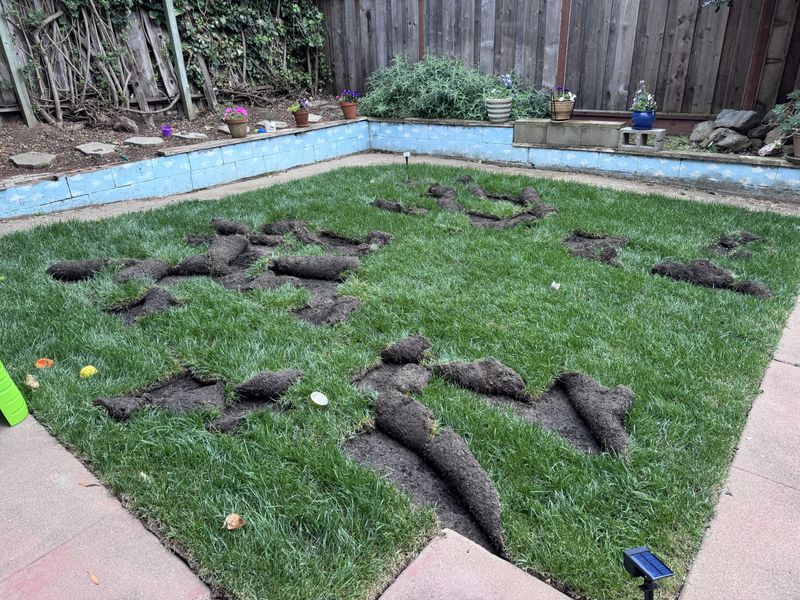
Few things upset a homeowner like walking out to find the lawn peeled back. Torn or lifted sod can fit a raccoon searching for grubs, which are the soil-dwelling larvae of beetles.
Raccoons are not the only suspects, though. University of Maryland Extension says skunks can cause similar damage.
It also describes a possible difference: raccoons tend to leave more discrete lifted chunks of sod, while skunks often make clusters of individual holes.
Treat that as a hint, not a test. Real lawns are messy, and damage can overlap or be hard to read.
Both animals may also forage for other lawn prey, not just grubs. A flipped patch of turf could mean the animal found grubs, found earthworms or insects, or found nothing worth staying for.
Here are some practical ways to gather clues. Take a photo of the damage in daylight.
Note whether it looks like lifted pieces or small scattered holes. Check whether the same area is hit again after a night or two.
You can gently press the sod back into place and water it if the roots are intact. That keeps the lawn tidy while you figure out the cause.
Damage alone cannot confirm a grub problem, so the next step is looking in the soil.
Inspect the lawn before treating for grubs
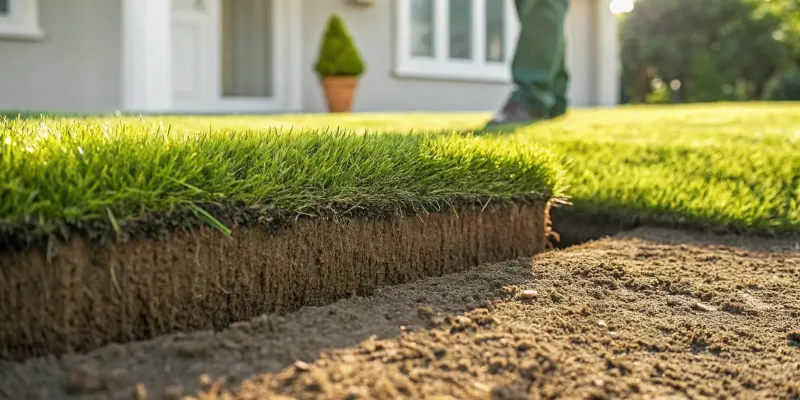
Spreading grub killer on a lawn that does not have a grub problem costs money and may do little good. A short inspection comes first.
Check several spots: a few damaged areas and some nearby areas that look untouched. Grub numbers can be uneven across a yard, as University of Maryland Extension explains, so one shovelful can mislead you in either direction.
Cut back a small flap of turf, look in the top few inches of soil, and note what you see.
Torn turf by itself does not establish an infestation. Animals may dig for other food, and grubs may be present in small numbers that a healthy lawn can handle.
Species matter too. NC State Extension identifies several grub species in North Carolina, and treatment timing and results vary with species and location.
A number or schedule from another state or grass type may not fit your yard.
For that reason, there is no single threshold in this article. For seasonal lawn care timing, the NC State home lawn calendar is a good reference for cool-season grasses.
If you do decide to treat, read the current product label and follow it exactly. When you are unsure, bring your findings to your county Cooperative Extension office for advice on your specific lawn.
Remove easy food rewards
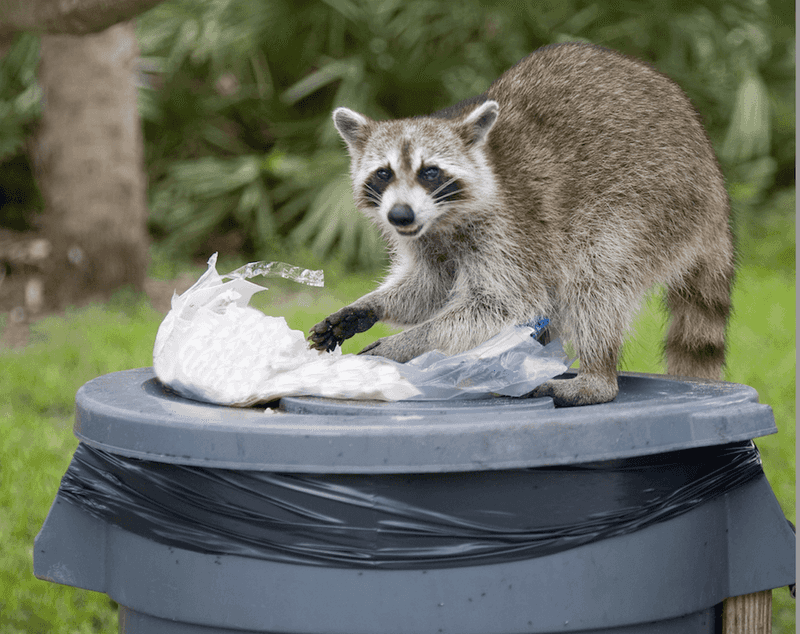
Because raccoons tend to come back where food is available, taking away the easy meals is the most practical step you control. The NC State Extension Gardener Handbook offers a clear starting list.
Feed pets indoors, or pick up bowls before dark. Keep garbage lids secured, and store pet food and birdseed in sealed containers.
Sweep up spilled seed under feeders. If raccoons are raiding the feeder, consider pausing bird feeding for a while.
Ripening crops can be protected with appropriate barriers, such as fencing or covers that an animal cannot easily push aside. Pick ripe produce promptly and clear fallen fruit.
You may be tempted to buy a repellent or set up bright lights. NC State Extension does not recommend raccoon repellents, and scare tactics often have limited or temporary value.
No product or light can be promised to solve the problem, so food control remains the main tool.
Trapping is another question homeowners ask about. It is not a simple do-it-yourself fix.
North Carolina trapping is subject to season and permit rules, so consult the NC Wildlife Resources Commission before considering it. Do not try to catch a raccoon on your own.
Give changes a couple of weeks. If the nightly visits fade, you have learned something useful about what was drawing them.
Keep people and pets away from raccoons and latrines
A raccoon may look cute, but wildlife is best enjoyed from a distance. CDC rabies guidance stresses avoiding contact with wild animals.
Do not approach, feed, or handle a raccoon.
Pets need protection too. CDC wildlife guidance recommends keeping pets away from wildlife and keeping them current on rabies vaccination.
If a person or pet has a bite, scratch, or other possible rabies exposure, contact a health professional, veterinarian, or your local health department promptly.
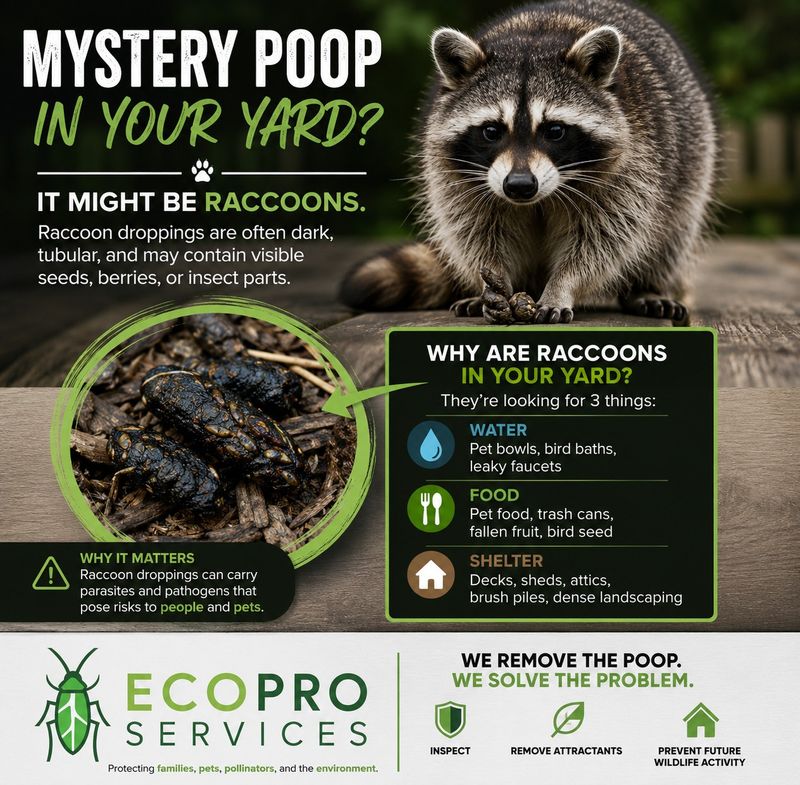
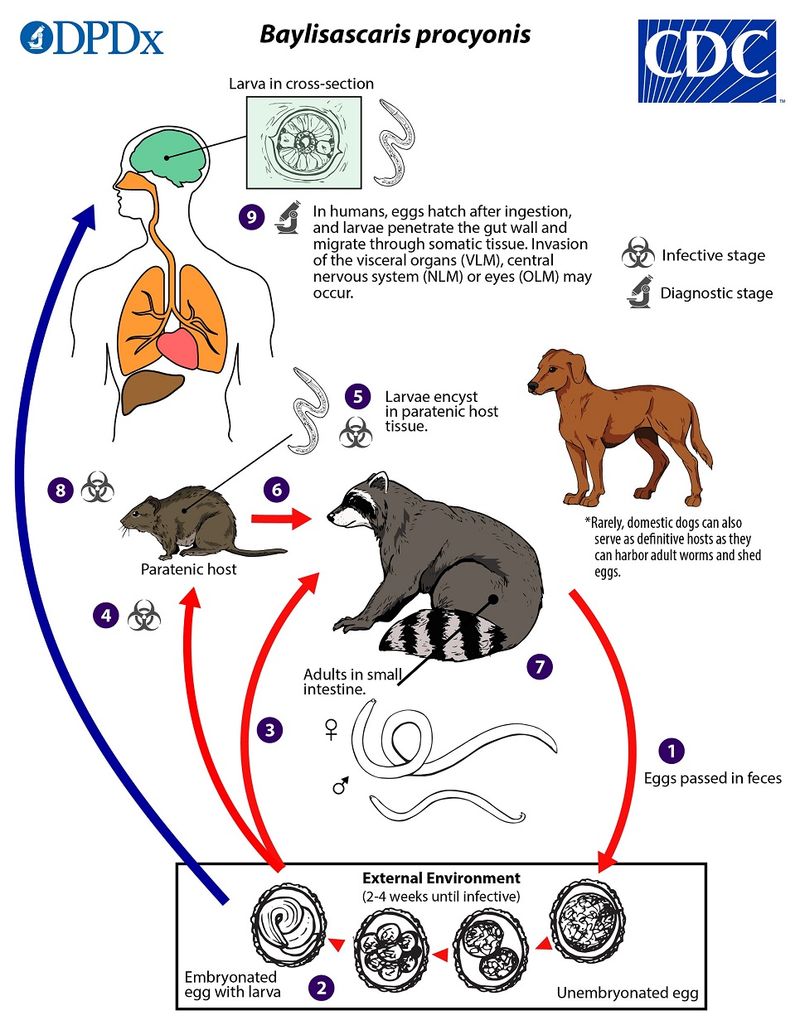
Raccoon droppings are a second concern. Raccoons may reuse the same latrine sites, and those can turn up on decks, woodpiles, and in sandboxes.
CDC roundworm guidance says to keep children away from raccoon feces.
If you need to clean a latrine, CDC advises wearing gloves and avoiding dust. For cleanup in a confined space, it recommends an N95 respirator.
It also suggests contacting animal control if you need additional help.
Do not sweep or blow droppings around, since that can stir up dust. Check play areas before children go outside, and cover the sandbox when it is not in use.
These steps are simple and cost very little. They matter most when kids and pets share the yard.
Start with the clue you can verify
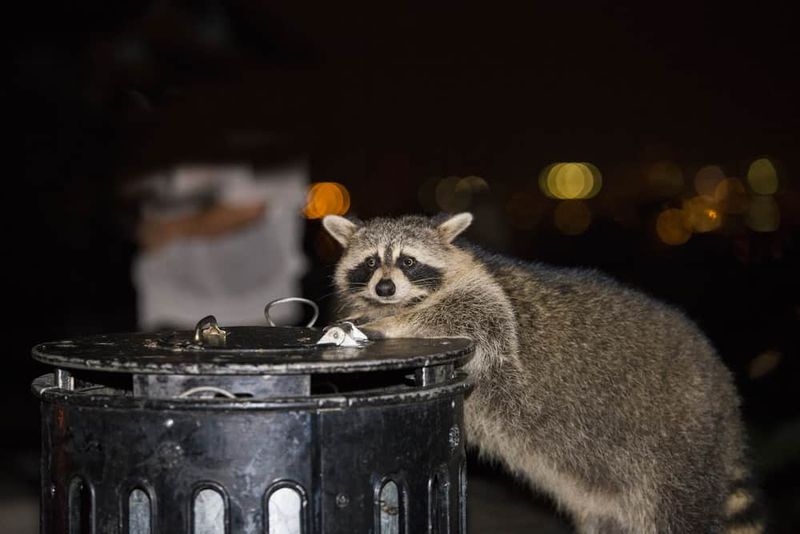
Begin with what you can see and fix: food a raccoon can reach, then the soil under any torn turf. Fall activity may fit the season’s foraging, but it does not identify one animal, prove a grub problem, or signal illness.
If the cause or next step stays unclear, your county Cooperative Extension office and the NC State raccoon guide are good places to turn. For animal control or exposure questions, contact local authorities or a health professional.
A quiet yard usually starts with an empty dinner table.