
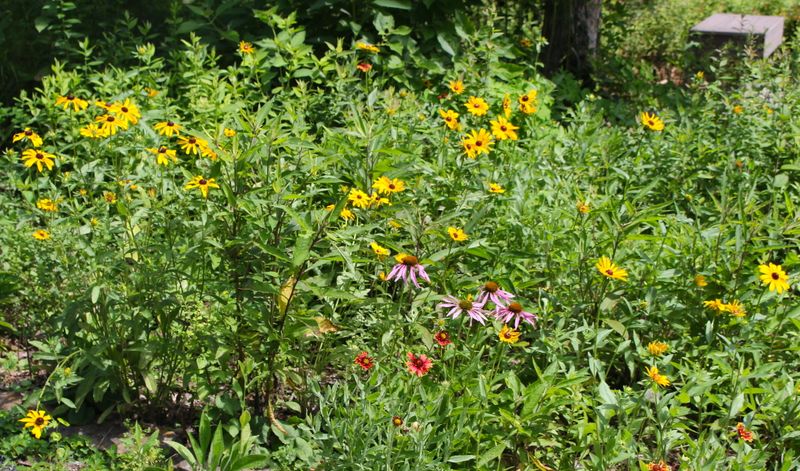
A dry summer can leave your perennial bed looking ragged, but the plants you wrote off might not be as far gone as they seem. Established native perennials often hold viable roots, crowns, or stored reserves underground long after their foliage has collapsed.
With the right follow-up care and smarter plant choices going forward, North Carolina gardeners can set up a more resilient bed before the next hot season arrives.
Drought can expose a plant’s reserves, but it is not a treatment
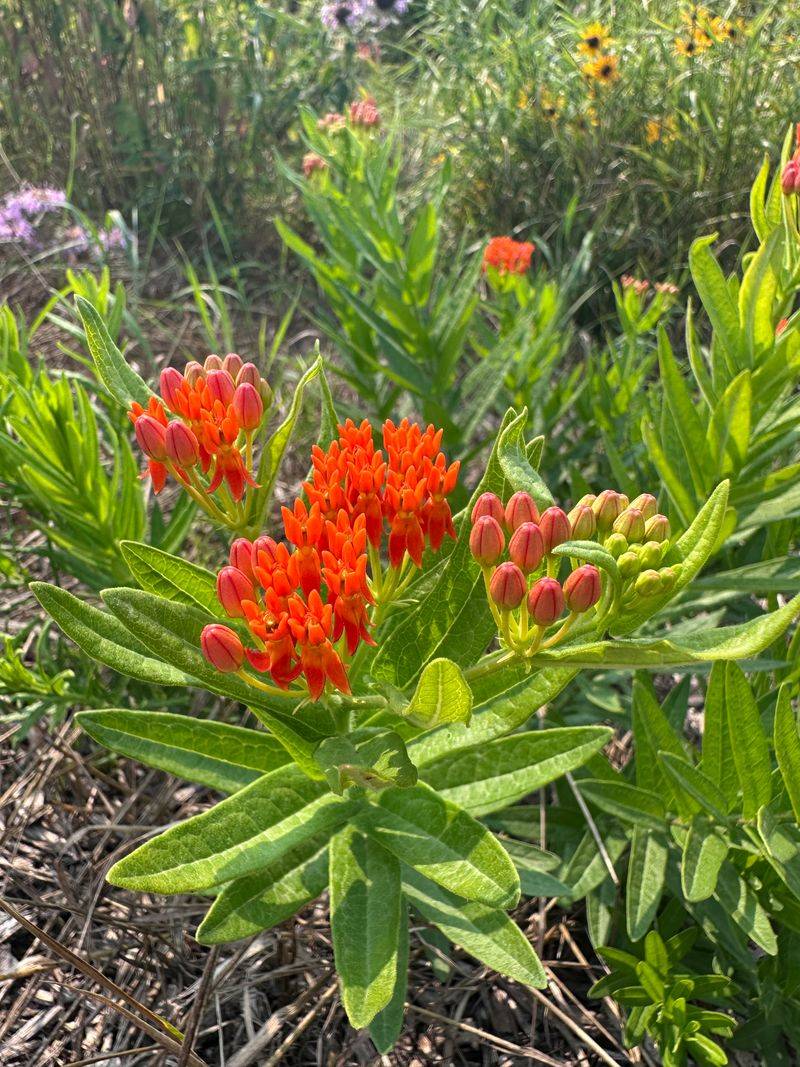
When a North Carolina summer turns brutally dry, what happens underground matters far more than what you see above it. An established native perennial may survive because its crown, roots, tubers, or stored carbohydrates remain intact even after the foliage dies back.
That underground reserve is what makes a spring comeback possible, not the drought itself.
Recovery and increased strength are not the same thing. A plant that leafs out again the following April has demonstrated survival, not an upgrade.
Flowering, clump expansion, and improved drought tolerance are separate outcomes that may follow on their own schedule, or may not occur at all, depending on the species, the plant’s age, how severe the drought was, and what the soil and crown look like now.
Some research on drought “memory” or priming suggests that mild, controlled stress can help certain species respond more efficiently to a later dry period. A review of drought stress memory at the plant cycle level found that these responses are species-specific and generally apply to moderate stress, not to the kind of severe or prolonged dry spell that damages roots and depletes reserves.
Intentionally withholding water from landscape perennials is not a training method supported by that research.
Severe or repeated drought can actually set recovery back. USDA Agricultural Research Service findings on repeated extreme drought showed that root production declined more after multiple drought events than after a single one, even though roots recovered when post-drought precipitation was above average.
For home gardeners, that means a rough dry year is best treated as a prompt to improve plant selection and care, not as a beneficial stress treatment.
Favorable fall and winter moisture, combined with lower heat and evaporative demand, may allow some surviving roots to begin recovering before you see any sign of it above ground. Visible growth often waits until the plant’s normal growing season.
The practical goal is to protect whatever reserves remain and give the plant conditions it can actually use.
First, determine whether the perennial is dormant or dead
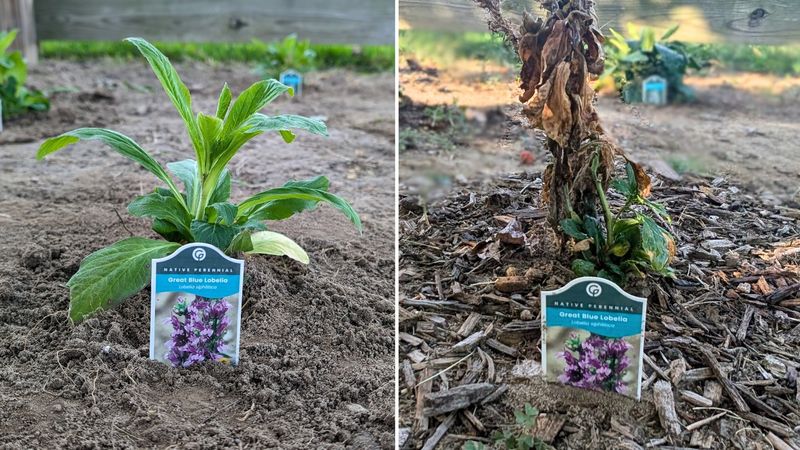
Patience is the first tool you need after a drought. Leaf loss, brown stems, and a collapsed-looking crown do not automatically mean a plant is gone.
Many native perennials drop foliage or go fully dormant under severe heat and water stress, and some will not show any sign of life until soil temperatures and moisture levels shift in their favor.
Before you pull anything out or cut it back hard, do a simple tissue check. Scratch the stem lightly near the base with a fingernail or a pocketknife.
Green or white tissue underneath means the plant is still alive. Dry, brown, or hollow material that crumbles suggests that section is dead, but work your way down toward the crown before making any decisions.
UGA Extension guidance on drought impacts in landscapes recommends allowing time for new growth to appear rather than replacing plants immediately after drought damage.
Check the crown, which is the junction between roots and stems at or just below the soil surface. Firm, solid crowns with visible buds or nodes are a good sign.
Mushy, hollow, or completely dried crowns are more worrying. Even then, give the plant a few more weeks if the season allows, because USDA research on root and shoot recovery after rewatering notes that shoot recovery can precede full belowground recovery, meaning visible green growth may return before the root system has fully rebuilt.
Remove only material that is clearly dead and dry. Cutting back living tissue because it looks unattractive right now can remove the energy reserves the plant is counting on.
UGA Extension best management practices advise waiting for recovery before pruning dead branches, and the same principle applies to herbaceous perennials. Use the assessment, not the calendar, as your decision point for whether to preserve a survivor or replace a plant that has genuinely failed.
Choose the native that fits the dry spot
The word “native” on a plant tag is a starting point, not a guarantee. North Carolina spans three distinct regions, and the moisture, drainage, heat, and soil conditions in a mountain cove are nothing like those in a Coastal Plain sand ridge or a Piedmont clay slope.
A plant native to one of those habitats can struggle badly if placed in another, even within the same state.
Site matching matters just as much as species origin. NC State Extension’s native plants guidance emphasizes choosing plants for their specific moisture and habitat niche rather than treating all natives as interchangeable.
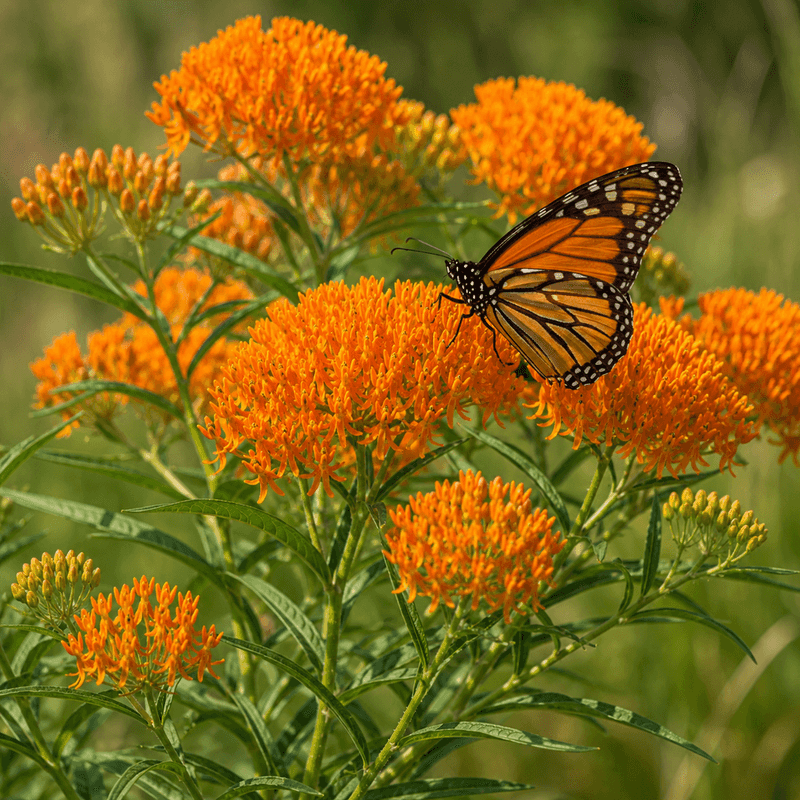
One common example of this distinction: butterfly weed thrives in well-drained, dry conditions, while swamp milkweed prefers consistently moist sites. Planting swamp milkweed in a dry, exposed bed and expecting drought tolerance because it is a native milkweed is a setup for disappointment.
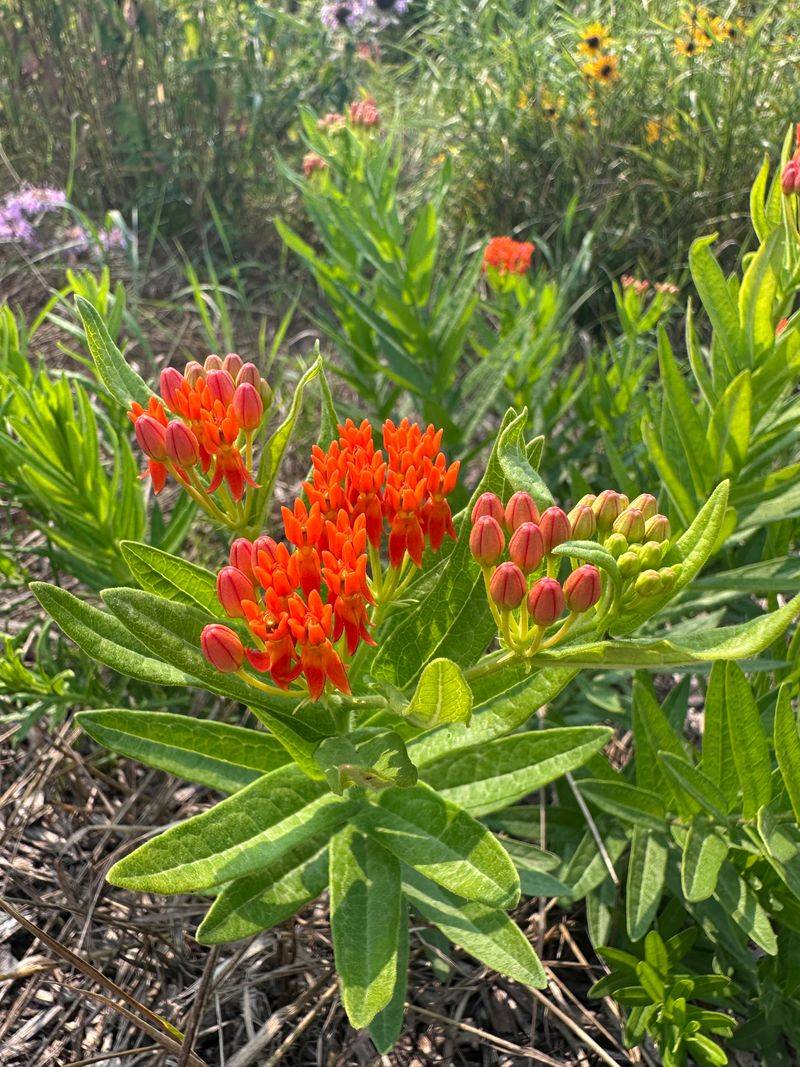
For a dry, sunny location in the Piedmont or Coastal Plain, NC State’s landscaping for wildlife with native plants supports several strong candidates. Butterfly weed (Asclepias tuberosa) develops a deep taproot and tolerates poor, dry soil after establishment.
Lanceleaf coreopsis handles dry, sandy, or rocky soil in full sun. Threadleaf coreopsis offers a fine-textured option with similar drought tolerance.
Yellow wild indigo and blue false indigo develop substantial root systems over time and become quite self-sufficient in well-drained beds.
Grass-leaf blazing star and narrow-leaf mountain mint round out a dry-site planting with late-summer interest and strong pollinator value. Performance for any of these still depends on getting the light, drainage, and soil right for your specific location.
A dry site is not always a well-drained site; compacted clay can leave roots both drought-stressed and oxygen-starved, which changes how you water and how tolerant even adapted plants can be. Match the plant to what the site actually offers, not just what the label says.
Water deeply and on the plant’s schedule
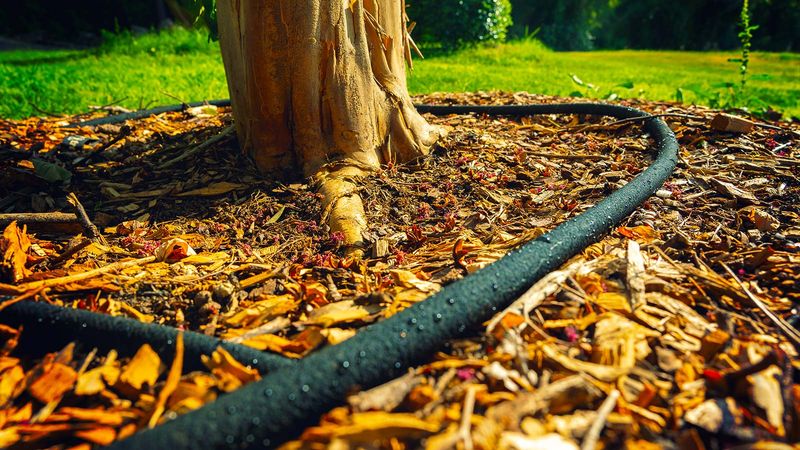
Recovery watering has one main job: get moisture to the root zone without washing nutrients away, promoting shallow roots, or creating waterlogged conditions that stress roots further. The method matters as much as the amount.
NC State Extension’s woody ornamentals guidance recommends watering slowly enough to wet the active root zone, commonly around six to eight inches deep, and checking soil moisture before watering again rather than following a fixed calendar. Sandy soils drain faster and may need water more often; heavy clay holds moisture longer but can become compacted and restrict infiltration.
Slope, mulch depth, shade, plant size, and current temperatures all shift how often watering is actually needed.
University of Minnesota Extension guidance on watering in extreme drought recommends early-morning watering to reduce evaporative loss and give water time to move into the soil before afternoon heat arrives. Drip irrigation or soaker hoses deliver water directly to the root zone at a rate the soil can absorb, making them a better fit for perennial beds than overhead sprinklers that wet foliage and lose water to evaporation.
The gap between established plants and newly planted ones is real and important. An established butterfly weed or blazing star that has been in the ground for several years has a root system capable of reaching deeper soil moisture.
A plant installed this season, even the same species, has a much smaller root ball and cannot buffer itself the same way. Drought-tolerant does not mean drought-proof during establishment, and a new plant needs regular irrigation until its roots have expanded into the surrounding soil.
NC State’s landscape management calendar notes that summer planting requires timely irrigation, while fall and spring planting can reduce supplemental watering needs overall. Let soil conditions, not the calendar, tell you when to water, and give new plants more consistent attention than you would give a plant that has been in the ground for three or more seasons.
Use mulch and restraint while roots recover
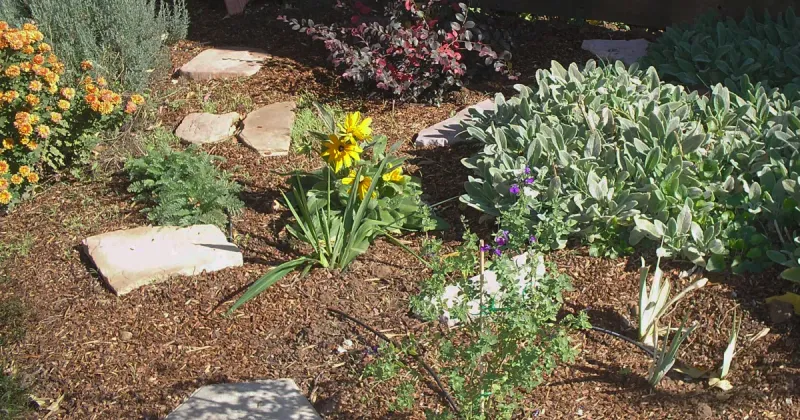
Mulch earns its place in a drought-stressed perennial bed by slowing moisture loss, moderating soil temperature, and reducing competition from weeds that would otherwise pull water away from recovering roots. A two-to-three-inch layer of shredded bark or leaf mulch across the bed can make a measurable difference in how quickly conditions stabilize after a dry period.
The placement matters as much as the depth. NC State Extension’s ornamentals guidance is clear that mulch should be kept away from plant crowns and trunks.
Piling mulch against a crown holds moisture against tissue that needs air circulation, encourages rot, and can create habitat for pests. Keep mulch pulled back a few inches from the base of each plant and resist the urge to pile it thicker thinking more is better.
Fertilizer is a tool to withhold, not reach for, while plants are still recovering. Applying fertilizer to a drought-stressed plant can push tender new growth that demands more water than the root system can supply, and it can injure roots that are already compromised.
NC State recommends reducing fertilizer during dry weather and not fertilizing plants that are water-stressed or functioning poorly. If you want to fertilize later in the season, wait until you see clear signs of active recovery and, ideally, base the application on a soil test rather than a general feeding schedule.
Major pruning should wait for the same reason. UGA Extension drought guidance and UGA Extension’s best management practices both advise waiting for recovery before removing dead-looking material, because what looks dead may still be protecting viable tissue below.
Once recovery is evident, limit cutting to material that is clearly dry and dead. Brown seedheads left standing also provide cover and food for birds through fall and winter, so consider that wildlife value before clearing the bed entirely.
Plant in fall or early spring to improve drought preparedness
After a hard drought year, the temptation is to replace lost plants right away, but rushing a summer replacement often means setting a new plant up for the same struggle. The better window for establishing replacements or filling gaps is fall, once temperatures drop and rain becomes more reliable, or early spring before heat builds again.
The NC State landscape management calendar notes that spring and fall planting can reduce the supplemental irrigation new plants need, while summer planting requires consistent, timely watering to keep new root systems alive. Fall-planted perennials have weeks or months of cooler temperatures and lower evaporative demand to develop roots before spring growth begins and summer heat returns.
That root development is what makes the difference between a plant that coasts through its second summer and one that struggles again.
Seasonal timing does not remove the need for establishment watering. A drought-tolerant native planted in October still needs regular moisture as its roots push into new soil.
Plan to water new plantings consistently through fall until the ground freezes or the plant enters dormancy, and resume early in spring if dry conditions return before the plant has had a full growing season to establish.
NC State Extension’s native plants chapter and the NC State Plant Toolbox entry for butterfly weed both note that Asclepias tuberosa plants started from seed may take two to three years to establish and flower. That timeline applies to seed-grown plants specifically; a healthy nursery-grown transplant may flower in its first or second season depending on the size and maturity of the plant at purchase.
If you are filling a gap with butterfly weed, buying a container-grown plant from a reputable native plant nursery gets you to establishment and bloom sooner than starting from seed in most cases.
Use the post-drought period to correct any site mismatches you noticed during the dry year. A plant that wilted every afternoon in a west-facing, reflected-heat spot tells you something about the site that a wetter year might have hidden.
Prepare the bed, match the replacement to the actual moisture and light conditions, and get it in the ground before the next hot season closes the window.
Build a more resilient bed through better decisions

A drought year is most useful when you treat it as a diagnostic, not a disaster. The plants that came through with minimal support tell you which species and site combinations actually work in your conditions.
The ones that failed point to mismatches worth correcting before the next dry summer arrives.
The action sequence is straightforward. Assess survivors patiently using tissue checks and crown inspection before pulling anything.
Correct site mismatches by choosing replacements suited to the actual moisture, drainage, and light your bed provides. NC State Extension’s native plant guidance and NC State’s ornamentals guidance both reinforce that matching plant to site is the foundation of lower-maintenance gardening.
Water deeply during establishment and recovery rather than applying small amounts daily. Keep mulch at a moderate depth and away from crowns.
Withhold fertilizer and aggressive pruning while plants remain stressed.
These steps can produce a better-established, more drought-ready planting that supports pollinators and native wildlife through nectar, pollen, seeds, and cover. What they cannot do is guarantee that every surviving plant will flower more heavily or expand its clump after drought.
Recovery varies with species, plant age, drought severity, and root condition, and USDA research on repeated drought effects shows that severe or repeated stress can reduce root production rather than improve it. The dry year did not strengthen your plants, but the decisions you make coming out of it can.