
Once the last muscadine drops from the arbor, it is tempting to think the vine can take care of itself until spring. A few simple fall habits can help a North Carolina vine head into winter in good shape.
Some popular chores, though, can do more harm than good. Here is what to do now, what to skip, and what to save for winter.
Fall care prepares the vine; it does not decide the harvest
Plenty of garden advice suggests that what you do right after picking locks in next year’s grape count. That is a bit too strong.
Fall care can keep a vine healthy, but it cannot guarantee a heavy crop, and it is better to know why.
Muscadines bear fruit on new shoots that grow in spring from buds on the previous season’s wood, according to NC State Extension’s home garden guide. That means the wood you keep during winter pruning matters a great deal.
Annual pruning helps balance how much fruiting wood the vine carries against how much growth it can support.
Several other things also shape the harvest. A vine’s overall health, the cultivar you planted, whether flowers get pollinated, spring weather, and the growing site all play a part.
A late frost or a rainy bloom period can shrink a crop no matter how tidy the arbor was in October.
So what is fall’s real job? Mostly, it is to avoid stressing the vine and to set up pruning at the right time.
As North Carolina Cooperative Extension in Pamlico County explains, major pruning belongs in the dormant season, not right after harvest.
The next sections cover cleanup, watering, fertilizer, pruning, and what to check if grapes stay scarce. None of them is a magic switch, but together they keep a backyard vine on solid footing.
Clear fallen fruit and leaves from beneath the arbor

Cleanup is the easiest fall job, and it needs nothing more than a rake and a bucket. Pick up old fruit, gather leaves that have dropped, and haul away any pruned canes left lying around.
Guidance from Pamlico County Extension includes removing old fruit and raking up fallen leaves and fruit.
Pay extra attention if any grapes were spotted, rotted, or shriveled on the vine this season. Diseased fruit left on the ground can carry problems into the next year.
Think of this as sensible housekeeping for the arbor, not a trick for bigger yields.
What about spraying? Routine fall sprays are not necessary.
NC State’s small fruits chapter notes that muscadines can often be grown without insecticides or fungicides.
If you do see a real problem, such as a leaf disease you cannot identify, get it diagnosed first. Your county Extension office can help, and the NC State pest and disease management page points to current product labels for any treatment.
No diagnosis, no spray.
Water according to vine age and weather
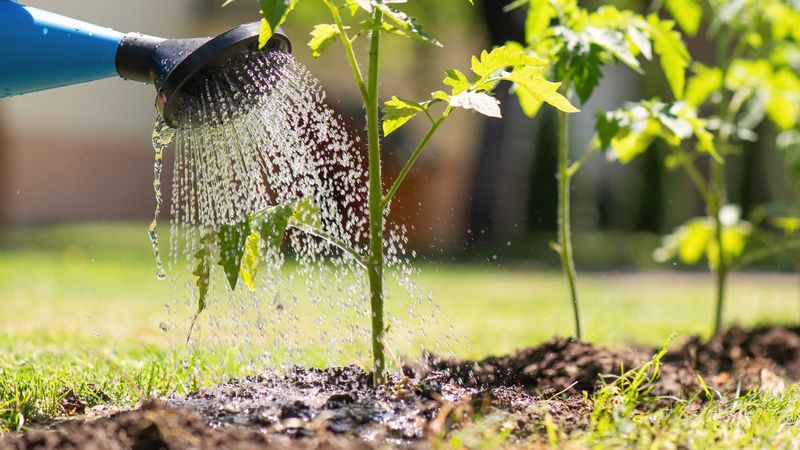
Age is the first thing to check before you reach for the hose. Young vines in their first two years need water during dry spells while their roots settle in, as noted in NC State’s muscadine guidance.
Established muscadines are generally drought-tolerant.
Skip the fixed calendar. Instead, look at the weather and the soil.
If rain has been scarce for a couple of weeks and the soil a few inches down feels dry, a young vine will appreciate a slow, deep soaking. If the fall has been wet, leave the hose coiled.
Sandy coastal soils dry out faster than heavy Piedmont clay, so the same vine may need different attention in different yards. Watching your own soil beats following any set schedule.
You may come across advice to cut back irrigation after harvest and stop in October. That comes from Mississippi State University Extension, where it helps vines harden off for winter.
It is regional guidance, not a rule written for North Carolina yards.
For an established backyard vine, that usually means doing very little. Let rain do most of the work and step in only during a long dry stretch.
Skip late-fall fertilizer and follow soil-test timing
Feeding the vine in fall sounds like a head start, but it is not a shortcut to more grapes. Fertilizer applied late in the season can push tender growth that is more likely to suffer in winter.
NC State guidance, including this muscadine growing guide, warns that late-fall fertilizer can increase winter-injury risk.
A better plan starts with a soil test. Testing through the NC Department of Agriculture can show what your soil actually has and what, if anything, it lacks.
Some vines may not need much at all.
For established vines, NC State’s home garden guide places routine fertilizer applications in spring or early summer. That is when the vine is actively growing and can use the nutrients.
There is no single amount that suits every backyard, so follow your soil-test report rather than a number from a bag or a neighbor. If the report says the vine is fine, you can leave the fertilizer on the shelf.
Fall is a good time to pull a soil sample, though. Send it in now, and you will have the results ready when spring arrives.
Save major pruning for the dormant season
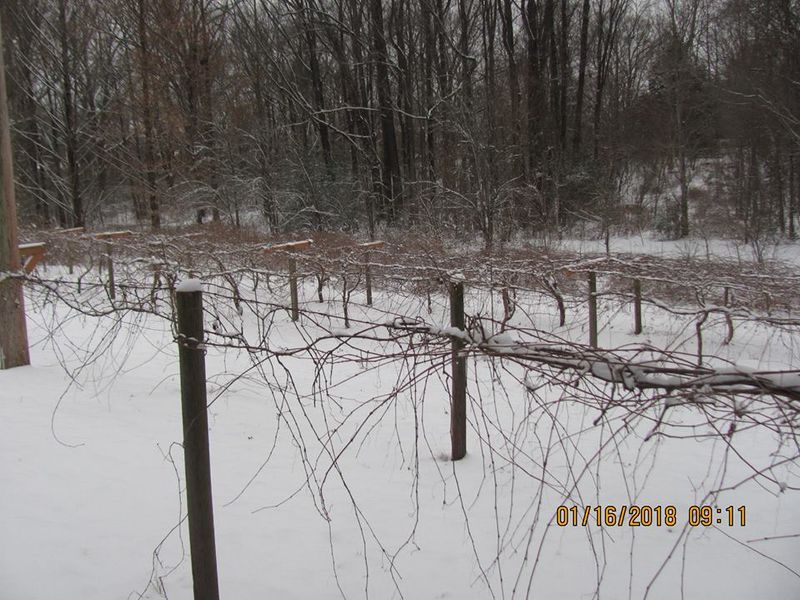
Right after harvest, the urge to cut things back can be strong. Hold off.
For North Carolina, December through February is a practical pruning window, and the work should happen after leaf fall but before buds start swelling in spring. Pamlico County Extension describes this timing for home vines.
Why wait? Pruning too early can raise the risk of winter injury in some situations.
You may see Florida advice naming mid-January to mid-March, which comes from UF/IFAS Extension. That calendar fits Florida, so rely on local North Carolina guidance for your dates and avoid cutting once buds begin to grow.
Pruning matters because grapes form on new shoots from buds on last season’s wood. According to NC State’s home garden guide, yearly pruning keeps a balance between fruiting wood and new growth, so the vine does not turn into a tangle of shaded, unproductive shoots.
How hard you cut depends on the vine. Age, cultivar, vigor, and trellis system all change the plan.
Research on mature Carlos vines, described in a step-by-step Carlos pruning guide, shows that bud numbers kept can vary with vine size.
That is why no single bud count or percentage to remove fits every backyard. Use a trusted Extension guide for your trellis style, and plan the work for a mild winter day.
Check pollination and site conditions if the crop is sparse
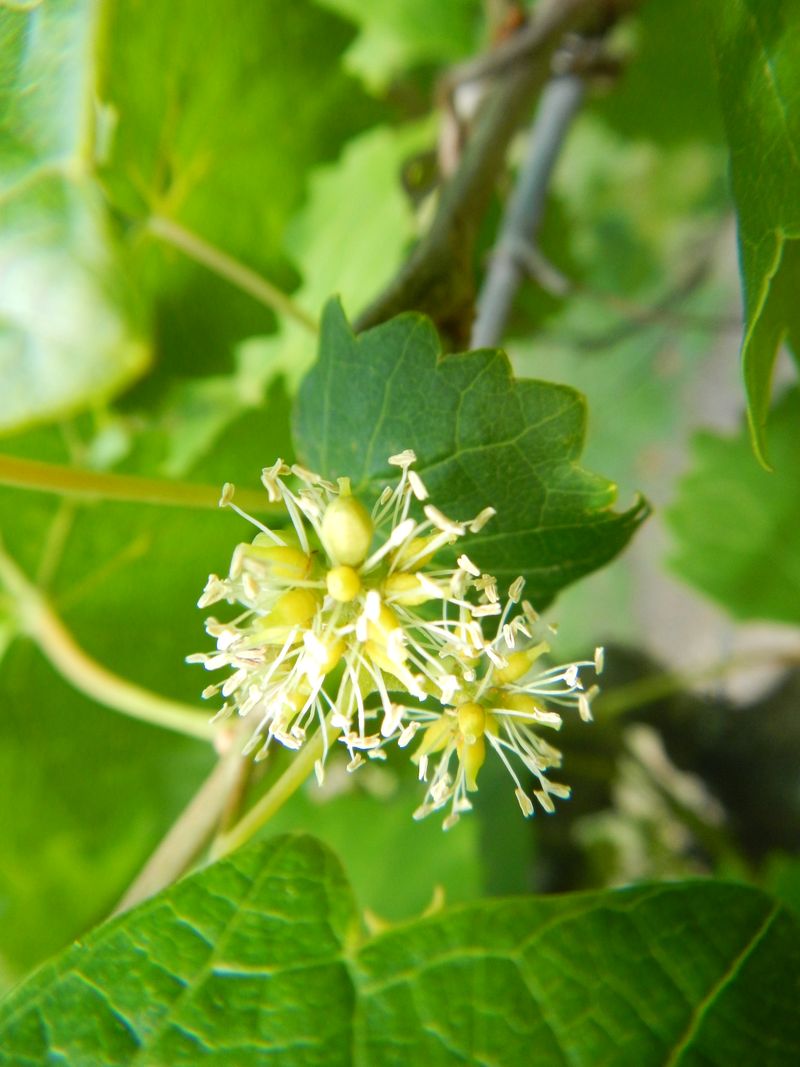
If a vine keeps producing few grapes, the cause may have nothing to do with fall chores. Start by finding the cultivar name on your plant tag or purchase records.
It could explain a lot.
Some cultivars have female-only flowers and need a nearby self-fertile pollinizer to set fruit. Fry, Higgins, Scuppernong, and Jumbo are examples, as described in NC State’s muscadine production guide.
Many other cultivars are self-fertile and do not need a partner.
If yours is a female-flowered type with no self-fertile vine close by, pollination could be limiting the crop. Adding a pollinizer may help, but it does not promise a heavy harvest, since other factors still play a part.
Next, look at the spot itself. NC State recommends full sun and well-drained soil.
A vine shaded by a growing tree or sitting in a soggy low corner may struggle no matter how well you care for it.
Young age can also be the answer. Vines in their first few years often bear lightly while they build roots and framework, a point covered in this NC State muscadine guide.
Patience, along with a note of when your vine flowers and sets fruit, will tell you more than any fall chore.
Prepare the vine, without promising the crop
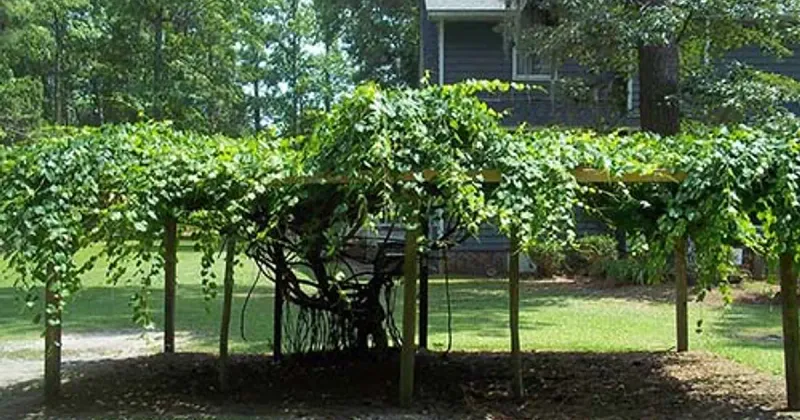
A tidy arbor, sensible watering, no late feeding, and patience until winter pruning add up to a vine that goes into dormancy in good condition. That is the honest payoff of fall care.
The next harvest still depends on the vine’s health, pollination, pruning, and spring weather, as NC State Extension makes clear. Do the basics well, then let the season do its part.