
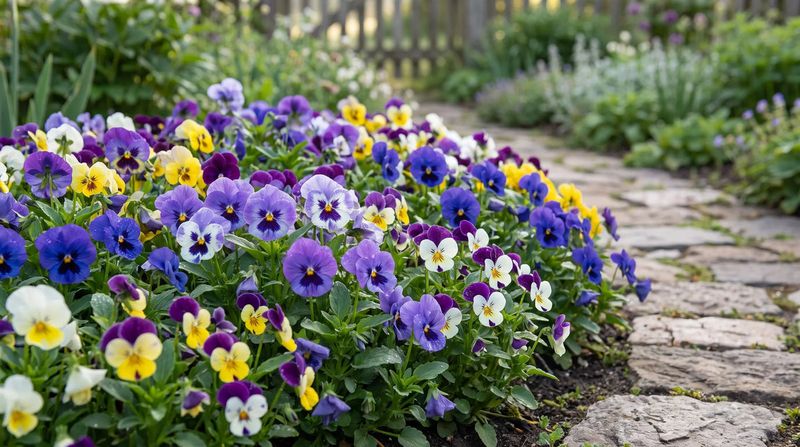
Your pansies were full of color last week, and now the beds look flat and tired after a hard freeze. Before you pull them out, know that a freeze can ruin open flowers without ending the life of the plant.
A few calm steps taken this week can help you sort out what you have and care for it well. No step can promise new flowers, but good timing and a careful look will keep you from making mistakes.
A freeze can stop the display without killing the pansy
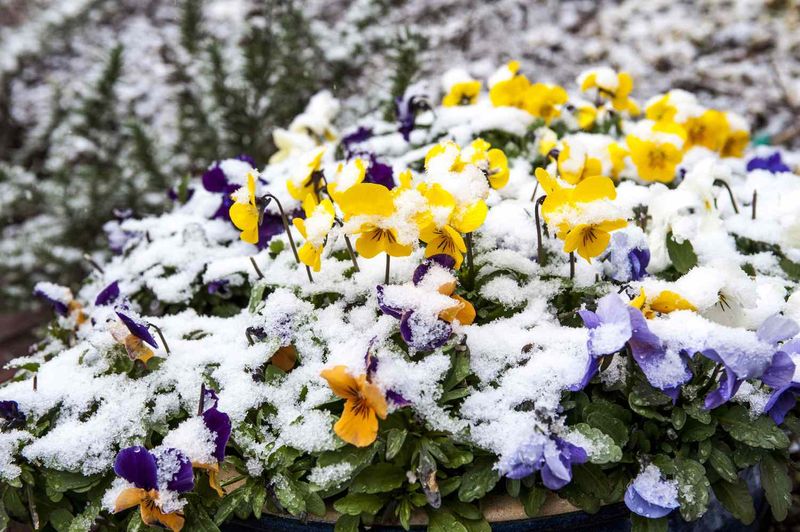
Freezing weather can ruin the flowers a pansy has open at the moment the cold hits. Mississippi State Extension describes pansy flowers being nipped by freezing temperatures, with flowering picking back up when the weather warms.
So an empty-looking bed does not always mean the plants are gone.
The leaves can change too. University of Georgia Extension notes that pansies may wilt and turn a gray-green color during freezing weather.
That response is temporary in many cases, which is why a droopy, dull plant on a cold morning is not proof of death.
In Central Texas, cold snaps often come and go within a few days, so a pansy may sit through a freeze and then face mild afternoons again. During the cold stretch, the plant may simply pause.
Think of it as two separate questions: what happened to the flowers, and what happened to the plant itself.
Lost blooms answer only the first question. A plant with ruined flowers can still have healthy crowns, roots, and new buds waiting underneath.
Still, there is no guarantee. Severe cold or injury to the roots can leave a plant that never recovers, and it is fair to expect that some pansies in a bed may not make it even when their neighbors do.
The goal this week is to look closely, care for what is alive, and avoid assuming the worst too early.
Let the plants thaw before assessing damage
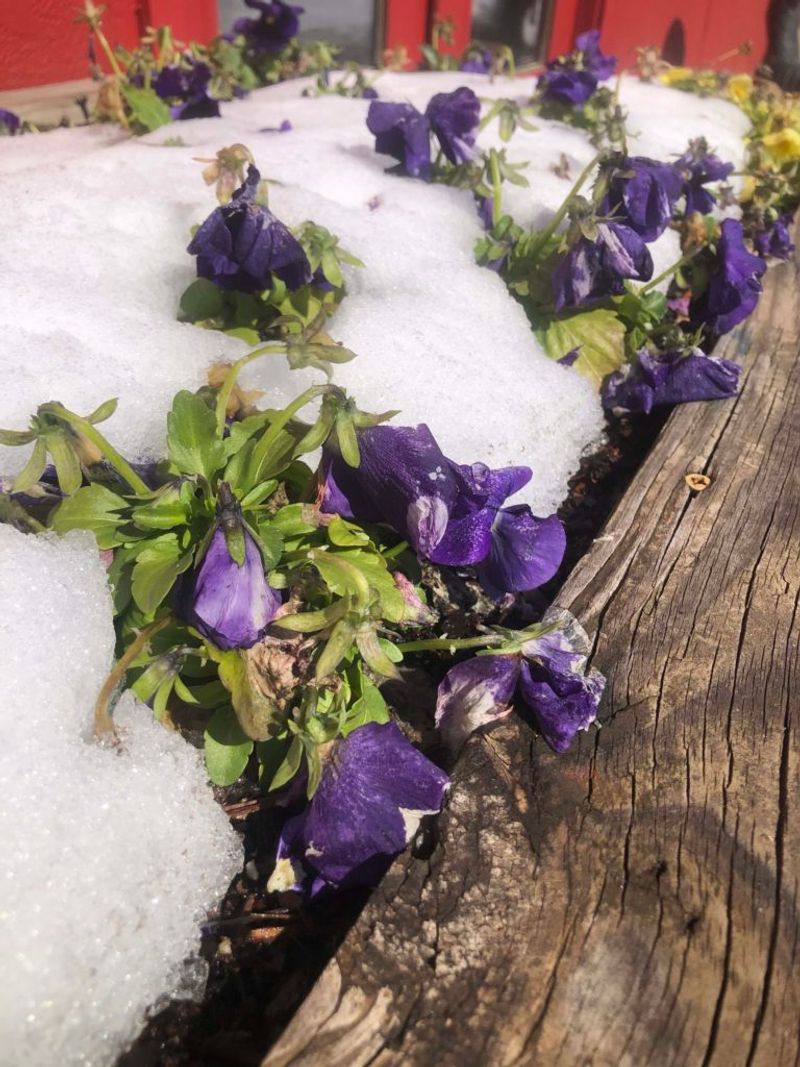
Patience is the best first tool after a freeze. Frozen pansies often look limp, dark, or glassy, and that picture can change once the day warms up.
Wait until the plants have fully thawed, then take a slow look instead of deciding right away to rip them out and replant.
When you inspect, check the leaves, stems, and the center of each plant. Look for green, flexible tissue and any sign of new growth.
Mushy, collapsed stems are a worse sign than leaves that are simply drooping or discolored.
How a pansy fares depends on several things. According to the Travis County AgriLife Extension guidance on frosts and freezes, outcomes vary with how severe the cold was, how long it lasted, and how exposed the plants were.
University of Georgia Extension reports that healthy plants can handle very low temperatures, but those figures are general guidance, not a promise for your yard.
You may also run across recovery estimates. Iowa State says lightly damaged cool-season annuals, pansies included, may recover over 7 to 14 days.
That is a general range from another region, so treat it as a rough idea and not a Central Texas deadline.
Remove frost-damaged and faded flowers
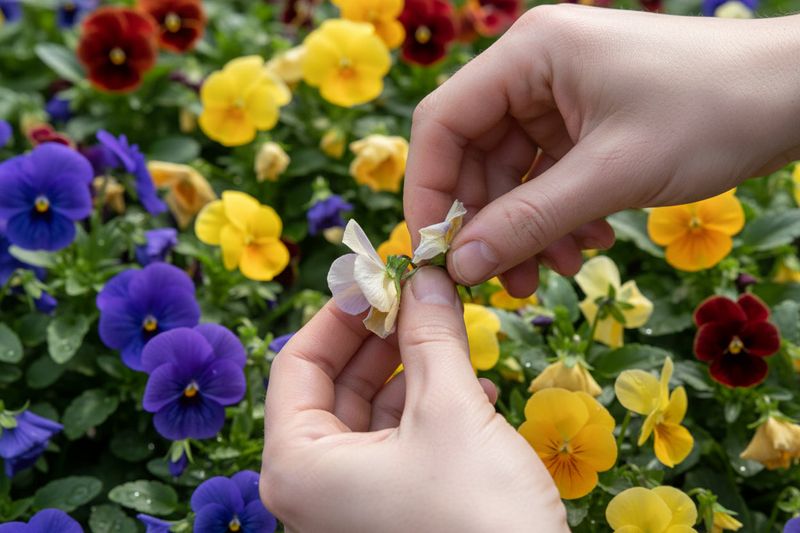
Once the plants have thawed, take a few minutes to clear off the flowers that did not make it. Frost-damaged blooms turn mushy, translucent, or brown, and faded ones simply look spent.
Pinch or snip each one off just above the leaves, following the stem down to where it joins the plant.
Tidying up helps for a few reasons. University of Georgia Extension recommends removing faded and damaged flowers for appearance and to limit seed formation and fungal problems.
Dead petals that sit on damp foliage can invite rot, so a clean plant is a healthier one.
Removing spent flowers also supports continued flowering, as North Carolina Cooperative Extension points out in its winter pansy care advice. Plants that are not busy making seed can put energy into new buds.
Keep your expectations realistic, though. Deadheading cannot bring back a flower the cold already killed, and it cannot repair deeper injury to the stems or roots.
Stick to flowers and leave the rest of the plant alone for now. Heavy cutting back is not a cure, and plants that are already stressed do better when you remove only what is clearly finished.
Check soil moisture and inspect container pansies
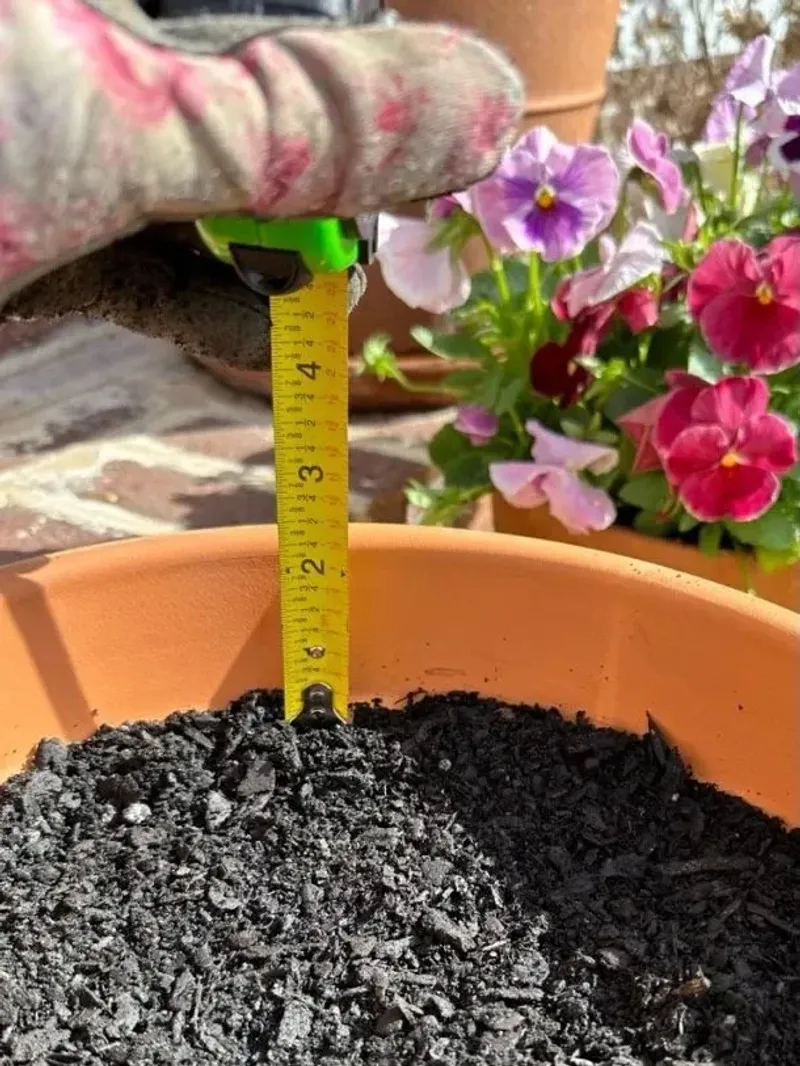
Before you reach for the hose, push a finger a couple of inches into the soil. If it feels damp, hold off.
If it is dry below the surface, a drink makes sense. The point is to respond to what the soil is doing now, not to follow a set calendar.
Winter soil that stays soggy is a real problem. The Travis County AgriLife Extension frosts and freezes page advises watering before a forecast freeze only when needed and avoiding waterlogged soil, since soggy winter soil can damage roots.
Roots that already took a hit from the cold have even less tolerance for sitting in water.
Containers deserve a closer look. A pot sits in open air, so its soil can chill from the sides and bottom, and roots in a pot can get colder than roots in the ground.
Pansies in exposed containers may be injured below the surface even when the leaves look relatively fine.
Gently tip a pot or lift the plant slightly to see if roots look pale and firm or dark and soft. Check that drainage holes are open and that saucers are not holding water.
If a container is on an open patio or railing, moving it closer to a wall or under an eave during the next cold spell gives the roots some shelter.
Protect pansies before the next cold snap
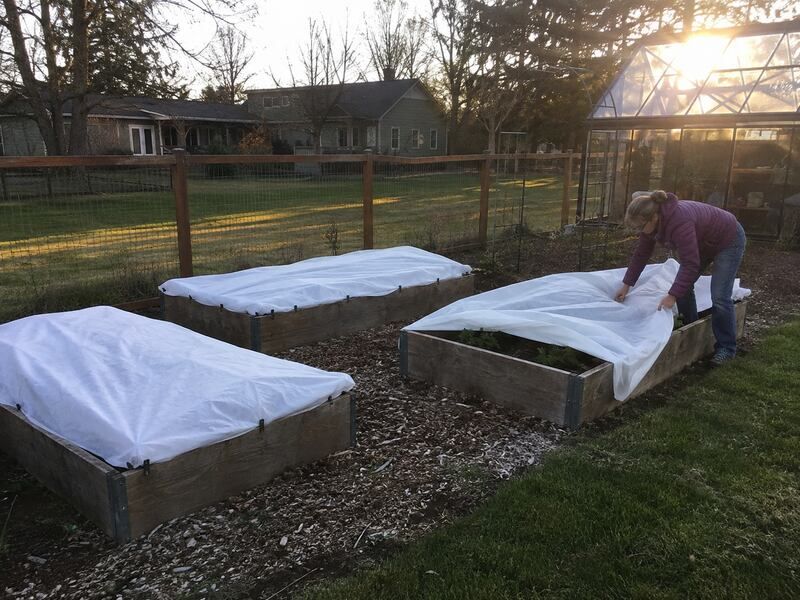
Covering plants is something you do ahead of a freeze, not a fix after one. If the forecast shows another hard night coming, you have a chance to cushion the plants.
Once the damage is done, a cover will not revive flowers that were already hit.
The Travis County AgriLife Extension guidance recommends frost fabric or a blanket that reaches the ground, which helps hold in warmth rising from the soil. Drape it over the bed in the evening and anchor the edges with stones or bricks so wind does not pull it loose.
Remove the cover during the day so plants get light and air. If you use plastic, keep it from touching the foliage, since leaves pressed against plastic can still get cold damage.
A few stakes or a simple frame can hold plastic above the plants.
Skip the idea of spraying leaves with water as a quick shortcut. The same extension guidance warns that sprinkling at the wrong time can do more harm than good.
Cover first, and keep your focus on what the plants need during the cold night itself.
If flowers remain sparse, consider other growing conditions
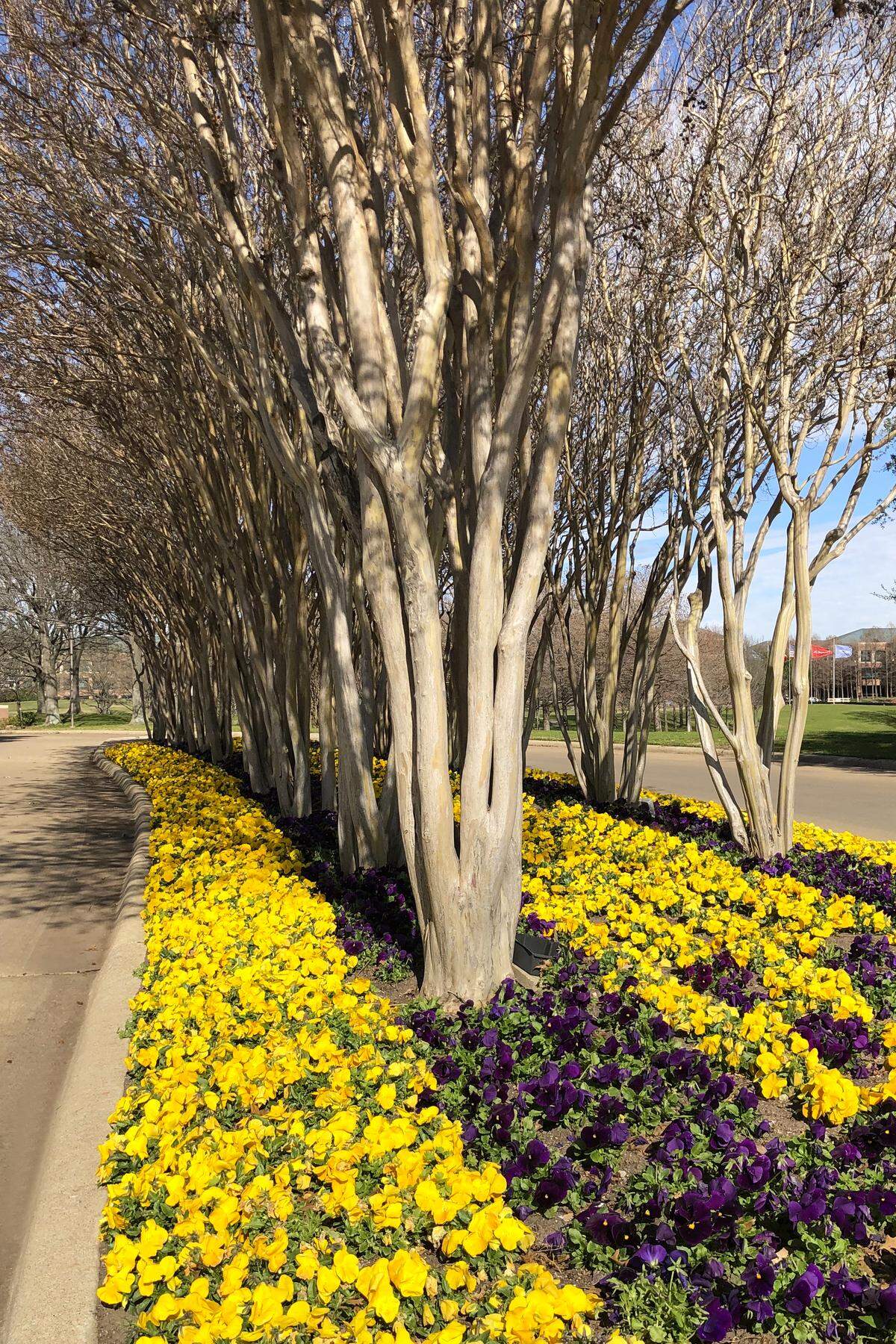
Not every thin display comes from the freeze. Utah State University Extension says pansies flower best in mild weather and that too much shade reduces the number of flowers.
Ongoing cold, or a bed that gets little winter sun under trees or beside a fence, may be part of the story. These are possible factors, not a diagnosis.
Feeding is another area where it helps to stay measured. University of Georgia Extension recommends a pansy-specific winter feeding program for established beds, which is routine care.
By contrast, Iowa State cautions that fertilizer is not a remedy for cold damage. If you feed, follow the label, as the Travis County November gardening checklist suggests, and skip heavy or emergency doses.
The practical order stays simple: let plants thaw, remove damaged blooms, check the soil before watering, and cover them ahead of another freeze. Surviving plants may flower again when milder weather returns, as noted earlier from Mississippi State, but no step guarantees it.
Sometimes the best thing a gardener can do is wait out a cold week with a clean, lightly tended bed.