
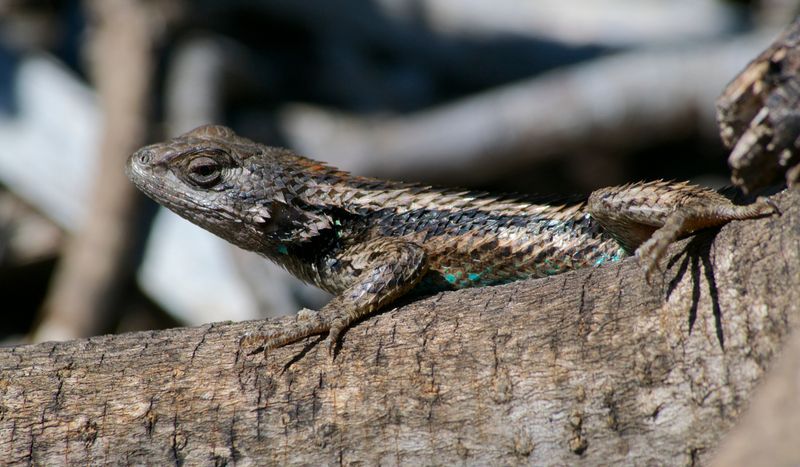
A rough-scaled lizard stretched out in the afternoon sun is hard to ignore. In Central Texas, that visitor is often a Texas spiny lizard, a native reptile that lives right alongside us.
Seeing one near your woodpile can tell you a little about what the spot offers. It cannot tell you everything, and knowing the difference makes the sighting more fun.
Meet the native Texas spiny lizard
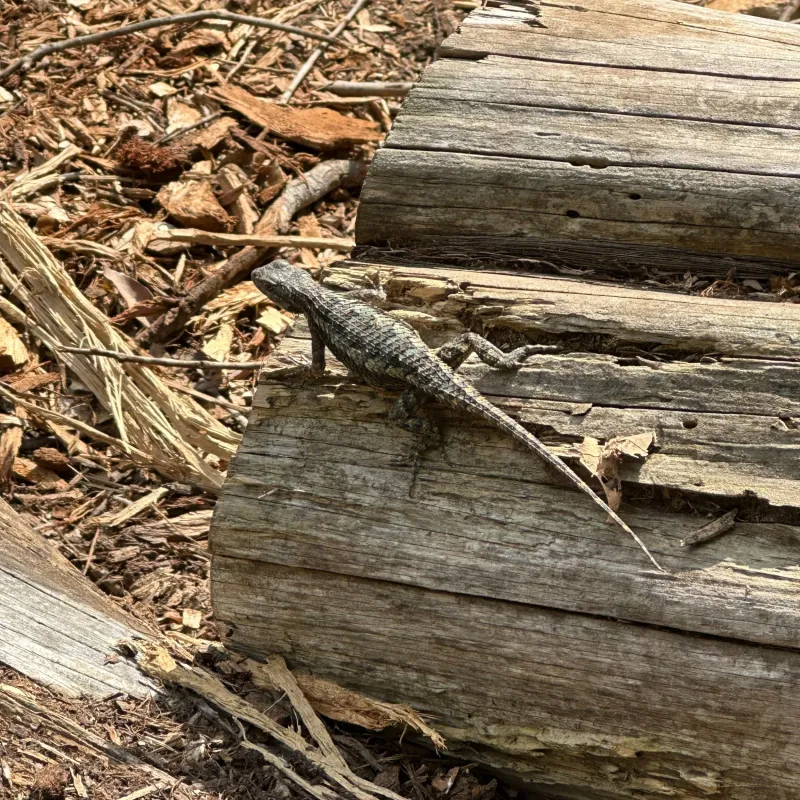
Few backyard reptiles look as rugged as the Texas spiny lizard, Sceloporus olivaceus. According to the UT Austin Biodiversity Center, it is a native species that is active during the day.
Its scales are rough and pointed, and its gray-brown coloring blends in with bark.
Like all reptiles, this lizard relies on outside heat to regulate its body temperature. That is why you spot it sitting still in sunlight.
A cool morning often means a lizard is warming up, and a hot afternoon may send it to shade.
Much of its time is spent in trees. That matters when you place a yard sighting in context, because a lizard on the ground or on a stack of logs may simply be passing through or resting between climbs.
Texas Parks & Wildlife Magazine describes the species around oaks, mesquites, fences, and building exteriors. Those are the places the sources document.
A woodpile is not named as a known basking site, so treat it as one more surface a lizard happened to use.
If you have an oak, a wooden fence, or a sunny wall, you already have the kinds of places this lizard is documented using. Spotting one is a nice bonus, and it is worth knowing what you are looking at.
Warmth, perches, cover, and prey can support a sighting
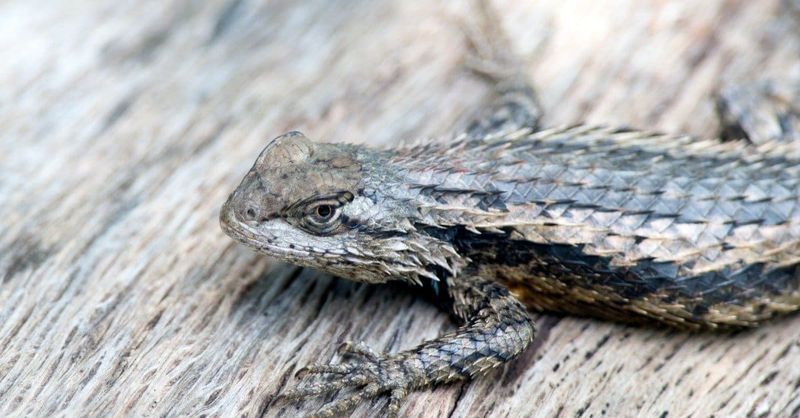
Think of a lizard’s day as a short list of needs. It wants sun to warm up, a perch with a good view, a place to duck out of sight, and something to eat.
When a spot in your yard covers several of those at once, a lizard may well use it.
The UT Biodiversity Center notes that these lizards depend on outside heat, so sunny surfaces matter. Tree trunks, fence rails, and sun-warmed walls all give that heat.
A shaded corner would be much less useful on a cool morning.
Food is the other piece. Texas Parks & Wildlife Magazine lists grasshoppers, beetles, ants, caterpillars, and other larvae on the menu.
Any area with a steady supply of those insects could be worth a visit.
Here is the careful part. These features are conditions consistent with a usable patch of yard.
They are not a diagnosis of why one particular lizard showed up on one particular day. It could have been hunting, warming up, or crossing between trees.
Also, eating insects does not make the lizard a pest-control service. It eats a range of bugs, but nothing here shows it will thin out garden pests or scorpions.
Enjoy it as a neighbor, not an employee.
A lizard near a woodpile does not prove the pile drew it
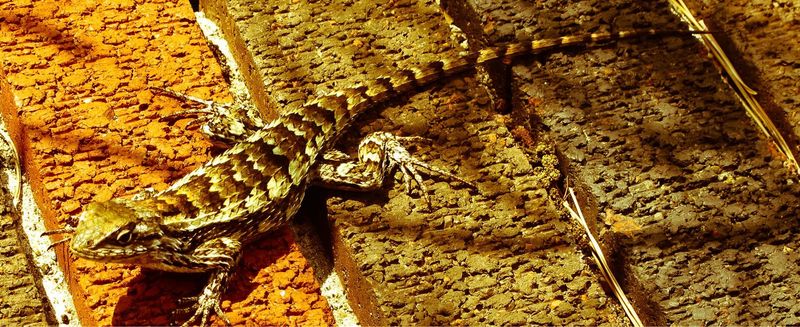
Seeing a lizard on firewood feels like a cause-and-effect story. The pile was there, the lizard showed up, so the pile must have been the draw.
That jump is bigger than it looks.
What you actually observed is a lizard basking near a woodpile. The sources describe this species using trees, fences, and buildings, as Texas Parks & Wildlife Magazine explains.
They do not document firewood piles as something that attracts Texas spiny lizards.
There are a few plausible explanations, though none are verified. Gaps between logs might offer a place to hide.
Insects might be nearby. Or the pile might simply sit close to an oak or fence the lizard already uses.
Any of those could be true, and the lizard might have chosen the spot for a reason you cannot see. A flat, sun-warmed log end might also just be a convenient seat for a few minutes.
This also means you should not build or move a woodpile to create lizard habitat. Nothing supports that plan, and firewood has its own storage rules, which come up in the last section.
Watch, enjoy, and keep the story simple.
One sighting cannot grade the whole yard
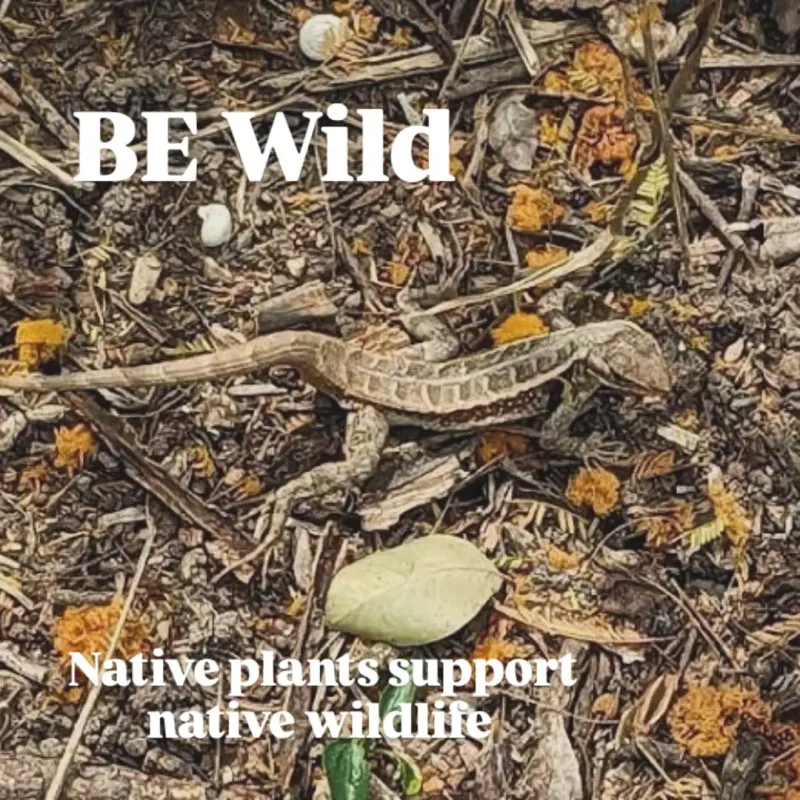
A single lizard is a good moment, but it is not a report card. One animal in one spot cannot measure how many species live in your yard, how healthy your soil is, whether pesticides have been a problem, or how well the whole landscape is working.
What the sighting can suggest is narrower. Some resources are available close by, such as sun, perches, cover, or prey.
The UT Austin Biodiversity Center describes a hardy native species that also uses fences and building exteriors, so it can turn up in fairly ordinary places.
That flexibility is part of the reason to stay humble about the sighting. A lizard living on a wooden fence beside a lawn is still a lizard, and that fence tells you little about the rest of the property.
The species has also been described in yards by Texas Parks & Wildlife Magazine as a backyard companion, not as a test of quality.
It is also not a validated bioindicator, which is the scientific term for a species that reliably signals ecosystem condition. Nobody has shown that for this lizard.
A better way to judge your yard is to look at many signs over time. Notice the birds, pollinators, plant variety, and how the space handles Texas heat and drought.
The lizard is one happy detail among them.
Make the yard more wildlife-friendly without trying to lure a lizard
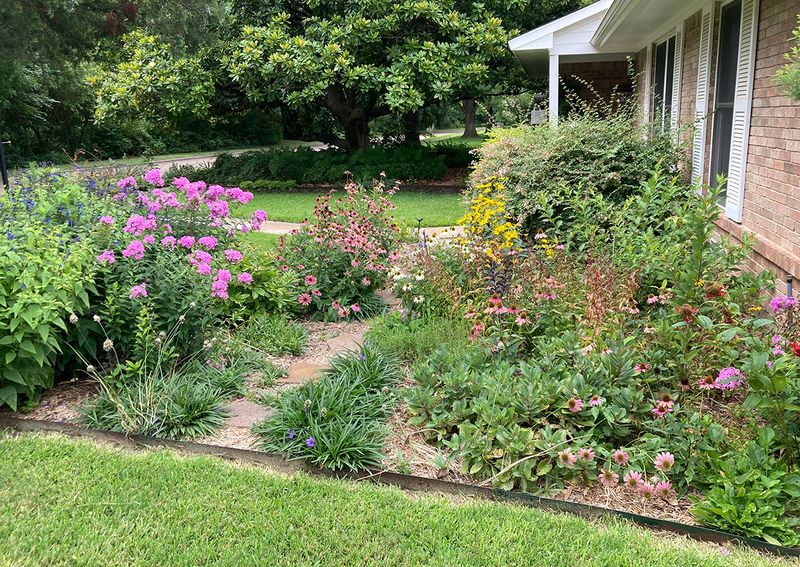
If the sighting made you curious about helping wildlife, a few modest habits go a long way. None of them guarantee a Texas spiny lizard will visit.
They are general ideas that support many animals.
Start with what you already have. Keep suitable trees and shrubs where they make sense, since trees are a big part of this lizard’s world.
Mature oaks and sturdy shrubs offer perches, shade, and cover all at once.
Add sunny perches near cover. A flat rock or a sunny fence section with shrubs close by gives any small animal a place to warm up and still dash to safety.
Keep these away from spots where pets or kids play rough.
Choose regionally appropriate native plants. The Texas Parks and Wildlife Wildscapes tips note that native wildlife use local plants for food or shelter.
Natives also tend to handle triple-digit Texas summers better than fussy imports.
Finally, let insects be part of the habitat. The same Wildscapes guidance says insects provide food for insect-eating wildlife.
Skipping broad spraying where you can, and tolerating some chewed leaves, keeps that food supply going.
Treat all of this as habitat for wildlife in general. You are not baiting or steering a lizard anywhere, and there is no need to set up a woodpile to try.
Observe lizards safely and store firewood responsibly
Watching a lizard is best done from a few steps away. Do not grab, chase, or corner a wild one.
Let it move off when it is ready.
There is a health reason too. CDC guidance says reptiles, including lizards, can carry Salmonella even when they look healthy.
Wash your hands after contact with reptiles or their environments. The CDC also identifies children under five as being at higher risk of serious illness, so keep little ones from handling reptiles or the places they live.
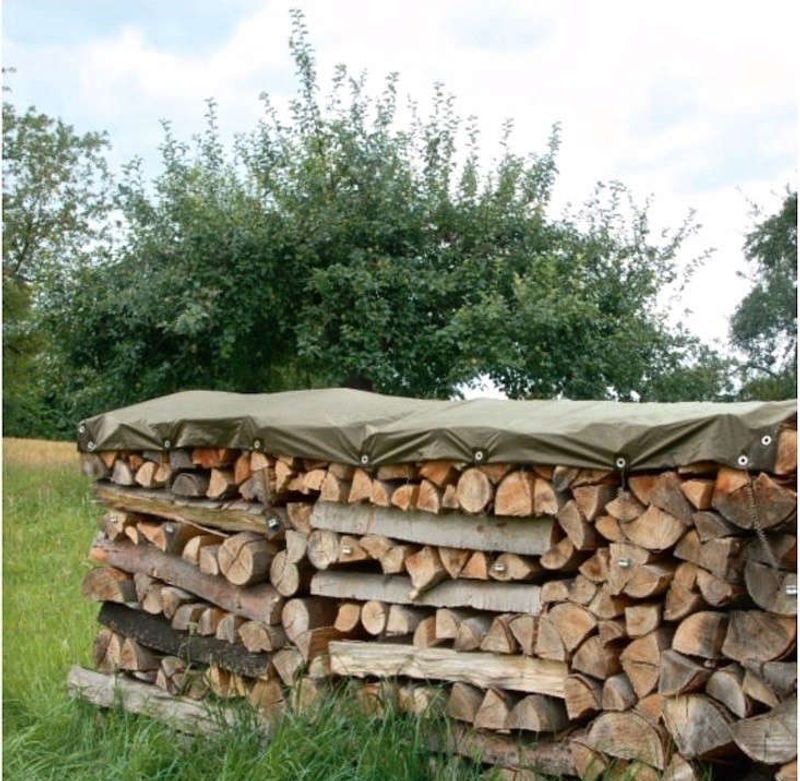
Firewood is a separate topic, and it comes with its own rules. Store it off the ground and away from the house.
Extension guidance on firewood insects warns that stacking wood against a home can give termites a route toward the structure.
Where you burn it matters as well. The Texas A&M Forest Service advises burning firewood near where you bought or collected it instead of moving it.
Wood can carry invasive pests and diseases even when it looks clean.
A raised rack at a sensible distance from the house keeps your wood and your home in better shape. If a lizard happens to sun nearby, enjoy the view from a distance.
The best lizard encounters are the ones where nobody gets picked up.