
Fall in North Carolina brings new feathered faces to the yard, and they stop at the same feeders and baths your summer birds used. Dirty equipment can hold droppings, old seed, and germs that birds pass along.
A little scrubbing goes a long way toward keeping your backyard a safer place to eat and drink. Here is a simple routine you can finish this weekend, plus honest notes on what cleaning can and cannot do.
Winter visitors are arriving; cleaning remains timely
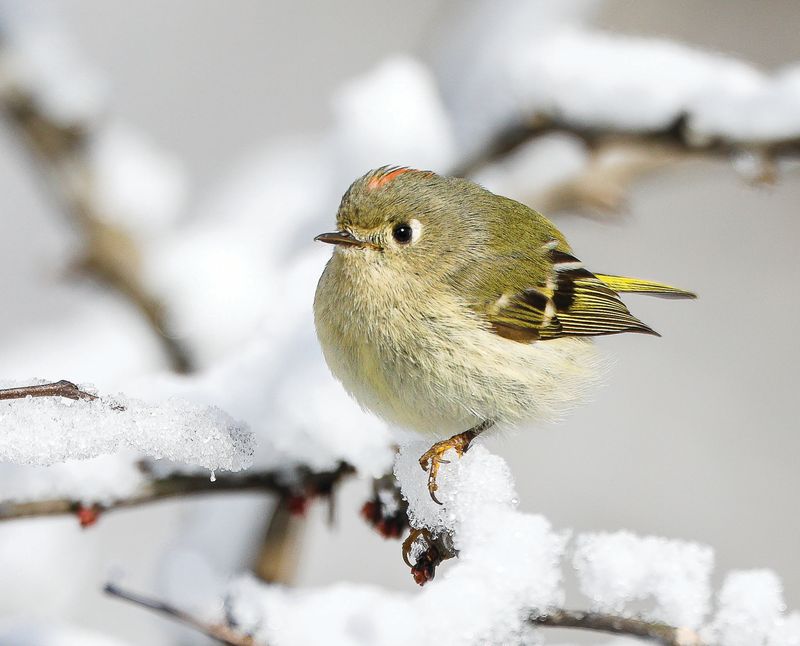
Right now is a good time to look over your feeders. NC State Extension says winter visitors such as sparrows, kinglets, and juncos begin arriving in October and November, joining the cardinals, chickadees, and wrens that stay all year.
Colder weather changes which birds show up in North Carolina yards, whether you garden in the mountains, the Piedmont, or the coastal plain.
A different mix of birds is not the same as a crowd. The sources do not show that every feeder gets far more birds in winter than in summer, so there is no need to assume your feeder is suddenly packed.
What does hold true is that backyards host a changing cast of birds, and each newcomer shares the same perches, ports, and water as the birds already there. Guidance from NC State Extension publications on managing backyards for birds is a handy companion if you want to improve your wider yard.
So think of cleaning as timely upkeep, not a deadline you missed. If the feeders have been out all summer, a good scrub as the new arrivals settle in is a sensible step.
Doing it again during the winter keeps things fresh for every bird that stops by.
Contamination can travel beyond feeder surfaces
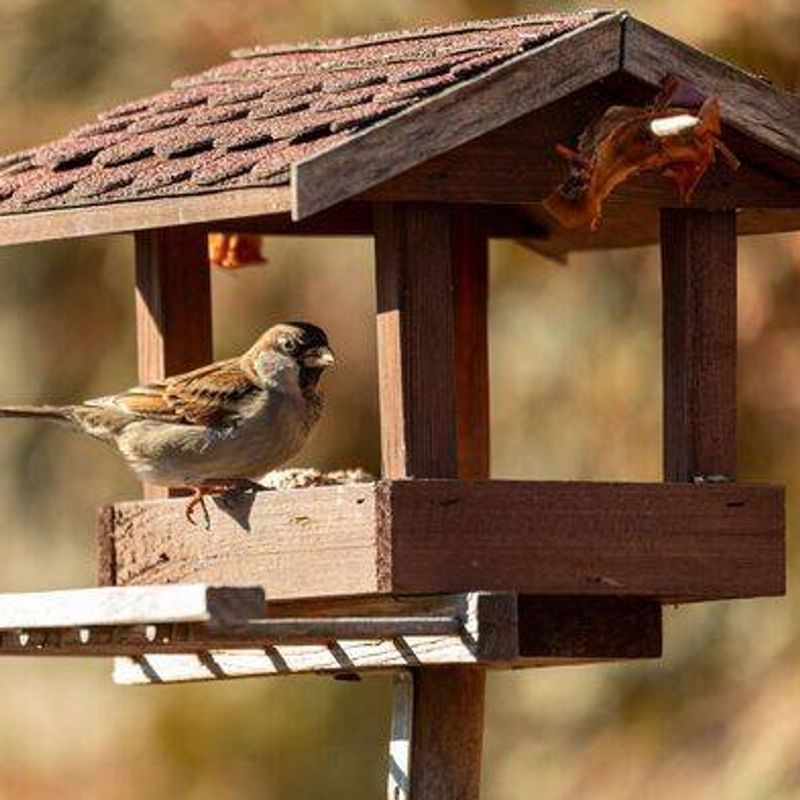
Birds can pick up germs in more than one way. According to Project FeederWatch, pathogens can move through direct contact, droppings, contaminated food or water, and feeder surfaces.
Some diseases spread differently from others. House finch eye disease, for example, passes through eye discharge, while Salmonella spreads through droppings.
That is why cleaning helps with some routes but not all. Scrubbing removes grime and germs from perches and trays, yet it cannot stop two birds from sharing germs if they sit side by side.
Cleaning lowers contamination and some chances for spread, but it is not a guarantee.
Studies on house finches show how mixed the picture can be. In a 2026 captive study, bleach-wipe cleaning prevented Mycoplasma infection when dirty feeders were the only way germs could travel.
Cleaning every other day did not reduce spread when infected and healthy birds stayed together.
A separate feeder-cleaning experiment found lower coccidia levels in house finches at cleaned rural sites, but not at urban ones. Results change with the disease and the setting.
None of these studies measured risk at North Carolina backyard feeders, so treat them as useful clues, not promises.
Scrub and disinfect feeders before refilling
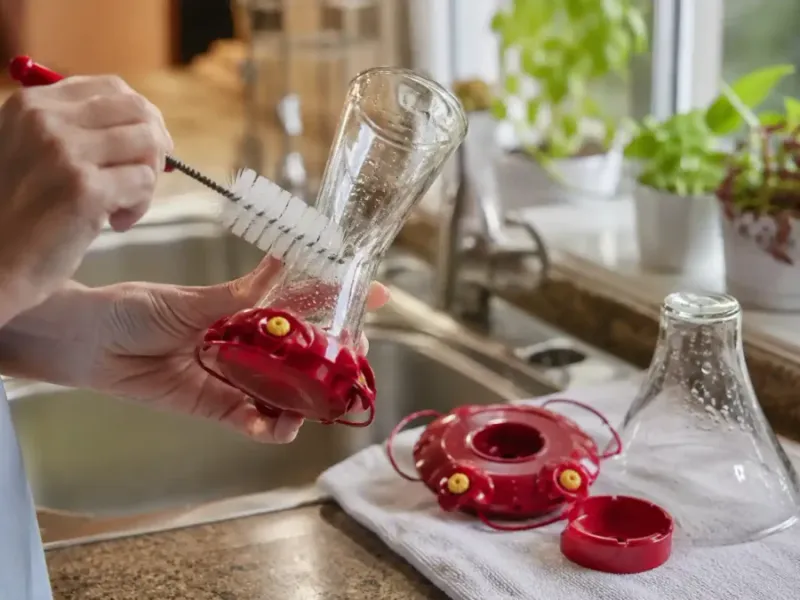
The CDC recommends cleaning and disinfecting feeders at least monthly, and more often if they look dirty or sit in damp, shady spots. That matters in many North Carolina yards, where humid weather and tree cover keep feeders damp.
You can find the details in CDC guidance on wild songbirds.
Work outdoors when you can, and keep the job away from places where food is prepared. A patio table or a utility sink in the garage works better than the kitchen counter.
Follow these steps in order:
1. Empty the feeder and scrub it with warm, soapy water.
2. Rinse it well.
3. Soak it for at least 10 minutes in a mix of 1 part bleach to 9 parts water.
4. Rinse again.
5. Let it dry fully before you refill it.
Wet feeders breed mold, so patience pays off here. A spare feeder lets you swap one in while the other dries.
Throw out any seed that is wet, moldy, or spoiled rather than topping it off with fresh seed. Old seed can hide the very problems you just scrubbed away.
Wash your hands with soap and water when you finish, and wear gloves if the equipment is especially grimy.
Birdbaths need a separate weekly routine
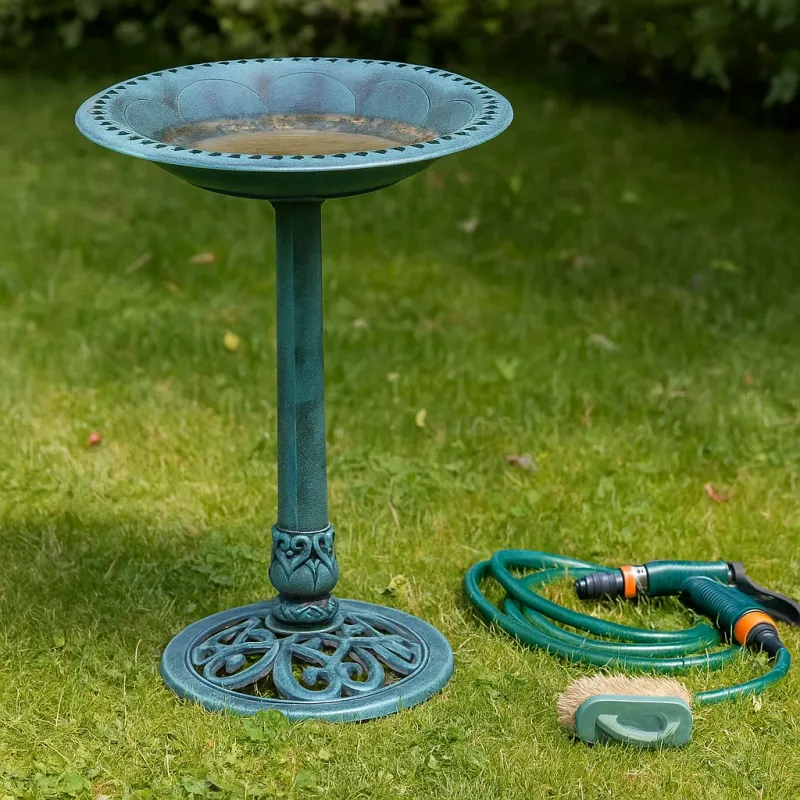
Water gets dirty fast. The CDC advises cleaning and refilling birdbaths weekly, or any time they look visibly dirty, as described in its songbird outbreak guidance.
Leaves, droppings, and algae collect in the basin, and birds both drink and splash in that same water.
Tip the bath out, scrub the basin with a brush, and rinse it thoroughly with clean water. Then fill it with fresh water.
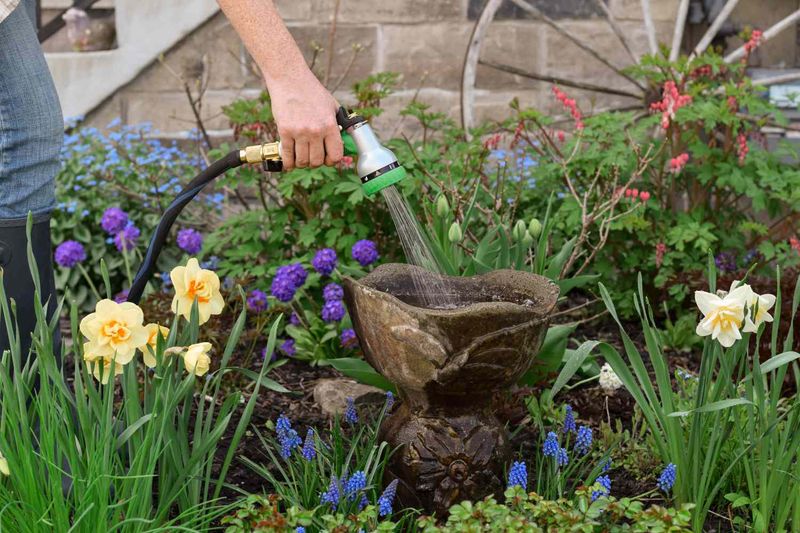
A hose with a spray nozzle makes quick work of it.
Do not leave bleach or any other cleaning chemical in the water. A British Columbia wildlife health fact sheet says plainly to never add chemicals to bath water.
Birds will drink what is in the basin, so rinse until no trace of cleaner remains.
Putting the bath in a spot with some sun can slow algae and keep the basin from staying damp. Pick one weekday, such as Saturday morning, and make it your regular refresh.
Keep the area around feeding stations clean
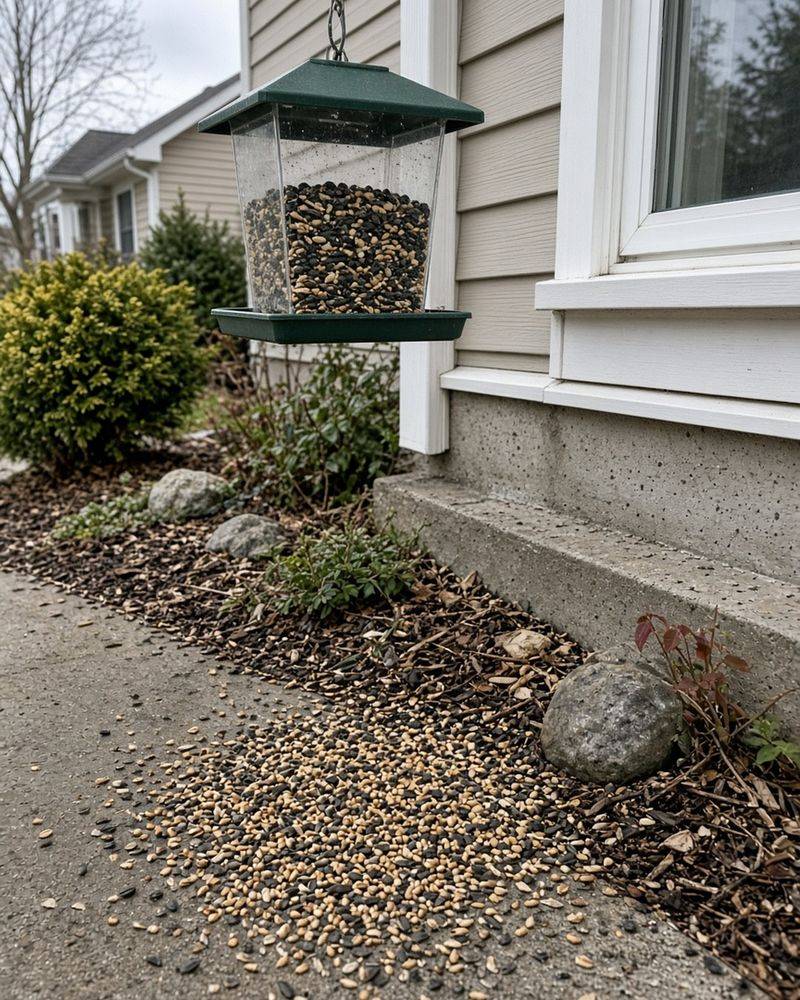
Take a look at the ground under your feeder. Spilled seed and droppings pile up there, and birds that feed below, like juncos and sparrows, walk right through it.
Raking or sweeping it up every week or so keeps buildup down.
Damp, spoiled food is the main thing to watch. A CDC outbreak analysis pointed to waste, carcasses, damp locations, and hard-to-clean feeder designs as possible risk factors.
A review of health hazards linked to feeding wild birds covers similar ground. Choosing feeders that come apart easily makes your scrub sessions faster.
Cleaning up reduces these problems but does not erase disease risk.
Keep cats and dogs away from birds, feeders, baths, and spilled seed. Pets can pick up germs from the ground or harm the birds themselves.
Wild birds can carry Salmonella while looking perfectly healthy, which is one reason gloves and handwashing make sense. Wear gloves when handling dirty equipment, and wash your hands afterward, as CDC guidance suggests.
The risk to people is real but small for those who follow basic hygiene, so there is no need for alarm.
Sick birds call for a measured response
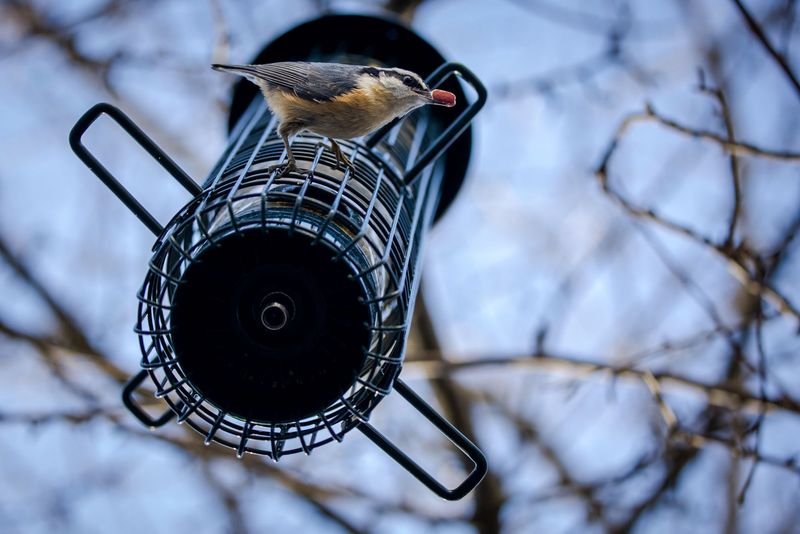
Fluffed feathers, swollen or crusty eyes, and birds that sit still and do not flee are signs something may be wrong. If you see them, clean and disinfect more often.
Project FeederWatch recommends stepping up the routine when birds look sick.
Taking feeders down for a while may help birds scatter. Cornell adds a caveat, though.
In a neighborhood with many feeders, removing just yours could push birds into larger groups at the ones that remain.
The CDC’s advice to take down feeders and baths for two weeks applies after you find a sick or dead bird. It is not a routine fall step.
You can read it in the CDC outbreak page. If you do pause feeding, clean and disinfect everything before you put it back out.
Never pick up a sick or dead bird with bare hands. Use gloves or a bag, and wash up afterward.
The North Carolina Wildlife Resources Commission says feeders should be closed if disease or predation spikes. During an outbreak, check current state or local wildlife guidance for what to do next.
Make cleaner equipment a routine, not a promise
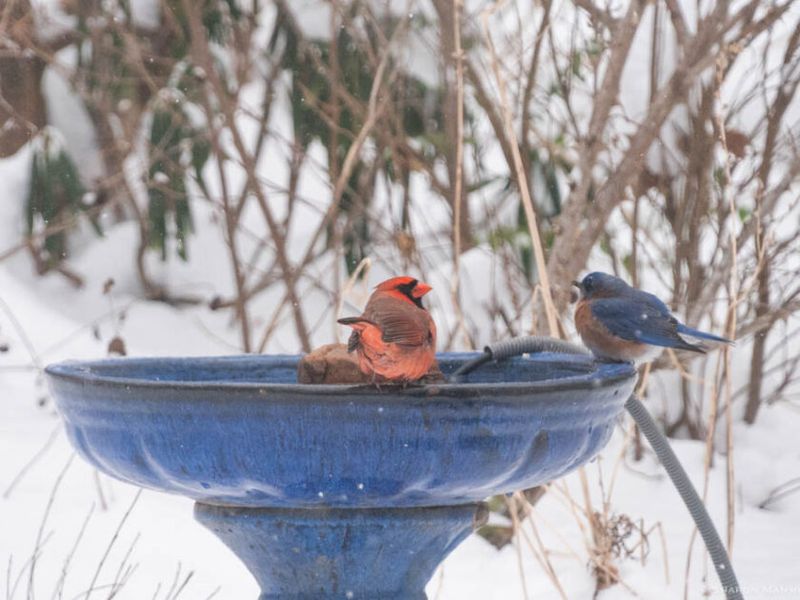
Clean feeders on a regular schedule, refresh the birdbath every week, and sweep away waste around both. Those small habits cut down contamination and some chances for germs to pass between birds, as Project FeederWatch notes.
They cannot guarantee that disease will never spread.
Think of the routine as a good neighbor’s habit. You are not fixing everything, just removing a few easy problems before they pile up.
A tidy feeding station is a kindness the birds will never notice, and that is the point.