
You hung a feeder, filled it with bright red liquid, and the hummingbirds still skip it. Many gardeners blame the color of the nectar, but the real story is simpler and easier to fix.
Clear sugar water, a clean feeder, and a fresh refill schedule matter far more than dye. Here is what to change today, especially if you garden in the heat of Florida or Texas.
Dye has not been shown to drive hummingbirds away
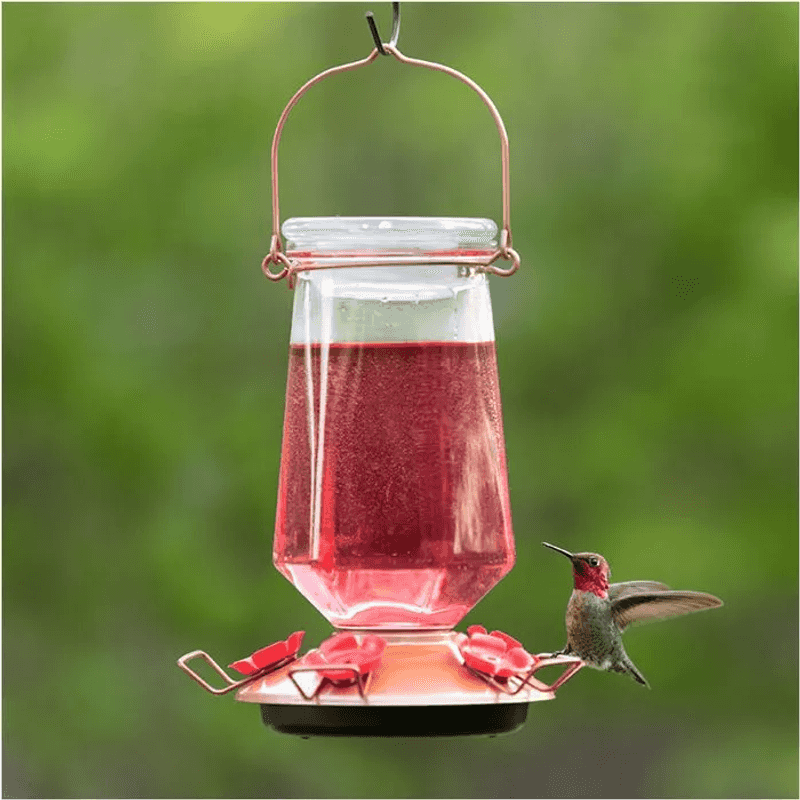
Here is a relief for anyone who has already poured red nectar: nothing reviewed here shows that dye keeps hummingbirds away. Audubon’s 2026 review notes that scientific studies on artificial dyes in hummingbirds are lacking.
So blaming color for an empty feeder goes further than the facts allow.
What guidance does say is that dye is unnecessary. Natural flower nectar is clear, and hummingbirds do not need it tinted to recognize a meal.
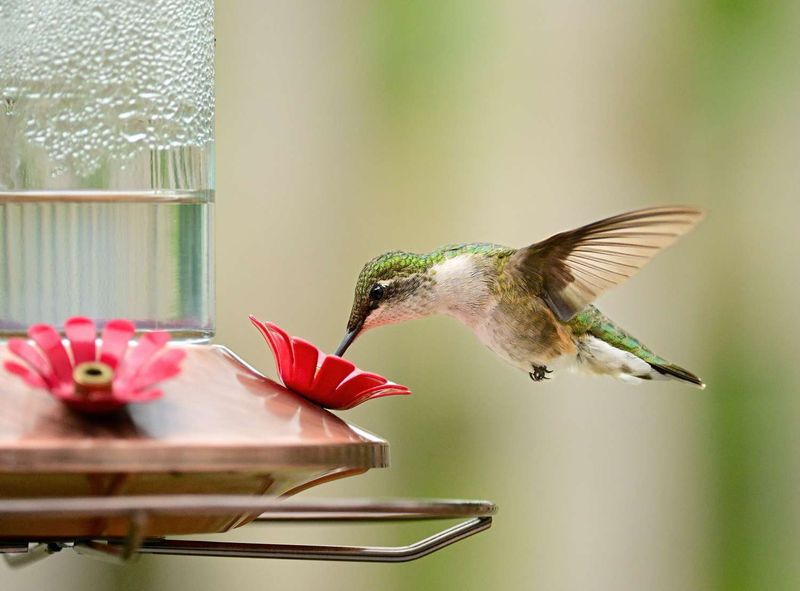
Cornell Lab’s All About Birds points out that colored feeder parts can catch a hummingbird’s eye all by themselves.
That means a feeder with a red base, red flowers, or red ports already does the attracting. The liquid inside can stay plain.
Skipping the food coloring costs you nothing, and it removes one thing you never needed to worry about.
Notice that this is not a claim that red dye is proven harmful, either. It simply is not needed, so leaving it out is the easy, sensible choice.
Cloudy nectar calls for a freshness check
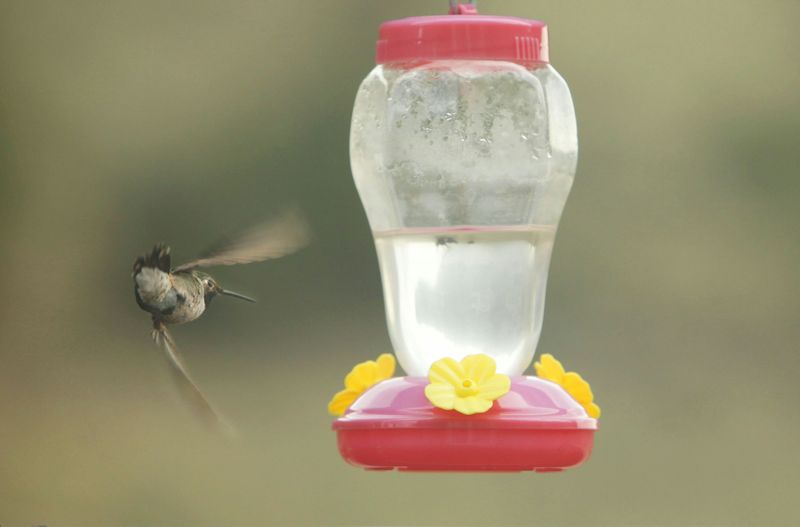
Picture a feeder that looked fine on Monday and looks milky by the weekend. That change is about freshness, not about color.
An Extension specialist says bacteria are a likely cause of cloudy nectar, and mold is also possible.
Nobody knows exactly how much bacteria it takes to become harmful. Because of that, there is no need to guess which germ or fungus is in the bottle.
You can simply treat cloudiness as a signal to act.
Pour out the cloudy nectar, clean the feeder, and refill it with a fresh batch. Check for black specks or fuzzy spots too, since visible mold means the feeder needs a full scrub before it goes back outside.
One caution: cloudy nectar does not explain why birds are absent. It is a hygiene matter worth fixing on its own, whether or not hummingbirds are visiting.
Mix a clear, simple nectar
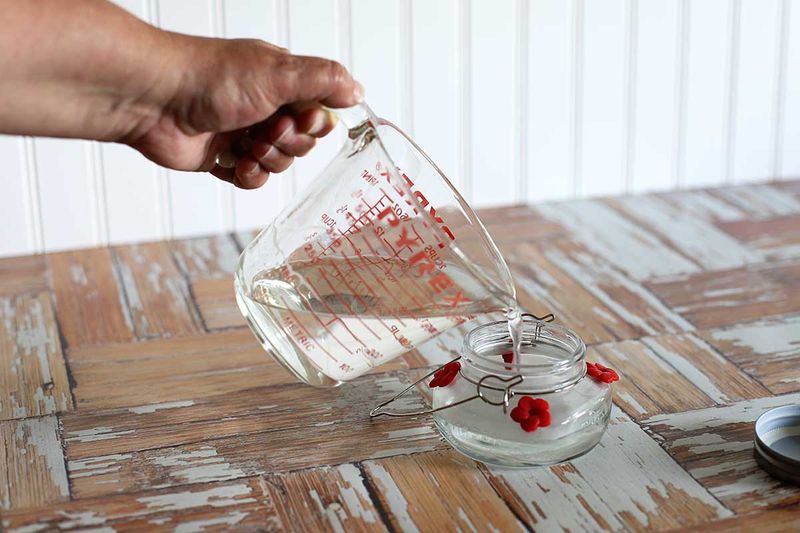
Plain sugar water is all a feeder needs. Mix 1 part refined white sugar with 4 parts water.
A handy example is ¼ cup of sugar stirred into 1 cup of water, as given in Florida IFAS guidance.
Stir until the sugar dissolves, then let the mixture cool completely before you fill the feeder. Warm liquid is not a good thing to hang outside in a Southern yard.
Extra nectar can go in the fridge in a clean, covered container.
Stick to refined white sugar. Honey and sugar substitutes are not recommended, and Audubon Texas feeding guidance follows the same simple recipe approach.
Resist the urge to add extras or make the mix sweeter. A stronger batch is not a better batch, and the 1:4 ratio keeps things simple and safe.
Refresh nectar more often in Southern heat
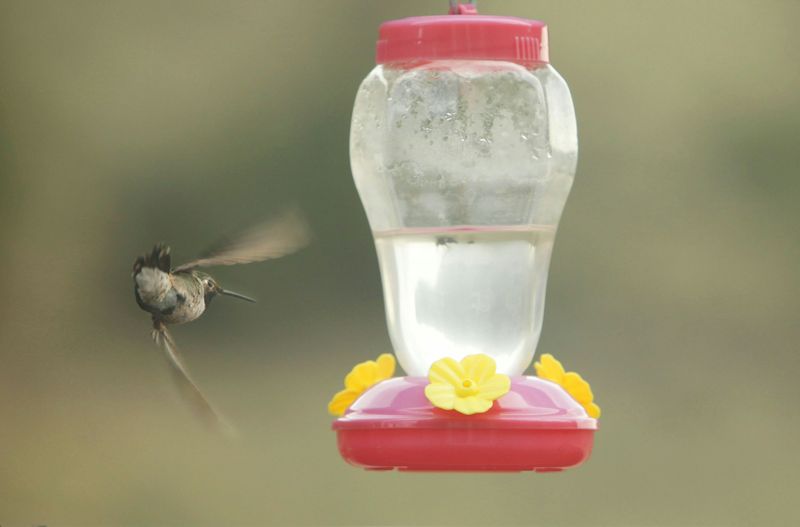
Summer in Houston or Tampa can turn a feeder into a warm bath. Plan to replace nectar every 3 to 5 days, and sooner when the weather is hot or the feeder gets direct sun.
Florida IFAS warns that heat can speed up bacterial growth, and sun can speed fermentation.
That schedule is a guide, not a fixed rule. A feeder baking on a sunny patio in August may need attention well before day three, while a cooler spring week may stretch closer to five.
Moving the feeder to a shadier spot can be a practical step. Shade may help slow things down, but it does not prevent spoilage, so keep checking the nectar anyway.
A quick habit helps: look at the feeder when you water the garden. If the liquid looks cloudy or the level has barely changed, refresh it rather than waiting for the calendar.
Clean the feeder before refilling it
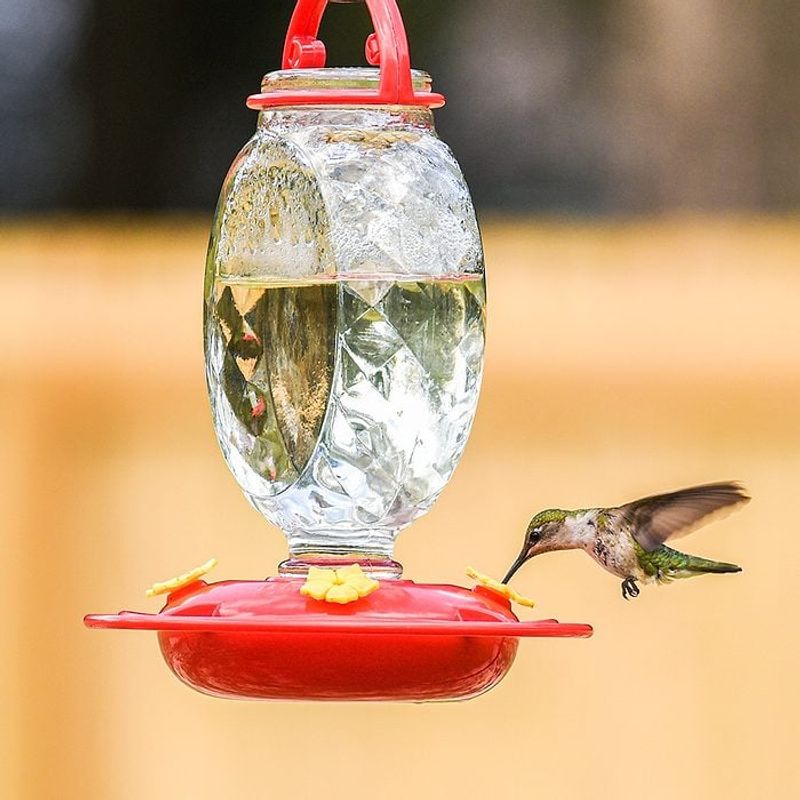
Fresh nectar in a grimy feeder defeats the purpose. The routine from Florida IFAS is straightforward: hot water and a bottle brush.
Its Florida hummingbird guide also lists white vinegar as an option.
Take the feeder fully apart and reach into ports, seams, and corners where residue hides. A small brush made for narrow openings makes this much easier than a sponge.
Always check the maker’s directions first, since materials and designs vary. Sources do not agree on soap or bleach, and Florida IFAS advises against both for hummingbird feeders, so there is no one rule that fits every feeder.
Finally, rinse thoroughly and let every part dry before refilling. Leftover cleaner or trapped moisture is not something you want near fresh nectar.
An unused feeder does not identify the cause
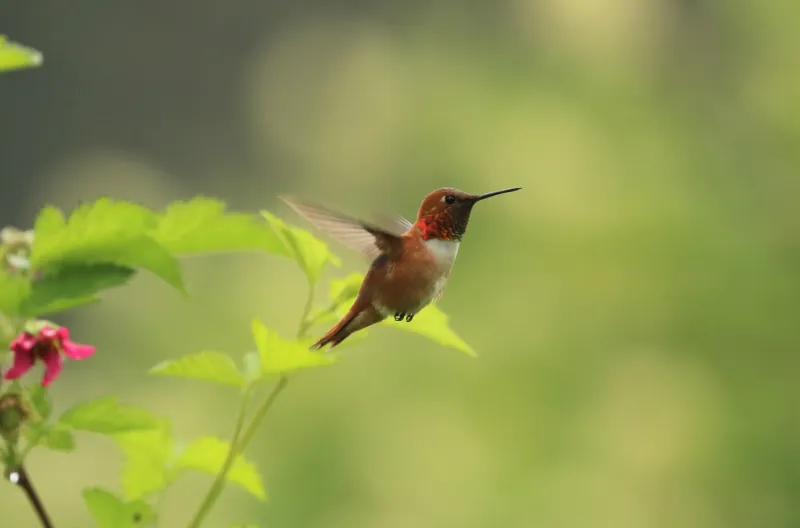
Sometimes a feeder is quiet for reasons that have nothing to do with the nectar. Cornell Lab notes that visits can shift with natural food and nest-site availability, and that good wildflower blooms can pull birds away from feeders.
Placement and bird behavior may matter too. Florida IFAS suggests avoiding direct sun and notes that hummingbirds can be possessive of feeders.
None of this tells you what is happening in your own yard, but it shows why one empty feeder is not a verdict.
Here is a sequence you can follow today. Discard any questionable nectar, clean the feeder, refill with cooled, clear 1:4 sugar water, and refresh it on a schedule that fits your weather.
Skip the dye because it is unnecessary, as Audubon explains, not because anyone has shown it kept birds away. Hummingbirds notice a clean, well-kept feeder when the timing is right.