

You sit down on the patio at dusk, and within minutes your ankles are itching. Next door, the neighbors are chatting without a single slap.
Tiny biting midges called no-see-ums can make one spot miserable and another feel fine. Knowing what they really need helps you make smart, realistic changes instead of tearing out things that may not matter.
Why does one patio feel worse than the next?

Two yards on the same street can feel completely different at sundown. Part of the reason is where each patio sits compared with moist habitat nearby.
Another part is how much breeze reaches the chairs.
Where midges grow up and where people get bitten are not always the same place. According to UF/IFAS, adults of many biting midge species can travel about 2 km, or 1.2 miles.
That means the source could be a wet pasture, a marsh edge, or a stream bank well beyond your lot line. A bite-heavy patio does not prove your yard is the breeding site.
Timing plays in too. UF/IFAS biting fly guidance says Florida no-see-ums are usually most active around sunrise and sunset, though biting times vary by species.
If your family uses the patio right at dinner time and the neighbors head inside early, you may simply be out when the midges are flying.
Shelter matters as well. A corner patio tucked behind a fence or hedge may hold still air, while the yard next door catches a steady breeze.
Midges are tiny and weak fliers, so calm spots can feel far buggier than open ones.
So the useful question is not just what is wrong with my yard. Ask what is nearby, how much air moves where you sit, and what time the bites start.
Those clues guide the rest of the steps in this article, and they set honest expectations: you may be able to improve comfort, but you may not be able to pin down the source.
Florida midges use more than standing water
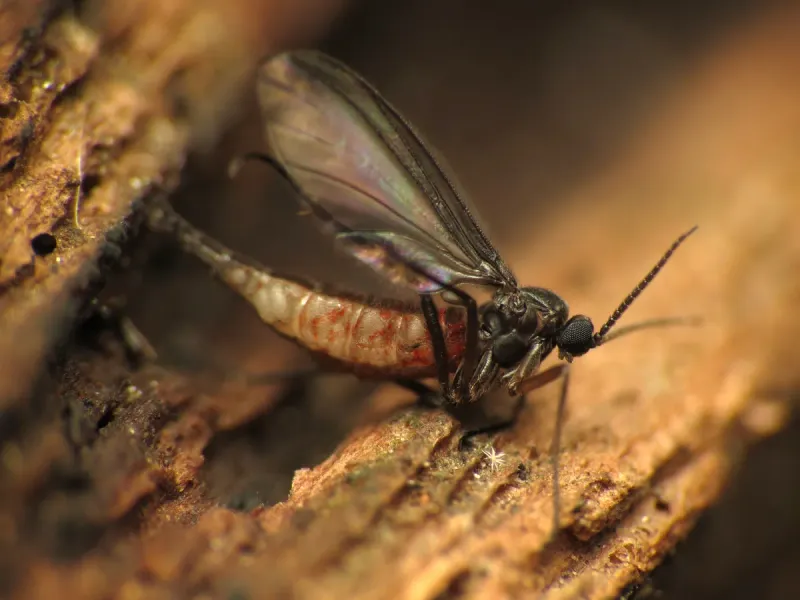
Many people picture mosquito larvae wriggling in a bucket and assume no-see-ums work the same way. They do not.
Florida biting midges, mostly in the genus Culicoides, grow up in a surprising range of wet or semi-aquatic places.
The UF/IFAS biting midge publication lists habitats such as wet pasture, prairie or grassland, marshes, stream edges, the margins of ponds and puddles, and water-holding treeholes. Different species tend to favor different habitat types.
Larvae need plenty of moisture, but many are living in wet soil and organic material rather than open containers of water.
Picture a seep where groundwater slowly weeps through sandy soil, or a muddy rim around a retention pond. Those can fit the pattern.
So can a rotted hollow in an old oak that holds rainwater for weeks.
That does not mean every damp patch in your yard is a midge nursery. Plenty of wet spots dry out quickly after Florida’s afternoon storms and likely support nothing of the kind.
The point is that moisture matters, but the kind of moisture and the setting both count.
It also means emptying birdbaths and flowerpot saucers, while good habit for mosquitoes, will not settle a no-see-um problem on its own. Think wider than standing water.
Think persistent dampness, especially where soil stays soggy and organic matter collects.
Shade and mulch are clues, not a diagnosis

A common theory says damp shade plus mulch equals a no-see-um magnet. It sounds sensible, but the research does not back it up that neatly.
Shade and ordinary garden mulch have not been shown to cause swarms on their own.
What the UF/IFAS publication documents are wet habitats like wet pasture, marsh and stream edges, and water-holding treeholes. Mulch and shade do not appear on that list as stand-alone causes.
A shaded bed can hold moisture longer, so it may be worth a look, but it is a clue rather than proof.
Here is a practical way to sort it out. Push a finger or a trowel into the soil under the mulch a day or two after rain.
If it is spongy, smells sour, or stays soaked long after nearby areas have dried, something is keeping it wet, such as a leak, a low spot, or runoff from a downspout. If it is just ordinary, lightly moist mulch over sandy soil, that is likely not your culprit.
Resist the urge to rake out mulch or cut down shade trees on a hunch. Shade cools your patio, and mulch protects sandy Florida soil from heat and erosion.
Removing them is not an established control for midges, and you could lose real benefits for no guaranteed gain.
Look for persistent moisture and the wider setting instead. Is there a pond, marsh, or wet pasture down the road?
That context tells you more than the color of the mulch.
Start with damp spots you can actually change

Take a slow walk around the yard a day after a dry spell, not right after rain. Anything still wet then deserves attention.
Bring a small trowel and your phone for photos.
Start with irrigation. Look for broken sprinkler heads, cracked lines, and zones that run longer than the plants need.
A constantly soggy patch beside a sprinkler is a classic sign. Fixing leaks and skipping unnecessary soil saturation is sensible housekeeping, and it saves water too.
Next, check for seeping or poorly drained spots. Downspouts that dump beside the patio, low corners where runoff pools, and areas near a septic drain field or AC condensate line can all stay wet.
Redirecting water or adding a bit of grading can help dry them out. If a spot looks like a genuine drainage problem, a landscaper or your county extension office can advise.
Then look at water features. Piles of wet leaves and muck at the edge of a pond, ditch, or stream bank can hold moisture for a long time.
Raking out heavy debris is reasonable upkeep.
Now the honest part. UF/IFAS describes limited understanding of where many species develop and notes a study in which removing a suspected development site did not reduce adult numbers.
If the real source is a marsh or pasture a half mile away, your repairs may not change the bite count much. Treat these fixes as worthwhile first steps, not a guaranteed cure.
Skip broad yard spraying and treating wet natural areas or treeholes. That is not supported as routine homeowner control.
Still air and dusk raise the odds of bites
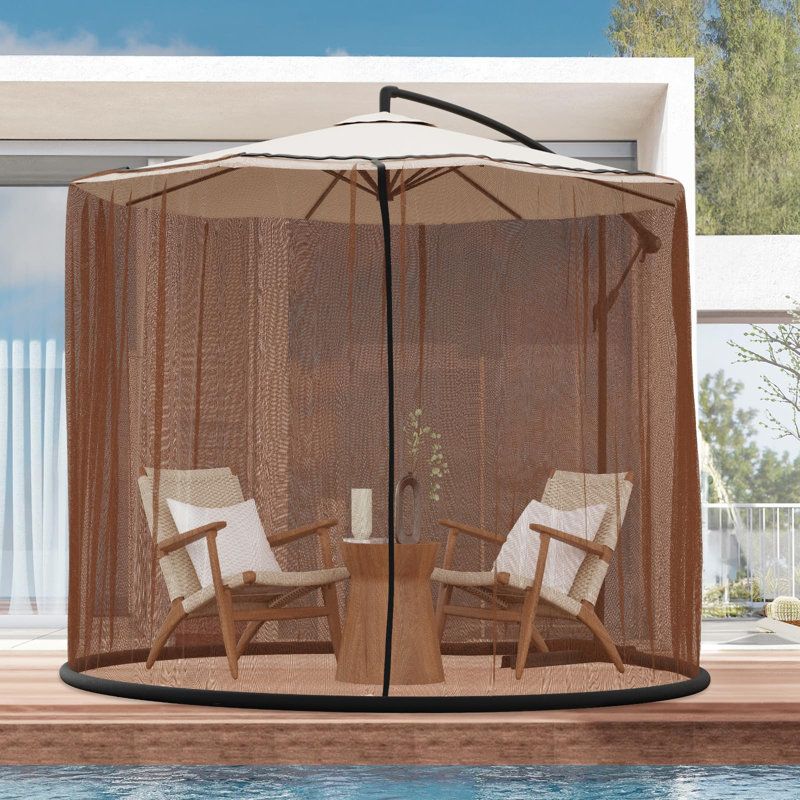
No-see-ums are tiny, and they are not strong fliers. A steady breeze can keep them from settling on your skin, while a sheltered patio can hold them right where you sit.
That may be why the exposed yard next door seems fine.
Timing adds to the problem. According to UF/IFAS, Florida no-see-ums are usually most active around sunrise and sunset, though biting times vary by species.
UF/IFAS also reports that biting-fly activity is linked with still air, and that increasing air movement on porches and patios can help.
So try moving the air where people actually sit. A pedestal or box fan aimed at the seating area works on an open patio, and a ceiling fan helps on a covered one.
CDC guidance also suggests using a fan outdoors to help blow biting midges away.
Place the fan so the breeze crosses your ankles and arms, not just the table. Midges often go for lower legs and feet, so a small fan near the floor can make a noticeable difference.
Keep cords and outlets protected from Florida’s sudden downpours, and use fans rated for outdoor or damp locations.
Be realistic about results. A fan lowers your exposure but does not promise zero bites, especially on a heavy evening.
If dusk is the worst time, you might also shift dinner earlier or later, or move to a breezier spot in the yard during those peak hours.
Could patio lights be part of the problem?
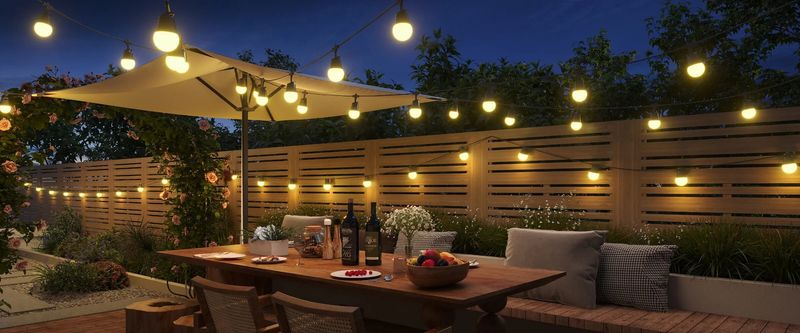
Anyone who has watched bugs circle a porch light wonders if the lights are drawing no-see-ums in. There is some support for the idea, though not enough to call it settled.
A review of artificial light and biting flies found that some biting midges are attracted to light, and trap studies generally catch more with shorter wavelengths such as UV or blue. A field study in Alabama looked at how light wavelength affected Culicoides trap catches, adding to that picture.
Here is the catch. Most of this work uses insect traps, and results vary by species, wavelength, brightness, and setting.
A trap built to lure insects is not the same as a household bulb, so nobody can promise that swapping your patio bulb will stop bites.
That makes lighting a low-risk experiment. Turn off outdoor lights you do not need, especially bright cool-white or bluish ones near seating.
Use the lowest brightness that still feels safe, and consider warmer bulbs or shielded fixtures aimed downward. Keep any lights you need for safety on steps and walkways.
To make the test meaningful, change one thing at a time for a week or two and jot down how the evenings feel. If nothing improves, you have lost little and can switch back.
Do not rely on a special bulb as your only defense.
Protect people where they sit
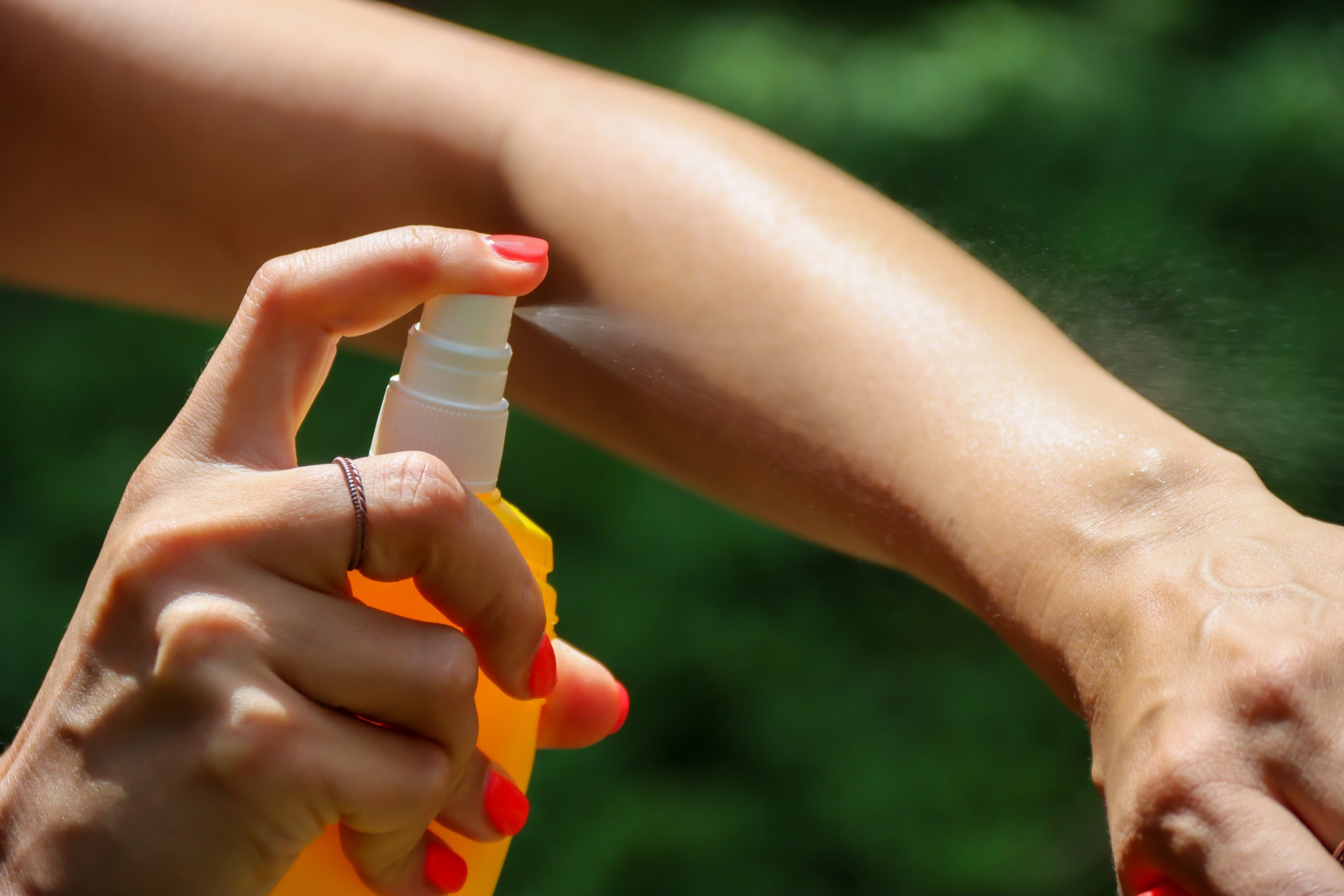
Habitat work happens in the yard, but protection happens on skin and at the door. Keep those jobs separate, and use both.
For repellents, read the label before you buy. CDC guidance advises choosing a product whose EPA-approved label specifically covers biting flies or Culicoides, also called no-see-ums.
Many repellents are marketed for mosquitoes and ticks, and a label that does not mention biting flies may not give the coverage you want.
Once you find a suitable product, follow the directions closely. The EPA’s safe-use guidance says to apply and reapply only as directed on the label.
Pay attention to the rules for children, and do not apply under clothing or over cuts. Ankles, wrists, and the hairline are common trouble spots, so cover those exposed areas carefully.
Indoors, do not assume your screens will stop them. CDC notes that ordinary window and door screens may not exclude biting midges and recommends 20 by 20 mesh.
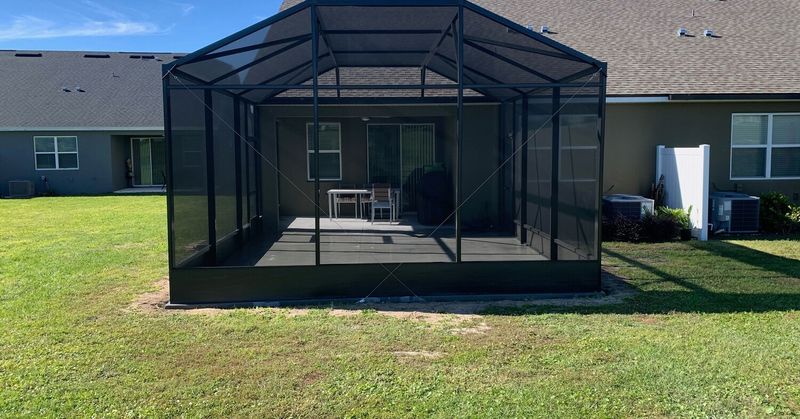
If you are replacing a lanai screen or door screen, ask for that finer mesh. Finer screens can reduce airflow a bit, so a fan helps on a screened porch.
Light long sleeves and pants at dusk add another layer when it is not too hot. No single measure guarantees protection, so stack a few: label-matched repellent, finer screening, moving air, and smart timing.
Make the low-risk changes first
Work in order from cheapest and easiest to most involved. First, check for avoidable wet spots, fix leaks, and cut back on unneeded watering.
Second, put a fan where people sit. Third, dim or turn off lights you do not need and watch what happens.
Fourth, use a repellent whose label covers biting flies, and upgrade screens to 20 by 20 mesh if you screen in a space.
These steps can make a patio more comfortable, but UF/IFAS is clear that habitat changes have limits, and UF/IFAS biting fly guidance says airflow will not give complete protection. You may never learn exactly where your midges come from.
Sometimes the best fix is simply a breezier chair and an earlier dinner.