
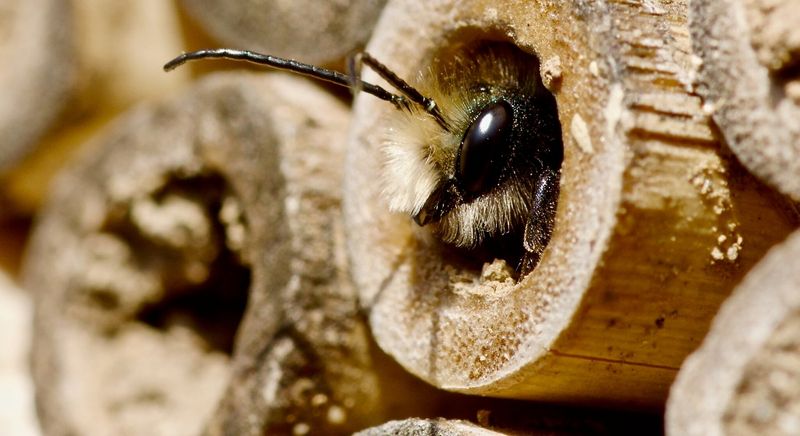
Hollow and pithy dead stems can be tiny nurseries for some native bees. Many gardeners hear that they should leave every stem standing all winter, but North Carolina research adds a twist.
A simple trim at the right time, with the right height, may do more good for stem-nesting bees. Here is how to sort your stems and finish fall chores with confidence.
Why some bees use dead stems
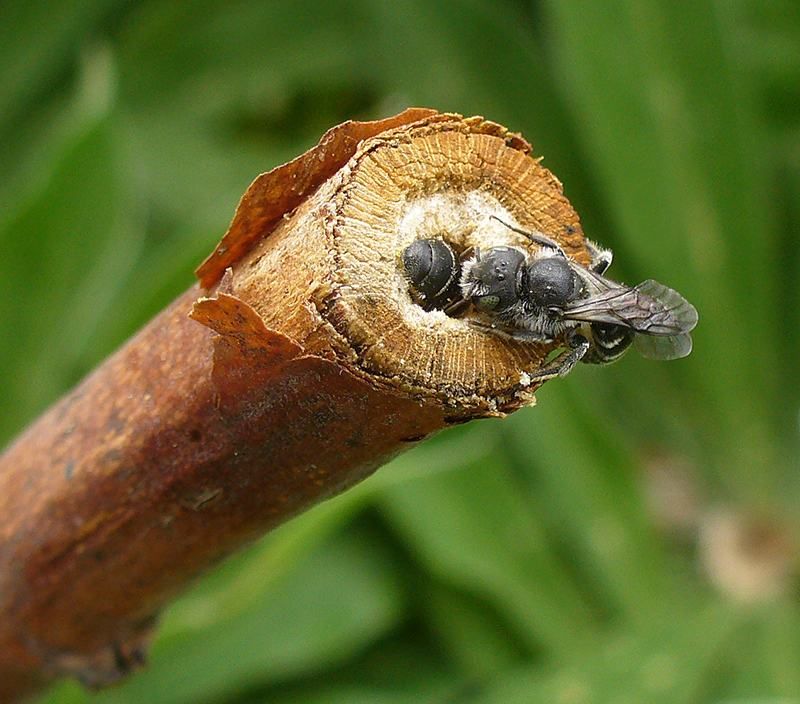
Picture a stem as a tiny apartment building. Some solitary native bees nest in naturally hollow stems, and others dig out the soft pith inside dead, pithy stems.
NC State Extension guidance notes that the young of some species, either larvae or young adults, spend the winter tucked inside these nests.
Bees do not harm your healthy plants this way. They nest in dead or damaged stems, not in living, healthy ones, so there is no reason to worry about your perennials while they are growing.
Still, not every stem is suitable, and not every suitable stem will be occupied. Some stems are too thin, too tough, or too solid.
A stem may also sit empty for years, or be used by something other than a bee. The Xerces Society’s stem-nesting bee guide points out that different bees use different stem sizes and forms.
It also helps to keep the bigger picture in mind. Many native bees nest somewhere else entirely, such as in the ground.
Stems are a useful habitat piece for some bees, not a rule that every gardener must follow to the letter, and not a reason to feel guilty about every tidy bed.
The real question is which stems to keep, and when to cut the others. That is where North Carolina research gives a clear answer.
What North Carolina’s stem study found
Researchers wanted to know when bees actually move into perennial stems. In a study published in Insect Conservation and Diversity, they examined 2,879 stems from 20 gardens in 10 North Carolina counties.
The surprise came in the first winter. Stems that had only recently died back held no live occupants.
Bees showed up later, once stems had been cut, damaged, or weathered open enough to give them a way in.
That finding changes the simple advice to leave everything standing. Intact stems from this year’s growth may look inviting, but a bee often cannot get inside yet.
A clean cut can create the doorway.
Keep the scope in mind. The results describe the stems and gardens the team sampled.
They do not prove that every first-winter stem anywhere is empty, and they do not say your yard will be full of bees if you follow the advice.
They also do not measure pollination. What they do support is a practical habit: give some bees a place to nest by trimming intact new stems and then leaving the stubs for later years.
That is a more specific, and more useful, kind of fall cleanup than either cutting everything to the ground or leaving every stem alone.
Sort stems by age and condition
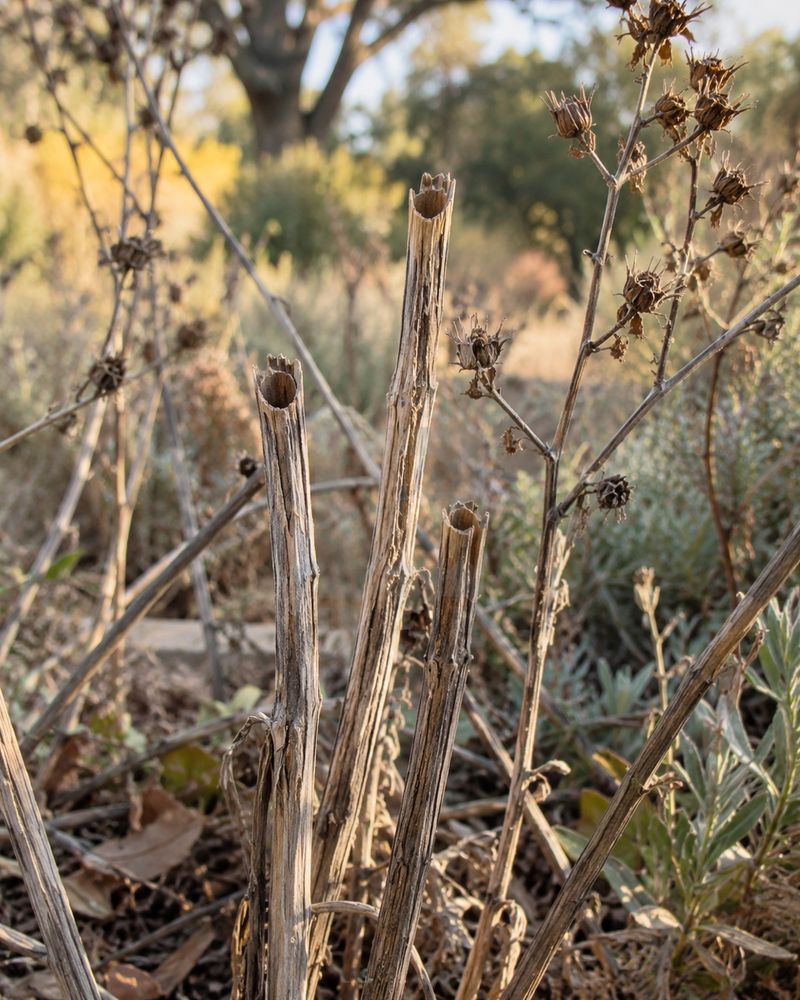
Before you pick up pruners, walk the bed and sort what you see. A simple rule helps: ask how old the stem is and whether it has already been cut or damaged.
Intact stems from this growing season are the candidates for trimming. According to NC State Extension, these are the stems to cut during their first winter, because uncut new stems give bees little way in.
Next, look for stems that were already cut or broken earlier in the season, perhaps by a mower, a storm, or your own summer pruning. Bees may have entered those openings months ago.
Leave them alone rather than cutting them again in winter.
Then there are older stubs from past years. As they age, they may become nesting habitat, so keep them in place.
If you want a clue, peek at a cut end of a pithy stem. A visible tunnel through the pith suggests a stem may be, or may have been, occupied.
It is a hint, not proof, since other insects dig tunnels too.
This sorting takes only a few extra minutes. It also lets you tidy the bed with purpose, knowing which stems to trim and which to skip.
Make a 12–24-inch nesting stub
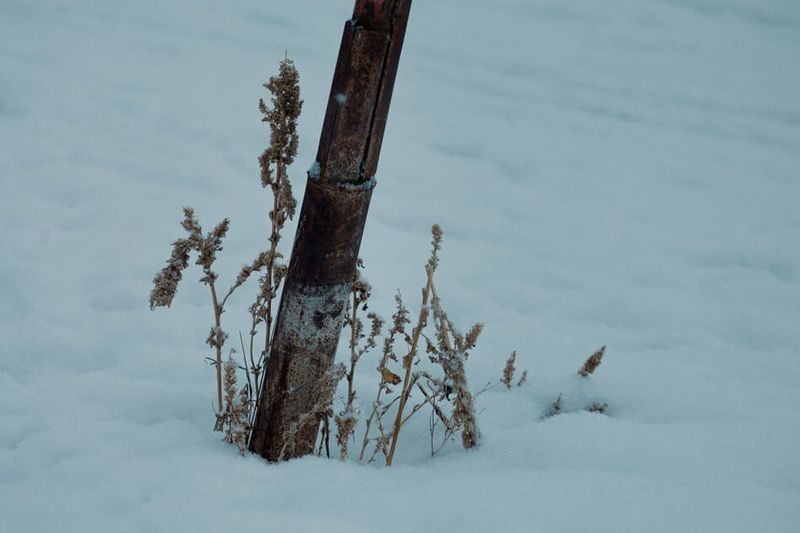
Once you know which stems are intact and from this year, the job is simple. Cut them between the first fall frost and the last spring frost, and leave 12 to 24 inches of stem standing.
Why the frost window instead of a date? North Carolina stretches from the mountains to the coast, and frost dates differ a lot.
A mountain garden may see its first frost weeks before a coastal one, so use your own local frost dates as the guide.
The cut end matters. NC State’s guidance explains that the open end can serve as a nest entrance, and the stub left behind may become a nesting site as it ages.
Occupancy is not guaranteed, so think of it as setting out a welcome mat.
After cutting, leave the stubs in place. Trimming them again and again removes the older, weathered stems where bees were most often found.
Let the stubs stand through the following seasons, and let new growth cover them in spring.
Do not use this recipe on stems already cut or damaged earlier in the season. Those may already hold a nest, so skip them.
Bundle the trimmed tops into a brush pile, or compost them, and enjoy the cleaner look.
Choose a variety of useful stems

Which plants give you useful stems? Several North Carolina-friendly choices can produce hollow or pithy stems that nesting bees use.
NC State’s plant list includes elderberry, ironweed, sumac, wild rose, and some raspberries.
Elderberry and sumac have soft pith that bees can excavate. Ironweed gives you tall, sturdy perennial stalks.
Wild rose and raspberry canes add shrubby, thorny structure, which can also make a nice tucked-away corner.
Treat these as possibilities, not promises. No one plant will serve every bee, and a stem on this list will not necessarily be occupied.
Bees differ in size, so they use different stem widths and shapes. Xerces Society guidance supports offering a mix.
Small bees may favor slender stems, while larger ones may use thicker ones.
A practical approach is to keep several kinds in different parts of the yard. Mix native shrubs with native perennials, and stagger the heights within the 12 to 24 inch range where you are trimming.
Stick with native plants where you can. They support local wildlife in other ways, too, and you avoid adding something that might spread where it does not belong.
Treat stems as one part of bee habitat
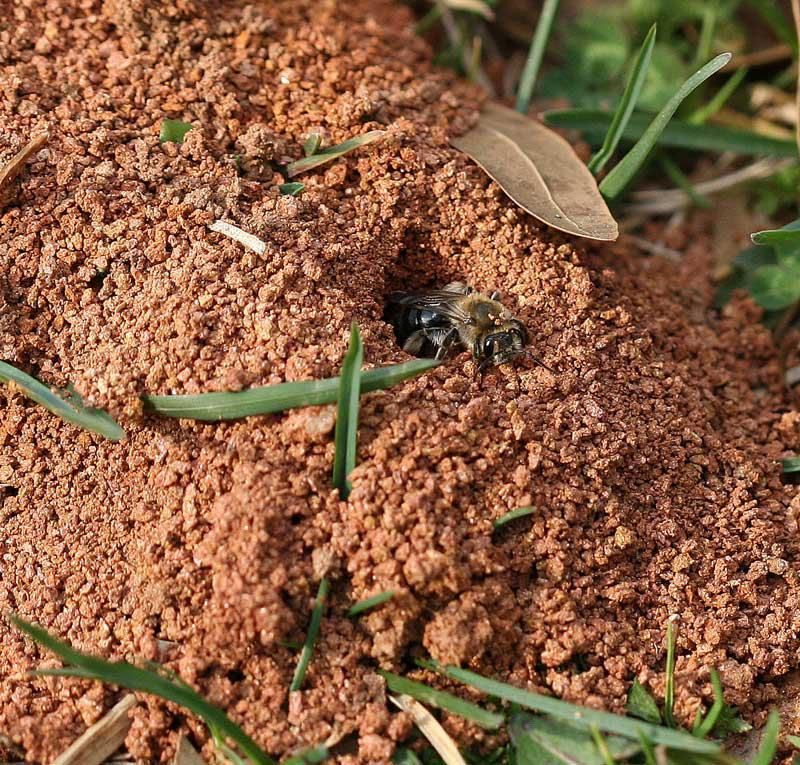
Stems are helpful, but they are only one piece. NC State Extension estimates that about 75% of North Carolina bee species nest in soil, while about 18% nest in hollow stems or deadwood.
That means stems will not meet the needs of every bee. Leaving a patch of bare, well-drained soil or a lightly mulched, undisturbed area helps the ground nesters.
Bees also need flowers to feed on, from early spring through fall. A stem stub can give a nest site, but without nearby blooms, the bees have little to eat.
Planting native flowers that bloom in different seasons is part of the same plan.
Not every creature in a stem is a bee. Stems may host solitary wasps and other small invertebrates.
Those visitors are part of a healthy garden, but they are different from native bee nests.
Seed heads are a separate matter. As NC State’s fall chores advice suggests, leaving them can offer food for birds, which is a different benefit from bee nesting.
Also, the Xerces guide notes that stems can host other wildlife. Preserving them offers habitat, but it does not promise better pollination.
Follow a measured winter routine
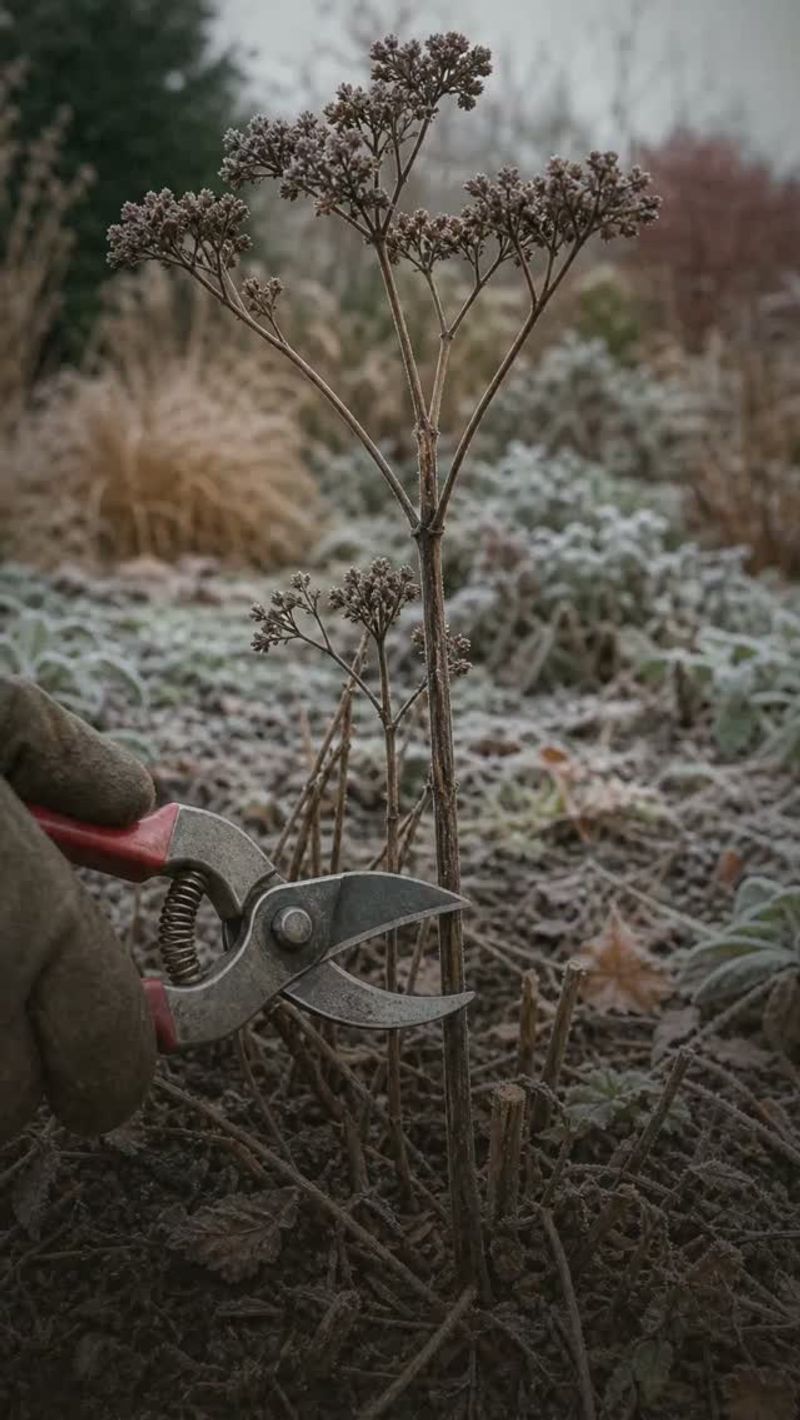
Start with a quick walk through the beds. Separate intact new stems from those already cut or damaged, and leave the damaged ones as they are.
Trim only the intact current-year stems, between your first fall frost and last spring frost, leaving 12 to 24 inches. As NC State’s guidance advises, let the stubs stand as they age.
You get potential nesting habitat for some bees without a messy yard, and no promise about pollination.
A neat bed and a nursery can share the same stem.