
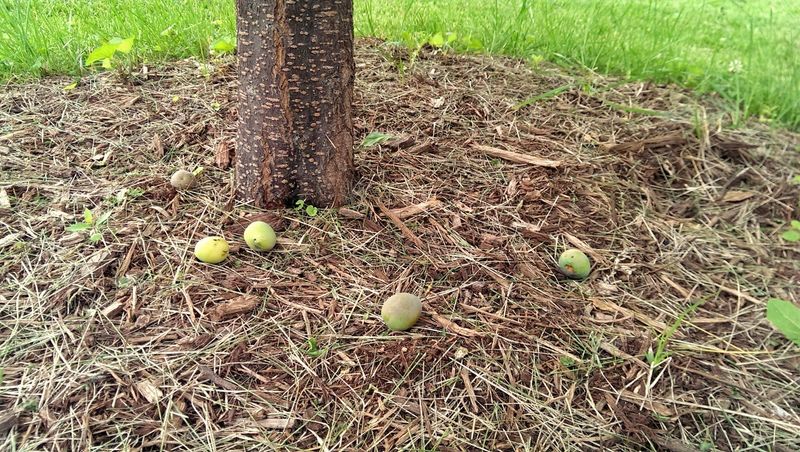
Few things worry a fig grower more than a lush, leafy tree with tiny green figs scattered on the ground. Watering is a common suspect, but it is not the only one.
Before you change anything, a few simple checks of the fruit, the tree, and the soil can point you in the right direction. Here is how to sort it out in a Southern backyard.
Did the figs drop early, or run out of time?
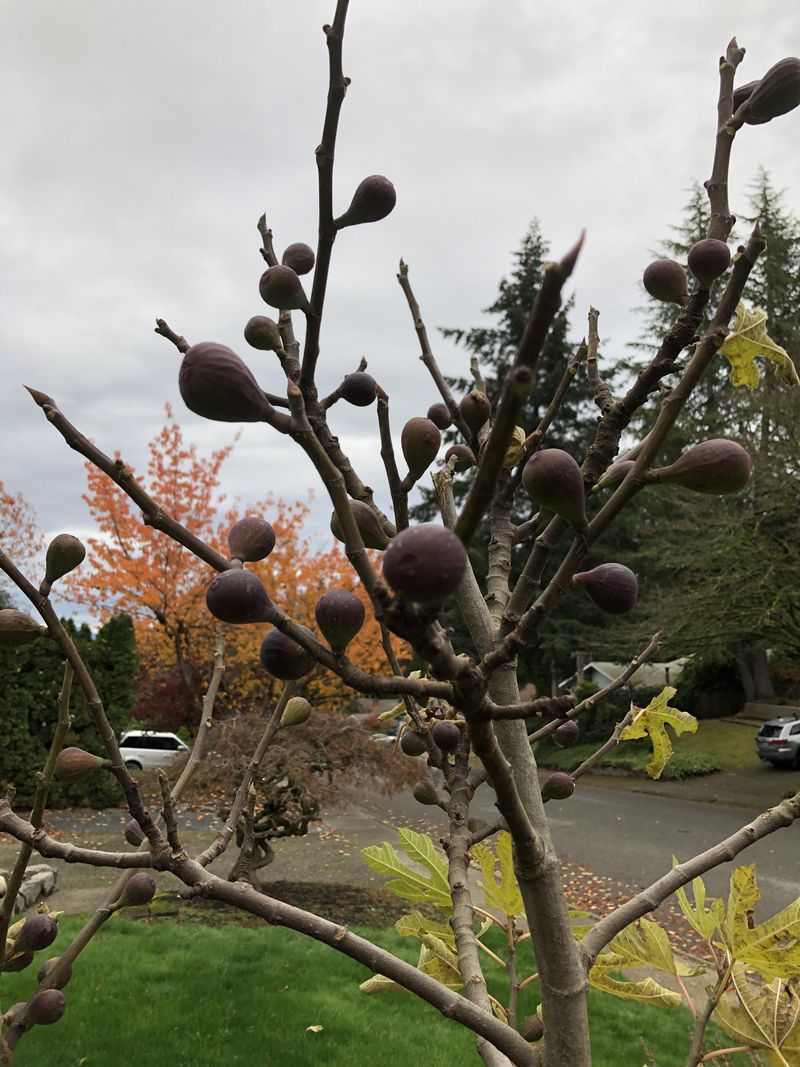
Start by looking closely at what actually happened. Some small figs fall off while still hard and green, which is premature drop.
Others stay on the branch and simply never finish ripening before the weather cools. Those are two different problems, and they do not always share the same cause.
Ripening takes time. Clemson Extension notes that figs can take up to two months to ripen, and that cultivar and seasonal conditions affect the timing.
In many Southern yards, figs ripen well into fall, so a late crop that stalls is not proof of a watering mistake.
Location matters too. UF/IFAS guidance on figs also points to cultivar and local conditions as factors in when fruit matures.
For a week or two, jot down what you see. Are figs on the ground, still attached but firm, or shriveling on the branch?
That simple record will help you decide whether to change your care at all.
Moisture problems can stress a fig in either direction
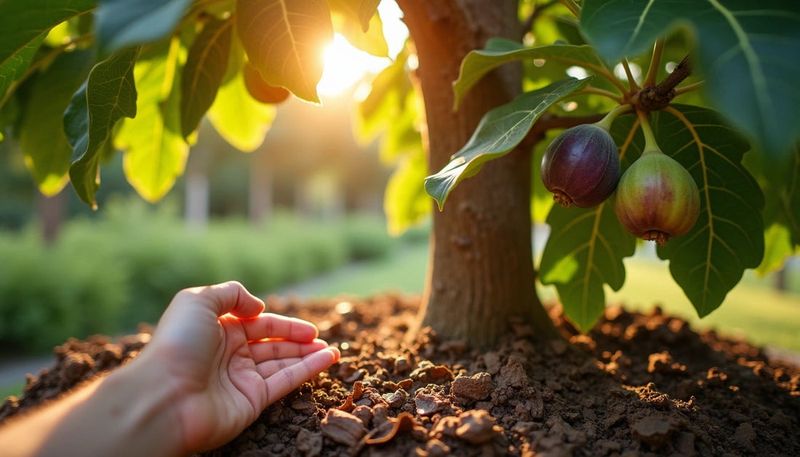
Water trouble runs both ways. A tree that goes too dry can shed fruit to save energy.
A tree sitting in soggy ground can struggle too, because roots need air as well as moisture.
UC IPM lists too little water, too much water, or irrigation that does not match the tree’s needs as a cause of fig drop. That makes uneven moisture a real suspect, but only one of several.
So a fallen fig is not a signal to grab the hose. Adding water to a tree that is already wet can make things worse.
The better move is to find out what the soil is doing first.
Think of watering as a possible piece of the puzzle. The next steps show how to test it, so you can adjust only if the soil actually points that way.
Check soil below the surface before adjusting irrigation
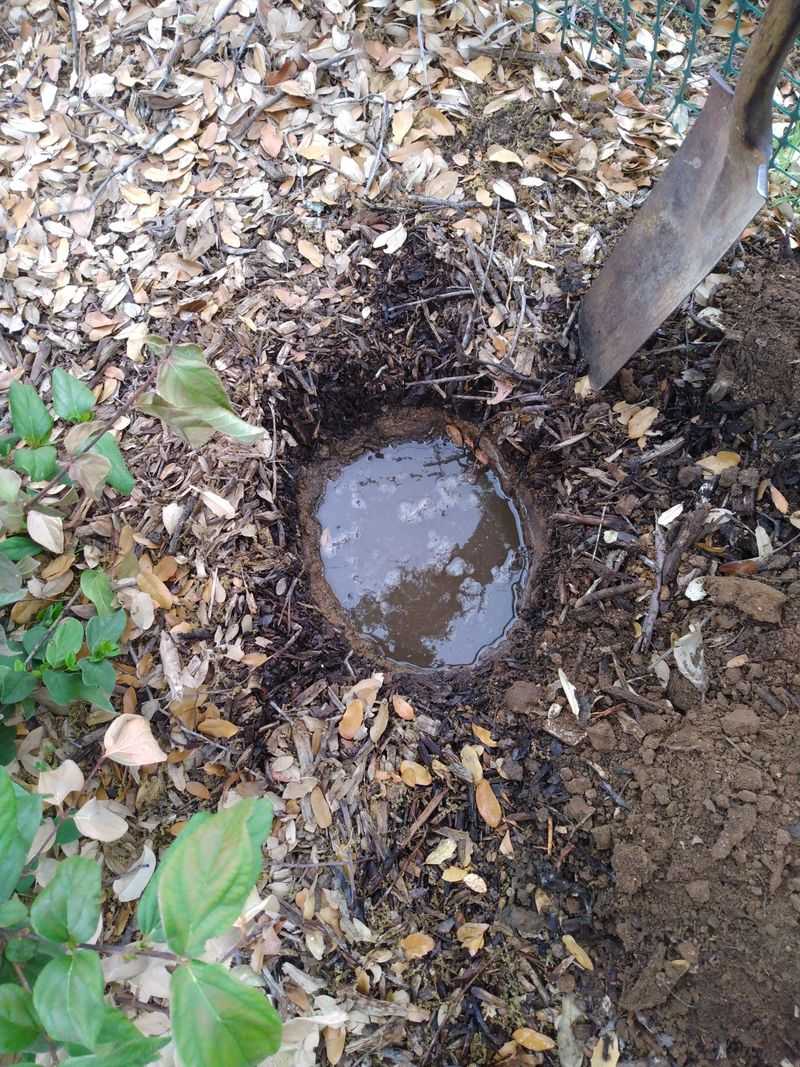
The top inch of soil can fool you. It may look dry after a sunny afternoon while the roots below are fine, or look damp while the deeper soil is bone dry.
Dig down a few inches near the drip line and feel the soil with your hand.
UF/IFAS irrigation guidance recommends checking that water has soaked several inches into the root zone rather than relying on the surface or a fixed calendar.
Dry, crumbly soil that will not hold a shape suggests the tree may need a deep drink. Soil that stays soggy, smells sour, or holds standing water points the other way.
UF/IFAS Gardening Solutions says figs need well-drained soil and do not tolerate excessively wet conditions.
Check a few spots around the tree, since sprinkler coverage and drainage can vary across a yard. If the soil is moist at root depth, watering is probably not your fix.
Water deeply when the soil check shows it is needed
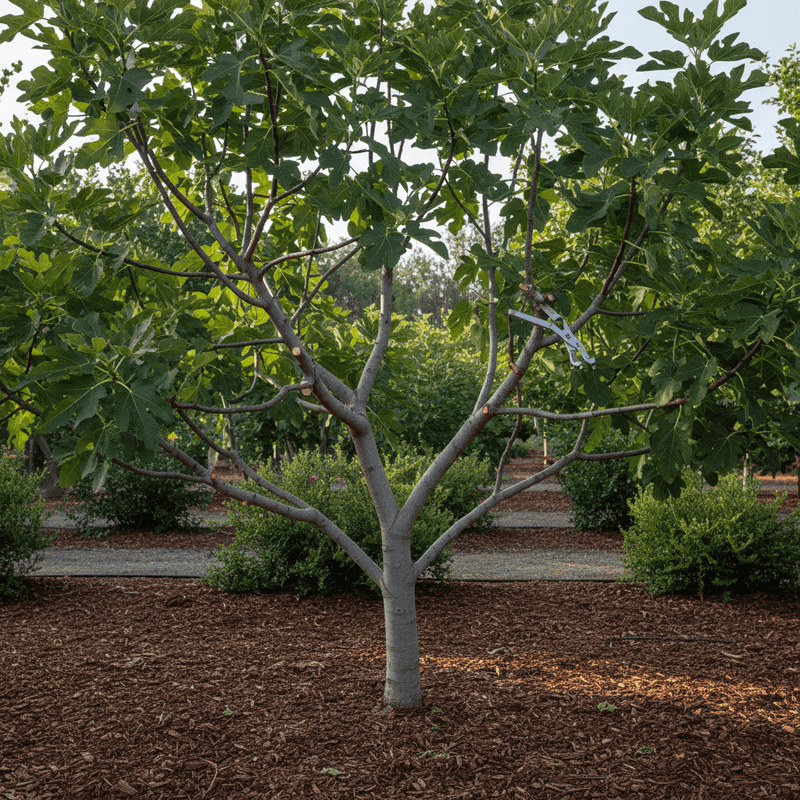
If the root zone turns out to be dry, soak it well instead of sprinkling. Light, frequent surface watering wets only the top layer and encourages shallow roots.
A slow, deep soak reaches where the roots actually are.
A settled layer of mulch, about 2 to 3 inches deep, helps hold moisture. Keep it pulled back slightly from the trunk.
Good drainage matters as much as the watering itself, as UF/IFAS irrigation guidance explains for edible trees.
Amounts depend on rainfall, soil, and tree age, so no single schedule fits every yard. As Florida reference guidance only, UF/IFAS suggests about 10 gallons per application at least three times weekly during the first year.
After establishment, irrigation is generally optional except in prolonged drought, when mature trees may get 20 to 50 gallons weekly if rain is absent. Those numbers are not a rule for every Southern soil.
In Texas, AgriLife describes figs as shallow-rooted and fairly drought-sensitive, so drier regions may need extra water as drought sets in. Watering may help the tree, but it will not guarantee the current crop.
Consider causes beyond watering
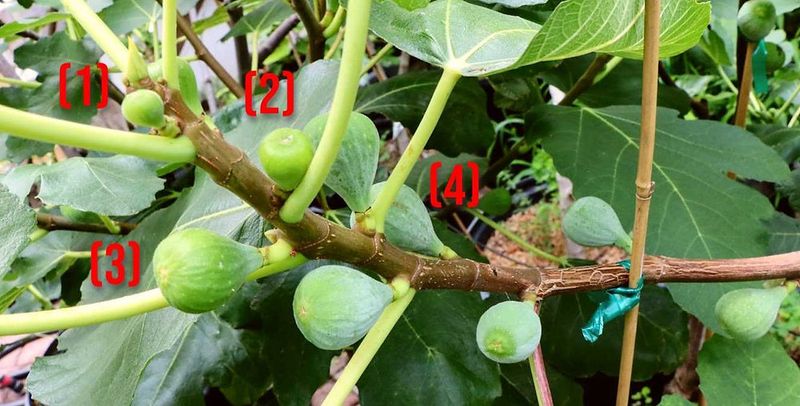
When the soil feels right, look elsewhere. A young tree may drop fruit simply because it is still maturing.
UGA Extension lists young or overfertilized plants first among reasons for premature drop.
Ask yourself about feeding. Extra nitrogen can push leafy growth at the expense of fruit, as UF/IFAS notes.
A tree that is very leafy but light on figs may be getting more fertilizer than it needs.
Heat is another possibility. UGA reports premature drop in ‘Celeste’ during hot weather, and Alabama Extension says some varieties may drop fruit in hot, dry spells.
Pollination applies only to certain types, namely Smyrna figs and some San Pedro crops. Most common figs grown in the South set fruit without it.
Nematodes and fig diseases can matter in some areas, especially sandy soils, but fruit drop alone does not prove either one.
Leave healthy unripe figs on the tree when the season allows
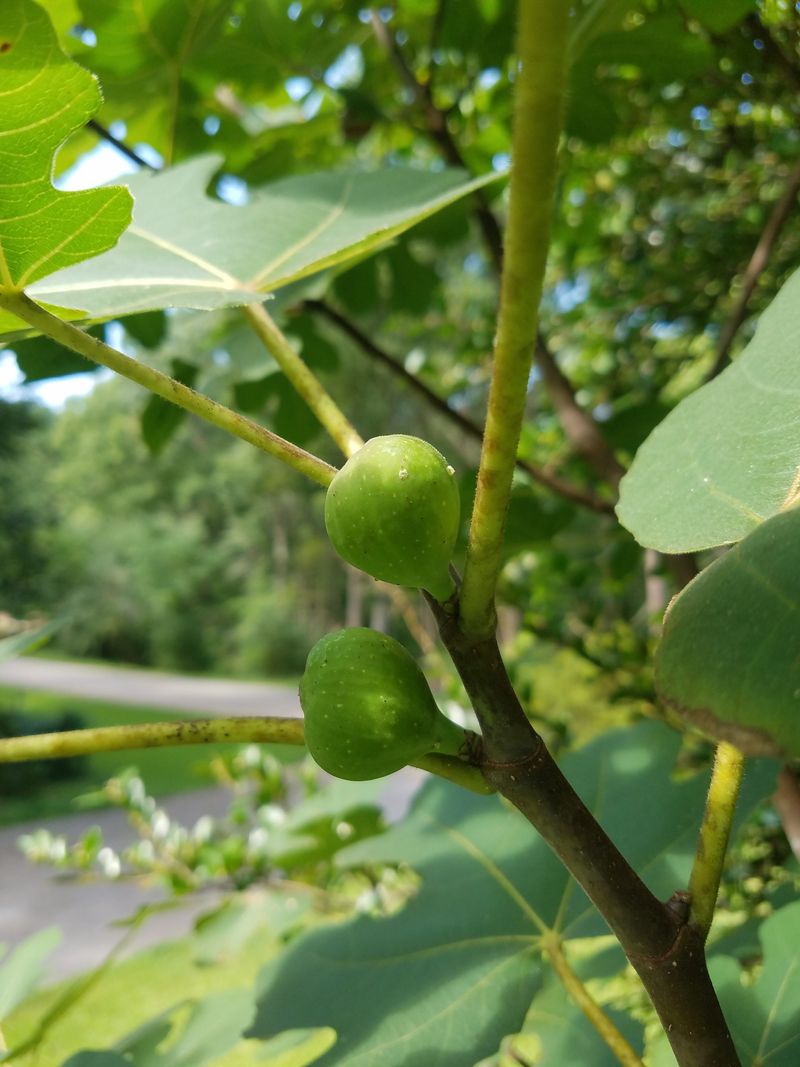
Learning to read the fruit saves guesswork. Clemson Extension explains that ripe figs typically soften and droop on the stem.
Small, firm figs that point upward are still unripe.
Green figs do not ripen after picking. Pulling them early just ends their chance to finish, so healthy fruit is best left on the branch while the season allows.
Be realistic about timing, though. A late-maturing cultivar or a cool snap may leave some figs unfinished, and no watering change can promise otherwise.
Fruit that is shriveling, discolored, or clearly failing can be removed.
Give the rest a little time. Check them every few days, and gently squeeze one now and then.
A slightly soft neck and a drooping fig are good signs the wait is paying off.
Use this season’s observations to guide next year
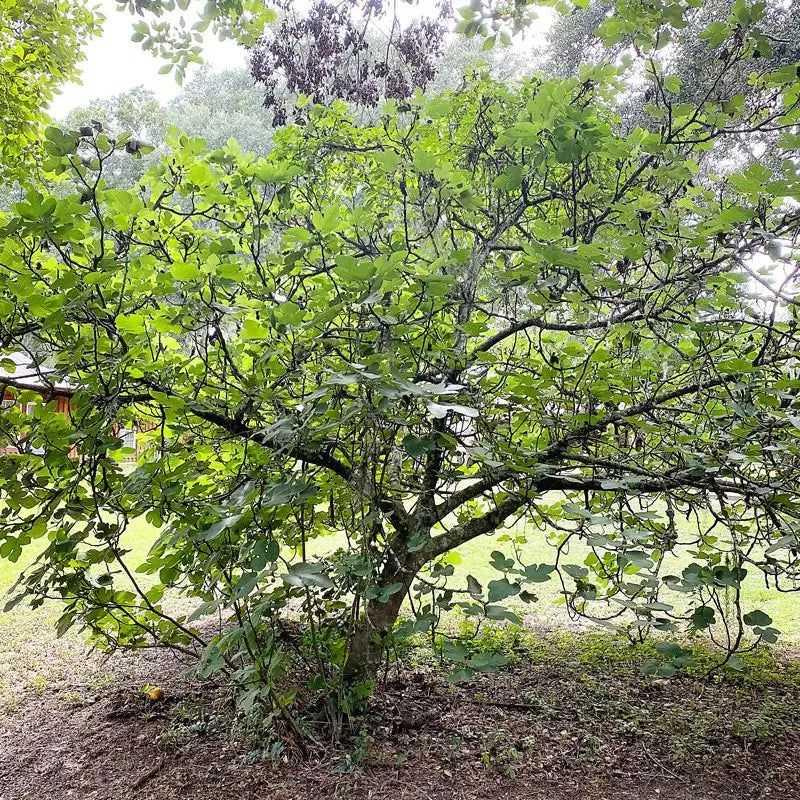
Keep a simple log this season. Write down whether fruit dropped while small and hard, or stayed on and stalled.
Note the date, the weather, and what the tree looked like.
Before you water, check the soil several inches down. Add what you know about the tree: its age, when you last fertilized, how hot it has been, and which cultivar you grow.
Together, those details tell a clearer story than any one clue.
Next year, use the notes to make small, informed changes rather than big guesses. Maybe you ease off fertilizer, improve drainage, or add mulch before summer heat arrives.
None of this will bring back figs already lost or ripen those still green.
A fig tree rarely explains itself in one day, but a season of careful notes usually does.