
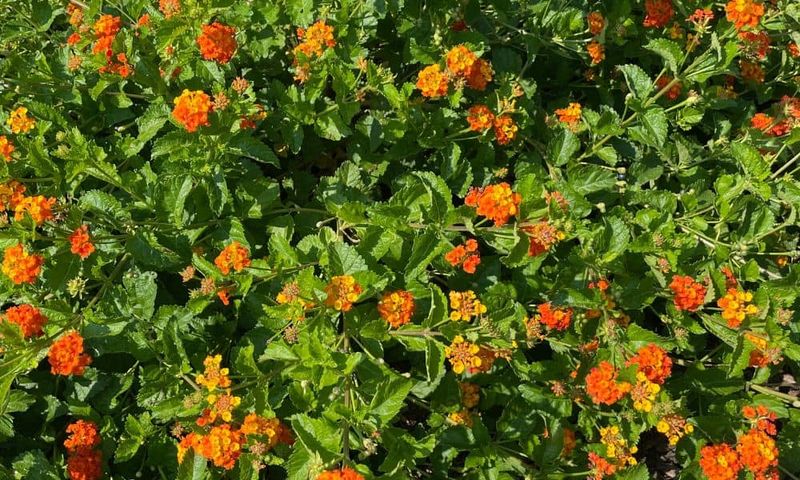
By late summer, a lantana that was full and flowering in June can look like it gave up, with long bare stems sticking out and barely a bloom cluster in sight. Texas heat gets the blame, but the real picture is a little more complicated.
Knowing what actually caused the problem changes how you fix it, and the fix itself is simpler than most gardeners expect.
Is the Plant Leggy, or Is Heat Only Stressing It?
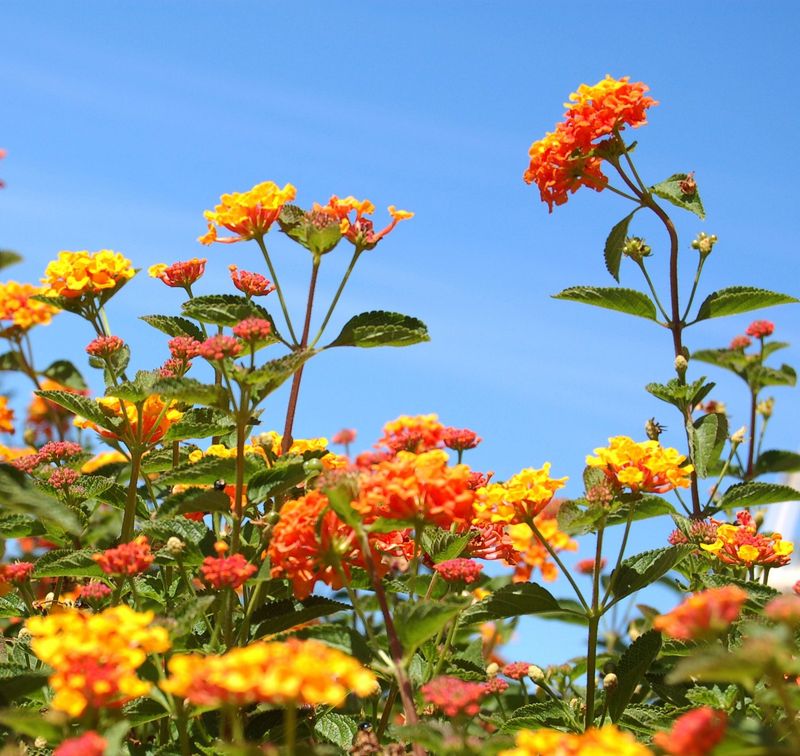
Long, bare stems with wide gaps between leaves or flower clusters are the hallmark of true legginess. A genuinely leggy lantana has a stretched, open structure that does not bounce back on its own once temperatures drop.
That condition is worth distinguishing from the temporary afternoon wilt that many Texas gardeners see during triple-digit days, which can look alarming but often disappears by morning.
Heat is one possible contributor to sparse growth, but it is rarely the only one. Penn State Extension’s perennial plant guidance lists insufficient light, poor drainage, drought stress, root damage, wind exposure, and excessive fertilizer as factors that can reduce vigor and produce stretched or sparse growth.
Cultivar growth habit matters too. Some lantana varieties naturally spread wide and low, while others tend to push upward, especially when they are reaching for sunlight.
Before grabbing the pruners, check the soil. Texas Master Gardener guidance from Limestone County notes that plants can wilt from heat alone even when the soil has adequate moisture, so watering before confirming dryness can do more harm than good.
Push a finger two inches into the soil near the root zone. If it still feels damp, the plant is likely reacting to air temperature, not thirst.
Plant identity also shapes what you should expect. Texas lantana, often identified as Lantana urticoides, is a heat-adapted native shrub with a naturally low, spreading habit.
Garden-center plants labeled simply as “lantana” may instead be Lantana camara hybrids, trailing types, or sterile cultivars, each with different growth patterns and pruning responses. UF/IFAS ornamental lantana guidance points out that species and cultivar differences affect everything from hardiness to invasive potential, so knowing what you have helps set realistic expectations before any cut is made.
Postpone pruning entirely while the plant is visibly heat-damaged or drought-stressed.
Why Moderate Pruning Can Encourage Fuller Growth
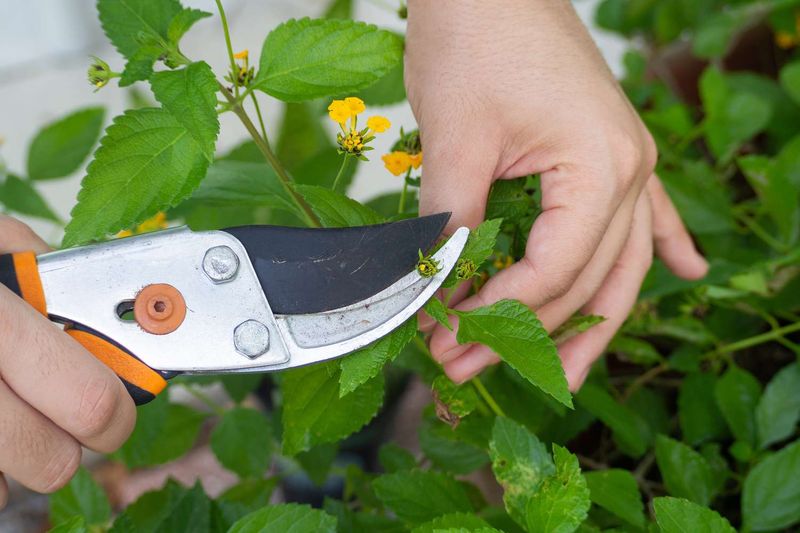
Texas lantana produces its flowers on new wood, meaning fresh stem growth that the plant puts out during the current season. That single fact is the foundation for why a growing-season correction can help.
When a stem gets long and bare toward its base, trimming it back gives the plant a reason to push energy into new lateral shoots lower down, which can eventually produce a fuller, more compact form.
A structural heading cut and deadheading are two different operations that gardeners sometimes confuse. Penn State Extension’s herbaceous pruning guidance explains that deadheading removes spent flower clusters to encourage continued blooming, while a heading cut shortens stems to reshape the plant’s structure.
Removing old flower heads from a leggy lantana will not shorten the bare stems or prompt the plant to branch lower. If the framework is already stretched out, deadheading is maintenance, not a fix.
The heading cut works differently. By shortening selected stems to just above a healthy leaf node or active bud, you preserve the plant’s root system and main framework while creating branching points that did not exist before.
University of Wisconsin horticulture guidance on lantana confirms that lantana can be cut back during the growing season to keep it compact and encourage continued flowering. The caveat is that pruning temporarily removes some of the tips where flowers were forming, so the plant will look less floriferous for a stretch before the new growth fills in.
Fuller regrowth is possible, but it is not instantaneous, and results depend on the cultivar, the plant’s overall health, and the conditions it is growing in.
Wait Until Extreme Heat and Drought Stress Ease
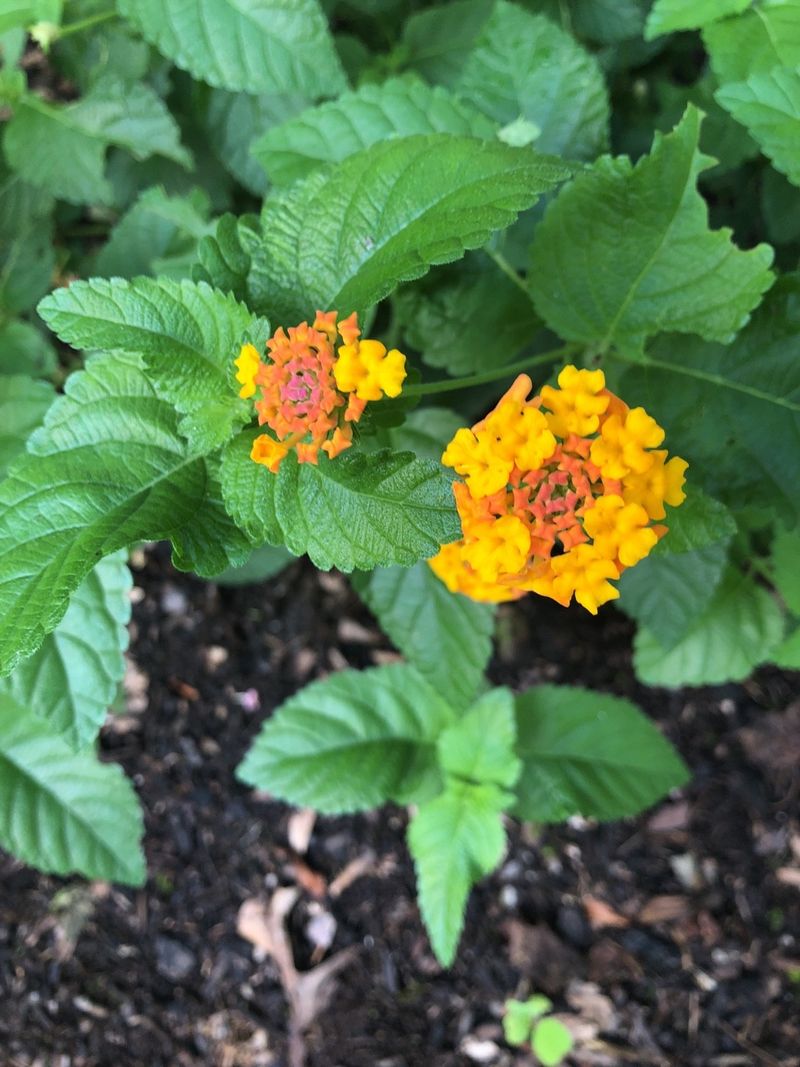
Timing is the part of this process that gardeners most often rush. Reaching for the pruners during the hottest stretch of a Texas summer, while the plant is still showing heat damage or drought stress, can compound the problem rather than correct it.
Oregon State Extension’s extreme-heat plant guidance recommends against pruning stressed plants during a heat event, noting that foliage that looks damaged still provides shade for the stems and root zone below it. Removing that cover during triple-digit heat exposes previously shaded tissue to direct sun and elevated temperatures.
Post-heat-wave care guidance from the same source advises waiting until the plant has had a chance to recover, with adequate water and cooler conditions, before making any significant cuts.
The practical test is straightforward. Check that the soil is not severely dry, that the plant has been watered and had time to rehydrate, and that the worst of the heat has broken or at least eased into a more typical pattern.
Active wilting, scorched leaf edges, or stems that look bleached are signs the plant is still under stress. A lantana that has perked back up overnight and is putting out small amounts of new growth is a much better candidate for a corrective cut.
Pruning date also shapes what you can reasonably expect from fall. A 2024 University of California cultivar study tracked one lantana variety and found that peak flowering occurred around 10 weeks after pruning.
A cut made in early to mid-August in most of Texas leaves enough warm season ahead for a fall flush. A cut made in late August or September may produce foliage and developing buds that do not open before the desired display window, and in the northern parts of the state, frost can arrive before flowering completes.
Clemson’s lantana factsheet and Texas lantana guidance from Milam County Master Gardeners both acknowledge regional variation in growing season length. There is no single statewide date that works for every Texas garden.
Make an Even One-Third Cut Above Healthy Nodes
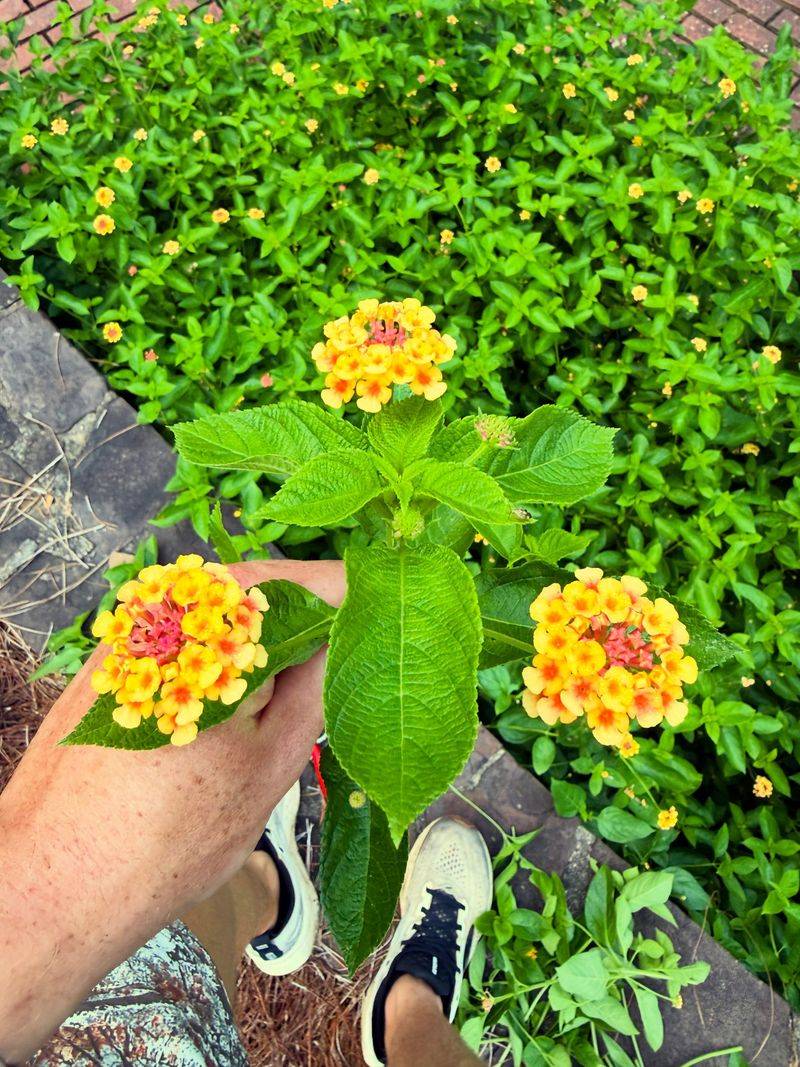
Once the plant has recovered and conditions have eased, the actual cut is not complicated. Start by walking around the plant and identifying the longest, most outward-reaching stems, the ones that are giving the shrub its stretched, unbalanced look.
The goal is to shorten those stems by roughly one-third of their current length, distributing the cuts evenly around the plant rather than removing all the growth from one side.
Penn State’s herbaceous pruning guidance explains that cuts should be made just above a healthy leaf node, a pair of leaves, or a visible bud. That node is where new lateral shoots will develop.
Cutting mid-stem between nodes leaves a stub that does not branch well and is more likely to die back. A clean cut just above a node, angled slightly so water sheds away from the bud, gives the plant the best chance to push new growth from that point.
Lubbock-area Texas Master Gardener guidance lists lantana among summer plants that can be pruned when they become leggy, and Clemson’s factsheet confirms that plants that have outgrown their space can be cut back by up to one-third during the growing season to encourage repeat bloom. The key phrase is “up to one-third.” Removing more than that in a single late-summer session pushes the plant harder than necessary and reduces the leafy growth it needs to recover efficiently.
Cutting the entire plant to the ground is a different operation with a different purpose. Texas AgriLife Extension guidance places the severe rejuvenation cut, roughly 6 to 8 inches above ground, in the late-winter or early-spring window for established plants, not as a response to late-summer legginess.
That harder reset makes sense when the plant is dormant or just breaking dormancy and can put all of its energy into fresh spring growth. Applied in August, the same cut removes too much of the plant’s photosynthetic capacity at a time when it still needs to function through the remaining heat and build toward fall.
Expect Regrowth Before the Next Flowering Flush
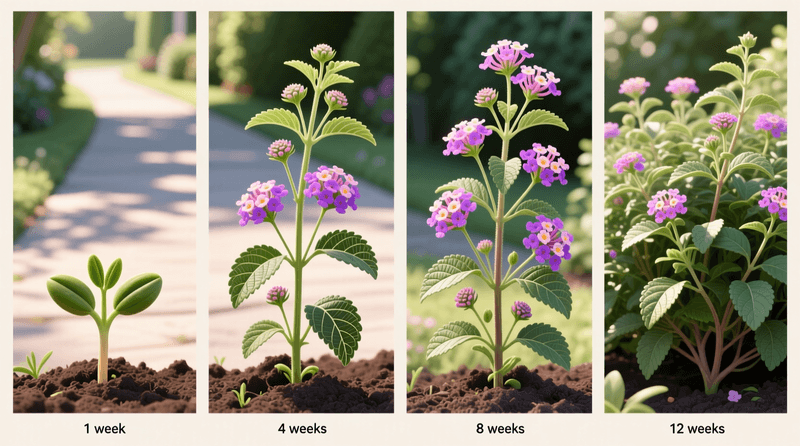
After the cut, the plant will look a little bare for a while. That is normal and expected.
Pruning removes the tips where flowers were actively forming or about to form, so the plant redirects its energy into producing new lateral shoots before it can get back to blooming. Patience during this stage is part of the process.
A 2024 University of California study of one lantana cultivar offers a useful reference point. Under the study’s conditions, new lateral growth appeared within about two weeks after pruning, flower clusters began forming around five weeks out, and peak flowering occurred at approximately 10 weeks.
Those numbers apply to that specific cultivar under those specific conditions, and they should be treated as an illustrative example rather than a schedule you can apply directly to your own garden. Cultivar, plant health, pruning date, local weather, and regional frost timing all shift the outcome.
A more practical rule of thumb comes from Arkansas Cooperative Extension guidance on lantana, which notes that a haircut can make a leggy plant fuller but may delay bloom by roughly one to two weeks. That estimate is useful as a general expectation, not a guaranteed timetable.
In a hot Texas summer with adequate moisture, the plant may push new growth quickly. After a prolonged drought or in a particularly stressed specimen, recovery can take longer.
Watch for small leaf clusters emerging from the nodes where you made your cuts. Those are the lateral shoots that will eventually carry the next round of flowers.
If they appear within a couple of weeks and continue to develop, the plant is responding well. If growth stalls or the stems look worse after a few weeks, the issue likely points back to a site condition, such as inadequate sun, poor drainage, or persistent drought, that the pruning alone could not address.
Support Recovery With Light, Careful Watering, and Good Drainage
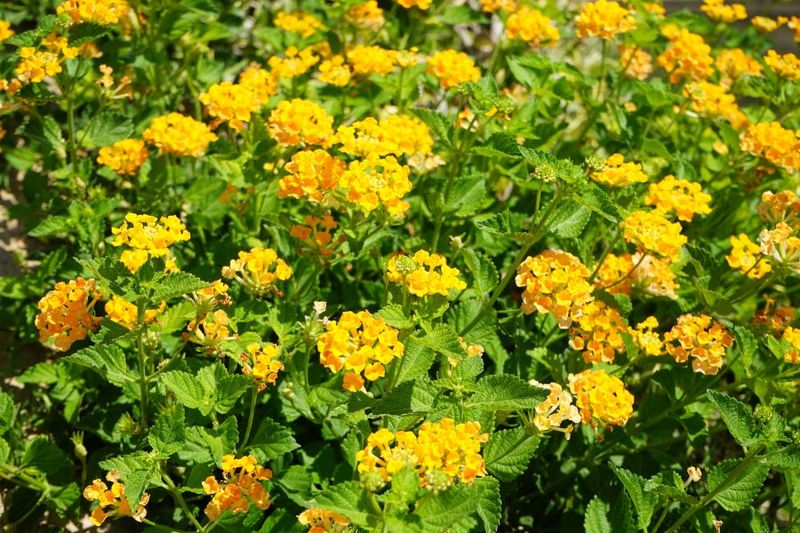
After a corrective cut, the plant does not need a complicated aftercare routine. What it does need is the right growing conditions, and if those were not in place before, addressing them now gives the regrowth its best chance.
Texas AgriLife Extension recommends at least six hours of direct sunlight daily for lantana. A plant growing in too much shade will continue to stretch toward light regardless of how often it is pruned.
If the lantana is getting less than that, the legginess will return after the cut, and pruning becomes a temporary cosmetic fix rather than a lasting correction. Relocating the plant or removing competing shade sources is the more durable solution in that case.
Watering should be slow, deep, and targeted at the soil line rather than sprayed over the foliage. Clemson’s lantana factsheet notes that established plants are drought tolerant but that prolonged dryness can reduce both growth and flowering.
The goal is to keep moisture available in the root zone without saturating the soil. Check before watering, especially after a pruning session, because the plant’s reduced leaf area means it is drawing up slightly less water than before.
Poor drainage is a common overlooked problem. Texas lantana guidance from Milam County Master Gardeners specifies well-drained soil as a core requirement.
Roots sitting in soggy soil cannot function properly, and the resulting stress often shows up as sparse, weak growth that looks similar to drought stress. If the bed stays wet after rain, amending the soil or raising the planting area is more effective than any pruning schedule.
Fertilizer deserves a brief mention, though not as a rebloom accelerant. University of Wisconsin’s lantana guidance notes that lantana generally needs little fertilizer and that excessive applications can push leafy growth at the expense of flowers.
If the plant is in reasonably fertile soil and growing well, skip the fertilizer after pruning. If the soil is genuinely depleted, a light balanced application is fine, but it is the last variable to adjust, not the first.
Recurring legginess that returns season after season despite correct pruning points to a site or plant-selection problem that no amount of trimming or feeding will permanently resolve. Texas Master Gardener resources from Limestone County reinforce that matching plant to site is the foundation of low-maintenance success in Texas gardens.
Use Pruning as a Reset, Not a Bloom Guarantee
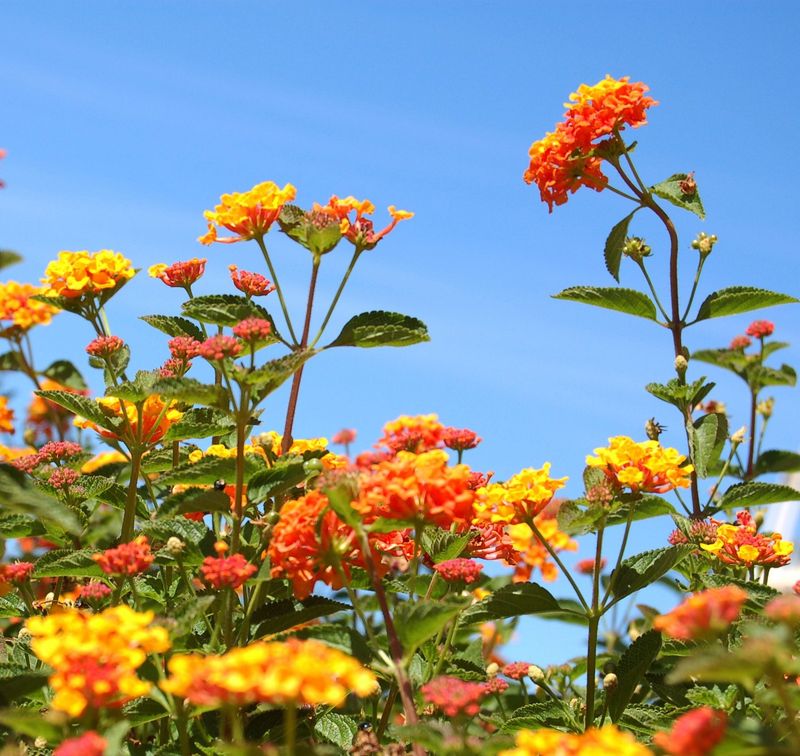
The corrective cut described here is a reset, a way to give a stretched plant a more productive structure. Confirm you have a lantana that has recovered from active stress, make an even cut of about one-third above healthy nodes, distribute the cuts around the whole plant, and then give the regrowth several weeks to develop before evaluating the result.
Whether that regrowth produces a full fall flowering flush depends on pruning date, cultivar, the plant’s health going into the cut, local weather, and how close your region is to its first frost. The 2024 UC cultivar study suggests that peak flowering can take up to 10 weeks from the pruning date, which means timing the cut too late in the season leaves little room for a fall display.
One safety note that belongs in any lantana discussion: UF/IFAS toxicology guidance and Texas lantana resources from Milam County both flag that lantana foliage and unripe berries can be toxic if eaten, particularly for pets, livestock, and young children. Keep that in mind when pruning, disposing of clippings, and deciding where the plant grows in your yard.
A lantana that fills back out beautifully is a genuine reward for patient, well-timed work.