
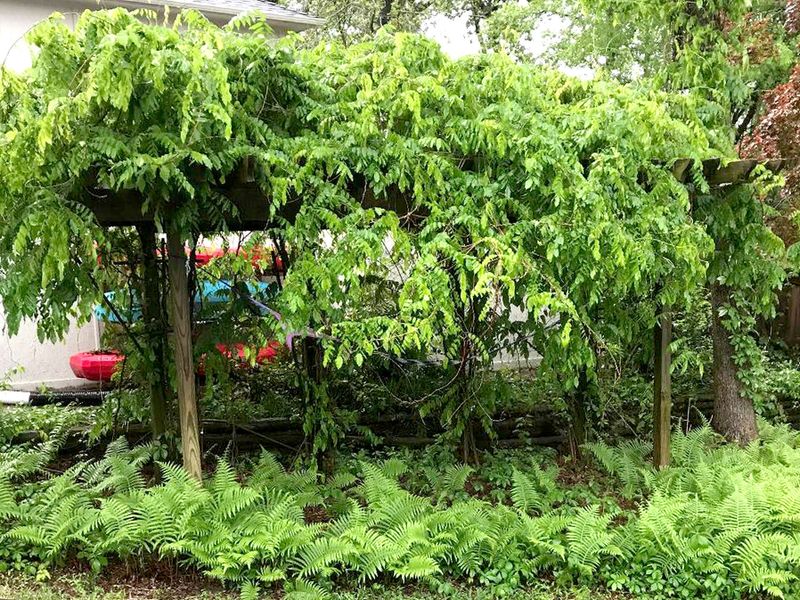
Your wisteria climbs the fence, swallows the arbor, and throws out vines every summer, yet spring comes and goes with hardly a flower. That mix of big growth and no blooms can feel like a puzzle with no answer.
One possible clue sits right under the vine: the fertilizer you spread on the lawn each fall. Here is how to check that clue, and the other usual suspects, before you change anything.
Could fall lawn feeding be reaching the vine?
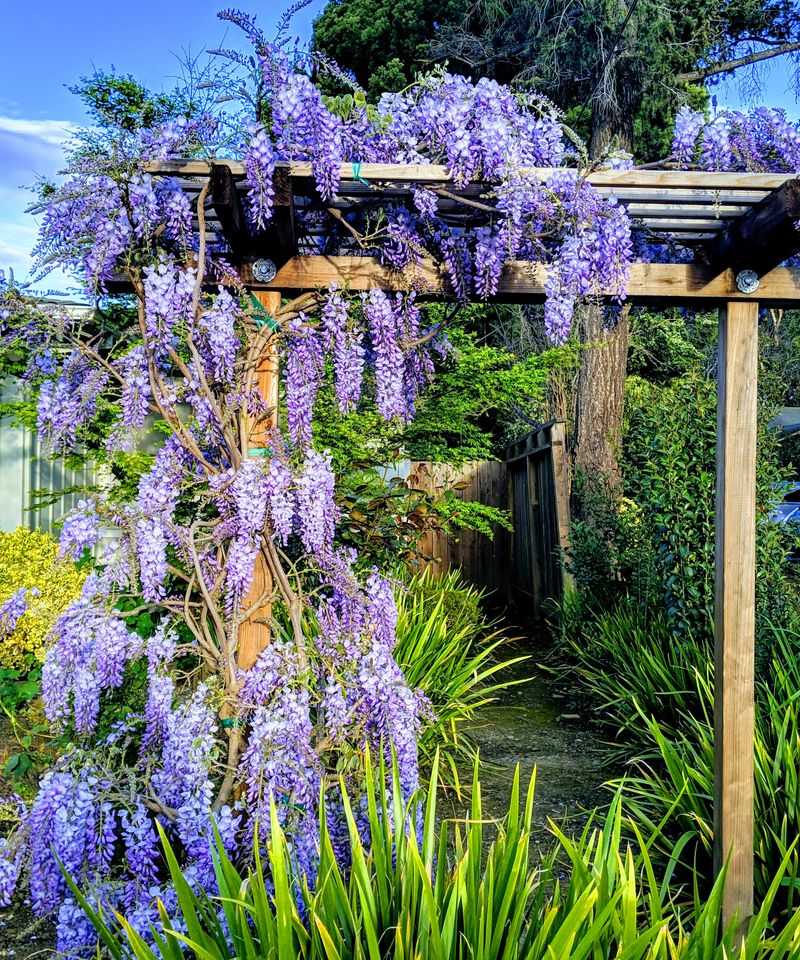
Picture a routine many Southern yards share. In fall, you push a spreader across the lawn with a high-nitrogen fertilizer, and the granules scatter right up to the base of a wisteria growing in or beside the turf.
A Texas gardening expert points to exactly this habit in a Neil Sperry reader answer, naming nearby fall lawn feeding as one possible reason a wisteria puts out plenty of growth but few or no flowers. The vine’s roots can spread well beyond what you see above ground, so lawn fertilizer may reach them more easily than most people expect.
Keep the idea in proportion. This is one possible contributor, not a diagnosis for every vine, and poor flowering has several known causes.
Nothing here proves that a single fall habit explains every wisteria that refuses to bloom. Think of it as a clue worth checking, alongside sunlight, age, pruning, and species, which the next sections cover.
Why extra nitrogen can mean more leaves and fewer flowers
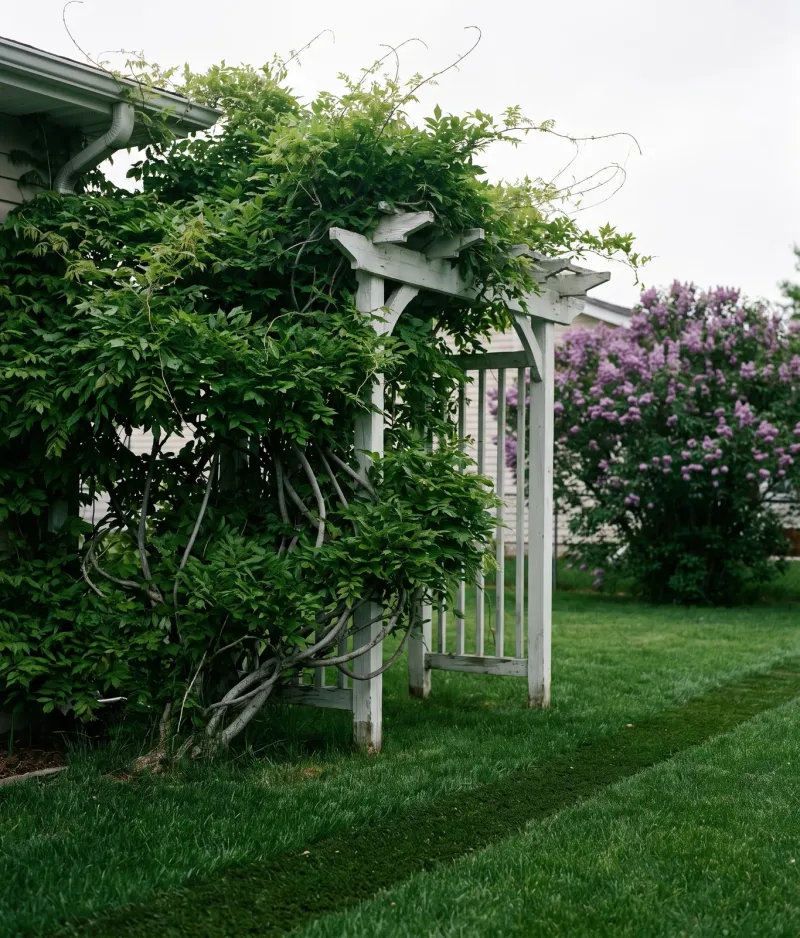
Nitrogen is the nutrient that pushes leafy green growth. Established wisteria generally needs very little added nitrogen, and Utah State Extension guidance on Japanese wisteria notes that too much can encourage foliage at the expense of flowers.
That fits the picture many gardeners describe: shoots running everywhere, thick leaves, and almost no buds. A vine that already has what it needs does not gain anything from a surplus, and the extra may tip it toward leaf production.
Fertilizer is not the enemy here. Plants need nutrients, and the problem is only too much of one in the wrong place.
Cutting back on unnecessary nitrogen near the vine may address one possible factor, but it cannot promise blooms. Other basics, such as light and pruning, still matter, and University of Arkansas Extension also treats wisteria flowering as something that depends on several care factors, so give the vine time to respond.
Separate the lawn’s needs from the vine’s

Your grass and your wisteria want different things. The lawn may need regular feeding, while an established vine usually does not need fertilizer to bloom, so skip routine feeding meant to force flowers.
Where practical, avoid broadcasting lawn fertilizer straight over the vine’s growing area. Stopping the spreader short of the wisteria’s root zone, or hand-feeding only the turf, keeps the lawn on track without piling nutrients onto the vine.
None of this means skipping needed lawn care.
Timing for the grass depends on where you live. Texas A&M AgriLife guidance on warm-season grasses ties nitrogen timing to grass type, region, and conditions, so it is not a blanket ban on fall feeding.
A soil test and your local extension office can tell you what your own lawn needs, and that advice applies to Texas turf specifically, not to every Southern yard.
Sunlight and maturity can also affect flowering
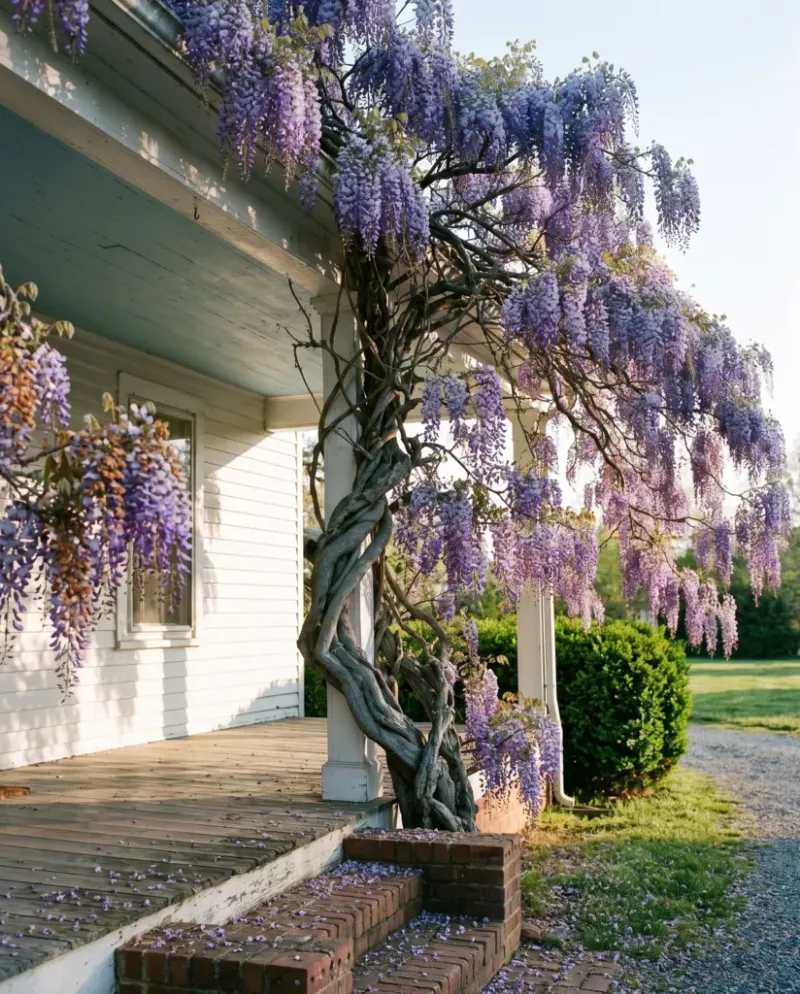
Before blaming fertilizer, check the light. Utah State Extension lists shade as a documented reason for weak flowering, and at least six hours of direct sun is a useful benchmark.
Watch the spot on a clear day and note when shade from trees, roofs, or fences creeps in. Six hours is a check, not a guarantee.
Age matters too. A young vine may simply not be ready.
NC State Extension notes that wisteria can take several years to mature and bloom.
Seed-grown plants may wait longer. An Arkansas Extension response mentions some taking eight to ten years, but treat that as one reported example, not a standard timetable.
If your vine came from a cutting or a nursery graft and is well established, age is less likely the answer.
Review what and when you prune
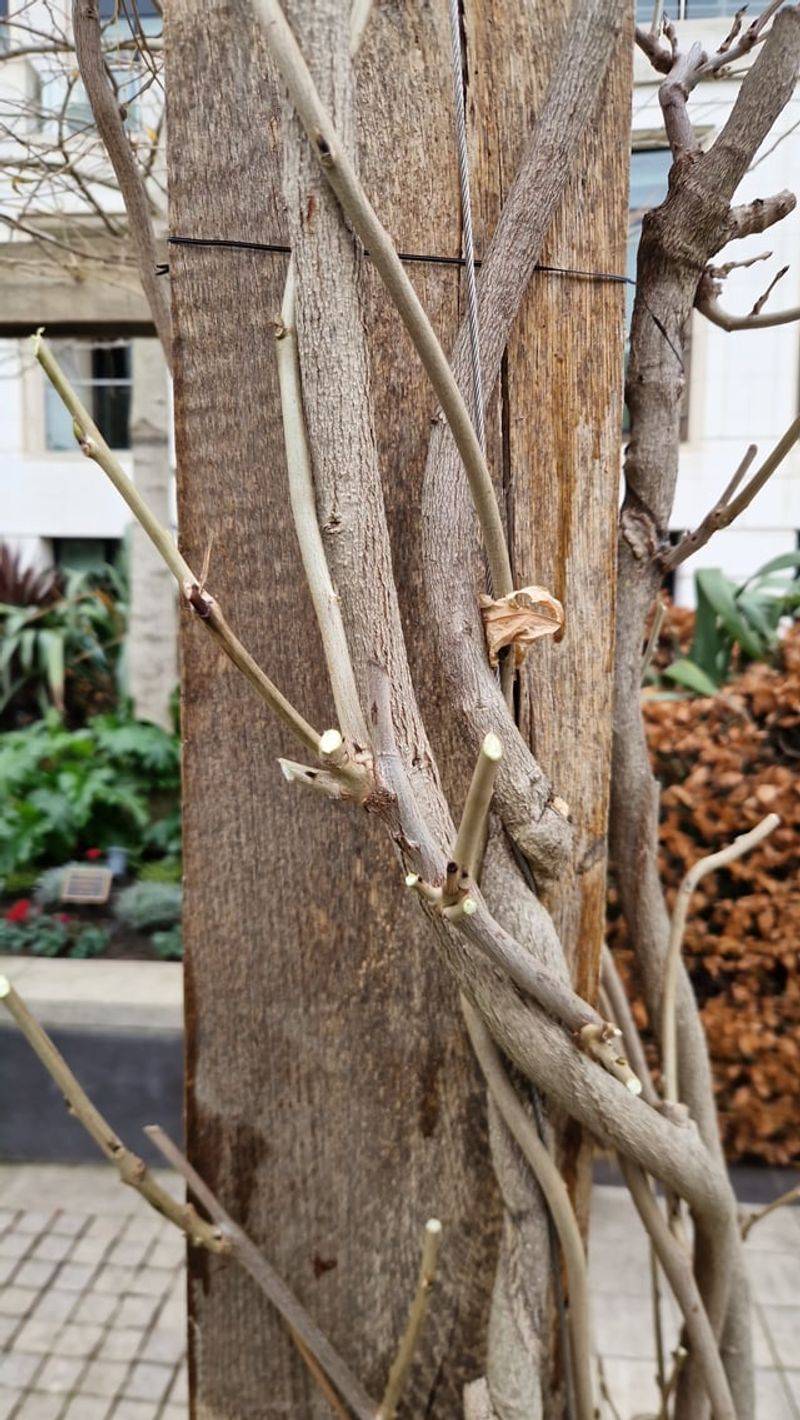
Pruning history is worth a hard look. Wisteria flowers on wood that the vine has kept, so cutting the wrong shoots can remove the very growth that would bloom.
Advice is not identical everywhere. University of Arkansas Extension describes pruning after bloom plus another scheduled prune, while Utah State and NC State include late-winter pruning alongside summer pruning.
So fall or winter cuts do not automatically erase future flowers. Timing, method, local conditions, and which shoots you remove all matter.
The practical move is to avoid cutting indiscriminately, follow a schedule suited to your area, and recall what you trimmed last year. If you chopped hard and often, that may be part of the story.
Identify the vine before judging its bloom window
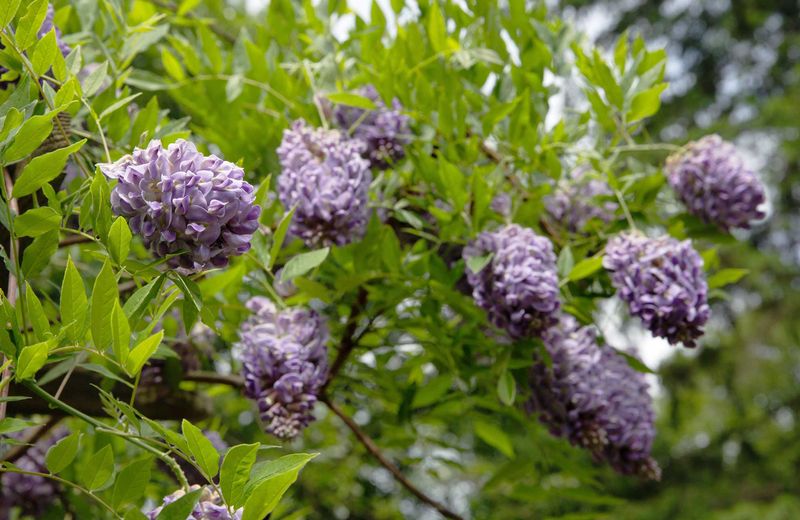
Not every wisteria blooms on the same calendar. According to NC State Extension, American wisteria flowers after its leaves emerge, unlike the commonly grown Asian types that bloom first.
If yours is leafy in spring with no flowers yet, it may just be running later.
A later window is not a failure, so give a native vine time before you decide anything is wrong.
Identification also matters for another reason. Chinese and Japanese wisteria can be aggressive and escape cultivation, while American wisteria is a less aggressive native option.
Knowing which one you have helps you decide how much to encourage it and whether to propagate it. If you are unsure, a local extension office or native plant group can help sort it out.
Use fall to check conditions, not promise a bloom
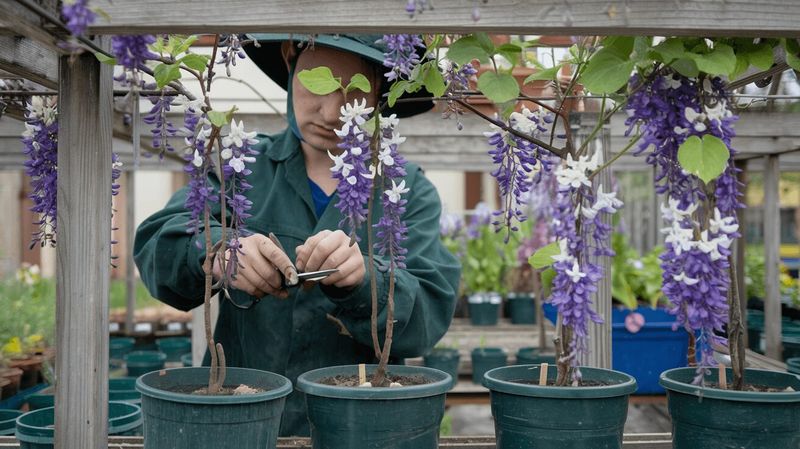
Fall is a good time to look around. Keep unnecessary lawn fertilizer from reaching the vine where practical, while following local turf guidance such as Texas A&M’s for the grass itself.
Then work through the other checks: sun exposure, the vine’s age, your pruning habits, and which species you have. Nearby fall feeding is a plausible contributor, as a Texas gardening expert suggests, but not a conclusive explanation.
Skip guaranteed fixes. Bloom boosters, extra phosphorus, and root-pruning are not proven cures, and extra phosphorus for lawns should follow soil-test need.
Even Utah State’s advice focuses on limiting nitrogen, not adding products.
A wisteria rewards patience more than panic.