
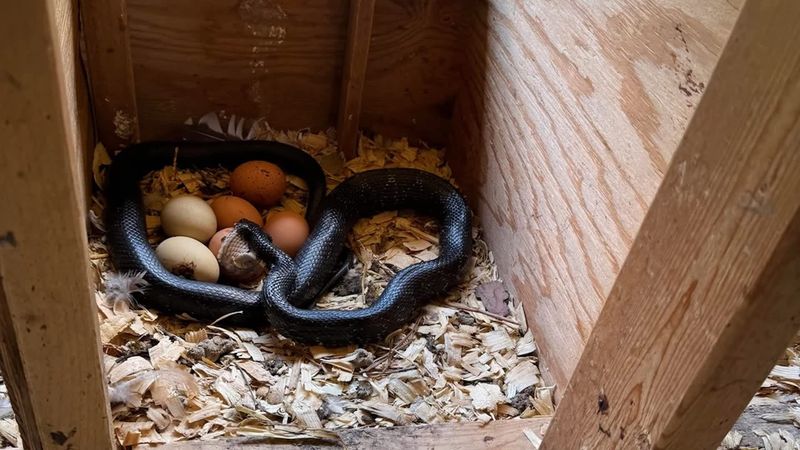
Snakes are good at staying hidden, especially in warm Southern yards full of mulch, shrubs, stone borders, and garden beds. That means you may never actually see one, even when it has been visiting the same spot for days.
The good news is that snakes often leave behind small clues that are easy to learn once you know what to watch for. Spotting those signs early can help you protect pets, avoid surprise encounters, and make your yard less inviting.
1. Shed Skins in Hidden Spots
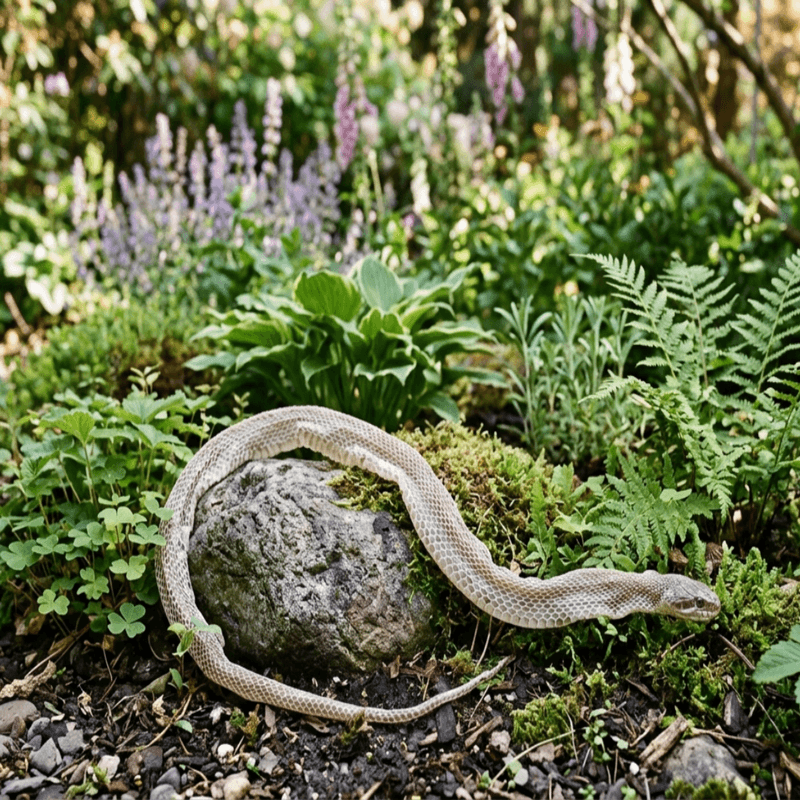
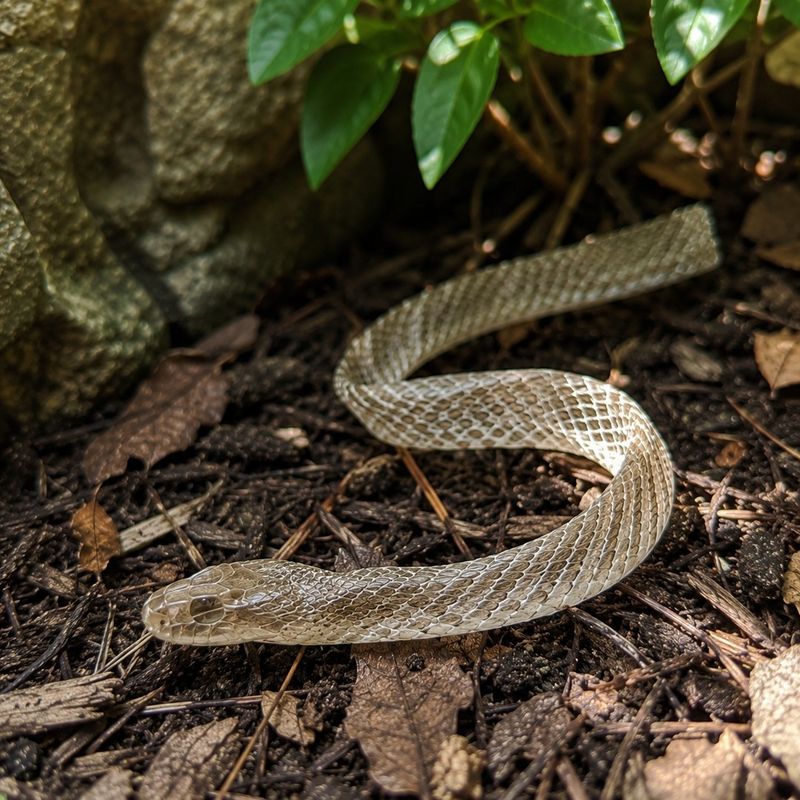
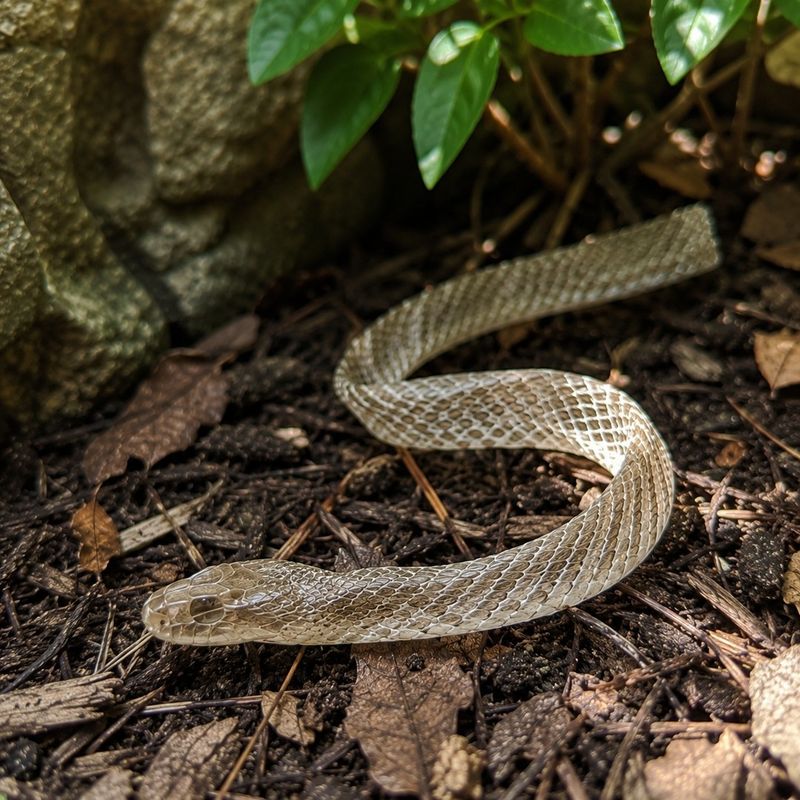
Nothing grabs attention faster than a long, papery snake skin caught under a shrub or curled beside a fence. A shed skin is one of the clearest signs that a snake has spent enough time in your yard to rest, grow, and molt there.
In warm parts of the South, especially where summers stay hot for months, snakes may shed more often than many homeowners expect.
Look in quiet, protected places first. Pine straw, stacked edging blocks, crawl space entrances, wood piles, and the back side of foundation plantings are common spots because they stay humid and safe.
A complete skin may even show the pattern of scales and the clear cap from the eyes, which helps confirm it came from a snake and not another animal.
One skin does not always mean a snake is living there full time, but it usually means one used the area recently. If you keep finding sheds in the same part of the yard, pay attention to what is nearby.
Dense ground cover, hiding places, and a steady food source may be encouraging repeat visits.
2. Strange Tracks Through Dust or Mulch
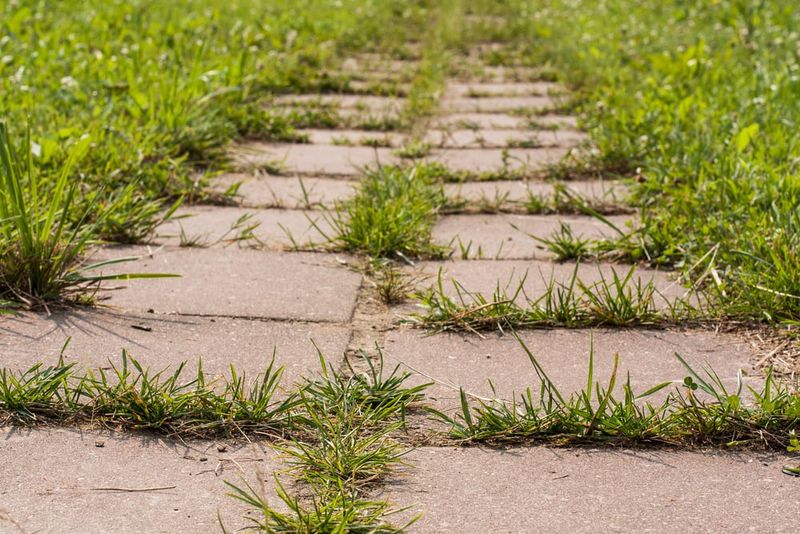
After a dry spell, the ground can tell a story your eyes missed. Snakes often leave smooth, winding trails through loose soil, dusty patio edges, sandbox corners, or fresh mulch, and those marks can appear overnight.
The pattern usually looks like a thin, curving line with gentle side-to-side movement rather than distinct footprints.
Fresh tracks show up best in places where the surface is soft and still. A newly mulched flower bed, bare patch near a faucet, or powdery dirt along a foundation may reveal a clean slither path heading toward cover.
In sandy areas of Florida and many parts of Texas, those marks can be especially easy to notice in the morning before wind or foot traffic erases them.
Tracks alone will not tell you the species, and sometimes a dragged hose or moving lizard can confuse the picture. Still, repeated winding marks that begin or end near rocks, tall grass, drainage areas, or stacked materials are worth noting.
When the same path keeps reappearing, a snake may be traveling a regular route across your yard.
3. A Sudden Drop in Frogs or Toads
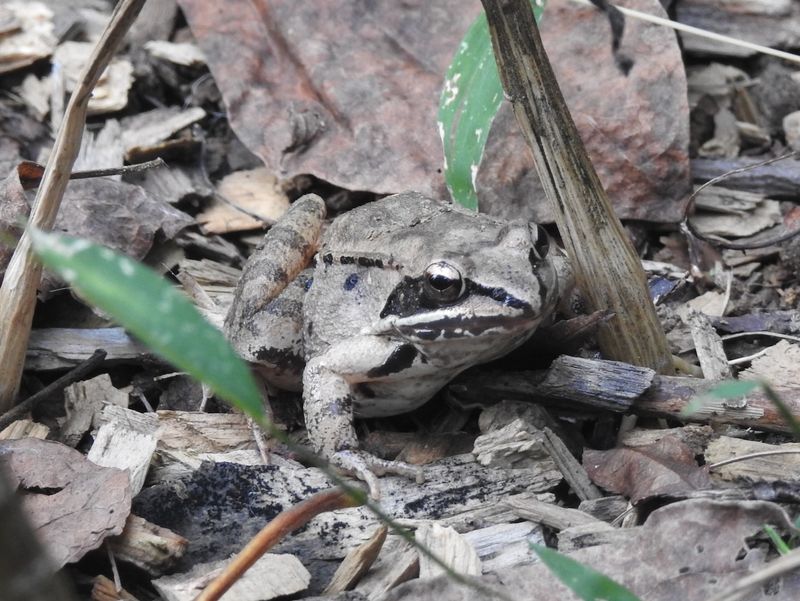
Some evenings feel oddly quiet, and that change can be a clue. If your yard used to buzz with toads around porch lights or frogs near a pond and then activity drops fast, a snake may be hunting there.
Many common yard snakes feed on amphibians, especially in damp Southern landscapes where water features, wet mulch, and irrigation create good habitat.
Watch for patterns instead of one slow night. A steady decline near a birdbath, drainage swale, rain garden, or decorative pond matters more than a single missing frog chorus.
In warm states with long growing seasons, regular watering keeps insect numbers high, which attracts frogs first and can attract snakes right behind them.
Other factors can also thin amphibian numbers, including dry weather, lawn treatments, and seasonal movement. Even so, a sharp change paired with other clues, like tracks in mud or a shed skin near water, deserves attention.
When prey animals vanish from one corner of the yard, it sometimes means a quiet predator has started using that area as a dependable feeding stop.
4. Rodent Activity Around Beds or Feeders
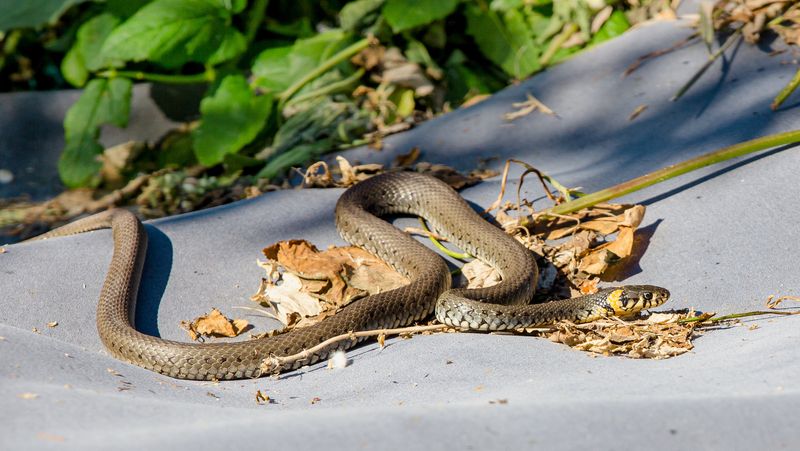
A snake rarely moves in for no reason. One of the biggest reasons is food, and in home landscapes that often means mice, rats, or chipmunk-like small mammals where they occur.
Bird feeders that spill seed, compost areas, chicken feed bins, and cluttered storage corners can all support the kind of rodent activity that makes a yard more appealing to snakes.
Check for gnawed seed hulls, droppings, tiny burrow openings, and chewed bags in garages or sheds near the garden. Raised beds with thick mulch and nearby cover can give rodents protected routes, while foundation shrubs offer shade and hiding places during the day.
In suburban neighborhoods across Florida and Texas, even tidy yards can develop small rodent pockets if food and shelter line up.
The clue is not simply seeing one mouse. What matters is a pattern of prey building up in the same zone where a snake could travel unseen.
If you notice heavy feeder traffic, nighttime rustling, and little pathways under plants, think beyond the rodents themselves. Reducing that food chain often does more to discourage snakes than almost any product sold for the problem.
5. Birds Sounding Repeated Alarm Calls
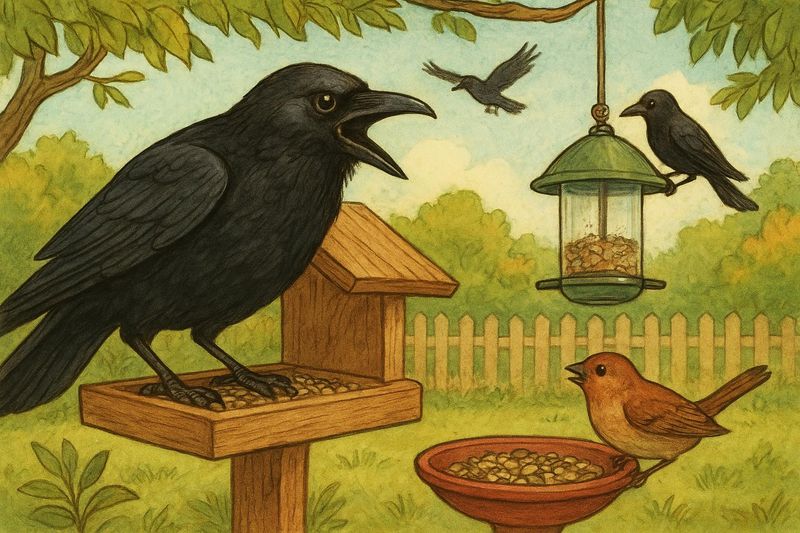
Birds often notice trouble long before people do. When several birds fuss loudly at the same shrub, fence line, or low tree branch, they may be reacting to a snake tucked where you cannot see it.
Mockingbirds, wrens, blue jays, and other bold backyard birds are famous for scolding predators with sharp, repeated calls.
Pay attention when the noise stays focused on one exact area. Random chirping all over the yard is normal, but a tight circle of birds diving, hopping, and staring into the same patch of vine or hedge is different.
Nesting season can make the response even stronger, since birds in Southern yards often defend eggs and young from climbing snakes that raid nests.
Alarm calls are not a perfect snake detector because birds may also react to cats, owls, or squirrels. Even so, the behavior can be a useful clue when it matches other signs, such as movement in ivy, a skin near the trunk, or missing nestlings.
If birds keep returning to scold one hidden spot, it may be wise to inspect from a safe distance.
6. Missing Eggs From a Coop or Nest Box
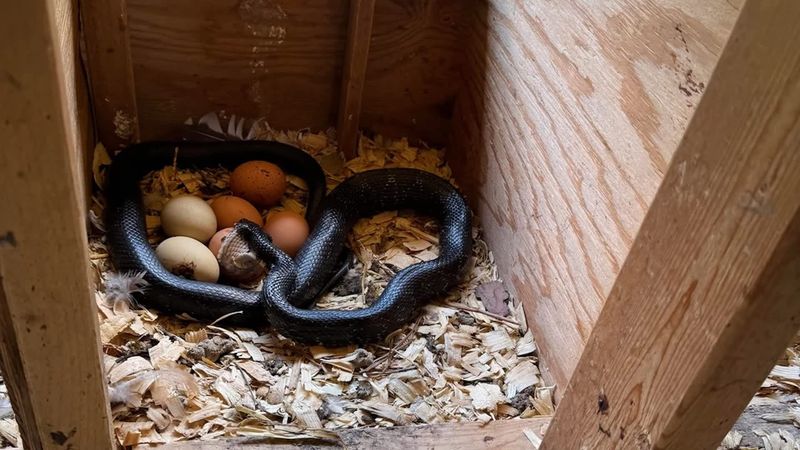
Backyard eggs do not always vanish because of raccoons. Snakes are quiet, flexible, and very good at slipping into nest boxes, small coops, or low birdhouses if openings are not secured.
In warm Southern climates where outdoor living lasts much of the year, that kind of easy food can turn a yard into a regular feeding stop.
Look for a pattern of whole eggs disappearing without much mess. Many mammal predators leave broken shells, scattered bedding, or claw marks, while snakes may remove small eggs cleanly or swallow them on site.
Poultry keepers sometimes notice nervous hens, empty nesting areas, or a coop that seems disturbed even though latches and fencing are intact.
Wild bird boxes can tell a similar story. A nest that looked active and healthy may suddenly sit silent, with eggs or hatchlings gone and little sign of struggle.
One loss does not prove a snake, but repeated disappearances from low, accessible nesting spots should raise the question. Securing openings, trimming nearby branches, and reducing hiding cover around the structure may help lower repeat visits.
7. Musk Odor Near a Shelter Spot
Every now and then, a yard has a smell that seems out of place, earthy, sharp, and a little foul near one tucked-away corner. Some snakes release a musky scent when stressed or when they pass through a shelter area often enough for the odor to linger.
It is not a perfume-like signal you catch from across the lawn, but up close it can be surprisingly noticeable.
Wood piles, old pots, stacked landscape stone, storage bins, and crawl space edges are worth checking if a strange odor keeps returning. Moist, shaded places tend to hold scent longer, especially in muggy weather common across the Gulf Coast and much of the South.
Homeowners sometimes describe it as stale, animal-like, or sour without being able to place it right away.
Many other things can smell bad outdoors, from decaying mulch to rodent nests, so this clue works best when paired with visual evidence. Still, a repeated musky odor in the same protected nook can point to a snake using that spot for cover.
If the smell appears after you move an object or disturb a hiding place, take the hint and back away carefully.
8. Unusual Gaps Under Sheds or Slabs
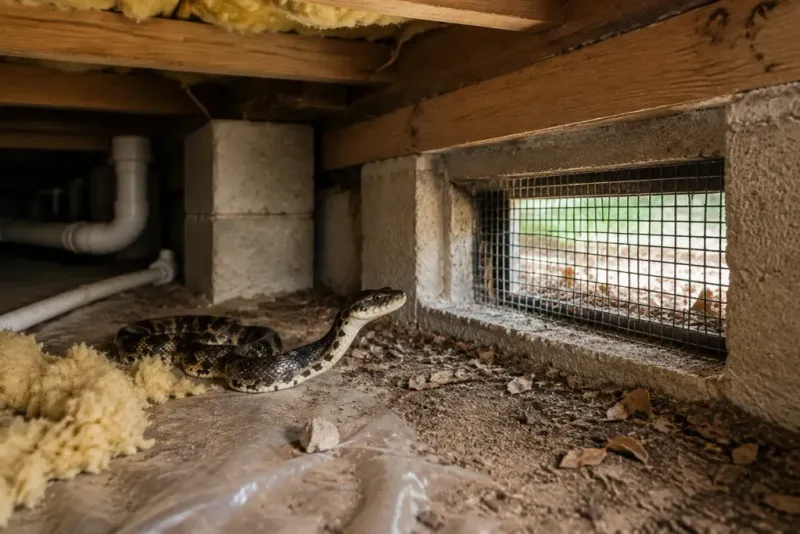
Warm, dark, and mostly undisturbed spaces are prime real estate for a hidden snake. A gap under a shed, porch step, AC pad, concrete slab, or deck may seem minor, but it can offer exactly the kind of shelter a snake wants during hot afternoons or cool nights.
Once a reptile finds a dependable refuge, it may return again and again.
Notice whether the opening leads into a dry cavity with nearby cover. Tall weeds, stacked pots, leaf litter, and overgrown shrubs can create a safe path to the entrance, letting a snake move from one hiding place to the next without crossing open lawn.
In Southern yards, where the ground stays warm for long stretches, sheltered gaps can stay attractive for much of the year.
The gap itself is not proof, of course. Plenty of harmless creatures also use those spaces, including lizards, toads, and rodents.
What raises concern is a combination of access, warmth, prey, and repeated signs nearby, such as slither marks or shed skin. Sealing openings only after checking carefully can reduce future use, but any active shelter spot deserves caution before you reach or peer too closely.
9. Frequent Movement in Ground Cover
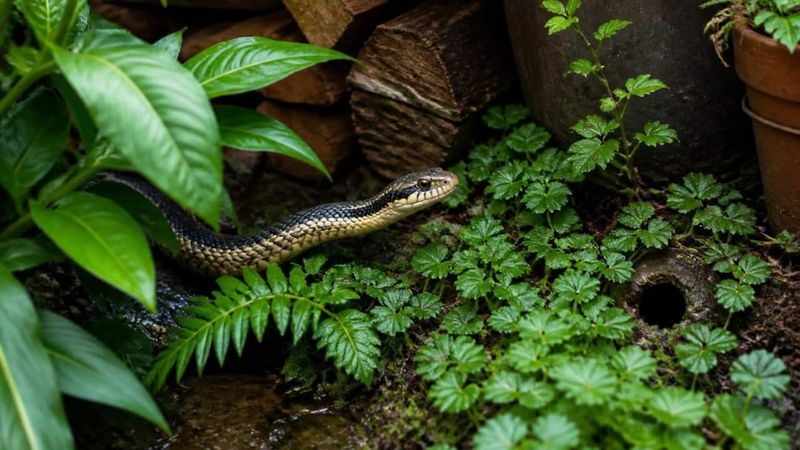
Dense planting can make a yard look lush, but it can also hide far more than weeds. If low ground cover seems to twitch, ripple, or part in a narrow line when no breeze is blowing, a snake may be moving underneath.
The motion is often brief, and that is why so many people miss it unless they happen to be watching at the right moment.
Ground-hugging plants such as ivy, liriope, mondo grass, thick ornamental grasses, and sprawling vines create cool shade and easy travel lanes. In Florida and Texas landscapes, long warm seasons help those plants stay thick for extended periods, which gives snakes cover close to patios, walkways, and foundations.
Even mulch under broad shrubs can produce that same hidden gliding effect.
Plenty of animals rustle plants, including lizards, frogs, and mice, so size and pattern matter. A smooth, steady wave moving in one direction is more suggestive than quick, jerky bursts.
If the same bed shows repeated movement during warm mornings or evenings, do not plunge your hands in blindly to weed or edge. A simple visual check from a safe distance can prevent a nasty surprise.
10. Sun-Basking Spots Near Cover
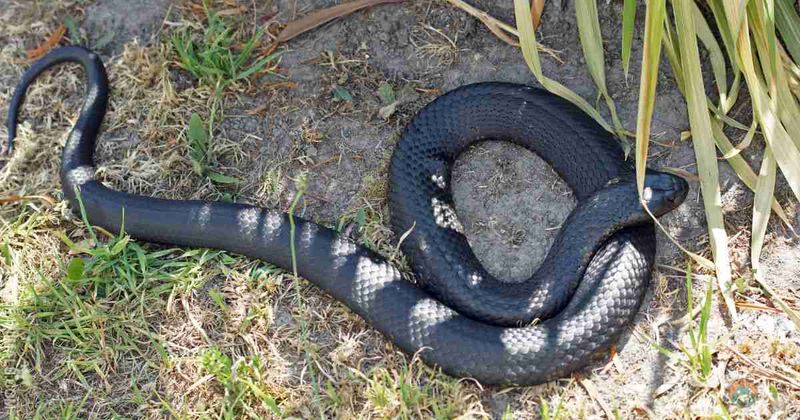
Snakes do not need a giant wild habitat to settle in. Sometimes all they want is a sunny place to warm up and a quick route back to shade.
Flat stones, edging blocks, blacktop borders, metal garden panels, and even a warm concrete path next to shrubs can create a perfect basking setup in an ordinary yard.
Notice whether one sunny patch seems to draw repeated wildlife activity or holds subtle signs like a shed skin, faint track, or a smooth path into nearby cover. Early morning and late afternoon are common times for reptiles to use those warm surfaces, especially after cooler nights or rain.
In Southern climates, where temperatures shift fast between shade and sun, those microclimates can be especially attractive.
The clue is stronger when the basking zone sits right beside protection. A snake wants to warm up without feeling exposed, so rock borders next to ornamental grasses, stacked timbers near beds, or stepping stones beside thick shrubs deserve extra attention.
If you keep seeing movement flash from the same warm edge into cover, the yard may be offering a very convenient sun deck for a secretive visitor.
11. Toad or Lizard Remains With Little Mess
Predators rarely clean up after themselves, but different hunters leave different clues. A snake that feeds in the yard may leave behind small remains from prey like lizards, toads, or young rodents, often with much less mess than a mammal attack would create.
Homeowners sometimes notice a detached lizard tail, a few scales, or one odd prey remnant near a shelter spot.
Check around rock piles, stepping stones, edging, and low walls where reptiles like to gather. Those same features also attract snakes, which can make the area a feeding lane without ever putting the predator in full view.
In heat-prone Southern landscapes, lizards are active for much of the year, and that steady food source can support repeat snake visits around patios and planting beds.
No single leftover proves much on its own. Cats, birds, and even lawn equipment can also account for scattered animal remains.
Still, when you keep finding small prey evidence near the same hidden corner, especially alongside skins, tracks, or rodent activity, the pattern starts to matter. A yard with easy meals and safe cover may be functioning like a buffet for a very private hunter.
12. Pet Fixation on One Corner of the Yard
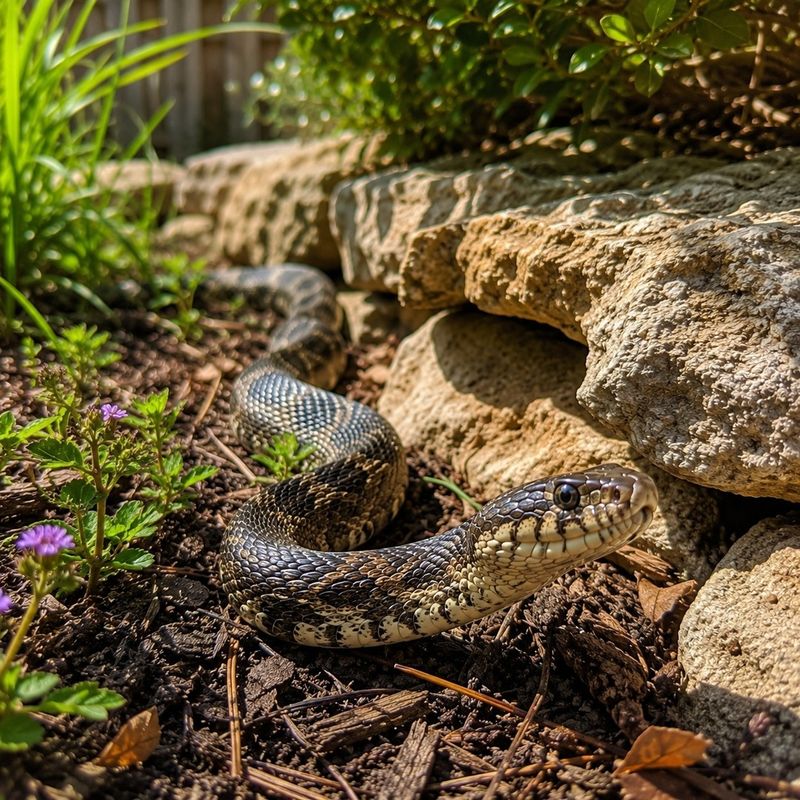
Dogs and cats often act like they know something before we do. A pet that keeps sniffing, freezing, pawing, or staring at the same pile of rocks, shrub base, or fence gap may be reacting to scent or movement from a hidden snake.
Many owners brush it off at first because the area looks perfectly ordinary from a standing height.
What matters most is repetition. One curious moment is normal pet behavior, but returning to the exact same corner day after day suggests the animal is detecting something consistent.
In yards with thick foundation plantings, AC units, stacked lumber, or low decks, pets may lock onto hidden travel routes that people rarely inspect closely.
Of course, pets may also fixate on frogs, lizards, rodents, or nest sites, so it is wise not to jump straight to the worst conclusion. Still, a strong change in behavior deserves respect, especially if your dog suddenly barks at a mulch bed at dusk or your cat camps beside a shed opening.
Keeping pets leashed away from the area until you investigate safely can reduce the risk of an unpleasant encounter.
13. Burrows That Seem Used but Not Dug Fresh
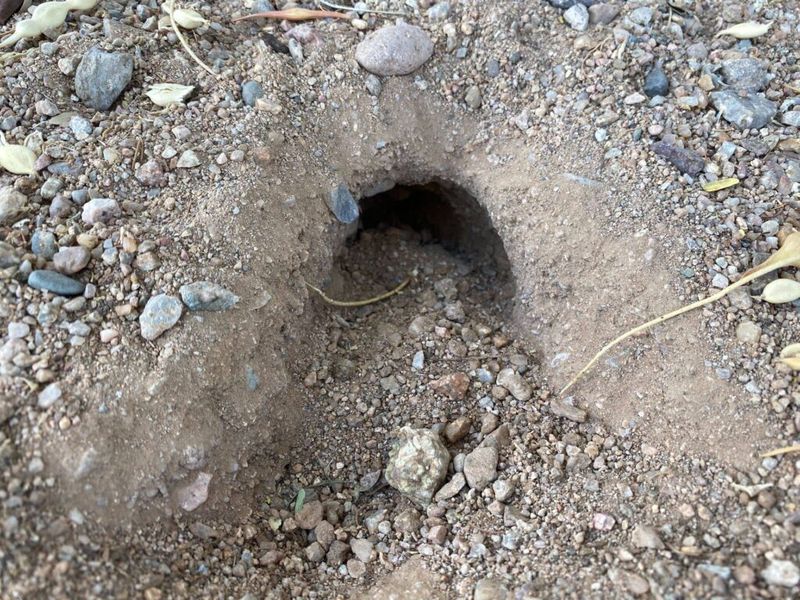
Here is a detail many people overlook: snakes often borrow rather than build. If you have small burrows around raised beds, retaining edges, compost bins, or tree roots that look occupied but not freshly dug, a snake may be slipping in and out of an old rodent tunnel.
The opening might stay neat, quiet, and unchanged for days, which makes it easy to ignore.
Freshly excavated soil points more toward an active digging animal, but a reused burrow can look almost tidy. Watch for a smooth entrance, light slide marks, or nearby shed pieces instead of clawed-out dirt.
Sandy soils common in parts of the South can make these openings especially stable, allowing tunnels to remain useful long after the original tenant is gone.
Not every old burrow belongs to a snake, and plenty stay empty for weeks at a time. Even so, a cluster of abandoned rodent holes near heavy mulch, stone walls, or thick vegetation creates ready-made shelter in the exact places snakes prefer.
Blocking openings without checking first is unwise, so treat unexplained burrows as a clue that the space may be serving more wildlife than you realized.
14. Repeated Sightings of Juvenile Snakes
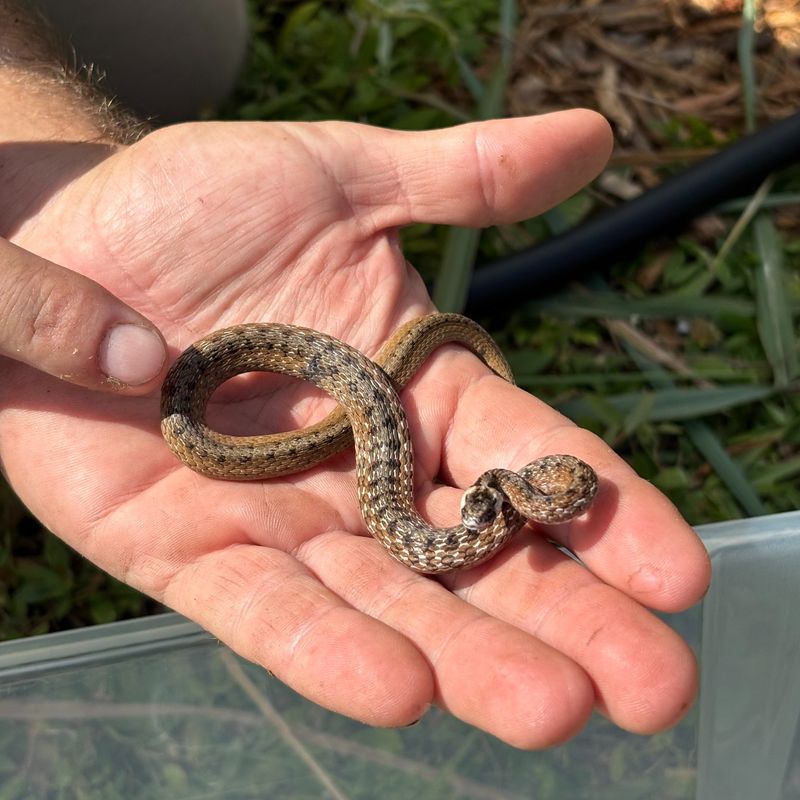
Seeing one small snake can feel random, but several over time tells a different story. Juvenile snakes in a yard may mean the habitat is working well for them, with enough shelter, moisture, and prey to support young animals.
In some cases, it may also suggest that eggs hatched nearby or that the area connects to a larger hidden population.
Young snakes are easy to underestimate because they are short, slender, and quick to disappear under mulch or edging. Yet they can show up repeatedly around the same damp beds, rock borders, pond edges, or foundation plantings.
In warm states like Florida and Texas, long active seasons can extend the period when homeowners notice small snakes crossing paths, patios, or driveways.
Species identification matters because many juveniles look different from adults, and some harmless snakes can mimic more defensive behavior when tiny. Still, repeated appearances should push you to examine the yard conditions that support them.
If little snakes keep turning up near clutter, standing water, or prey-rich areas, the problem may not be the animals themselves so much as a landscape setup that quietly welcomes them back.
15. Water Sources With Quiet Traffic Around Them
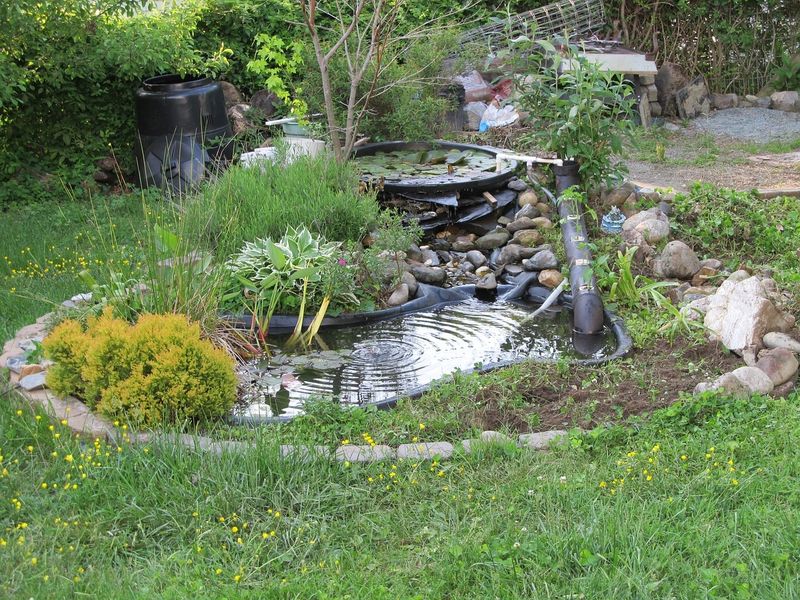
Water changes everything in a yard, especially during hot Southern weather. A birdbath, leaky spigot, dripping hose bib, shallow pond, pet bowl, or soggy drainage swale can attract the frogs, insects, and small animals that snakes often hunt.
Even when the snake itself stays hidden, the area around water may start showing a level of quiet traffic that seems unusually steady.
Look for repeated movement in nearby mulch, tracks in mud, or prey animals clustering in one damp spot. Snakes may also rest near cool moisture during stretches of high heat, using dense plants or rocks beside the water as cover.
In long warm seasons, a water source can keep drawing wildlife for months, which makes it more than a temporary stop.
That does not mean you need to remove every birdbath or pond feature. Instead, think about visibility and maintenance.
Trimming back heavy growth, fixing leaks, and avoiding clutter around the edges may reduce hidden approach routes while keeping the yard useful for birds and pollinators. When a water source becomes the center of repeated animal activity, it can be one more strong clue that a snake is visiting too.
16. Stacks of Debris That Stay Undisturbed

Every yard has that one forgotten corner, and snakes tend to appreciate it. Undisturbed stacks of boards, spare pavers, rolled fencing, old pots, palm fronds, or storm cleanup debris create layers of shade and protection that can shelter prey and predators at the same time.
To a snake, that kind of pile offers security without much effort.
The risk increases when debris sits near food sources or moisture. A stack beside a garden hose, compost bin, chicken run, or bird feeder area can support insects, frogs, lizards, and rodents, making it especially attractive.
In Southern climates where outdoor materials may stay in place for long stretches, those quiet corners can become stable habitat before the homeowner realizes it.
You do not need a junkyard for this clue to matter. Even a tidy-looking stack of decorative stone or extra lumber can create cool pockets underneath.
If the pile has not been moved in months and sits close to dense plants or fence lines, treat it carefully. Lifting items with bare hands or stepping over the area blindly is a common way people stumble into a surprise they could have avoided.