
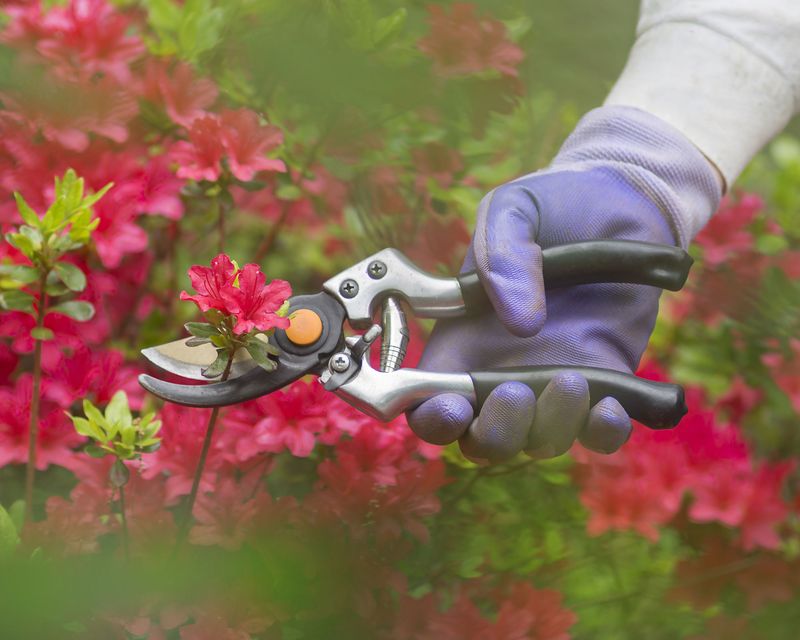
That neat fall trim on your azaleas might cost you flowers next spring. Many common azaleas are already growing next year’s flower buds by the time the leaves start to turn.
A few snips in the wrong season can take those buds right off the shrub. Here is how to tell what is safe to cut, what should wait, and when a cut cannot wait.
A fall trim can reduce the spring flower show
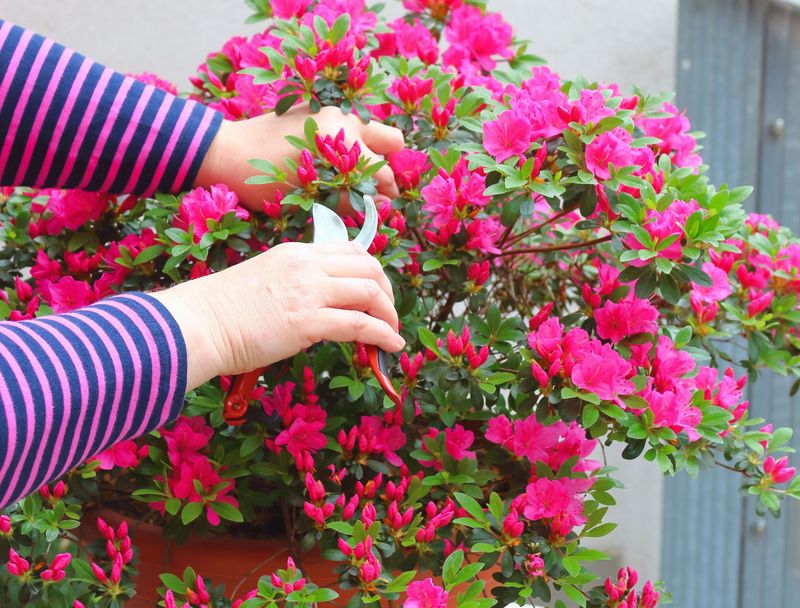
Picture a tidy azalea in October, then a bare-looking spring. The shrub is not sick.
It may simply have lost the branch tips that were carrying next year’s flower buds.
According to UGA Cooperative Extension guidance on pruning ornamentals, pruning in fall or winter can eliminate or decrease the spring display of azaleas. The word to notice is decrease.
How much you lose depends on how many bud-bearing shoots end up in the trimmings.
A light tip trim on one side of a shrub may cost you a few clusters. A heavy all-over shearing can remove a large share of the show.
Either way, the shrub usually stays healthy and will grow leaves as normal.
This warning is about routine shaping, such as evening out the outline or nudging a shrub back from a walkway. It does not cover every cut.
Dead, damaged, or diseased branches are a separate matter, and we will get to them shortly.
Bud development starts before fall
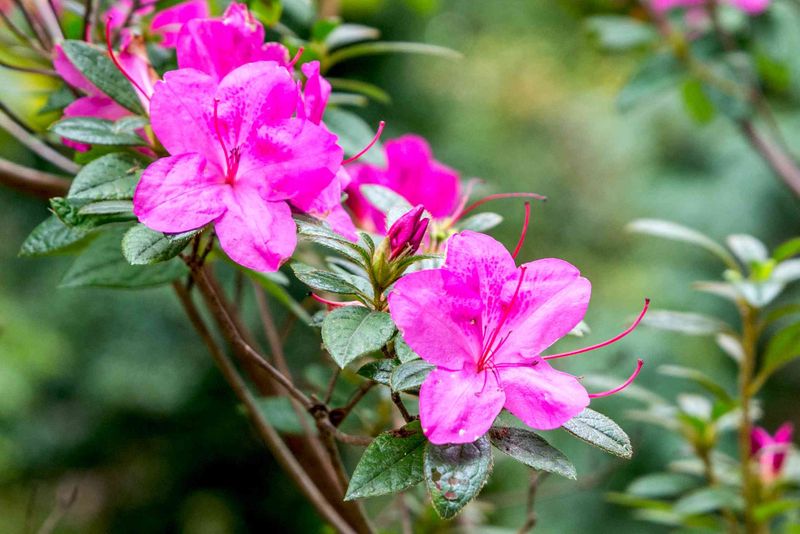
Ask an azalea when it starts planning next spring, and the answer is surprisingly early. Growth comes first, right after the current bloom fades.
Flower buds begin developing after that spring growth and keep developing through summer.
Regional advice describes the timing a little differently. UF/IFAS says flower initiation in Florida follows spring growth, with development continuing into late summer and fall.
Georgia guidance is close, placing bud formation in mid-to-late summer, as UGA notes.
So the phrase that azaleas set their buds in fall is a handy shortcut, not the whole story. Buds do not appear all at once on the first cool day.
By fall, though, many shrubs are carrying buds that are well along, which is why a fall trim can remove them.
Your own yard may run a bit ahead or behind, depending on the cultivar and the weather that year.
A clue at the branch tips
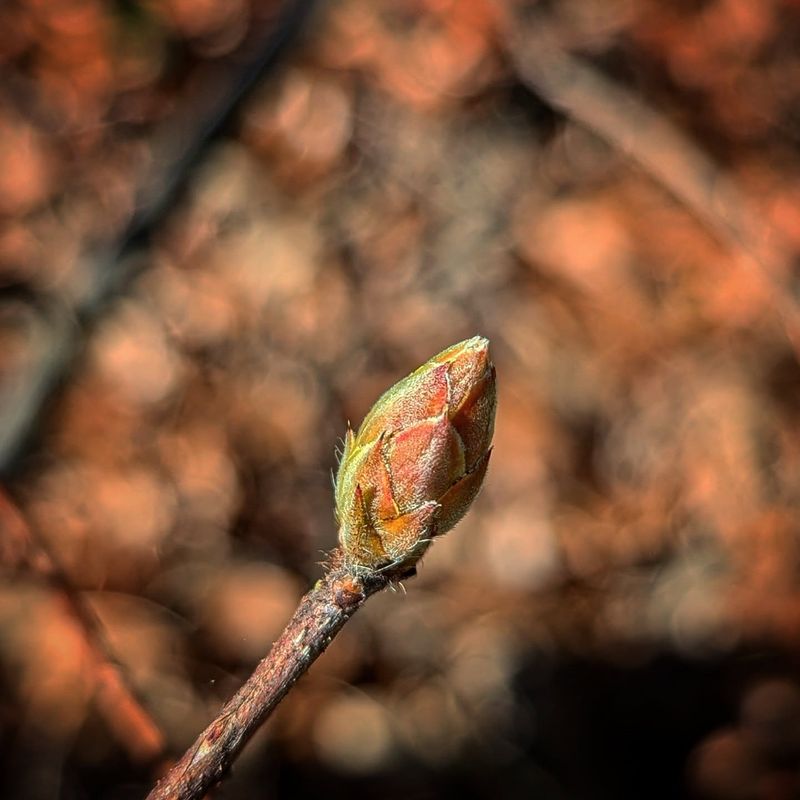
Grab a branch in fall and look closely at the very tip. Flower buds are often plumper and more egg-shaped than the slim, pointed leaf buds.
They usually sit at the ends of shoots, sometimes in a small cluster.
The NC State Extension Plant Toolbox points to this size and shape difference. Treat it as a helpful clue, though, not a sure-fire test.
Cultivars vary, and a bud can be hard to read on a shrub you did not choose yourself.
If you find fat buds at many tips, that is a good reason to keep your shears in the shed. If you cannot tell what you are looking at, the safer choice is simple: leave the branch tips alone in fall.
Nothing is lost by waiting. The shrub can be shaped after it blooms, when you can see exactly which branches carried flowers.
Shape azaleas after they bloom
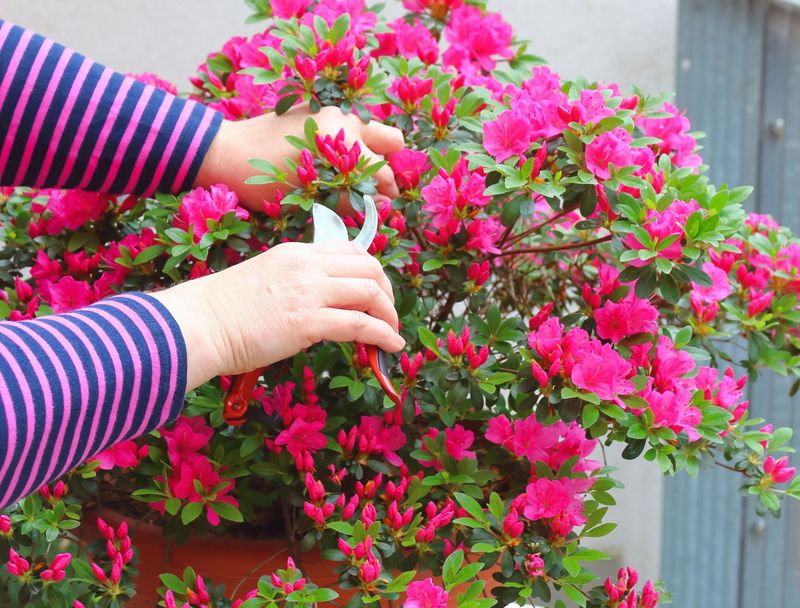
The best window for routine shaping opens as the last flowers fade. Cutting then gives the shrub time to push new growth before next season’s buds develop.
Prune selectively, taking a branch here and there rather than shearing the whole outline.
For Florida, UF/IFAS Gardening Solutions recommends pruning after flowering, in late spring or early summer. Georgia guidance warns that pruning after mid-July can reduce the spring display.
In Texas, Texas A&M AgriLife’s pruning chart lists azaleas in the April to June window, after spring flowering.
Treat those dates as guidance, not a hard deadline for every yard. A cultivar that blooms early may be ready sooner, and a late bloomer may need to wait.
Your county Extension office can give timing that fits your area. Also watch your own shrub’s bloom cycle, since the calendar should follow the flowers.
Necessary cleanup is not a routine haircut

Waiting on shaping does not mean ignoring a problem. A snapped limb hanging over the walkway or a stem with dead leaves is worth fixing whatever the month.
Azaleas generally need little pruning, and NC State Extension says dead, diseased, broken, or damaged branches can be removed as they appear. Cut back to healthy wood, and clean your pruners between cuts if you are dealing with disease.
The difference comes down to purpose. Cleanup cuts remove something that is already failing, and they take out very little.
A haircut, meaning trimming for size, height, or a smoother outline, is the kind of cut that should wait until after flowering.
A quick test can help. If the branch is dead, broken, or sick, cut it.
If the shrub simply looks a bit wild, wait for spring’s flowers to finish.
Renovation and rebloomers call for a trade-off
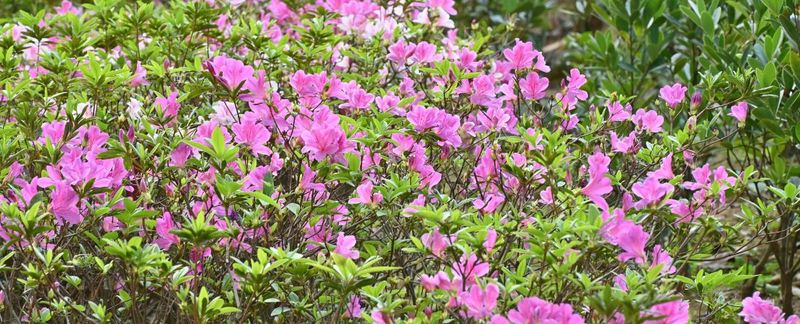
Some jobs are bigger than a trim. An azalea that has swallowed a window may need major renovation, cutting it back hard to rebuild a smaller shape.
That can work, but UGA guidance on growing azaleas makes clear it sacrifices flowers. Make it a deliberate choice, not routine fall upkeep.
Reblooming azaleas add another twist. Repeat-blooming types still set a limited number of buds, and Arkansas Extension notes that fall flowers can come at the expense of the spring display.
NC State also treats late-summer and fall-flowering azaleas as an exception to its usual timing advice. Check your plant’s bloom pattern before cutting.
So the plan stays simple: defer routine shaping, and make the cleanup cuts a shrub truly needs.
Patience is the cheapest way to get flowers.