
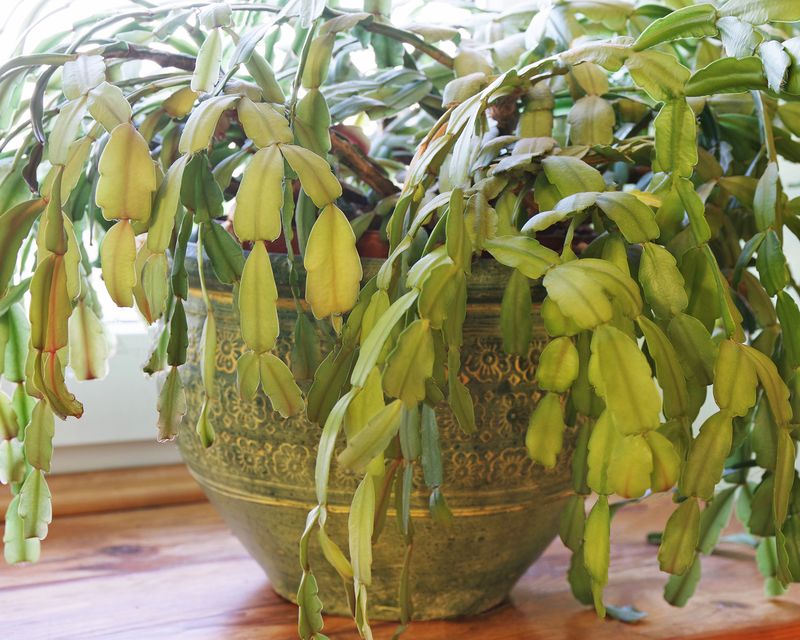
You walk past your Christmas cactus and notice the stems have gone soft and droopy, so your first instinct is to grab the watering can. But that instinct can backfire badly, especially in the middle of a hot Southern summer.
A limp holiday cactus may actually be signaling too much water, not too little, and knowing the difference could save the plant.
A limp cactus is not automatically a thirsty cactus
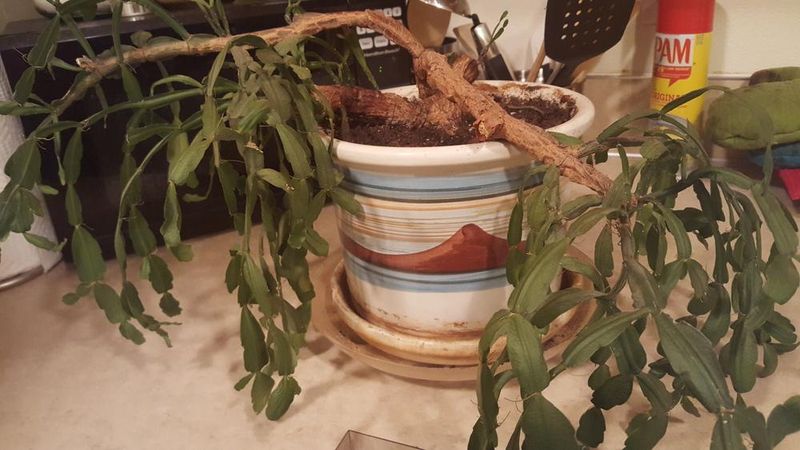
Soft, drooping stems on a Christmas cactus send an urgent-looking signal, and most people read that signal as thirst. Before you pour anything, push your finger about one inch into the potting mix and feel what is actually there.
That single check carries more diagnostic weight than the plant’s appearance alone.
UC ANR holiday cactus guidance confirms that limpness by itself cannot tell you whether the plant is too dry or dealing with the aftermath of too much moisture. Dry mix paired with shriveled, papery stems points toward insufficient water.
Wet or damp mix paired with limp, gray-green, yellowing, or collapsing segments points toward a moisture-related problem instead.
Even those two patterns are not the whole picture. University of Wisconsin Extension notes that heat stress, direct sun exposure, pests, disease, temperature swings, and root binding can all produce similar decline.
The soil check is your first filtering step, not a complete diagnosis. University of Minnesota Extension recommends treating the soil moisture reading as the starting point, then looking further if the mix and root condition do not fully explain what you are seeing.
When wet soil damages roots, the plant can look thirsty
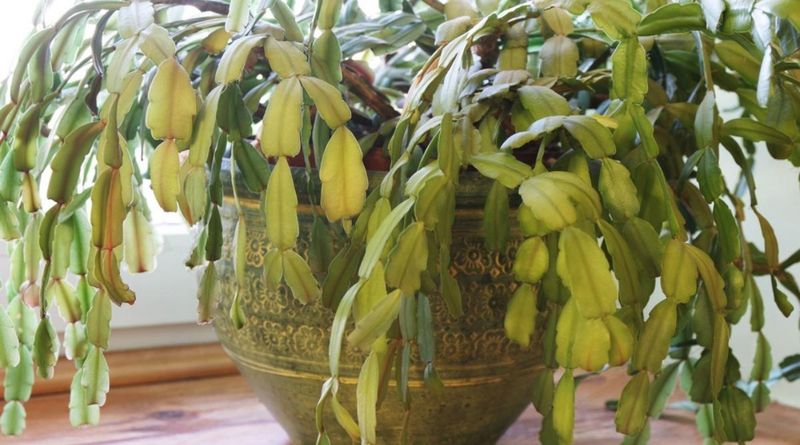
Roots need oxygen as much as they need water. When potting mix stays saturated for too long, the air pockets that roots depend on fill with water, and root tissue can begin to break down.
Iowa State University Extension’s root rot overview explains that damaged roots lose the ability to absorb and transport water effectively, which means the stems can look drought-stressed even though the pot is still wet.
Research published in the Journal of Experimental Botany supports this mechanism: waterlogged conditions reduce root oxygen availability and can impair the water-conducting pathways that keep plant tissue hydrated. The plant is not lying when it looks thirsty.
Its water delivery system has been compromised at the root level.
The summer watering mistake that causes this is not simply watering frequently. UConn Extension and University of Wisconsin Extension point to a cluster of habits: watering by the calendar regardless of soil condition, leaving the pot sitting in water that collects in a saucer, using a moisture-retentive or oversized container, or giving a large compensatory soak after the plant has been neglected and the roots are already stressed.
Any one of these can create the paradox of a plant that looks parched while its roots are drowning.
Read the pot before you reach for the watering can
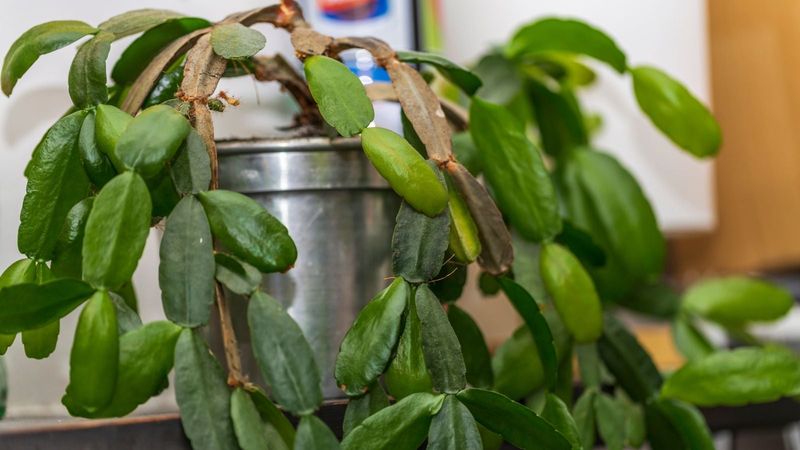
Holiday cacti are rainforest epiphytes, not desert plants. NC State Extension’s Schlumbergera profile notes that in their natural habitat these plants grow anchored to trees or rocks where rainfall drains away quickly rather than pooling around the roots.
They tolerate and often benefit from moisture, but their roots are wired for a wet-then-dry cycle, not for sitting in continuously saturated mix.
Before watering, press a finger about one inch below the surface and feel the mix. Iowa State University Extension’s holiday cactus guide recommends waiting until the mix begins to dry before watering again during active growth.
Also check whether the saucer or decorative cachepot is holding water. Standing water beneath the pot keeps the drainage zone saturated and cancels out an otherwise reasonable watering habit.
A fixed schedule is less useful than reading the container. UMass Extension’s commercial holiday cactus fact sheet notes that plants in warm, bright conditions may dry out within a few days, while the same plant in a cool, shaded, or air-conditioned room may hold moisture much longer.
UConn Extension reinforces this: pot size, container material, humidity, and growing medium all change how quickly the mix dries. The pot tells you what the calendar cannot.
Give healthy roots a thorough drink, then let excess water escape
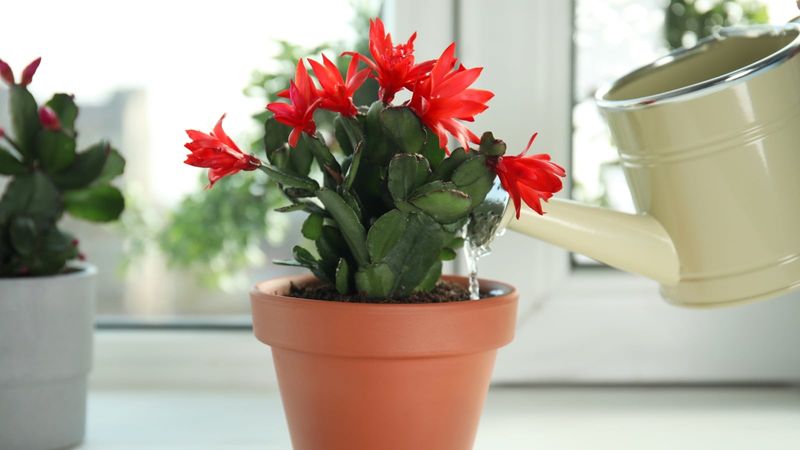
When the mix has dried appropriately and roots look healthy, water the plant thoroughly. South Dakota State University Extension and Penn State Extension both recommend watering until water flows freely from the drainage holes, which ensures the entire root zone receives moisture rather than just the top layer.
Once water has drained, empty the saucer or remove the pot from any decorative cachepot so the plant is not sitting in standing water.
University of Minnesota Extension echoes this approach and notes that extension sources differ on the exact point at which to water again. Some recommend watering when the top inch feels dry; others suggest allowing the mix to dry a bit more substantially between waterings outside the budding and flowering window.
Rather than picking a number and sticking to it, use the feel of the mix as your guide each time.
One important exception applies to a severely dry plant. UConn Extension specifically cautions that flooding a badly drought-stressed plant all at once can waterlog roots that are already weakened from dehydration.
If the mix is bone dry and the stems are shriveled, rehydrate gradually over a day or two rather than drenching the pot in one pass. The goal is even moisture throughout the root zone, not a rescue flood.
Fix the container and mix that keep roots saturated
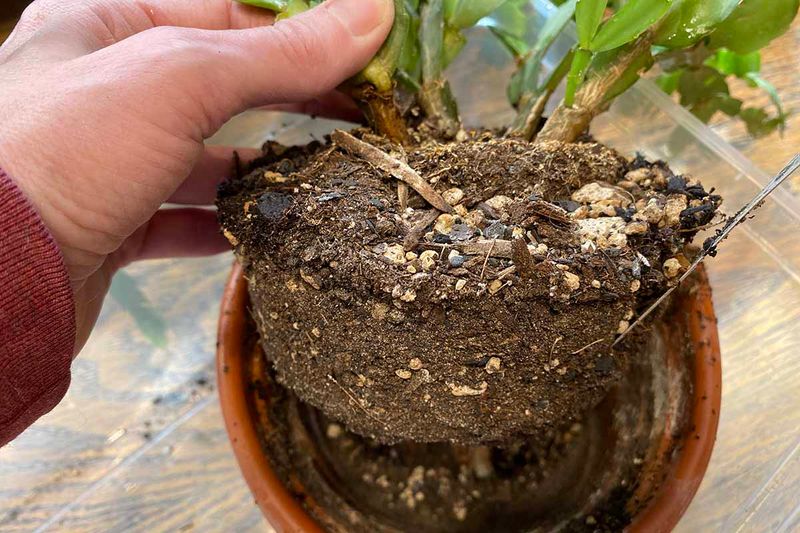
A reasonable watering habit can still fail when the container and mix are working against you. The most straightforward fix is making sure the pot has drainage holes.
Without them, water has nowhere to go, and even careful watering will eventually saturate the entire root zone.
University of Maine Extension explains that adding a gravel layer to the bottom of a pot does not reliably improve drainage and can actually raise the point at which the saturated zone sits within the container, keeping roots wetter than intended. Skip the gravel and focus on the basics: drainage holes, an aerated and well-drained potting mix, and a pot that is not dramatically larger than the root ball.
University of Minnesota Extension and Iowa State University Extension both note that an oversized container holds far more mix than the roots can draw moisture from, so the outer portions of the pot stay wet long after the roots have absorbed what they need. A snugger fit encourages the mix to dry more evenly between waterings.
Many holiday cacti actually tolerate being somewhat pot-bound and may only need repotting every few years, not on an annual schedule.
Inspect the roots when wet soil and decline occur together
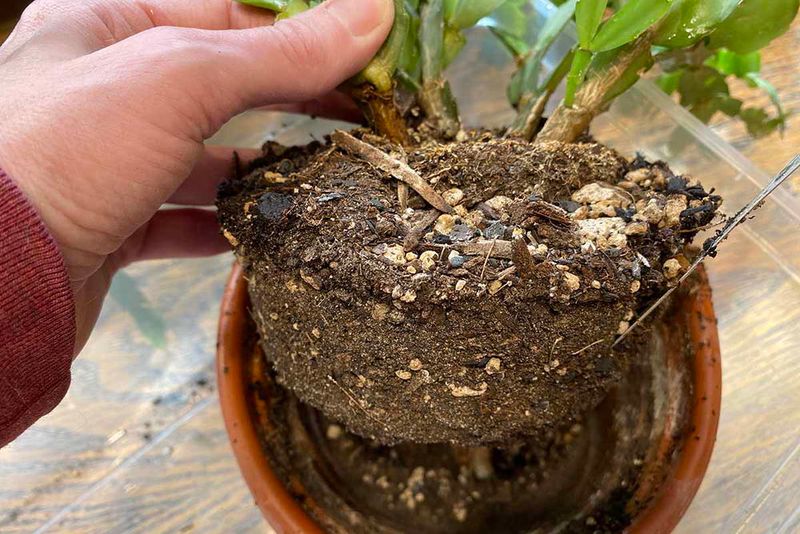
Root inspection makes sense when the plant remains limp in wet mix, keeps dropping segments, or shows progressive collapse despite no change in care. Pulling the plant for a look is not a drastic step at that point.
It is the most direct way to find out whether rot has developed.
University of Wisconsin Extension’s root rot guide for houseplants describes what to look for: roots that are dark brown or black, soft, and mushy rather than firm; potting media that smells foul or stagnant; stem tissue that has begun to rot at or near the soil line; and a plant that continues to collapse even after watering adjustments. Healthy roots feel firm and may be tan or white.
Damaged roots feel spongy and fall apart when touched.
If you find clear rot, stop routine watering immediately. University of Minnesota Extension and Colorado State University Extension recommend removing the plant from its container, cutting away clearly black or mushy root tissue with clean, sharp tools, and repotting into fresh well-drained mix in a clean container that has drainage holes.
Connecticut Agricultural Experiment Station notes that severely collapsed plants may not recover even with correct intervention. Fertilizer is not a rescue tool here.
UMass Extension cautions that applying fertilizer to a plant with damaged roots can injure those roots further. Stabilize moisture and drainage first, and hold off on feeding until the plant shows signs of genuine recovery.
Southern summer conditions can stress the plant in opposite ways
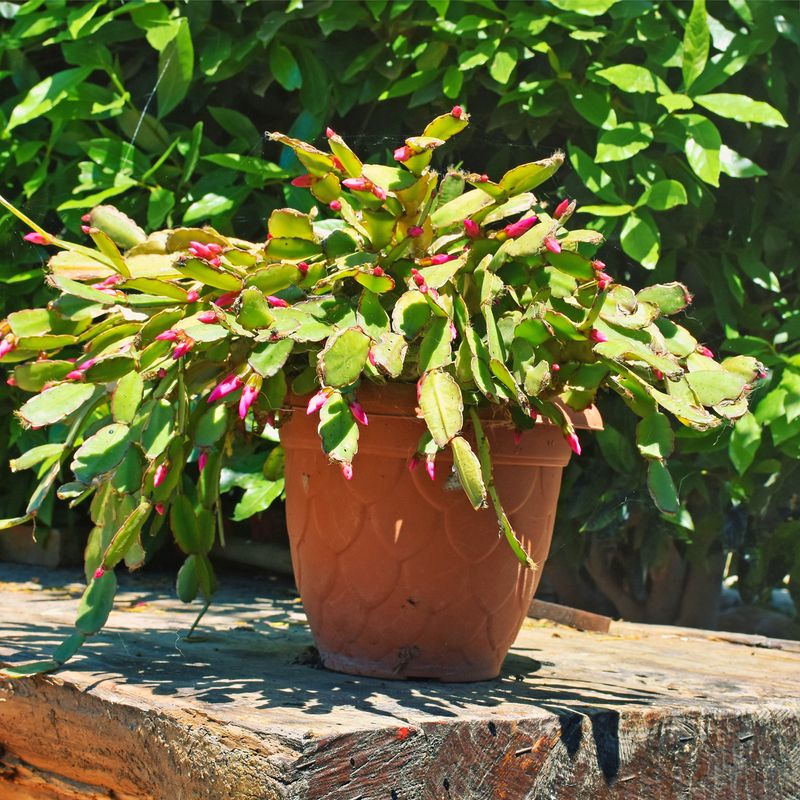
Florida and Texas summers bring heat, intense sun, and heavy afternoon rain, all of which can push a Christmas cactus toward decline through completely different mechanisms. UF/IFAS Extension recommends keeping the plant out of direct summer sun, which can scorch or bleach the stems.
Bright filtered light or a shaded porch position is a safer choice than full southern exposure during peak heat months.
UF/IFAS Nassau County Extension notes that outdoor placement works well in Florida as long as the plant is shielded from harsh direct sun. The problem with outdoor summer placement in rainy Southern climates is that heavy downpours can saturate a poorly draining container repeatedly before the mix ever has a chance to dry.
If the pot lacks drainage holes or sits in a saucer that collects runoff, summer rain does the same damage as overwatering by hand.
Texas A&M AgriLife Extension confirms that heat stress and sun exposure can cause stem decline even when watering is not the problem, so a limp plant on a Texas porch in July may need shade adjustment rather than a watering correction. University of Illinois Extension advises bringing the plant indoors when temperatures approach the low 50s degrees F, which in most Southern locations means late fall through winter.
Use the evidence before you water again
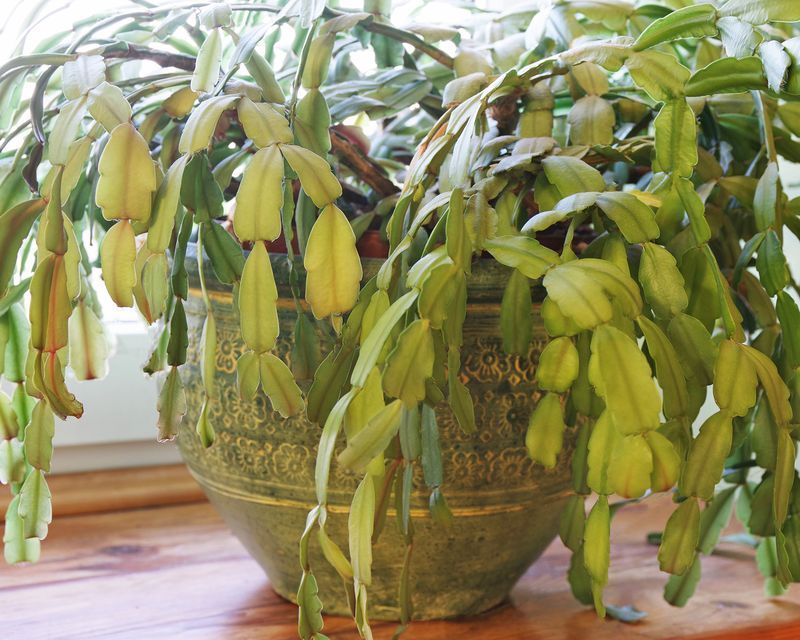
The practical sequence is short. Check the mix first.
If it is still wet, stop and do not add more water. If it is wet and the plant keeps declining, inspect the roots for soft, dark, or foul-smelling tissue and follow the repotting steps outlined above.
When moisture and root condition do not explain the symptoms, look at the environment. University of Wisconsin Extension and Connecticut Agricultural Experiment Station both point to heat stress, direct sun, pests, disease, and root binding as additional causes of decline that a soil check alone will not reveal.
Iowa State University Extension reinforces that damaged roots may prevent water from reaching the stems even when the pot feels wet, making the plant appear thirsty when the real need is healthier roots and better drainage. University of Minnesota Extension summarizes the priority well: fix the conditions that allow moisture without prolonged saturation, and let the plant tell you when it is ready for the next drink.
A plant that looks thirsty may need better plumbing before it needs more water.