
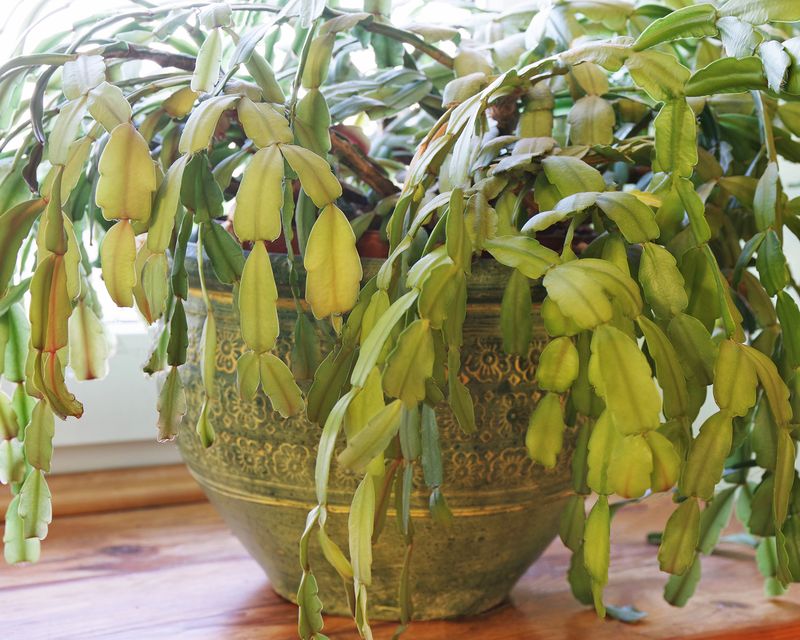
Few things are more frustrating than watching a healthy Christmas cactus suddenly go soft and droopy when the warm weather hits. Before you grab the watering can, though, it helps to know that a limp plant does not always mean a thirsty one.
Getting the next step wrong can turn a fixable problem into a much bigger one. This guide will walk you through what to check first and how to respond based on what you actually find.
A limp Christmas cactus needs a check, not an automatic drink
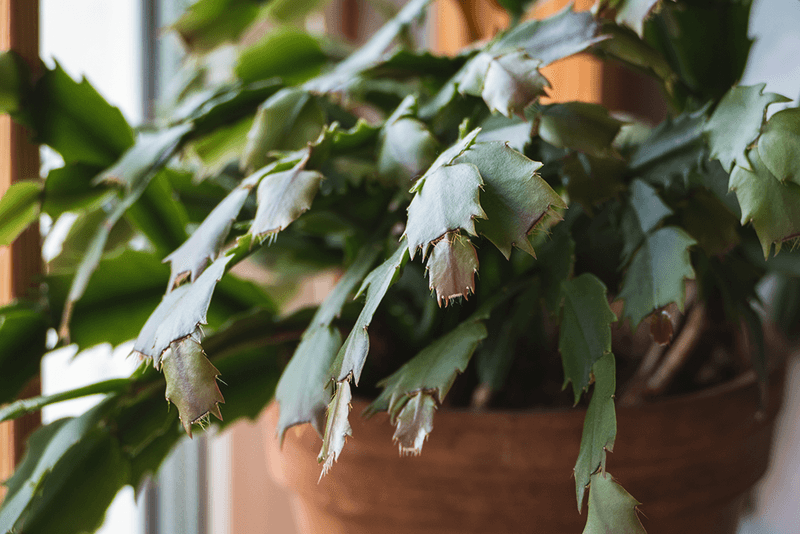
Soft, droopy stems on a Christmas cactus can stop a gardener cold, especially when the plant looked perfectly fine a week ago. The instinct to water immediately makes sense, but that instinct can lead you in the wrong direction.
Extension plant diagnostics consistently note that limp or wrinkled segments can result from underwatering, overwatering, poor drainage, heat, direct sun, low humidity, pests, or disease, and the visible symptom alone does not tell you which one is at work.
One distinction worth making right away is between a plant that has always had long, arching stems and a plant that has recently lost firmness, changed color, or started dropping segments. A naturally pendulous growth habit is not a problem.
A new change in texture, color, or structural integrity is what signals that something has shifted and needs your attention.
Warm weather can intensify or reveal an existing problem, but heat alone is rarely the full explanation. UConn Extension’s holiday cactus guidance reinforces that the right response depends on what the soil and roots are actually doing.
Before adding any water, press your finger several inches into the potting mix and check the drainage hole. That two-second check is the decision point the rest of this article is built around.
The risky mistake is watering before checking
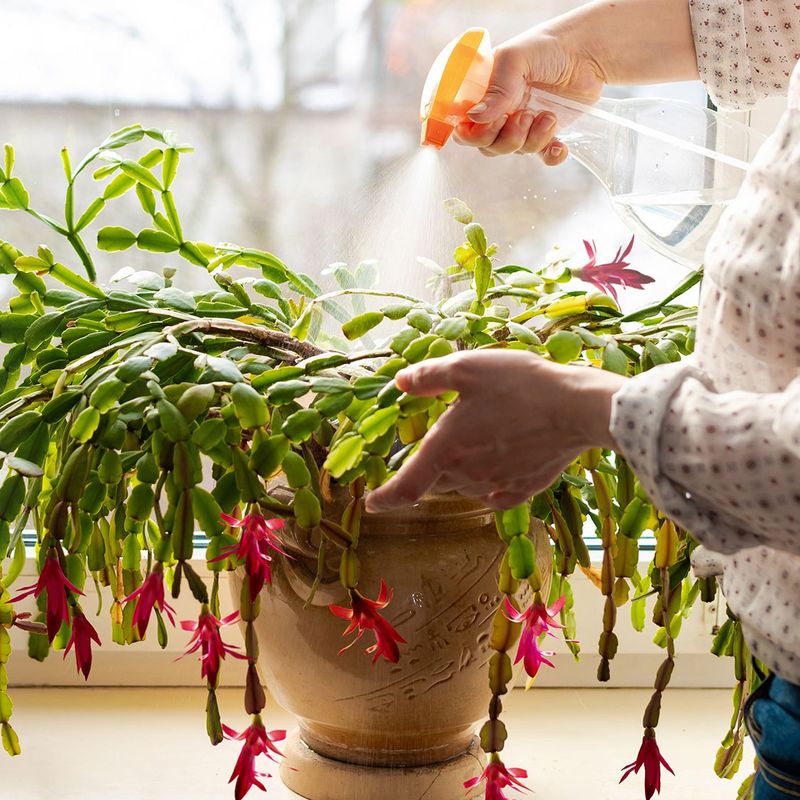
The hidden mistake behind many cases of a limp Christmas cactus is not skipping a watering. It is watering heavily in response to wilting without first confirming the pot is actually dry.
When a plant looks distressed, the natural response is to give it water, but that response skips the most important step in the diagnosis.
Holiday cacti are tropical or jungle cacti, not desert plants. University of Florida IFAS notes that they evolved in environments where water arrives and drains quickly, which means their roots are built for moisture followed by air, not prolonged saturation.
When a pot sits in standing water or the mix stays wet for days, roots begin to break down. Once root damage sets in, adding more water cannot restore the stems because the roots can no longer move water upward through the plant.
This is the cycle worth interrupting: the plant wilts, a well-meaning gardener waters it, the already-wet roots deteriorate further, the plant wilts more, and the cycle repeats. University of Minnesota Extension identifies overwatering and poor drainage as common contributors to wilting, stem collapse, and gray-green or wrinkled segments.
Checking before watering is not a small habit adjustment. For a plant with damaged roots, it is the difference between recovery and continued decline.
Wet soil can signal a root problem
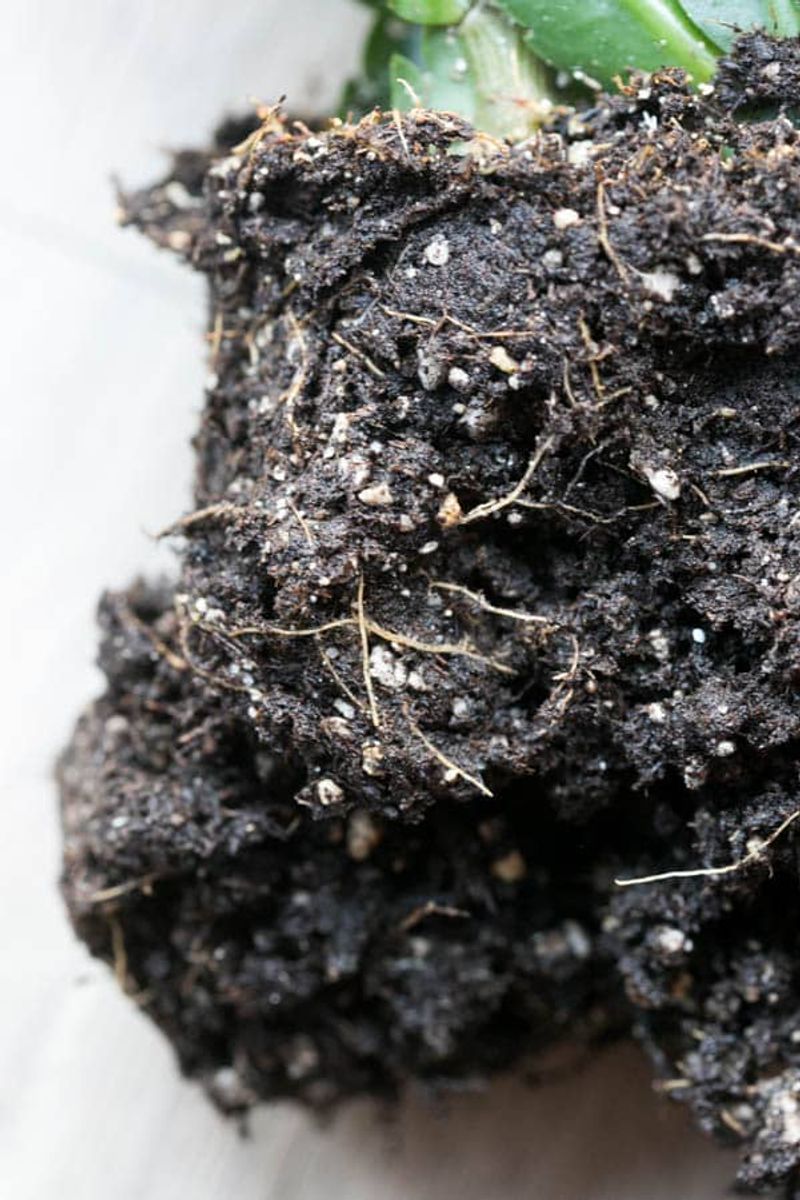
Finding wet soil when you check a limp plant is meaningful, but wet soil alone does not confirm root rot. Recent rain, a watering two days ago, or a cachepot that collected runoff can all leave the mix damp without any root damage present.
What matters is what you find when you look more carefully.
Push your finger several inches below the surface rather than just testing the top layer. Check that the drainage hole at the bottom is open and not blocked by compacted roots or debris.
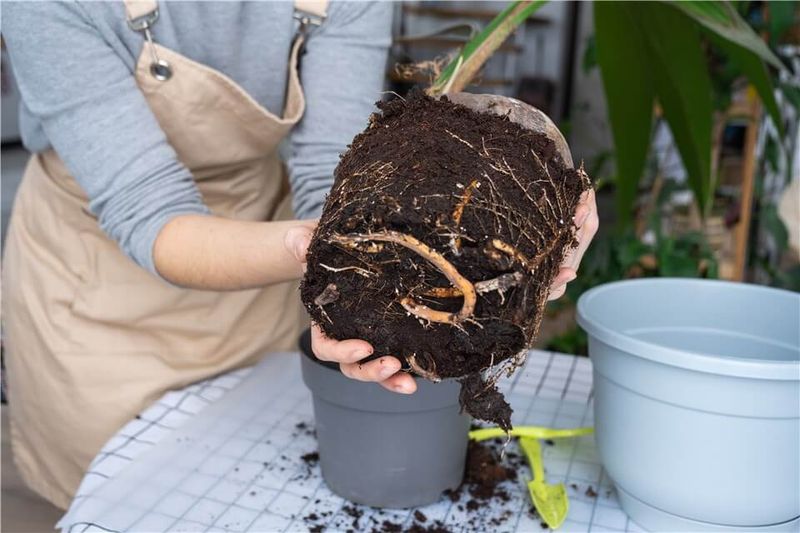
Then look at the plant itself for supporting signs: gray-green segment color, soft or translucent tissue near the soil line, segments dropping with little resistance, or a general collapse that feels different from simple wilting. If you can slide the root ball out of the pot, dark brown or black roots that feel mushy rather than firm and white are a strong indicator that decay has already started.
University of Minnesota Extension describes this cluster of signs as the basis for suspecting root and stem rot rather than thirst.
When the evidence points toward saturated or decaying roots, adding more water will not help. Remove the plant from the wet medium, trim away any visibly dead or mushy roots with clean scissors, and repot into a clean container with fresh, well-draining mix.
If the main stem is badly affected, healthy stem sections of two to four segments can be allowed to callous for a day or two, then placed in fresh mix to start new plants. Do not return the plant to the same wet medium or the same pot without cleaning it thoroughly first.
Dry soil calls for the right amount of water
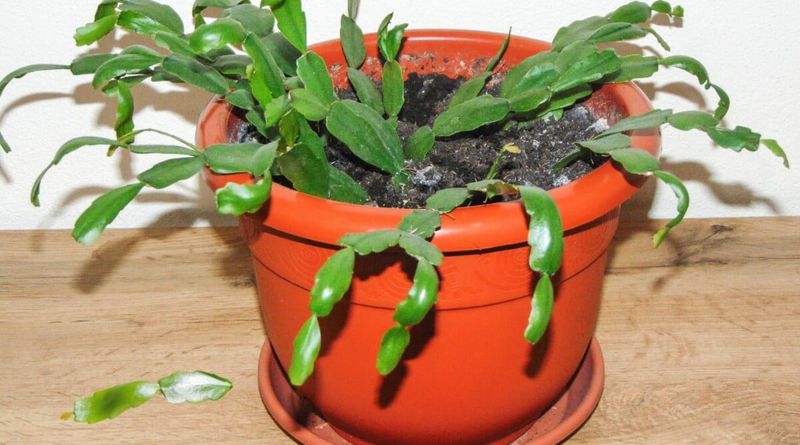
Once you confirm the potting mix is genuinely dry several inches down and the stems feel shriveled rather than soft or mushy, watering is the right call. For a plant that has dried out in the ordinary course of warm-weather care, the method is straightforward: water the mix thoroughly until water runs freely from the drainage hole, then empty the saucer or decorative cachepot completely.
Do not leave the container sitting in collected runoff.
A severely dried-out plant needs a different approach. Flooding a badly dehydrated plant with one large watering can stress already-strained roots and may not allow the dry mix to absorb moisture evenly.
UConn Extension recommends smaller, more frequent waterings for a severely underwatered plant rather than a single compensatory flood. Give the plant a moderate drink, allow it to absorb for an hour or two, check the mix again, and repeat if needed.
This gradual approach lets the medium rehydrate more evenly and reduces the risk of pushing excess water through dry channels without actual absorption.
Between applications, reassess the mix rather than watering again on a timer. University of New Hampshire Extension cautions against a fixed watering schedule, noting that the right interval depends on the mix, container size, light, temperature, and humidity.
Treating emergency rehydration as a one-time fix rather than a new schedule is the cleaner approach. Once the plant stabilizes, shift back to checking the mix before each watering rather than relying on how many days have passed.
Warm weather changes the conditions, not the diagnosis
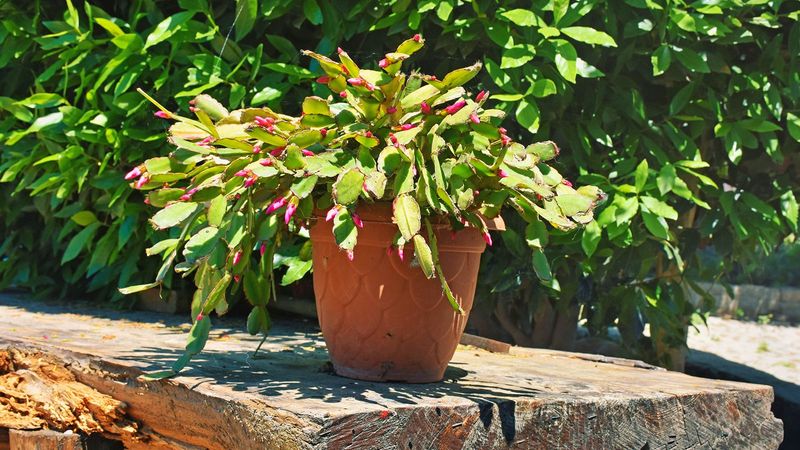
Summer does not automatically harm a Christmas cactus, but it does change the environment in ways that can expose or intensify problems that were already present. Faster evaporation from the mix, harsh afternoon sun, high heat, heavy rain, and elevated outdoor humidity all shift how quickly the plant dries or stays wet.
Understanding which of those factors applies to your specific setup is more useful than treating warm weather as the diagnosis itself.
For plants kept outdoors in the South, placement matters considerably. North Carolina Cooperative Extension recommends protecting holiday cacti from direct summer sun and excessive heat, with a preferred temperature range around 70 to 80 degrees Fahrenheit.
Bright or light shade, such as a covered porch or a spot under a tree canopy, generally works better than a location that receives several hours of unfiltered afternoon sun. Direct sun can scorch the segments and cause wilting that looks similar to drought stress but does not respond to watering.
In Florida and in humid parts of Texas, rainfall and slow-drying conditions may mean the plant needs water less often than it would indoors or in a drier climate. That is a possibility worth checking rather than a regional rule to follow automatically.
After a rain event, check the mix several inches down, confirm the drainage hole is clear, and make sure the saucer is empty before deciding whether to water. UNH Extension’s watering guidance reinforces that soil condition is a more reliable trigger than any fixed schedule, and that principle applies in humid Southern summers just as much as it does indoors in winter.
Build a setup that drains without drying too far
Preventing the next wet-root problem starts with the container and the mix, not with the watering calendar. A well-draining potting medium that contains perlite, coarse sand, or a similar aerating amendment allows excess moisture to move through rather than pool around the roots.
Standard dense potting soil holds more water than a holiday cactus tolerates comfortably over time, especially in a container without strong airflow around the root zone.
The container itself matters too. Make sure the drainage hole is open and unblocked before you pot or repot.
A saucer is useful for protecting surfaces, but it should be emptied after each watering rather than left to hold water under the pot. A decorative cachepot without drainage is a common hidden culprit: the inner pot drains into the cachepot, the roots sit in the collected water, and the gardener never sees it.
University of Wisconsin Horticulture Extension and Iowa State University Extension both note that holiday cacti can tolerate being somewhat pot-bound, so repotting is not needed on a fixed annual schedule. Repot when the medium has deteriorated, drainage has become poor, roots are damaged, or the plant has clearly outgrown the container.
One seasonal exception applies to plants forming buds or flowers. During budding and bloom, the plant should not be allowed to become severely dry, because drought stress during that stage can cause bud and flower drop.
Good care at that time balances consistent moisture with the same drainage discipline used year-round. The goal is a mix that stays evenly moist without staying wet, not a plant that swings between flooding and bone-dry neglect.
Match the rescue to what the pot tells you
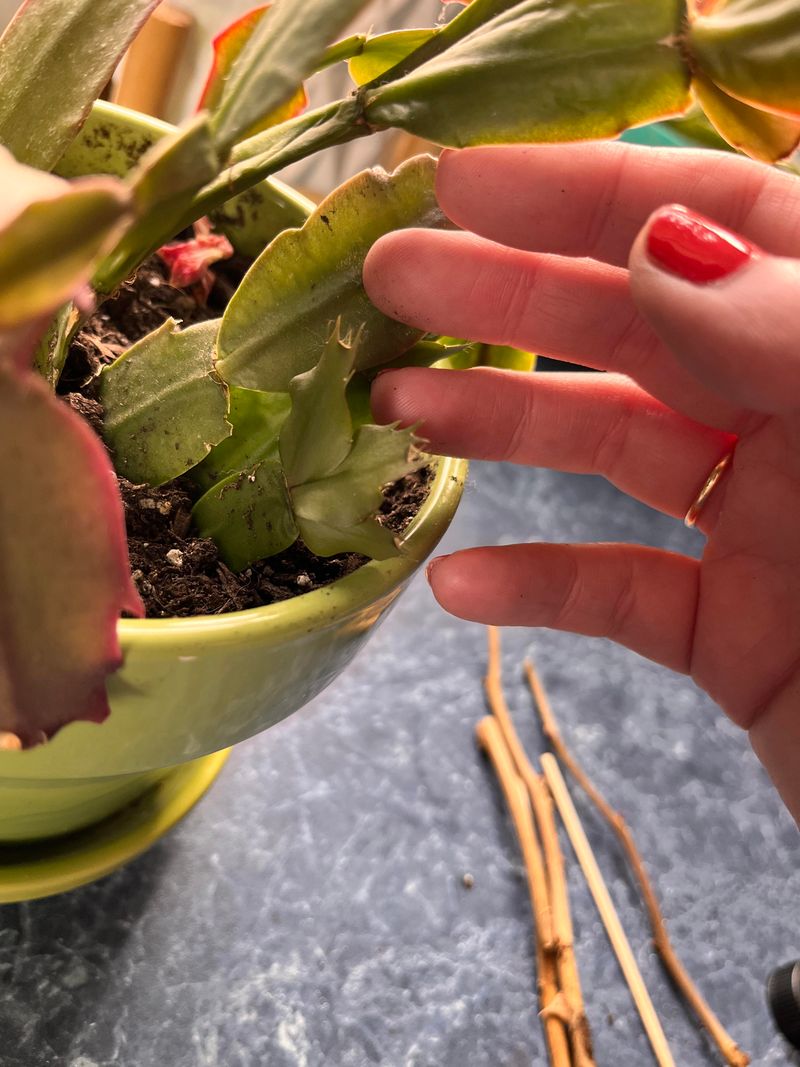
A clear sequence makes the difference between a recovery and a repeated mistake. Check the mix first, several inches down, before doing anything else.
If the soil is dry and the stems are shriveled but firm, water according to the plant’s condition: thoroughly for a normally dry plant, gradually for one that has been severely dehydrated. Empty the saucer after each watering and confirm the drainage hole is working.
If the mix is wet and the plant is still limp, do not add more water. University of Minnesota Extension guidance points toward investigating the roots, checking for rot signs, and moving the plant to fresh, well-drained medium when the evidence supports it.
If the mix is wet but the roots look healthy and no other rot signs are present, consider light, heat, pests, or disease as possible contributors before concluding the problem is watering-related.
Warm weather is a useful prompt to reassess placement, rain exposure, and how quickly the mix is actually drying, not an automatic signal to water on a schedule. The original premise that one watering mistake explains every limp Christmas cactus is too simple, but the corrected version is genuinely useful: checking the soil before you water keeps a well-intentioned response from making the plant worse than it already was.