
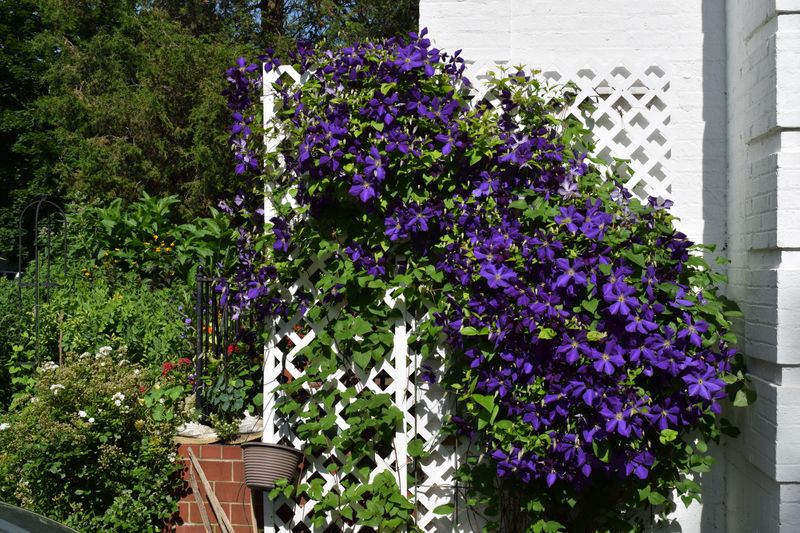
You water it, you train it, and every spring you stand there staring at a wall of green leaves with not a single flower in sight. A healthy-looking clematis that refuses to bloom is one of the most frustrating puzzles in the home garden, and the answer is usually hiding in plain sight.
For many gardeners, the culprit is a pruning cut made at the wrong time of year, quietly removing the stems that would have carried this season’s flowers. Pruning is the first place to look, though it is not the only reason a clematis can go silent year after year.
The leafy vine may have lost its flowers before they opened
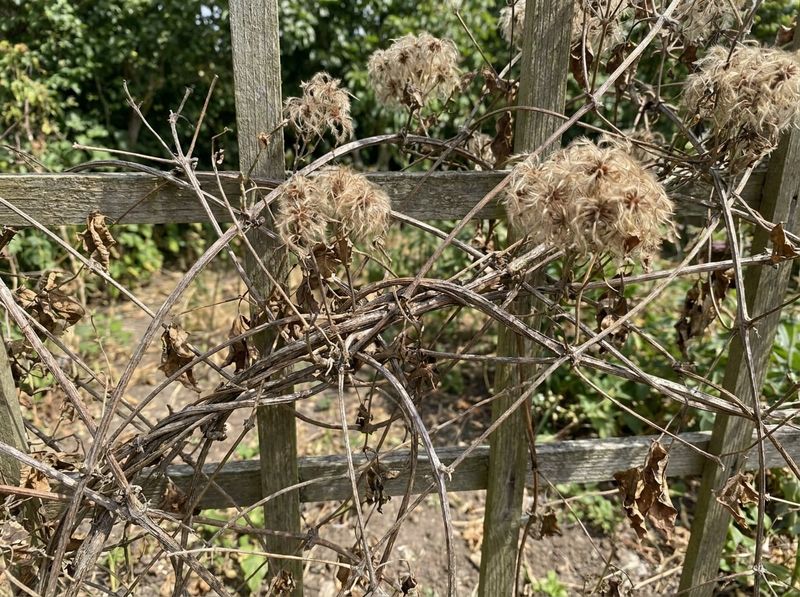
Staring at a dense, healthy-looking clematis that produces nothing but leaves is genuinely disorienting. The vine climbs, the foliage looks vigorous, and yet the season passes without a single bloom.
One of the most common and correctable explanations is a pruning cut made at the wrong time of year, one that quietly removed the stems carrying that season’s flower buds long before they had a chance to open.
Clematis does not follow a single universal pruning calendar. RHS pruning guidance for clematis explains that different groups flower on different types of growth, and cutting an old-wood bloomer down in fall or early spring can strip away the very stems needed for the coming season’s flowers.
The result is a vigorous plant with plenty of energy and nowhere to put it except more leaves.
Illinois Extension’s clematis guide specifically recommends knowing the plant’s name before making any pruning decision, because the correct timing depends entirely on which flowering group the plant belongs to. That said, wrong-timed pruning is the first thing to check, not proof that every flowerless clematis was cut at the wrong moment.
UMass Extension notes that light, water, drainage, and plant age can all play a role, so treat pruning as the starting point of your diagnosis, not the automatic verdict.
Identify the flowering group before you reach for the shears
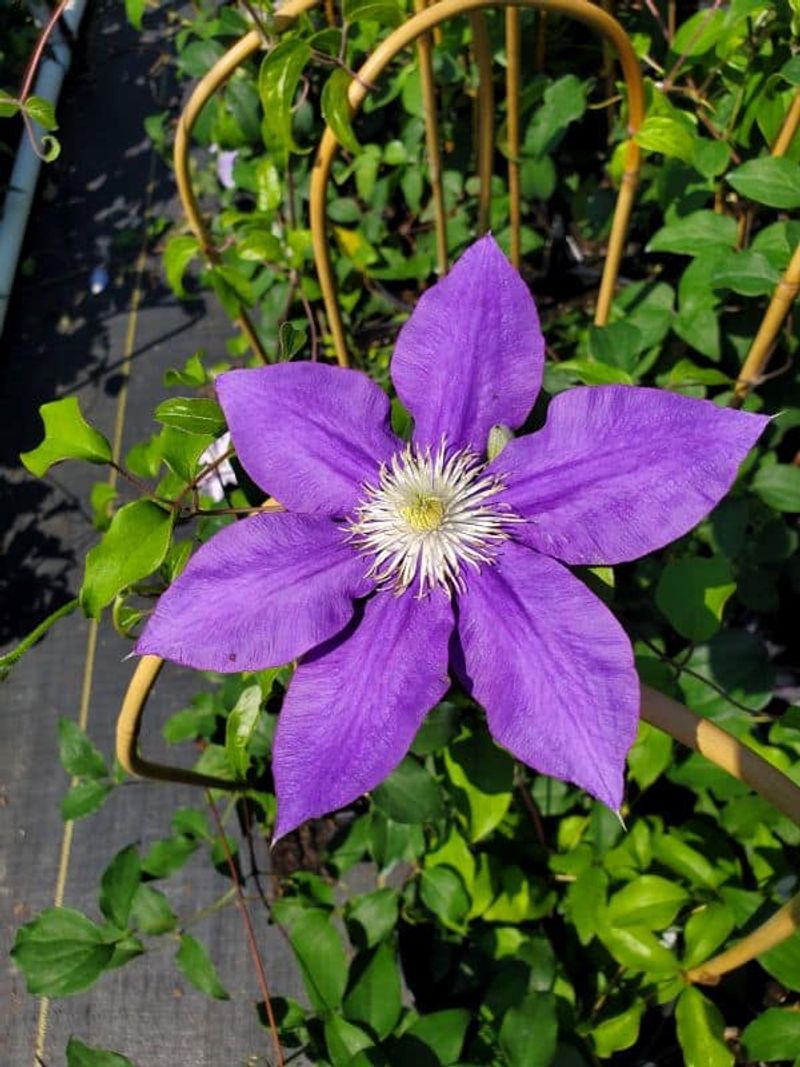
Before any pruning decision makes sense, you need to know what you are actually growing. The nursery tag, the cultivar name on a receipt, or even a clear photograph of the flowers taken during a previous bloom season are all reliable starting points.
Illinois Extension emphasizes that pruning depends on plant identity, and a cultivar name gives you far more certainty than a vague seasonal label.
Generic descriptions like “spring-blooming” or “summer-blooming” can lead you astray, especially with Group 2 cultivars. Many large-flowered hybrids in this group produce a first flush on old wood and then a second flush on new growth later in the season.
A plant with two bloom windows does not fit neatly into a simple seasonal category, and treating it as a straightforward spring or summer bloomer can result in the wrong pruning approach. UC Marin Master Gardeners recommend keeping the plant tag as a reference precisely because these distinctions matter.
If the identity is genuinely unknown and no tag, name, or photo is available, RHS advises using bloom timing as a fallback, but only after observing the plant through one complete season without making a hard cut. Guessing and cutting based on that guess is how many gardeners lose another year of flowers.
Give the plant one season to show you when and how it blooms, then match your pruning response to what you actually observed.
Each clematis group needs a different pruning response
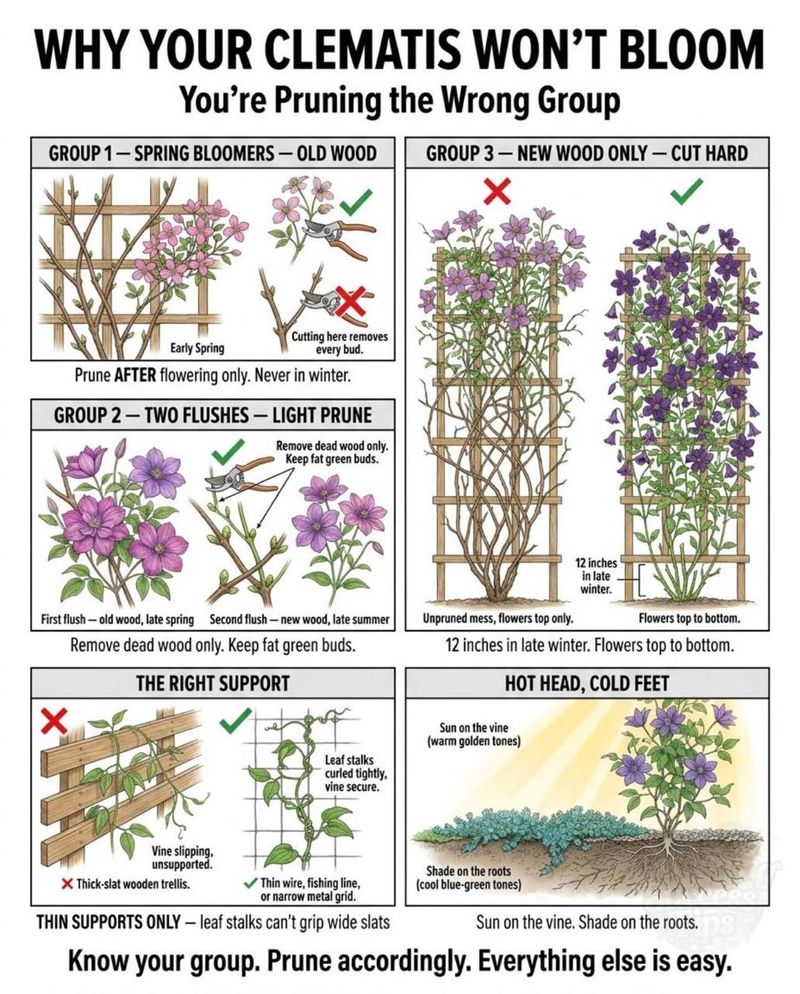
Think of the three pruning groups as three separate decision paths rather than interchangeable options. Getting the group right is what separates a vine that blooms reliably from one that grows beautifully and delivers nothing.
Group 1 plants, including early spring and winter bloomers like many montanas and evergreen types, flower on growth produced the previous season. RHS pruning guidance recommends removing dead or damaged stems and tidying for shape immediately after flowering, once the blooms have finished.
A hard cut in fall or early spring on a Group 1 plant eliminates the old wood carrying next season’s buds, leaving the vine with nothing to bloom from.
Group 2 large-flowered hybrids use a two-stage system. They bloom first from old wood, often producing their showiest display in late spring or early summer, and many then rebloom on new growth later in the season.
RHS growing guidance and UMass Extension both advise light pruning for this group: remove weak or dead stems, but preserve the mature stems that will carry the first flush of flowers.
Group 3 plants, including late-summer and fall bloomers such as viticella and texensis cultivars, flower on current-season growth. Illinois Extension and Arkansas Extension pruning guidance support cutting these back substantially in late winter or early spring, often to strong buds roughly 6 to 12 inches above the ground, depending on the cultivar and local recommendations.
The same hard cut that benefits a Group 3 plant can wipe out a full season of flowers on a Group 1 or Group 2 vine.
Respond carefully if the wrong cut already happened
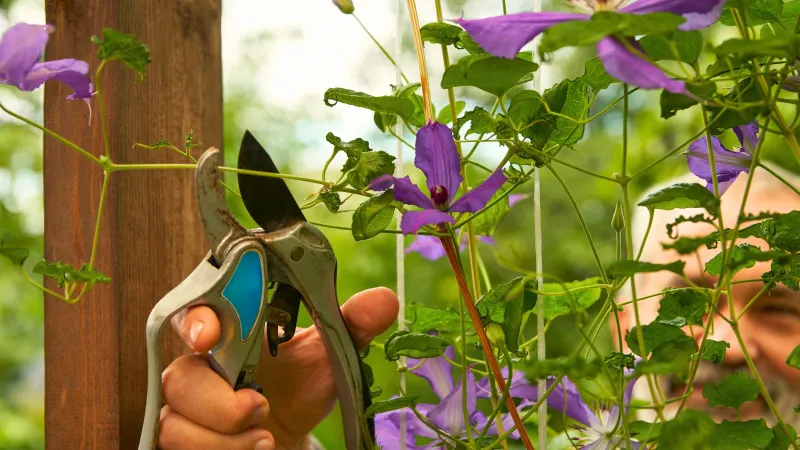
Finding out you pruned at the wrong time is frustrating, but making another hasty cut to “correct” the first one rarely helps and can cause more harm. The better move is to stop, identify the group if you have not done so already, and then remove only material that is clearly dead or visibly damaged.
Anything that looks alive and green should stay for now.
A Group 1 or Group 2 plant that was cut hard before its first bloom has likely already lost that season’s flower-bearing wood. RHS pruning guidance and Illinois Extension both make clear that these plants depend on mature stems for their primary bloom.
If those stems are gone, the plant will likely spend the current season rebuilding growth rather than flowering. That is a disappointment, but not a permanent one: allow the vine to recover, note the group, and set a calendar reminder to prune at the correct time next year.
A Group 3 plant that was cut in late winter or early spring is probably right on schedule, so what looks like a mistake may simply be normal pruning practice for that cultivar. Arkansas Extension confirms that these late bloomers generate their flowers from new growth, so a hard cut is expected rather than damaging.
One practical note while you are working close to the plant: North Carolina Extension flags Clematis crispa specifically for skin irritation on contact with sap and serious poisoning characteristics if any part of the plant is eaten. Wear gloves when handling its stems or sap, and keep children and pets away from plant material that has been cut or disturbed.
If pruning fits the plant, inspect light, roots, and fertilizer
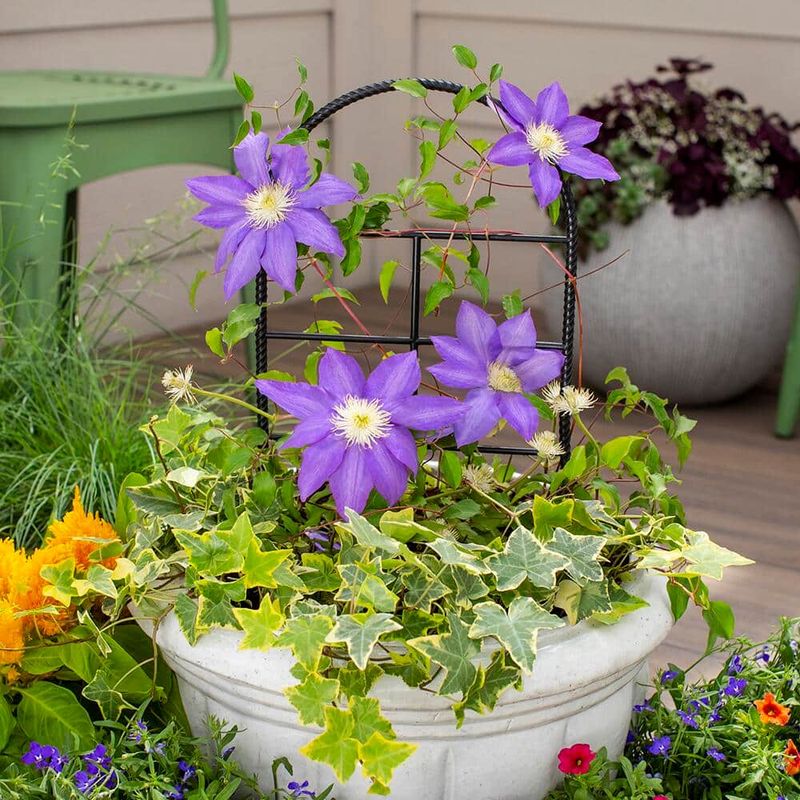
Once you have confirmed that pruning timing matches the plant’s group, shift your attention to the growing environment. A clematis can be pruned perfectly and still produce few flowers if the conditions around it are working against bloom production.
Light is the first thing to check. UMass Extension and Oregon State Extension both describe approximately six hours of direct sunlight as a general target for reliable flowering.
The foliage needs that light, but the root zone needs the opposite: shade, consistent moisture, and good drainage. Mulch or low-growing companion plants work well for shading the roots, but keep mulch pulled back several inches from the clematis stems.
Clemson Extension recommends renewing mulch to roughly a 2-inch depth and maintaining good drainage around the planting area, while UMass advises keeping mulch approximately 8 inches away from the stems to reduce the risk of stem wilt.
Water deeply during dry stretches rather than giving the plant frequent light sprinklings. Clemson recommends at least about 1 inch of water per week from rain or irrigation, adjusted for soil type and weather.
Persistently soggy soil is just as problematic as drought, so check that water is moving through rather than pooling around the roots.
If the vine is growing with unusual vigor but producing almost no flowers, take a close look at your fertilizer habits. Iowa State Extension warns that excess nitrogen pushes leafy growth at the expense of flowers, and UC IPM guidance on nitrogen excess documents how overfertilization can also increase disease and pest vulnerability.
A soil test is a more reliable guide than automatically reaching for bloom boosters or high-nitrogen feeds. Extension soil fertility guidance supports testing before adding any amendments, since applying phosphorus where the soil already has enough can cause environmental problems without improving flowering.
Southern heat and plant age can delay the payoff
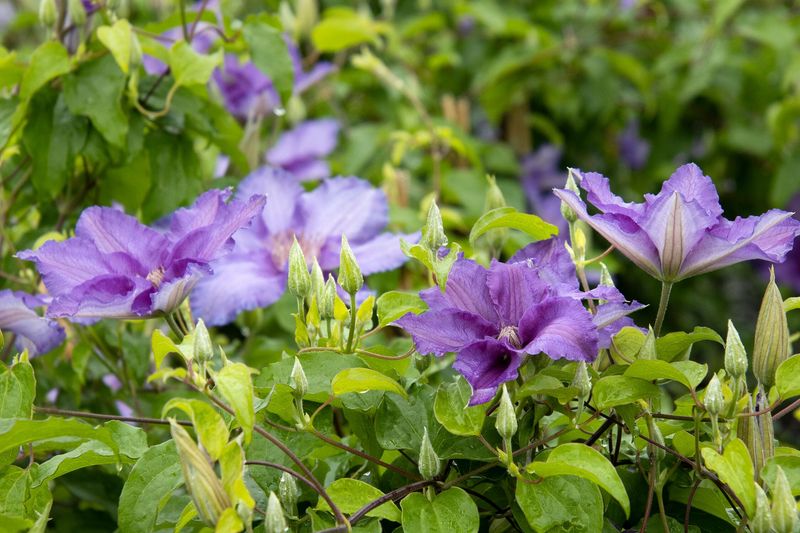
Gardeners in Florida, Texas, and other hot Southern states face a set of variables that do not appear in most general clematis guides. Heat, irregular rainfall, and the sheer variety of species and cultivars growing across the region mean that one tidy bloom calendar cannot cover every situation.
Arkansas Extension guidance for Southern clematis notes that deep shade reduces flowering, while harsh afternoon sun can fade blooms quickly and stress some cultivars. Morning sun or filtered afternoon protection may serve certain plants better than full, unbroken midday exposure, provided the foliage still receives enough light overall to support flowering.
Missouri Extension reinforces that the goal is adequate light for the vine, not maximum heat on the plant.
Plant age is another factor that catches many gardeners off guard. Iowa State Extension and University of California Master Gardener guidance both indicate that clematis can take roughly two to three years to establish and begin flowering heavily, particularly when starting from a small plant or a single-stem transplant.
A vine that has been in the ground for only one season may simply need more time.
Extreme weather events, including hard freezes in Texas or prolonged summer drought in Florida, can set back flowering independently of pruning or fertilizer. UF/IFAS Nassau County Extension highlights that species and cultivar performance varies considerably across the South, so a recommendation that works well for one type may not translate to another growing in a different part of the region.
Sudden wilt points to a different problem
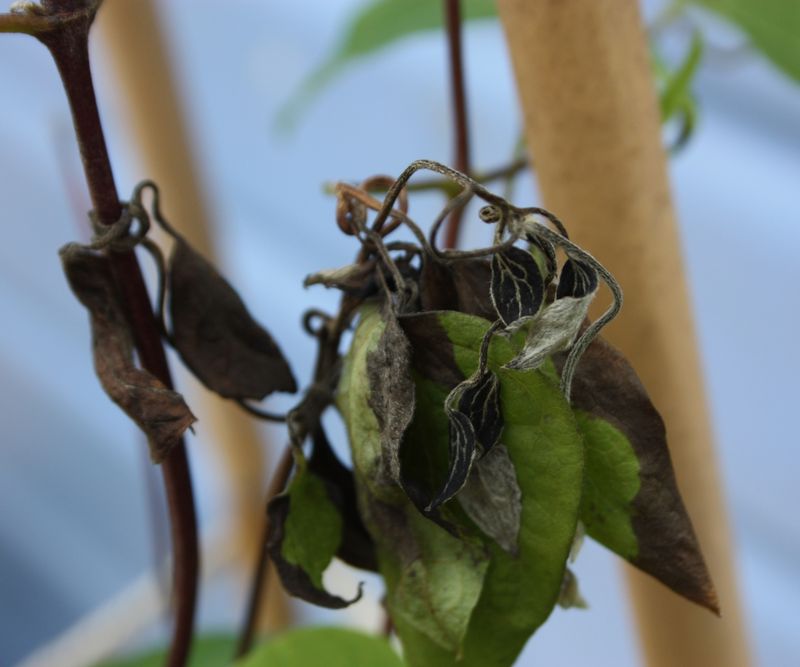
A healthy, leafy vine that simply refuses to bloom calls for a pruning and growing-conditions review. Sudden collapse is a different situation entirely and should not be treated the same way.
Clematis wilt can cause one or more stems to wilt and die back rapidly, sometimes within a day or two, while the rest of the plant still looks fine. Extension wilt diagnosis guidance describes this as a fungal problem that tends to affect large-flowered types more than species clematis.
Root rot and water stress can produce visually similar symptoms, so the cause is not always immediately obvious. Additional Extension guidance on clematis decline recommends cutting wilted stems back to healthy tissue or to the ground, removing the affected material from the garden, and improving sanitation and drainage around the planting site.
Routine fungicide sprays are not a reliable cure for an existing wilt infection. The available extension guidance does not support that approach.
The more productive steps are removing damaged stems cleanly, keeping the area tidy, checking that water drains freely, and monitoring the plant over the following weeks for signs of regrowth from the base.
Clemson Extension’s clematis factsheet also notes that poor drainage can contribute to root problems that mimic wilt symptoms. If multiple stems are collapsing and the soil stays wet for extended periods, drainage improvement may matter more than any spray program.
Start with the group identification, match pruning and care to the plant’s actual symptoms, and distinguish between a no-bloom problem and a plant-health emergency before deciding on a course of action.
Build a pruning calendar around your clematis
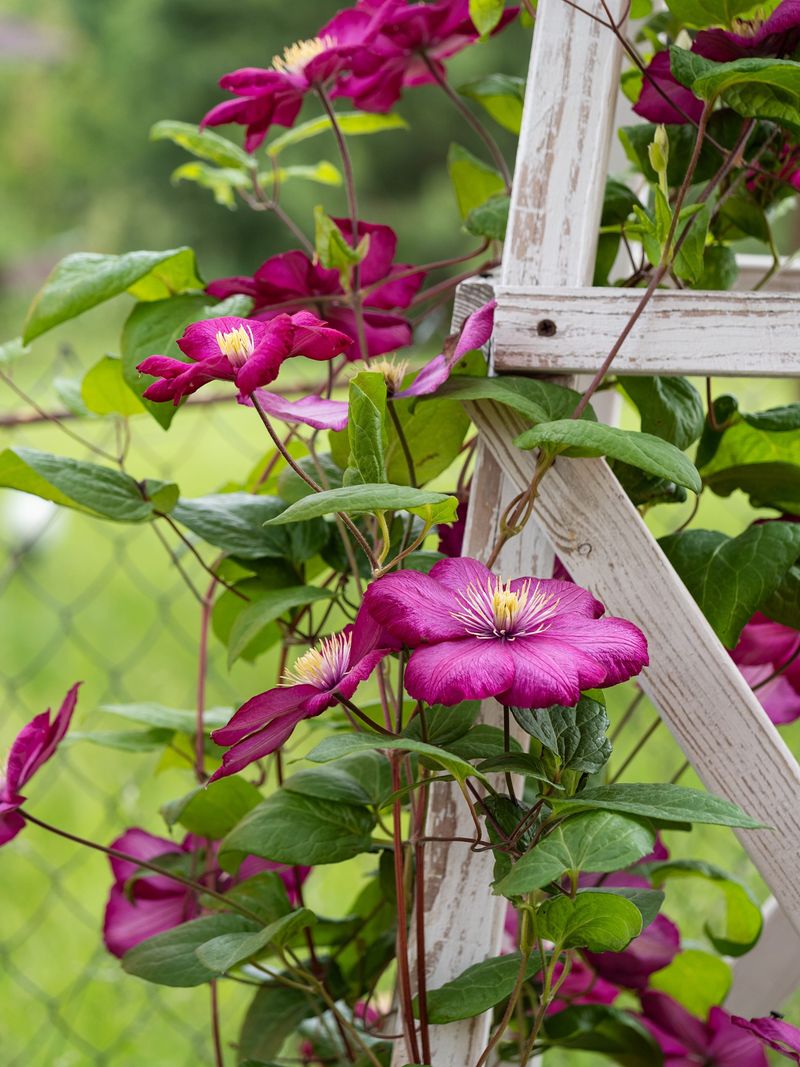
The most useful next step is also the simplest: find the cultivar name, pull out the old nursery tag, or look up a photo of the flowers from a previous season. Once you know the group, you can stop making untimed cuts and start pruning in a way that actually matches how the plant produces its blooms.
RHS clematis growing guidance and Illinois Extension both frame group identity as the foundation of every pruning decision. After that, correct the supporting conditions: adequate light for the foliage, a shaded and evenly moist root zone, good drainage, and fertilizer habits based on a soil test rather than guesswork.
Wrong-timed pruning is often the most actionable mistake, but a plant-specific diagnosis will always serve you better than a blanket rule. A vine that knows what it is and gets care matched to its actual needs tends to find its way to flowering on its own schedule.
That schedule, once you understand it, is rarely as mysterious as it first appeared.