

Coneflowers are one of the South’s most reliable native perennials, but even a healthy Echinacea can leave gardeners worried when blooms thin out or the plant looks tired by late summer. Before you reach for a spade, it helps to know that not every fading coneflower needs the same fix.
The task that can genuinely restore a struggling clump is conditional division, and getting it right starts with an honest look at what’s actually going wrong.
Start by diagnosing the fade instead of digging immediately
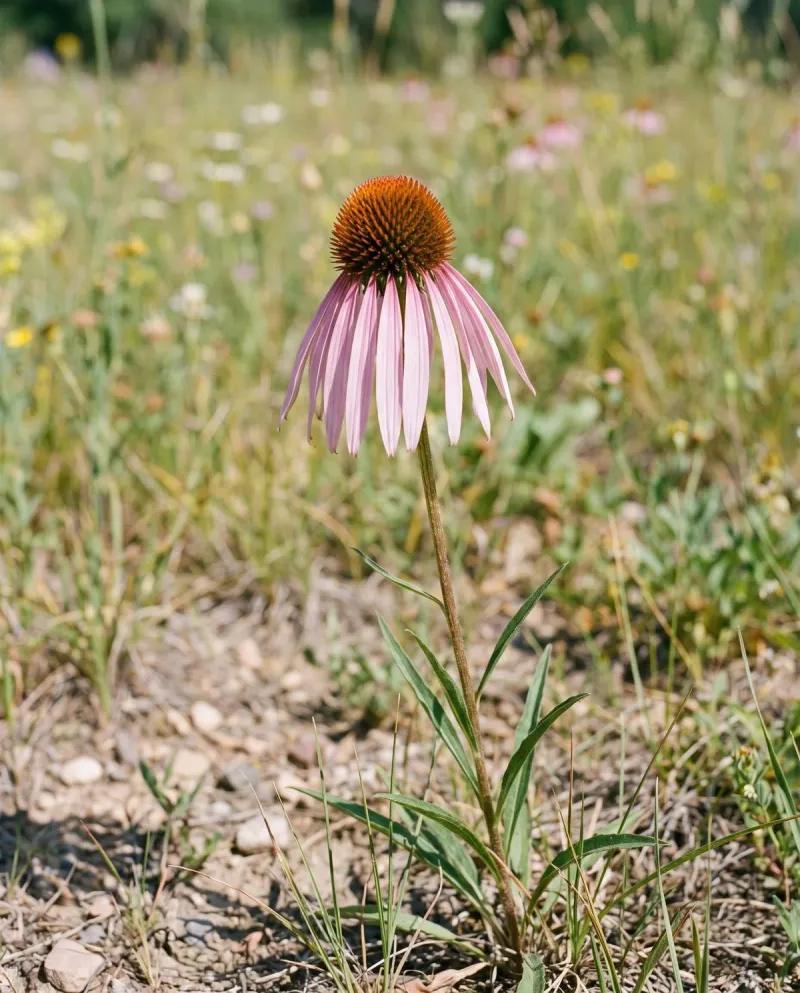
Not every tired-looking coneflower is a candidate for division. Spent blooms, browning stems, and foliage that dies back in late summer or fall are all part of normal seasonal change for Echinacea – they signal dormancy, not failure.
The picture looks different when a plant is genuinely declining: a dead or mushy crown, foliage that yellows and stunts during the growing season, or a clump that simply stops returning are signs worth taking seriously.
Reduced flowering is one of the more confusing symptoms because it can point in several directions at once. Overcrowding is one possibility, but poor drainage, too much shade, a recent move, or cultivar-specific short-lived performance can all produce the same result.
Clemson Extension’s Echinacea factsheet notes that plants grown from seed may take two or more years to reach a sizable, blooming clump, so a young plant that underperforms in its first season often just needs more time.
Before making any decision, walk through a short checklist. Check whether the crown feels firm or soft, whether the soil stays wet long after rain, whether nearby trees or shrubs have grown enough to shade the bed, and how long the plant has been in the ground.
Mississippi State Extension’s guide to purple coneflower points out that wet, cool conditions can cause crown rot and shorten the plant’s life in parts of the South. Division fits an established clump with crowding and declining vigor – not a newly planted or one-season plant that hasn’t had a fair chance to settle in.
Divide only when crowding explains the weaker growth
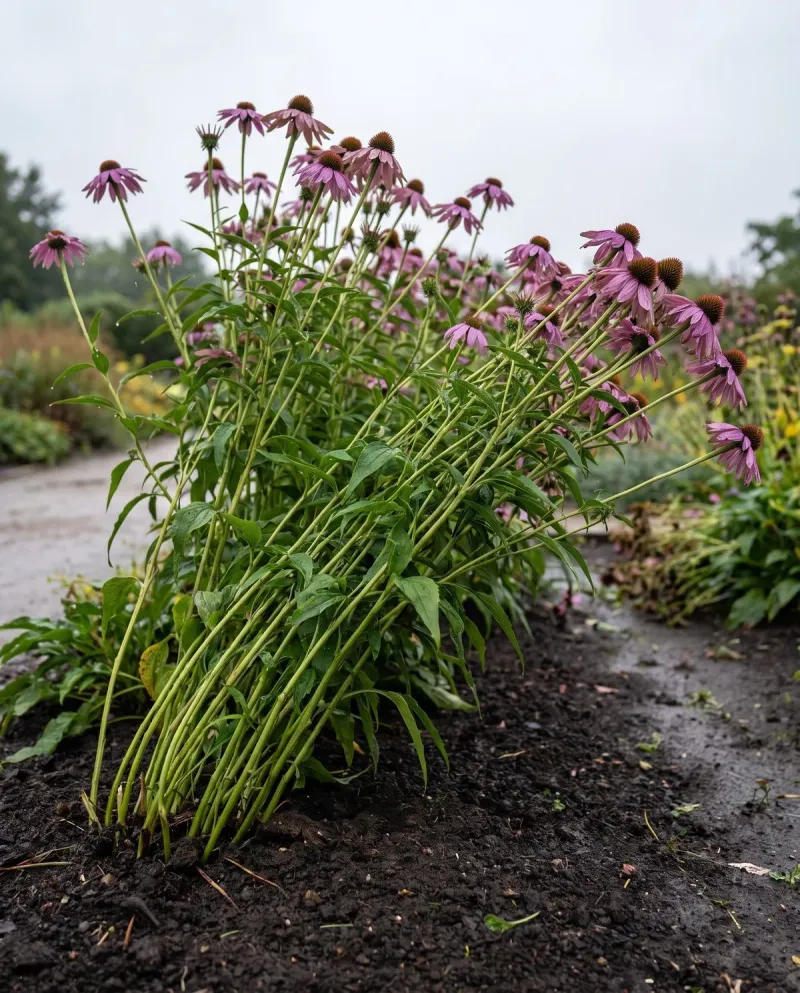
Mature Echinacea clumps behave a lot like any long-lived perennial: given enough time, they fill in so tightly that roots compete for water and nutrients, the center of the clump becomes woody or hollow, and flowering drops off. That congestion is the specific problem division is designed to fix.
Pulling apart a crowded clump removes the unproductive older material at the center and gives the vigorous outer sections room to spread their roots and redirect energy into new shoots and blooms.
Missouri Extension’s guide on dividing overgrown perennials explains that crowding reduces flowering and can increase disease pressure – two outcomes that make a congested clump easier to identify once you know what to look for. The practical decision rule is straightforward: divide when an established plant shows crowded growth, a weakening center, or noticeably fewer blooms over two or more seasons, and when those symptoms fit the pattern of overcrowding rather than pointing toward drainage, light, or disease.
Iowa State Extension’s division guide and University of Vermont Extension both reflect a general standard: most perennials benefit from division about every three to five years, not on an annual schedule. Dividing too often disrupts root systems that are still productive and puts unnecessary stress on a plant that was performing adequately.
Save the spade for the clump that has genuinely outgrown its space.
Choose the seasonal window that fits your Southern conditions
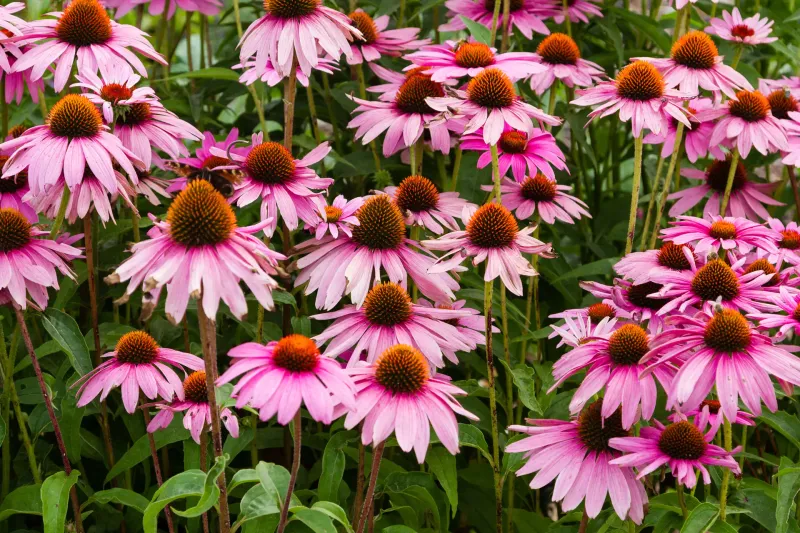
Picking the right time to divide matters as much as picking the right plant. The general principle is to work after flowering is finished, while Echinacea is dormant or nearly dormant, and when the weather is neither severely hot nor approaching hard freezes.
That window shifts depending on where in the South you garden.
Clemson Extension’s dividing perennials factsheet and their Echinacea page both accept spring or fall as viable division windows. But the picture changes depending on your local winter conditions.
Mississippi State Extension notes that purple coneflower can be short-lived in areas with wet, cool winters, and that crown rot is a real risk when freshly divided plants sit in saturated soil through a cold, damp season. In those areas, spring division – after the worst of winter has passed but before summer heat builds – gives new divisions the longest possible window to root before stress sets in.
Lancaster County Extension’s dividing perennials resource notes that summer and fall bloomers like Echinacea are sometimes better divided in spring, which aligns with the Mississippi State recommendation for wet-winter areas of the South. Florida gardeners work with a longer planting window: UF/IFAS guidance on Echinacea purpurea lists it as suitable for Florida hardiness zones and notes it can be planted across a broad seasonal range in warmer zones, though protection from intense afternoon sun matters more in Florida than in cooler parts of the region.
Wherever you garden in the South, the safest rule is to let local drainage, winter temperatures, and your county extension office guide the timing rather than following a single universal calendar date.
Lift the clump and preserve its vigorous sections
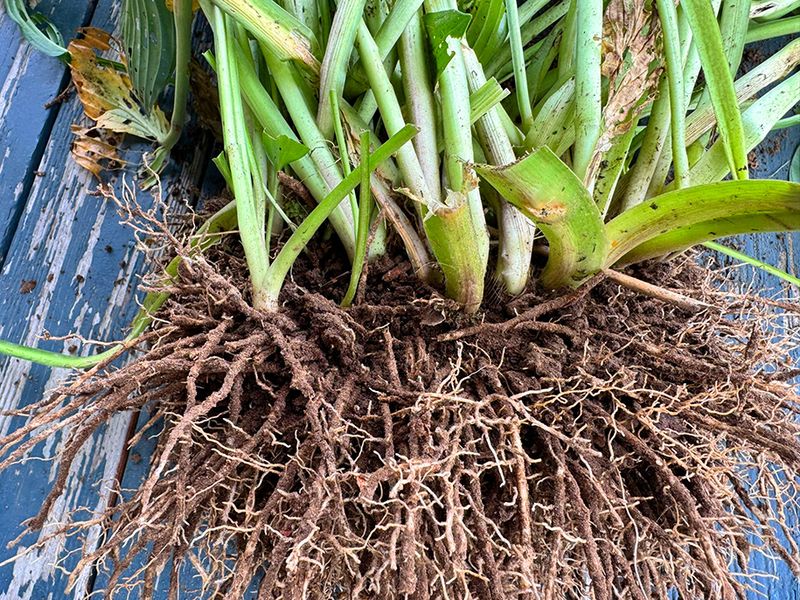
Good preparation before you dig makes the whole process less stressful for the plant and for you. If the soil has been dry, water the clump thoroughly one or two days before you plan to dig – moist soil clings to roots better, and hydrated tissue handles the disruption of lifting more cleanly.
While you’re at it, prepare the new planting sites before you lift anything, so divided sections spend as little time out of the ground as possible.
Oregon State Extension’s guide on dividing perennials and Iowa State Extension both recommend using a sharp spade or garden fork rather than trying to pull or tear the clump apart. Start by cutting a wide circle around the outside of the plant, then work the fork under the root mass from several angles to loosen it before lifting.
Echinacea roots run fairly deep, so take your time and avoid snapping off large root sections.
Once the clump is out of the ground, keep the roots shaded and covered with damp burlap or a wet cloth if you aren’t replanting immediately. Missouri Extension advises using a sharp knife to separate sections rather than forcing roots apart by hand.
Look at the crown: if the center is visibly dead, woody, or hollow, cut it away and discard it. Each section you keep should have healthy, firm roots and at least one visible growing point or shoot.
Aim for divisions that are large enough to have some stored energy – very small pieces take much longer to establish and are more likely to fail, especially through a Southern summer.
Replant divisions at the original crown depth
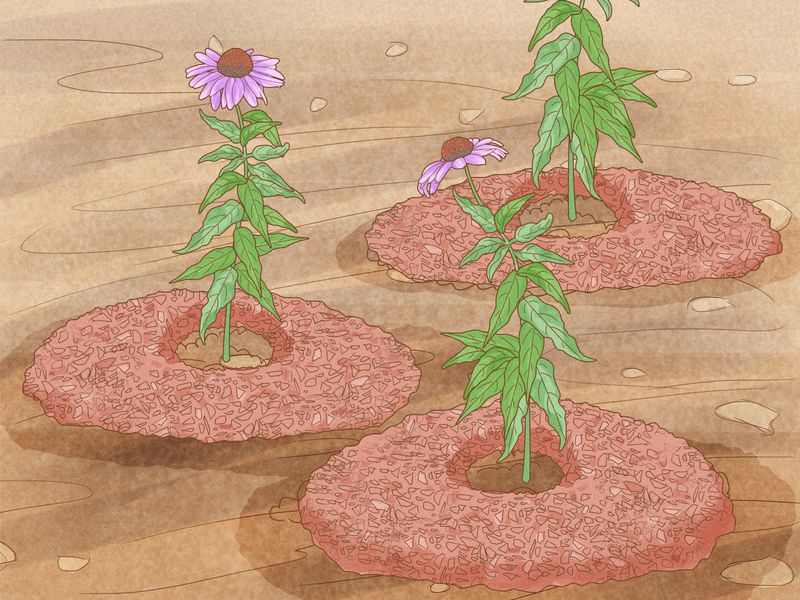
Where and how you set each division back into the ground determines whether it establishes or stalls. Echinacea performs best in full sun to light shade, and the soil must drain reliably.
Persistently wet soil is one of the most common reasons coneflowers decline in the South, and a freshly divided plant sitting in saturated ground is even more vulnerable than an established one. Clemson Extension emphasizes well-drained soil as a basic requirement, and Mississippi State Extension connects poor drainage directly to the crown-rot risk that shortens coneflower life in wetter parts of the region.
Set each division so the crown – the point where roots meet stems – sits at the same depth it occupied before you dug it. Planting too deep buries the crown and invites rot; planting too shallow leaves roots exposed and dries them out faster.
Oregon State Extension and Lancaster County Extension both flag crown depth as a common point where replanting goes wrong. A light layer of mulch around the plant – not against the crown itself – can help retain soil moisture and moderate temperature swings.
Water each division in well after planting and keep the soil consistently moist while the roots reestablish, which typically takes several weeks. Once Echinacea is established, it tolerates drought reasonably well, but new divisions have no root buffer yet.
In wet-winter areas of the South, improving drainage through raised planting beds or amended soil can reduce crown-rot risk, though it doesn’t eliminate it entirely. UF/IFAS guidance notes that Florida conditions call for attention to afternoon sun intensity, which can stress newly planted divisions before roots have settled.
Treat deadheading and cleanup as separate choices
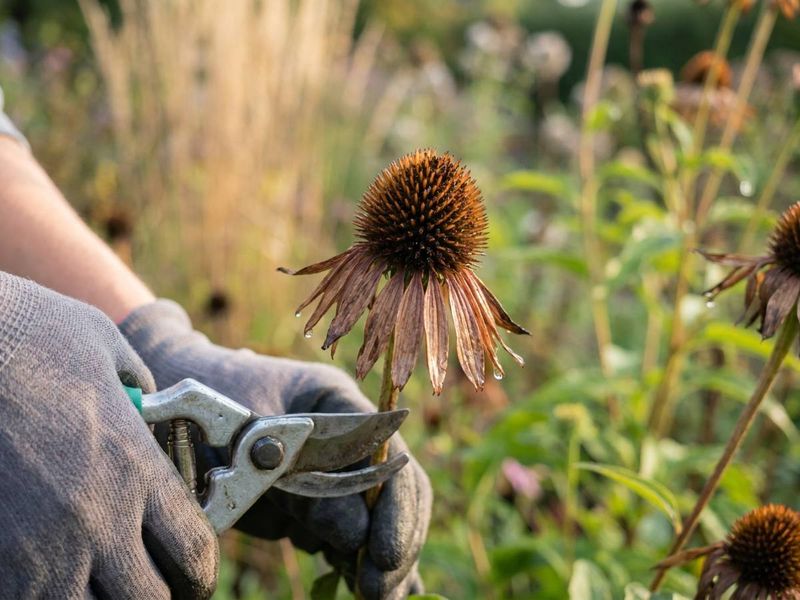
Deadheading – removing spent flowers – is a reasonable cosmetic task, and it may encourage some Echinacea varieties to push out another round of blooms before the season ends. What it does not do is correct an overcrowded crown, improve drainage, or solve any of the other problems that cause a coneflower to decline.
Treating deadheading as the main fix for a fading plant skips the diagnostic step that actually matters.
UF/IFAS Nassau County Extension’s coneflower post and Mississippi State Extension both note that removing spent flowers also removes seeds that birds rely on through winter. Some ornamental cultivars produce few or no viable seeds, so leaving seedheads may feed birds without generating many volunteer plants – but that’s still a worthwhile trade-off for wildlife-aware gardeners.
The straight species, Echinacea purpurea, tends to produce more viable seed than many hybrid cultivars.
Fall cleanup is worth thinking through carefully rather than treating it as an automatic all-or-nothing task. North Carolina State Extension advises leaving dead stems approximately 12 to 24 inches high through winter because native stem-nesting bees may use hollow stems for overwintering habitat.
University of New Hampshire Extension makes a similar case for leaving stems and seedheads standing until late winter or early spring. A practical middle path is to remove any diseased plant material promptly, cut back a portion of the bed for tidiness, and leave healthy stems and seedheads in place where the bed allows it.
Stop when the symptoms point to disease or poor conditions
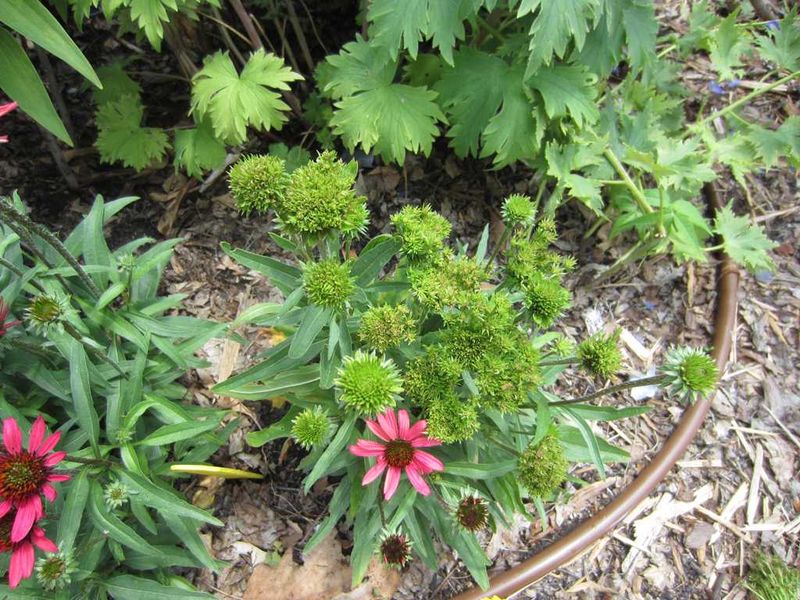
Some coneflower problems have nothing to do with crowding, and division won’t help them. A plant that is young or seed-grown simply needs more time – Echinacea started from seed may take two or more growing seasons before it forms a substantial clump worth dividing, as Clemson Extension notes.
Digging up and splitting a plant that hasn’t established yet adds stress without delivering any benefit.
Wet soil and crown rot are two of the most common genuine culprits in the South. If the crown feels soft or smells musty, or if the plant sits in a low spot that holds water after rain, drainage is the problem – not the size of the clump.
Mississippi State Extension connects wet, cool winters directly to crown rot and short plant life in certain Southern conditions. Dividing a plant with crown rot spreads the problem rather than solving it.
The most important warning sign to recognize is a cluster of symptoms that can indicate aster yellows: flowers that turn green or develop a distorted, malformed shape, stems that produce excessive branching or a witches’-broom appearance, foliage that yellows without obvious cause, or overall stunting. Clemson Extension’s aster yellows page and UConn Extension’s aster yellows guide both explain that this disease is caused by a phytoplasma spread by leafhoppers and has no cure.
Penn State Extension’s Echinacea disease resource also covers it. Do not divide or propagate any plant showing these symptoms – remove it entirely and follow your local extension office’s guidance on disposal.
Fertilizer is another tool that doesn’t belong in this situation. Missouri Extension cautions that fertilizing late in the season can push tender new growth that becomes more vulnerable to winter injury.
If a coneflower is declining because of disease, drainage, or poor establishment, adding fertilizer doesn’t address any of those causes and may make recovery harder.
Use division as a diagnosis-led reset, not a yearly ritual
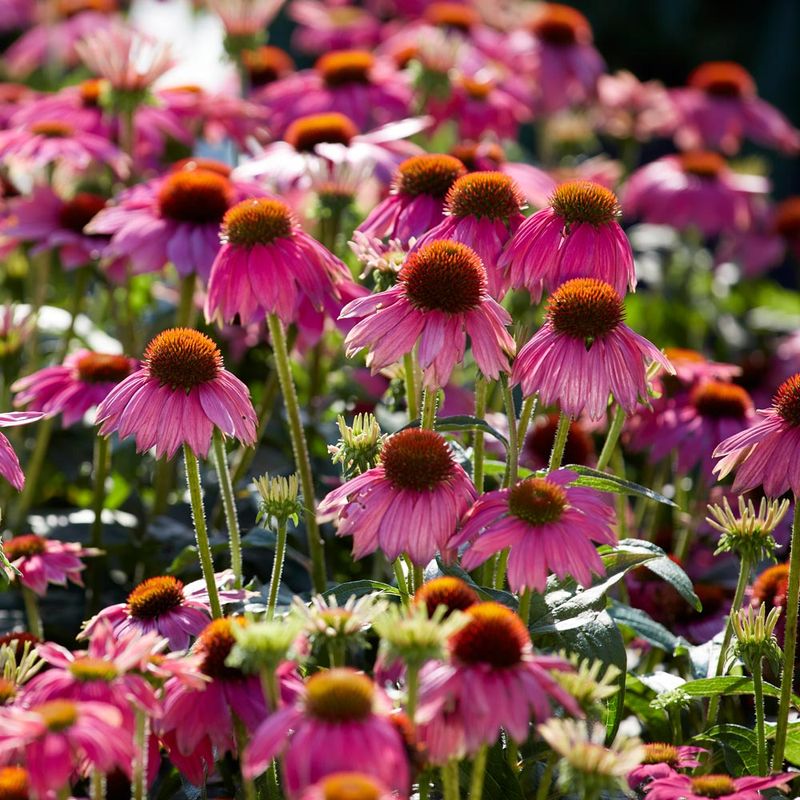
Division can genuinely refresh a mature, congested Echinacea clump that has lost its center or stopped flowering as it once did. Iowa State Extension and Missouri Extension both frame it as a periodic remedy for established perennials, not an annual chore.
Choose fall when your local conditions allow for good establishment before winter; choose spring when wet or cool winters make fall riskier in your part of the South. Replant vigorous sections in well-drained soil, keep the crown at grade, and leave healthy seedheads and stems standing where the garden allows.
Division is a reset for the right plant at the right time – the coneflowers that ask for it will usually tell you, through crowding and fewer blooms, before they quietly disappear.