
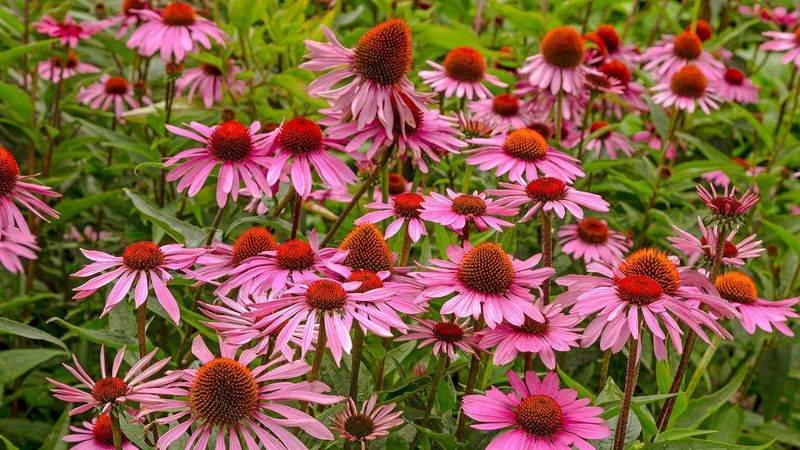
Purple coneflower is one of those plants that keeps on giving long after the blooms fade. Those spiky brown seed heads standing in your fall garden are not just decoration – they are a potential source of planting material for future seasons.
If you grow Echinacea purpurea in a Southern yard, knowing when and how to collect mature seed can stretch your plant budget and fill new beds over time. The catch is that the seed heads do not guarantee flowers the following year, but they do give you a real head start on future plants.
Purple coneflower seed heads offer future planting material
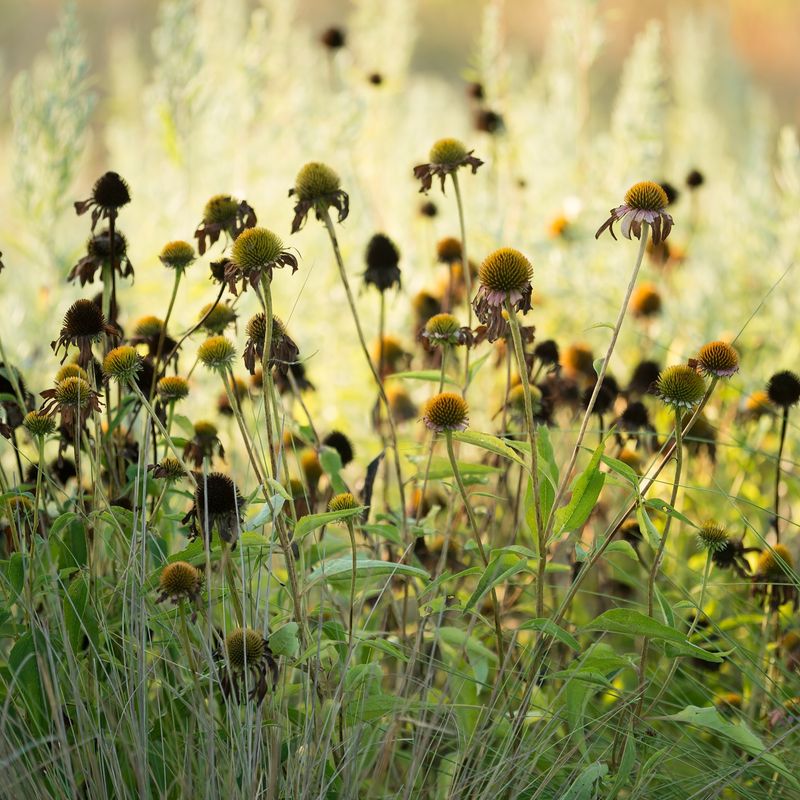
Most gardeners know Echinacea purpurea by its common names – purple coneflower or eastern purple coneflower – but the word “coneflower” gets applied to several unrelated plants, including Rudbeckia and Ratibida. The guidance here applies specifically to Echinacea purpurea, because seed behavior, maturity cues, and reseeding habits differ enough between genera that mixing them up leads to real confusion at sowing time.
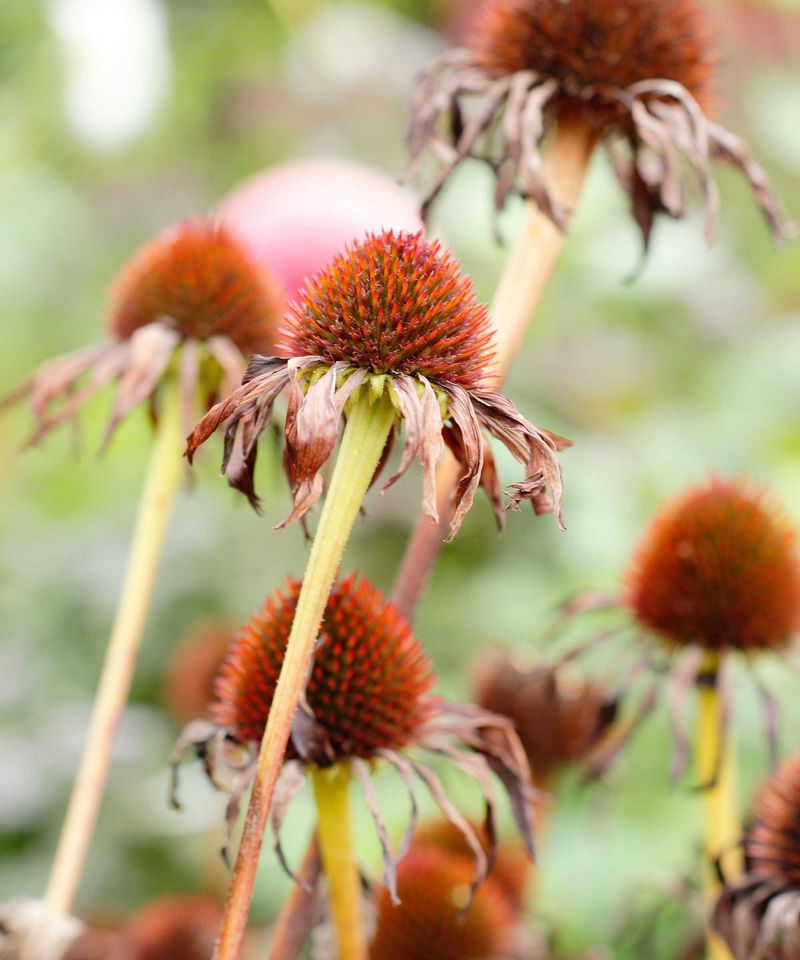
When the showy purple petals drop from an Echinacea purpurea bloom, the spiky central cone does not just sit there looking dramatic. It slowly matures into a seed head that may contain viable achenes – the small, narrow seeds packed between the cone’s stiff bracts.
NC State Extension notes that purple coneflower is easily propagated by seed and commonly reseeds in garden settings, which is part of what makes collecting worth the effort.
The honest framing here is “future planting material” rather than a guaranteed crop of flowers next season. Some collected seed will sprout the following year, but flowering timelines and plant appearance depend on factors that vary by garden, climate, and seed source.
Think of the seed heads as an investment in plants to come, not a promise of blooms by a specific date.
Wait for a dry, mature head instead of harvesting at petal drop
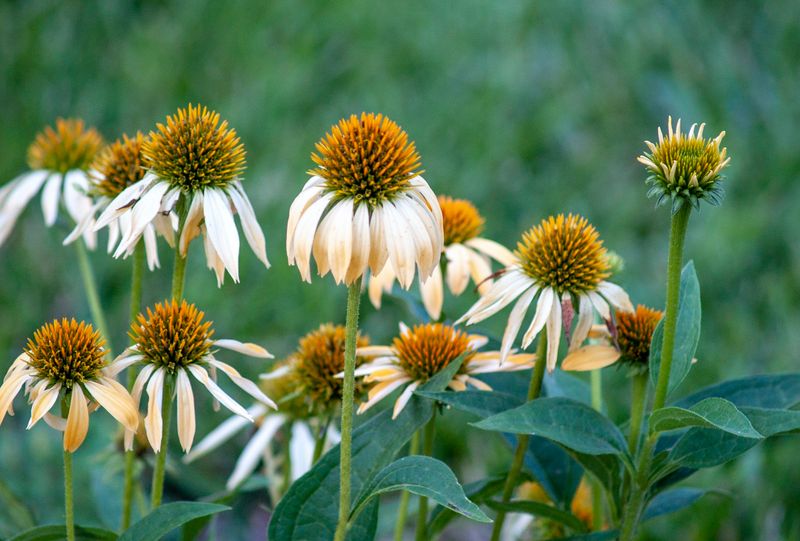
Petal drop is an easy milestone to spot, but it marks the beginning of seed development rather than the end. A head that has just lost its petals still needs time for the achenes to fill out, harden, and dry down.
Harvesting too early often means collecting seed with poor viability – seeds that look fine but never sprout.
The practical readiness test uses three cues together. First, the petals should be completely gone.
Second, the cone and its stem should look brown and dry, not greenish or soft. Third, a few seeds should separate from the cone with little resistance when you run a gloved thumb across the surface.
USDA guidance for related Echinacea species – applied here cautiously at the genus level – notes that seed clinging tightly to the cone may still be immature and should be left to ripen longer.
Timing varies with weather and location. In Texas and Florida, some heads can reach maturity before the calendar feels like late fall because summer heat accelerates the drying process.
Watch the heads rather than the date. Once a head looks ready, move quickly: USDA material on related Echinacea species notes that goldfinches can clear a seed crop in just a few days.
Harvest during a dry stretch, ideally after morning dew has evaporated, so the heads are as dry as possible when they go into your collection bag.
Harvest selected heads with gloves and breathable containers
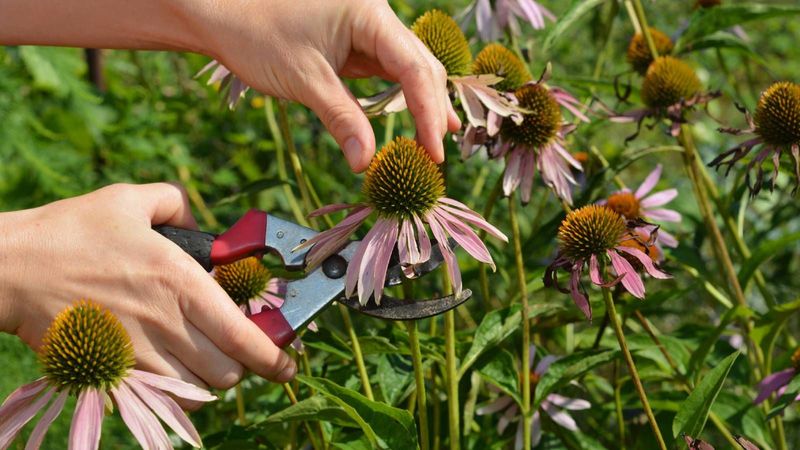
Mature Echinacea cones are stiff and sharply pointed – the same quality that makes them interesting in a winter border also makes them uncomfortable to handle bare-handed. USDA production guidance for related Echinacea species specifically recommends heavy gloves when hand-harvesting seed heads, and that advice translates well at the genus level for home gardeners working with Echinacea purpurea.
A pair of leather or thick fabric gloves takes the sting out of the process and protects your hands from repeated contact with the bracts.
Use clean pruners or scissors to clip individual mature heads, leaving a short stem attached so the head is easier to handle. Drop each clipped head into a paper bag or a cloth bag – something that breathes.
University of Minnesota Extension guidance on seed gathering explains that sealing damp plant material in an airtight plastic bag traps humidity, which can encourage mold and deterioration before the seed ever reaches a storage container.
Harvest only a portion of the healthy heads on each plant or across your planting. Leaving the rest standing keeps a food source available for birds and provides natural reseeding insurance.
A selective approach – taking perhaps a third to half of the ready heads while leaving the remainder – gives you useful seed without stripping the planting bare before winter wildlife arrives.
Finish drying before cleaning and storing the seed

Even heads that feel dry when you clip them often hold residual moisture inside the cone. Spread them in a single layer on newspaper or a screen in a dry, well-ventilated room away from direct sun.
Hanging small bundles upside down also works well. Give them one to two weeks to finish drying before you attempt to break the cones apart.
Once the heads are thoroughly dry, gently work the cones apart with gloved hands or tap them against the inside of a bowl. The achenes – small, pale to light-brown seeds with a narrow pointed tip – will separate from the chaff.
Discard any seed that looks visibly shriveled, hollow, or chewed. USDA guidance for related Echinacea species, applied cautiously here, supports removing damaged and empty material before storage to improve the quality of what you keep.
Label every packet or envelope before you seal it. Write the plant name (Echinacea purpurea), the cultivar or seed source if you know it, the collection date, and where in your yard the parent plant grows.
Ask Extension guidance on Echinacea supports storing thoroughly dry seed in a cool, dark, low-humidity location, and notes that airtight containers with refrigeration can extend seed life – but only after drying is fully complete, because sealing in any remaining moisture shortens viability rather than extending it.
Leave healthy heads standing for birds, bees, and reseeding
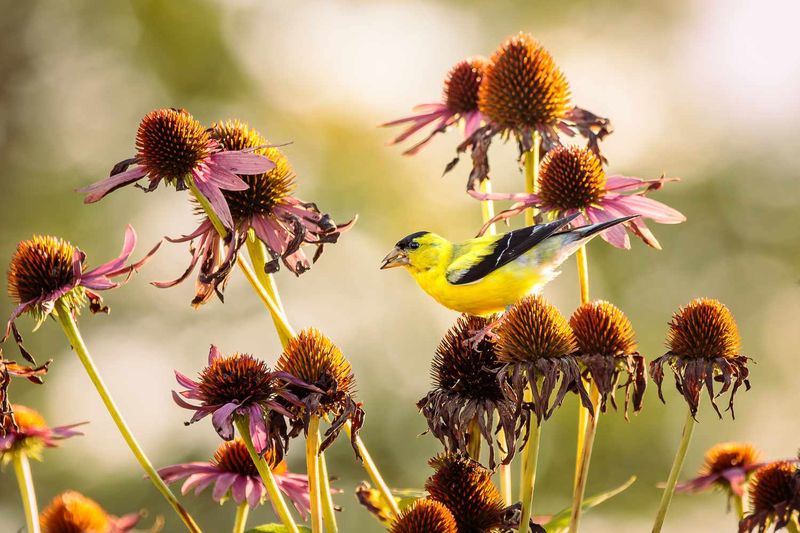
Selective cleanup beats a full fall cutback when wildlife and reseeding are part of your garden goals. NC State Extension confirms that Echinacea seed heads provide food for goldfinches and other seed-eating birds, and that standing stems can offer overwintering habitat for cavity-nesting and stem-nesting bees.
Both benefits disappear the moment you cut everything to the ground.
The practical approach is to harvest some heads for seed saving while leaving a healthy portion of the planting intact through fall and winter. You do not have to choose between a tidy garden and a wildlife-friendly one – cutting back spent stems in late winter, after birds have had months to work through the seed supply, satisfies both goals.
Penn State Extension highlights coneflowers as standout fall garden plants precisely because of this dual-season value.
Deadheading deserves a nuanced take here. Removing spent blooms on some stems can encourage additional flowers during the growing season, which is useful if you want a longer bloom window.
But Penn State Extension’s deadheading guidance makes clear that removing every spent head eliminates both seed production and bird food. A split strategy – deadheading a few stems for rebloom while allowing selected heads to mature fully – gives you the best of both outcomes without sacrificing either.
Expect seedlings before flowers, especially from saved hybrid seed
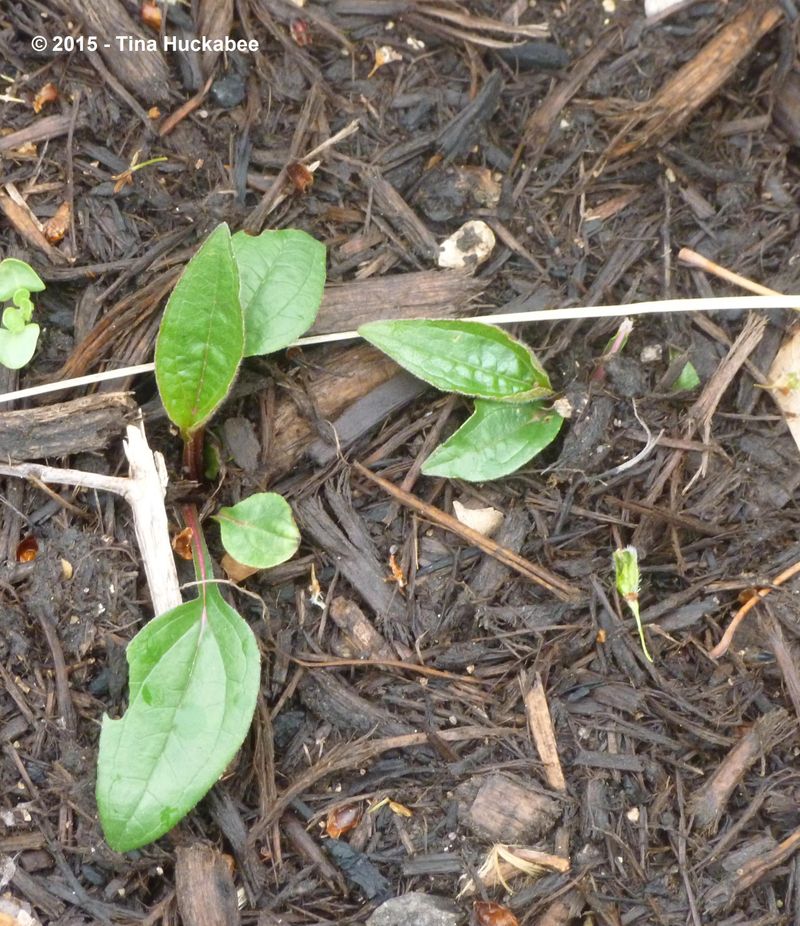
Saving seed is a long game with coneflowers. A seed that germinates in spring may spend its entire first season as a low rosette of leaves, putting energy into roots rather than blooms.
Georgia Extension master gardener guidance notes that coneflowers started from seed may take two or more years to flower. Setting that expectation upfront prevents a lot of frustration when a patch of healthy seedlings sits quietly through a full growing season without opening a single bloom.
The parent plant’s background matters too. Open-pollinated Echinacea purpurea growing near other Echinacea species or cultivars can cross-pollinate freely, and the resulting seed may produce plants with different petal color, cone shape, or overall size.
Iowa State University Extension notes that seedlings from a garden containing multiple species or cultivars may show unexpected traits, so saved seed from a named cultivar should be treated as an experiment unless that cultivar is known to come reliably true from seed.
Named hybrid cultivars – the ones with double petals, unusual colors, or compact habits – carry even more uncertainty. Ask Extension guidance on Echinacea and Clemson Cooperative Extension both recommend division or stem cuttings when preserving an exact cultivar is the priority.
Seed from a hybrid may germinate inconsistently or produce seedlings that look nothing like the plant you loved. Treat those seedlings as a bonus rather than a replacement.
Choose fall sowing or a measured spring cold treatment
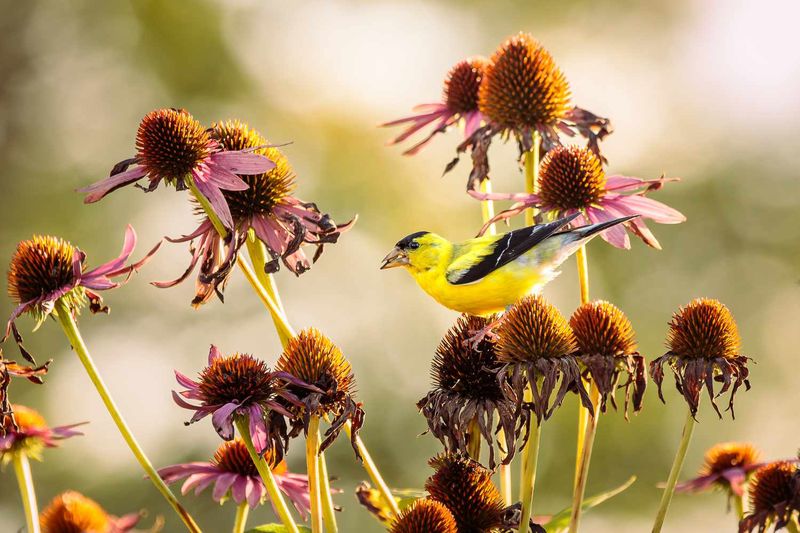
Two solid options exist for using your saved coneflower seed. Fall sowing is the lower-effort route: scatter seed shallowly over a prepared bed after temperatures cool, and let the winter season do the stratification work naturally.
Outdoor cold and moisture mimic the conditions seeds would experience after falling from the parent plant, and many gardeners in the South find this method reliable without any extra steps.
For spring sowing with more control over timing, a brief cold treatment can improve or standardize germination. Iowa State University Extension guidance on growing perennials from seed describes roughly three to four weeks of moist cold near 40 degrees Fahrenheit as a useful pre-treatment for many perennial seeds.
Place the seed in a damp paper towel inside a labeled bag and refrigerate it, then sow when soil temperatures are workable. That said, Echinacea purpurea can sometimes germinate without cold treatment at all, so stratification is a tool that may improve your results rather than a hard requirement.
Either way, keep the seed shallow – barely covered or pressed onto the surface – because Echinacea seed generally needs light to germinate well. In Florida and Texas, timing matters more than in northern states.
University of Georgia Extension’s native plant guide and UF/IFAS guidance on Echinacea purpurea both note that performance varies with local soil, drainage, heat, and moisture, so adjust sowing windows to match your specific conditions rather than following a fixed national calendar.
Protect plant health and respect collection limits
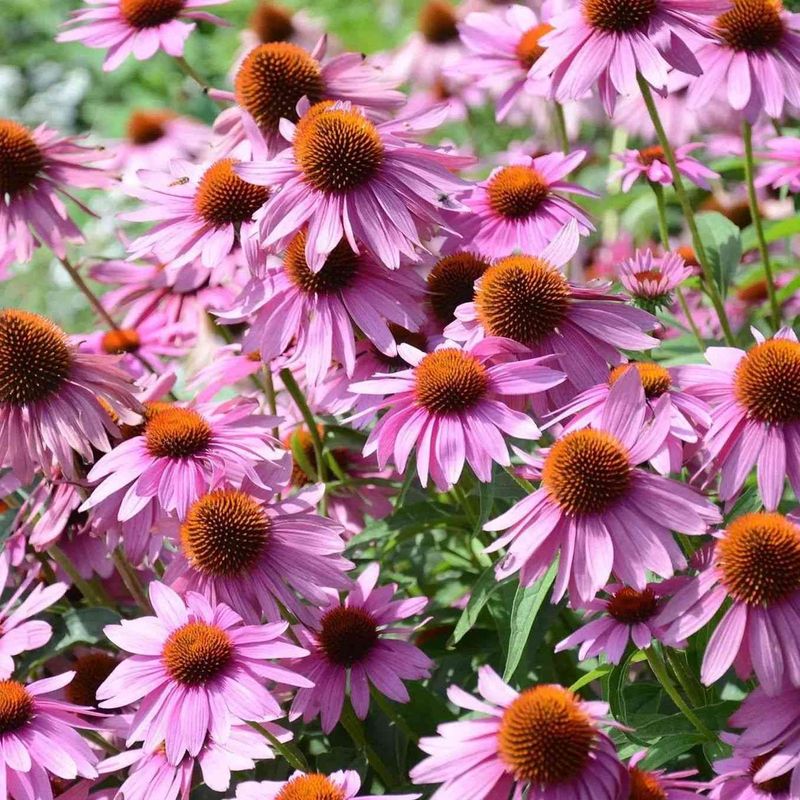
Seed quality starts with the parent plant. Echinacea purpurea can develop leaf spot, powdery mildew, stem rot, anthracnose, and aster yellows – a phytoplasma disease spread by leafhoppers that causes distorted growth and color changes.
NC State Extension’s profile on Echinacea purpurea identifies these common disease problems and recommends removing infected plant material rather than working around it. Do not save seed from any plant showing suspicious symptoms; you risk spreading the problem to new beds.
Home garden collection from your own established plants is straightforward, but collecting from wild populations or public land is a different situation entirely. University of Minnesota Extension guidance on prairie seed gathering recommends collecting from multiple plants, taking only a small portion of available seed from any single source, and confirming that collection is permitted before removing anything from public or protected land.
Regulations, plant identification requirements, and conservation limits all apply in those contexts.
Even in your own yard, restraint makes sense. Taking only a portion of the healthy seed crop leaves enough for birds, natural reseeding, and the next gardener who admires your patch.
USDA APHIS guidance on managing invasive plants also serves as a reminder to remove seed heads from any unwanted or potentially invasive plants before they spread – responsible propagation means being intentional about what you encourage and what you remove.
Save some seed now, but plan for future flowers
The action list is short and manageable. Confirm you are working with Echinacea purpurea, not a different plant that shares the coneflower name.
Wait until the heads are brown, dry, and releasing seed readily before you clip any. Harvest selectively – take some heads before the birds do, but leave a healthy portion standing through the winter for wildlife and natural reseeding.
Dry the clipped heads indoors, clean out the chaff, label every packet, and store seed in a cool dry place.
NC State Extension confirms that purple coneflower reseeds readily in gardens, and Georgia Extension reminds us that seed-started plants may spend one or more full seasons as leafy rosettes before sending up a single flower. The seed heads you collect this fall can absolutely become plants – just not necessarily the blooms you picture, and not necessarily on the schedule you hope for.
That uncertainty is part of what makes seed saving interesting.